The Enhancement Solution: A Closer Look at Options for Optimal Buttocks Sculpting

Fat transfer to buttocks, often referred to as a Brazilian Butt Lift (BBL), offers individuals the opportunity for body contouring by utilizing their own fat. This procedure not only enhances the size and shape of the buttocks but also promotes a more proportional body profile through strategic fat removal from other areas. As cosmetic surgery advances, this method stands out for its dual benefits: sculpting regions with excess fat while augmenting the buttocks for a fuller appearance. Understanding the process, outcomes, and considerations is essential for those contemplating this transformative journey.

Overview of Brazilian Butt Lift Procedure

Procedure Basics

The Brazilian Butt Lift (BBL) is a popular cosmetic surgery. It improves the shape and size of the buttocks. Surgeons remove fat from one part of the body, like the abdomen or thighs. Then, they inject it into the buttocks.

This method creates a fuller look. The goal is to achieve a more rounded and attractive buttock profile. Patients choose this procedure for various reasons, including enhancing their figure or restoring volume lost due to aging.

Process Steps

Firstly, patients undergo liposuction where excess fat is removed from specific areas. This step not only collects fat for transfer but also contours those areas for a slimmer appearance.

Secondly, the collected fat is purified and prepared for injection into the buttocks. Surgeons carefully inject this fat at different depths for optimal absorption and shaping results.

Patients should expect some recovery time after surgery. They must follow post-operative instructions closely to ensure successful outcomes.

  • Pros:
  • Enhances body contour.
  • Uses patient’s own tissue, reducing rejection risk.
  • Cons:
  • Requires recovery period.
  • Possible need for additional procedures if initial absorption isn’t as desired.

Choosing BBL involves considering both benefits and potential drawbacks. However, many find its ability to dramatically improve body silhouette appealing despite these considerations.

Understanding Brazilian Butt Lift Surgery

Anesthesia Options

The Brazilian Butt Lift (BBL) surgery begins with anesthesia. This ensures the patient feels no pain during the procedure. Doctors use either general anesthesia or sedation. The choice depends on various factors, including the patient’s health.

General anesthesia puts the patient completely to sleep. Sedation, however, keeps them awake but relaxed and pain-free. Both methods are safe when monitored by experienced professionals.

Fat Harvesting

Liposuction is a key step in BBL surgery. Surgeons remove fat from areas like the abdomen, thighs, or back. These areas often have excess fat that patients wish to reduce.

The process involves making small incisions and using a tube to suction out fat. It not only provides material for buttock enhancement but also contours donor sites.

Purification Process

After extracting fat, it undergoes purification. This step is crucial for successful transplantation.

Purification involves separating viable fat cells from other fluids and tissues removed during liposuction. Only clean, healthy fat cells are used for injection into the buttocks.

Injection Sites

Surgeons carefully inject purified fat into specific areas of the buttocks to achieve desired results.

They focus on creating a natural-looking shape that complements each patient’s body type.

This personalized approach ensures outcomes that meet or exceed expectations.

Preparing for Fat Transfer to the Buttocks

Health Evaluation

Undergoing a health evaluation is crucial before considering fat transfer to the buttocks. This step ensures patients are fit for surgery. The plastic surgeon will review your medical history and conduct physical exams. They focus on identifying any conditions that might complicate surgery or recovery.

Patients learn if their body has enough excess fat for harvesting during this phase. Common areas include the abdomen, thighs, and hips. Not everyone is a suitable candidate for this procedure.

Lifestyle Adjustments

Making lifestyle adjustments weeks before the operation is essential. Patients must quit smoking and avoid certain medications that can increase bleeding risks. These changes help improve healing post-surgery.

It’s also advised to stop taking anti-inflammatory drugs and herbal supplements. They can affect blood clotting and overall recovery.

Post-Surgery Planning

Arranging post-surgery care is vital for a smooth recovery process after undergoing fat transfer to the buttocks.

  • Secure transportation home from the hospital.
  • Plan for someone to assist you during the initial recovery days.

Wearing a compression garment around treated areas supports healing by reducing swelling and bruising. Prepare your home with essentials within easy reach, minimizing movement and strain on your butt area.

Role of Fat Grafting in Buttock Augmentation

Natural Results

Fat grafting leads to natural-looking buttocks. The process uses the patient’s own fat, making the results feel real. This method blends well with the body’s contours.

Patients often seek a more natural appearance. Fat transfer achieves this by using the individual’s own tissue. There is no foreign material introduced into the body.

Precise Contouring

The technique allows for precise shaping of the buttocks. Surgeons can target specific areas for enhancement or reshaping. This level of control is not always possible with implants.

Surgeons use detailed mapping techniques during fat grafting. They carefully place fat in strategic locations to create desired outcomes. This precision helps achieve balanced and symmetrical results.

Reduced Allergic Risk

Fat transfer reduces allergic reaction risks compared to synthetic implants. The body rarely rejects its own tissues, making this procedure safer in terms of immunological responses.

Implants, on the other hand, carry a risk of causing allergic reactions or rejection by the body. By using one’s own fat, these concerns are significantly minimized, offering patients peace of mind about their safety during and after surgery.

Recovery Process After Brazilian Butt Lift

Initial Period

The recovery period following a fat transfer to buttocks, or Brazilian Butt Lift (BBL), begins immediately after surgery. Initially, patients can expect this phase to last about two weeks. During this time, it’s crucial to follow post-operative guidelines closely.

Patients should avoid sitting directly on their buttocks for at least the first two weeks. This precaution helps ensure the transferred fat cells adapt well and survive in their new location. Finding comfortable sleeping positions is also essential during this initial recovery stage.

Full Recovery

Achieving full recovery from a BBL takes several months. The body needs time to heal completely and for swelling to subside fully.

To aid in this process, wearing compression garments is highly recommended. These garments help reduce swelling and support the healing tissues effectively. They play a vital role in shaping the newly augmented buttocks as well.

Throughout the recovery period, patience and careful adherence to your surgeon’s advice are key factors that contribute significantly towards achieving optimal results from your procedure.

Longevity of Fat Transfer Results

Weight Stability

Maintaining a stable weight is key. After a fat transfer to the buttocks, your body needs consistency. Sudden weight gain or loss can alter results dramatically.

Weight fluctuations affect the transferred fat cells. They can either expand or shrink, changing the augmentation’s appearance. For long-lasting results, keeping your weight steady is crucial.

Reabsorption Minimization

Some fat reabsorption happens naturally. However, surgeons use strategic techniques to reduce this effect. They aim for maximum longevity of the augmentation.

Many patients see lasting results for years with proper care and technique. The initial months are critical as the body adapts and settles with the new fat cells.

The fat transfer to buttocks procedure has evolved significantly over time. Surgeons now have better strategies to ensure that most of the transferred fat remains viable over time.

  • Proper post-operative care
  • Strategic injection methods

These two factors play a huge role in minimizing reabsorption rates and enhancing outcome stability.

Risks Associated with Brazilian Butt Lifts

Common Complications

The fat transfer to buttocks procedure, while popular, carries several risks. Infection is a primary concern. Bacteria can enter the surgical site, leading to complications.

Scarring is another risk. Incisions are necessary for fat transfer. These can leave marks.

Asymmetry may occur too. Achieving perfect balance between both sides of the buttocks is challenging.

Serious Concerns

Fat embolism poses a serious threat but it’s rare. Fat particles might enter the bloodstream and travel to lungs or brain.

This complication can be life-threatening if not treated promptly.

Choosing a qualified surgeon minimizes these risks but does not remove them entirely. Even in skilled hands, unexpected issues may arise.

Selecting an experienced professional reduces chances of encountering such problems significantly. However, no surgery is without its potential complications.

Understanding these risks helps individuals make informed decisions about undergoing this procedure. After considering longevity and potential benefits discussed previously, weighing these risks becomes crucial.

Ensuring Safety in Transferring Fat to the Buttocks

Choosing a Surgeon

Selecting a board-certified plastic surgeon is crucial. This ensures they have the required training and experience. Look for surgeons certified by reputable organizations like ASPS.

Patients should ask about their surgeon’s experience with fat transfer to buttocks procedures. Experienced surgeons understand the importance of safety and proper technique.

Injection Technique

The technique used during surgery greatly impacts patient safety. Injecting fat into subcutaneous tissue is safer than injecting into muscle. This reduces risks related to major blood vessels.

Avoiding the “danger zone” near neurovascular structures is vital. Proper location and depth of injections are key factors in minimizing complications.

Post-Operative Care

Follow-ups after surgery are essential for monitoring recovery. They help identify any complications early on, ensuring swift action can be taken if necessary.

Patients should report unusual symptoms immediately. These include excessive pain or changes in skin color around the buttock or thigh area.

Summary

The Brazilian Butt Lift procedure, a comprehensive approach to buttock augmentation through fat transfer, offers individuals the opportunity to enhance their figure with natural-looking results. From the initial overview to understanding the surgery, preparation, and recovery process, each step plays a crucial role in achieving a successful outcome. The longevity of these results and the risks involved highlight the importance of choosing experienced professionals and adhering to recommended safety protocols. Ensuring safety in transferring fat to the buttocks not only maximizes the aesthetic benefits but also minimizes potential complications.

For those considering this transformative procedure, it’s essential to engage with certified surgeons who specialize in fat grafting techniques. Researching and selecting a reputable practitioner ensures that you receive quality care tailored to your specific needs and goals. Take the next step towards achieving your desired silhouette by consulting with a professional today.

Frequently Asked Questions

How does a Brazilian Butt Lift enhance the buttocks?

The procedure transfers fat from other areas of the body to the buttocks, providing a more rounded and lifted appearance by increasing volume and improving shape.

What is involved in preparing for fat transfer to the buttocks?

Preparation involves maintaining a healthy lifestyle, avoiding certain medications that can increase bleeding risk, and following specific instructions provided by your surgeon to ensure optimal results.

Can you explain the role of fat grafting in buttock augmentation?

Fat grafting involves harvesting fat from one part of the body through liposuction, purifying it, and then injecting it into the buttocks. This technique enhances volume and shape naturally.

What should I expect during recovery after a Brazilian Butt Lift?

Expect some soreness, swelling, and bruising. You’ll need to avoid sitting directly on your buttocks for about two weeks to ensure optimal fat survival.

How long do results from a Brazilian Butt Lift last?

With proper care and maintenance, including maintaining a stable weight, results can be long-lasting. However, natural aging will eventually affect outcomes over time.

What are common risks associated with Brazilian Butt Lifts?

Risks include infection, asymmetry, changes in skin sensation, dissatisfaction with aesthetic outcomes, and complications related to anesthesia or liposuction procedures.

How can I ensure safety when transferring fat to my buttocks?

Choosing an experienced board-certified plastic surgeon who follows established protocols for maximizing fat graft take while minimizing risks is crucial for ensuring safety.

Beyond the Belly: Sculpting a Masculine Midsection with Tummy Tuck

In recent years, the tummy tuck for men has emerged as a popular procedure to achieve a more defined and toned abdominal area. This surgical solution addresses excess skin and fat, offering a pathway to enhanced body confidence and improved physical appearance. Unlike common misconceptions, it’s not just about vanity; it’s also about health benefits and psychological well-being. With advancements in medical techniques, men from various age groups are now considering this transformative option to redefine their contours and embark on a journey towards a rejuvenated self-image.

Understanding Male Tummy Tuck Surgery

Male vs. Traditional

Male tummy tuck surgery differs from the traditional approach often associated with female patients. This procedure is tailored to meet the unique anatomical needs of men. It focuses on removing excess fat and skin while emphasizing muscle definition rather than just slimming the waistline.

The goal here is not only to reduce size but also to sculpt a more masculine, athletic appearance. Surgeons may use techniques like liposuction in conjunction with excision of skin to achieve these results. The result is a flatter, firmer abdomen that enhances the overall body contour.

Suitability Criteria

Not every man is an ideal candidate for this surgery. There are specific criteria that determine suitability for male tummy tuck procedures.

Firstly, candidates should be in good health with realistic expectations about what the surgery can achieve. They must have excess abdominal skin or fat that does not respond well to diet and exercise alone. Secondly, individuals considering this operation should be at or near their ideal body weight. Significant fluctuations in weight post-surgery can affect outcomes negatively. Lastly, non-smokers fare better with recovery and healing due to reduced complications compared to smokers.

Preparing for a Male Tummy Tuck

Health and Expectations

Being in good health is crucial before undergoing a male tummy tuck. It ensures that your body can recover smoothly. You must have realistic expectations about the surgery’s outcomes.

Having a balanced diet and regular exercise routine helps. These habits improve your overall health, making you a good candidate for the procedure. Understand that this surgery is not an alternative to weight loss.

Quit Smoking

Smoking significantly increases surgical risks. It hampers blood flow, affecting healing post-surgery. Doctors advise quitting smoking at least two weeks before the operation.

Avoiding certain medications is also essential. Some drugs can increase bleeding risks during surgery. Always consult with your surgeon on which medications to stop.

Recovery Arrangements

Arranging for help during recovery is vital. The initial period after surgery requires rest and limited movement.

You might need assistance with daily activities, such as getting out of bed or moving around the house. Using a binder post-surgery supports the abdomen and aids in healing. It’s important to follow all post-operative care instructions from your surgeon.

The Male Tummy Tuck Procedure

Initial Steps

Before the tummy tuck begins, general anesthesia is administered. This ensures that the patient feels no pain during the procedure. Once sedated, the surgeon makes a horizontal incision above the pubic hairline.

The length and shape of this incision depend on how much skin needs removal. Another cut around the belly button may be necessary to free it from surrounding tissue.

Removing Excess

After making incisions, surgeons remove excess skin from the abdominal area. They also tighten loose or separated muscles, creating a smoother and firmer midsection.

This part of the surgery can take several hours. It varies based on how much skin and soft tissue need attention.

Closing Up

Surgeons then reposition the belly button if needed. They close all incisions with sutures, staples, or surgical tape.

To prevent fluid buildup, surgical drains might be placed under your skin for a few days.

Post-Surgery Care

The healing process requires careful management by both surgeon and patient.

  • Follow post-operative instructions closely.
  • Wear compression garments as advised.
  • Attend follow-up appointments without fail.

These steps help ensure optimal results and minimize complications like infection or poor scarring.

Abdominoplasty with Liposuction for Men

Combined Approach

Liposuction often partners with a tummy tuck for men. This combination targets excess fat and loose skin. It’s not just about removing fat. The goal is to sculpt the abdomen into a more defined shape.

Men seek this dual approach when diet and exercise don’t fully work. Fat deposits in the abdomen can be stubborn. Liposuction addresses these, while a tummy tuck removes loose skin. Together, they enhance the abdominal contour significantly.

Ideal Candidates

Not every man is right for combined procedures. Good health is crucial before considering surgery. The ideal candidates have realistic expectations about what surgery can achieve.

Factors like age, overall health, and the amount of excess skin play roles here. Candidates should understand that this isn’t a weight-loss solution but rather body contouring. Those with significant abdominal wall weaknesses may need additional interventions to tighten muscles.

Recovery After Male Tummy Tuck Surgery

Recovery Timeline

After undergoing a tummy tuck, men can expect a recovery period. Initially, rest is crucial. Most patients return to work in 2-3 weeks. However, heavy lifting and strenuous activities should be avoided for at least six weeks.

During the first few days, discomfort might be significant. It gradually lessens over time. By following the surgeon’s advice closely, recovery can progress smoothly.

Post-operative Care

Managing post-surgery discomfort is essential for healing. Pain medication prescribed by the surgeon helps ease this phase. Wearing a compression garment supports the healing process and reduces swelling.

Adhering to a healthy diet and staying hydrated are also vital steps towards recovery. These practices aid in faster healing and better results after surgery.

Importance of Instructions

Following the surgeon’s instructions cannot be overstressed for an optimal recovery process. This includes attending follow-up appointments without fail.

Ignoring these guidelines can lead to complications or prolong recovery time.

Benefits of Undergoing a Male Tummy Tuck

Enhanced Appearance

Undergoing a male tummy tuck significantly improves physical appearance. The surgery removes excess skin and fat, leading to a flatter, more defined abdominal area. This change often results in men feeling better about their bodies.

The positive outcome on one’s appearance can be dramatic. Before the surgery, some men might feel self-conscious about their midsection. Afterward, they typically enjoy a more toned and sculpted look.

Boosted Confidence

The improvement in physical appearance directly boosts self-confidence. Men who undergo this procedure often report feeling more confident in social situations and personal relationships.

Their increased confidence is not just about looking better. It also comes from overcoming something that diet and exercise alone couldn’t fix. This sense of achievement contributes to overall well-being.

Posture Improvement

A male tummy tuck can improve posture and reduce certain types of back pain. By tightening weak abdominal muscles, the surgery helps distribute weight evenly across the lower back.

Improved posture is an unexpected but welcome benefit for many men post-surgery. They find themselves standing taller without even trying. This adjustment reduces strain on the spine, potentially alleviating some forms of back discomfort.

Long-lasting Results

To maintain the results of a male tummy tuck, stable weight and regular fitness are key.

  • Regular exercise
  • Balanced diet

These habits ensure that the outcomes remain long-lasting. Men who commit to maintaining their weight enjoy enduring benefits from their surgery.

Cost Considerations for Male Tummy Tuck Surgery

Surgeon’s Fee

The surgeon’s fee is a major component of the overall cost. This varies widely among practitioners. Factors influencing this fee include the surgeon’s experience and reputation.

Choosing a highly qualified surgeon may increase costs. However, it ensures better results and safety.

Facility Costs

Another significant factor is facility costs. These are fees for using hospital or clinic facilities where the surgery takes place.

Facility costs can differ based on location and type of facility chosen. Opting for an accredited facility ensures higher standards of care but might be more expensive.

Anesthesia Fees

Anesthesia fees contribute to the total expense as well. The complexity of your procedure decides these costs.

Longer surgeries require more anesthesia, which increases the price. It’s crucial to discuss anesthesia options with your surgeon beforehand.

Geographic Location

Your surgery’s location impacts cost greatly.

  • In larger cities, prices tend to be higher due to increased demand and living expenses.
  • More affordable options may exist in smaller towns or different regions, but consider travel expenses too.

Extent of Surgery

The extent of your tummy tuck affects pricing.

  • A full tummy tuck is pricier than a mini-tuck since it’s more comprehensive.
  • Discuss with your surgeon what you need versus what you want to find a balance between desired outcomes and budget constraints.

Considering financing options or payment plans helps manage payments over time if upfront cost is prohibitive.

Remembering these factors will help plan financially for your male tummy tuck surgery without unexpected surprises.

Planning a Consultation for Male Tummy Tuck

Research Surgeons

Researching qualified plastic surgeons is crucial. Look for those with specific experience in male abdominoplasty. It’s important because men’s bodies differ from women’s, and you want someone skilled in addressing these unique aspects.

Start by making a list of potential surgeons. Check their credentials and read reviews from other men who’ve had tummy tucks. This will help narrow down your options to the most experienced professionals.

Prepare Questions

Before your consultation, prepare a list of questions. These should cover the procedure, risks, recovery time, and expected outcomes. Don’t forget to ask about the surgeon’s experience with male patients specifically.

Some key questions might include:

  • How many male tummy tucks have you performed?
  • What are the typical results I can expect?
  • What does the recovery process look like?

This preparation ensures you won’t forget any important queries during your meeting.

Discuss Goals

It’s vital to discuss your personal goals and medical history openly with the surgeon during your consultation. Be honest about what you hope to achieve through surgery and any health issues that could affect surgery or recovery.

Your surgeon can tailor their approach based on this discussion, ensuring they meet your expectations while considering safety first.

Summary

Male tummy tuck surgery offers a transformative solution for men seeking to improve their abdominal profile. From understanding the procedure and preparing for surgery, to recovery and considering the costs involved, each step plays a crucial role in achieving optimal results. The combination of abdominoplasty with liposuction has shown to be particularly effective, providing a more contoured and toned appearance. The benefits of undergoing a male tummy tuck extend beyond physical improvements, contributing to enhanced self-confidence and overall well-being.

For those contemplating this life-changing procedure, it’s essential to engage in thorough consultation with a qualified surgeon. This will ensure personalized advice tailored to individual needs and expectations. Start your journey towards a more confident self today by scheduling a consultation with an expert in male tummy tuck surgery.

Frequently Asked Questions

What is a male tummy tuck surgery?

A male tummy tuck, or abdominoplasty, is a surgical procedure aimed at removing excess skin and fat from the abdomen to create a firmer, more toned appearance. It may also involve tightening of the abdominal muscles.

How should I prepare for a male tummy tuck?

Preparation involves following your surgeon’s instructions closely, which typically include quitting smoking, avoiding certain medications that can increase bleeding risk, and maintaining a stable weight before surgery.

What does the male tummy tuck procedure entail?

The procedure usually involves making an incision across the lower abdomen to remove excess skin and fat. The underlying abdominal muscles may be tightened as well. In some cases, liposuction is combined with abdominoplasty for optimal results.

Can liposuction be combined with abdominoplasty for men?

Yes, combining liposuction with abdominoplasty is common in men to enhance body contouring results by removing stubborn fat deposits along with excess skin tightening.

What is the recovery process like after a male tummy tuck?

Recovery typically includes taking prescribed medication to manage pain and swelling, wearing compression garments to support healing tissues, and gradually resuming light activities as advised by your surgeon. Full recovery can take several weeks.

What are the benefits of undergoing a male tummy tuck?

Benefits include improved body contouring and posture due to removal of excess skin and fat; tightened abdominal muscles; enhanced self-confidence; and better fit of clothes post-surgery.

How much does a male tummy tuck cost on average?

The cost varies widely depending on geographic location, surgeon’s expertise, complexity of the procedure, and whether it includes additional procedures like liposuction. Consultation with qualified plastic surgeons will provide specific pricing information tailored to individual needs.

A Comprehensive Guide to Ready Yourself for Breast Reduction

Breast reduction surgery, a procedure aimed at alleviating physical discomfort and enhancing body confidence, stands as a beacon of hope for many. By carefully removing excess breast tissue, fat, and skin, this surgery aims to achieve a breast size in proportion with the body. It not only promises relief from the physical strains associated with overly large breasts but also paves the way for a newfound sense of freedom in fashion choices and physical activities. This introduction delves into how such surgeries are transforming lives by offering both aesthetic improvements and functional benefits.

Understanding the Purpose and Benefits

Physical Comfort

Breast reduction surgery significantly alleviates physical discomfort. Many people suffer from back pain and neck strain due to large breasts. This surgery can change that.

After the procedure, individuals often experience a remarkable ease in symptoms. They notice less tension in their shoulders and back. This improvement allows them to move more freely.

Body Proportion

This operation enhances body proportion as well. It brings a balance between someone’s upper and lower body parts. People feel more comfortable in their skin after the reduction.

The change boosts personal comfort too. Clothes fit better, and shopping becomes easier for many home closets see a transformation with new styles that fit perfectly.

Active Lifestyle

Another key benefit is an improved ability to engage in physical activities. Before surgery, some exercises might be difficult or uncomfortable for individuals with larger breasts.

Post-surgery, participating in sports or fitness routines becomes much easier. People find joy in activities they once avoided or couldn’t do comfortably.

Eligibility and Candidacy Evaluation

Health Assessment

Evaluating overall health is crucial. Doctors review medical history thoroughly. This ensures safety during breast reduction surgery.

Patients must disclose all health conditions. This includes heart issues or diabetes. A good candidate has no major health risks.

Psychological Readiness

Understanding psychological readiness is key. Patients should have realistic expectations about the outcomes of surgery.

A positive mindset contributes to a successful recovery. It’s important to discuss concerns with a surgeon before proceeding.

Weight Stability

Stable weight is essential for optimal results. Fluctuations in weight can affect the surgery’s outcome.

Candidates should maintain a consistent weight before undergoing breast reduction surgery. This helps achieve lasting results.

**

Comprehensive Consultation Process

Desired Outcomes

The consultation process begins with a detailed discussion about desired outcomes. Patients share their expectations and reasons for pursuing breast reduction surgery. This step is crucial in ensuring both the surgeon and patient are aligned on the goals of the procedure.

Surgeons explain potential results, considering individual body shapes and sizes. They also discuss possible risks associated with the surgery. Understanding these risks helps patients make an informed decision.

Physical Examination

A thorough physical examination follows next. The surgeon takes precise measurements of the breasts to assess their size and shape. This assessment includes checking skin quality and pinpointing any asymmetries or unique anatomical features.

This examination aids in crafting a surgical plan tailored to each patient’s needs. It ensures that desired outcomes are achievable while maintaining a focus on safety and health.

Surgical Approach

Finally, planning the surgical approach involves combining all gathered information into a cohesive strategy for surgery day.

  • Surgeons consider factors like incision locations.
  • They decide on techniques that will best achieve desired reductions while minimizing scarring.

This personalized plan aims to meet specific aesthetic goals while addressing any medical concerns highlighted during earlier stages of consultation.

Detailed Pre-Surgery Instructions

Medication Adjustments

Before surgery, patients must review their medical history with the doctor. This includes discussing all certain medications they take. Some medicines might need to be stopped or adjusted.

Doctors often advise stopping blood-thinning drugs to prevent excessive bleeding during surgery. It’s crucial for patients to follow these instructions carefully to ensure a safe operation.

Smoking Cessation

Quitting smoking is another vital step before undergoing breast reduction surgery. Smoking can hinder healing and increase the risk of complications in the operating room.

Patients are typically advised to quit cigarettes several weeks before the day of the operation. This helps improve circulation and promotes better recovery outcomes.

Fasting and Preparation

On the night before your operation, fasting is usually required. Patients should not eat or drink after midnight. This reduces risks during anesthesia.

Taking a shower using antibacterial soap on the morning of surgery is also recommended. It minimizes infection risk in the operating room.

Recovery Arrangements

After surgery, having help at home is essential for recovery. Patients will experience symptoms like soreness and limited mobility that make daily tasks challenging.

  • Arrange for someone to drive you home from hospital.
  • Plan for assistance with household chores and personal care for at least a few days post-surgery.

Breast reduction can significantly reduce discomfort from large breasts and improve quality of life by resizing them to a more comfortable size. Following these pre-surgery instructions closely ensures safer procedures and smoother recoveries.

Surgical Techniques and Incision Types

Anchor Technique

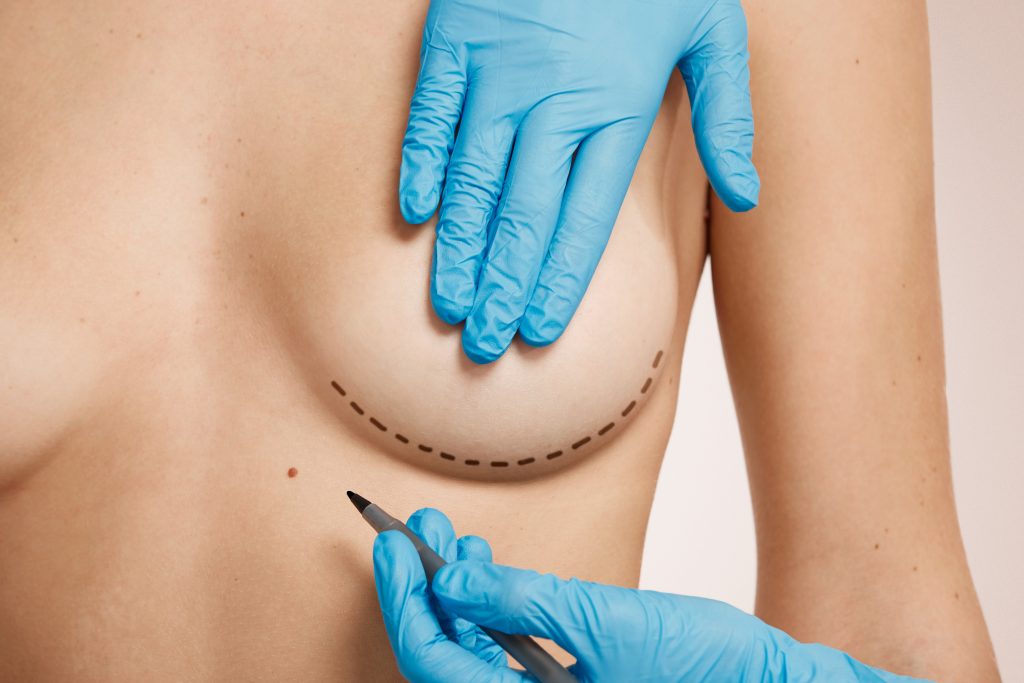
The anchor technique is common for large reductions. It involves three incisions. One encircles the areola, another runs vertically to the breast crease, and a third follows the crease’s natural curve. This method allows significant tissue removal.

However, it results in more visible scarring. Surgeons recommend this for larger breasts needing substantial reduction and reshaping.

Vertical Technique

For moderate reductions, the vertical technique is preferred. It uses two incisions: around the areola and vertically down to the breast crease. This approach offers a good compromise between accessibility for tissue removal and minimizing scars.

Patients with medium-sized breasts often benefit from this method. It leads to less scarring compared to the anchor technique.

Scarless Technique

The scarless technique employs liposuction to remove fat from the breasts without large cuts. It’s best for small reductions where skin elasticity can naturally reshape the breast post-surgery.

This method leaves minimal scarring but is limited by how much size can be reduced.

Surgeons determine incision type based on breast size and shape. They aim to minimize scarring while achieving desired results.

  • The choice of surgical technique impacts both outcome and recovery time.
  • Patients should discuss their goals with their surgeon who will customize an approach suited specifically for them.

Recovery Process and Post-Surgery Care

Immediate Care

After breast reduction surgery, patients will have dressings on their incisions. They may also have drains to remove excess fluid. These are important for healing.

It’s crucial to follow the surgeon’s instructions on caring for these dressings and drains. This helps prevent infection and ensures a smoother recovery process.

Pain Management

Pain and discomfort are common after breast reduction surgery. Patients receive pain medication prescriptions from their surgeons.

  • It is vital to take these medications as directed.
  • Avoiding strenuous activities helps reduce pain and swelling following surgery.

Proper rest is key during this time. It aids in faster recovery.

Activity Restrictions

Patients must adhere to specific activity restrictions post-surgery. These include:

  • Avoid lifting heavy objects.
  • Refrain from high-intensity exercises until cleared by the surgeon.

Following these guidelines reduces risks of complications or damage to surgical sites.

Signs of Complications

Knowing signs of complications is essential for prompt intervention. These signs include:

  • Unusual swelling
  • Severe pain not relieved by medication
  • Signs of infection such as fever or discharge from incision sites

If any of these occur, contacting the surgeon immediately is necessary.

Long-Term Care and Future Considerations

Regular Follow-Ups

After breast reduction surgery, regular follow-ups are crucial. These visits help monitor healing. They also catch any complications early. Doctors can answer questions during these appointments.

Patients should attend all scheduled check-ups. This ensures their recovery is on track. It helps maintain overall health too.

Breastfeeding Impact

Breast reduction surgery might affect breastfeeding. Some women may find it challenging to produce enough milk. Others might not face any issues.

It’s important to discuss this with a doctor before surgery. They can provide information based on the patient’s specific situation.

Mammogram Changes

The procedure can change how mammograms are done in the future. Patients should inform their radiologist about their surgery.

This helps ensure accurate readings of mammograms post-surgery.

Stable Weight Maintenance

Maintaining a stable weight is key for lasting results after breast reduction surgery. Sudden weight changes can alter the breasts’ new position and size. A balanced diet and regular exercise support stable weight.

Closing Thoughts

Breast reduction surgery offers significant benefits, including alleviating physical discomfort and enhancing self-esteem. The journey from understanding its purpose to embracing long-term care entails a meticulous process, ensuring candidates are well-informed and prepared. Each step, from eligibility evaluation to recovery, is crucial for achieving the desired outcome and maintaining health. This comprehensive approach underscores the importance of expert guidance and patient commitment in navigating this transformative procedure.

Considering the impact of breast reduction surgery on an individual’s quality of life, those experiencing physical or psychological discomfort should consult a certified surgeon. This initial step can open doors to a journey of transformation and healing. Remember, the decision to undergo surgery should be informed and supported by professional advice, emphasizing the significance of choosing a qualified healthcare provider for this life-changing endeavor.

Frequently Asked Questions

What is the purpose of breast reduction surgery?

Breast reduction surgery aims to alleviate discomfort from overly large breasts, improving physical capabilities and confidence by removing excess breast tissue and skin.

Who is eligible for breast reduction surgery?

Candidates include individuals experiencing physical pain or self-consciousness due to large breasts, without significant health issues that could impair healing.

How does the consultation process work?

During a comprehensive consultation, a surgeon evaluates your health, discusses goals, and explains risks and benefits to determine the best surgical approach for you.

What should I expect before undergoing breast reduction surgery?

Patients receive detailed instructions on preparing for surgery, including dietary restrictions and medication adjustments, ensuring safety and optimizing outcomes.

Can you explain the different surgical techniques used in breast reductions?

Surgeons employ various techniques based on individual anatomy and desired results. Options range from liposuction-only procedures to more invasive methods involving incisions around the areola or under the breast fold.

What does recovery entail following breast reduction surgery?

Recovery involves rest, wearing a support bra 24/7, avoiding strenuous activities for several weeks, managing pain with prescribed medications. Follow-up visits are crucial for monitoring healing progress.

How should I care for my breasts long-term after reduction surgery?

Long-term care includes maintaining a stable weight, performing regular self-exams post-recovery period ends. Annual check-ups with your surgeon may be advised to assess changes or concerns.