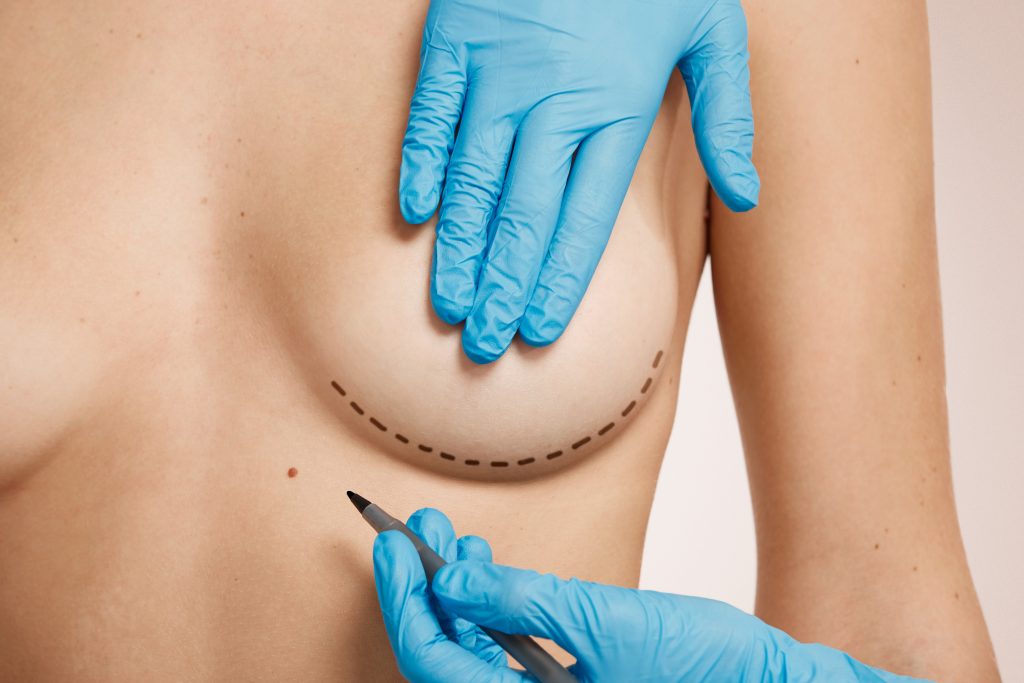
In recent years, the tummy tuck for men has emerged as a popular procedure to achieve a more defined and toned abdominal area. This surgical solution addresses excess skin and fat, offering a pathway to enhanced body confidence and improved physical appearance. Unlike common misconceptions, it’s not just about vanity; it’s also about health benefits and psychological well-being. With advancements in medical techniques, men from various age groups are now considering this transformative option to redefine their contours and embark on a journey towards a rejuvenated self-image.
Understanding Male Tummy Tuck Surgery
Male vs. Traditional
Male tummy tuck surgery differs from the traditional approach often associated with female patients. This procedure is tailored to meet the unique anatomical needs of men. It focuses on removing excess fat and skin while emphasizing muscle definition rather than just slimming the waistline.
The goal here is not only to reduce size but also to sculpt a more masculine, athletic appearance. Surgeons may use techniques like liposuction in conjunction with excision of skin to achieve these results. The result is a flatter, firmer abdomen that enhances the overall body contour.
Suitability Criteria
Not every man is an ideal candidate for this surgery. There are specific criteria that determine suitability for male tummy tuck procedures.
Firstly, candidates should be in good health with realistic expectations about what the surgery can achieve. They must have excess abdominal skin or fat that does not respond well to diet and exercise alone. Secondly, individuals considering this operation should be at or near their ideal body weight. Significant fluctuations in weight post-surgery can affect outcomes negatively. Lastly, non-smokers fare better with recovery and healing due to reduced complications compared to smokers.
Preparing for a Male Tummy Tuck
Health and Expectations
Being in good health is crucial before undergoing a male tummy tuck. It ensures that your body can recover smoothly. You must have realistic expectations about the surgery’s outcomes.
Having a balanced diet and regular exercise routine helps. These habits improve your overall health, making you a good candidate for the procedure. Understand that this surgery is not an alternative to weight loss.
Quit Smoking
Smoking significantly increases surgical risks. It hampers blood flow, affecting healing post-surgery. Doctors advise quitting smoking at least two weeks before the operation.
Avoiding certain medications is also essential. Some drugs can increase bleeding risks during surgery. Always consult with your surgeon on which medications to stop.
Recovery Arrangements
Arranging for help during recovery is vital. The initial period after surgery requires rest and limited movement.
You might need assistance with daily activities, such as getting out of bed or moving around the house. Using a binder post-surgery supports the abdomen and aids in healing. It’s important to follow all post-operative care instructions from your surgeon.
The Male Tummy Tuck Procedure
Initial Steps
Before the tummy tuck begins, general anesthesia is administered. This ensures that the patient feels no pain during the procedure. Once sedated, the surgeon makes a horizontal incision above the pubic hairline.
The length and shape of this incision depend on how much skin needs removal. Another cut around the belly button may be necessary to free it from surrounding tissue.
Removing Excess
After making incisions, surgeons remove excess skin from the abdominal area. They also tighten loose or separated muscles, creating a smoother and firmer midsection.
This part of the surgery can take several hours. It varies based on how much skin and soft tissue need attention.

Closing Up
Surgeons then reposition the belly button if needed. They close all incisions with sutures, staples, or surgical tape.
To prevent fluid buildup, surgical drains might be placed under your skin for a few days.
Post-Surgery Care
The healing process requires careful management by both surgeon and patient.
- Follow post-operative instructions closely.
- Wear compression garments as advised.
- Attend follow-up appointments without fail.
These steps help ensure optimal results and minimize complications like infection or poor scarring.
Abdominoplasty with Liposuction for Men
Combined Approach
Liposuction often partners with a tummy tuck for men. This combination targets excess fat and loose skin. It’s not just about removing fat. The goal is to sculpt the abdomen into a more defined shape.
Men seek this dual approach when diet and exercise don’t fully work. Fat deposits in the abdomen can be stubborn. Liposuction addresses these, while a tummy tuck removes loose skin. Together, they enhance the abdominal contour significantly.
Ideal Candidates
Not every man is right for combined procedures. Good health is crucial before considering surgery. The ideal candidates have realistic expectations about what surgery can achieve.
Factors like age, overall health, and the amount of excess skin play roles here. Candidates should understand that this isn’t a weight-loss solution but rather body contouring. Those with significant abdominal wall weaknesses may need additional interventions to tighten muscles.
Recovery After Male Tummy Tuck Surgery
Recovery Timeline
After undergoing a tummy tuck, men can expect a recovery period. Initially, rest is crucial. Most patients return to work in 2-3 weeks. However, heavy lifting and strenuous activities should be avoided for at least six weeks.
During the first few days, discomfort might be significant. It gradually lessens over time. By following the surgeon’s advice closely, recovery can progress smoothly.
Post-operative Care
Managing post-surgery discomfort is essential for healing. Pain medication prescribed by the surgeon helps ease this phase. Wearing a compression garment supports the healing process and reduces swelling.
Adhering to a healthy diet and staying hydrated are also vital steps towards recovery. These practices aid in faster healing and better results after surgery.
Importance of Instructions
Following the surgeon’s instructions cannot be overstressed for an optimal recovery process. This includes attending follow-up appointments without fail.
Ignoring these guidelines can lead to complications or prolong recovery time.
Benefits of Undergoing a Male Tummy Tuck
Enhanced Appearance
Undergoing a male tummy tuck significantly improves physical appearance. The surgery removes excess skin and fat, leading to a flatter, more defined abdominal area. This change often results in men feeling better about their bodies.
The positive outcome on one’s appearance can be dramatic. Before the surgery, some men might feel self-conscious about their midsection. Afterward, they typically enjoy a more toned and sculpted look.
Boosted Confidence
The improvement in physical appearance directly boosts self-confidence. Men who undergo this procedure often report feeling more confident in social situations and personal relationships.
Their increased confidence is not just about looking better. It also comes from overcoming something that diet and exercise alone couldn’t fix. This sense of achievement contributes to overall well-being.
Posture Improvement
A male tummy tuck can improve posture and reduce certain types of back pain. By tightening weak abdominal muscles, the surgery helps distribute weight evenly across the lower back.
Improved posture is an unexpected but welcome benefit for many men post-surgery. They find themselves standing taller without even trying. This adjustment reduces strain on the spine, potentially alleviating some forms of back discomfort.
Long-lasting Results
To maintain the results of a male tummy tuck, stable weight and regular fitness are key.
- Regular exercise
- Balanced diet
These habits ensure that the outcomes remain long-lasting. Men who commit to maintaining their weight enjoy enduring benefits from their surgery.
Cost Considerations for Male Tummy Tuck Surgery
Surgeon’s Fee
The surgeon’s fee is a major component of the overall cost. This varies widely among practitioners. Factors influencing this fee include the surgeon’s experience and reputation.
Choosing a highly qualified surgeon may increase costs. However, it ensures better results and safety.
Facility Costs
Another significant factor is facility costs. These are fees for using hospital or clinic facilities where the surgery takes place.
Facility costs can differ based on location and type of facility chosen. Opting for an accredited facility ensures higher standards of care but might be more expensive.
Anesthesia Fees
Anesthesia fees contribute to the total expense as well. The complexity of your procedure decides these costs.
Longer surgeries require more anesthesia, which increases the price. It’s crucial to discuss anesthesia options with your surgeon beforehand.
Geographic Location
Your surgery’s location impacts cost greatly.
- In larger cities, prices tend to be higher due to increased demand and living expenses.
- More affordable options may exist in smaller towns or different regions, but consider travel expenses too.
Extent of Surgery
The extent of your tummy tuck affects pricing.
- A full tummy tuck is pricier than a mini-tuck since it’s more comprehensive.
- Discuss with your surgeon what you need versus what you want to find a balance between desired outcomes and budget constraints.
Considering financing options or payment plans helps manage payments over time if upfront cost is prohibitive.
Remembering these factors will help plan financially for your male tummy tuck surgery without unexpected surprises.
Planning a Consultation for Male Tummy Tuck
Research Surgeons
Researching qualified plastic surgeons is crucial. Look for those with specific experience in male abdominoplasty. It’s important because men’s bodies differ from women’s, and you want someone skilled in addressing these unique aspects.
Start by making a list of potential surgeons. Check their credentials and read reviews from other men who’ve had tummy tucks. This will help narrow down your options to the most experienced professionals.
Prepare Questions
Before your consultation, prepare a list of questions. These should cover the procedure, risks, recovery time, and expected outcomes. Don’t forget to ask about the surgeon’s experience with male patients specifically.
Some key questions might include:
- How many male tummy tucks have you performed?
- What are the typical results I can expect?
- What does the recovery process look like?
This preparation ensures you won’t forget any important queries during your meeting.
Discuss Goals
It’s vital to discuss your personal goals and medical history openly with the surgeon during your consultation. Be honest about what you hope to achieve through surgery and any health issues that could affect surgery or recovery.
Your surgeon can tailor their approach based on this discussion, ensuring they meet your expectations while considering safety first.
Summary
Male tummy tuck surgery offers a transformative solution for men seeking to improve their abdominal profile. From understanding the procedure and preparing for surgery, to recovery and considering the costs involved, each step plays a crucial role in achieving optimal results. The combination of abdominoplasty with liposuction has shown to be particularly effective, providing a more contoured and toned appearance. The benefits of undergoing a male tummy tuck extend beyond physical improvements, contributing to enhanced self-confidence and overall well-being.
For those contemplating this life-changing procedure, it’s essential to engage in thorough consultation with a qualified surgeon. This will ensure personalized advice tailored to individual needs and expectations. Start your journey towards a more confident self today by scheduling a consultation with an expert in male tummy tuck surgery.
Frequently Asked Questions
What is a male tummy tuck surgery?
A male tummy tuck, or abdominoplasty, is a surgical procedure aimed at removing excess skin and fat from the abdomen to create a firmer, more toned appearance. It may also involve tightening of the abdominal muscles.
How should I prepare for a male tummy tuck?
Preparation involves following your surgeon’s instructions closely, which typically include quitting smoking, avoiding certain medications that can increase bleeding risk, and maintaining a stable weight before surgery.
What does the male tummy tuck procedure entail?
The procedure usually involves making an incision across the lower abdomen to remove excess skin and fat. The underlying abdominal muscles may be tightened as well. In some cases, liposuction is combined with abdominoplasty for optimal results.
Can liposuction be combined with abdominoplasty for men?
Yes, combining liposuction with abdominoplasty is common in men to enhance body contouring results by removing stubborn fat deposits along with excess skin tightening.
What is the recovery process like after a male tummy tuck?
Recovery typically includes taking prescribed medication to manage pain and swelling, wearing compression garments to support healing tissues, and gradually resuming light activities as advised by your surgeon. Full recovery can take several weeks.
What are the benefits of undergoing a male tummy tuck?
Benefits include improved body contouring and posture due to removal of excess skin and fat; tightened abdominal muscles; enhanced self-confidence; and better fit of clothes post-surgery.
How much does a male tummy tuck cost on average?
The cost varies widely depending on geographic location, surgeon’s expertise, complexity of the procedure, and whether it includes additional procedures like liposuction. Consultation with qualified plastic surgeons will provide specific pricing information tailored to individual needs.