Cellulite on Arms and Back: Causes, Treatments, and Remedies

Cellulite reduction for arms and back is a hot topic today. Many people struggle with stubborn fat in these areas. Historically, cellulite has been seen as a cosmetic issue, affecting self-esteem and body image. Modern techniques, including cellulite reduction technologies and medical cellulite treatments, along with lifestyle changes, have made it easier to tackle this concern.

From targeted exercises to skin treatments for arm cellulite, there are effective ways to smooth out those bumps. Understanding the causes of cellulite can empower you to make informed choices. With the right approach, achieving firmer arms and backs is within reach. This post will explore practical tips and methods for effective cellulite reduction.

Key Takeaways

  • Understand that cellulite on the arms and back can be influenced by various factors, including genetics and lifestyle choices. Identifying these can help you target your efforts effectively.
  • Avoid processed foods and high-sugar snacks, as these can worsen the appearance of cellulite. Focus on a balanced diet rich in fruits, vegetables, and whole grains for better skin health.
  • Incorporate specific exercises like tricep dips and back rows into your routine to strengthen and tone these areas, which may help reduce the visibility of cellulite.
  • Consider both traditional remedies, like dry brushing, and natural solutions, such as coffee scrubs, to improve skin texture. Experiment to see what works best for you.
  • Explore dermatological treatments like laser therapy or radiofrequency for more significant results if lifestyle changes alone are not enough.
  • Stay hydrated and maintain a nutrient-rich diet to support skin health and overall well-being, as proper hydration can significantly impact the appearance of cellulite.

Understanding Cellulite on Arms and Back

Definition

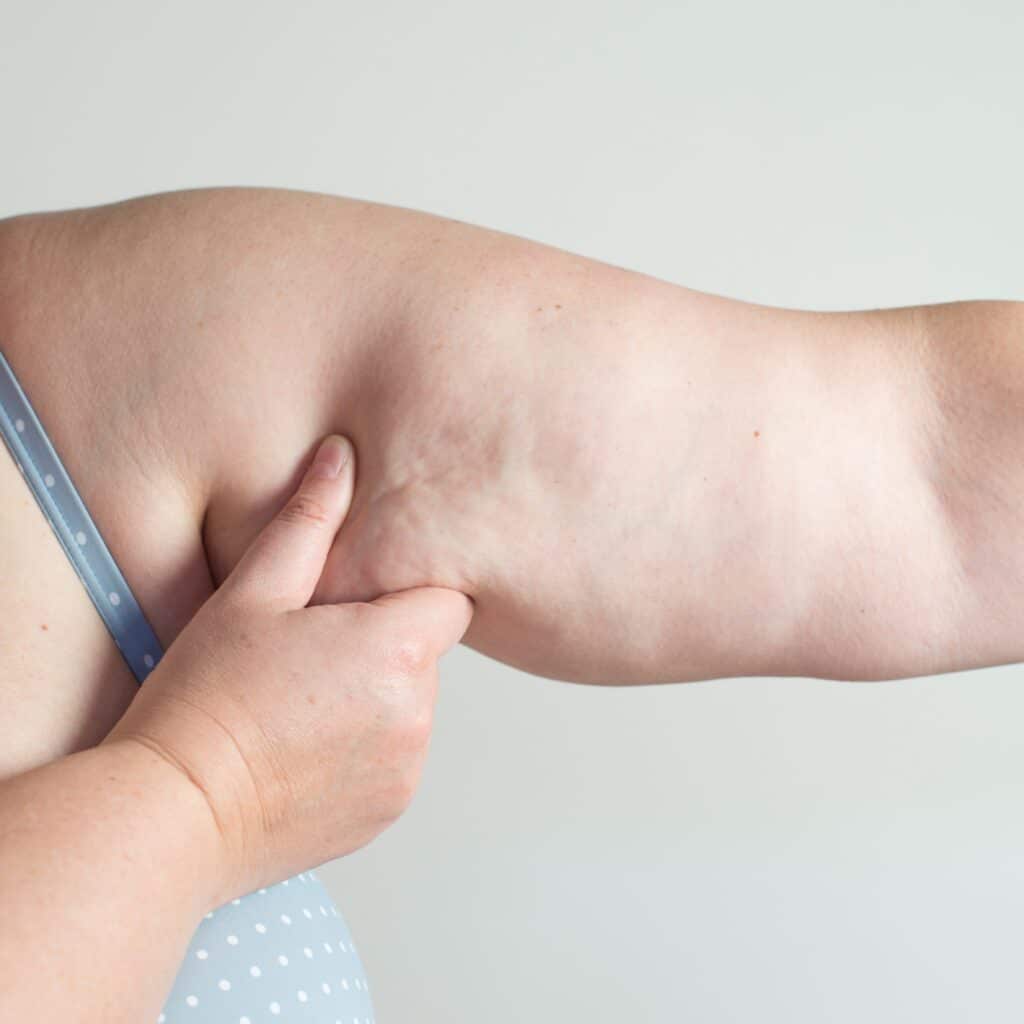
Cellulite is a common skin condition. It appears as dimpled, lumpy flesh on the surface of the skin. This condition occurs when fat deposits push through connective tissue. It can affect both men and women, but it is more common in women.

Affected Areas

Arm cellulite and back cellulite are specific areas where this condition can develop. Fat can accumulate under the skin in these regions, leading to visible cellulite. These cellulite zones often show dimples or bumps. Genetics, diet, and lifestyle all influence where cellulite forms.

Cosmetic Concern

While cellulite is not harmful, it often causes concern for many individuals. Many people desire smoother skin without noticeable lumps. The presence of visible cellulite can impact self-esteem and body image. This concern drives the search for effective cellulite treatments.

Causes of Cellulite

Several factors contribute to the development of cellulite. Hormonal changes play a significant role. Estrogen affects how fat is distributed in the body. Poor diet and lack of exercise also increase the risk of developing severe cellulite.

Aging is another factor. As people age, skin loses elasticity. This can make cellulite more noticeable over time.

Types of Cellulite

There are different forms of cellulite. Some individuals have mild cases with minimal dimpling. Others may experience severe cellulite with pronounced lumps. The severity often depends on genetics and lifestyle choices.

Treatment Options

Numerous options exist for those seeking cellulite reduction. Some prefer topical solutions like cellulite creams. These creams aim to improve skin texture and reduce the appearance of lumps.

Others might explore mechanical cellulite reduction treatment. This involves using specialized devices to break down fat deposits under the skin.

Surgery is another option for severe cases of cellulite. It’s crucial to consult with a professional before deciding on any treatment.

Lifestyle Changes

Incorporating healthy habits can also help manage arm and back cellulite. Regular exercise strengthens muscles and improves circulation. A balanced diet rich in fruits, vegetables, and lean proteins supports overall health and weight management.

Staying hydrated is equally important. Drinking enough water helps maintain skin elasticity and overall appearance.

Causes and Risk Factors

Genetics

Genetics plays a major role in the development of cellulite. Some people inherit a higher likelihood of developing it. Studies show that individuals with family histories of cellulite are more prone to having it themselves. This genetic predisposition affects the structure of connective tissue in the skin. Weak connective tissue can allow fat cells to push through, leading to the dimpled appearance associated with cellulite.

Hormonal Changes

Hormonal changes also contribute to cellulite formation. Puberty, pregnancy, and menopause can trigger these changes. During puberty, estrogen levels increase, which can affect fat distribution and skin elasticity. Pregnancy causes significant hormonal shifts that may lead to increased fat storage. Menopause results in decreased estrogen, affecting blood flow and circulation. These hormonal fluctuations can worsen the appearance of cellulite in many parts of the body.

Lifestyle Factors

Lifestyle choices significantly impact the likelihood of developing cellulite. Inactivity is a notable risk factor. Sedentary lifestyles can reduce blood flow and circulation, making it easier for cellulite to form. Regular exercise promotes better blood flow, helping to keep connective tissues strong.

Diet also plays a crucial role. Poor dietary habits can lead to weight gain, which increases fat deposits under the skin. A diet high in processed foods and sugars may worsen inflammation and affect skin health. Eating a balanced diet rich in fruits, vegetables, and whole grains supports overall skin health.

Research Evidence

Research highlights various factors influencing cellulite formation. Studies indicate that poor blood flow contributes to the condition. Reduced circulation affects how nutrients reach the skin layers, impacting their overall health. Evidence suggests that maintaining good circulation helps minimize the risk of developing cellulite.

Many studies focus on treatments like Qwo, an FDA-approved injectable treatment for cellulite reduction. This treatment works by breaking down fibrous bands in connective tissue that cause dimpling. However, consulting a healthcare provider is essential before starting any treatment plan.

Foods to Avoid for Better Skin

High-Sugar Foods

High-sugar foods can lead to inflammation. This inflammation contributes to fat accumulation in the body. Foods like candy, soda, and baked goods are common culprits. They spike blood sugar levels and increase insulin production. High insulin levels can promote fat storage, especially in areas like the arms and back. Reducing these foods can help improve skin appearance.

Processed snacks often contain hidden sugars. These added sugars can worsen cellulite by promoting fat gain. Instead of sugary treats, opt for fruits or nuts. These options provide natural sweetness without the harmful effects of processed sugars.

Processed Foods

Processed foods are often high in sodium. Sodium can cause water retention, which makes cellulite more noticeable. Foods like chips, frozen dinners, and deli meats should be limited. They not only add excess salt but also lack essential nutrients.

Choosing fresh foods over processed options is beneficial. Fresh vegetables and lean proteins help maintain a healthy weight. They also support better skin health. A diet rich in whole foods reduces the chances of cellulite development.

Alcohol Consumption

Excessive alcohol consumption can dehydrate the skin. Dehydration affects the skin’s elasticity and overall appearance. When skin loses moisture, it may sag or appear dull. This can make cellulite more prominent.

Limiting alcohol intake is essential for skin health. Opt for moderation if you choose to drink. Water is a great alternative that keeps the body hydrated. Staying hydrated helps flush out toxins and supports skin elasticity.

Healthy Alternatives

Making healthier choices can significantly impact skin appearance. Here are some alternatives to consider:

  • Fruits: Berries, oranges, and apples provide vitamins.
  • Vegetables: Leafy greens and carrots are nutrient-dense.
  • Whole grains: Brown rice and quinoa are better than white bread.
  • Lean proteins: Chicken and fish support muscle health.

These options help reduce fat while improving overall health.

Effective Exercises for Arms and Back

Strength Training

Strength training is key to reducing cellulite. Push-ups and tricep dips are effective exercises. They help tone the muscles in your arms and back. Stronger muscles can improve the appearance of skin. Aim for three sets of ten repetitions for each exercise.

Incorporate resistance bands for added challenge. Resistance bands target specific muscle groups effectively. This method can enhance muscle definition over time.

Cardiovascular Activities

Cardiovascular activities boost circulation and burn fat. Swimming is a great option. It engages multiple muscle groups while being low-impact. Rowing also offers excellent cardiovascular benefits. Both activities increase heart rate, which helps with fat loss.

Aim for at least 150 minutes of moderate aerobic activity each week. This can include brisk walking or cycling as well. Consistency is crucial for achieving results.

Flexibility Exercises

Flexibility exercises play an important role in skin health. Yoga and Pilates improve skin elasticity and muscle tone. These practices promote relaxation and reduce stress, which can benefit overall skin appearance.

Try incorporating yoga into your routine two to three times a week. Focus on poses that stretch the arms and back, such as Downward Dog or Cobra Pose. These stretches encourage blood flow to the skin.

Pilates also strengthens core muscles while enhancing flexibility. Many Pilates moves target the arms and back effectively. Consider joining a class or following online tutorials.

Dry Brushing

Dry brushing is another technique worth considering. This method involves using a natural bristle brush on dry skin before showering. It can stimulate circulation and promote lymphatic drainage.

Use long strokes towards the heart for best results. Focus on areas prone to cellulite, like the arms and back. This practice may improve skin texture over time.

Perform dry brushing regularly for optimal effects. Combine it with your exercise routine for enhanced benefits.

Traditional and Natural Remedies

Dry Brushing

Dry brushing is a popular technique for cellulite reduction. It involves using a firm, natural bristle brush on dry skin. This method helps stimulate blood flow and exfoliate the skin. Improved circulation can enhance the appearance of the skin over time.

Many people use this technique daily or a few times a week. It is often suggested to start at the feet and move upwards in circular motions. This can help promote lymphatic drainage, which may reduce fluid retention.

Herbal Supplements

Certain herbal supplements may also support cellulite reduction. Ginkgo biloba is one such option. This herb is known for its potential benefits in improving circulation. Better blood flow can help deliver nutrients to the skin and remove toxins.

e studies suggest that ginkgo biloba might increase blood vessel health. Healthier blood vessels can lead to smoother skin texture. However, it’s essential to consult with a healthcare provider before starting any new supplement.

Cupping Therapy

Cupping therapy has gained popularity as another method for reducing cellulite appearance. This practice involves placing cups on the skin to create suction. The suction pulls the skin upward, increasing blood flow to the area.

Cupping can also help break up fascia, which is connective tissue beneath the skin. By loosening this tissue, it may improve the overall texture of the skin. Many people report seeing results after just a few sessions.

Moisturizers and Oils

Using a normal moisturizer or natural oils can also aid in reducing cellulite visibility. Products with grape seed extract are particularly noted for their effectiveness. Grape seed extract contains antioxidants that may help improve skin elasticity.

Massaging these products into the skin can enhance their benefits. Massage promotes circulation and encourages lymphatic drainage. Regular application combined with massage might yield better results over time.
Salt and Other Treatments

e individuals explore salt scrubs as part of their routine for cellulite reduction. Salt scrubs can exfoliate and stimulate blood flow when applied during a shower or bath.

Other treatments include using suction devices designed for home use. These devices mimic professional cupping therapy but are more accessible for personal use.

Dermatological Treatments to Consider

FDA-Approved Treatments

Cellfina® and Cellulaze® are FDA-approved treatments designed for effective cellulite reduction. Cellfina® uses a minimally invasive technique to cut the bands beneath the skin that cause dimpled skin. This treatment can provide results lasting up to three years.

Cellulaze®, on the other hand, involves a laser treatment that targets fat cells and tightens the skin. It also improves skin texture by stimulating collagen production. Patients often see noticeable improvements after just one session.

Non-Invasive Options

Non-invasive options include laser treatment and radiofrequency therapy. Laser treatments work by using focused light energy to improve skin appearance. These procedures can temporarily reduce the look of dimpled skin without surgery.

Radiofrequency therapy heats the skin, promoting collagen production and tightening loose skin. Both methods require little downtime, making them appealing choices for many individuals. Results may vary, but patients often report smoother skin after a series of sessions.

Topical Creams

Topical creams can serve as adjuncts to professional treatments. Creams containing caffeine or retinol are popular choices. Caffeine works by dehydrating fat cells, which can temporarily reduce the appearance of cellulite.

Retinol body cream enhances skin elasticity and texture. Regular use may lead to firmer skin over time. While these creams won’t eliminate cellulite completely, they can enhance the effects of dermatology treatments.

Timeline for Visible Results

Acoustic Wave Therapy

Results from acoustic wave therapy may take about six weeks to become noticeable. This treatment uses sound waves to break down fat cells and improve skin texture. Patients often experience some immediate changes, but the most significant improvements appear later. The body needs time to process the treatment fully.

During this period, regular follow-ups with a dermatologist can help monitor progress. Patients should also maintain a healthy lifestyle to support the results. Proper hydration and nutrition play crucial roles in enhancing skin appearance.

Subcision Treatment

Subcision treatment can show effects within one month after the initial procedure. This method involves using a needle to break up fibrous bands under the skin. These bands often cause dimpling associated with cellulite. After subcision, patients may notice smoother skin as the healing process begins.

Typically, swelling and bruising occur right after the procedure. However, these effects usually subside quickly. Many find that their skin looks better within weeks. It is vital to follow post-treatment care instructions for optimal results.

Retinol Creams

Consistent use of retinol creams requires at least six months for visible improvements. Retinol promotes cell turnover and collagen production, which can enhance skin texture over time. Users must apply it regularly to see lasting changes in their arms and back.

Initial usage might cause irritation or dryness. Gradually introducing retinol into a skincare routine can help minimize these side effects. Patience is essential when using this product, as results take time to manifest.

Combination Treatments

Combining different treatments can yield faster and more effective results. For example, pairing acoustic wave therapy with retinol creams may boost overall effectiveness. Each method targets cellulite differently, leading to improved skin appearance.

Consulting with a dermatologist can help determine the best combination for individual needs. They can provide guidance based on specific skin types and concerns. A tailored approach often leads to better outcomes.

Maintenance Phase

After achieving desired results, a maintenance phase is crucial. Continuing treatments or incorporating good skincare habits helps sustain improvements over time. Regular check-ins with healthcare professionals ensure that progress remains on track.

Staying active and maintaining a balanced diet also support long-term success in cellulite reduction efforts. Individuals should remember that consistent care is key to keeping skin looking its best.

Lifestyle Changes for Long-Term Reduction

Balanced Diet

Maintaining a balanced diet is crucial for fat reduction. Focus on incorporating more fruits and vegetables into meals. These foods are low in calories and high in nutrients. Lean proteins, such as chicken, fish, and beans, support muscle health. They help build and repair tissues. A diet rich in fiber also aids digestion and promotes overall health.

Avoid processed foods and sugary snacks. These can lead to weight gain and worsen cellulite appearance. Instead, opt for whole grains like brown rice and quinoa. They provide energy and keep you full longer. Drinking plenty of water is essential too. Hydration helps maintain skin elasticity, which can improve the look of your arms and back.

Regular Exercise

Engaging in regular physical activity is vital for fat loss. Aim for at least 150 minutes of moderate exercise each week. Activities like brisk walking, cycling, or swimming can be effective. Strength training should also be part of your routine. This helps tone muscles in the arms and back.

Incorporate exercises that target these areas specifically. Push-ups, tricep dips, and resistance band workouts can help reduce fat deposits. Consistency is key; make exercise a habit to see long-term results.

Stress Management

Managing stress plays a significant role in reducing cellulite. High stress levels can cause hormonal imbalances. This may lead to increased fat storage, especially in the arms and back. Techniques like meditation or deep breathing can help lower stress levels.

Set aside time each day for relaxation practices. Even short sessions can make a difference. Consider yoga or mindfulness exercises to promote mental well-being. These activities not only reduce stress but also improve overall body awareness.

Healthy Habits

Developing healthy habits is essential for sustained fat loss. Tracking food intake can help identify unhealthy eating patterns. Use apps or journals to monitor what you eat daily.

Consider setting specific goals related to your lifestyle changes. For example, aim to eat five servings of fruits and vegetables daily or exercise three times a week. Celebrate small victories along the way to stay motivated.

Support System

Having a support system encourages adherence to lifestyle changes. Share your goals with friends or family members who can offer encouragement. Joining fitness classes or online communities can provide motivation too.

Accountability partners can help keep you on track with your goals. Sharing experiences makes the journey easier and more enjoyable.

Benefits of Hydration and Nutrition

Hydration Importance

Drinking enough water is crucial for overall health. It helps maintain skin elasticity. Adequate hydration flushes out toxins from the body. This process supports clearer skin and reduces the appearance of cellulite. Aim for at least eight glasses of water daily.

Hydration also enhances blood circulation. Improved circulation means better delivery of nutrients to skin cells. This can lead to healthier skin over time. When skin is well-hydrated, it appears plumper and more youthful.

Antioxidant Role

Antioxidants are vital for protecting skin cells from damage. Fruits and vegetables are rich in these compounds. They help combat free radicals that can harm skin health. Incorporating a variety of colorful produce into your diet is beneficial.

Berries, spinach, and carrots are excellent choices. These foods not only provide antioxidants but also essential vitamins. Vitamin C, for example, aids collagen production, which is important for skin firmness.

Omega-3 Fatty Acids

Including omega-3 fatty acids in your diet can improve skin texture. These healthy fats reduce inflammation in the body. Inflammation can worsen the appearance of cellulite. Foods like salmon, walnuts, and flaxseeds are great sources of omega-3s.

Consuming these fatty acids regularly can enhance skin hydration. They help maintain the skin’s natural barrier, keeping moisture locked in. A balanced diet rich in omega-3s contributes to smoother and healthier skin.

Practical Tips

  1. Drink plenty of water throughout the day.
  2. Choose fruits and vegetables high in antioxidants.
  3. Add omega-3-rich foods to meals.

By making these dietary changes, you can support your body’s efforts to reduce cellulite on arms and back. Proper nutrition works hand-in-hand with lifestyle changes discussed earlier.

Final Remarks

Tackling cellulite on your arms and back is totally doable. By understanding its causes and embracing effective exercises, dietary changes, and dermatological options, you can see real results. Staying hydrated and making smart lifestyle choices will only boost your progress.

Don’t wait to start your journey to smoother skin. Explore the remedies and treatments that resonate with you, and take action today. Your skin deserves the best care possible. Get started now!

Frequently Asked Questions

What is cellulite and why does it occur on arms and back?

Cellulite is the dimpled appearance of skin caused by fat deposits beneath the skin. Factors like genetics, hormonal changes, and lifestyle contribute to its formation, especially in areas like the arms and back.

Can diet really affect cellulite appearance?

Yes, diet plays a significant role. Foods high in sugar and unhealthy fats can worsen cellulite. Opt for a balanced diet rich in fruits, vegetables, and lean proteins for better skin health.

Are there specific exercises to reduce cellulite on arms and back?

Absolutely! Focus on strength training and cardio exercises targeting these areas. Push-ups, tricep dips, and rowing can help tone muscles and improve circulation, reducing the appearance of cellulite.

Do natural remedies work for cellulite reduction?

e natural remedies, like coffee scrubs or essential oils, may improve circulation temporarily. However, results vary. Combine them with a healthy lifestyle for better effectiveness.

How long does it take to see results from treatments?

Visible results can take anywhere from 4 to 12 weeks, depending on the treatment method and individual factors like consistency and body type.

What lifestyle changes can help reduce cellulite long-term?

Incorporate regular exercise, maintain a balanced diet, stay hydrated, and manage stress. These changes promote overall skin health and can significantly reduce the appearance of cellulite over time.

How important is hydration for skin health?

Hydration is crucial for maintaining skin elasticity and texture. Drinking adequate water helps flush out toxins and keeps your skin looking smooth, which can minimize the visibility of cellulite.
Can I Manage Stretch Marks Before Liposuction?

Liposuction can transform your body, but what about those pesky stretch marks? Many people think fat removal will erase all signs of skin changes. The truth is, while liposuction sculpts your figure, it doesn’t directly treat stretch marks. These marks often remain visible after the procedure. They tell a story of weight fluctuations or pregnancy. Understanding this contrast is crucial for anyone considering liposuction. You might achieve a slimmer silhouette through lipo treatments, but stretch marks may still linger after liposuction recovery. Knowing what to expect helps set realistic goals. This post will explore how liposuction interacts with stretch marks and what options exist for managing them.

Key Takeaways

  • Liposuction can help reduce fat but does not directly remove stretch marks; understanding this is crucial for setting realistic expectations.
  • Common causes of stretch marks include rapid weight changes and hormonal shifts, so managing weight gradually can help prevent them.
  • Before undergoing liposuction, consider pre-treatment options for stretch marks, such as topical creams or laser therapy, to improve skin appearance.
  • Post-liposuction, explore skin tightening methods like radiofrequency or ultrasound treatments to address loose skin and enhance results.
  • Recovery is key; follow your surgeon’s advice on activity levels and care to ensure optimal healing and results after the procedure.
  • Discuss post-liposuction solutions for stretch marks with your doctor, including options like microdermabrasion or chemical peels, to achieve smoother skin.

Understanding Liposuction and Stretch Marks

Definition of Liposuction

Liposuction is a fat removal procedure. It helps reshape the body by removing excess fat deposits. Surgeons use a thin tube called a cannula for suction to extract fat from specific areas during lipo treatments, addressing stubborn stretch marks and stretch mark scars. Common areas include the tummy, thighs, and arms. This procedure can significantly reduce fat volume in targeted regions.

Liposuction improves body contours but does not guarantee skin tightening or remove stubborn stretch marks. Patients should consider their skin elasticity before undergoing the procedure. Older patients or those with less elastic skin may notice sagging after fat removal.

What Are Stretch Marks?

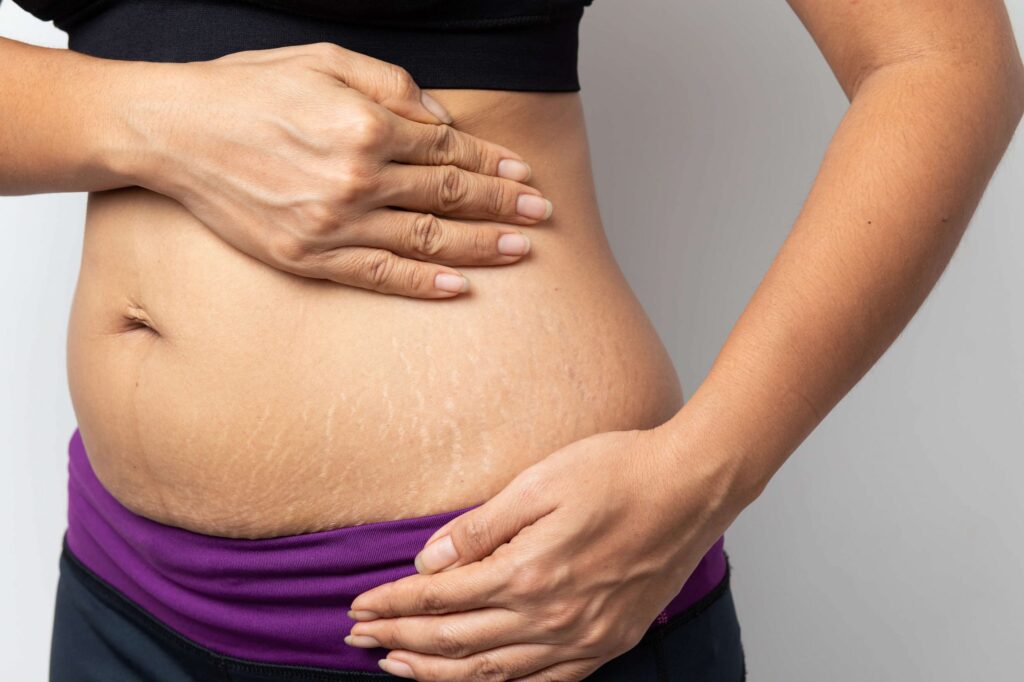
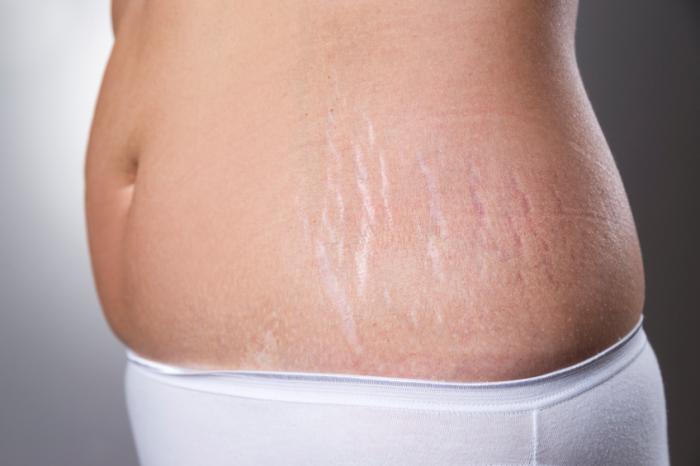
Stretch marks appear as streaks on the skin’s surface. They often develop when the skin stretches rapidly due to weight gain, pregnancy, or puberty, and suction from lipo treatment. The skin’s collagen and elastin fibers break during this rapid stretching. As a result, these marks can become permanent.

Stretch marks can vary in color and texture. Early stretch marks may appear red, purple, or dark brown. Over time, stubborn stretch marks often fade to a lighter shade but remain visible after lipo treatment and suction. Many people seek treatment options to minimize their appearance.

Relationship Between Liposuction and Stretch Marks

Liposuction does not directly treat stretch marks. It focuses on removing fat deposits rather than addressing skin conditions. However, some patients notice an improvement in the appearance of stretch marks after liposuction. This change occurs because suction from reducing fat volume can pull the skin tighter.

For better results, patients may combine liposuction with other treatments. Options include laser therapy, suction, or topical treatments specifically designed for stretch marks. These methods target the skin’s surface and promote healing.

Considerations Before Surgery

Patients should discuss their goals with a qualified surgeon before liposuction. Understanding what liposuction can achieve is crucial for realistic expectations. Surgeons will evaluate individual cases to determine if the suction procedure is appropriate.

Factors like age, skin condition, and overall health play significant roles in candidacy for liposuction. A thorough consultation helps identify any potential risks involved in suction surgery.

Common Causes of Stretch Marks

Rapid Growth

New stretch marks often occur during periods of rapid growth. This can happen during puberty, suction, pregnancy, or significant weight gain. As the body grows quickly, the skin may not keep up with the pace. The result is visible stretch marks that form when the skin stretches beyond its limits.

Weight Gain

Significant weight gain is another major cause of stretch marks. Areas with stubborn fat deposits, like the abdomen, are especially prone to stretch mark formation. When fat accumulates, it stretches the skin. This leads to stubborn stretch marks that can be difficult to treat.

Skin Elasticity

Poor skin elasticity plays a crucial role in stretch mark severity. Skin elasticity refers to how well the skin can stretch and return to its original shape. Factors such as genetics and age can affect this quality. When skin lacks elasticity, it becomes more susceptible to forming stretch marks.

Hormonal Changes

Hormonal changes also contribute to stretch mark formation. During pregnancy or puberty, hormone levels fluctuate significantly. These changes can weaken the collagen and elastin fibers in the skin. Weak fibers lead to stretch mark scars as the skin struggles to adapt to new sizes.

Skin Conditions

Certain skin conditions may increase the risk of developing stretch marks. Conditions like Cushing’s syndrome and Marfan syndrome affect skin texture and appearance. They may lead to increased skin thickening or hyperpigmentation around existing stretch marks.

Techniques for Improvement

Techniques such as BodyTite can help with stubborn stretch marks indirectly. BodyTite promotes skin thickening and tightening by using radio-frequency energy. This process helps improve overall skin texture and appearance. While it does not eliminate stretch marks completely, it can reduce their visibility over time.

Age Factor

Age is another factor in stretch mark development. As people age, their skin loses collagen and elasticity. This makes older adults more prone to old stretch marks than younger individuals.

Emotional Impact

Stretch marks can have an emotional impact on individuals as well. Many feel self-conscious about their appearance due to these skin issues. This can affect confidence and body image.

Pre-Liposuction Stretch Mark Management

Skin Hydration

Proper skin hydration is essential for managing stretch marks before liposuction. Drinking enough water helps maintain skin elasticity. Hydrated skin is more resilient during the liposuction process.

Topical treatments also play a crucial role. Products containing hyaluronic acid can boost moisture levels in the skin. Retinol is another effective option. It promotes cell turnover and improves skin texture. Regular application of these treatments can lead to noticeable improvements in stretch mark visibility.

Professional Consultation

Consulting with a dermatologist or cosmetic surgeon is vital for a tailored pre-liposuction plan. These professionals can assess individual skin conditions and recommend suitable treatments. A personalized approach can significantly enhance the results of liposuction.

A doctor may suggest specific creams or procedures to improve skin quality. This could include laser therapy or microdermabrasion, which target stubborn stretch marks. These methods help prepare the skin for surgery, making it smoother and healthier.

Advanced Techniques

New tummy tuck techniques offer additional benefits for those considering liposuction. These methods can improve overall skin appearance and reduce stretch marks effectively. Innovations in surgical techniques allow for better contouring and less scarring.

Specific topical treatments can also be useful. Some creams contain ingredients that stimulate collagen production. Increased collagen levels can lead to improved skin elasticity and firmness. This makes the skin more responsive during the liposuction process.

Exercise and Time

Incorporating exercise into your routine can enhance your pre-liposuction preparation. Regular physical activity boosts circulation, promoting healthier skin. It also aids in weight management, which can further reduce the appearance of stretch marks.

Timing is crucial when preparing for liposuction. Starting a regimen several weeks before the procedure allows your body to adapt. Consistency in hydration, topical treatments, and exercise leads to better outcomes.

Summary

Managing stretch marks prior to liposuction involves multiple strategies. Proper hydration through water intake and topical treatments is essential. Consulting with a professional provides personalized guidance tailored to individual needs.

Advanced tummy tuck techniques and specific topical therapies can enhance skin quality. Incorporating exercise into your routine supports overall health and aids in reducing stubborn stretch marks.

Overview of Liposuction Procedure

Target Areas

Liposuction primarily targets fat removal from specific areas. The most common sites include the abdomen, flanks, thighs, and arms. Surgeons perform liposuction to contour the body and improve its shape. This cosmetic procedure helps many achieve their desired physique.

Limitations

Liposuction does not directly address skin laxity or stretch marks. Many people mistakenly believe that removing fat will also remove these skin issues. However, this is not the case. Stretch marks often remain after the liposuction surgery. They can appear on various parts of the body, especially after weight loss or pregnancy.

Additional Treatments

Surgeons may recommend additional treatments alongside liposuction. These treatments aim to tighten skin and reduce stretch marks. Advanced tummy tuck procedures are one option. These procedures remove excess skin and tighten the abdominal area.

Radiofrequency-based methods are another choice. These techniques use energy to stimulate collagen production in the skin. Increased collagen can improve skin elasticity and texture. Patients may find these options beneficial if they are concerned about skin appearance after undergoing liposuction.

Performing Liposuction

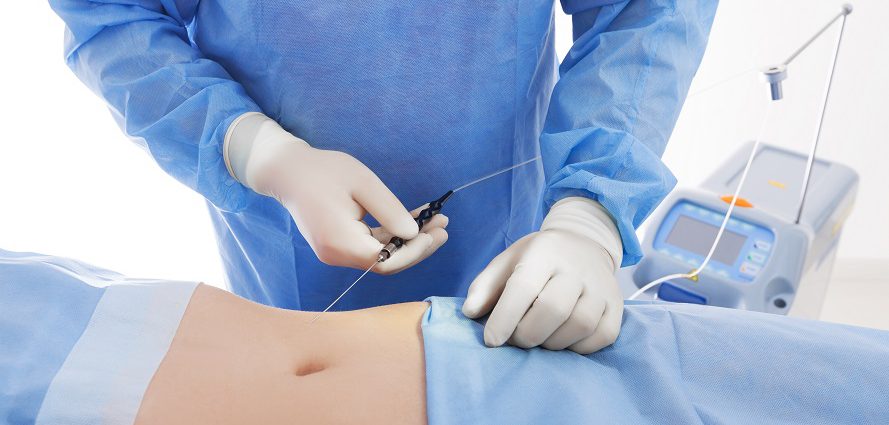
Surgeons perform liposuction using several techniques. Traditional liposuction involves making small incisions in the skin. A thin tube, called a cannula, is inserted through these incisions. The surgeon then uses suction to remove fat from targeted areas.

Advanced liposuction techniques include tumescent liposuction and laser-assisted liposuction. Tumescent liposuction involves injecting a solution into the fatty tissue before removal. This solution helps reduce bleeding and pain during the procedure.

Laser-assisted liposuction uses lasers to melt fat before suctioning it out. This method may lead to less bruising and quicker recovery times for patients.

Considering Liposuction

Many individuals consider liposuction as part of their body contouring journey. It is essential to have realistic expectations about the results. Understanding what liposuction can and cannot do is crucial.

Patients should consult with qualified surgeons before deciding on this cosmetic surgery procedure. Surgeons can help set expectations based on individual circumstances and goals.

Recovery Process

After undergoing liposuction, patients typically experience swelling and bruising. Recovery times vary based on the extent of the procedure performed. Most people return to normal activities within a few weeks.

Surgeons provide post-operative care instructions for optimal healing. Following these guidelines is vital for achieving the best results from the procedure.

Skin Tightening Methods Post-Liposuction

BodyTite Treatment

BodyTite uses radiofrequency-assisted lipolysis (RFAL) to tighten skin after liposuction. This method helps improve skin elasticity by heating the tissue beneath the surface. The heat stimulates collagen production, leading to firmer skin. BodyTite is effective for areas where fat removal occurs. Patients often see improved body contours and reduced cellulite appearance.

This treatment is minimally invasive. It requires only small incisions. Recovery time is shorter compared to traditional methods. Many choose BodyTite for its dual benefits of fat removal and skin tightening.

Laser Treatments

Laser treatments are another option for tightening skin post-liposuction. These procedures use focused light energy to promote skin rejuvenation. They can reduce the appearance of stretch marks as well. Different types of lasers target various skin issues. For example, some lasers improve skin tone and texture.

Results vary based on individual conditions. Patients with significant skin laxity may need multiple sessions. A consultation with a specialist helps determine the best laser type for each case.

Ultrasound Therapy

Ultrasound therapy offers a non-invasive way to tighten skin after liposuction. This method uses sound waves to stimulate deeper layers of skin. The treatment promotes collagen production and improves skin elasticity over time. Many find this method appealing due to its safety profile.

Patients often experience minimal discomfort during the procedure. Results appear gradually, making it less noticeable than surgical options. Ultrasound therapy suits those looking for subtle improvements without downtime.

Importance of Choosing the Right Method

Selecting the right skin tightening method depends on individual needs. Factors include skin condition and severity of stretch marks following liposuction treatments. Previous surgeries near the liposuction site may also influence choices.

Consulting with a qualified cosmetic surgeon is crucial. They assess your unique situation and recommend suitable options. Personal goals play a significant role in decision-making too.

Other Options

Microdermabrasion serves as another alternative for improving skin texture. This technique exfoliates the outer layer of skin, promoting new cell growth. Microneedling creates tiny wounds that trigger healing responses, which can enhance elasticity.

Each option has its pros and cons. Some patients prefer more invasive procedures like an advanced tummy tuck for dramatic results. Others may opt for less invasive methods to avoid extended recovery times.

Managing Loose Skin After Liposuction

BodyTite Effectiveness

BodyTite is a popular option for addressing loose skin after liposuction. This treatment uses radiofrequency energy to tighten the skin. It helps improve texture and firmness. Many patients see significant results in reducing skin looseness.

BodyTite can also minimize the appearance of stretch marks. This is important for those concerned about their post-liposuction appearance. The combination of fat removal and skin tightening leads to better overall liposuction results.

Recovery Tips

Post-surgery recovery plays a crucial role in achieving the best outcomes. Staying hydrated is essential during this time. Drinking enough water aids in healing and supports skin elasticity.

A balanced diet also contributes to recovery. Consuming fruits, vegetables, and lean proteins helps nourish the body. These nutrients promote healing and support elastic skin.

Wearing compression garments is another effective strategy. These garments provide support to the treated areas. They help reduce swelling and encourage skin retraction. Following these guidelines can lead to improved liposuction management.

Individual Considerations

Every individual’s experience with liposuction varies. Factors such as age, genetics, and skin type influence recovery. Younger individuals may have more supple skin that bounces back quickly. Older adults might notice more excess skin due to decreased elasticity.

Consulting with a qualified surgeon is vital before undergoing any procedure. They can assess your specific situation and recommend the best options for you.

Long-Term Results

The long-term effects of liposuction depend on lifestyle choices after surgery. Maintaining a healthy weight is crucial to preserving results. Regular exercise and a nutritious diet help prevent the return of stubborn fat.

Patients should also consider follow-up treatments if needed. Options like BodyTite can be beneficial even months after liposuction. These treatments can enhance the initial results by further tightening the skin.

Recovery Tips for Optimal Results

Hydration Importance

Hydration plays a vital role in the healing process. Drinking enough water helps flush out toxins from the body. It also supports skin elasticity, which can improve overall recovery after liposuction. Aim for at least 8-10 glasses of water daily. This simple act can enhance your body’s natural healing process.

A balanced diet is equally important. Nutrient-rich foods aid in recovery and promote skin health. Focus on fruits, vegetables, lean proteins, and whole grains. These foods provide essential vitamins and minerals. They support your body as it heals from the treatment.

Compression Garments

Wearing compression garments is crucial for optimal recovery. These garments help reduce swelling and support skin contouring. They also encourage blood flow to the treated areas. This increased circulation can speed up the healing process.

Doctors typically recommend wearing these garments for several weeks post-surgery. Following their guidance ensures you get the best possible results from your liposuction treatment. Compression garments can also minimize the risk of complications, such as fluid buildup.

Follow-Up Treatments

Consider follow-up treatments based on your doctor’s advice. These may include additional procedures or therapies that enhance recovery. Some patients benefit from lymphatic drainage massages. These can help reduce swelling and promote healing.

Topical treatments may also be recommended. Products containing ingredients like silicone or vitamin E can improve skin texture. They may help reduce the appearance of stretch marks over time.

Discuss any concerns with your healthcare provider. They can guide you on which treatments will be most effective for your situation. Regular check-ups ensure that your healing remains on track.

Activity Guidelines

Engaging in light activities can aid in recovery but avoid strenuous workouts initially. Walking is a great way to stay active without putting too much strain on your body. It promotes circulation and helps prevent blood clots.

Listen to your body during this time. If you feel discomfort or pain, take a step back. Overdoing it can lead to setbacks in the healing process.

Wound Care Techniques

Proper wound care is essential after liposuction. Keep incisions clean and dry to prevent infection. Follow your doctor’s instructions regarding cleaning and dressing changes.

Using gentle cleansers and avoiding harsh products will protect sensitive skin during recovery. Always monitor the surgical sites for signs of infection, such as redness or discharge.

Post-Liposuction Stretch Mark Solutions

Laser Therapy

Laser therapy offers a modern approach to treat stretch marks. This method uses focused light to improve skin texture and color. The heat from the laser stimulates collagen production. Increased collagen can help reduce the appearance of stretch marks over time.

Several types of lasers are available. For example, fractional lasers penetrate the skin deeply, promoting healing. Patients often see noticeable improvements after a few sessions. Each session typically lasts about 30 minutes to one hour.

Microneedling

Microneedling is another effective method for stretch mark treatment. This technique involves using tiny needles to create micro-injuries in the skin. These injuries trigger the body’s natural healing process, boosting collagen and elastin production.

Sessions usually take around 60 minutes. Results may vary, but many notice improvement within weeks. Combining microneedling with topical treatments can enhance outcomes significantly.

Topical Treatments

Topical treatments can also play a role in managing stretch marks post-liposuction. Creams or serums containing retinoids are popular choices. Retinoids promote skin cell turnover and collagen production. Regular use may lead to smoother skin over time.

Hyaluronic acid is another beneficial ingredient. It helps retain moisture in the skin, improving elasticity. Many find that these products make their skin appear healthier and more resilient.

Using these topical solutions requires consistency. Applying them daily can maximize their effectiveness. Results may not be immediate but can be significant over several months.

Dermatologist Consultation

Consulting with a dermatologist is crucial for personalized care. Each person’s skin responds differently to treatments. A professional can assess individual needs and recommend the best options.

Dermatologists often evaluate factors like skin type and stretch mark severity. They may suggest specific treatments or combinations tailored to each patient’s situation.

Regular follow-ups can track progress and adjust treatments as needed. This guidance ensures patients receive optimal results after liposuction.

Summary

Post-liposuction, various methods exist to address stretch marks effectively. Options like laser therapy and microneedling provide advanced solutions for reducing their appearance. Topical treatments with retinoids or hyaluronic acid offer additional benefits when used consistently.

A visit to a dermatologist will help personalize these approaches for better outcomes. Taking these steps can lead to improved skin texture and confidence after surgery.

Realistic Expectations and Patient Outcomes

Setting Expectations

Liposuction primarily targets fat removal and body contouring. It does not directly address skin surface issues like stretch marks. Patients often expect smoother skin after the procedure. However, this is a misunderstanding of what liposuction achieves.

Understanding this distinction is vital. Liposuction can help reshape areas of the body but will not eliminate stretch marks. Patients should focus on how it enhances body shape rather than expecting changes in skin texture.

Combining Treatments

Combining liposuction with skin tightening treatments can lead to better results. Procedures such as radiofrequency therapy or laser treatments can improve the overall appearance of stretch marks. These treatments tighten the skin and may reduce the visibility of stretch marks.

Patients should discuss these options during their consultations. A cosmetic surgeon can recommend the best combination for individual needs. This approach leads to more satisfying outcomes.

Individual Outcomes

Every patient’s experience will differ based on several factors. These include skin type, age, and the extent of fat removal. Understanding potential outcomes is essential for setting realistic goals.

Patients must have open discussions with their cosmetic surgeons about expected results. This conversation helps clarify what can be achieved through liposuction alone versus combined treatments. Knowledge about individual progress can significantly impact patient satisfaction.

Importance of Comprehensive Care

Comprehensive care plays a crucial role in achieving desired outcomes. Surgeons should provide detailed information on the procedure, recovery, and possible complications. This transparency builds trust between patients and their healthcare providers.

Regular follow-up appointments are necessary to monitor progress. These visits allow surgeons to assess healing and discuss any concerns that may arise post-surgery.

Long-Term Effects

Patients need to consider the long-term effects of liposuction on their bodies. While fat cells are removed, maintaining weight is crucial for lasting results. Weight gain can lead to new pockets of fat forming in other areas.

Understanding these long-term implications helps patients make informed decisions about their health and aesthetic goals.

Final Remarks

Liposuction can reshape your body, but it’s essential to manage expectations regarding stretch marks and skin tightness. Understanding the causes of stretch marks and exploring pre- and post-procedure solutions can enhance your results. Knowledge is power, and being informed helps you make the best choices for your journey.

You deserve to feel confident in your skin. If you’re considering liposuction, consult with a qualified professional who understands your concerns about stretch marks. They can guide you through the process, ensuring optimal outcomes. Don’t hesitate to take that first step toward a more confident you.

Frequently Asked Questions

What are stretch marks?

Stretch marks are skin scars that occur when the skin stretches rapidly. They often appear as streaks and can vary in color, typically starting as red, purple, or brown before fading to white or silver.

Can liposuction remove stretch marks?

Liposuction primarily targets fat removal, not skin concerns like stretch marks. While it may improve body contouring, it does not eliminate stretch marks directly.

How can I manage stretch marks before liposuction?

Pre-liposuction management includes moisturizing the skin, using topical treatments with retinoids, and maintaining a stable weight to minimize further stretching of the skin.

What should I expect during the liposuction procedure?

During liposuction, a surgeon uses a cannula to remove excess fat through small incisions. The procedure typically lasts 1-3 hours, depending on areas treated.

How can I tighten loose skin after liposuction?

Post-liposuction skin tightening methods include laser therapy, radiofrequency treatments, and ultrasound therapy. These methods stimulate collagen production for firmer skin.

What are recovery tips for optimal results after liposuction?

Stay hydrated, follow your surgeon’s instructions, wear compression garments, and engage in light activities as advised. Avoid strenuous exercise until fully cleared by your doctor.

Are there solutions for stretch marks after liposuction?

Yes, post-liposuction options include laser treatments, microdermabrasion, and topical creams containing hyaluronic acid or vitamin E to help reduce the appearance of stretch marks.

Laser Fractional Resurfacing Treatments: Benefits, Risks & Expectations

Laser fractional resurfacing treatments, using dermatologic lasers and ablative lasers that vaporize tissue, have become a game-changer in face laserabrasion medicine. They target wrinkles, acne scars, and sun damage effectively. This innovative cosmetic treatment uses fractional lasers and light technology to remove damaged skin layers while promoting new growth, guided by a care team. Patients experience smoother, younger-looking skin without extensive downtime.

The benefits don’t stop there. Laser fractional resurfacing with lasers also boosts collagen production, enhancing skin elasticity and firmness over time as part of a cosmetic treatment by the care team. Many individuals report noticeable improvements after just one session. If you’re ready to rejuvenate your skin with laser peel and restore your confidence through laser resurfacing procedures, this treatment might be the solution you’ve been searching for, including fractional laser resurfacing for laser acne. Discover how laser fractional resurfacing can transform your appearance and elevate your skincare routine today!

Understanding Laser Fractional Resurfacing

Definition

Laser fractional resurfacing is a skin treatment. It uses energy-based devices, such as laser light, for nonablative laser treatment to target specific areas of the skin, including single laser treatment for laser acne. This method involves laser treatment by creating microscopic wounds in the skin while leaving surrounding tissue intact, such as in fractional laser resurfacing and ablative laser resurfacing for laser acne. These wounds help stimulate collagen production and promote healing.

This technique includes various types, such as fractional CO2 laser resurfacing and nonablative laser resurfacing. Each type has its own unique benefits and applications. For example, ablative laser resurfacing removes the outer layer of skin, while nonablative options focus on deeper layers without damaging the surface.

Purpose

The main goal of fractional laser resurfacing is to improve the appearance of the skin. It effectively reduces fine lines, age spots, and uneven skin tone through ablative laser resurfacing and co2 laser resurfacing. Many people seek this treatment for its ability to enhance skin texture and clarity.

Patients often notice smoother skin after just a few sessions. The treatment also helps with sun damage and acne scars through skin resurfacing treatments like ablative laser skin resurfacing and fractional laser skin resurfacing. As a result, laser skin resurfacing treatment can boost confidence and improve self-esteem.

Limitations

Laser resurfacing does not address skin sagging. While it improves texture and tone, it cannot tighten loose skin. Patients looking for solutions for sagging may need other treatments, such as surgical options, fillers, or fractional skin resurfacing and fractional laser skin resurfacing.

Understanding these limitations is crucial before undergoing treatment. Consulting with a qualified professional ensures that expectations align with possible outcomes, including fractional skin resurfacing and fractional laser skin resurfacing.

Technologies

Numerous laser resurfacing options exist today. Each option, including laser skin resurfacing, offers different levels of intensity and recovery time. For instance, fractionated CO2 laser resurfacing provides deep penetration but requires longer recovery. Meanwhile, YAG laser resurfacing is gentler and may require less downtime.

These technologies have advanced significantly in recent years. They allow for more personalized treatments, such as laser skin resurfacing, tailored to individual needs. Professionals assess skin type and conditions before recommending the best course of action.

Recovery Process

After treatment, patients usually experience redness and swelling. These side effects typically subside within a few days. Proper post-treatment care is vital for optimal results.

Patients should follow their provider’s instructions closely during recovery. Avoiding sun exposure is essential to prevent complications. Moisturizers can help soothe the treated area during skin resurfacing as it heals.

Benefits for Aging Skin

Wrinkle Reduction

Laser fractional resurfacing significantly reduces fine lines and wrinkles. This treatment uses targeted laser beams to create tiny wounds in the skin. These wounds stimulate the body’s natural healing process. As a result, new skin cells form, leading to smoother skin.

Many patients notice improvements within weeks. The skin appears plumper and more youthful. The treatment also helps with deeper wrinkles that traditional methods may not address.

Improved Texture

This procedure enhances skin texture and tone as well. Laser resurfacing removes the outer layer of damaged skin. It reveals the healthier skin underneath. Patients often report a softer feel and a more even complexion.

It can help reduce age spots and melasma. These conditions often develop due to sun exposure over time. Laser treatments target these spots effectively, fading their appearance.

Collagen Stimulation

Collagen is vital for maintaining skin firmness. Laser fractional resurfacing promotes collagen production in the treated areas. Increased collagen leads to tighter, firmer skin.

Studies show that collagen levels can continue to rise for months after treatment. This means ongoing improvement in skin quality over time. Many people find this long-term benefit appealing.

Sun Protection

After undergoing laser treatments, sun protection becomes crucial. The skin may be more sensitive post-treatment. Using sunscreen daily helps prevent further sun damage and protects the newly treated skin.

Patients should choose a broad-spectrum sunscreen with at least SPF 30. Reapplying every two hours during sun exposure is essential for optimal protection.

Long-Lasting Effects

The results from laser fractional resurfacing can last for several years with proper care. Regular skincare routines and sun protection enhance these effects. Many patients choose to have maintenance treatments annually to sustain their results.

Overall, this treatment offers significant benefits for aging skin. Individuals looking for effective ways to combat signs of aging can consider this option seriously.

How the Treatment Works

Energy Beams

Energy beams play a crucial role in laser fractional resurfacing treatments. These lasers emit concentrated light that penetrates the skin. The energy targets specific skin layers without harming surrounding tissue.

The treatment uses fractional technology to create thousands of tiny columns of heat in the skin. This method allows for precise targeting of problem areas while preserving healthy skin between these columns.

Skin Layer Destruction

The process begins with the destruction of the outer skin layer. This layer consists of dead skin cells and imperfections. As the laser passes over the treatment area, it vaporizes this outer layer effectively.

Simultaneously, the underlying skin heats up. This heating stimulates the body’s natural healing response. The body reacts by sending nutrients and cells to repair the treated area.

Collagen Growth

Collagen growth is vital for achieving smoother and tighter skin. Collagen is a protein that provides structure and elasticity to the skin. After the treatment, the body increases collagen production in response to the heat.

This increase leads to firmer skin over time. Patients often notice improvements in texture and tone as collagen builds up. Results typically continue to improve for several months after the treatment.

Treatment Areas

Laser fractional resurfacing can be applied to various treatment areas. Common areas include the face, neck, and hands. Each area may require different settings on the laser for optimal results.

Patients should consult with a qualified professional to determine their specific needs. This ensures that they receive an effective cosmetic treatment tailored to their skin type.

Recovery Process

Recovery from laser fractional resurfacing varies by individual. Some may experience redness or swelling immediately after treatment. These effects usually subside within a few days.

Following aftercare instructions is essential for proper healing. Patients should avoid sun exposure and use gentle skincare products during recovery.

Overall, understanding how this treatment works helps patients make informed decisions about their skincare options. The combination of targeted energy beams, controlled destruction of skin layers, and increased collagen growth leads to significant improvements in skin appearance.

Preparing for the Procedure

Sun Exposure

Avoiding sun exposure before the laser procedure is crucial. Sunlight can increase skin sensitivity. It may also lead to complications during treatment. Dermatologists recommend staying out of the sun for at least two weeks prior. Use sunscreen with a high SPF if you must go outside. This protects your skin and helps ensure better results.

After the procedure, sun protection remains essential. The skin will be more vulnerable to damage. Continued use of sunscreen can prevent long-term issues like hyperpigmentation.

Medications

Certain medications can affect healing after a laser treatment. Discontinuing these medications is important before the procedure. Non-steroidal anti-inflammatory drugs (NSAIDs) and blood thinners can increase bleeding risks. Discuss your current medications with your care team. They will provide guidance on which to stop and when to resume them.

Herbal supplements should also be considered. Some, like garlic or ginkgo biloba, may thin the blood. Stopping these a week before the procedure is usually advisable.

Dermatologist Consultation

Consulting with a dermatologist is a key step in preparing for the procedure. A professional assessment ensures your skin is suitable for laser fractional resurfacing. The dermatologist will evaluate your skin type and any existing conditions.

They may ask about your medical history and current health status. This information helps determine if you are a good candidate for the treatment. If you have conditions like eczema or psoriasis, additional precautions may be necessary.

The consultation also allows you to discuss expectations and potential outcomes. Understanding what to expect can help reduce anxiety about the procedure.

Post-Procedure Care

Post-procedure care is just as important as preparation. Ice packs can soothe discomfort after treatment. Applying them for 10-15 minutes can help reduce swelling and redness.

Infection prevention is vital during recovery. Keep the treated area clean and avoid touching it unnecessarily. Your care team will provide specific instructions on how to care for your skin.

Follow-up appointments may be scheduled to monitor healing progress. These visits allow the dermatologist to check for any complications or side effects.

What to Expect During Treatment

Duration

Laser fractional resurfacing treatments typically last between 30 minutes to two hours. The exact time depends on the treatment area and the skin condition being addressed. Smaller areas, like around the eyes, may take less time. Larger areas, such as the face, require more attention and thus take longer.

Patients should plan for their appointments accordingly. Arriving early can help ease any pre-treatment anxiety. The provider will explain the process and answer questions before starting.

Anesthesia

Local anesthesia or numbing cream is commonly used during the procedure. This helps minimize discomfort. Providers apply the numbing cream about 30 to 60 minutes before the treatment begins. It allows time for the cream to take effect.

e patients may also receive an injection of local anesthetic in specific areas. This option provides additional pain relief. Discussing preferences with the provider ensures comfort throughout the session.

Sensation

During laser fractional resurfacing, patients often feel a sensation of heat on their skin. Many describe it as similar to a rubber band snapping against the skin. This feeling can vary based on individual sensitivity and treatment intensity.

Mild discomfort is common but usually manageable. Some patients report feeling anxious about the pain level before treatment. Knowing that providers use numbing agents helps ease these concerns.

Patients might experience slight redness or swelling after treatment. These effects are normal and usually subside within a few days. Skin may also feel sensitive to touch initially.

Post-Treatment Care

After the procedure, providers give specific aftercare instructions. Following these guidelines is crucial for optimal healing and results. Patients should avoid sun exposure and use sunscreen diligently.

Moisturizers help soothe the treated area as it heals. Keeping the skin hydrated speeds up recovery time. Providers recommend gentle cleansing routines to avoid irritation.

Results

Improvements become noticeable within a few weeks post-treatment. However, final results may take several months to fully develop. Skin texture and tone improve significantly over time.

Many patients find that their confidence increases as they see positive changes in their skin. Regular follow-up visits help track progress and address any concerns.

Post-Treatment Care and Recovery

Cleanliness

Keeping the treated area clean is crucial. Bacteria can cause infections if the skin is not properly cared for. Gently wash the area with mild soap and lukewarm water. Avoid scrubbing or using harsh products. Pat the skin dry with a clean towel.

Moisturizing is also essential. Apply a gentle, fragrance-free moisturizer to keep the skin hydrated. This helps in the healing process and reduces dryness. Aim to moisturize at least twice daily until the skin heals completely.

Sun Protection

Avoiding direct sunlight is vital for recovery. Sun exposure can lead to complications, including pigmentation changes. Stay indoors during peak sun hours, usually between 10 a.m. and 4 p.m. If you must go outside, wear protective clothing and a wide-brimmed hat.

Using sunscreen is equally important. Choose a broad-spectrum sunscreen with an SPF of at least 30. Apply it generously on the treated area before going outdoors. Reapply every two hours, especially if sweating or swimming.

Swelling and Redness

Expect some redness and swelling after treatment. These symptoms are normal reactions as the skin begins to heal. Redness may resemble a mild sunburn and will typically subside within a few days. Swelling may also occur but should decrease gradually.

Pain levels vary from person to person. Some may experience discomfort, while others feel minimal pain. Over-the-counter pain relief can help manage any discomfort during recovery.

Recovery Time

Recovery time varies based on individual factors, such as skin type and treatment depth. Most people notice significant improvement within one to two weeks. However, complete healing may take longer, depending on the extent of treatment.

Follow-up appointments with your dermatologist are important. They can assess healing progress and address any concerns that arise during recovery.

Long-Term Care

Long-term care is essential for maintaining results. After initial healing, continue to protect your skin from sun exposure. Regular moisturizing will keep skin healthy and hydrated.

Consider incorporating gentle skincare products into your routine once healed. Avoid active ingredients like retinoids until your skin has fully recovered.

Potential Risks and Side Effects

Common Side Effects

Redness is a common side effect after laser fractional resurfacing. This redness may last for several days. Swelling often occurs as well. Skin may feel tight and sensitive. Itching can also happen during the healing process. These effects are typically mild and should fade over time.

e patients experience crusting or peeling of the skin. This usually indicates that the skin is healing properly. It’s essential to avoid picking at the skin during this time. Doing so can lead to scarring or prolonged healing.

Risk of Infection

Infection is a significant risk if post-care instructions are not followed. After treatment, the skin is vulnerable and needs protection. Patients must keep the area clean and moisturized. They should avoid sun exposure for at least two weeks.

Not following these guidelines can lead to serious complications. Signs of infection include increased redness, warmth, and pus formation. If any of these symptoms occur, it’s crucial to contact a healthcare provider immediately.

Changes in Skin Pigmentation

Changes in skin pigmentation can also happen after laser fractional resurfacing treatments. Some individuals may notice darkening or lightening of their skin in treated areas. This effect can be temporary or permanent.

People with darker skin tones face a higher risk of pigmentation changes. It’s vital for them to discuss this with their dermatologist before proceeding with treatment. A patch test may help determine how their skin will react to the procedure.

Importance of Follow-Up Care

Patients need to attend follow-up appointments after treatment. These visits allow healthcare providers to monitor healing and address any concerns. Regular check-ups can help catch potential issues early.

Staying informed about possible side effects aids in better preparation for recovery. Understanding the risks empowers patients to make educated decisions regarding their skincare.

Expected Results and Outcomes

Individual Variation

Results from laser fractional resurfacing treatments can vary greatly. Each person’s skin condition plays a significant role. Factors like age, skin type, and the area being treated affect outcomes. Some may see immediate improvements, while others might notice changes over time.

Treatment Sessions

Multiple sessions are often required for optimal results. Most patients undergo around three to five treatments spaced several weeks apart. This allows the skin to heal and regenerate between sessions. The team performing the procedure will recommend a personalized plan based on individual needs. Following their guidance is crucial for achieving the best effect.

Gradual Improvement

Improvements in skin appearance occur gradually over several months. Initial results may be subtle, but they become more noticeable as time passes. Many patients report smoother skin texture and reduced lines after completing their treatment course.

Long-term Effects

The long-term effects of these treatments can be significant. Patients often enjoy lasting benefits, such as diminished spots and improved overall skin tone. The devices used in these procedures target specific areas effectively, promoting collagen production. This process leads to firmer skin and a youthful look.

Post-treatment Care

Proper post-treatment care enhances results. Following the provider’s advice is essential for maintaining skin health after the procedure. Using recommended products can help soothe the area and promote healing. Avoiding sun exposure is also important during recovery.

Emotional Impact

Many individuals experience an emotional boost after treatment. Improved skin appearance can enhance self-esteem and confidence. Patients often feel more comfortable in their skin, leading to positive social interactions.

Limitations

While many enjoy great results, some limitations exist. Not everyone will achieve the same degree of improvement. Certain skin conditions may not respond well to laser treatments. Consulting with a qualified professional helps set realistic expectations.

Making an Informed Decision

Research Importance

Thorough research is crucial before undergoing laser fractional resurfacing treatments. Patients should gather information from credible sources. Consulting a qualified professional can provide insight into the procedure. Experts can explain how the treatment works and what to expect.

Understanding the energy levels used in these treatments is essential. Different lasers emit varying amounts of energy. This affects how much skin change occurs. A clear understanding helps patients set realistic expectations.

Benefits and Risks

Laser fractional resurfacing offers several benefits. It can improve skin texture, reduce wrinkles, and even out skin color. Many patients report positive changes after treatment. However, there are also risks involved.

Possible side effects include redness, swelling, and temporary discomfort. Understanding both benefits and risks allows for informed decision-making. Patients must weigh these factors carefully before proceeding.

Personal Goals

Considering personal skin goals is vital. Each individual has unique needs and expectations. Some may seek to address fine lines, while others want to treat acne scars. Clearly defining personal objectives helps guide the decision-making process.

Discussing these goals with a professional adds clarity. They can tailor recommendations based on specific desires. This ensures that the chosen treatment aligns with personal expectations.

Treatment Process

The process typically involves multiple sessions for optimal results. Each session uses precise energy levels to target specific skin concerns. A professional will assess skin type and condition before starting treatment.

After each session, patients may notice gradual improvements in their skin’s appearance. It’s important to follow post-treatment care instructions for best results.

Cost Considerations

Cost varies depending on several factors, including the provider’s experience and location. Patients should inquire about pricing during consultations. Some clinics offer financing options to ease the financial burden.

Budgeting for these treatments can help avoid unexpected expenses later on. Understanding potential costs ensures that patients are prepared financially.

Follow-Up Care

Post-treatment care plays a significant role in recovery. Patients must adhere to guidelines provided by their healthcare provider. This includes moisturizing and protecting the skin from sun exposure.

Regular follow-up appointments allow professionals to monitor progress. Adjustments to the treatment plan can be made if necessary.

Últimas Consideraciones

Laser fractional resurfacing can transform your skin, offering benefits like reduced wrinkles and improved texture. You’ve learned how the treatment works, what to expect, and how to care for your skin afterward. It’s crucial to weigh the potential risks against the impressive results.

Making an informed decision is key. If you’re ready to rejuvenate your appearance, consult a qualified professional today. Your journey to healthier skin starts now—don’t wait any longer!

Frequently Asked Questions

What is laser fractional resurfacing?

Laser fractional resurfacing is a skin treatment that uses laser technology to target specific areas. It helps improve skin texture, reduce wrinkles, and treat pigmentation issues by stimulating collagen production.

Who is a good candidate for this treatment?

Ideal candidates are individuals with aging skin, sun damage, or acne scars. A consultation with a qualified dermatologist can determine if you’re suitable for the procedure.

How long does the treatment take?

The procedure typically lasts between 30 minutes to two hours, depending on the area being treated.

Is the treatment painful?

Patients may experience mild discomfort during the procedure. Topical anesthetics are often applied to minimize pain and enhance comfort.

How long is the recovery time?

Recovery usually takes about one week. Patients may experience redness and peeling, which should subside as the skin heals.

When will I see results?

Most patients notice improvements within a few weeks post-treatment. Full results may take up to three months as collagen continues to develop.

Are there any risks involved?

Potential risks include redness, swelling, and changes in skin pigmentation. Consulting with an experienced practitioner can help mitigate these risks.

Radiofrequency Fat Reduction: Transform Your Body Effectively

Did you know that nearly 70% of adults struggle with stubborn fat, and that laser lipolysis and radiofrequency lipolysis are procedures that damage adipocytes during adipose tissue lysis? Radiofrequency fat reduction is vanquishing the game in body contouring. This non-invasive treatment uses advanced radiofrequency lipolysis technology to target and eliminate fat cells, helping you achieve a slimmer silhouette without surgery using radio frequency.

Many people are turning to this innovative noninvasive fat reduction technology method for quick results and minimal downtime, including fat removal treatment options like radiofrequency lipolysis and fat freezing treatments. It’s perfect for those who want to tone their bodies with radiofrequency lipolysis and boost confidence through fat melting treatments. With radiofrequency fat reduction, you can enjoy a more sculpted appearance while avoiding the risks associated with traditional liposuction. Discover how this cutting-edge radiofrequency lipolysis procedure can help you reach your body goals effortlessly with rf fat burning and radio frequency fat melting.

What is Radiofrequency Lipolysis

Definition

Radiofrequency lipolysis is a non-invasive rf fat burning procedure that uses radiofrequency energy for rf fat melting. This treatment targets and heats fat cells beneath the skin using radiofrequency lipolysis. The heat causes fat cells to break down. This method is effective for body contouring.

Mechanism

The procedure utilizes radiofrequency lipolysis to deliver energy to specific areas of the body. It heats up the fat cells with frequency without damaging the surrounding skin. As a result, it can lead to a reduction in fat volume. Patients may notice changes in their body shape after several sessions.

Treatment Process

During a session, no physical contact is required. A device emits radio waves that penetrate the skin. Patients typically feel a warm sensation during the treatment. Each session lasts about 30 to 45 minutes, depending on the area being treated.

Popularity

Radiofrequency lipolysis is commonly known as Vanquish in the market. Many clinics offer this treatment due to its effectiveness and safety. It has gained popularity among those looking for body sculpting options without surgery.

Effectiveness

Studies show that radiofrequency treatments can significantly reduce fat layers. One study published in 2018 demonstrated an average reduction of 2-3 cm in waist circumference after multiple sessions. The results vary by individual but often lead to noticeable improvements.

Safety

Clinical radiofrequency procedures are generally safe. Side effects are minimal and may include slight redness or swelling at the treatment site. These effects usually resolve quickly. Most patients return to their daily activities immediately after treatment.

Exercise Consideration

While radiofrequency lipolysis can aid in fat reduction, exercise remains important. Combining this treatment with regular physical activity enhances overall results. Patients are encouraged to maintain a healthy lifestyle for optimal outcomes.

How RF Lipolysis Works

Heat Mechanism

Radiofrequency (RF) lipolysis operates by generating heat. It heats fat cells from a distance of one centimeter from the skin’s surface. This mechanism allows for effective treatment without direct contact. The energy penetrates the skin and targets specific areas where fat is stored.

The controlled heat causes fat cells to break down. This process is known as lipolysis. As the fat cells are heated, they release their contents into the body. The body then naturally eliminates these fatty acids through its metabolic processes.

Targeted Treatment

One key feature of RF lipolysis is its ability to target fat cells specifically. The technology focuses on adipose tissue while leaving surrounding tissues unharmed. This precision minimizes damage to skin, muscles, and nerves.

The applicator used in RF treatments plays a critical role. It ensures that heat is delivered uniformly across the treatment area. This helps achieve consistent results without causing discomfort or injury.

Applicator Design

The design of the RF applicator is crucial for effective treatment. It typically features a smooth surface that glides over the skin. This design helps distribute heat evenly and effectively.

The applicator also includes sensors that monitor skin temperature. These sensors ensure that the heat remains within safe limits. Patients can feel comfortable knowing that their safety is prioritized during procedures.

Treatment Sessions

Typically, multiple sessions are required for optimal results. Each session lasts about 30 to 60 minutes, depending on the area being treated. Many patients notice visible changes after just a few sessions.

During each session, practitioners adjust settings based on individual needs. They consider factors like body type and treatment goals. This customization enhances the effectiveness of the procedure.

Results Timeline

Results from RF lipolysis may vary among individuals. Some may see immediate improvements, while others might notice changes over several weeks. The gradual reduction of fat contributes to a more natural appearance.

Patients often report feeling more confident after completing their treatments. This boost in self-esteem can significantly impact overall well-being.

Safety Considerations

RF lipolysis is generally considered safe for most individuals. However, it’s essential to consult with a qualified practitioner before starting treatment. They will assess medical history and determine if RF lipolysis is suitable.

e may experience mild side effects like redness or swelling after treatment. These usually resolve quickly and do not require extensive recovery time.

Reasons for Choosing RF Lipolysis

Effective Fat Reduction

RF lipolysis is effective for reducing localized fat bulges. Many people struggle with stubborn fat despite diet and exercise. This treatment targets those specific areas. It can help eliminate fat pockets in places like the abdomen, thighs, and arms.

Studies show that RF lipolysis can lead to noticeable results after just a few sessions. Patients often see a reduction in circumference around treated areas. This makes it a popular choice for those looking to enhance their body shape.

Non-Surgical Approach

Many prefer RF lipolysis because it offers a non-surgical alternative to traditional fat reduction methods. Unlike liposuction, this procedure does not require incisions or anesthesia. Patients can avoid the risks associated with surgery.

The process uses radiofrequency energy to heat and destroy fat cells. This method is less invasive and safer than surgical options. Patients appreciate the convenience of a quick, outpatient procedure.

Minimal Discomfort

Patients report minimal discomfort during RF lipolysis treatments. The sensation feels warm but not painful. Most people tolerate the procedure well.

There is no downtime required after treatment. Individuals can return to their daily activities immediately after the session. This aspect appeals to busy individuals who cannot afford long recovery times.

Targeted Treatment

RF lipolysis allows for targeted treatment of specific areas. Practitioners can customize the treatment based on individual needs. This personalization increases effectiveness and satisfaction.

Many patients choose RF lipolysis for its precision. The technology focuses directly on fat deposits without harming surrounding tissue. As a result, patients experience fewer side effects compared to other methods.

Long-Lasting Results

Results from RF lipolysis can be long-lasting with proper maintenance. Patients who maintain a healthy lifestyle can enjoy their new body shape for years. Regular exercise and a balanced diet support these outcomes.

Studies indicate that treated fat cells do not return once eliminated. However, new fat can develop if one does not follow a healthy routine. Therefore, commitment to lifestyle changes remains essential.

Suitable Candidates for RF Fat Reduction

Stubborn Fat

Individuals with stubborn fat deposits often seek RF fat reduction. These areas may not change despite strict diets or intense workouts. Common trouble spots include the abdomen, thighs, and arms. Many find these fat pockets frustrating. RF fat burning effectively targets these resistant areas.

Non-Invasive Method

Patients looking for a non-invasive fat reduction method benefit from RF technology. Unlike surgical procedures, this treatment does not involve incisions or long recovery times. Many prefer this option due to its convenience and safety. The procedure typically lasts about 30 to 60 minutes. Most patients can return to daily activities immediately after treatment.

Specific Areas

Those seeking treatment for specific areas often choose RF fat melting. This technique allows for targeted fat reduction in various body parts. Popular areas include the stomach, love handles, and under the chin. Each treatment session focuses on one area at a time. This precision helps achieve desired results without affecting surrounding tissues.

Health Considerations

Candidates should also consider their overall health before undergoing RF fat reduction treatments. Individuals with certain medical conditions may not be suitable for this procedure. For example, those with severe skin conditions or active infections should consult a healthcare provider first. A thorough assessment ensures safety and effectiveness.

Age Factors

Age can play a role in candidacy for RF fat reduction technology. Generally, adults aged 18 and older can consider this treatment. Younger individuals may still have developing bodies, making it less effective for them. Older adults often benefit from the skin-tightening effects of RF technology as well.

Realistic Expectations

It is crucial for candidates to have realistic expectations about the outcomes of RF fat reduction. While many experience noticeable changes, results vary by individual. Factors such as genetics, lifestyle, and adherence to post-treatment care influence success rates. Understanding these aspects helps set achievable goals.

Consultation Importance

A consultation with a qualified professional is essential before starting any fat reduction device choices. During this meeting, candidates can discuss their goals and concerns. Professionals will evaluate their suitability based on medical history and body composition. This process helps ensure the best possible results from the treatment.

Who Should Avoid RF Lipolysis

Loose Skin

Patients with loose skin may not benefit from RF lipolysis. The treatment relies on the skin’s ability to tighten after fat reduction. If the skin lacks elasticity, it may not respond well. This can lead to uneven results. Those with sagging skin should consult a doctor before proceeding.

Skin tone plays a crucial role in this procedure. Poor skin tone can affect how well the body reacts to RF energy. A consultation can determine if other treatments are more suitable.

Medical Conditions

Individuals with certain medical conditions should avoid RF lipolysis. Conditions like diabetes can complicate healing. Those with skin disorders, such as eczema or psoriasis, may also face risks. These conditions can cause adverse reactions during or after treatment.

Patients with autoimmune diseases should be cautious. These diseases can alter how the body responds to treatments. Always discuss any medical history with a healthcare provider before considering RF lipolysis.

Pregnancy and Implants

Pregnant women must avoid RF lipolysis entirely. The safety of using radiofrequency energy during pregnancy is not established. Potential risks to both mother and baby exist. Therefore, it is best to wait until after childbirth to consider this option.

Those with metal implants in the treatment area should also refrain from this procedure. Metal can interfere with the RF energy. This interference might lead to burns or other injuries. Patients should inform their doctors about any implants before treatment.

Other Considerations

Age can also influence suitability for RF lipolysis. Older individuals may have less skin elasticity, making results less predictable. Younger patients typically have better outcomes due to firmer skin.

Body mass index (BMI) is another factor to consider. Individuals with a high BMI may not achieve desired results from this treatment alone. Weight loss through diet and exercise may be necessary first.

Lastly, patients who smoke should think twice about undergoing RF lipolysis. Smoking impairs blood circulation and slows healing. This can affect recovery time and overall results from the procedure.

In summary, several factors determine whether someone should avoid RF lipolysis. Loose skin, specific medical conditions, pregnancy, and metal implants are significant considerations. Consulting a healthcare provider is essential for anyone thinking about this treatment.

The RF Lipolysis Procedure

Overview

RF lipolysis is a popular fat reduction procedure. It uses radiofrequency energy to target fat cells. This method helps in breaking down fat without surgery. Patients often prefer it because it is non-invasive.

Treatment Duration

Each session of RF lipolysis typically lasts about thirty minutes. This makes it a convenient option for many people. Busy schedules can fit this quick treatment easily.

Treatment Frequency

Usually, patients require weekly treatments over four weeks. This schedule allows for optimal results. Consistency is key in the fat reduction process. Following the plan ensures that the body can effectively eliminate fat.

Target Areas

RF lipolysis can target multiple areas of the body. Common areas include the abdomen, thighs, and arms. If needed, practitioners can retreat the same area after some time. This flexibility makes it adaptable to individual needs.

Comparison with Other Procedures

RF lipolysis differs from other fat removal treatments like liposuction and injection lipolysis. Unlike invasive liposuction, RF treatments do not require incisions or anesthesia. Patients experience less discomfort and downtime with RF procedures.

Ultrasonic liposuction is another option, but it involves different techniques. RF fat melting treatments focus on heating fat cells directly. This method helps in fat loss treatment while maintaining skin integrity.

Safety and Effectiveness

Radiofrequency treatments are generally safe for most individuals. They have fewer risks compared to more invasive options like tumescent liposuction. Practitioners assess each patient before starting the treatment.

e patients may experience mild redness or swelling post-treatment. These side effects usually resolve quickly and do not last long.

Results and Expectations

Results from RF lipolysis may take a few weeks to become visible. The body gradually eliminates the broken-down fat cells. Many patients report satisfaction with their outcomes after completing the sessions.

Patients should maintain a healthy lifestyle for lasting results. Combining RF treatments with diet and exercise enhances effectiveness.

Is Anesthesia Needed for RF Lipolysis

No Anesthesia Required

No anesthesia is needed for radiofrequency lipolysis. This makes the procedure more accessible for patients. Many people prefer treatments that do not involve anesthesia due to the associated risks and recovery time. RF lipolysis focuses on fat reduction without the complications of surgical interventions.

Patients can expect a straightforward experience. They remain fully conscious during the entire session. This aspect often eases anxiety for those who fear anesthesia or surgery. The absence of anesthesia also means there is no need for monitoring that typically accompanies sedated procedures.

Comfort During Treatment

Comfort is a key factor in RF lipolysis. Patients report feeling minimal discomfort throughout the treatment. Most describe the sensation as warm and soothing, similar to a hot stone massage.

The device used emits controlled radiofrequency energy. This energy targets fat cells beneath the skin while preserving surrounding tissues. As a result, discomfort levels are low. Many patients find it easy to relax during their sessions.

Pain Levels Reported

Minimal to no pain is reported by individuals undergoing RF lipolysis. Clinical studies show that most patients experience only mild sensations during treatment. Some even fall asleep while receiving therapy.

This pain-free aspect encourages more individuals to consider this method of fat reduction. Traditional methods often involve significant discomfort and longer recovery times. In contrast, RF lipolysis offers a quick solution with little disruption to daily life.

Post-Treatment Experience

After completing RF lipolysis, patients typically resume normal activities immediately. There is no downtime associated with this treatment, unlike surgical options that require recovery periods. Patients appreciate this convenience in their busy lives.

e may experience slight redness or swelling at the treated site, but these effects usually subside quickly. Most individuals can continue with their day without any issues.

Risks of RF Lipolysis

Common Reactions

Mild erythema may occur after the treatment. This redness is usually temporary and fades within a few hours. Some patients might also experience slight swelling in the treated area. These reactions are normal and typically resolve quickly.

Safety Profile

RF lipolysis is generally considered safe. Few reported side effects exist, making it a popular choice for fat reduction. Most patients tolerate the procedure well. The technology uses radiofrequency energy to target fat cells without harming surrounding tissues.

Complications

No significant risks or complications are associated with RF lipolysis. Serious side effects are rare, which adds to its appeal. Patients should still discuss potential concerns with their healthcare provider before undergoing treatment. Understanding individual health conditions is essential.

Long-term Effects

Long-term effects of RF lipolysis remain largely positive. Many patients enjoy sustained results when combined with a healthy lifestyle. Regular exercise and balanced nutrition can enhance outcomes. Most individuals report satisfaction with their body contour after the procedure.

Patient Experiences

Many patients share positive experiences regarding RF lipolysis. They appreciate the non-invasive nature of the treatment. Quick recovery times allow them to return to daily activities almost immediately. Emotional benefits, such as increased confidence, often follow successful treatments.

Recovery After RF Lipolysis

No Downtime

No activity restrictions exist after the RF lipolysis procedure. Patients can return to their daily routines right away. This is one of the main advantages of radiofrequency fat reduction. Many people appreciate this benefit since it allows them to continue their lives without interruption.

The treatment involves targeted energy that creates a lipolytic response in the body. This response helps break down fat cells, or adipocytes, without causing significant damage to surrounding tissues. The procedure is designed for minimal discomfort and quick recovery.

Immediate Resumption

Patients often feel relieved they can resume normal activities immediately after treatment. There are no special precautions needed for most individuals. Whether it’s going back to work or engaging in social activities, patients typically do not need to alter their plans.

e individuals may experience mild redness at the treatment site. This usually fades quickly, often within a few hours. The quick recovery period makes RF lipolysis an appealing option for those looking to reduce fat without extensive downtime.

Mild Redness

Mild redness is a common side effect of RF lipolysis. It results from the heat generated during the procedure. The heat targets and damages adipocytes, leading to effective fat reduction.

This redness does not usually indicate any serious issues. Instead, it shows that the body is responding to the treatment. Patients can apply soothing creams if they wish, but most find that no additional care is necessary.

In rare cases, some may experience swelling or tenderness. These symptoms are generally mild and resolve on their own in a few days. Overall, patients report a high satisfaction rate with their recovery experiences.

Long-Term Effects

The effects of RF lipolysis become more noticeable over time as the body continues to eliminate damaged fat cells. Full results might take several weeks to appear as the body’s natural processes take effect.

Regular follow-ups with healthcare providers help monitor progress. Professionals can offer advice on maintaining results through diet and exercise.

Results and Expected Outcomes

Average Reduction

Patients often experience an average reduction of just under two inches in treated areas. This measurement reflects the effectiveness of radiofrequency fat reduction. The procedure targets specific areas where stubborn fat resides. Many patients report satisfaction with their results after treatment.

Results depend on several factors. These include the patient’s body type, the area treated, and adherence to post-treatment guidelines. Some patients may notice changes sooner than others. It’s essential to have realistic expectations about what can be achieved.

Variability in Results

Not all patients will see measurable changes after the procedure. Individual responses vary based on several factors, including skin type and fat cell distribution. Some may achieve significant fat loss, while others might see minimal results.

Diet plays a crucial role in overall success. Patients who maintain a healthy diet alongside treatment often experience better outcomes. Engaging in regular physical activity also supports fat reduction goals.

Optimal Outcomes

Optimal outcomes are typically visible after completing the full treatment course. Most protocols recommend multiple sessions for best results. Patients must follow the recommended schedule for appointments to maximize effectiveness.

The frequency of treatments varies by individual needs and goals. Providers usually suggest sessions spaced weeks apart to allow for recovery and observation of changes.

After completing the full treatment, many patients express satisfaction with their improved appearance. The procedure not only reduces fat but also tightens the skin in the treated area. This dual benefit enhances overall body contour.

Patient Experience

Patient feedback highlights the importance of managing expectations before starting the procedure. Understanding that results may take time helps alleviate concerns during the process. Many find comfort knowing that gradual changes are normal.

Emotional responses can vary as well. Some feel excited about their new look, while others may feel anxious if results take longer than expected. Open communication with healthcare providers is vital throughout this journey.

Patients should always consult with professionals to determine if this treatment aligns with their goals. A thorough assessment ensures they understand how radiofrequency fat reduction works and what to expect.

Final Remarks

Radiofrequency fat reduction offers a non-invasive way to tackle stubborn fat. It’s effective, safe, and suitable for many. You’ve learned how it works, who it’s for, and what to expect. Understanding the risks and recovery process helps you make informed choices.

Consider RF lipolysis if you seek a body contouring solution. Consult with a qualified professional to discuss your options and create a personalized plan. Take the first step toward your transformation today. Your ideal body awaits!

Frequently Asked Questions

What is radiofrequency fat reduction?

Radiofrequency fat reduction, or RF lipolysis, is a non-invasive cosmetic procedure that uses radiofrequency energy to target and reduce fat cells in specific areas of the body.

How long does an RF lipolysis session take?

Typically, an RF lipolysis session lasts between 30 to 60 minutes, depending on the treatment area. It’s a quick procedure with minimal downtime.

How many sessions are needed for optimal results?

Most patients require 3 to 6 sessions for optimal results. The exact number depends on individual goals and the treated area.

Is RF lipolysis painful?

RF lipolysis is generally well-tolerated. Patients may feel a warm sensation during the treatment but typically experience minimal discomfort.

When will I see results from RF lipolysis?

Results can often be seen within a few weeks post-treatment as the body gradually eliminates fat cells. Full results may take up to three months.

Can I return to normal activities after the procedure?

Yes, most patients can resume normal activities immediately after RF lipolysis. There’s usually little to no downtime involved.

Are there any side effects of RF lipolysis?

Common side effects include mild redness, swelling, or bruising at the treatment site. These effects are temporary and typically resolve quickly.

Liposuction for Banana Roll: Sculpt Your Perfect Contours

Liposuction for banana roll is gaining much popularity as a targeted cosmetic surgery solution for stubborn fat on the backside. This procedure focuses on the area just below the buttocks, often called the ‘banana roll,’ as a fat removal solution. Historically, liposuction has evolved since its inception in the late 20th century, becoming much safer and more effective, including the use of fat grafts for various jobs. People seek this treatment, typical liposuction treatments, to enhance their body contours and boost confidence through liposuction procedures. The results of full body liposuction can lead to a smoother silhouette and improved self-image, including banana roll liposuction and banana roll treatment. Many have found success with banana roll liposuction, making it a go-to option for those struggling with localized fat deposits. Understanding the benefits and process of liposuction for banana rolls can help you make an informed decision about your body goals.

Understanding Banana Rolls

Definition

Banana rolls refer to fat deposits, often targeted by lipo, located just beneath the crease of the buttocks. This area can create a lipo bulge that resembles the shape of a banana. These fat rolls often become more noticeable when wearing certain clothing, like bikinis or tight pants, especially if considering lipo.

Clothing Impact

The presence of banana rolls and lipo can significantly influence clothing choices. Many individuals feel self-conscious about this area. It can limit their options for swimsuits and fitted garments, including banana roll lipo. Some may avoid styles they once loved because of discomfort with their appearance after lipo.

Affects All Body Types

Both slim and overweight individuals can develop banana rolls. Genetics play a role, but lifestyle factors also contribute. Even those who maintain a healthy weight can find unwanted fat in this region, lipo. Hormonal changes and aging can also lead to the formation of lipo banana rolls.

Emotional Effects

Living with banana rolls can affect self-esteem. Many people struggle with body image issues related to this area. They may feel embarrassed or less confident in social situations. This emotional impact is not limited to any specific group; it affects individuals regardless of size.

Treatment Options

For those seeking improvement, various treatment options are available. Some consider surgical procedures like liposuction for banana roll removal. Others look into non-surgical methods such as targeted exercises or body contouring treatments.

Lifestyle Considerations

Maintaining a healthy lifestyle can help manage banana roll fat. Regular exercise focusing on lower body strength can aid in toning this area. Eating a balanced diet supports overall health and weight management, which can reduce the visibility of banana rolls.

Summary

Understanding banana rolls is crucial for anyone affected by them. Recognizing their definition, impact on clothing, and emotional effects provides insight into why many seek treatment. Awareness helps individuals make informed decisions about managing this condition.

Causes of Banana Rolls

Genetics

Genetics plays a major role in the development of banana roll fat. Some individuals are genetically predisposed to store fat in specific areas. This includes the area just beneath the buttocks, leading to what many refer to as banana rolls. Family history often reveals patterns of fat distribution. If a person’s parents or siblings have similar body shapes, they may also experience the same issue. Genetics can dictate how and where the body accumulates fat, making it a significant factor for many banana roll patients.

Lifestyle Factors

Lifestyle choices significantly impact fat accumulation. Diet is one of the most critical aspects. Consuming high-calorie foods, especially those rich in sugars and unhealthy fats, can lead to weight gain. A diet lacking in fruits, vegetables, and whole grains often contributes to stubborn fat pockets.

Lack of exercise is another key factor. Sedentary lifestyles encourage fat storage in various areas, including the banana rolls. Regular physical activity helps burn calories and can reduce overall body fat. Engaging in targeted exercises may help tone the muscles around the buttocks and thighs but may not eliminate banana rolls entirely.

Hormonal Changes

Hormonal changes also affect how fat is distributed throughout the body. For instance, fluctuations in estrogen levels can lead to increased fat storage in certain areas. Women often notice these changes during puberty, pregnancy, or menopause. These hormonal shifts can cause pesky banana roll fat to develop or worsen.

Stress can further complicate this issue. It leads to increased cortisol production, which is known to promote fat accumulation around the belly and hips. This change can contribute to the appearance of banana rolls as well.

Understanding these factors helps clarify why some individuals struggle with banana rolls despite their best efforts. For many, it’s not simply a matter of diet or exercise but rather a combination of genetics, lifestyle choices, and hormonal influences.

Does Liposuction Work

Effectiveness

Liposuction is an effective method for reducing banana roll fat. This procedure targets stubborn fat pockets that do not respond to diet and exercise. Many people struggle with banana rolls due to genetics or hormonal changes. Liposuction can help eliminate this excess fat, creating a smoother contour.

Surgeons use various liposuction techniques to achieve the best results. Tumescent liposuction is one common technique. It involves injecting a solution into the fatty area before suctioning it out. This method minimizes discomfort and reduces bleeding. Another option is laser-assisted liposuction, which uses lasers to liquefy fat before removal. Each technique has its benefits, depending on the patient’s needs.

Shape Improvement

Removing fat from specific areas creates a more balanced shape. The banana roll area often disrupts the natural curve of the body. By targeting this area, liposuction helps restore harmony to the silhouette. Patients often notice a significant change in their overall appearance after the procedure.

Liposuction can also enhance other body parts simultaneously. For example, some patients choose to address their thighs or abdomen during the same session. This approach can lead to a more comprehensive transformation. The overall effect boosts confidence and improves body image.

Expertise Matters

The expertise of board-certified surgeons plays a critical role in achieving precise results. These professionals have extensive training and experience in performing liposuction safely and effectively. They assess each patient’s unique body structure and goals before recommending a treatment plan.

Consultations with certified surgeons are essential. They provide valuable information about what to expect during and after the procedure. Surgeons explain the risks and benefits associated with liposuction for banana rolls. Understanding these factors helps patients make informed decisions.

Patients should also discuss price during consultations. The cost of liposuction varies based on several factors, including location and surgeon experience. It’s crucial to consider not only the financial aspect but also the value of quality care.

Procedure of Banana Roll Liposuction

Anesthesia Use

Local anesthesia plays a key role in the banana roll liposuction procedure. Patients often receive this type of anesthesia to ensure comfort during the surgery. It numbs the targeted area while allowing the patient to remain awake. This method reduces risks associated with general anesthesia.

Incision Process

Surgeons make small incisions in the skin during the banana roll lipo procedure. These incisions are typically about one centimeter long. They are strategically placed to limit visible scarring. After making the incisions, a cannula is inserted into the fat layer beneath the skin.

The cannula is a thin, hollow tube that helps in fat removal. It moves back and forth to break up the fat cells. The surgeon then suctions out the unwanted fat through this cannula. This process focuses on removing fat deposits from the banana rolls effectively.

Minimizing Scarring

Careful placement of incisions is crucial for minimizing visible scars. Surgeons often choose areas that can be easily hidden by clothing. This approach ensures that patients feel satisfied with their results after recovery.

Patients should follow post-operative care instructions closely to aid healing. Keeping incisions clean and dry helps reduce scarring as well. Many patients report satisfaction not just with their new body shape, but also with how little scarring they experience.

Vaser Liposuction

The vaser liposuction procedure is another option for banana rolls. This technique uses ultrasound energy to target fat cells specifically. It allows for more precise removal of fat with less damage to surrounding tissues. Patients may experience quicker recovery times with this method.

Surgeons often recommend vaser lipo for those seeking less invasive options. The technology can enhance results, giving a smoother appearance to treated areas.

Recovery Time

Recovery time varies among individuals after a liposuction procedure. Most patients can return home on the same day as their surgery. Some may experience swelling and bruising, which usually subsides within a few weeks.

Following post-operative guidelines can help speed up recovery. Patients should avoid strenuous activities until cleared by their surgeon.

Recovery Timeline

Initial Days

Recovery begins right after the liposuction for banana roll. Patients should prioritize rest during the first few days. Swelling and bruising are common. Discomfort may occur but can be managed with prescribed pain medication.

Wearing compression garments is crucial during this time. These garments help reduce swelling and support healing. They also shape the treated area for better results. Keeping them on as directed promotes faster recovery.

First Week

The first week is often the most challenging. Pain levels may fluctuate, but they typically decrease after a few days. Most patients can return to light activities by day five or six. However, strenuous activities must wait longer.

During this period, follow-up appointments are essential. The surgeon will monitor recovery progress and address any concerns. Staying hydrated and eating nutritious foods aids in healing.

Two Weeks Post-Surgery

By two weeks, many patients feel significantly better. Most bruising and swelling start to subside. Some may even return to work if their job is not physically demanding. Light exercise, such as walking, can resume at this stage.

Compression garments should still be worn, especially during physical activities. They continue to support the body while it heals. Following all post-operative instructions is vital for optimal results.

One Month Mark

At one month, most patients see noticeable improvements in their shape. Swelling continues to decrease, revealing the final results of the procedure. Many can now engage in moderate exercise routines.

Pain and discomfort should be minimal at this point. If issues arise, contacting the surgeon is important. Regular check-ups ensure that everything is healing correctly.

Long-Term Recovery

Full recovery from liposuction takes several months. Final results may not be visible until about three to six months post-surgery. Patience is key during this time.

Maintaining a healthy lifestyle will enhance the results of the treatment. A balanced diet and regular exercise help sustain weight loss and improve overall well-being.

Expected Results

Immediate Improvement

Patients often notice an immediate improvement in the contour of the treated area after liposuction. The banana roll, located just beneath the buttocks, can appear more sculpted right away. This change occurs because the procedure removes excess fat from this specific area.

Swelling and Healing

Swelling is common post-procedure. It can take several weeks for swelling to fully subside. During this time, final results gradually become clearer. Patients should expect to see their true shape emerge as healing progresses. By six weeks, most swelling will diminish significantly, allowing for a better view of the outcome.

Long-Lasting Results

Results from liposuction are generally long-lasting. Patients can maintain their new shape with a proper diet and regular exercise. Fat cells removed during the procedure do not grow back. However, weight fluctuations can affect the overall appearance. Staying healthy ensures that the body retains its improved contour.

Pain and Discomfort

e discomfort is typical after the procedure. Pain levels vary among patients but are usually manageable with prescribed medication. Patients may also experience bruising and swelling in the treated area. These side effects typically resolve within a few weeks.

Cost Considerations

The cost of liposuction for banana rolls varies based on several factors. Fees depend on the surgeon’s experience, location, and facility type. On average, patients can expect to pay between $2,000 to $7,000 for this procedure. It’s essential to discuss all costs upfront during consultations.

Consultation Process

Before undergoing liposuction, patients should schedule a consultation with a qualified surgeon. This meeting allows individuals to discuss their goals and ask questions about the procedure. Surgeons will evaluate each patient’s unique situation and provide tailored options.

Incisions and Recovery

Liposuction requires small incisions for fat removal. These incisions are typically placed in discreet locations to minimize visibility. Recovery involves following post-operative care instructions closely to ensure optimal healing.

Office Follow-Up

Patients need to attend follow-up appointments at their surgeon’s office. These visits help monitor recovery progress and address any concerns that may arise. Consistent communication with the medical team supports a smoother recovery process.

Benefits of Liposuction

Quick Fat Reduction

Liposuction offers a quick and noticeable reduction in stubborn fat. Many people struggle with areas that don’t respond to diet or exercise. The banana roll area, located just under the buttocks, is one such spot. Liposuction effectively targets this fat deposit.

The procedure removes excess fat through suction. This results in immediate changes to body shape. Patients often see results almost instantly after surgery. Traditional liposuction techniques have evolved over the years. Newer methods improve efficiency and safety, making it a popular choice for fat removal surgery.

Enhanced Body Contour

Enhanced body contour is another significant benefit of liposuction. The procedure shapes the body by removing unwanted fat. After liposuction, patients often feel more satisfied with their appearance. Improved body proportions can lead to greater self-confidence.

Many individuals report feeling better in their clothes post-surgery. With a well-defined silhouette, they may even try new styles they previously avoided. A successful lipo procedure can transform not just the body, but also one’s outlook on life.

Minimal Scarring

Minimal scarring is an important aspect of liposuction surgery. Surgeons make small incisions during the procedure. These incisions are typically less than half an inch long. As a result, scarring is often barely noticeable after healing.

Compared to other cosmetic procedures, recovery is relatively quick. Most patients return to normal activities within a few days. This short recovery period makes liposuction an attractive option for many seeking fat reduction surgeries.

Short Recovery Period

A typical liposuction treatment involves a short recovery period. Many patients experience some swelling and bruising post-surgery, but these symptoms usually fade quickly. Pain management is often straightforward with prescribed medications.

Patients can expect to resume light activities within a week or two. Full recovery may take several weeks, but most people find it manageable. This efficiency allows individuals to get back to their daily routines sooner than with other surgical options.

Personalized Treatment Plans

A liposuction consultation plays a vital role in achieving desired outcomes. Each patient has unique needs and goals for their cosmetic procedure. An appropriate liposuction treatment plan ensures the best results for each individual.

Surgeons assess factors like body type and health history during consultations. They discuss expectations and possible risks associated with the procedure as well. This personalized approach helps set realistic goals for fat removal solutions.

Candidacy Criteria

Health Status

Candidates for liposuction should be in good overall health. This means they should not have any serious medical conditions that could complicate the procedure. Conditions like heart disease or diabetes can increase risks during surgery. A thorough medical evaluation is essential before proceeding.

Expectations

Ideal candidates must have realistic expectations about the outcomes of the procedure. Liposuction can improve body contours but is not a weight-loss solution. It’s important to understand that results may vary. Discussing goals with a qualified surgeon during the consultation helps set achievable objectives.

Fat Deposits

Persistent fat deposits often lead individuals to consider liposuction. These stubborn areas may not respond to diet and exercise efforts. For instance, many people struggle with fat around their thighs, abdomen, or banana rolls. These are common trouble spots where liposuction can be effective. Candidates should recognize that liposuction targets specific areas rather than providing an all-over weight loss.

Consultation Importance

The consultation process plays a crucial role in determining candidacy. During this meeting, surgeons assess individual health and body type. They also discuss the patient’s medical history and lifestyle choices. This information helps in evaluating if someone is a good fit for the procedure.

Surgeons often ask questions about previous surgeries or any medications being taken. They may also recommend lifestyle changes before surgery to improve results. This could include adopting a healthier diet or increasing physical activity.

Age Considerations

Age can influence candidacy as well. While there is no strict age limit, older candidates might face more challenges. Skin elasticity decreases with age, which can affect how the body responds post-surgery. Younger individuals typically enjoy better skin elasticity and recovery outcomes.

Weight Factors

Candidates should ideally be near their target weight before considering liposuction. Those who are significantly overweight may not be suitable candidates at first. Achieving a stable weight through diet and exercise is often recommended prior to surgery.

Emotional Readiness

Emotional readiness is another factor to consider. Candidates should feel prepared for the changes that come after surgery. Support from family and friends can play an important role in recovery and adjustment.

Final Remarks

Liposuction for banana rolls can be a game-changer. Understanding the causes and the procedure helps you make informed choices. Recovery is manageable, and results can be transformative. You deserve to feel confident in your body.

If you’re considering this option, consult with a qualified professional. They can assess your candidacy and set realistic expectations. Don’t let banana rolls hold you back any longer. Take the first step towards a more sculpted silhouette today. Your journey to confidence starts now!

Frequently Asked Questions

What are banana rolls?

Banana rolls are the fat deposits located just beneath the buttocks. They create a rounded appearance and can be difficult to eliminate with diet and exercise alone.

Who is a good candidate for banana roll liposuction?

Ideal candidates are healthy adults with localized fat in the banana roll area. They should have realistic expectations and be close to their target weight.

How does liposuction for banana rolls work?

Liposuction removes excess fat through a small incision using a thin tube called a cannula. This procedure reshapes the area, enhancing body contours.

What is the recovery timeline after banana roll liposuction?

Most patients return to light activities within a few days. Full recovery may take several weeks, depending on individual healing rates.

Are the results of banana roll liposuction permanent?

Yes, results can be long-lasting if you maintain a stable weight. However, significant weight gain can affect your outcomes.

What are the benefits of banana roll liposuction?

Benefits include improved body shape, enhanced self-confidence, and targeted fat removal that traditional methods may not achieve.

Is there any risk involved with this procedure?

Like all surgeries, banana roll liposuction carries risks such as infection, scarring, and anesthesia complications. Choosing a qualified surgeon minimizes these risks.

Natural Breast Augmentation: Fat Transfer vs. Implants

Natural breast augmentation is gaining popularity for those seeking a more holistic approach using fat grafting techniques, fat transfer technique, and structural fat grafting method. Unlike traditional methods, the natural breast augmentation procedure uses your body’s own tissues to enhance your bust. This procedure offers a safer, more natural look without synthetic implants, unlike traditional breast augmentation or breast reconstruction. With advancements in medical technology, breast implant, breast reconstruction, and structural fat grafting are now easier and more effective.

Many women prefer this method for its minimal scarring and quicker recovery time, especially during their breast augmentation journey involving structural fat grafting. It’s a game-changer for those wanting subtle, natural enhancements in their breast augmentation journey, with a plan that includes structural fat grafting. Understanding the benefits of breast augmentation journey and structural fat grafting can help you make an informed decision about your body. Dive into the details and explore if structural fat grafting for natural breast augmentation is right for you.

Defining Natural Breast Augmentation

Patient’s Own Fat

Natural breast augmentation uses the patient’s own body fat. This method avoids synthetic implants. It involves removing fat from other parts of the body during the breast augmentation journey. Common areas include the abdomen, thighs, and buttocks.

The process begins with liposuction. Surgeons carefully extract fat cells. This harvested fat is then processed and purified.

Harvesting and Cleaning Fat

After extraction, the fat undergoes cleaning. Doctors use special techniques to remove impurities. This step ensures only healthy fat cells are used.

Purified fat is then ready for injection. This process, known as structural fat grafting, is crucial for achieving a natural look and feel. The cleaned fat cells are more likely to survive in their new location.

Injecting Fat into Breasts

Surgeons inject the purified fat into the breasts. They use small, precise injections. This technique helps shape the breasts evenly.

Multiple injections are often needed. Surgeons ensure even distribution of fat cells. This careful placement enhances the natural appearance.

Importance of Skilled Surgeon

Selecting a skilled plastic surgeon is vital. Expertise reduces risks and improves results. A qualified surgeon knows how to handle the delicate procedure of structural fat grafting.

Experience matters in natural breast augmentation surgery. An experienced surgeon can minimize complications. They also ensure that the results look natural and symmetrical.

Minimizing Risks

Natural breast augmentation carries fewer risks than traditional methods. Using the patient’s own fat reduces chances of rejection or allergic reactions.

However, it’s not entirely risk-free. Potential issues include infection or uneven fat distribution. Choosing a skilled surgeon helps mitigate these risks.

Achieving Optimal Results

Patients should follow post-surgery care instructions carefully. Proper care aids recovery and enhances results. Regular follow-ups with the surgeon are essential.

Results may vary based on individual factors. These include overall health, lifestyle, and adherence to care guidelines.

Fat Transfer vs. Implants

Natural Look

Fat transfer breast augmentation offers a more natural look and feel compared to implants. Fat is taken from the patient’s own body. This results in breasts that feel softer and more natural. In contrast, breast implants can sometimes feel firmer or less natural to the touch.

Surgical Procedures

Fat transfer surgery involves two main steps. First, liposuction removes fat from areas like the abdomen or thighs. Then, the fat is purified and injected into the breasts. This process is called fat grafting.

Implant breast augmentation method involves placing silicone or saline implants into the breasts. The surgeon makes an incision under the breast, around the nipple, or in the armpit to insert the implant.

Longevity and Maintenance

Fat transfer breast enhancement results can be long-lasting but might require multiple sessions. Some of the transferred fat may not survive, necessitating additional procedures.

Breast implants usually last 10-20 years but need regular check-ups. There is a chance of rupture or leakage over time, which may require replacement surgery.

Risks and Complications

Fat transfer breast augmentation risks include fat necrosis, where some transferred fat cells die and form lumps. There is also a risk of infection or asymmetry in the breasts.

Implants carry risks such as capsular contracture, where scar tissue forms around the implant causing hardness. Other risks include implant rupture and potential complications during surgery.

Recovery Time

Recovery from fat transfer surgery generally takes about 1-2 weeks. Patients might experience swelling and bruising at both liposuction sites and injection points.

Recovery from implant surgery can take up to 4-6 weeks. Patients need to avoid heavy lifting and strenuous activities during this period.

Cost Comparison

Fat transfer procedure costs vary depending on how much fat is removed and where it is injected. It can range from $3,000 to $11,000 per session.

Breast implants cost between $5,000 and $10,000 for initial surgery. Additional costs may arise if replacements are needed down the line.

Consultation Importance

A fat transfer breast augmentation consultation with a qualified doctor is crucial. The doctor assesses whether you are a good candidate for this procedure.

Similarly, consulting with a breast implant specialist helps in understanding the pros and cons of implants versus fat transfer.

Exploring Fat Transfer Benefits

Reduced Risk

Fat transfer uses the patient’s own body fat. This reduces the risk of rejection and allergic reactions. The body is less likely to react negatively to its own tissues. Allergic reactions are common with synthetic implants. With fat transfer, these concerns are minimized.

Liposuction Benefits

Liposuction is used to harvest fat for the transfer. This offers additional cosmetic benefits. Removing fat from donor sites helps in body contouring. Areas like the abdomen, thighs, or flanks can be sculpted. Patients gain a dual benefit: enhanced breast size and improved body shape.

Natural Feel

Breasts augmented with fat feel more natural. The tissue is soft and mimics the natural breast tissue. Unlike implants, there are no hard edges or unnatural shapes. This results in a more authentic look and feel.

Nipple Sensation

Fat transfer does not impact nipple sensation. Synthetic implants sometimes affect nerves around the nipples. This can lead to loss of sensitivity or discomfort. With fat transfer, natural breast functions remain intact. Women retain their normal sensations and responses.

Minimal Scarring

The procedure involves small incisions for liposuction and injection. These incisions leave minimal scarring compared to implant surgery. Scars are usually tiny and fade over time. This makes the procedure less invasive and more aesthetically pleasing.

Long-term Results

Fat transfer offers long-term results when done correctly. The transferred fat integrates with existing tissue. Proper aftercare ensures that most of the fat survives. Patients enjoy lasting results without frequent follow-ups or replacements.

Understanding the Drawbacks

Size Limitation

Natural breast augmentation using fat transfer has a size limitation. Typically, women can only increase their breast size by one cup. This is less than what implants offer. Fat transfer involves taking fat from other body parts and injecting it into the breasts. However, the amount of fat that can be safely transferred is limited.

Unpredictable Reabsorption

Fat reabsorption by the body is unpredictable. Not all transferred fat cells survive. The body may absorb some of the fat, reducing the final breast size. This unpredictability affects the consistency of results. Over time, patients may notice a decrease in volume.

Uneven Results

The potential for uneven results is a significant drawback. Unevenness can occur due to irregular fat distribution or partial fat absorption. This may lead to asymmetry in breast shape and volume. Dents or scar tissue can form at the fat harvest site, causing further unevenness.

Risk Factors

There are several risks associated with natural breast augmentation. These include:

  • Infection
  • Fat necrosis
  • Cysts
  • Calcification

Each of these complications can cause discomfort and require medical attention.

Impurities in Fat Transfer

Impurities in the harvested fat pose another risk. If not properly purified, impurities can lead to complications. The presence of impurities increases the chances of infection and inflammation.

Alternative Methods

Considering these drawbacks, some may look for alternative methods. Implants offer more significant size increases and predictable results. However, they also come with their own set of risks and complications.

Ideal Candidates for Fat Transfer

Healthy Individuals

Candidates must be healthy. They should not have any serious medical conditions. Being in good health ensures a safer procedure and better recovery.

Non-smokers are preferred. Smoking can affect healing. It can also impact the survival of the transplanted fat.

Realistic Expectations

Having realistic expectations is crucial. Fat transfer offers a modest increase in breast size. It provides natural results, not dramatic changes.

Patients need to understand this aspect. They should not expect the same results as implants.

Sufficient Fat Reserves

Candidates need sufficient fat reserves. The fat for transfer comes from the patient’s own body. Areas like the thighs, abdomen, or flanks are common sources.

Without enough body fat, the procedure might not be possible. Doctors assess this during consultations.

Stable Weight

Maintaining a stable weight is important. Fluctuations can affect the results of structural fat grafting.

Patients should aim for a consistent weight before and after the procedure. This helps in preserving the new breast shape.

Modest Increase

This procedure suits those seeking a modest increase in breast size. It’s ideal for subtle enhancement rather than significant enlargement.

The goal is to achieve natural-looking results. This appeals to many who want an understated change.

Emotional Preparedness

Being emotionally prepared is essential. Understanding both benefits and drawbacks helps set realistic goals.

Candidates need to be mentally ready for the journey. This includes understanding recovery time and potential risks.

Who Should Avoid This Procedure

Significant Increase

Individuals seeking a large increase in breast size should avoid natural breast augmentation. Fat transfer can only offer a modest enhancement. For those desiring more than one cup size increase, this procedure may not meet their expectations.

Medical Conditions

People with certain medical conditions should reconsider this surgery. Those with a history of breast cancer are often advised against it. The procedure could complicate ongoing treatments or recovery.

Other medical conditions that may pose risks include:

  • Autoimmune diseases
  • Blood clotting disorders
  • Severe obesity

Smokers

Smokers should think twice before undergoing this procedure. Smoking impairs healing and increases the risk of complications. To ensure optimal results, doctors often recommend quitting smoking well before surgery.

Lengthy Recovery

Those unable to commit to a lengthy recovery process should avoid this procedure. Recovery can take several weeks. During this time, patients must follow specific guidelines for care and activity levels.

Preparing for Surgery

Consultation

A thorough consultation with a plastic surgeon is essential. Discuss your goals and expectations. The surgeon will evaluate your anatomy and determine if you are a candidate. You will also learn about the potential risks involved.

Pre-Surgical Testing

Before surgery, pre-surgical testing is necessary. This includes blood tests and possibly imaging studies. These tests ensure that you are healthy enough for surgery. Duke Health recommends these tests to prevent complications.

Dietary Restrictions

Follow specific dietary restrictions before surgery. Avoid eating or drinking after midnight the day before surgery. This reduces the risk of complications during anesthesia.

Cessation of Smoking

Stop smoking at least two weeks before surgery. Smoking can impair healing and increase the risk of complications. Surgeons emphasize this step for better recovery outcomes.

Arranging Post-Operative Care

Arrange for someone to drive you home after surgery. Plan for someone to stay with you for the first 24 hours post-surgery. This support is crucial as you recover from anesthesia and initial swelling.

Setting Realistic Expectations

Set realistic expectations during your consultation. Understand that results vary based on individual anatomy. Discuss the desired cup size with your surgeon to align on achievable outcomes.

Understanding Potential Risks

Understand the potential risks associated with natural breast augmentation. These can include infection, swelling, and issues with incisions healing properly. Awareness helps in making an informed decision.

Planning for Recovery

Plan your recovery period ahead of time. Take time off work and avoid strenuous activities. Follow the surgeon’s guidelines closely for optimal healing.

The Procedure Explained

Liposuction

The first step in natural breast augmentation is liposuction. Surgeons use liposuction to harvest fat from areas like the abdomen, thighs, or buttocks. They insert a thin tube called a cannula into the body to remove excess fat. The procedure is usually done under local anesthesia. Patients remain awake but do not feel pain.

Purification

Next, the harvested fat undergoes purification. This process removes impurities and excess fluids from the fat cells. Doctors often use a centrifuge for this purpose. The purified fat is then ready for injection. This ensures that only healthy fat cells are used in the breast procedure.

Injection

The final step involves injecting the purified fat into the breasts. Surgeons use small syringes to place the fat in precise areas of the breast. This method allows for natural-looking results and can be customized based on patient preferences. The entire process typically takes a few hours.

Outpatient Nature

Natural breast augmentation is an outpatient procedure. Patients can go home the same day. Local anesthesia or light sedation is commonly used, making recovery quicker and easier. It eliminates the need for an overnight hospital stay.

Recovery Timeline

Recovery from natural breast augmentation varies by individual. Most patients return to normal activities within one week. Light exercise can resume after two weeks. Full recovery and final results are visible after several months. Swelling and bruising are common but subside over time.

Cost

The cost of natural breast augmentation depends on various factors such as:

  • Amount of fat removed
  • Number of areas treated
  • Surgeon’s experience
  • Geographic location

Patients should discuss all costs during their consultation to avoid surprises.

Summary

Natural breast augmentation through fat transfer offers a compelling alternative to implants. You get a more natural look and feel, with the bonus of body contouring. However, it’s crucial to weigh the benefits and drawbacks to see if it’s right for you.

Ready to explore your options? Consult with a certified plastic surgeon to discuss your goals and see if you’re an ideal candidate. Don’t just dream about the perfect body—make it a reality. Your journey to enhanced confidence starts now.

Frequently Asked Questions

What is natural breast augmentation?

Natural breast augmentation uses your body’s fat instead of implants. This method involves transferring fat from one area to your breasts.

How does fat transfer compare to implants?

Fat transfer offers a more natural look and feel. Implants, however, can provide more significant size increases.

What are the benefits of fat transfer for breast augmentation?

Fat transfer provides a natural appearance, reduces unwanted fat in donor areas, and has fewer complications compared to implants.

Are there any drawbacks to fat transfer?

Yes, fat transfer results may be less predictable. Some transferred fat might be reabsorbed by the body over time.

Who is an ideal candidate for fat transfer?

Ideal candidates are those seeking a modest increase in breast size and have enough excess body fat for harvesting.

Who should avoid fat transfer procedures?

Individuals with insufficient body fat or those looking for significant size increases should consider other options.

How should I prepare for natural breast augmentation surgery?

Maintain a healthy lifestyle, follow your surgeon’s guidelines, and stop smoking to ensure optimal recovery and results.

Cheek Contouring: Injection Lipolysis Explained

Struggling with stubborn cheek fat? Injection lipolysis for cheeks might be the solution you’ve been searching for. This non-surgical procedure targets and dissolves fat cells, giving you a slimmer, more defined face. Unlike traditional liposuction, there’s no downtime, making it perfect for those with busy schedules. With expert guidance and minimal side effects, this treatment is gaining popularity fast.

Say goodbye to chubby cheeks and hello to a more contoured look. Learn how injection lipolysis can change your appearance safely and effectively. Whether you’re tired of hiding behind makeup or just want a confidence boost, this guide covers everything you need to know.

Understanding Lipolysis

Injection Lipolysis

Injection lipolysis is a chemical process. It uses deoxycholic acid to reduce fat cells. Deoxycholic acid is a naturally occurring molecule in the body. It helps break down and absorb dietary fat.

The FDA approved injection lipolysis for specific uses. It is mainly used for reducing submental fullness. This condition is commonly known as a “double chin.” Kybella® is a well-known brand of injection lipolysis treatment.

Fat Cell Disruption

Fat cell disruption is the primary goal of injection lipolysis. The injection targets fat cells and destroys them. Once destroyed, these cells cannot store or accumulate fat anymore. The body then naturally eliminates the dead cells over several weeks.

Mechanism of Action

The mechanism involves injecting deoxycholic acid directly into the fat tissue. This causes the fat cells to rupture. The lipid phosphatidylcholine in the cell membrane breaks down. This breakdown leads to the destruction of the fat cells.

Treatment Sessions

Patients usually require multiple treatment sessions. Each session involves several small injections under the skin. The number of sessions depends on the amount of fat and desired results.

Side Effects

Common side effects include:

  • Swelling
  • Bruising
  • Pain at the injection site

These effects are temporary and usually resolve within a few days.

Network Lipolysis vs. Cry Lipolysis

Network lipolysis refers to various techniques for breaking down fat cells. Injection lipolysis is one method within this network.

Cry lipolysis, also known as CoolSculpting®, is another method. It uses cold temperatures to freeze and kill fat cells. Unlike injection lipolysis, cry lipolysis does not involve needles or chemicals.

Reasons for Choosing Lipolysis

Non-surgical Option

Many people choose injection lipolysis because it is non-surgical. Unlike fat removal surgery, there are no incisions or stitches involved. This makes it less intimidating and more appealing to those who fear surgery. Lipolytic injections use a special solution to break down fat cells. This process is simple and does not require anesthesia.

Effective Fat Reduction

Injection lipolysis is effective in targeting specific areas. It is particularly useful for fat beneath the chin and cheeks. Fat dissolving injections can significantly reduce unwanted fat in these areas. This method allows for precise and controlled fat reduction. The results are noticeable and can improve facial contours.

Minimal Downtime

One of the main reasons people prefer cheek injection lipolysis is the minimal downtime. After the procedure, most individuals can return to their daily activities immediately. There is no need for a long recovery period like with fat pad removal surgery. This convenience is ideal for people with busy schedules.

Safety and Side Effects

Cheek injection lipolysis has a good safety profile. The side effects are generally mild and temporary. Common side effects include swelling, redness, and slight discomfort at the injection site. These symptoms usually resolve within a few days. Prior cheek injection lipolysis treatments have shown that serious complications are rare.

Cost-Effective Solution

Compared to surgical options, lipolytic injections are often more affordable. The cost varies depending on the number of sessions needed but remains lower than traditional liposuction. This makes it accessible to a broader range of people seeking fat reduction.

Customizable Treatments

Each treatment can be customized to fit individual needs. The amount of lipolytic solution used can be adjusted based on the patient’s goals. This flexibility ensures that each person gets the best possible outcome from their treatment.

Long-Lasting Results

The results from lipolytic injections can be long-lasting with proper maintenance. Maintaining a healthy lifestyle helps preserve the benefits of the treatment. Patients often see lasting improvements in facial slimming and contouring.

Less Invasive Alternative

For those who want an alternative to invasive procedures, percutaneous injection lipolysis offers a viable option. There is no need for general anesthesia or extensive surgical preparations. This makes it easier for patients to commit to the procedure.

Candidate Exclusions

Loose Skin

Individuals with loose skin around the cheeks may not be ideal candidates for injection lipolysis. This procedure targets fat cells, but it does not tighten the skin. If the skin is already loose, removing fat might worsen the sagging appearance. It’s crucial to assess skin tone before considering this treatment.

Poor Skin Tone

Poor skin tone can also affect suitability for injection lipolysis. Those with weak or damaged skin elasticity might not achieve the desired results. The procedure works best when the skin can naturally contract after fat reduction. Consulting a dermatologist can help determine if your skin tone is adequate for this treatment.

Health Conditions

Certain health conditions may exclude someone from undergoing injection lipolysis. Individuals with autoimmune diseases, infections in the treatment area, or severe diabetes should avoid this procedure. These conditions can complicate healing and increase risks.

Allergies

Allergies to the substances used in injection lipolysis are another exclusion factor. Some people might react negatively to the chemicals in the injections, leading to adverse effects. An allergy test is often recommended before proceeding.

Unrealistic Expectations

Having realistic expectations is vital for anyone considering injection lipolysis. This treatment reduces fat but does not produce dramatic changes. Those expecting significant weight loss or drastic contouring may be disappointed. Understanding what the procedure can and cannot achieve helps set proper expectations.

Professional Consultation

Not everyone is suitable for injection lipolysis. A professional consultation is essential to determine eligibility. Experts can evaluate medical history, skin condition, and overall health to decide if this treatment is appropriate.

Age Factors

Age can influence candidacy for injection lipolysis. Younger individuals generally have better skin elasticity, which aids in achieving optimal results. Older adults may face challenges due to natural aging processes affecting skin tone and recovery.

Previous Treatments

Previous treatments on the chin or cheek areas might impact eligibility for injection lipolysis. Scar tissue or altered anatomy from past procedures could interfere with new treatments. Discussing past cosmetic treatments with a specialist ensures safe and effective planning.

Anesthesia and Procedure

Local Anesthesia

Local anesthesia is often used in injection lipolysis for cheeks. It ensures patient comfort during the procedure. This type of anesthesia numbs the specific area being treated without affecting the rest of the body. Topical anesthesia may also be applied to the skin surface to further minimize discomfort.

Injection Technique

The correct injection technique is crucial for successful results. The doctor injects a precise amount of medication into the targeted fat pads. This process involves a grid pattern, ensuring even distribution of the solution. Deoxycholic acid injection is commonly used for this purpose.

Percutaneous Approach

A percutaneous approach means that the injections are administered through the skin. This method is less invasive compared to traditional facial surgery. Only small needles are used, reducing the risk of scars and complications. Patients can usually return to their daily activities shortly after the procedure.

Multiple Treatments

Although designed as a single session, multiple treatments might be necessary. Each session targets a specific area and gradually reduces fat over time. The number of treatments depends on individual goals and how well the body responds to the injections.

Patient Comfort

Ensuring patient comfort is a priority during cosmetic procedures like these. Local anesthesia helps achieve this by numbing the area without putting patients under general anesthesia. This reduces recovery time and potential side effects.

Risks and Complications

Common Side Effects

Swelling, bruising, pain, and redness are common side effects. These usually occur at the injection site. Swelling can last for a few days. Bruising may take longer to heal. Pain is often mild but can be managed with over-the-counter painkillers. Redness should fade within a week.

Cheek Swelling

Cheek swelling is another common issue. It can make the face appear puffy. This swelling is generally temporary. Most patients see it subside within a week. Applying ice packs can help reduce the swelling.

Nerve Injury

Nerve injury is rare but serious. It can lead to an uneven smile. Some might experience difficulty swallowing. These issues occur if the injection affects facial nerves. Choosing a skilled practitioner reduces this risk.

Fat Embolism

Fat embolism is a severe but rare complication. This happens when fat enters the bloodstream. It can cause blockages in blood vessels. Symptoms include shortness of breath and chest pain. Immediate medical attention is necessary if these symptoms appear.

Double Chin Reduction Discomfort

Double chin reduction discomfort is also possible. Patients may feel tightness or soreness in the treated area. This discomfort usually fades within a few days. Following aftercare instructions helps minimize this issue.

Importance of Experienced Practitioners

Choosing an experienced practitioner is crucial. They know how to avoid complications and manage side effects effectively. Look for certifications and patient reviews before making a choice. An experienced professional ensures better outcomes and fewer risks.

Recovery Guidelines

Plan for Swelling

Expect some swelling after injection lipolysis in the cheeks. This is normal and usually starts to subside after a few days. To manage this, plan your treatment around important events. Allow at least a week for initial swelling to reduce. Bruising may also occur, so consider scheduling treatments well before any social gatherings.

Follow Care Instructions

Post-treatment care is crucial for a smooth recovery. Follow the instructions given by your practitioner closely. These might include:

  • Applying ice packs to reduce swelling
  • Avoiding strenuous activities for a few days
  • Keeping the treated area clean and dry

Proper care helps prevent infections and ensures better results. If you have any questions about the instructions, ask your healthcare provider for clarification.

Report Unusual Symptoms

Monitor your recovery closely. If you notice any unusual symptoms, such as severe pain, excessive swelling, or signs of infection, contact your healthcare provider immediately. Prolonged side effects are rare but should be addressed promptly. Early intervention can prevent complications and ensure a quicker recovery.

Treatment Results

Visible Changes

Fat reduction becomes typically visible by eight weeks post-treatment. Patients often notice gradual changes in their cheeks. The skin may appear smoother as the fat cells break down.

Number of Treatments

Most patients undergo at least two treatments. These treatments are spaced four to six weeks apart. For desired outcomes, some patients may need up to six treatments. This ensures that the medication works effectively on the targeted areas.

Long-Lasting Effects

Results should be long-lasting if the patient maintains a stable weight. The fat cells treated with Kybella do not return. However, gaining weight can affect the appearance of the treated areas.

Patient Experiences

Many patients report satisfaction with their results. They feel more confident about their appearance. Some share their stories online, highlighting the positive impact on their lives.

Side Effects

Common side effects include swelling and bruising. These usually subside within a few days. Some patients experience temporary numbness in the treated areas.

Long-term Effects

Permanent Results

Injection lipolysis targets and destroys fat cells. The results are intended to be permanent. Once the fat cells are treated, they do not return. This means that the changes in your cheeks should last a long time.

However, significant weight gain can affect the outcome. New fat cells can form if you gain a lot of weight. This can diminish the visible results of the treatment.

Healthy Lifestyle

Maintaining a healthy lifestyle is crucial. Eating well and exercising regularly help keep the results intact. A balanced diet and physical activity prevent new fat cells from forming.

Adopting these habits ensures that the benefits of injection lipolysis last longer. It also supports overall health, making you feel better inside and out.

Downtime and Recovery

The downtime after injection lipolysis is usually short. Most people can return to normal activities within a few days. Some swelling or bruising might occur but typically resolves quickly.

Following post-treatment care instructions is essential for optimal recovery. This includes avoiding strenuous activities for a few days.

Expert Advice

Consulting with a qualified professional is important. An experienced plastic surgeon or dermatologist can provide personalized advice. They can guide you on maintaining your results and addressing any concerns.

Regular follow-up appointments may be recommended. These check-ups help ensure that everything is progressing as expected.

Emotional Impact

The long-term effects of injection lipolysis extend beyond physical changes. Many people report increased self-confidence and satisfaction with their appearance. Feeling good about how you look can positively impact other areas of life.

Closing Thoughts

Injection lipolysis for cheeks offers a non-surgical way to sculpt your face. It’s crucial to weigh the benefits and risks before diving in. If you’re a good candidate, this treatment can boost your confidence and enhance your facial contours.

Always consult with a qualified professional to ensure safety and effectiveness. Ready to transform your look? Schedule a consultation today and take the first step towards achieving your aesthetic goals.

Frequently Asked Questions

What is injection lipolysis for cheeks?

Injection lipolysis for cheeks is a non-surgical procedure. It involves injecting a solution to dissolve excess fat in the cheek area.

Why choose lipolysis over traditional liposuction?

Lipolysis is less invasive than traditional liposuction. It has a shorter recovery time and fewer risks.

Who should avoid injection lipolysis?

People with certain medical conditions or allergies should avoid it. Always consult with a qualified healthcare provider first.

Is anesthesia required for injection lipolysis?

Yes, local anesthesia is typically used. This minimizes discomfort during the procedure.

What are the risks and complications of lipolysis?

Common risks include swelling, bruising, and infection. Rare complications can occur; always discuss these with your doctor.

How long is the recovery period?

Recovery usually takes a few days. You may experience mild swelling and bruising.

When will I see results from injection lipolysis?

Results can be seen within a few weeks. Full results may take a few months to appear.

Understanding the Process: Before and After Jaw Surgery

Ever wondered how jaw surgery can transform lives? Jaw surgery before and after stories are more than just medical procedures; they’re life-changing experiences. From correcting misaligned jaws to enhancing facial symmetry, the benefits are significant. Imagine gaining a confident smile, improved speech, and better chewing function—all from one surgery.

In this post, we’ll dive into real-life transformations, expert insights, and what to expect during recovery. Whether you’re considering jaw surgery or just curious about its impact, you’ll find valuable information here. Get ready to explore the world of jaw surgery through compelling before and after stories.

Understanding Jaw Surgery

Medical Reasons

Jaw surgery can correct many issues. It helps with malocclusions or misaligned teeth. It treats TMJ disorders, which cause jaw pain. It also improves obstructive sleep apnea by correcting the airway.

Orthognathic surgery addresses severe jaw deformities. These include disparate jaw positions and jaw imbalance. Sometimes, upper jaw growth is uneven, requiring surgery to fix it.

Types of Jaw Surgeries

Different types of surgeries serve specific purposes. LeForte I focuses on the upper jaw. It corrects maxillary impaction and other upper jaw issues.

Bilateral Sagittal Split Osteotomy (BSSO) adjusts the lower jaw. It moves the jaw forward or backward to improve alignment.

Genioplasty reshapes the chin. This surgery enhances facial balance and appearance.

Common Concerns

Many people worry about jaw surgery risks. Jaw surgery duration varies but often lasts several hours. Recovery includes swelling and discomfort, yet most patients feel better within weeks.

Misconceptions exist about outcomes. Some fear permanent numbness or tooth injury. However, these risks are rare with advanced techniques.

Preparing for Surgery

Dental Evaluation

A comprehensive dental evaluation is essential. Dentists and orthodontists assess your dental health to determine if jaw surgery is necessary. They examine teeth alignment, bite issues, and jaw structure. This evaluation includes X-rays, dental impressions, and photos.

A thorough medical history review is also crucial. It helps identify any underlying conditions that might affect the surgery or recovery. Blood tests and other diagnostic procedures may be needed.

Pre-Surgical Orthodontics

Pre-surgical orthodontic treatment plays a vital role in the success of jaw surgery. Braces or aligners are often used to move teeth into the correct position. This process can take several months to years, depending on the complexity of the case.

Orthodontists work closely with surgeons during this phase. They ensure that teeth are properly aligned before surgery. Proper alignment makes it easier for surgeons to reposition the jaw accurately.

Lifestyle Adjustments

Certain lifestyle adjustments are recommended before undergoing jaw surgery. Smoking should be avoided as it can hinder healing. Alcohol consumption should be minimized for similar reasons.

Regular exercise is encouraged to maintain overall health. However, strenuous activities should be limited close to the surgery date to avoid complications.

Dietary Changes

Dietary changes are often necessary before jaw surgery. Soft foods are easier to consume and less likely to cause discomfort. Nutrient-rich foods help boost the immune system and promote healing.

e examples of soft foods include:

  • Mashed potatoes
  • Smoothies
  • Yogurt
  • Soup

Hydration is also important. Drinking plenty of water helps keep tissues hydrated and supports recovery.

Mental Preparation

Mental preparation is equally important. Understanding the surgical process and recovery timeline helps reduce anxiety. Speaking with others who have undergone similar procedures can provide valuable insights.

The Surgery Process

Jaw Surgery Process

Jaw surgery often takes several hours. The exact surgery duration depends on the complexity of the case. Simple procedures may last 1-2 hours. More complex surgeries can take up to 5-6 hours.

Patients receive general anesthesia. This ensures they remain unconscious and pain-free during the procedure. Surgeons make incisions inside the mouth to avoid visible scars.

Surgical Techniques

Different facial surgeries use various techniques. LeForte I is a common technique for upper jaw surgery. It involves cutting and repositioning the upper jaw. This surgery usually lasts about 3-4 hours.

Bilateral Sagittal Split Osteotomy (BSSO) is used for lower jaw adjustments. Surgeons split the lower jaw into two parts, move it, and secure it with screws or plates. BSSO takes around 2-4 hours.

Genioplasty is a type of chin surgery. It reshapes or repositions the chin bone. This procedure typically lasts 1-2 hours.

Post-Surgery Recovery

Recovery time varies based on the surgical technique used. Patients usually stay in the hospital for 1-2 days after surgery. Swelling and discomfort are common but manageable with medication.

Orthodontic treatments often continue after surgery. Braces or other devices help fine-tune the bite and alignment. These treatments can last several months to a few years.

Anesthesia Options

General anesthesia is standard for jaw surgeries. It ensures no pain during the operation and keeps patients asleep throughout.

Local anesthesia with sedation is less common but may be an option for minor procedures. It numbs a specific area while keeping the patient relaxed but awake.

Post-Operative Care

Immediate post-operative care is crucial for recovery. Patients should follow their surgeon’s instructions closely. This includes taking prescribed medications and maintaining oral hygiene.

A soft diet is recommended initially. Foods like soups, smoothies, and mashed potatoes are ideal.

Recovery Tips

Managing Swelling

Swelling is normal after jaw surgery. It peaks around the second or third day. Use ice packs for the first 48 hours. Apply them to your face for 20 minutes at a time. This reduces swelling and discomfort.

Pain Control

Pain management is crucial. Take prescribed pain medications as directed by your doctor. Over-the-counter pain relievers can also help. Avoid aspirin as it can increase bleeding.

Dealing with Complications

Watch out for complications. Gum recession can occur if proper care isn’t taken. Keep your mouth clean to avoid infections. Rinse with salt water several times a day.

Dietary Modifications

Eating soft foods is essential during recovery. Stick to liquids and purees initially. Gradually introduce soft foods like mashed potatoes and scrambled eggs. Avoid hard, crunchy, or chewy foods.

Safe Physical Activities

Rest is vital after surgery. Avoid strenuous activities for at least two weeks. Gentle walks are okay but avoid bending over or lifting heavy objects.

Follow-Up Appointments

Follow-up appointments are critical. They allow your surgeon to monitor your healing process. Attend all scheduled visits without fail.

Orthodontic Treatment

Orthodontic treatment may be necessary post-surgery. Braces or retainers help maintain the new jaw position. Follow your orthodontist’s instructions carefully.

Enhancing Results

Lifestyle Changes

Adopting healthy lifestyle habits can improve surgical outcomes. Eating a balanced diet aids in faster healing. Avoiding smoking and alcohol reduces complications. Regular exercise boosts overall health, which can enhance recovery.

Dental Care

Maintaining good dental hygiene is crucial. Brushing twice a day and flossing daily helps prevent infections. Using an antiseptic mouthwash keeps the mouth clean. Regular dental check-ups ensure any issues are addressed promptly.

Facial Exercises

Facial exercises strengthen muscles and improve flexibility. Simple activities like smiling, frowning, and chewing gum can be beneficial. These exercises should be done regularly for best results.

Continued Orthodontic Treatment

Post-surgery orthodontic treatment is essential. Interceptive orthodontic care prevents relapse and maintains alignment. Wearing retainers as prescribed by the orthodontist helps keep teeth in place. Regular visits to the orthodontist ensure that adjustments are made as needed.

Maxillary Advancement

Maxillary advancement surgery often requires follow-up care. Ensuring proper jaw function involves regular check-ups with the surgeon. Any discomfort or misalignment should be reported immediately.

Patience and Realistic Expectations

Healing takes time. Swelling and bruising are common initially. Being patient during this period is important. Setting realistic expectations helps manage emotions and appreciate the full benefits of the surgery.

Real-life Experiences

Success Stories

Many people have undergone jaw surgery for different reasons. Some seek aesthetic improvements, while others need it for health issues.

One example is Sarah, who had an underbite corrected in 2020. She struggled with chewing and speaking clearly. After her surgery, she noticed a huge improvement in these functions.

John had jaw surgery to fix his sleep apnea. Before the surgery, he could not sleep well and felt tired all day. Post-surgery, his breathing improved, and he now enjoys restful nights.

Emotional Impact

Jaw surgery often has a profound emotional impact on patients. Many report increased confidence after their procedures.

Sarah felt more confident in social settings after her underbite was corrected. She no longer felt self-conscious about her appearance. This boost in confidence helped her make new friends and excel at work.

John also experienced emotional benefits. His improved sleep quality made him feel happier and more energetic. He found himself more productive at work and enjoyed spending time with his family.

Psychological Benefits

The psychological benefits of jaw surgery are significant. Patients often experience reduced anxiety and depression.

Sarah’s new smile brought her joy every day. She felt less anxious about meeting new people and taking photos. Her mental health improved significantly after the surgery.

John’s journey was similar. Better sleep led to a better mood overall. He no longer dreaded going to bed or waking up exhausted. This change positively affected his mental well-being.

Visual Transformations

Before-and-after photos can show the dramatic changes from jaw surgery. These images help potential patients understand what to expect.

Sarah’s before-and-after photos reveal a noticeable difference in her facial structure. Her jawline became more defined, and her smile looked natural.

John’s transformation is also clear in pictures. His face looks more relaxed, and the strain around his jaw disappeared. These visual cues highlight the transformative power of jaw surgery.

Quality of Life

Patients often report an enhanced quality of life post-surgery. Improved function and appearance contribute to this change.

Sarah found daily activities easier after her surgery. Eating, speaking, and smiling became effortless tasks for her.

John’s life quality improved as well. Better sleep allowed him to enjoy hobbies and activities he previously avoided due to fatigue.

Tips and Recommendations

Choosing Surgeon

Select a surgeon with extensive experience. Look for specialization in jaw surgery. Verify their credentials and certifications. A good track record is essential. Ask for before-and-after photos of previous patients.

Dental Team

Ensure the dental team is skilled. They should work well with the surgeon. Good communication among them is crucial. This ensures a smooth process from start to finish.

Key Questions

Prepare questions for consultations. Here are some examples:

  • How many jaw surgeries have you performed?
  • What are the potential risks?
  • What is the recovery timeline?

These questions help understand the process better.

Managing Expectations

Understand that results take time. Swelling and discomfort are common initially. Follow post-surgery instructions carefully. Patience is key during recovery.

Emotional Preparation

Prepare for an emotional journey. Surgery can be stressful. Support from family and friends helps. Join support groups if needed. Real-life experiences from others can be comforting.

Closing Thoughts

Jaw surgery can be a life-changing experience, offering both functional and aesthetic benefits. By understanding the process, preparing adequately, and following recovery tips, you can achieve remarkable results. Real-life experiences and expert recommendations highlight the transformative potential of this procedure.

Ready to take the next step? Consult with a qualified surgeon to explore your options. Your journey to a better smile and improved quality of life starts now. Share your story and inspire others considering jaw surgery. Let’s make that change together!

Frequently Asked Questions

What is jaw surgery?

Jaw surgery, or orthognathic surgery, corrects irregularities of the jaw bones. It improves function and appearance.

How should I prepare for jaw surgery?

Follow your surgeon’s pre-surgery instructions. Maintain a healthy diet and avoid smoking.

What happens during the jaw surgery process?

The surgeon makes precise cuts in the jawbone to reposition it. The procedure lasts 2-4 hours under general anesthesia.

How long is the recovery period after jaw surgery?

Recovery typically takes 6-12 weeks. Follow-up appointments and adherence to post-op care are crucial.

Can jaw surgery improve my appearance?

Yes, jaw surgery can enhance facial symmetry and aesthetics. It also improves bite function.

Are there any risks associated with jaw surgery?

Like any surgery, risks include infection, nerve damage, and blood loss. Consult your surgeon for detailed risk assessment.

What are some real-life experiences with jaw surgery?

Many patients report improved confidence and comfort post-surgery. Research testimonials and reviews for personal insights.

Laser Lipolysis Before and After: Stunning Results & Expectations

Curious about the dramatic changes from laser lipolysis, tumescent liposuction, and liposuction techniques before and after? This innovative fat-reduction technique has revolutionized the way we approach body contouring through noninvasive laser lipolysis, liposculpture, and the lipolysis procedure. Unlike traditional liposuction, the smartlipo procedure uses targeted laser energy to break down fat cells, offering a less invasive option with quicker recovery times and a smoother healing process. Many people are turning to noninvasive laser lipolysis, laser liposuction, and liposculpture to achieve their desired body shape without the downtime of surgery. In this post, we’ll dive into what you can expect before and after undergoing the smartlipo procedure, showcasing real results and expert insights. Whether you’re considering the procedure or just want to learn more about laser liposuction, smartlipo, noninvasive laser lipolysis, or invasive laser body treatments, we’ve got you covered.

What is Laser Lipolysis

Definition

Laser lipolysis is a body contouring technique. It uses laser energy to target and eliminate fat. The procedure involves inserting a small smartlipo laser fiber under the skin. The laser heats and breaks down fat cells.

Minimally Invasive

Minimally invasive laser lipolysis involves small incisions. A thin tube, or cannula, is inserted. The laser fiber inside the cannula melts the fat cells during the smartlipo procedure. This method reduces recovery time compared to traditional liposuction.

Noninvasive Method

Noninvasive laser lipolysis does not require incisions. Instead, it uses external lasers. These lasers penetrate the skin to target fat cells. This method is painless and has no downtime.

Versatility

Laser lipolysis can treat various body parts. Common areas include:

  • Abdomen
  • Thighs
  • Upper arms

It can also target smaller areas like the chin or neck with laser liposuction or noninvasive laser lipolysis.

Comparison with Traditional Liposuction

Traditional liposuction requires larger incisions. It involves more recovery time and potential complications. Laser lipolysis offers a safer alternative with fewer risks.

Popular Techniques

Several techniques exist for laser lipolysis:

  • Smartlipo: Uses a laser to liquefy fat before suction.
  • Power-assisted liposuction: Combines laser energy with mechanical movements.
  • Tumescent liposuction: Involves injecting a solution to reduce bleeding and pain, unlike noninvasive laser lipolysis such as smartlipo.

Each technique, including laser liposuction and smartlipo, has its benefits and may be chosen based on patient needs.

Results

Laser lipolysis results are often visible within weeks. Patients notice smoother, more contoured body shapes. Full results from laser liposuction and smartlipo may take a few months as the body continues to eliminate broken-down fat cells.

Ideal Candidates

Good Health

Candidates must be in good overall health. This means no serious illnesses or infections. Being a non-smoker is also crucial. Smoking can hinder the healing process. It can lead to complications during and after the laser liposuction procedure, such as with smartlipo.

Laser lipolysis, such as smartlipo, works best for those with stable body weight. Sudden weight changes can affect results. Regular exercise and a balanced diet are important. They help maintain the benefits of the procedure.

Realistic Expectations

Having realistic expectations is essential. Laser lipolysis can remove small amounts of fat. It is not a weight-loss solution. Patients must understand that results vary. Factors such as age, skin type, lifestyle, laser liposuction, and smartlipo play a role.

The procedure can improve body contours. However, it will not make dramatic changes. Knowing this helps avoid disappointment. Consulting with a qualified surgeon about laser liposuction and smartlipo can provide clarity on expected outcomes.

Unsuitable Conditions

Laser lipolysis is not suitable for everyone. Individuals with obesity should consider other options. This procedure targets localized fat deposits only.

People with loose or sagging skin are also not ideal candidates for laser liposuction or smartlipo. The skin may not tighten enough after fat removal. This can lead to unsatisfactory results.

Certain medical conditions can disqualify someone from laser lipolysis:

  • Diabetes
  • Heart disease
  • Autoimmune disorders

These conditions increase risks during surgery. Always consult with a healthcare provider before deciding on the procedure, such as laser lipo or smartlipo.

Procedure Steps

Initial Consultation

Doctors start with a patient consultation. Patients must disclose their full health history.

This includes any past surgeries, allergies, and medical conditions. Doctors use this information to assess risks.

Honesty is crucial during these consultations. It helps ensure the procedure is safe.

Minimally Invasive Procedure

Minimally invasive laser lipolysis involves small incisions. A local anesthetic numbs the area.

A tiny laser fiber is inserted through the incision. The smartlipo laser energy targets fat cells, causing them to break down.

The body then naturally removes these cells. This process takes a few weeks.

Patients might feel some discomfort but it’s manageable. The entire procedure usually lasts one to two hours.

Noninvasive Procedure

Noninvasive laser lipolysis does not require incisions. A device delivers laser energy through the skin.

This energy heats and destroys fat cells with laser lipo and smartlipo without harming other tissues. The body gradually eliminates the destroyed cells.

Sessions last about 30 minutes to an hour. Multiple sessions may be needed for optimal results.

Patients can resume daily activities immediately after each session.

Post-Procedure Care

After minimally invasive procedures like laser lipo and smartlipo, patients should follow specific care instructions. These include wearing compression garments.

Compression garments help reduce swelling and support healing. Patients should avoid strenuous activities for a few days.

Proper hydration and a healthy diet aid in recovery. Doctors may schedule follow-up appointments to monitor progress.

For noninvasive procedures, post-care is simpler. Patients need to stay hydrated and maintain a balanced diet.

Recovery Timeline

Recovery varies based on the type of procedure. Minimally invasive patients, including those undergoing laser lipo, typically see results in a few weeks.

Swelling and bruising after laser lipo are common but subside within days or weeks. Full recovery can take several months.

Noninvasive patients might notice changes after a few sessions. The body needs time to remove the destroyed fat cells completely after laser lipo.

Results can continue improving for up to six months. Patience is key during this period.

Techniques Overview

Minimally Invasive

Minimally invasive laser lipolysis involves small incisions. A thin fiber-optic probe is inserted under the skin for laser lipo. The laser heats and melts fat cells. This technique usually requires local anesthesia. Patients often see results in a few weeks.

Minimally invasive methods are precise. They target specific treatment areas with laser lipo, reducing damage to surrounding tissues. Recovery time is shorter compared to traditional liposuction. However, there may still be some bruising and swelling.

Noninvasive

Noninvasive laser lipolysis uses external devices. These devices emit laser energy through the skin. Fat cells absorb this energy from laser lipo and break down over time. No incisions are needed, so there’s no scarring.

This method, such as laser lipo, is ideal for those who prefer less downtime. Results can take longer to appear compared to minimally invasive techniques like laser lipo. Multiple sessions might be necessary for optimal results.

Targeting Fat Cells

Lipo laser technology focuses on fat cells while sparing other tissues. The laser’s wavelength is tuned to affect lipo fat cells specifically. This precision minimizes damage to blood vessels and nerves.

The heat from the lipo laser causes fat cells to rupture. The body then naturally removes these damaged cells. This process ensures that surrounding tissues remain healthy and intact during laser lipo.

Safety Advancements

Recent advancements have improved the safety of laser lipolysis. Modern lasers have built-in cooling systems. These systems protect the skin from burns during treatment.

Newer devices also offer better control over energy levels. This reduces the risk of complications and enhances patient comfort with laser lipo. Safety features like real-time monitoring help ensure effective laser lipo treatments with fewer side effects.

Effectiveness Improvements

Technological improvements have made laser lipolysis more effective. Higher-powered lasers can treat larger areas in less time. This efficiency benefits both patients and practitioners.

Enhanced targeting capabilities mean better results in fewer sessions. Patients can achieve their desired look quickly and with less hassle using laser lipo. These advancements make laser lipolysis a popular choice in beauty routines and aesthetic surgeries.

Expectations and Results

Realistic Goals

Patients should set realistic goals for laser lipolysis. The procedure is not a quick fix. Gradual improvement is the norm rather than immediate transformation. Fat reduction from laser lipo will start to show after a few weeks. Full results may take up to three months.

Visible Results Timeline

Laser lipolysis results are not instant. Initial changes can appear within two to three weeks. However, the most noticeable improvements happen after three months. Patience is key during this period.

Importance of Stable Weight

Maintaining a stable weight is crucial for preserving the effects of laser lipolysis. Weight fluctuations can affect the results. Patients should follow a balanced diet and regular exercise routine.

Patient Results

Patient results vary based on individual factors. These include:

  • Age
  • Skin elasticity
  • Body area treated

e patients may see more dramatic changes than others. It’s essential to understand that each body responds differently.

Common Experiences

Many patients report feeling more confident post-procedure. Clothes fit better after lipo, and there is an improvement in body contour. However, some swelling and bruising might occur initially.

Real-life Outcomes

Success Stories

Many individuals have shared their success stories after undergoing laser lipolysis. Jane, a 35-year-old mother, had the lipo procedure to remove stubborn fat around her abdomen. After several lipo sessions, she noticed a significant improvement in her body contour. She felt more confident and happier with her appearance.

John, a 45-year-old office worker, opted for laser lipolysis to target fat deposits on his thighs. The results were noticeable within weeks. He reported an increase in self-esteem and a better fit in his clothes after lipo.

Individual Factors

Results from laser lipolysis can vary based on several factors. Age plays a crucial role. Younger individuals tend to see faster and more pronounced results with lipo compared to older adults. This is due to the skin’s elasticity, lipo, and the body’s natural healing process.

The treated area also impacts outcomes. Smaller areas like the chin may show quicker results than larger areas like the abdomen in lipo. Lifestyle choices such as diet and exercise influence the effectiveness of the lipo procedure too. Those who maintain a healthy lifestyle often experience longer-lasting results.

Before-and-After Photos

Before-and-after photos provide compelling evidence of laser lipolysis effectiveness. These images highlight the dramatic changes in body contour and fat reduction from lipo. Patients often show a marked difference in their appearance post-lipo treatment.

Photos reveal smoother skin and reduced fat bulges. They help potential patients visualize what they might achieve through laser lipolysis. Many clinics showcase these photos on their websites, giving real-life examples of successful lipo treatments.

Common Questions

Pain Level

Many wonder if laser lipolysis is painful. Most patients report feeling a slight warmth or tingling during the lipo procedure. The treatment uses a laser to target fat cells, causing minimal discomfort. Local anesthesia is often used to numb the area.

Duration of Results

Results from laser lipolysis can be long-lasting. The fat cells are permanently destroyed and removed from the body. However, maintaining a healthy lifestyle is crucial. Weight gain can affect the results. Regular exercise and a balanced diet help in keeping the new shape.

Number of Treatments

The number of treatments needed varies per individual. Some may see results after one session, while others might need multiple sessions. Factors include:

  • Body areas being treated
  • Amount of fat to be removed
  • Desired outcome

A consultation with a practitioner will provide a tailored treatment plan.

Weight-Loss vs. Body Contouring

Laser lipolysis is not a weight-loss procedure. It targets specific common treatment areas like the abdomen, thighs, and arms to contour and shape the body. It is best suited for those close to their ideal weight but who have stubborn fat pockets.

Choosing a Practitioner

Selecting a qualified practitioner is essential for safety and effectiveness. Look for:

  1. Certification: Ensure the practitioner is certified by relevant medical boards.
  2. Experience: Check their experience with laser lipolysis procedures.
  3. Reputation: Read reviews and ask for before-and-after photos of previous patients.

Safety Measures

Minor Risks

Laser lipolysis is a safe procedure compared to traditional liposuction. However, it still carries some risks. Patients might experience minor burns or skin irritation. These side effects are usually temporary. In rare cases, there can be infection or scarring.

Traditional liposuction has higher risks. It often involves more bleeding and bruising. The recovery time is longer too. Laser lipolysis minimizes these issues by using targeted laser energy. This reduces trauma to surrounding tissues.

Pre-Procedure Instructions

Following pre-procedure instructions is crucial for safety. Patients should avoid blood-thinning medications. These include aspirin and certain supplements. Smoking should also be stopped weeks before the procedure. This helps in better healing.

Consultation with the surgeon is important. Discuss any medical conditions or allergies. This ensures that all precautions are taken. Proper hydration and a balanced diet are also recommended.

Post-Procedure Care

Post-procedure care helps in reducing complications. Patients should wear compression garments as advised by their doctor. This helps in reducing swelling and supporting the treated area.

Avoid strenuous activities for a few days. Light walking is encouraged to prevent blood clots. Follow-up appointments with the surgeon are necessary to monitor healing.

Quick Recovery

One of the benefits of laser lipolysis is quick recovery. Most patients can return to daily activities within a few days. There is minimal downtime compared to traditional liposuction.

The small incisions used in laser lipolysis heal faster. This results in less scarring and discomfort. Patients can see improvements in their thighs and other treated areas soon after the procedure.

Summary

Laser lipolysis can transform your body with minimal downtime and impressive results. From understanding the procedure to knowing what to expect, you now have a comprehensive guide to make an informed decision. The real-life outcomes and safety measures discussed offer a clear picture of what you can achieve.

Ready to take the next step? Consult with a certified specialist to see if laser lipolysis is right for you. Share your experiences and questions in the comments below. Let’s get you closer to your body goals!

Frequently Asked Questions

What is Laser Lipolysis?

Laser Lipolysis is a cosmetic procedure that uses laser energy to break down fat cells. It’s minimally invasive and helps contour the body.

Who are the ideal candidates for Laser Lipolysis?

Ideal candidates are those who are close to their target weight but have stubborn fat areas. They should be in good health and have realistic expectations.

How does the Laser Lipolysis procedure work?

The procedure involves inserting a small laser fiber under the skin. The laser breaks down fat cells, which are then naturally eliminated by the body.

What can I expect during a Laser Lipolysis session?

Expect a local anesthetic to numb the area. The procedure typically lasts 1-2 hours, depending on the treatment area.

What are the common techniques used in Laser Lipolysis?

Techniques vary but usually involve tumescent anesthesia and laser wavelengths tailored to specific fat types. Some methods also use suction to remove liquefied fat.

How soon will I see results after Laser Lipolysis?

Results can be seen within a week, but optimal results usually appear after 6-12 weeks as the body processes the destroyed fat cells.

Is Laser Lipolysis safe?

Yes, when performed by a qualified professional. There are minimal risks involved, such as minor bruising or swelling. Always consult with a certified practitioner.

Marionette Lines BOTOX Before and After

Marionette lines can make you look older and tired. Botox offers a quick solution to smooth these lines, giving you a refreshed appearance through facial rejuvenation and other cosmetic treatments. Many people wonder about the effectiveness of marionette lines botox before and after treatment at a skin surgery center specializing in cosmetic treatments and lower face rejuvenation. The results of botox cosmetic and lower face rejuvenation can be dramatic, turning deep lines into smooth skin after cosmetic treatment. Unlike invasive surgeries, Botox is minimally invasive with little downtime for face rejuvenation at a skin surgery center offering cosmetic services. You’ll see noticeable changes without the long recovery period.

It’s essential to understand what to expect before diving into information on cosmetic services, such as botox cosmetic, on a cosmetic dermatology website. This blog post on the website will guide you through the process, benefits, and real-life results of marionette line filler. Discover how Botox can transform your look, reduce marionette lines, and boost your confidence on our website. Stay tuned for expert insights and tips on achieving the best results on our website with detailed information about marionette lines.

Understanding Marionette Lines

Definition

Marionette lines are facial wrinkles. They run from the corners of the mouth down towards the chin, known as the marionette line. These lines contribute to a sagging or frowning appearance.

Common Causes

Aging is a primary cause of marionette lines. As people age, their skin loses elasticity. This leads to the formation of these lines.

Loss of facial volume also contributes. Over time, the face loses fat and collagen. This results in sagging skin and deeper lines.

Repeated facial expressions play a role too. Smiling, frowning, and talking can cause these lines to form over years.

Impact on Facial Aesthetics

Marionette lines affect facial aesthetics significantly. They make individuals appear older than they are. The lines create a tired or sad look.

People often feel self-conscious about these lines. They may seek treatments to improve their appearance. Marionette line fillers are a common solution for many.

Marionette line filler treatment involves injecting substances into the skin. These fillers help smooth out the lines and restore volume.

Recovery from this treatment is usually quick. Most people resume normal activities within a day or two, according to the website.

BOTOX as a Solution

Effective Treatment

BOTOX is an effective treatment for softening marionette lines. These lines often result from muscle contractions. BOTOX works by relaxing the DAO muscle. This muscle pulls down the corners of the mouth, creating a marionette line when frowning.

How BOTOX Works

BOTOX relaxes the DAO muscle. This prevents the deepening of marionette lines. The treatment helps to smooth out facial wrinkles and the marionette line, making the face appear younger on the website. Patients seeking lower face rejuvenation often consider BOTOX cosmetic injectables for this reason, including marionette line treatments, as mentioned on our website.

Combination with Fillers

For enhanced results, BOTOX can be combined with dermal fillers for marionette lines; visit our website. This combination is useful depending on the severity of the lines. Dermal filler injections add volume and fill in deeper lines.

Treatment Process

The process involves a few simple steps:

  1. Consultation with a board certified dermatologist.
  2. Assessment of skin concerns and facial wrinkles.
  3. Injection of BOTOX into specific muscles.
  4. Possible addition of dermal fillers if needed.

Facial plastic surgeons and dermatologists perform these procedures, including marionette line treatments, in their offices.

Benefits and Considerations

BOTOX offers several benefits:

  • Non-surgical lower face rejuvenation.
  • Minimal downtime.
  • Quick procedure, often under 30 minutes.

However, it’s essential to consult a professional to understand all options and potential outcomes, including treatments for marionette lines.

Before and After Photos

Importance of Photos

Before and after photos show the effectiveness of BOTOX for marionette lines. They provide visual proof of changes. These photos help in understanding the impact on facial contours, including the marionette line.

Seeing these images can set realistic expectations. Patients can see how their facial shape might change. This is crucial as everyone’s facial anatomy is different.

Setting Realistic Expectations

Reviewing before and after photos helps patients know what to expect with marionette line treatment. It shows potential improvements in anterior jawline and other areas. This helps in making informed decisions about the treatment.

Photos also highlight changes in forehead lines and other facial features. This gives a clear picture of overall results.

Consulting with Professionals

Consulting with a professional is important. They can explain how similar results can be achieved for specific cases. Professionals study individual facial anatomy before treatment.

They can also provide more examples of before and after photos. This helps in understanding possible outcomes better.

Personalized Consultations

Each patient has unique facial features. A professional consultation ensures personalized treatment plans. This includes analyzing posterior jawline and other areas needing attention.

By discussing goals, patients can achieve desired results. This makes the process more effective and satisfying.

Examples of Transformations

Many clinics offer galleries of transformations. These include detailed images showing progress over time. Observing these examples can be very insightful.

Patients can see improvements in straight jawline contours and other facial areas. This boosts confidence in choosing BOTOX treatments.

BOTOX Treatment Process

Consultation

The first step is a consultation. Patients meet with an experienced practitioner. They discuss their goals and expectations. The practitioner examines the marionette lines and the lower face. This helps determine if BOTOX is suitable.

Preparation

Before the procedure, the skin must be clean. The practitioner may apply a numbing cream. This reduces discomfort during injections. Patients are advised to avoid blood thinners beforehand.

Injection

The actual injection process is quick. It usually takes 10-15 minutes. The practitioner uses a fine needle. They inject small amounts of BOTOX into specific areas around the marionette lines. Precision is crucial for optimal results.

Post-Treatment Care

After injections, there is no downtime. Patients can resume normal activities immediately. However, they should avoid rubbing the treated area. This prevents the BOTOX from spreading to unintended muscles.

Results

Results are not immediate. It takes about 3-7 days to see changes. Full effects appear within two weeks. Marionette lines become less noticeable, giving a more youthful appearance.

Follow-Up

Follow-up appointments are essential. They ensure that the treatment worked as expected. Adjustments can be made if necessary. Regular touch-ups maintain the results.

Injection Sites and Units

DAO Muscle

The primary injection site for treating marionette lines with BOTOX is the Depressor Anguli Oris (DAO) muscle. This muscle pulls the corners of the mouth downward. Injecting BOTOX into the DAO muscle helps relax it. This reduces the appearance of marionette lines.

Average Units

For effective treatment, doctors typically use 4-6 units of BOTOX per side. This amount is usually enough to see visible improvements. However, some patients may need more or less.

Individual Variation

The exact number of units needed can vary. Factors include individual muscle strength and the depth of the lines. Some people have stronger DAO muscles, requiring more units. Others may have shallower lines, needing fewer units.

Real-Life Example

Consider Jane, a 45-year-old woman with deep marionette lines. Her doctor assessed her muscle strength and decided on 6 units per side. After treatment, Jane noticed significant improvement in her facial appearance.

Cost of Treatment

Breakdown

The cost for BOTOX treatment varies. A Physician Assistant charges less than Dr. Mabrie. On average, a Physician Assistant may charge around $300 to $600 per session. Dr. Mabrie’s rates are higher, often ranging from $600 to $1,200 per session.

Minimum Units

BOTOX treatment requires a minimum number of units. For marionette lines, the minimum is typically 20 units. Each unit costs between $10 and $20. Therefore, the minimum cost starts at about $200 but can go up to $400 or more depending on the provider.

Comparison with Fillers

Fillers also treat marionette lines but differ in cost and longevity. Fillers like Juvederm or Restylane can cost between $500 and $1,000 per syringe. Most patients need one to two syringes per session. While fillers are more expensive upfront, they last longer, usually six months to a year.

Long-term Savings

With regular maintenance, BOTOX can be a cost-effective option over time. Regular treatments every three to four months help maintain the results. This can lead to long-term savings compared to fillers, which might require fewer sessions but are more costly per treatment.

Preparing for Treatment

Consultation

Start with a consultation. Meet with a qualified practitioner at a skin surgery center. Discuss your goals and expectations. Share any medical history that might affect the treatment.

Medication Avoidance

Avoid certain medications before the procedure. Some medications and supplements can increase bruising. Stop taking aspirin, ibuprofen, and vitamin E at least one week before the treatment.

Alcohol and Smoking

Refrain from alcohol and smoking. Both can impact healing and increase bruising. Avoid them for at least 24 hours before your appointment.

Makeup-Free Skin

Arrive with a clean face. Remove all makeup before the procedure. Clean skin allows for better results and reduces infection risks.

Scheduling

Plan your treatment wisely. There might be some swelling or bruising after the procedure. Schedule it when you have minimal social engagements.

Hydration

Stay hydrated. Drinking plenty of water helps your skin heal faster. Hydrated skin also responds better to cosmetic treatments.

Follow Instructions

Follow any specific instructions given by your practitioner. They might have additional advice tailored to your needs.

Post-Treatment Care

Minimal Care

After BOTOX injections for marionette lines, minimal care is required. Avoid rubbing the treated area for at least 24 hours. This prevents spreading the toxin to unintended muscles. Keep your head upright for a few hours post-treatment.

Common Side Effects

Patients may experience temporary bruising or swelling. These side effects are normal and usually resolve within a few days. Apply an ice pack to reduce swelling. Over-the-counter pain relievers can help manage discomfort.

Specific Instructions

Follow the practitioner’s specific aftercare instructions closely. This ensures optimal results and minimizes complications. Practitioners often recommend avoiding strenuous activities for 24 hours.

Managing Discomfort

If discomfort persists, consult with your practitioner. They can provide additional guidance or medication if necessary. Always communicate any concerns you have about your recovery process.

Long-term Care

For long-term care, maintain regular follow-up appointments. These check-ins help monitor progress and address any issues early on. Practitioners can adjust treatment plans as needed.

Avoiding Complications

Avoid alcohol and blood-thinning medications before and after treatment to reduce bruising risks. Abstain from facial massages and other skin treatments for at least one week.

Results and Maintenance

Immediate Changes

Fillers show immediate results. Patients notice smoother skin right after treatment. This instant change is due to the filler adding volume under the skin.

BOTOX works differently. It takes a few days to see changes. The muscles gradually relax, reducing marionette lines. Full effects are visible within two weeks.

Longevity of Results

The longevity of results varies. Fillers last about a year. After that, another session is needed to maintain the look.

BOTOX requires more frequent treatments. Patients typically need BOTOX every three to four months. This keeps the muscles relaxed and lines minimized.

Personalized Treatment Plan

A personalized treatment plan is crucial. Consult a healthcare provider for tailored advice. They will consider your specific needs and goals.

Regular check-ups help manage expectations. Providers can adjust treatments based on your progress. This ensures consistent and satisfactory results over time.

Closing Thoughts

Marionette lines can be a real bummer, but BOTOX offers a solid solution. You’ve seen the before and after photos and know what to expect from the treatment process. With proper preparation and post-treatment care, your results can be impressive and long-lasting.

Ready to smooth those lines? Consult with a qualified professional to start your journey toward a more youthful appearance. Don’t wait—take action today and invest in your confidence. Your future self will thank you.

Frequently Asked Questions

What are marionette lines?

Marionette lines are wrinkles that run from the corners of the mouth down to the chin. They can make you look sad or tired.

How does BOTOX help with marionette lines?

BOTOX relaxes the muscles around marionette lines. This smooths out wrinkles and gives a more youthful appearance.

Are there before and after photos available?

Yes, we provide before and after photos to show the effectiveness of BOTOX on marionette lines. Check our gallery for real patient results.

What is the BOTOX treatment process like?

The BOTOX treatment process involves a quick consultation, followed by precise injections into targeted areas. The procedure usually takes about 15-30 minutes.

Where are the injection sites for treating marionette lines?

Injection sites typically include areas around the mouth and chin. The specific sites depend on individual facial anatomy and desired results.

How much does BOTOX for marionette lines cost?

The cost varies based on the number of units needed and provider fees. On average, expect to pay between $200 to $600 per session.

What should I do to prepare for BOTOX treatment?

Avoid blood thinners and alcohol a week before treatment. Consult your provider for personalized advice and follow their pre-treatment guidelines.

Nipple Reconstruction Surgery: Preparation, Techniques, and Aftercare

Understanding Nipple Reconstruction

Definition and Purpose

Nipple reconstruction is a surgical procedure that recreates the nipple and areola on a reconstructed breast. It is often the final step in the breast reconstruction process after mastectomy. The main purpose is to restore the natural appearance of the breast. This can improve both emotional and physical well-being.

Emotional and Physical Benefits

Reconstructed nipples offer several benefits. They help in achieving a more natural look, which can boost self-esteem. Many women feel more complete after this procedure. Emotional healing is an essential part of recovery, and nipple reconstruction plays a significant role.

Physically, it provides symmetry to the breasts. This can make clothing fit better. It also helps in feeling more normal during daily activities.

Surgical Methods

There are different methods for nipple reconstruction surgery. One common technique involves using skin from the reconstructed breast to create a new nipple. Surgeons may also use tissue from other parts of the body, like the thigh or abdomen.

Another option includes 3D tattooing to recreate the appearance of a nipple and areola. This method is non-surgical and offers a realistic look.

e prefer using prosthetic nipples. These can be attached temporarily or permanently to the breast.

Non-Surgical Options

Non-surgical options are available for those who prefer less invasive methods. 3D tattooing is one such option. It uses ink to create a realistic image of a nipple and areola on the skin.

Prosthetic nipples are another non-surgical choice. These can be made from silicone and are designed to match skin tone and texture.

Risks and Considerations

Like any surgery, nipple reconstruction has risks. These include infection, poor wound healing, and loss of sensation in the reconstructed nipple. Some may need redo nipple reconstruction if initial results are unsatisfactory.

Consulting with a qualified surgeon is crucial. They can answer any nipple reconstruction questions you have. Understanding these risks helps in making an informed decision.

Preparing for Surgery

Consultation Importance

Patients must have a thorough consultation with a plastic surgeon. This meeting helps discuss goals and expectations. The surgeon will explain the different techniques available. They will also show before-and-after surgery photos to give a realistic idea of results.

Health Assessment Steps

Before the surgery, a pre-operative health assessment is crucial. This assessment determines if the patient is a good candidate for nipple reconstruction. It usually includes:

  • A complete physical examination.
  • Review of medical history.
  • Blood tests and imaging studies.

These steps help ensure the patient’s safety during and after the procedure.

Day of Surgery Preparation

Proper preparation for the day of surgery is essential. Patients should follow specific guidelines:

  1. Follow dietary restrictions. Avoid eating or drinking after midnight before the surgery day.
  2. Adjust medications as advised by the surgeon. Some medications may need to be stopped or adjusted to prevent complications.
  3. Wear comfortable clothing and bring a surgical bra if recommended.

These preparations help ensure a smooth surgical experience.

Choosing a Surgery Center

Selecting the right surgery center is important. Look for accredited facilities with experienced staff. A reputable center provides better care and reduces risks. Checking reviews and asking for recommendations can help in making an informed decision.

Gathering Information

Gather all necessary health information before surgery. This includes medical records, allergy lists, and current medications. Having this information ready can speed up the pre-operative process.

Surgical Procedure Steps

Incision to Completion

The nipple reconstruction surgery begins with an incision. The surgeon makes a precise cut on the breast. This usually happens after the main breast reconstruction has healed.

The entire procedure typically lasts about 30 to 60 minutes. The surgeon uses local anesthesia to numb the area. This helps in reducing pain during the surgery.

Skin Grafting Technique

One common technique is skin grafting. The surgeon takes a small piece of skin from another part of your body. This is often from the inner thigh or abdomen.

The grafted skin is then shaped into a new nipple. It is carefully stitched into place on the breast.

Skin Manipulation Technique

Another method involves manipulating existing skin on the breast. The surgeon makes small incisions around the area where the nipple will be.

These incisions allow the surgeon to fold and shape the skin into a new nipple. This technique does not require skin from other parts of the body.

Recovery Process

After surgery, you will need time to recover. Most people experience some pain and swelling. Pain management usually includes prescribed medications.

Full recovery can take several weeks. You may need to wear a special dressing to protect the new nipple. This helps in reducing infection risks and aids in proper healing.

Immediate Post-Surgery Care

Right after surgery, you will be monitored for a few hours. Nurses check for any immediate complications. You should avoid strenuous activities during this time.

Nipple Tattooing Process

Medical Tattooing

Medical tattooing is a common option for creating a natural-looking nipple after reconstruction. It helps in achieving symmetry and color matching with the original nipple. This procedure can be done in a clinic or hospital setting.

Specialists use pigments to replicate the appearance of a nipple. They carefully choose colors that blend well with the patient’s skin tone. This step ensures that the new nipple looks as realistic as possible.

Color Matching

Selecting the right color is crucial in the nipple tattoo procedure. The specialist will compare different shades against the patient’s skin. This process often involves mixing several pigments to get an exact match.

Patients may bring photos of their original nipple for reference. This helps in achieving a more accurate result. The goal is to make the tattoo indistinguishable from a natural nipple.

Design Considerations

Design considerations are important for a successful outcome. The intended nipple site is marked first. This ensures proper placement and alignment with the other breast.

The design mimics the texture and appearance of an elevated nipple segment. Specialists focus on details like shading and highlighting to create depth. These techniques help in achieving a three-dimensional look.

Sensation During Tattooing

During the tattooing process, patients might feel some discomfort. The sensation varies from person to person. Some describe it as similar to getting a regular tattoo, while others feel mild pain.

Topical anesthetics can be applied to reduce discomfort. These numbing agents make the procedure more tolerable. Most patients find the process manageable with these measures.

Healing Time

Healing time after nipple tattooing is usually short. Patients can expect some redness and swelling initially. These symptoms typically subside within a few days.

It’s important to follow aftercare instructions carefully. Keeping the area clean and moisturized aids in faster healing. Patients should avoid exposing the tattooed area to direct sunlight or harsh chemicals.

Prosthetic and Temporary Options

Prosthetic Nipples

Prosthetic nipples serve as an alternative to permanent nipple reconstruction. They are made from silicone or other skin-like materials. These prosthetics can be attached to the breast using adhesives.

Custom-made prosthetic nipples match the color and texture of your skin. They provide a realistic appearance and are removable. This flexibility allows for easy cleaning and replacement.

Ease of Use

Using prosthetic nipples is straightforward. Apply adhesive to the back of the prosthetic, then press it onto the breast area. Some adhesives last for several days, offering convenience.

These temporary options allow you to see how your body looks before deciding on surgery or tattooing. This trial period can help you make a more informed decision about permanent options.

Customization Options

Prosthetic nipples come in various shapes, sizes, and colors. You can choose one that best matches your natural look. Consultations with specialists ensure you get a product tailored to your needs.

e companies offer kits for home use. These kits include different adhesives and cleaning solutions, making maintenance simple.

Aesthetic Purposes

Temporary options like prosthetic nipples serve aesthetic purposes. They can boost confidence by providing a natural look without permanent changes. This is especially helpful in social settings or intimate moments.

By choosing temporary solutions, you have the chance to explore different looks and find what makes you most comfortable.

Practical Benefits

Temporary options offer practical benefits too. They require no surgery, reducing medical risks and recovery time. You can also avoid the cost associated with surgical procedures.

If you experience changes in your body, such as weight fluctuations, you can easily adjust or replace prosthetics. This adaptability ensures long-term satisfaction with your appearance.

Post-Operative Care

Wound Care

Proper wound care is crucial after nipple reconstruction surgery. Keep the surgical site clean and dry. Use gentle soap and water to clean the area as directed by your surgeon. Pat the area dry with a clean towel.

Apply any prescribed ointments or dressings as instructed. Change dressings regularly to prevent infection. Avoid using any over-the-counter creams or lotions unless approved by your doctor.

Monitoring for Infection

Watch for signs of infection, such as redness, swelling, or discharge from the wound. Fever can also indicate an infection. If you notice any of these symptoms, contact your surgeon immediately.

Pain that worsens instead of improving could be another sign of infection. Follow your doctor’s advice on pain management and report any unusual symptoms promptly.

Follow Surgeon’s Instructions

Adhering to your surgeon’s instructions is essential for optimal healing. Attend all follow-up appointments to ensure proper recovery. Your surgeon will monitor your progress and address any concerns.

Take prescribed medications as directed. This may include antibiotics to prevent infection and pain relievers to manage discomfort. Do not skip doses or stop taking medication without consulting your doctor.

Activity Restrictions

You will need to limit certain activities during the healing process. Avoid heavy lifting and strenuous exercise for at least four to six weeks. This helps prevent complications and allows the reconstructed nipple to heal properly.

Light activities like walking are usually encouraged to promote circulation. Always ask your surgeon before resuming any physical activity.

Healing Timeline

The initial healing period lasts about two weeks. During this time, focus on rest and follow all post-operative care guidelines closely. Swelling and bruising are common but should gradually improve.

Complete healing can take several months. The reconstructed nipple may appear swollen or flat initially but will shape over time. Be patient and allow your body the necessary time to recover fully.

Emotional Support

Post-surgery recovery can be emotionally challenging. Seek support from friends, family, or support groups who understand what you are going through. Talking about your experience can help alleviate stress and anxiety.

Consider speaking with a counselor if you find it difficult to cope with the emotional aspects of recovery. Mental well-being is just as important as physical healing during this period.

Aftercare for Tattoos and Reconstruction

Caring for New Tattoos

Keep the tattooed area clean. Wash gently with mild soap and water. Pat dry with a clean towel.

Apply an antibiotic ointment or specialized tattoo aftercare product. This helps prevent infection and keeps the skin moist.

Cover the area with a non-stick bandage for the first few days. This protects it from dirt and bacteria.

Avoid direct sunlight on the new tattoo. Sun exposure can cause fading and damage to healing skin.

Refrain from swimming in pools, hot tubs, or natural bodies of water. These environments can introduce harmful bacteria.

Healing Patience

Both tattoos and reconstruction surgery require time to heal. Swelling and redness are normal at first.

Expect the healing process to take several weeks. For tattoos, it could be two to three weeks. Reconstruction surgery may take longer.

Resist the urge to scratch or pick at scabs. This can lead to infection and scarring.

Follow your doctor’s advice closely. They will provide specific instructions based on your health needs.

Long-Term Care

Maintain hygiene around the reconstructed nipple. Regularly clean the area with gentle soap and water.

Moisturize daily to keep the skin supple. Use fragrance-free lotions to avoid irritation.

Schedule follow-up appointments with your healthcare provider. Regular check-ups ensure proper healing and address any concerns early.

Protect the area from excessive sun exposure. Wear sunscreen or clothing that covers the area when outdoors.

Stay vigilant for any signs of infection. Redness, swelling, or unusual discharge should be reported to a doctor immediately.

Summary

You’ve learned a lot about nipple reconstruction. From understanding the procedure to aftercare, you’re now equipped with crucial knowledge. This journey can be challenging, but knowing your options makes it manageable.

Ready to take the next step? Consult with a specialist to explore your best path forward. Your confidence and comfort matter. Let’s make informed choices together.

Frequently Asked Questions

What is nipple reconstruction?

Nipple reconstruction is a surgical procedure to rebuild the nipple and areola after mastectomy. It aims to restore a natural appearance.

How should I prepare for nipple reconstruction surgery?

Consult your surgeon, follow pre-surgery guidelines, and arrange post-op care. Avoid smoking and certain medications as advised.

What are the steps involved in the surgical procedure?

The procedure involves creating a new nipple using local tissue or grafts. It’s often followed by tattooing to recreate the areola.

What is nipple tattooing?

Nipple tattooing is a technique to add color and realism to reconstructed nipples. It enhances the appearance of the areola.

Are there non-surgical options for nipple reconstruction?

Yes, prosthetic nipples and temporary tattoos are available. They offer an alternative for those who prefer non-surgical options.

How should I care for my reconstructed nipple post-surgery?

Follow your surgeon’s aftercare instructions. Keep the area clean, avoid strenuous activities, and attend follow-up appointments.

How do I care for a nipple tattoo?

Keep the area clean and dry. Avoid sun exposure and follow specific aftercare instructions from your tattoo artist.

Stretch Mark Treatment Laser: Benefits and Risks Unveiled

Understanding Stretch Marks

What Are Stretch Marks

Stretch marks are scars. They form when the dermis, a layer of skin, tears, often addressed by cosmetic dermatologists in dermatology for surgical scars and epidermal protection. This happens during rapid growth or weight gain.

The tearing causes streaks on the skin. These streaks can be red, purple, or white. They often start as dark lines, like surgical scars or a skin condition, and fade over time with treatments such as laser stretch mark removal or blue light therapy.

Common Areas

Stretch marks can appear anywhere on the body. However, they are most common in certain areas:

  • Stomach
  • Chest
  • Upper arms
  • Legs
  • Buttocks
  • Hips

These areas are prone to stretching due to fat deposits and muscle growth, which may require skin resurfacing treatment and ablative laser treatment, though potential risks should be discussed with the patient.

Role of Genetics

Genetics play a significant role in stretch marks. If your parents had them, you might too. Your skin’s elasticity is often inherited.

e people have more elastic skin than others. More elastic skin can handle stretching better. Less elastic skin tears easily, causing stretch marks.

Hormonal Changes

Hormonal changes also contribute to stretch marks. These changes occur during puberty, pregnancy, and weight gain.

During puberty, both boys and girls experience rapid growth spurts, which can make them potential patients for laser stretch mark removal. This quick growth can lead to stretch marks.

Pregnancy is another time when hormonal changes cause stretching. The skin on the stomach stretches to accommodate the growing baby, patient, asds dermatologist.

Weight gain causes hormonal shifts too. Extra weight puts pressure on the skin, leading to tears in the dermis, asds dermatologist.

Skin Pigmentation

Skin pigmentation affects how visible stretch marks are. Darker skin tones may show darker streaks. Lighter skin tones may have lighter streaks.

Pigmentation can also affect treatment options. Some treatments, asds dermatologist, work better on certain skin tones than others.

Benefits of Laser Treatment

Skin Repair

Laser treatment uses light energy to repair skin cells. This energy is non-toxic and non-invasive. It targets damaged areas without harming healthy skin.

The actual laser energy application stimulates the skin’s natural healing process, asds dermatologist. This helps regenerate new skin cells. It can make stretch marks less visible.

Collagen Production

Laser treatments promote collagen production. Collagen is a protein that keeps skin firm and elastic. Increased collagen helps soften and flatten stretch marks.

Improved blood circulation from laser treatments by asds dermatologist also aids in this process. Better blood flow brings more nutrients to the skin. This supports overall skin health.

Reduced Inflammation

Laser stretch mark treatments reduce inflammation. Inflammation can make stretch marks look worse. By reducing it, the skin appears smoother.

Better lymphatic drainage is another benefit. The lymphatic system removes waste from the body. Improved drainage helps keep the skin clear and healthy.

Non-Invasive Option

Laser stretch mark removal is a non-invasive option. Traditional methods can be painful and require long recovery times, asds dermatologist. Laser treatments are less painful and have shorter recovery periods.

Patients can often return to normal activities quickly. This makes it a convenient choice for many people.

Long-Term Results

Laser stretch mark removal offers long-term results. The effects of increased collagen and improved blood flow last over time. Stretch marks continue to fade even after treatment ends.

Regular sessions may be needed for best results. However, many patients see significant improvement with just a few treatments.

Risks of Laser Therapy

Pain and Swelling

Laser therapy for stretch marks can cause pain. Patients often feel discomfort during the procedure. Swelling is another common side effect. This usually subsides within a few days.

Discoloration

Skin discoloration may occur after laser treatment. The treated area might become darker or lighter than the surrounding skin. This change is typically temporary, but in rare cases, it can be permanent.

Bleeding and Infection

Bleeding can happen during or after the procedure. It’s usually minor and stops quickly. There’s also a risk of infection if the treated area isn’t kept clean. Proper aftercare minimizes this risk.

Scarring and Crusting

Scarring is a rare but possible risk of laser therapy. Some patients may develop new scars where the treatment was applied. Crusting can also occur as the skin heals. Keeping the area moisturized helps prevent crusting.

Qualified Dermatologist

Choosing a qualified ASDS dermatologist is crucial. They have specialized training in laser treatments. A skilled dermatologist reduces the likelihood of complications. They also provide better aftercare instructions.

Manageable Risks

While these risks exist, they are generally manageable. Most side effects are temporary and resolve with proper care. Following post-treatment guidelines reduces the chances of adverse effects.

Why Choose Laser

Effective Results

Laser therapy is the most effective treatment for stretch marks. Other treatments do not offer comparable results. Laser technology targets the deeper layers of skin. This promotes collagen production and improves skin texture. Clinical studies show significant improvement in stretch mark appearance after laser sessions.

Different types of lasers are used for this purpose. For example, a dye laser can be effective for red stretch marks. The laser light penetrates the skin, stimulating healing processes. This leads to better outcomes compared to creams or ointments.

Permanent Results

Laser therapy offers permanent results. Most patients see long-lasting improvements. However, maintenance treatments may be needed. These follow-up sessions ensure the results remain optimal over time.

Other treatments often require ongoing use to see any benefits. With laser treatment, once the desired result is achieved, only occasional touch-ups are necessary. This makes it a cost-effective solution in the long run.

Minimal Pain

One significant advantage of laser treatment is minimal pain post-treatment. Most patients report only mild discomfort during the procedure. Pain medication is rarely needed afterward.

Compared to other procedures, this is a major benefit. Surgical options often involve longer recovery times and higher pain levels. With laser therapy, patients can resume normal activities quickly.

Advanced Technology

The advancement in laser technology has made these treatments more effective and safer. Modern lasers are precise and can target specific areas without damaging surrounding tissue.

Newer laser types have improved patient outcomes significantly. For instance, fractional lasers create micro-injuries that promote natural healing and rejuvenation. These advancements make laser treatments a preferred choice for many.

Emotional Benefits

Stretch marks can affect self-esteem and confidence. Effective treatment can have emotional benefits as well. Many patients feel more confident after seeing their stretch marks fade.

By choosing laser therapy, individuals can achieve both physical and emotional improvements. The positive impact on one’s mental health should not be underestimated.

Preparing for Laser Therapy

Consult Dermatologist

Consult an ASDS dermatologist before starting laser therapy. They will assess if you are a good candidate for the procedure. Discuss your expectations and any concerns you may have. This step is crucial to ensure effective treatment.

Medication and Supplements

Avoid certain medications and supplements before the laser session. Some can increase the risk of bleeding. Your dermatologist will provide a list of what to avoid. Common items include aspirin, ibuprofen, and vitamin E.

Skin Preparation

Prepare your skin as instructed by the dermatologist. This may involve moisturizing the affected skin regularly. Avoid sun exposure to prevent skin damage. Follow these steps to ensure optimal results from the laser therapy.

Laser Session Details

Each laser session targets stretch marks using focused light. The process usually lasts 30-60 minutes. Fractional laser therapy is commonly used for this purpose. It penetrates the skin to stimulate collagen production.

Recovery Time

After each laser procedure, expect some redness and swelling. These symptoms typically subside within a few days. Proper aftercare is essential for recovery. Follow all post-treatment instructions given by your dermatologist.

Aftercare Tips

Post-laser treatment aftercare is vital for healing. Keep the treated area clean and moisturized. Avoid direct sunlight and use sunscreen with high SPF. Refrain from strenuous activities that may irritate the skin.

During the Procedure

Infrared and Red Light

Laser treatment for stretch marks uses infrared and visible red light. These lights penetrate the skin to target the stretch marks. Infrared light reaches deeper layers of the skin. Visible red light focuses on the surface. Together, they stimulate collagen production.

Non-Invasive Sessions

The procedure is non-invasive. Each session lasts up to 20 minutes. Patients lie comfortably during the treatment. There is no need for anesthesia or numbing cream. The laser moves over the affected areas in a controlled manner.

Sensation and Discomfort

Patients might feel a sensation like a rubber band snapping against their skin. This feeling is brief and tolerable. Most patients report minimal discomfort. After the session, there is no downtime needed. Patients can return to their daily activities immediately.

After the Procedure

Initial Reactions

The treated area may appear pink or red. This is normal and usually resembles a mild sunburn. It can last for a few hours after the procedure. Some people might also feel a slight warmth on their skin.

Avoiding Products

For the first 24 hours, avoid applying makeup or lotion to the treated area. This helps prevent irritation and infection. Instead, apply a gentle moisturizer twice daily. Using the right products aids in faster healing.

Managing Swelling

Mild swelling is common after laser treatment. It should subside within several days. Following post-care instructions is crucial for optimal healing. Keeping the area clean and moisturized helps reduce swelling.

Post-Care Instructions

Following post-care instructions ensures better results. Here are some key points:

  • Keep the treated area clean: Gently wash with mild soap and water.
  • Avoid sun exposure: Use sunscreen if you must go outside.
  • Stay hydrated: Drinking plenty of water aids skin recovery.

Potential Side Effects

e people might experience mild side effects such as itching or tightness. These usually go away on their own. If symptoms persist, contact your healthcare provider.

Long-Term Care

Long-term care involves regular moisturizing and protecting the skin from sun damage. Using products recommended by your doctor can help maintain the results of the cosmetic procedure.

Managing Expectations

Realistic Timeframe

Significant changes may not be visible immediately after the laser treatment. Patients often need to wait several weeks before seeing noticeable improvements. The skin needs time to heal and regenerate. Patience is important during this period.

Typical Improvement Range

The range of improvement varies among patients. On average, a 20 to 60 percent enhancement in the appearance of stretch marks is typical. Some may see more dramatic results, while others might notice subtler changes. Individual skin types and conditions play a role in these outcomes.

Permanent Results

Results from laser treatments are generally permanent. However, some patients might require follow-up maintenance treatments. These additional sessions help maintain the desired appearance of the skin. Regular check-ups with a dermatologist can ensure optimal results over time.

Follow-Up Treatments

Follow-up treatments are sometimes necessary. They help in sustaining the improvements achieved from the initial sessions. Dermatologists often recommend periodic evaluations to determine if further treatments are needed. Each patient’s needs vary, so personalized plans are essential.

Emotional Impact

Dealing with stretch marks can be emotionally challenging. Seeing gradual improvements can boost confidence and self-esteem. It’s important to remain patient and realistic about the results. Support from friends or family can be helpful during this period.

Closing Thoughts

Laser treatment for stretch marks offers a promising solution with its many benefits. It’s important to weigh the risks and manage your expectations. Proper preparation and aftercare are key to achieving the best results.

Ready to take the next step? Consult with a certified professional to explore if laser therapy is right for you. Embrace the journey to smoother skin and boost your confidence today!

Frequently Asked Questions

What are stretch marks?

Stretch marks are scars that form when the skin stretches or shrinks quickly. This sudden change causes the collagen and elastin to rupture.

How does laser treatment work for stretch marks?

Laser treatment uses focused light to stimulate skin regeneration. It boosts collagen production, improving skin texture and reducing the appearance of stretch marks.

What are the benefits of laser treatment for stretch marks?

Laser treatment is non-invasive, quick, and effective. It improves skin texture, reduces stretch mark visibility, and has minimal downtime.

Are there risks associated with laser therapy for stretch marks?

Yes, risks include redness, swelling, and temporary discomfort. In rare cases, it can cause pigmentation changes or scarring.

Why should I choose laser treatment over other methods?

Laser treatment is precise and offers faster results compared to creams or home remedies. It’s ideal for those seeking noticeable improvements with minimal downtime.

How should I prepare for laser therapy?

Avoid sun exposure and tanning products before treatment. Clean your skin thoroughly and follow any specific instructions from your dermatologist.

What can I expect during the laser procedure?

During the procedure, you’ll feel a mild stinging sensation as the laser targets your stretch marks. The session usually lasts 30-60 minutes.