Subtle Changes, Significant Gains: The Benefits of Subtle Liposuction

Key Takeaways

  • Subtle liposuction is a powerful, minimally invasive procedure that sculpts your body with natural-looking results. It works to sculpt small target areas rather than extracting big pools of fat.
  • The procedure uses advanced techniques to ensure precision and reduced scarring. Consequently, it provides for quicker recovery, which is why it’s a preferred method among those desiring the most subtle results.
  • Ideal candidates are those who are in overall good health. They are looking for subtle changes, they have realistic expectations and they want to improve their unique features without looking obvious or overdone.
  • Experience better body contouring and renewed self-confidence with our subtle liposuction. Pair it with a healthy lifestyle and proper maintenance, and you’ll enjoy results that stick around.
  • The recovery includes little-to-no downtime, with nearly all patients returning to their regular routine more quickly than with other methods of liposuction.
  • Selecting a highly qualified, board-certified expert reduces the chances of complications and ensures the best possible results. Making this decision means that you will have a safe, happy experience.

Sometimes it’s the small changes that make the biggest difference, and that concept is the essence of subtle liposuction. It’s this strategy of targeting very small and specific areas in order to create big improvements without big changes that comes into play here. This is particularly appealing to most people because it provides targeted refinement without losing the natural appearance.

With a subtle approach, liposuction offers a more effective and less invasive option for addressing stubborn spots. This typically results in a faster recovery time and a better overall experience. Whether you’re looking to target that stubborn fat around the abdomen, thighs, or arms, this technique offers a more refined solution with results that stand the test of time.

For those seeking balanced improvements without major procedures, subtle liposuction demonstrates how small changes can yield big rewards in both appearance and confidence.

What Is Subtle Liposuction

Subtle liposuction is a gentle, minimally invasive body contouring technique that develops natural, subtle results. This method is what makes it different from traditional liposuction. Rather than taking out a lot of fat at once, it targets smaller, more delicate pockets to achieve a more targeted and subtle result.

It’s ideal for refining trouble areas without the drastic alteration, so the body appears harmonious and in proportion. As subtle liposuction continues to gain popularity, its appeal is evident to those who want to make subtle improvements. For a lot of people, this is the ideal approach, as it enables them to fine-tune their look without anyone ever knowing they’ve had an operation.

For instance, maybe they want to use it to slim down their waistline or get rid of a double-chin. Making these minor adjustments will make a huge difference in how your clothes look. You’ll end up feeling more confident in your own skin.

How Subtle Liposuction Works

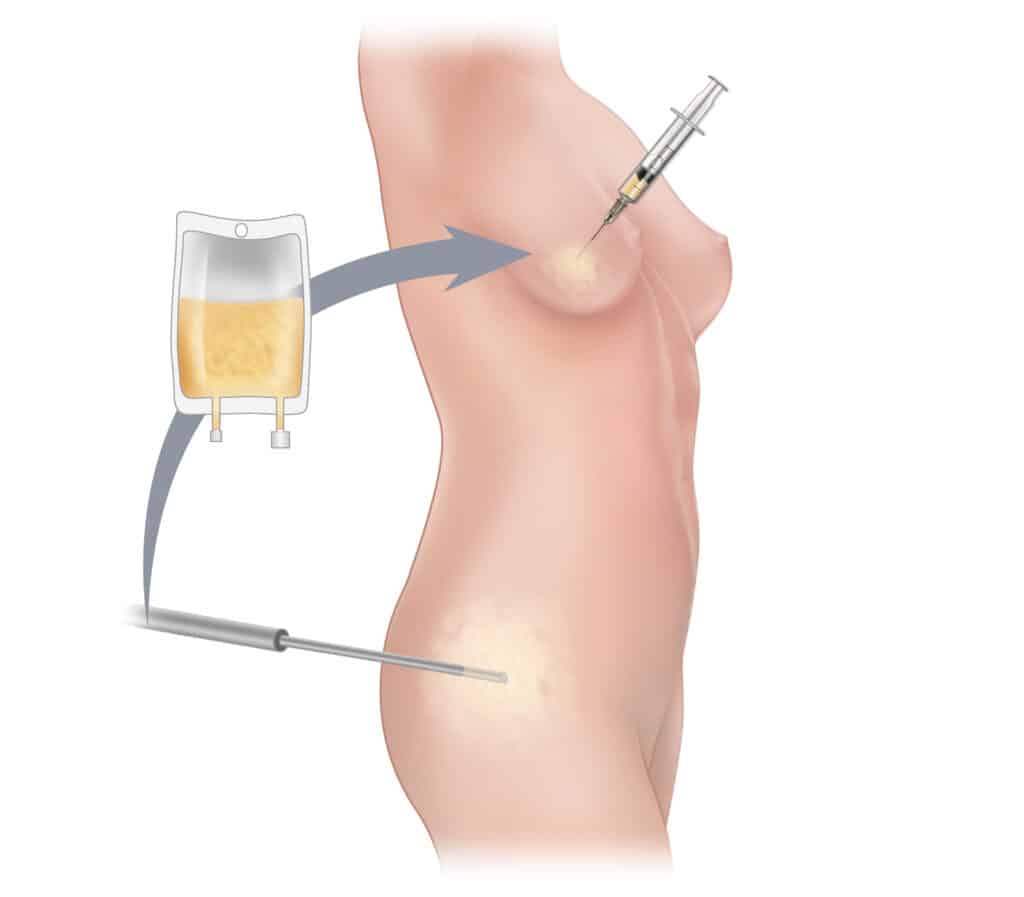
Subtle liposuction is a high-tech, minimally invasive procedure that removes unwanted fat from specific areas of the body with precision. The innovative procedure uses a gentle suction process that minimizes damage to surrounding tissues, providing less discomfort and a quicker recovery process.

For example, microcannulas—a type of thin, hollow tube—are frequently used to delicately remove fat, allowing the surrounding structure to remain undisturbed. This level of precision allows the procedure to be specifically customized to each person’s unique body type and aesthetic goals.

Individualized treatment plans are the foundation of subtle liposuction. A skilled practitioner can identify the areas where fat removal will have the most noticeable impact, whether it’s the thighs, abdomen, or arms. This careful technique makes sure that the final results look like an organic extension of your body’s contours, instead of unnatural and over-exaggerated.

Differences From Traditional Liposuction

What makes subtle liposuction different from more traditional techniques is its minimally invasive nature. Traditional liposuction removes fat more aggressively. This method almost always leads to longer downtime and causes more stress on the body.

Patients can return to light activities in less than a week following subtle liposuction. Most patients are back to full recovery in only a few weeks. For instance, swelling usually goes down in around three months, and scarring is negligible for most patients.

One other significant distinction is an emphasis on subtle aesthetics. Subtle lipo focuses on conservative, subtle changes that create a more defined overall shape to the body’s natural curves. There should be no drastic weight loss or significant changes because the aim is to give a perfected, natural appearance.

This means it’s perfect for people looking for enhancements that are natural-looking and subtle.

Who Is the Ideal Candidate

The best candidates for subtle liposuction are individuals seeking minor adjustments rather than a solution for significant weight loss. This fat reduction procedure works well for those who are close to their desired weight. It’s a cosmetic surgery treatment that effectively targets those pesky fat deposits that just won’t budge despite your best diet and exercise efforts.

Anyone who has some spare fat around the hips or underarms can truly benefit from this lipo procedure. It can be the most impactful thing you can do for them. Thus, candidates need to have realistic expectations regarding the liposuction recovery process.

Although the changes can be dramatic, subtle liposuction is not a weight-loss procedure. Rather, it’s about sculpting and defining targeted areas to enhance overall body symmetry. Regardless of the liposuction techniques used, overall good health is essential and should be the primary concern before moving forward with any cosmetic enhancements.

Conditions like lipodystrophy or plans for a tummy tuck may make someone a better fit for subtle liposuction, especially when performed by skilled plastic surgeons who specialize in modern liposuction practices.

Benefits of Subtle Liposuction

Improved Body Contouring

It’s about a subtler approach to sculpting your body, which provides a more balanced and contoured look. Unlike traditional liposuction, it removes pockets of fat that are resistant to diet and exercise. You can contour the tummy, inner and outer thighs, even under the chin area.

This helps to form smoother, curvier lines and a more balanced silhouette. This level of precision gives surgeons the flexibility to remove even the smallest pockets of fat for a natural, beautiful and youthful appearance. Most patients can see and feel a difference after their very first treatment.

They notice immediate changes within just a few weeks, with final results settling in at around a six months mark as any residual swelling subsides.

Boost in Confidence and Self-Esteem

The result is a more toned body contour, with many people reporting a boost in self-esteem. The art of subtle liposuction gives people the confidence to simply feel good in their own body. That newfound confidence can improve their personal and professional relationships.

Many of our patients tell us that they feel more confident going to social events or participating in activities that they had avoided. Testimonials always focus on the life-changing impact of this relatively simple procedure. Patients tell us how much more confident they feel in their clothes and how they have improved relationships.

Minimal Scarring and Faster Recovery

One of the most important benefits of subtle liposuction is its minimally invasive nature. Subtle incisions lead to less noticeable scarring, allowing results to look less obvious and more natural. Patients only experience slight discomfort post-op.

They are able to resume light activities within a few days and most are completely recovered within 1 to 2 weeks. With subtle lipo, skilled surgeons use specialized techniques to reduce recovery time dramatically. These techniques, usually linked with institutions such as ASPS, produce a very elegant result.

Long-Lasting Results With Maintenance

Results can be enjoyed for years to come. Keep them that way by continuing to maintain a healthy lifestyle with exercise and a proper diet! Ongoing aftercare and regular touch-ups with providers help maintain high levels of satisfaction over time.

Using the procedure in tandem with long-term commitment means that people get to benefit from their new body shape without repeated treatments.

The Procedure of Subtle Liposuction

Consultation and Planning Phase

The process starts with an in-depth consultation with an experienced provider. In this consultation, the surgeon goes over your health history, looks at the areas you want to target and discusses what you’re hoping to achieve. Truthfully, this phase is one of the most important for managing expectations.

For example, if you’re looking for a sleeker jawline or a more defined waist, your surgeon will explain what’s achievable based on your body type and health. Open communication is important here. Patients should feel empowered to inquire about risks, benefits, and recovery timelines to make sure they feel confident going ahead with the procedure.

Techniques Used in Subtle Liposuction

Subtle liposuction usually uses techniques such as tumescent liposuction. This technique minimally injects a solution to numb the area and shrink the blood vessels. Plus, laser-assisted techniques actually liquefy the fat, so it’s easier to remove.

These highly specialized techniques enable the surgeon to sculpt deeply with less disturbance to adjacent tissues. Advancements in technology, including ultrasound-guided equipment, improve precision and safety, minimizing the potential for complications.

Laser-assisted techniques shine when it comes to targeting smaller spaces, like beneath the chin. They produce less noticeable outcomes compared to previous methods.

Duration and Process of the Procedure

Although this will depend on the specific procedure itself, most procedures take between 1 to 3 hours, depending on the area being treated. Swelling is at its worst on the third day, but most patients are back to full light activities in a week.

Bruising and swelling are normal but subside within the first month. In fact, you’ll notice visible results just a few weeks after the procedure! The real change continues to happen over the next 6 to 12 weeks as your new contours settle in.

Subtle liposuction results in faster recovery and more natural-looking results when compared to traditional approaches.

Recovery Process and Expectations

Immediate Post-Procedure Care

Those first few days post liposuction are the most important in laying the groundwork for an optimal recovery. Patients must prioritize rest and refrain from strenuous activities to give the body the necessary time and space to heal.

Keep the treated area clean and dry to avoid infection. Follow your PDMP to take your prescribed medications as directed to avoid any discomfort. Postoperative follow-up visits with your surgeon are important. They can assist you in measuring how far you’ve come, as well as addressing any issues immediately.

Here are some essential care tips to keep in mind during the first few days:

  • Rest and avoid heavy lifting or exercise.
  • Keep incisions clean and dry —you’ll be given guidance from your surgeon on how to clean incision, so follow instructions.
  • Take pain medications and antibiotics exactly as prescribed.
  • Wear any recommended compression garments to support healing.
  • Attend all scheduled follow-up visits to track recovery.

Managing Discomfort and Swelling

It’s common for the treated area to feel sore and swollen and for bruising to occur. Swelling is usually the most prominent during the first week, then subsides over the next several weeks. Ice packs are great for keeping swelling down during those first few days.

Do be sure to use them per the instructions provided by your healthcare provider. Over-the-counter or prescribed pain medications help in keeping you comfortable.

Bruising is common and generally resolves within two to three weeks. Talk to your healthcare provider if something doesn’t seem right, or if you have questions about new or changing symptoms. You can make sure that recovery process is a much more comfortable and confident experience by keeping that dialogue open.

When to Resume Daily Activities

Returning to work after liposuction varies from person to person as well as the amount of the procedure. The majority find they are able to go back to light activity at about one to two weeks.

It’s important to be aware and to listen to your body and not rush things too quickly. Gradual exposure to activity is fundamental. Usually you can begin with some light walking within a few days of your procedure.

Wait to do higher impact or strenuous exercise until your doctor says it’s OK! Forcing this process can only extend recovery or introduce new issues, so allowing the body time to heal is key.

Long-Term Recovery and Results

Liposuction results take time to fully unveil themselves. Most patients report feeling better, more confident and seeing a difference by week two. It can take three to six months for your body to completely adjust to its new shape.

Keeping a healthy diet and getting regular exercise is extremely important in your success in the long run. These three lifestyle factors make a huge difference in your outcomes.

Ongoing self-care is equally as critical as the early recovery period. Committing to healthy lifestyle choices can further maximize your recovery process and impact, and make you healthier overall. Almost 90% of patients experience better self-image due to the better body contour obtained through liposuction.

1. Why Small Changes Matter

1. Achieving Natural-Looking Results

Subtle, artistic liposuction treatments aim to accentuate the body’s natural figure. The intent is to improve those stubborn places that just won’t budge, especially when considering liposuction as a solution. Our goal was to obtain realistic, healthy-looking proportions while encouraging a lifestyle of regular physical activity and exercise.

For example, diet or exercise-resistant fat that hangs on the belly or thighs can be extremely frustrating when you’re all in at the gym. Liposuction surgery can now sculpt these areas, creating results that appear balanced and harmonious. This is where the value of skilled practitioners cannot be understated.

Their knowledge guarantees there is no overcompensation that would produce a too-smooth look. This strategy is focused on improving what’s in place, not covering it up, making it a preferred fat reduction procedure for many.

2. Enhancing Subtle Features

Instead of completely remolding your figure, subtle lipo serves to highlight your best assets. For instance, even a small amount of removal of fatty tissue beneath the chin can sharpen the appearance of the jawline, achieving a more refined aesthetic.

Less is more—little adjustments frequently have the most graceful solutions. Many patients share stories of how these enhancements boosted their confidence, proving that refinement, not reinvention, can make a big difference.

3. Avoiding Dramatic Alterations

Many women are concerned that with cosmetic procedures they will lose their special uniqueness. Subtle liposuction is the opposite because it focuses on achieving natural results.

Rather than making sweeping transformations, this approach preserves your unique character and charm while protecting against the perils associated with radical shifts. It’s about being happy in your own skin, or feeling like the best version of yourself.

4. Promoting Gradual Transformation

Such gradual transformation encourages a positive mindset. Subtle, tasteful liposuction complements a regular body contouring regimen.

The majority of patients see a rapid recovery, with a return to their regular lives within two weeks. Hydration and a diet rich in protein supports recovery.

That kind of patience produces long-term happiness, which parallels our belief that deep, impactful change takes years to achieve.

Risks and Limitations of Subtle Liposuction

Possible Side Effects to Consider

As with any surgical procedure, subtle liposuction does come with the risk of side effects. Swelling and bruising are the most frequent and can occur in >90% of patients. These symptoms typically go away after only a few weeks, however they can lead to short-term pain and embarrassment.

Some patients do report minor discomfort, which can be alleviated with medications that will be prescribed to you. Alterations in skin sensation including numbness or tingling are universal. Fortunately, these sensations tend to go away on their own over time.

There’s a risk of creating temporary fluid collections, called seromas, underneath the skin. Though these usually improve on their own, they can rarely need to be drained. Infections are another risk that can occur, particularly if post-care instructions—including keeping incision areas clean—are not followed to the letter.

When the superficial fat layer is worked on, this risks causing contour irregularities or complications affecting the overlying tissue.

Limitations of the Procedure

Subtle liposuction treatments are advantageous for people who want to address very particular areas and remove only small quantities of body fat. However, it’s important to note that it’s not the right choice for everyone, especially those considering liposuction for major weight loss or body re-sculpting. Ultimately, individual results will vary based on skin elasticity and the amount of fat present in the targeted area.

Setting realistic expectations is extremely important in the liposuction recovery process. For instance, it can take weeks to see the full results, with swelling taking even longer to subside. A comprehensive medical and psychological evaluation by a qualified professional is key to understanding if this fat reduction procedure aligns with your body goals and overall health.

This procedure is not magic or a cure-all, and in some cases, different fat removal techniques may be recommended.

Importance of Choosing a Skilled Professional

In fact, the expertise of your surgeon is the most important factor. A board-certified surgeon experienced in subtle liposuction will be better prepared to mitigate risks and produce natural-looking outcomes. They’re the ones most qualified to tell you which method is best for your needs too.

Patient reviews and testimonials are great resources to use when researching a potential surgeon. They provide information on past results and patient happiness. Selecting a qualified and experienced professional can mean the difference between a speedy, uneventful recovery and complications that you may not be prepared to handle.

Tips for Maintaining Results

To keep the results of liposuction treatments long-term, it all comes down to healthy living and a little elbow grease. Below are effective lifestyle changes to help you sustain your outcomes.

  • Follow a balanced and nutritious diet.
  • Engage in regular physical activity.
  • Stay hydrated and prioritize sleep.
  • Schedule periodic check-ins with healthcare providers.

Following a Healthy Diet

Nutrition is going to be a huge part of your results lasting. Real foods such as lean proteins, fruits, vegetables, and whole grains will help fill any nutritional gaps needed for optimal recovery and long-term health.

Protein becomes even more critical after surgery as it helps repair damaged tissue and increases metabolic rate. Stay away from heavily processed foods that are usually loaded with added sugar and unhealthy fats. They’ll undo all your hard work.

Practices like mindful eating—paying special attention to portion sizes and your body’s hunger signals—keep your body’s new shape in place.

Staying Consistent With Exercise

Exercise enhances all of liposuction’s benefits by helping you maintain muscle tone and achieve a healthy weight. Whether you enjoy walking, yoga, or strength training, find a way to make it work for you and your fitness level.

Consider an exercise plan, like weight lifting with progressive overload—increasing the load starting with 50 pounds and increasing by 5% to 10% as you go—maintains muscle-building workouts.

The mental health benefits of exercise are significant. Regular exercise improves mood and energy, keeping you excited to keep moving.

Adopting a Positive Lifestyle

A holistic approach to wellness is needed now more than ever. Stress management techniques, including yoga or meditation, are shown to increase skin elasticity and metabolism, which are especially beneficial during the recovery period.

Being in a positive social circle helps to hold you accountable and maintain those results by focusing on your new healthy habits. Staying hydrated is really important as well; it helps with recovery and keeps your body working at its best.

Conclusion

Through subtle liposuction, you can take a practical approach to fine-tune your overall appearance with very significant and natural-looking results. Its subtle approach works with small changes to make a big impact. The procedure itself can be simple. Recovery can be simple if you know what to expect and take care of yourself with realistic expectations. With a commitment to a healthy lifestyle, you’ll reap long-term rewards that improve your overall appearance and well-being.

Even small changes can produce big rewards. If you’re ready to explore the possibilities of subtle liposuction, a consultation with an experienced, board-certified pro will help you get the information and care you deserve. An informed patient asking for subtlety and nuance gets the best results. Get started today and discover how you can start feeling your best with a plan tailored to your lifestyle.

Frequently Asked Questions

What is subtle liposuction?

Subtle liposuction is a less invasive fat removal procedure that targets localized pockets of unwanted body fat to enhance your body’s natural contours, prioritizing cosmetic enhancements that look more natural over drastic alterations.

Who is a good candidate for subtle liposuction?

Ideal candidates for subtle liposuction are those who are near their goal weight but still have unwanted body fat in certain areas. Liposuction patients need to have optimal skin elasticity and realistic expectations.

How long does recovery take after subtle liposuction?

Most liposuction patients are in recovery for 1–2 weeks, with nearly all returning to their daily routine in just a few days. However, swelling can persist, taking several weeks to completely subside during the liposuction recovery process.

Are the results of subtle liposuction permanent?

With a consistent weight and an overall healthy lifestyle, including key lifestyle changes, the results of liposuction will be long-lasting. Regular exercise and a balanced diet will help maintain your new look for the long haul!

What are the main benefits of subtle liposuction?

It better complements the natural body shape, increases self-confidence, and has a shorter liposuction recovery time than traditional liposuction procedures. The fat reduction technique is highly customized to create refined, subtle results.

Are there any risks with subtle liposuction?

Possible risks during liposuction surgery include bruising, swelling, or temporary numbness, but serious complications are extremely rare when performed by an experienced surgeon specializing in modern liposuction practices.

How can I maintain my results after subtle liposuction?

Follow an active lifestyle plan that incorporates effective weight loss methods, including exercise and good eating habits, to support liposuction recovery and prevent major weight changes.

Liposuction Success Stories: Transformations That Inspire Real Change

Key Takeaways

  • Liposuction is a type of cosmetic surgery that safely and effectively removes stubborn fat deposits. Hundreds of people opt for it every year to improve their body shapes and get a beautiful liposuction result.
  • There are multiple types of liposuction, like tumescent and laser lipo, each appropriate for different body regions and goals. Working with an experienced and expert surgeon is critical to identifying what will work best for you.
  • Ideal candidates for liposuction include people with specific fat bulges that won’t go away with diet or exercise. Liposuction has emotional benefits as well, as it helps boost confidence and self-esteem.
  • After liposuction, achieving the best results means adopting a healthy lifestyle with a nutrient-rich diet, consistent physical activity, and regular weight management.
  • Risks such as swelling, bruising, or other complications are possible, making it critical to select a qualified and experienced surgeon.
  • By setting realistic expectations, understanding costs, and preparing correctly, you can help create a safer and more satisfying liposuction journey.

Liposuction has established itself as a reliable treatment for people wishing to contour their bodies and get the look they’ve always wanted. Now, with improvement in techniques, the art has become more tuned, providing fantastic results for many.

Personal accounts from patients who have experienced the procedure speak to its power to create dramatic transformation and a new sense of self-assurance. Written by real patients, these accounts give a unique perspective on the entire journey, from first choosing to move forward to seeing their results.

Each person’s story is different, proving that liposuction success goes beyond the superficial to a true focus on feeling good and achieving personal goals. Dive into these success stories to learn more about how this procedure has helped real people lead transformed lives.

You’ll come away with honest, realistic expectations of what results to look forward to.

What Is Liposuction

Liposuction, known as suction-assisted lipectomy, is a cosmetic surgical procedure that removes fat from the body. It’s an effective treatment for addressing stubborn fat deposits that are resistant to diet and exercise. This allows patients to achieve a more sculpted and balanced look.

Unlike other methods to achieve weight loss, liposuction doesn’t require the patient to lose the pounds before getting the desired shape—it does it directly. The primary intent of liposuction is body contouring through the removal of localized fat deposits that can improve the appearance of the body’s overall symmetry.

It’s no wonder, then, that it’s particularly popular among those seeking cosmetic body enhancement. This process safely and effectively reduces the most stubborn fat that diet and exercise can’t seem to get rid of. For so many of them, the procedure is not simply aesthetic—it’s an opportunity to feel good in their skin and have their confidence restored.

The popularity of liposuction in recent years is undeniable, with the technological developments and innovations continuing to make the procedure more effective and safer. Whether it’s a busy professional or a parent juggling responsibilities, people from various walks of life turn to liposuction to complement their fitness efforts and achieve their desired look.

Real-Life Success Stories

1. Transformations After Liposuction

Physical results from liposuction are usually impressive. Patients frequently drop inches from their waistlines. They have drastic changes to their midsection, legs and arms.

For example, Alex lost 30 pounds of body fat, improving the appearance of his middle and giving him all the confidence in the world. Before-and-after photos often focus on these stark contrasts, showing you how amazing the treatment can truly be.

Aside from the physical, patients frequently report a sense of emotional elevation. As for the visible results, they go a long way to make many people feel more comfortable in their skin, often for the first time in decades.

2. Personal Experiences During Recovery

Every liposuction patient has a unique journey, but most follow a similar course. Since healing is pretty fast, most patients are back to work in a week.

Following post-operative care instructions to the letter is important, as it reduces pain and swelling while promoting healing time. Advice such as wearing compression garments and staying hydrated is commonly given.

Finally, patients begin to see dramatic results around the six-week mark. At six months, the ultimate results are known, providing ample incentive during the recovery period.

3. Emotional Impact of Liposuction Results

Getting the right body proportions can change more than just our look. Most patients enjoy an immediate boost in self-esteem, with many documenting these emotional dividends well into the future.

As one patient told us, their journey allowed them to shed decades of self-loathing. Confidence in their own skin has helped people step out and take on new opportunities, personally and career-wise.

4. Long-Term Satisfaction from Patients

Yet statistics indicate that 80% of those who undergo liposuction experience a better quality of life. Patient testimonials are a testament to this long-term happiness, as so many impact statements highlight the procedure’s ability to improve confidence.

As one patient put it, “The staff treated me like family,” which speaks to the power of a caring and compassionate team. Sustained results make it all too easy to cement the joy and faith patients invest in the system.

Benefits of Liposuction

Improved Body Contour and Confidence

Liposuction provides an effective solution to contour the body and achieve improved body proportions. By eliminating stubborn fat pockets through the liposuction procedure, it creates more even curves that frequently align with a patient’s natural shape. This transformation often yields significant psychological benefits, enhancing body confidence and addressing body image issues.

Most patients, after undergoing liposuction, report feeling the most comfortable in their own skin they’ve felt in years. Far from being merely a cosmetic concern, many individuals struggle with their self-image due to disproportionate body contour. Following their successful liposuction journey, they often experience a sense of relief and empowerment.

The ability to wear clothes confidently or participate in social activities without hesitation often leads to a noticeable increase in self-esteem.

Removal of Stubborn Fat Deposits

One of the greatest benefits of liposuction is its precision in addressing areas that are resistant to diet and exercise. Typical trouble spots are the abdomen, inner thighs, hips, flanks, back, and arms. Unlike general weight loss, which can’t control where fat is reduced, liposuction focuses on specific areas to achieve precise results.

Patients are always pleased to be able to tackle these issues finally, after years of failed diets or exercise plans. One common benefit that patients report is losing multiple inches from their waistline. This desirable result produces a very natural appearing enhancement that is in harmony with the contours of the body.

Enhanced Motivation for Healthier Lifestyle

The benefits of liposuction go well beyond aesthetic improvement. For those patients, they often feel the intrinsic motivation to go out and keep their new appearance by making healthier choices. This could mean eating healthier, exercising more, or just taking better care of ourselves.

Add to that research indicating that 86% of people experience better mental health subsequent to cosmetic procedures and you can see why this change is happening. Success stories put a face to people who were motivated to make long-term lifestyle changes, driven by the inspiration they found in their newfound confidence.

Liposuction is not a substitute for losing weight. Rather, it usually serves as a catalyst for people who want to start controlling their health and wellbeing.

Risks and Considerations

Understanding Potential Side Effects

Liposuction, like any surgical procedure, does have side effects. Generally, patients should expect swelling, bruising and tenderness at the injection sites. You should see many of these symptoms start to improve within the first week.

Complete recovery and visible effects can take three to six months. Prepare for the emotional toll. Many patients describe an emotional feeling of overwhelming despair by the fifth day post-op, emphasizing the need for mental preparedness.

Vigilance for the development of complications in the postoperative recovery phase is important. Though uncommon, serious risks like infection, contour irregularities, or fluid collection are possible. Adhering to post-operative care instructions and attending post-operative follow-up appointments with your surgeon will allow for these complications to be detected early.

Reducing your risks starts with selecting a qualified surgeon. Their artistry ensures that the right techniques are used, and that precious care is taken.

Preparing for the Procedure

With thorough preparation, your liposuction surgery can be a safe and successful one. Here are some essential steps:

  • Share your complete medical history during consultations.
  • Discuss realistic goals and expected outcomes with your surgeon.
  • Keep with your preoperative expectations, including discontinuing specified medications, as well as fasting as directed.

Effective communication with your consultant from the start ensures you have a clear picture of the process and helps create a successful recovery from day one.

Importance of Choosing a Qualified Surgeon

Choosing the right surgeon is a key consideration. Those skilled professionals take the time to understand personal needs and reduce risk, thanks to decades of honing their craft.

Checking credentials, reading patient reviews, and looking at before-and-after photos provides a look into their level of expertise. A reputable and experienced surgeon will make sure the procedure is done with excellence and improved results overall.

Maintaining Long-Term Results

Changing the body contour dramatically with liposuction is just the start. Keeping those results takes a little bit of healthy living and a little bit of healthy caring. Fat cells eliminated in the procedure do not grow back; new fat can form if patients don’t maintain their weight after the procedure.

Getting regular physical activity and eating a nutritious, balanced diet will help you keep your new figure for years to come. Patients typically drop a few inches off their waistlines, but the work to maintain this change doesn’t end after surgery. Here, we’re covering three essential tactics to keep your long-term results sustainable.

Role of Healthy Diet and Exercise

Here are some dietary tips:

  • Prioritize minimally processed, nutrient-dense foods—especially vegetables, fruits, lean proteins, and whole grains.
  • Limit processed foods, sugary drinks, and high-fat snacks.
  • Stay hydrated by drinking plenty of water daily.

When it comes to exercise, begin with low-impact options such as walking or restorative yoga while you’re recuperating. As you progress, include strength training and cardio to help tone muscle and increase overall fitness.

It’s not so much about how hard or how often you do it—it’s about creating a routine. Patients who adopt these positive changes usually tell us they feel more energetic and self-assured.

Managing Skin Elasticity Post-Surgery

Skin elasticity plays a big role in how well your body contours will look long-term after liposuction. Patients can expect to see the complete results within six months. This delay occurs as the skin requires time to adapt to the new contours.

Adding a regular skincare routine focused on moisturizing and firming will go a long way. Hydration contributes to elastic skin, so make sure you’re drinking enough water daily. Wear compression garments for at least two weeks following surgery to help reduce swelling.

They prepare your skin for all the new curves your body will be getting. If you still have questions or concerns, it’s never a bad idea to reach out to your surgeon with questions regarding your skin’s healing journey.

Monitoring Weight Changes Over Time

Being alert to weight fluctuations is another key factor to long-term success. Keeping an eye on any shifts in weight can be beneficial. Frequent checks can allow you to catch fluctuations early on.

Taking action at the first signs of change—even minor ones—by making dietary or lifestyle adjustments will help you stay ahead of any decline. Preventing large amounts of weight gain or loss helps keep your new shape.

Patients are more likely to remain motivated by their own progress when they can work toward consistent, incremental gains. It’s the second strategy that really keeps them happy with their long-term results.

Factors to Consider Before Liposuction

Setting Realistic Expectations

The most important factor of all is clear communication with your surgeon. Prior to the procedure discuss your goals candidly and educate yourself on what is realistically achievable.

Liposuction is best for body contouring, not weight loss. For example, ideal candidates are people who are no more than 30% over their ideal body weight and have skin that is firm and elastic.

It’s important to understand that the complete results will not be visible for months. Patients who are aware of this timeline usually end up much more satisfied. For example, someone aiming to refine their waistline or remove stubborn fat pockets may see noticeable changes over time, but not overnight.

Knowing what liposuction can and can’t do will ensure you’re realistic about the results. Everyone’s body is different, which is why customizing a procedure specifically for you will result in the most natural and beautiful outcome.

For example, a patient who has localized fat in their abdomen will have a very different result than a patient who is liposuctioning their thighs.

Evaluating Personal Health Conditions

Your overall health is one of the most important factors. Surgeons suggest that you be at a stable weight and not have conditions such as heart disease or diabetes.

Having full disclosure of your health history will help keep you safe. If you are someone who lives a healthy lifestyle before going into surgery, you will usually bounce back quicker.

Liposuction isn’t about huge transformation, but more to help define what you do have.

Knowing the Cost and Recovery Time

TechniqueAverage Cost ($)Recovery Time (weeks)
Traditional3,000–7,0004–6
Laser-Assisted2,500–5,0002–4
Ultrasound-Assisted3,500–6,0003–5

Budgeting is very important. Costs differ depending on the geographic area and technique used.

In addition to the procedure itself, factor in costs for follow-ups and post-op care. Recovery is just as important.

Plan for some minor tenderness—similar to post-exercise tenderness—that dissipates soon.

Conclusion

Liposuction is about more than just looking good in a swimsuit. For optimum results, combine it with a positive outlook and permanent lifestyle changes. The true success comes from being informed about the process and working with experienced professionals. Individuals have experienced tangible results, from being able to wear a pair of jeans they saved from high school to improving contentment with their appearance.

Results do last longer when healthy habits and consistent exercise become ingrained into someone’s lifestyle. This is not purely a cosmetic issue, it’s about feeling healthy and well.

If you’re considering liposuction, be patient, inquire, and compare your choices. The right choice can put you on track to results you’ll love for decades. As always, do what’s in the best interest of your health, goals, and long-term success.

Frequently Asked Questions

What is liposuction?

Liposuction is a popular cosmetic surgery procedure designed to remove unwanted fat, particularly through techniques like abdominal liposuction. This fat removal procedure aims to flatten and sculpt areas such as the abdomen, thighs, and arms, providing successful liposuction results in a short time.

How long does it take to see results after liposuction?

Here’s what you’ll see right off the bat after your liposuction procedure. Complete results usually come in once the swelling has gone down, which can take 1–3 months, leading to successful liposuction results.

Are liposuction results permanent?

Indeed, successful liposuction results can last long-term if you maintain a stable weight. However, weight gain or a less active lifestyle can adversely affect your outcomes. Adopting healthy habits is essential for preserving your improved body confidence and maintaining your new look.

What are the risks of liposuction?

These may involve common risks like swelling, bruising, and temporary numbness after a liposuction procedure. Very rare risks include infection or irregular skin contours, so to reduce the risk of complications, always consult with a qualified, board-certified liposuction provider.

Who is a good candidate for liposuction?

Ideal candidates for the liposuction procedure are those who are close to their goal weight yet struggle with stubborn areas of fat resistant to diet and exercise. Remember, liposuction is not a weight-loss procedure; rather, it serves as a body-contouring solution.

How much fat can be removed during liposuction?

Surgeons can safely remove about 5 liters (11 lbs) of fat during a liposuction procedure. Your specific needs will depend on your health and desired outcomes, so it’s essential to discuss your goals with your surgeon.

What’s the recovery like after liposuction?

Recovery from the liposuction procedure typically takes 1–2 weeks, during which most individuals can return to their normal routine. Wearing compression garments is essential to reduce swelling and promote healing, ensuring successful liposuction results by closely following your surgeon’s aftercare instructions.

Liposuction as a Launchpad for Lasting Healthy Habits

Key Takeaways

  • Liposuction is a cosmetic procedure primarily aimed at contouring by removing unwanted fat. It is not an alternative to weight loss or a healthy lifestyle. We’ve learned that it works best as part of a long-term, comprehensive health plan.
  • Results from liposuction can serve as motivation to adopt healthier habits, such as balanced eating and regular exercise, to maintain and enhance outcomes.
  • To maintain your liposuction results will need a lifestyle that supports a healthy weight, including nutritious meals, regular exercise, hydration, and the avoidance of tobacco products and excess alcohol.
  • There’s no doubt a positive mindset and good mental health are crucial to maintaining long-term health aspirations. Mindfulness, stress management, and other practices that promote emotional health are important.
  • By setting achievable targets and rewarding yourself for minor victories, you’ll feel motivated to continue making progress and prioritizing your health.
  • Lifestyle changes that are developed gradually, with professional support and an understanding that change will take time, can help individuals develop sustainable habits that encourage lifelong health and confidence.

Making these lifestyle changes require a small but significant kickstart. For people who want to make a positive change, liposuction can be a truly effective first step. It’s ideal for treating localized fat deposits that are resistant to diet and exercise.

This mindset opens the door to a fulfilling and energetic lifestyle. This approach isn’t about forgoing healthy habits. Rather, it provides people with a strong foundation on which to rebuild their self-assurance and redirect their energies toward their future aspirations.

By making exercise and portion control a regular part of life, patients can achieve long-lasting outcomes. With this approach, liposuction is not the solution but it does become the tool that supports a healthier, more empowered lifestyle. You just need the right plan to make it a meaningful part of creating positive change.

What Is Liposuction

Liposuction — known as lipoplasty, suction lipectomy, or body contouring — is a type of cosmetic surgery that removes excess fat. Unlike other treatments, it precisely targets stubborn fat deposits that resist diet and exercise, making it one of the most sought-after cosmetic procedures among those seeking to refine their overall look. Many liposuction patients appreciate how effective fat removal can enhance their body aesthetics.

By targeting specific areas such as the abdomen, thighs, or arms, liposuction can bring about a more proportionate and contoured appearance. It’s a smart choice in America, with over 300,000 Americans opting for this treatment each year. They desire more than just cosmetic enhancements—they aim to feel more confident, too.

The liposuction procedure involves removing fat cells through targeted suction methods. This effective fat removal can rapidly change your shape, leading to lipo results that many find satisfying. Most patients lose around 5 to 10 pounds immediately after the procedure, contributing to their new body shape.

Beyond aesthetics, liposuction increases skin thickness by approximately 25% and elasticity by nearly 29%, making skin noticeably thicker and smoother. Though the operation may not improve physical health, the mental health improvements are real and life-changing. For most, it’s the release of decades of body image anxiety, and it’s the catalyst that inspires them to adopt more health-positive practices in their lives.

We must overcome the public’s tendency to view liposuction as strictly cosmetic. While it is well known for its ability to visibly slim down the body, the advantages of this transformative procedure run deeper. Clinical studies show that when followed correctly, 93% of patients are satisfied with their liposuction outcomes at one year post-treatment.

What’s more, 80% report feeling more positive and confident about their bodies after their liposuction journey. This experience is not only physical but also mental, serving as a catalyst for many to embrace a healthier and more fulfilling lifestyle.

Benefits Of Liposuction For Health Goals

Enhancing Physical Appearance And Promoting Self-Care

Through targeted fat removal, liposuction allows patients to achieve more flattering body proportions, resulting in a more attractive and aesthetically pleasing look. Patients find their clothing fits much better after having up to five liters of fat removed.

Making this change can improve their self-esteem and overall happiness with themselves. This physical change also serves as a reminder to focus on yourself. It pushes you to make healthier lifestyle choices, like diligent skincare practices and eating more consciously.

Most importantly, patients are able to be more comfortable in their own skin. Now, with a boost of confidence, they are more likely to care for their health beyond the liposuction.

Improved Mobility And Reduced Health Risks

Liposuction is more than a cosmetic enhancement. It improves function and reduces pain, particularly in anatomic locations where the mobility has been compromised by excess adipose tissue.

Having the excess fat on your thighs removed can improve mobility, allowing you to walk or exercise better. This simple change creates opportunities for a more walkable and bikeable lifestyle!

By removing stubborn body fat, liposuction reduces the risk of developing chronic diseases such as diabetes and heart disease. This procedure is more than a cosmetic option; it’s a vital component to achieve optimal health.

Most patients report feeling completely rejuvenated by four to six weeks into their recovery. They’re excited to get back to normal activities and even start new fitness regimes.

Positive Psychological Impact

Besides attaining the body contours they want, many people experience a significant increase in self-esteem. An improved body image may lead to increased social activity, from going to social functions to increased self-assuredness in a work environment.

In fact, clinical studies find that 90% of patients report an increased sense of self-confidence, which can create a positive domino effect in other aspects of life. If you complete one step, celebrate that!

Taking these steps further solidifies a positive mindset, making your pursuit of health goals all the more gratifying.

How To Maintain Results After Liposuction

Liposuction can be a great starting point for a healthier lifestyle, but maintaining lipo results depends on adopting sustainable habits. Here are some essential practices to help you maintain your liposuction outcomes.

  • Follow a healthy eating plan that includes plenty of healthy foods.
  • Exercise regularly with activities that suit your fitness level.
  • Drink plenty of water every day to stay hydrated.
  • Stay away from bad habits such as smoking or consuming excessive alcohol.
  • Keeping a record of your progress will help you keep your commitment to maintaining your results.

1. Follow A Balanced Diet

Eating whole, unprocessed foods supports long-term health and helps maintain liposuction results. Prepare delicious meals that highlight healthy fats such as avocados and nuts. Add in some protein like chicken or beans to keep you energized throughout the day.

By planning out meals in advance, you can avoid making last-minute decisions that could sabotage your hard work. For instance, packing your lunch with lean proteins and veggies is an easy way to sidestep those fast food temptations.

2. Incorporate Regular Exercise

A combination of cardio and strength training is the most effective. Start with low-intensity exercises such as walking or biking. Get a minimum of 150 minutes per week of aerobic exercise, plus two to three strength training sessions.

Increase the intensity slowly to come up to your current level of fitness. Avoid strenuous or high-impact activities for 4-6 weeks following your surgery. Keeping up with your new lifestyle post-op is the best way to keep the results of your new shape!

Whether it’s dancing, swimming, or something else, find something you love and make it part of your new healthy lifestyle.

3. Stay Hydrated Daily

Staying hydrated by drinking 8-10 glasses of water daily will boost your metabolism, help your body recover, and keep your skin elastic. Use a refillable water bottle to help measure and monitor your daily intake.

It plays a role in energy and digestion as well, both of which are key to maintaining a more active lifestyle post-op.

4. Avoid Unhealthy Habits

Simple steps, such as replacing chips with fruit or reducing a few hours of screen time, can go a long way. These habits can delay your recovery and diminish your results, so quitting or reducing them is key.

Just doing some stretches and getting up to move around and do other activities is good for your body,” Herrera said.

5. Monitor Progress Consistently

Have a log of your food intake, exercise routines, and health goals to hold you accountable. Continuous monitoring through periodic check-ins with a physician or fitness trainer can offer important perspective and accountability help along the way.

Whether it’s getting back to a post-baby weight or training for a new fitness class, having a tangible, achievable goal helps you stay focused and committed.

Role Of Mental Well-Being In Healthy Lifestyles

Practicing Mindfulness And Self-Awareness

Mental health and physical health are intertwined in innumerable ways. When your mental well-being is nurtured, maintaining a healthy lifestyle becomes much more manageable. Mindfulness helps you stay in the moment and tuned in to how you’re feeling, which is crucial for weight loss maintenance. Developing this awareness can have an incredible impact on your diet and physical activity levels, particularly for those considering liposuction procedures.

Practices such as meditation or yoga are powerful techniques that help you reconnect with your body and cultivate that self-trust. By fostering relaxation, they help sharpen focus and emotional regulation, leaving individuals better equipped to handle the challenges of each day. Reflective journaling or gratitude journaling can also serve as effective tools to mark your liposuction journey.

Putting pen to paper gives you insight into what triggers you to feel a certain way, creating a pattern you can reflect on. This method works particularly well when serving to contour the body after an invasive process such as liposuction. For many liposuction patients, the physical change offers a new chapter, and creative journaling can be a powerful catalyst for continuous growth and expansion.

Research indicates that nearly 95% of individuals report an improvement in their body image following these surgeries. This highlights the importance of mental clarity throughout the entire recovery process, especially in achieving lasting results.

Managing Stress Effectively

Chronic stress is hard on the body, making it difficult to maintain a healthy weight and body composition, further impacting your health. Even simple practices such as deep breathing or time management can go a long way to help mitigate stress. Sometimes healthy outlets, whether it’s a hobby or being able to spend time with friends, can have a huge impact on wellbeing.

True, liposuction typically alleviates chronic physical distress, which by extension lightens mental loads too. Increasing self-esteem is reported by approximately 30% of patients, helping them remain more active and cope with stress more effectively.

Setting Realistic Goals For Success

Making progress towards health goals begins with having the right expectations. Dividing bigger objectives into manageable slices helps avoid the sense of being overwhelmed. Celebrate progress along the way—whether that’s keeping to a new meal plan or reaching a long-term fitness goal.

These small wins accumulate motivation. After the surgery though, 80% of patients report an improved outlook on their bodies. Better mental health and this newfound confidence inspires them to adopt long-term, healthier lifestyles.

Practical Tips For Long-Term Health

Build Sustainable Habits Gradually

By taking small steps in your everyday life, you can make long-term improvements to your health. Begin with baby steps—such as replacing sugar-sweetened beverages with water, or increasing your daily routine by just 10 minutes of walking.

These incremental changes are more sustainable and cumulative in the long run. Rather than trying to overhaul everything in your life at once, just work on one habit at a time. For instance, make a pledge to drink at least 8 glasses of water a day before progressing to increasing physical activity.

That’s the other big thing — consistency. When you commit to yourself every day—even if it’s just a few minutes—you’re laying that important groundwork. This way, larger changes become a more natural evolution rather than an artificial imposition.

Seek Professional Guidance When Needed

At times, the only way to move ahead is with specialized guidance. Then our dietitians create customized meal plans that fit your lifestyle.

In the background, certified trainers design your workout to match your current fitness level. For individuals who require more formalized support, medical weight loss programs provide structured resources such as behavioral counseling and closely monitored progress tracking.

Strength exercises, performed two or more times a week, are particularly powerful, and trainers can help you safely perform them. We find that professionals help not only give you insight and accountability, but help make your efforts more directed and effective.

Stay Committed And Patient

Long-term health is all about the long game. It’s natural to experience disappointing days, but a positive attitude will help you learn and keep you moving forward.

Results such as increased confidence—seen in almost 80% of patients after liposuction—are long-term. Whether it’s aiming for 150 minutes of moderate aerobic activity each week or getting 7-9 hours of sleep each night, these are all steps that help pave the way.

The ultimate aim is improvement over perfection.

Conclusion

Liposuction might not be the whole answer, but it can serve as a powerful boost in the direction of healthier habits, providing a clean slate and increased motivation. Paired with balanced eating, regular exercise, and stress management, it creates the perfect support system for long-term benefits. Staying consistent with daily choices keeps results steady while improving overall health. Even the tiniest of steps—from meal prepping to taking 5 minute walks—help lay the foundation for better habits that last a lifetime. Mental wellness has been proven to be a significant factor as well, so learning how to remain upbeat and socially engaged is important.

When we lean into sustainable changes, we set ourselves up for long-term health success. Liposuction isn’t the end—it’s only the beginning of a new journey toward feeling your best. Interested in making that transition? Start the journey today and invest your energy and time on practices that really help you thrive. Whatever the cost, your health is worth it.

Frequently Asked Questions

What is liposuction?

Liposuction, also referred to as suction-assisted lipectomy, is a cosmetic procedure designed for sculpting and contouring the body rather than serving as a weight loss solution. Under the care of a qualified surgeon, safe liposuction techniques effectively remove locatable fat deposits, helping many liposuction patients achieve a more proportionate appearance.

Can liposuction improve my health?

By removing stubborn deposits of fat, liposuction can serve as a kickstart to new health goals, enhancing mobility and confidence. While liposuction procedures don’t replace healthy habits, they can motivate patients to adopt a regular exercise regimen and improved nutrition for lasting results.

How long do liposuction results last?

If you take care of yourself through regular exercise and healthy lifestyle choices, the results of liposuction can last forever. Continued physical activity and weight loss maintenance are essential, as significant weight gain can reverse lipo results.

Is mental well-being important for maintaining results?

We know that mental health is very, very important. A positive mindset and stress management can help you stick to healthy lifestyle choices, improving both physical and emotional health after liposuction surgery.

What are some practical tips for maintaining liposuction results?

To maintain your appearance over time, focus on a healthy lifestyle that includes regular exercise, nutritious meals, and hydration while avoiding fad diets, ensuring effective fat management and lasting results.

Can liposuction replace a healthy lifestyle?

Are we saying that liposuction can replace a healthy lifestyle? This effective fat reduction tool can help supercharge your liposuction journey. Much like regular exercise and consuming healthy foods, it requires frequent liposuction maintenance to continue providing stunning results.

Is liposuction safe?

When performed by a qualified plastic surgeon, liposuction is a very safe procedure. As with all cosmetic procedures, there are always risks, but having an expert doctor is key to avoiding complications and ensuring effective fat removal for lasting results.

The Emotional Benefits of Tighter, Healthier Skin Explained

Key Takeaways

  • Tighter, healthier skin is firmer, smoother, and more youthful in appearance, all adding up to better self-esteem and increased happiness. It can make you feel more confident socially as well as professionally.
  • Age, hydration, nutrition, lifestyle choices all play a role in skin elasticity. Eating a nutritious diet and drinking plenty of water are foundational to the appearance and health of your skin.
  • The visible effects of unhealthy skin are the formation of wrinkles, sagging and uneven skin texture. These impact confidence and emotional well-being.
  • When skin is healthy, we feel it with amazing positive body image, stress relief, and emotional resilience. A regular skincare regimen and techniques to manage stress are important first steps.
  • Increased regular exercise and improved circulation Featuring tighter, healthier skin greatly boosts vitality, helping you feel radiant and confident.
  • Consistent long-term skin care prevents premature aging, promotes emotional balance, and protects self-confidence for years to come.

Feeling confident usually begins with how you feel about your skin. Feeling fabulous Tighter, healthier skin makes you feel more physically attractive, which translates into greater self-confidence and emotional well-being. It’s not only the visible effects that matter, but the improvement of how you feel day to day.

Healthier skin can be a visible sign of how well you’re taking care of yourself. Taking this care can increase your self-confidence and enhance your overall quality of life. Whether it’s from increased hydration or getting on a serious skincare routine, the emotional impact of small improvements can be significant.

Caring for your skin is more than just a regimen. It’s an opportunity to look and feel your best and let your inner beauty shine through! Feeling fabulous starts with realizing how tighter, healthier skin plays into emotional and mental well being.

What Is Tighter Healthier Skin

Definition of Tighter, Healthier Skin

Tighter, healthier skin means skin that looks and feels smoother, firmer, and more even. It’s the type of skin that speaks to health and exuberance. When skin is rich in this protein, it keeps its tightness and smoothness, making the skin look vibrant and alive no matter our age.

This healthier, tighter skin plays a role in providing a more positive self-image, which increases self-esteem and helps social interactions come more easily. Those who have smooth, youthful skin are typically less stressed out. This could be due to patients feeling more empowered about their look.

For instance, 86% of subjects with sagging skin reported an improved self-image after undergoing cosmetic procedures. Healthier skin improves your self-image and you feel more confident in yourself. This new confidence adds to your quality of life and fosters a more positive attitude overall.

Factors Affecting Skin Elasticity

The elasticity of our skin is influenced by many factors such as age, hydration levels, and nutritional intake. Aging depletes collagen and elastin naturally, which contributes to skin becoming looser. Staying hydrated and eating foods rich in vitamins and antioxidants can work to support elasticity.

For some, treatments with EndyMed Pro 3Deep offer a non-invasive solution to firmer skin and a more self-assured appearance. With good skincare maintenance, you can expect results to last 12 to 18 months or more. This results in long-term emotional benefits, including less social anxiety and greater overall mental health.

Signs of Unhealthy Skin

These are the hallmarks of skin aging, including wrinkles, loose skin, and uneven texture. Such skin conditions can impact self-confidence and even career advancement. Achieving improved skin elasticity, a brighter mindset, and increased comfort in social and work engagements is possible with the right combination of a healthy skincare routine and effective skin treatment options.

Emotional Benefits of Healthy Skin

1. Boosts Self-Esteem and Confidence

Healthy skin can have a tremendous impact on your emotional wellbeing and self esteem. By preventing premature aging signs like fine lines and wrinkles through a consistent skincare routine, you can maintain a youthful appearance that feels empowering. With the proper products, you can maintain your beautiful skin glow.

Simply knowing that you’re protecting yourself from sun damage gives you a lift of confidence. When you are confident and comfortable in your skin, you might just find yourself developing a better relationship with the person you see in the mirror. The emotional benefit of looking healthy inside and out can give you the fortitude to approach your next challenge with a new level of confidence.

As with all things, consistency is crucial. Small habits, such as moisturizing every day or wearing sunscreen regularly, add up in the long run and pay off in healthy skin. A consistent skin care routine provides emotional benefits that go beyond just having healthy skin.

It serves as an everyday act of self-care. As our board-certified dermatologist Dr. Erum Ilyas would tell you, caring for your skin is often the first step in any self-care routine. These little acts of kindness are helping your skin from the outside in. Emotionally, they create lasting benefits on so many levels. They create a great foundation for long-term confidence.

2. Enhances Social Interactions and Relationships

Being supremely confident and comfortable in social settings is the emotional benefit of having healthy skin. When you have clear, radiant skin, you’re less self-conscious and can connect more freely with anyone you meet. When you’re not stressing over a breakout or flakiness, going to events is a lot less daunting.

Then you can concentrate on having fun and making new friends. This new level of comfort will help you create new relationships and deepen current ones. Having healthy skin allows you to focus on developing deeper connections without being distracted by concerns over your appearance.

3. Reduces Stress and Anxiety

Enjoying a daily skincare routine doesn’t make you vain. It can be very soothing. A well thought out skincare routine can serve as a rooting practice, providing a moment of calm and certainty amidst the chaos of life.

In fact, research has gone so far as to connect stress to skin issues, like in the Stanford study that found exam stress made acne worse. Reducing stress improves both skin’s condition and your state of mind. For instance, practicing yoga can help reduce cortisol, so even just taking a few minutes to get centered can really help.

Consider treating yourself to a relaxing bath or facial massage to relieve stress. All of these activities can help initiate a positive cycle of decreased stress and improved skin health.

4. Encourages Positive Body Image

Being intentional about taking care of your skin helps you develop a positive perception of your natural self. When you start to see positive changes, it can motivate you to want to celebrate your body in all its forms.

Because it’s not just about looking good—it’s about feeling good in your own skin. For example, staying hydrated and eating antioxidant-rich foods improve skin elasticity and radiance, which can lead to a more positive perception of yourself.

In return, this can help foster a healthier body image, inspiring you to celebrate the beauty that makes you, you.

5. Improves Overall Happiness

When your skin feels and looks its best, your emotional state usually reflects that. Emotional well-being is connected to self-care. Spending a few minutes each day on these self-care rituals can be gratifying and help increase your happiness.

Applying a hydrating serum is one of the best ways to give your skin an instant boost. The post-exercise glow from increased circulation brings even more happiness to your day! In the long run, these healthier habits lead to a much more positive and happy disposition.

Psychological Impact of Skin Health

Connection between Appearance and Mental Health

The connection between the appearance of your skin and your mental wellbeing is more significant than you realize. Research has shown that skin diseases such as acne can have a debilitating effect on one’s mood. They frequently result in diminished self-esteem, increased anxiety, and at times depression.

This isn’t just a problem for teenagers—adults suffer from it as well. To illustrate, someone who suffers from chronic acne may avoid social gatherings out of concern for stares or comments that could be directed toward them. When someone has clear skin, their confidence is greatly increased, allowing them to feel less intimidated in social situations.

Clear skin improves overall confidence. Research has long demonstrated its powerful ability to influence how others perceive you, connecting it to perceptions of health, competence, and even leadership.

Role of Skin in Personal Identity

Skin has a profound impact on how you perceive yourself and how you think other people perceive you. Think about it: skin is one of the first things people notice. Just as it is for most, for them it’s an outward expression of their inner health and self-care practices.

Having clear, healthy skin can be the ultimate confidence hack, making you feel good in your own skin so you can be your best self. Yet skincare routines come across as complicated. Over half of people think they’re intimidating and difficult to maintain.

Finding ways to simplify this process could go a long way towards improving the self-esteem of those who want to feel good about how they look.

Influence on Mood and Emotional Stability

It’s true—your skin’s state of health can have a direct impact on your mood. When your skin feels and looks good, you’re more likely to feel good emotionally as well. Positive social interactions, which are sometimes associated with healthy skin, can improve emotional regulation.

For instance, people with clear skin tend to have more positive interactions at work, increased ability to communicate, and enhanced relationships. These benefits illustrate that skin health has wide-ranging effects on quality of life.

It is what cuts through to make that impactful first impression and cement long-lasting social ties.

Relationship Between Appearance and Well-Being

How physical appearance affects perception

Physical appearance plays a crucial role in how individuals perceive themselves and how they believe others perceive them. Clear, healthy skin is often a reflection of vitality and good health, significantly enhancing social interactions. For instance, multiple effective skin treatments like CoolPeel can lead to improved skin elasticity and a more youthful appearance, making skin look and feel refined and resurfaced.

When individuals feel good about their skin, it boosts their confidence in social settings. Hydrated skin is essential as it promotes faster healing after procedures, optimizing treatment results and leading to beautiful, natural-looking skin. This is particularly important for those seeking skincare solutions that enhance their overall skin quality.

Ultimately, body sculpting procedures deliver powerful emotional relief. Our patients often experience a sense of freedom after finally correcting years of body dissatisfaction, with patient satisfaction levels ranging in the 60-65% range. This relief directly produces an increase in self-confidence, as people start to think about their appearance with satisfaction instead of irritation.

Link between healthy skin and lifestyle choices

Beautiful healthy skin doesn’t occur overnight—it’s the result of years of positive skin care and healthy lifestyle choices. Getting enough to drink, for example, is important. Staying hydrated on a daily basis can lead to healthier skin that is more resilient and better primed for advanced treatments such as CoolPeel.

In addition to staying hydrated, a nutrient-rich diet and consistent skincare regimen work together for healthier skin over time. These practices are equally effective in supporting weight-loss solutions such as semaglutide. Most people experience noticeable short-term cosmetic improvements, including smoother, firmer body contour and skin elasticity to increase confidence and improve appearance.

Impact on professional and personal life

A strong sense of self translates into the workplace and home life. People who have clear skin and an ideal physique are likely to perform better in an interview, presentation, or networking event. Our personal relationships flourish as we radiate an inner confidence and poise that is magnetic to those around us. Incorporating effective skin care treatments can also contribute to improved skin elasticity, enhancing your overall appearance.

In professional spaces, glowing up can have a powerful effect on first impressions, too. Treatments such as CoolPeel can significantly enhance your complexion, providing effective skin tightening that leaves your skin looking more luminous and highlighting the benefits of your self-care routine and your careful attention to detail.

On a personal level, attaining that healthier appearance brings emotional fulfillment. This kind of change, supported by a healthy skincare routine, is almost always accompanied by more positive, enjoyable encounters with your significant other, family, and friends.

Strategies to Achieve Tighter Healthier Skin

Adopt a Balanced and Nutritious Diet

Healthy skin really does begin from within, and the food you consume is one of the biggest influencers. A diet rich in fruits, vegetables, lean proteins, and healthy fats provides essential nutrients like vitamins C and E, zinc, and omega-3 fatty acids.

These nutrients work together to increase collagen production, preserve skin elasticity, and fight inflammation. For instance, salmon is loaded with omega-3s, and spinach provides a healthy amount of antioxidants. Eating these foods consistently can lead to a dramatic improvement in skin texture and firmness.

Follow a Consistent Skincare Routine

A preventative daily skincare routine based on your skin type will help your skin stay tight and luminous for years to come! Cleansing purifies skin, moisturizing seals in moisture, and sunscreen defends skin from UV damage.

Include products with retinoids or peptides to increase collagen production. Exfoliate weekly to get rid of dead skin cells and create a nice, smooth texture. When used consistently, these products enhance the results seen with more intensive treatments such as 3DEEP.

This miracle treatment continues to improve your skin for months after the procedure.

Stay Hydrated Throughout the Day

Staying hydrated is one of the easiest and most effective ways to improve skin elasticity. Keeping skin well hydrated ensures that skin cells are full and provide the healthiest structure possible, resulting in smoother, plumper, tighter skin.

Try to consume at least 8 cups of water a day. Increase your hydration with foods such as cucumber and watermelon!

Exercise Regularly for Better Circulation

Physical activity in general increases blood flow, bringing oxygen and nutrients to the skin. This further helps boost cell renewal and produce that radiant luminescent glow.

Even low-impact exercises such as walking or yoga can help in achieving skin health. Regular movement complements skin-tightening treatments by keeping the skin rejuvenated longer.

Manage Stress to Prevent Skin Issues

Chronic stress is known to cause problems such as lackluster complexion and accelerated signs of aging. Making time for stress-reducing activities, whether that’s meditating or picking up a new hobby, can greatly impact skin health.

Interestingly, research found that individuals who received cosmetic procedures eventually had decreased stress levels and felt more positive within a few weeks. Reducing stress helps your mind and body—and it’s one of the best skin care tips for achieving a healthy glow.

Long-Term Benefits of Skin Care

Prevention of Premature Aging Signs

Taking care of your skin is more than just looking pretty. It’s key to keeping you safe from premature signs of aging, like fine lines, wrinkles and dulling of your complexion. That’s why a regular skincare regimen is so important.

It needs to have ingredients like sunscreens, moisturizers and antioxidants, to truly protect your skin against sun damage and environmental aggressors. Integrating a broad-spectrum SPF into your daily routine is one of the best ways to protect your skin from UV-related damage.

This additional protection helps to stop premature aging before it starts. It’s the little, daily things that add up to healthier, more resilient skin. This preventive measure leaves your skin less susceptible to typical signs of aging.

Maintenance of Emotional Resilience

Skincare routines provide more than just tangible physical results. They can help to form moments of relaxation and mindfulness into your day. Whether it’s five minutes of cleansing, moisturizing, or applying treatment products, the ritual can feel centering.

This simple act sends a positive message to yourself: “I’m worth it.” Research supports this, as well. A 2019 study in Frontiers in Psychology found that self-care habits like skincare can reduce anxiety and stress by interrupting negative thought cycles.

When paired with other routines, such as exercise or journaling, it can anchor your day, providing the stability and emotional regulation you need.

Support for Sustained Self-Confidence

Nothing is more beautiful than healthy skin. It’s a direct reflection of the time and care you put into yourself. Increased circulation from consistent skincare improves your overall wellness, while the skincare benefits—such as smoother, brighter skin—make you feel more confident.

When you feel more confident about how you look, that can mean approaching life’s challenges with a greater sense of audacity. People often experience feelings of pride and accomplishment when they maintain their routine, further boosting their self-esteem.

Conclusion

Firm skin is not just about looking younger. It makes you feel fabulous, enhances your self-esteem and contributes to your overall emotional health. Nurturing your skin boosts your self-confidence and changes the way you think and feel about yourself. This feeling fabulous change affects how you are received by people around you. Even small, consistent changes to your daily routine can make a world of difference.

It’s not even about doing it all, or chasing perfection. It’s about feeling fabulous, rejuvenated, looking like yourself, feeling fabulous inside and out, loving the skin you’re in, enjoying the benefits that regular maintenance brings. If you take the right approach, you can reap both physical and emotional benefits.

Take our pledge to be more age-inclusive. It’s an investment in you! A daily approach to caring for your skin can make all the difference in how you feel each day.

Frequently Asked Questions

What is tighter, healthier skin?

Firm, elastic, smooth skin contributes to a youthful look, while tighter, healthier skin feels better than loose skin. In fact, it can combat signs of skin aging, making the skin appear more vibrant and fresh. Achieving this requires optimal hydration, nutrition, and an effective skin care routine.

How does having healthier skin affect emotions?

When patients feel fabulous, their confidence and self-esteem are enhanced, contributing to improved skin elasticity and a glowing complexion, alleviating stress and anxiety linked to worry over one’s appearance.

Can skin health impact mental well-being?

Yes, studies have found that skin health is connected to mental well-being. Maintaining effective skin care routines for clear, firm skin usually leads to better self-worth and boosts mood in the process.

What’s the connection between appearance and well-being?

How we look matters to how we feel about ourselves. Tighter, healthier skin not only enhances skin appearance but also boosts self-confidence, positively impacting emotional and social well-being.

How can I achieve tighter, healthier skin?

Follow a regular skincare routine that includes sunscreen, moisturizing creams, and exfoliating products to enhance skin quality. Keep up with effective skin treatments like facials or microdermabrasion for improved skin elasticity and a radiant complexion.

Are there long-term benefits to proper skincare?

Of course, a healthy skincare routine protects against premature aging, smooths fine lines and wrinkles, and enhances skin elasticity. It provides antioxidant benefits, helping to guard against damaging environmental aggressors to maintain a youthful look and glowing skin.

Is professional help necessary for improving skin health?

That’s where professional guidance in skin care comes in. Through individualized skin care routines and specialized skincare treatments, dermatologists can safely treat skin concerns while dramatically improving skin appearance.

Hidden Costs of Liposuction: What Your Surgeon Might Not Tell You

Key Takeaways

  • There are hidden costs associated with liposuction. Leading up to the surgery, you may require medical clearance tests such as bloodwork and imaging, which may not be factored into the initial estimate.
  • Anesthesia and operating room fees vary tremendously. These variations will affect the overall cost of the procedure considerably, depending on where you live and the expertise of your surgeon.
  • Post-surgical garments, supplies, and prescription medications are crucial for healing and should be included in your overall budget.
  • Depending on your occupation, recovery can mean taking time off work, resulting in lost wages. There are other hidden costs as well, such as the need for physical therapy or correctional procedures.
  • Hidden costs, like emergency treatment for complications or revision surgeries, can double or triple the initial cost.
  • To budget appropriately, be sure to educate yourself on all associated expenses and talk to your surgeon about them. Further, earmark an emergency fund for unexpected costs.

Liposuction is frequently marketed as a quick and painless way to get the body of your dreams. The fiscal realities are often a lot more nuanced. Far from the upfront consultation fees, the costs really start to add up.

These can be anesthesia, facility fees, post-surgery garment, medications, and follow-up appointments. After all, most laser lipo clinics are more concerned with advertising the procedure than explaining the real cost of laser lipo—including these additional fees.

Being aware of the complete range of costs involved is key to ensuring that you make safe, informed decisions. By being aware of these hidden costs, you can better budget for your procedure and avoid unexpected expenses down the line.

This article will take an in-depth look at the most common hidden costs of liposuction and how they can impact your total investment.

What Are Hidden Costs

Liposuction surgery costs can sometimes have hidden fees, and understanding the overall liposuction surgery cost will ensure you can better plan for your cosmetic procedure.

1. Pre-surgery Medical Evaluations

Before surgery, your doctor may require tests like blood work, imaging, or even a physical exam to ensure you’re a good candidate. These evaluations aren’t always included in the initial consultation fee and can cost hundreds of dollars depending on the tests needed.

For example, a complete blood count might cost $30 to $50, while imaging such as an ultrasound could range from $100 to $500. Consider the indirect costs like taking time off work for these appointments. If you’re paid hourly, even a single day off can impact your income.

2. Anesthesia and Operating Room Fees

The anesthesia used during your procedure—to keep you comfortable and pain-free—is a critical aspect of your care, and it has its own expense. An anesthesiologist’s fee, for example, can be $500 to $1,500 based on experience and geographic region.

Operating room fees, including the use of equipment and staff, typically tack on an additional $1,000 to $2,500. These figures differ drastically for urban and rural facilities. Procedures such as Vaser liposuction can add to costs because of the specialized equipment used.

3. Post-surgical Garments and Supplies

During recovery after surgery, compression garments are needed to ensure a smooth recovery process. These can run anywhere from $50 to $200 a piece and you might need more than one.

Hidden costs include supplies such as bandages and ice packs. Complications or revision surgeries, albeit infrequent, can lead to emergency medical bills or more subsequent surgeries, pushing the costs even higher.

4. Prescription Medications for Recovery

Effective pain relief and antibiotics after surgery are essential to the healing process. Depending on your prescriptions, these can add up from $20 to $200.

Talking about medication costs with your surgeon in advance will prevent any surprises. It’s always a good idea to set aside an emergency fund for unexpected needs that may arise during recovery.

5. Follow-up Appointments and Check-ups

While routine follow-ups are crucial to making sure your recovery is on track, those visits range in price from $100 to $300. Although many practices bundle these services into their packages, some practices charge for them up front.

It can easily take multiple sessions, particularly if unexpected touch-ups or corrections are required afterward.

Post-Surgery Recovery Costs

1. Time off work and lost wages

Liposuction isn’t a day-of procedure; recovery requires time and patience. The majority of patients go back to work in a week. Your timeline will differ depending on the type of surgery you had and how physically demanding your job is.

If your work is physically demanding with lots of lifting or being on your feet all day, you will want more time to recuperate. That additional time might mean lost wages. For instance, employees in physically demanding occupations might require as much as two weeks or longer before returning to full work responsibilities.

Follow-up appointments with your surgeon—typically encouraged every few weeks to a few months apart—might force you to miss more work.

2. Physical therapy or rehabilitation

Once you have the surgery, your body will take time to heal, and often physical therapy and/or rehabilitation will be required as part of your recovery. While not every patient will require these services, they are key to improving mobility in more complex cases.

They’re tremendously effective at relieving discomfort. Physical therapy sessions run between $50 and $150 per session out-of-pocket. Compression garments, which are critical for reducing swelling and ensuring that your body heals in the proper form, are yet another cost.

These highly specialized post-surgical garments are often worn for three to six weeks, sometimes longer, and generally range from $50 to $200.

3. Additional cosmetic procedures for corrections

Surprisingly, many liposuction patients aren’t prepared for the results. Six months is about the earliest you can expect to see the full post-surgery effects. Often, further procedures are required to smooth out uneven spots or perfect the outcome.

These “touch-up” procedures aren’t extensive, but the costs do start to add up. You should expect to cover surgery provider charges, anesthesia ($500-$2,000), and facility fees.

Factors Affecting Cost Variation

Regional differences in pricing

Geographic location plays a big role in variation of liposuction cost. Major metropolitan areas such as New York City and Los Angeles tend to skew higher. Conversely, smaller cities and lower-density regions provide cheaper alternatives.

Higher costs of living push up costs in major cities as well. This reality, coupled with a growing demand for cosmetic procedures, squeezes the overhead expenses clinics have to juggle. For example, a clinic in Los Angeles might charge significantly more than one in a mid-sized city like Kansas City.

These regional disparities leave patients paying thousands of dollars more just because of where they live.

Surgeon expertise and reputation

When it comes to the final bill, the experience and reputation of the surgeon performing the procedure has a big impact on the cost. Top-tier talent such as world-renowned surgeon Dr. Sean Younai have a reputation for producing outstanding outcomes.

Consequently, they are able to justify charging a higher premium for their services. That’s partly because their expertise lowers risks and makes a successful outcome more likely.

Although younger surgeons might provide lower prices, safety and quality are usually paramount for patients selecting a provider. A highly experienced surgeon might be $1,000 to $2,000 more. This investment is worth it for the peace of mind and superior care you receive in return.

Type of liposuction technique used

The specific technique used to perform your liposuction affects cost. Traditional liposuction is generally less expensive than new, innovative methods such as laser-assisted or ultrasound-assisted liposuction.

These contemporary practices typically involve specialized tools and advanced training, which further inflates the cost. The size of the treatment area makes a difference.

It takes more time and effort for larger areas such as the abdomen or thighs, increasing costs. While combining several areas into one session will lead to overall savings, the initial per-area cost will be greater.

Unexpected Complications and Costs

Emergency care for complications

Liposuction is a safe procedure, though, as with any surgery, liposuction does involve risk. Complications like infection, hemorrhage, or reaction to anesthesia are possible. In rare cases, patients can suffer blood clots or injury to adjacent structures.

Additional medical care to address these emergencies is often required, rapidly driving up costs. Inpatient admissions, follow-up visits, and antibiotics are often not factored into the original cost. These costs can vary widely at $50 – $200.

These costs can really sneak up on you – and get more complicated if your insurance doesn’t cover them.

Revision surgeries for unsatisfactory results

Even when these surprises are avoided, the intended outcomes don’t always materialize. Contour irregularities, uneven fat removal, or asymmetry may necessitate revision surgeries to fix.

Surprise—these secondary procedures aren’t cheap, with fees often going into the tens of thousands and well over the original cost of liposuction. If the original procedure was billed at $4,711, the revision may be billed at $4,711 or even higher.

The need for post-surgical garments increases. Recovery time extends with each surgery, multiplying the need for post-surgical garments that typically cost between $100 and $200.

These costs can come together quickly, so it’s important to consider the costs of possible retouches in your budget.

Long-term maintenance and touch-ups

While liposuction does remove fat cells permanently, it doesn’t prevent new fat from forming. If lifestyle changes are not maintained, fat can reaccumulate in untreated areas, necessitating additional procedures or lifestyle changes.

Long-term maintenance might involve regular touch-ups or non-invasive procedures such as CoolSculpting. These add-on costs can vary anywhere from $4,000 to $15,000 per session based on the area being treated.

Maintaining even modest improvements in healthy behaviors is key to preventing these off-budget but persistent costs.

How To Plan For Hidden Costs

Research all potential expenses thoroughly

When budgeting for liposuction, it’s tempting to zero in on the initial procedure price tag. The base price for a treated area can range from $4,000 to $15,000 or more, depending on the location and complexity. On average, the cost is just over $4,711, based on numbers from the American Society of Plastic Surgeons.

That’s not counting other costs such as anesthesia, facilities, or post-operative care. Compression garments play a critical role in post-op recovery. During the 3–6 weeks after surgery, compression garments are vital. They reduce swelling, and they range from $50 to $200.

If you’re interested in more specialized options such as ultrasound-assisted liposuction (UAL), have a larger budget in mind. This technique, called tumescent liposuction, liquefies the fat, making it easier to remove. By doing your homework in advance, you’ll be able to have a better idea of what you should budget for.

Discuss detailed costs with your surgeon

A good consultation will be your opportunity to ask about every single cost that’s involved. Surgeons typically include a line-item breakdown of all fees, but it’s best practice to request fee breakdowns. Are follow-up appointments factored in? What about lab services or prescriptions?

Many clinics have package deals that can save you money if you’re treating more than one area in a single session. If the cost seems like something you can’t swing, fear not! Financing options such as CareCredit make it easy to pay your costs over time, frequently with little to no interest.

Take a little time to get it right—transparency upfront prevents headaches down the road.

Set aside an emergency fund for unexpected needs

No matter how well you plan, there are surprises. You may need more clothing, more follow-up visits, or surprise medication. These can balloon the price with a few hundred—or even thousands—of dollars.

Setting aside a small emergency fund prepares you for these possibilities and ensures your recovery stays on track without added financial strain.

Conclusion

Budgeting for liposuction is more than just the quoted price. Costs for post-surgery care, recovery supplies, and managing unexpected complications can accrue at alarming rates. Consultations help potential patients understand how each experience is unique. Location, the experience level of the surgeon, and your own health all have a huge impact on your final bill. The key to avoiding surprises is asking probing questions at consultations and budgeting for additional costs from the start.

Frequently Asked Questions

What are some hidden costs of liposuction?

Hidden costs associated with liposuction surgery can include consultation fees, anesthesia costs, post-surgery garments, and facility fees. These additional expenses are often overlooked but can significantly increase the overall liposuction surgery cost.

How much should I budget for post-surgery recovery?

Non-surgical support costs after the liposuction procedure can add up to an additional $200 to $1,000, including prescription meds, compression garments, follow-up visits, and out-of-pocket time away from work, impacting the overall liposuction surgery cost.

Are complications from liposuction covered by insurance?

Most insurance plans don’t cover complications from cosmetic surgery, including liposuction procedures. If your liposuction surgery leads to the need for additional treatments or revision surgery, you’ll likely be responsible for those expenses out-of-pocket.

Why does the cost of liposuction vary by location?

When considering the overall liposuction surgery cost, it’s essential to factor in the differences in surgeon experience, facility type, and local market demand, which can create significant swings in liposuction costs. Prices are generally the highest in major urban areas such as Los Angeles and lower in smaller cities.

What unexpected costs can arise after liposuction?

These unexpected costs may include treatment for infections, products for managing scars, or even revision surgery, which can significantly increase the overall liposuction surgery cost by hundreds or even thousands of dollars.

How can I prepare financially for hidden costs?

Request a full breakdown of the liposuction surgery costs at the time of your consultation. Make a plan to cover additional expenses related to the liposuction procedure and look into financing options if necessary.

Is financing available for liposuction?

Most clinics offer financing plans or arrangements with third-party lenders, making it easier to manage the overall liposuction surgery cost. However, it’s important to consider interest rates and payment terms carefully.

How Much Fat Actually Lasts After Transfer?

Key Takeaways

  • Finally, they inject it into a different area, giving you beautiful, natural-looking results whether you’re seeking cosmetic improvements or reconstructive care.
  • Knowing the proper techniques when fat harvesting, purifying and injecting are key. In addition, they help preserve fat cell viability and increase long-term survival rates.
  • Factors like skin quality, the volume of fat transferred, and patient care significantly influence how much fat survives after the procedure.
  • Post-procedure care is important for maximizing the amount of fat that remains, too. This involves the use of compression garments, minimizing pressure on grafted areas, and keeping hydrated.
  • Individual health, lifestyle choices, and the skills of the practitioner play a major role in the success and longevity of fat transfer outcomes.
  • Realistic expectations and thorough consultations with a qualified surgeon are necessary to address concerns and understand potential results.

This is a common concern following a fat transfer procedure—how much fat actually stays after the transfer? This question is very typical for people interested in getting the procedure. Fat transfer is a beautiful technique in cosmetic and reconstructive surgery. It’s a procedure that transfers fat from one part of the body to another to add volume or contour.

How much fat really survives? That’s the crux of the “fat survival” debate – how much of the fat actually lasts? Some of that fat could be reabsorbed by the body. Technique, individual healing, and post-transfer care are no doubt all factors that contribute to results.

Though results can be inconsistent, new techniques and technologies have led to significantly higher fat retention rates, resulting in more reliable outcomes. Here we’ll discuss the most important factors affecting fat survival, and how you can do it best for lasting results.

What Is Fat Transfer?

Fat transfer, or fat grafting, is an increasingly common cosmetic procedure. It’s a more natural process that uses your own body fat. It’s a two-part procedure that begins with liposuction to remove stubborn fat.

This fat is then specialized and injected into areas that require added volume or shape. Typical donor areas are the abdomen, thighs or flanks, where fat tends to be more plentiful. After being transplanted, the fat works to sculpt, smooth, or rejuvenate the targeted area, providing a high level of natural, long-lasting, and customizable results.

Liposuction is an important step in fat transfer. It meticulously removes the fat while maintaining the integrity of the cells. This is critical, because it’s the healthy, viable fat cells that will take root and make the transfer successful.

The technique takes away fat that you don’t want and uses it to improve other areas of your body. That’s one of the reasons this technique is so frequently lauded for delivering two-for-one benefits.

The truth is that fat transfer is one of the most versatile procedures. It’s commonly used in aesthetic procedures such as breast augmentation, Brazilian Butt Lifts (BBL), and facial fat grafting.

It’s used to improve the appearance of scars or to restore volume in contour-deficient regions caused by aging or weight loss. If you’re thinking about this, it’s crucial to know what goes into the process to have realistic expectations.

Factors That Affect Fat Survival

Quality of Harvested Fat

How fat is harvested makes a big difference to fat survival. Gentle liposuction techniques are essential, as high negative pressure vacuum techniques can destroy as many as 90% of fat cells. Closed system aspirators reduce trauma and may facilitate more even fat deposition.

This approach provides very accurate delivery in micro-, 1–2 millimeter-sized portions, avoiding tissue overcrowding and necrosis. The purification process refines the harvested fat even more by getting rid of excess fluids, confirming that only the healthiest cells are utilized. Using donor sites with dense, high-quality fat—such as the abdomen or thighs—can improve graft survival.

Technique Used During Transfer

Careful, meticulous methods during adipose grafting are essential. Advanced injectors utilize such methods as wet techniques that maximize the fat:injectant ratio to better the chances for surviving fat. Injecting fat in layers gives better access to the blood supply, and overfilling by 20% compensates for early resorption.

A controlled graft environment, provided by closed systems, promotes local oxygen in the critical first 48 hours, aiding survival.

Post-Procedure Care and Recovery

  • Avoid pressure on grafted areas for 4 weeks.
  • Stay hydrated to aid healing.
  • Follow all aftercare instructions to the letter. Compression garments, which help with swelling, should not be applied directly to grafted areas.

Patient’s Overall Health and Lifestyle

Healthy habits like balanced nutrition, stable weight, and regular exercise support fat transfer recovery and fat retention. Pre-existing conditions may influence fat grafting results, so a thorough health assessment is key.

How Much Fat Lasts After Transfer?

1. Average Survival Rate of Transferred Fat

As far as fat survival rates go, studies show that about 50-70% of fat usually survives post-surgery, according to clinical studies. The body will naturally absorb around 20-30% of the fat that’s been transferred in the first month. These rates are usually based on the specific body part being treated.

For instance, fat that is transferred to the face tends to live longer. Fat relocated to bulkier regions, like the butt, usually doesn’t survive as well. Surgeons typically inject 1000-2000 cc’s of fat for a procedure such as a Brazilian Butt Lift, sometimes using 500-1000 cc’s per side.

That said, smaller patients can often have excellent results with as little as 200 cc’s on each side. How much is injected matters too, as overfilling is purposely prevented to create natural, sustainable and believable results. Having a better understanding of these averages can help you better manage your expectations with knowledge.

2. Timeline for Fat Stabilization

Fat stabilization happens over a series of weeks, with the first month being most critical to the process. Swelling and bruising can obscure the fine-tuned results achieved through the procedure. Still, by three months, most patients are starting to see better results as the fat settles in.

In this short time period, the body’s process of healing will dictate how much fat ultimately survives. A little patience goes a long way—hurrying to set expectations can cause undue alarm.

3. Long-Term Results of Fat Transfer

With proper maintenance, final results from fat transfer can be permanent. Positive changes like quitting smoking, eating healthier, and exercising all help increase fat retention as well. For patients, this means the need for multiple follow-ups if 30% or greater of the fat is absorbed.

Plenty of patients experience lasting happiness – even after slight changes occur.

4. Variability in Individual Outcomes

Each patient’s unique genetics and health, along with the surgical technique used plays a factor on results. Individualized plans improve adherence, but results can be inconsistent.

Setting realistic expectations allows patients to enjoy their own personal results and understand the need for possible touch-up procedures.

Common Concerns About Fat Transfer

Let’s address some of the most common concerns people have, from how fat transfer procedures work to expectation management.

Risk of Fat Reabsorption

The body will naturally absorb a portion of the fat that’s been transferred, which is more prevalent in the first six weeks. In general, about 50-70% of the fat survives and varies based on the technique by which it’s injected and how one takes care of themselves afterward.

For example, applying pressure to the transfer site before the fat has time to properly settle can significantly decrease survival rates. Avoiding excessive direct pressure for 4-6 weeks is critical to maximizing results.

Adhering to special recovery guidelines, such as getting plenty of rest and avoiding strenuous activities, is critical to reducing the risk of fat reabsorption. Because results do settle over a few months, continued follow-up with your surgeon will allow for monitoring and tracking of long-term success and satisfaction.

Potential Side Effects and Complications

Swelling and bruising is to be expected and might last a few weeks. Serious risks such as fat necrosis (hard lumps) or infection, while uncommon, should be addressed.

Look for signs such as increased redness, pain, or fever, and contact your doctor immediately. Choosing a skilled surgeon is crucial—it reduces risks and ensures proper care before, during, and after surgery.

Managing Expectations for Results

Setting realistic goals is important. Personal considerations, such as your unique body type, play a huge role in the outcome of your results.

The key to a successful fat transfer procedure is open and honest communication with your surgeon. Although fat transfer can last several years, some touch-ups may be required from time to time.

Knowing what’s possible and what’s not will help you to be happy with your final result.

Tips to Improve Fat Survival

Choose an Experienced Practitioner

Choosing a highly trained, experienced, and board-certified plastic surgeon is key. Their skills and knowledge can ensure that the procedure succeeds. Veteran surgeons routinely employ well-honed high-tech methods, such as closed system aspirators and injection systems.

These provide a dynamic pressure of 11 mm Hg, mitigating focal barotrauma and providing more uniform distribution of fat. Taking a look at their portfolio and reading patient testimonials can give you an idea of their skill level. Well-planned consultations give you the opportunity to talk through your expectations and gauge the surgeon’s responsiveness to your needs.

Practitioners with a great deal of experience may employ techniques such as the tumescent method. This method reduces damage to fat cells and improves the overall harvesting technique.

Follow Post-Procedure Instructions

Following postoperative recommendations increases fat survival rates. For example, patients are instructed not to sit on grafted regions for four weeks following gluteal fat transfers. Supplements including HealFast and Juven, begun five days preoperatively and taken for three weeks, promote wound healing.

Hyperbaric oxygen therapy would be expected to improve outcomes. It is done at 2.7 atm for 90 min on day one, then 2x/week thereafter. Frequent check-ins help keep everyone accountable to make sure work is moving along.

Maintain a Healthy Lifestyle

A diet rich in high-quality fats and complete hydration post-workout helps improve fat retention. Preventing drastic weight loss or gain after surgery is essential. Stable weight is key to lasting success.

Pairing these habits with regular exercise will help improve your overall recovery and fat graft survival.

Avoid Smoking and Excessive Alcohol

Smoking and excessive alcohol halt even the best healing and fat survival. Staying on top of a whole body approach that values our health — healthy foods, staying active — goes a long way for the best results.

Easy things such as drinking a good amount of water daily and maintaining stable weight can make a big difference.

Comparing Fat Transfer to Other Methods

Lifestyle Factors Affecting Fat Survival

Smoking is known to greatly impact fat survival by limiting blood flow. Since nicotine constricts blood vessels, it restricts the oxygen and nutrients that must be delivered to the transferred fat. This obstructs many of the healing factors and significantly lowers the chances of the fat cells prospering.

As an illustration, research demonstrates that smoking raises the risk of graft failure and other complications such as infection. Poor alcohol habits will interfere with the healing process too. Alcohol is incredibly dehydrating for the body which leads to a slower rate of tissue repair.

For one, it can boost inflammation, complicating the body’s ability to accept the transferred fat. Real recovery is not possible when alcohol is an easy-to-find crutch that can derail progress. A smoke-free environment is critical while recovering.

Even if you’ve been exposed to secondhand smoke, you can still improve your blood flow, so it’s important to surround yourself with supportive, smoke-free environments. This provides improved conditions for healing and long-term outcomes.

Lifestyle changes are a huge factor in determining the outcome of fat transfer. Staying well hydrated, eating a variety of foods high in nutrients, and keeping a healthy weight can all help support recovery.

These changes increase fat survival while simultaneously enhancing one’s health—which is the goal!

Differences Between Fat Transfer and Implants

FeatureFat TransferImplantsFillers
MaterialPatient’s own fatSilicone or salineSynthetic gel
LongevityLong-term results (50% survival)Replace every 10–15 yearsTemporary (6–18 months)
Cost$2,000–$5,000$6,000–$12,000$500–$2,000 per session
Look and FeelNaturalStructuredLess natural
RisksInfection, swelling, fat lossRupture, capsular contractureBruising, allergic reactions

Pros and Cons of Fat Transfer Over Fillers

As we mentioned earlier, fat transfer can create a more natural look and feel over fillers. Because it’s your own fat, it’s highly compatible and naturally integrates with your body.

Though fillers do work miracles for short-term improvements, they can’t achieve the softness and permanence of a fat transfer. Risks of fat grafting include swelling, infection and uneven results.

Fillers provide faster recovery but require continuous maintenance. Patients need to be made aware that neither technique is a perfect replacement for the other.

Cost and Longevity Comparison

While the up-front cost of fat transfer is less than implants ($2,000–$5,000 compared to $6,000–$12,000). Implants incur even greater maintenance costs, as they require replacement every 10–15 years.

Fat transfer, though more expensive upfront, can be the more cost-effective option in the long run with fewer long-term costs. Moreover, with fat grafting, results are incredibly durable, with changes becoming apparent after three to six months.

Conclusion

With fat transfer, you can achieve a more natural appearance, simply using your body’s own fat to enhance or restore your desired look. How much fat actually lasts is an ongoing debate, but for now it’s understood that technique, care, and individual differences all play a role. Though not all of the transferred fat remains, numerous patients experience lasting, gratifying outcomes for years. That said, finding a qualified, experienced provider and carefully following aftercare instructions has a huge impact on fat survival.

There’s no one-size-fits-all approach, so do your research and consider your options carefully. Having a general understanding of what to expect, as well as asking important questions during consultations, goes a long way. If you’re interested in fat transfer or considering it, consult with a board-certified physician you can trust. They are best-equipped to steer you towards the right option for your goals and to help ensure a safer, more informed process.

Frequently Asked Questions

What is fat transfer?

Fat transfer, also known as fat grafting, involves harvesting fat from one area of your body, such as the abdomen, and reinjecting it into another area like your breasts or buttocks. This popular procedure is considered the most organic way to achieve additional volume and contour without implants.

How much fat survives after transfer?

Typically, only 50-70% of the fat grafts that undergo fat transfer procedures survive, with the rest being absorbed by the body. Fat grafting results vary significantly depending on the surgeon’s technique and post-operative care.

What factors affect fat survival?

Several factors impact fat survival, including the surgeon’s skill and harvesting fat techniques, as well as how the fat is processed and your overall health. In addition to the importance of the fat transfer procedures, post-procedure care instructions are equally crucial to achieve optimal fat grafting results.

Can fat transfer results last permanently?

Yes, during the fat transfer process, the transferred fat that survives the initial healing period fully integrates into your body. While some fat is absorbed, the remaining fat cells can last for years with consistent skin care and a stable weight.

Is fat transfer safer than implants?

Because fat transfer surgery uses your own tissue, it’s a safer procedure overall with lower risks of rejection or complication. It’s important to talk with an experienced, board-certified plastic surgeon to help you navigate the fat transfer process and determine what’s right for you.

How can I improve fat survival after transfer?

Heed your surgeon’s cautions to the letter. Don’t smoke, keep a consistent weight, drink a lot of water, and use compression garments as directed. Healthy habits will help maintain those healthier, longer-lasting results.

How does fat transfer compare to dermal fillers?

Fat transfer procedures provide longer-lasting, more natural results than dermal fillers, which typically require maintenance every three to six months. Unlike fillers, fat transfer surgery is more invasive and involves some downtime.

BBL Recovery Essentials: Your Ultimate Packing List for a Smooth Healing

Key Takeaways

  • With the right BBL packing list, you’ll have everything you need, which means less stress and a smoother recovery.
  • Ensure comfort Make your recovery as comfortable as possible by packing essentials like compression garments, memory foam pillows, soft blankets, and loose-fitting clothing to help you unwind.
  • Infection prevention and hygiene are paramount, especially in a post-op situation. The first are antibacterial soap, disposable wipes, medical-grade dressings, personal hygiene items—these all help you stay clean and reduce your risk of infection.
  • Manage pain with ease with prescribed medications, cold compress packs & arnica cream or gel. These techniques will relieve your pain and encourage recovery.
  • Nutrition and hydration are key Include healthy snacks, protein shakes, a reusable water bottle, and electrolyte drinks, to help fuel your recovery.
  • Recovery aids like a BBL recovery chair, slip-on shoes, and mobility tools help with movement and overall comfort during the healing process.

There’s a lot that goes into preparing for a Brazilian Butt Lift (BBL) surgery, and it starts long before booking your actual procedure. Your recovery has a huge effect on your overall success.

It’s a daunting process when you have the right things on hand to prepare you, it’s a whole lot easier. An organized packing list will help you feel more comfortable, heal quickly, and reduce anxiety during this life-changing procedure.

From compression garments to foam cushions, each item helps support your body’s needs post-op. Choose loose clothing, strict hygiene, and highly nutritious food. That way, you can stay organized and eliminate a lot of last-minute runs to the store.

Our ultimate BBL packing list is here, outlining the must-haves to make sure your recovery stays smooth and stress-free. Each one of these items is focused on ensuring that you’re prepared and able to focus on healing.

Importance of a BBL Packing List

Having a well-organized BBL recovery kit is a big part of the equation! It’s common for your bottom half to leak fluids after your bbl surgery, so to avoid any surprise spills, bring items like waterproof mattress protectors or disposable pads. These little things add up to a huge improvement in your comfort and peace of mind.

A detailed list prevents important items from getting forgotten, particularly when anxiety can short circuit your concentration in the moments leading up to your surgery. A personalized packing list lowers the anxiety by translating what you’ll need to pack according to your specific recovery plan.

For instance, you’ll need a faja to wear every day for three months, which not only assists with shaping but also aids in the healing process. Additionally, compression socks are a must post-op to help with swelling, and a bbl pillow can provide the extra support needed when sitting is necessary. Thinking about these items in advance helps make your recovery go smoothly and without hassle.

Preparation starts weeks before beyond just the physical recovery. A blood panel 30 days before surgery checks your Hemoglobin level, which must be at least 12 to avoid complications. A packing list will help you remember to do these things and more to prevent that last-minute scramble and panic.

Beyond being just an easy trip item, it’s smart travel, saving you unexpected fees at lodging facilities such as hotels or AirBNBs.

Essential Items for Comfort

1. Compression Garments

Compression garments help amplify recovery by increasing blood flow and minimizing swelling. Opt for sturdier selections that leave enough room in the fit without being too snug.

Breathable fabrics are essential for all-day comfort, especially when worn for extended periods. Two garments gives you the ability to rotate them and maintain hygienic conditions.

Wearing your skirt or shorts with a tank underneath will keep your garment fresher and cleaner longer. Remember that you’ll be wearing a faja for 3–6 months at the very least.

By the third week, a higher compression faja is suggested to further improve your waistline. Skin care is important too; fajas can lead to back acne from sweat.

2. Memory Foam Pillow

A quality memory foam pillow should keep your neck and back aligned with your body, even when you’re resting. Many pillows are made to help keep your spine in line, and that’s essential to getting comfortable while healing.

Many of these models are travel-friendly, too, so they’re easy to take along to a hospital or hotel. Including a removable, machine washable pillowcase makes upkeep a snap.

Using a BBL pillow is important to sit comfortably the first three months. Additionally, it prevents excess pressure on fat transfer areas.

3. Loose-Fitting Clothing

Loose-fitting clothing is important to help reduce friction around surgical sites. Choose breathable materials.

Breathable fabrics promote airflow to keep you cool and comfortable. Skip the tight waistbands or constricting designs, and choose clothing that kids can wear and remove without assistance.

This greatly helps with daily living when you are in the process of healing.

4. Non-Restrictive Underwear

Moisture-wicking, non-restrictive underwear helps keep skin dry and irritation-free. Seamless designs minimize abrasion on delicate parts of the body, and soothing materials are kind to delicate scar tissue.

Packing a few extra pairs means comfort and convenience.

5. Soft Blankets

Cozy blankets provide physical warmth and comfort. Lightweight, easy-care, machine-washable products make sense in the hectic world of recovery.

A well-loved blanket can add an extra comforting touch as well.

Items for Hygiene and Care

1. Antibacterial soap

Using antibacterial soap is especially important if you’re going into surgery. It’s very important to keep your incision sites clean and free from harmful bacteria after the procedure too. This special type of soap is meant to lower the chance of infection.

This is crucial to ensure coordination – particularly during the first week of recovery, when the most needs can be addressed. Choose a mild, protective formula, so you’re not irritating sensitive or healing skin. Luckily, tons of brands have launched formulations that tackle persistent stubble while using skin-soothing ingredients.

A travel-size bottle is useful for hospital stays or when you’re traveling as well. Just a quick reminder that you won’t be using regular body wash during this healing period—save those for later!

2. Disposable wipes

Disposable wipes are a smart and convenient addition to your recovery kit. These are awesome for quick cleanups, especially when showering isn’t feasible in those first days after surgery. Choose large, soft wipes that are free of alcohol to prevent them from drying your skin.

They’re ideal for cleansing larger areas such as your arms, legs, and back while helping to keep your day-to-day hygiene in check. Keep a pack handy to make it easy to enjoy.

3. Medical-grade dressings

Keeping your incision sites protected is simple when you have medical-grade dressings. These dressings are breathable, moisture-wicking, and hypoallergenic to promote healing while helping to prevent skin irritation.

Stock up on all sizes to make sure every incision is properly covered. Be ready to change them out every few days or even earlier if they get wet during drainage massages.

4. Hand sanitizer

Another hygiene item that is an absolute essential, hand sanitizer is a great option for cleaning hands when soap and water aren’t accessible. Pick a sanitizer with a solution of 60% alcohol or more to ensure germs are killed.

Opt for travel-sized bottles for on-the-go use. Use it before touching surgical sites or applying dressings to decrease the chances of infection.

5. Personal hygiene products

Basic personal hygiene items – a toothbrush, toothpaste, deodorant – are really important and people want to have them. Travel-sized versions take up less space and help packing go a lot smoother.

Ensure these items are soft and user-friendly, because you’ll want to avoid any added exertion while healing.

Tools for Pain Management

Whether recovering from a Brazilian Butt Lift (BBL surgery) or another cosmetic procedure, having the right tools, such as a BBL recovery kit and surgical drains, will make the experience go much smoother. Here’s an in-depth examination of some indispensable tools that will make the process much smoother.

1. Prescribed Medications

Only your healthcare provider truly knows what’s best for your pain management. Follow their orders minutely for prescribed medications, which are customized to your health care requirements.

Consider keeping everything in a pill organizer so you don’t miss a dose. Use your smartphone to set reminders for yourself so you don’t lose track of time.

Tylenol is usually ok, but stay away from others such as Ibuprofen or Aspirin for the first week. If you do have side effects, contact your doctor for advice on what to do next.

2. Cold Compress Packs

Cold compress packs, like these from TheraPearl, are a quick and easy way to cut down on swelling. Reusable packs are most effective because they can be frozen multiple times.

Always wrap them in a towel to shield your skin and adhere to application instructions. These packs are especially a godsend in those first few days, when swelling is at its worst.

3. Arnica Cream or Gel

Arnica cream or gel will help reduce bruising and soreness. Choose products specifically marked for post-surgical use and use them according to directions.

Having the cream close at hand helps ensure I’m able to use it as needed, especially when my soreness tends to flare up.

Items for Nutrition and Hydration

1. Healthy Snacks

Smart snacks fuel your body and help maintain your energy levels while recovering. Choose snacks that are hydrating, easy to digest and full of nutrients. Choose foods such as nuts, which contain heart-healthy oils, or yogurt, which contains probiotics that support digestive health.

Fresh fruits like bananas or apples are another excellent choice, providing natural sugars for an instant energy boost. To save time and make it more convenient, try to have your snacks ready to go. Portion them into small containers or bags, so you can grab-and-go without the stress.

Preparing in advance will help you avoid reaching for unhealthy foods when you’re too exhausted to consider your options.

2. Protein Shakes

Protein shakes are a great way to help fuel muscle recovery and the body’s healing process. When choosing shakes, look for ones that don’t skimp on protein, but do go easy on added sugar. Ready-to-drink options save time and effort, especially when rest is your priority.

To make them even healthier, you can incorporate fruits or greens to increase the nutrient content. You can instantly up the flavor and nutrition of your shake by tossing in a few spinach leaves or some frozen berries. On top of that, there’s no additional prep work needed!

3. Reusable Water Bottle

Hydration is important after surgery, with a gallon of water a day commonly suggested. A reusable water bottle means you can easily ensure you’re getting enough throughout the day. Select one with a wide mouth for easy filling and cleaning.

A bottle that is so pleasant to hold in your hand, open up the floodgates. Plus, it just happens to work like a charm in your car’s cup holder, too! Keep it close and fill it up often to stay energized and focused.

4. Electrolyte Drinks

Electrolyte drinks are the quickest way to replace important minerals and fluids depleted during recovery. Low-sugar options, like these individual-serve electrolyte packets, are convenient, healthy, and easy to pack.

These flavored electrolytes packets can easily be combined into your water for a delicious pick-me-up. Keeping these on hand makes it easy to stay hydrated and help your body’s recovery process.

Recovery and Mobility Aids

1. BBL Recovery Chair or Cushion

Whether you choose a BBL recovery chair or cushion, either option makes it easier to rest and stay comfortable. These chairs or cushions are molded and specially designed to help support your body after a BBL procedure.

One commonly recommended option is a contoured butt pillow, made in a U-shape or donut shape. This cushion really works to take the pressure off the surgical area.

Recliners are super supportive, which is why they’re a great option. They are particularly useful during the initial days, when mobility is often restricted.

Look for compact designs that you can take with you wherever you go. You can use them in your living room or on your caregiver’s home.

Adjustable features, such as height or firmness, can further boost comfort and posture to aid recovery.

2. Walker or Support Cane

A walker or supportive cane is a helpful daily aid for mobility while you’re recovering. These tools offer more balance and support, making walking and rolling less strenuous.

Lightweight alternatives are easy to maneuver and can be fitted to your height for optimal support. Familiarizing yourself with these aids prior to surgery will make you feel much more comfortable using them after surgery.

Having professional caregivers or loving family members help with everyday tasks can help keep you from moving more than you have to and heal more quickly.

3. Slip-On Shoes

Slip-on footwear is a must for recovery. Select pairs with non-skid soles to avoid falling.

Choose footwear that you can easily slip on without having to bend over, like loafers or sneakers with elastic sides. Bringing several pairs assures you of having what you need in terms of variety and comfort as you heal.

Organizational Tips for Packing

Being organized when you pack your bbl recovery kit will ensure you give yourself the best possible start on your recovery journey. Sorting and packing carefully with intention will help you to have everything you need, such as lipo foams and compression garments, without added worry.

Categorize items by use

Grouping your belongings by category will keep you better organized during your move and will make unpacking quick and easy. Organize your necessities into bundles of comfort, hygiene, and nourishment. Comfort includes something like having a portable charger, so you can keep your phone charged.

Or it could mean investing in really low cost linens you feel comfortable throwing away after the first week. Hygiene items could include Chux pads (40–50 are recommended for the first week), Hibiclens instead of body wash, and a tube of lubricant.

Nutrition would cover snacks and OTC pain medications (Tylenol, Advil). Be sure to label each group prominently. This means that when you’re in a hotel or Airbnb, you’ll be able to access everything more easily and efficiently.

Organize them according to usage frequency and customize categories to suit your lifestyle.

Use packing cubes or bags

Packing cubes or packing bags are your best friend when it comes to staying organized. Transparent or clearly labeled bags allow the TSA agents to see inside without requiring you to unpack your whole bag.

Use compression bags packing bulkier items, especially your higher compression faja, which you’ll need after three weeks. Pack like items together—hygiene items in one bag, comfort items in another.

This approach saves space and helps you stay more organized.

Create a checklist for essentials

An organized checklist is the best friend you can have while packing for surgery recovery. Make a list and check it twice. Write down everything you know you need, Chux pads, lube, portable charger, etc.

Run down the list again before you complete your packing. Keep it nearby, in case you have an idea or request at the last minute! If this isn’t your first go-round with surgery, take time to adjust your checklist according to what you learned previously.

If you’ve suddenly remembered that you need more sheets or you left a couple medications at home, don’t panic. Don’t forget to pack those essentials this go-around!

Benefits of Preparing Ahead

When it comes to enjoying a smooth recovery after a brazilian butt lift surgery, there’s no doubt that proper preparation beforehand has its benefits. By far one of the greatest benefits is cutting out stress and anxiety. In short, being confident that you’ve completed everything required ahead of time can help relieve any worries.

Begin your preparation at least 30 days prior to surgery. This timeline gives you enough time to order essential bbl supplies, factoring in delivery times that can take two weeks! That way, you are not last minute scrambling or trying to figure out what you are missing.

The better prepared you are, the more comfortable and convenient your recovery will be. Little things, such as putting toiletries in a ziplock bag, go a long way. It helps you stay organized and avoid unwanted leaks.

Purchase or gather useful supplies, including 40 or 50 chux pads, to cover the first week. That way, you’ll be stocked up when you’re going to need them the most. Having someone else with you to help in those first few days can make the experience feel a lot less overwhelming.

Proper preparation is the key to ensuring your recovery is as successful as possible. For instance, making sure you consult with your surgeon about faja options may help you avoid unnecessary costs while still ensuring you get the right fit.

When you prepare in advance, you can ensure a far more seamless, confident recovery journey with no unnecessary bumps in the road.

Conclusion

Preparing for your BBL recovery might seem daunting, but packing the right way will go a long way. By packing the right items, you’ll be more comfortable, your area will be cleaner, and you’ll be able to control pain more effectively. Having it all organized ahead of time will save you time and reduce stress when it’s time to rest and recover.

Packing supportive cushions, loose clothing, and hygiene items can help you complete everyday tasks with comfort and ease. Keeping your body well-fed and hydrated with healthy snacks and drinks will promote faster healing. With a little planning ahead, you’ll feel more in control and at ease.

Relax, your recovery time is valuable. By taking these steps, you’re demonstrating that you’re ready to put yourself first. Pack ahead of time so you’re all set in advance for a more comfortable, less anxious recovery.

Frequently Asked Questions

What is a BBL packing list, and why is it important?

A BBL packing list will get you on your way to a smooth, quick recovery from Brazilian Butt Lift surgery. It outlines essential items like lipo foams and compression garments to keep you comfortable, clean, and manage pain while ensuring mobility. This will save you stress and allow you to focus on your BBL recovery.

What are the must-have comfort items for BBL recovery?

Comfort essentials like a BBL pillow, lipo foams, and loose-fitting clothing are great for resting comfortably while avoiding pressure on your new shape after the bbl surgery.

How can I maintain proper hygiene after a BBL?

Prepare for your hygiene needs by packing baby wipes, antibacterial soap, and plenty of disposable pads. These items are essential for bbl patients to stay clean while minimizing the risk of infections during their bbl recovery.

What tools can help manage pain after a BBL?

Pain management essentials for bbl surgery include prescribed pain medications, ice packs, and a heating pad for muscle tension, ensuring a comfortable recovery and relaxation.

What should I include for nutrition and hydration during recovery?

Protein shakes, healthy snacks, and a refillable water bottle are all perfect options for bbl patients. Staying hydrated and eating healthy foods will help you heal and feel more energetic.

How can I move around safely during recovery?

Mobility aids like a walker or grabber tool are essential for bbl patients to navigate their home comfortably, ensuring they avoid putting their new body shape at risk during recovery.

Why is it important to prepare ahead with a BBL packing list?

Planning in advance for your bbl surgery will make your life much easier, ensuring you have all the necessary bbl supplies for a successful recovery. This preparation lessens stress, allowing you to focus on healing and creating a smoother recovery experience.

Awake In-Office Liposuction: Myths vs. Facts You Should Know

Key Takeaways

  • Myth #1: Awake in-office liposuction is an experimental, risky procedure. It employs local anesthesia, allowing patients to remain awake and comfortable while we precisely target those resistant fat deposits.
  • In fact, awake procedures are a complete game changer from traditional liposuction. They offer you a quicker recovery time, fewer risks, and you avoid general anesthesia completely.
  • Most patients will rave about their safety, precision and successful outcomes. These findings dispel myths of excruciating pain and inferior outcomes.
  • Perfect candidates are people who are near their target weight with localized fat. They are otherwise healthy individuals who want to improve their body contour rather than seek major weight loss.
  • Awake liposuction benefits Faster recovery time Minimal risks Improved comfort Minimally invasive in outpatient setting Cost-effectiveness comes from the patient-friendly outpatient setting.
  • Finding a highly qualified professional who you feel comfortable with and who provides clear pre- and post-procedure instructions will be key to your satisfaction with the end result.

So recently, awake in-office liposuction has been getting buzz as a safer and less invasive option to the surgical procedure. Considering its minimally invasive approach, it provides a highly effective alternative to traditional body contouring procedures that require general anesthesia. Myths surrounding this procedure frequently lead to misunderstanding.

Like all popular cosmetic procedures, many people wonder about its safety, effectiveness, and recovery process. Understanding what’s myth and what’s fact is key to making the best possible choice. This technique requires only local anesthesia.

Patients are able to remain awake through the duration of the procedure, and patients experience a significantly shorter recovery time in contrast to traditional liposuction. By understanding its benefits and limitations we can better understand who it is appropriate for and what results should be expected.

Having access to clear, factual information means you can feel confident that you’re making the right decision for your individual goals.

What Is Awake In-Office Liposuction

Define awake in-office liposuction

Awake in-office liposuction is a minimally invasive cosmetic procedure that safely and effectively removes unwanted fat using tumescent anesthesia. This technique employs a tumescent solution injected into the treatment area to numb it. Patients remain awake and comfortable throughout the liposuction procedure, ensuring a more relaxed experience.

Most importantly, it effectively targets stubborn fat deposits, particularly in specific body areas like the midsection, thighs, or arms, which often resist fat reduction despite diet and regular exercise. This type of liposuction is primarily for body contouring rather than major weight loss, with most patients losing only about two to five pounds.

The main advantage of being awake during the procedure is the opportunity for real-time feedback. For instance, as an artist, Dr. Hamwi can create subtle improvements to enhance natural curves, such as smoothing the waistline, ensuring more accurate liposuction results tailored to each patient’s unique body.

Although local anesthesia prevents pain, patients may feel some stinging or pressure at times throughout the fat removal procedure.

Explain how it differs from traditional methods

It’s a safer, more effective liposuction method. By utilizing local anesthesia rather than general anesthesia, it minimizes risks and shortens recovery time. This method is more conservative. Patients are allowed to go back to light activities within a few days and get back to their regular routines within one week.

With traditional techniques, patients often need more downtime because of the heaviness of general anesthesia and larger incisions. Awake liposuction’s lower complication rates make it a viable choice for patients looking for quicker, more effective body contouring solutions.

The second difference is in the results. Swelling subsides over time, and results start becoming apparent within a matter of weeks. With in-office awake liposuction, you can easily make a few quick adjustments during the procedure.

This technique accentuates those natural curves even further! Dr. Hamwi’s advanced knowledge and experience with this delicate treatment can accomplish the most refined and satisfying results for scores of patients.

Common Myths About Awake Liposuction

Myth of Unbearable Pain During Procedure

This is a common myth that makes many people fearful to move forward with their procedure. This is largely thanks to the use of local anesthesia, which keeps the targeted area completely numb. Patients report the feeling more as pressure or discomfort than pain.

For those who are particularly sensitive, additional pain management options can be discussed with the surgeon to ensure a comfortable experience. It takes about three to four hours to perform the procedure, depending on the amount of fat to be removed. The procedure itself is not painful and most patients find it quite tolerable.

Myth of Higher Risks Compared to Traditional Methods

A second myth is that awake liposuction is riskier than regular liposuction. In truth, it is a very safe procedure when done by experienced board-certified surgeons. The localized use of anesthesia removes the risks associated with general anesthesia, including nausea or extended recovery time.

Tumescent technique minimizes bleeding and trauma. It does this by injecting a saline solution, usually two to three times the volume of the fat to be removed. This more controlled approach minimizes risk and aids in a better recovery experience.

Myth of Less Effective Results Than Traditional Liposuction

Another common myth is that awake liposuction produces inferior results, which couldn’t be further from the truth. Tumescent liposuction has an advantage because the fluid used in the procedure allows for precise targeting, which improves body contouring results.

Awake liposuction, when done properly, can remove three to five liters of fat, which is similar to what you can achieve with traditional methods. It’s important to remember that the procedure is meant for localized fat removal, so the average patient will lose two to five pounds after the procedure.

Whether you’re looking to enhance your curves or simply tone up a bit, awake liposuction can provide visible, defined results.

Myth of Longer Recovery Time

Contrary to the notion of a long recovery period, awake liposuction usually requires less downtime than traditional procedures. In fact, most patients are able to go home the day the procedure is done. Most patients are back to their daily routine within a week, and heavy exercise is usually able to be resumed in about four weeks.

This faster recovery timeframe makes awake liposuction an attractive choice for those who have to juggle work and home obligations. Good candidates—those who are within 30 percent of their ideal body weight—tend to experience smoother recoveries, as their overall health is in a better state.

Facts About Awake In-Office Liposuction

1. Safety of awake in-office liposuction

Awake liposuction is known to be a very safe procedure if done by qualified & experienced surgeons. Considerably less risk involved. Local anesthesia greatly reduces the risks associated with general anesthesia.

It reduces the risk of complications that can occur with full anesthesia. Because the patient is awake but comfortable with local anesthesia, this procedure has an extra layer of safety built in. These low complication rates make the procedure a safe and effective option for individuals looking to remove stubborn fat deposits.

Patients with a BMI of say 22-23 usually do very well with very low risk and very high rewards. This is especially the case when they target regions such as love handles or the lower belly. The touch of a skilled surgeon is still most important, because their experience helps them avoid making mistakes that can lead to serious complications.

2. Effectiveness of the procedure

Awake in-office liposuction is the most effective treatment available today for safely and efficiently removing stubborn fat to improve your body contours. It’s most effective on those pockets of fat that resist diet and exercise.

Results are permanent provided the patient continues to lead a healthy lifestyle after the procedure. Areas such as the lower stomach pouch can often be completely reshaped, with the results really visible after the swelling goes down.

Most patients are more than happy with 99% of their results but for those who want perfection some follow-up procedures are recommended.

3. Anesthesia used during the procedure

The procedure mainly uses local anesthesia to numb the targeted area, keeping the patient awake and comfortable throughout the procedure. In certain cases, mild sedation can be used to improve relaxation.

Perhaps the biggest benefit of not having to go under general anesthesia is the much shorter recovery period. Patients tend to have greatly reduced side effects, enabling them to resume their usual routine much sooner.

This method further reflects the minimally invasive benefits of awake liposuction, making the procedure convenient and accessible for many.

4. Recovery time and process

It’s true – recovery from awake liposuction is usually quicker than traditional methods. Recovery is quick—most patients are back to their daily routines within just a few days, with many going back to work in a week or so.

These side effects, while very common, usually go away within one to three weeks. Being diligent about post-operative care instructions is important to ensure the best recovery and results.

For example, following post-operative guidelines like wearing compression garments as directed will decrease post-operative swelling and will promote the healing process. Although visible results start showing in just a few weeks, the final result can take several months as your body continues to heal and adjust.

5. Who are ideal candidates for the procedure

The ideal candidates for awake liposuction are individuals close to their ideal body weight but struggling with stubborn fat deposits. Patients who are in overall good health and have realistic expectations about the procedure tend to experience the best results.

Age isn’t a limiting factor, but health makes a huge difference. For safety reasons, patients with a BMI higher than 35 are recommended to lose weight prior to surgery.

This unique approach leads to better outcomes with fewer risks, keeping the procedure highly effective while maintaining safety.

Benefits Of Awake In-Office Liposuction

Awake in-office liposuction has many benefits compared to traditional procedures. Perhaps the greatest advantage of awake in-office liposuction is the much quicker recovery time. In contrast to conventional liposuction, awake liposuction provides a faster recovery.

Patients are able to return to light activities within a matter of days post-op. These less invasive new techniques enable a faster and more comfortable recovery process. This gets most patients returned to their daily activities, including work, in under a week.

Using awake in-office liposuction is another important factor in speeding up recovery. This plays a significant role in reducing the body’s overall stress during the procedure.

Faster recovery compared to traditional methods

This is because awake liposuction was intentionally developed to be a less invasive procedure with the aim of minimizing trauma to surrounding tissues. Due to tiny incisions, there is less bruising and swelling, making the recovery period shorter.

Many patients find it empowering to know they can get back to their lives quickly, often within a week, depending on individual healing rates.

Less invasive procedure with minimal risks

With the awake liposuction procedure being minimally invasive, the risks of traditional surgery are greatly reduced. Much smaller incisions mean less scarring and less chance of complications.

Because general anesthesia is not needed, the associated risks related to anesthesia are eliminated.

Improved patient comfort and awareness during procedure

By opting for awake surgeries during the liposuction procedure, patients feel in control. Local anesthesia and sedation options keep them comfortable, while real-time communication between the plastic surgeon and body sculptor ensures any adjustments are made for optimal liposuction results.

Cost-effectiveness of awake liposuction

Awake liposuction procedures may be less expensive, as outpatient settings reduce facility fees while ensuring promising liposuction results without general anesthesia.

Comparison With Traditional Liposuction

Differences in Anesthesia Use

One of the most significant differences between awake liposuction and traditional liposuction is the way anesthesia is utilized. Awake liposuction is based on local anesthesia, which numbs just the area being treated, allowing you to stay awake and aware during the procedure. This latter approach seems both safer and less overwhelming.

With traditional techniques, general anesthesia is used to put patients completely to sleep. General anesthesia is associated with greater risks, including increased complications during and after the surgery. Awake liposuction’s use of local anesthesia further reduces recovery time.

You’re not having to recover from full sedation, either. As such, you’ll often be able to resume even mild activities within a day or two. In fact, perhaps surprisingly, most patients say they feel quite comfortable throughout their procedures. In reality, patients are typically going back to their regular activities well sooner than they’re anticipating.

Differences in Recovery Process and Time

Awake liposuction really excels when it comes to recovery. With traditional liposuction, the recovery time can extend to six weeks or longer, typically involving a lot of downtime. Awake liposuction has a much shorter healing period.

Patients return to sedentary activity in as little as 3 days. Most of them are back to normal within one or two weeks. For active men and women who are balancing careers, families, and other personal obligations, this quicker recovery can be a lifesaver.

You will start to feel like yourself again very soon. Do keep in mind that the ultimate results can take several months to fully manifest as your body continues to settle.

Differences in Procedural Risks and Invasiveness

Awake liposuction is much less invasive than traditional liposuction techniques. Limiting the need for surgery-related risks, like hurtful reactions or issues linked to general anesthesia. Because the procedure is designed to minimize trauma to the body, side effects such as bruising and swelling are limited.

The truth is, the skill of the surgeon is the most important factor to play a critical role in maintaining safety while achieving optimal results. Choosing a highly qualified and experienced professional is the key to minimizing the risk of complications while attaining your desired results.

On the whole, patients just tend to feel like awake liposuction is a much more comfortable, and less scary experience.

AspectAwake LiposuctionTraditional Liposuction
AnesthesiaLocal anesthesia; awakeGeneral anesthesia; asleep
Recovery Time1–2 weeks to resume routines6+ weeks to full recovery
InvasivenessLess invasive, fewer risksMore invasive, higher risks

How To Prepare For Awake Liposuction

Consult a Qualified Professional

Talking to a skilled surgeon is the first step. A consultation gives you a chance to share your goals and understand if awake liposuction is right for you. Your surgeon will evaluate your health, body type, and expectations to see if the procedure matches your needs.

This step is especially important because awake liposuction may not work well for everyone. For instance, people with a high BMI or anxiety about being awake during surgery might need other options. A qualified professional ensures the procedure is safe and effective, helping you feel confident about your decision.

Follow Pre-Procedure Instructions Carefully

Following the pre-op instructions are essential to your procedure going the way you want it. Here’s what to keep in mind:

  • Try not to eat a large meal the evening before, and follow your surgeon’s instructions regarding fluid intake.
  • Stop blood thinners or other medications that may impact healing.
  • Avoid alcohol and tobacco products for a minimum of two weeks prior to surgery.

These steps will minimize risks such as bruising or swelling, and will get your body ready for an easier recovery.

Understand the Expected Outcomes

Keep in mind that awake liposuction only removes small quantities of fat—about 2-5 pounds—and is not a weight-loss procedure. Patients may experience mild discomfort, which we find can be alleviated by the use of local anesthesia.

There may be a longer recovery period, so factoring in downtime is key. Although results are often gratifying, results are not permanent and do not replace the need for a healthy lifestyle, with results varying from individual to individual.

Conclusion

Awake in-office liposuction is the safer, more effective, and more convenient alternative to accomplish your body contouring goals with less downtime and more comfort. Designed with safety and convenience in mind, the procedure is a convenient option for you. This approach addresses prevalent myths and proves the facts. As a result, it provides proven, dramatic results without the need for general anesthesia or an extended recovery.

When you understand the process and know what to expect, you can make smart decisions with confidence. When well-prepared and properly advised, this option becomes a natural extension of your lifestyle. Are you ready to learn more about your options? Reach out to a qualified provider today to start sharing your goals and getting personalized recommendations! Begin your journey informed with the myths vs. Facts, and take that first step toward your best result.

Frequently Asked Questions

What is awake in-office liposuction?

Awake in-office liposuction, a minimally invasive fat removal procedure performed under local anesthesia, allows patients to remain comfortable and awake, leading to faster recovery and significantly less downtime compared to traditional liposuction procedures.

Is awake in-office liposuction safe?

The answer is yes, it is safe when performed by a qualified plastic surgeon. Since awake luxury liposuction utilizes local anesthesia, it mitigates many risks associated with general anesthesia, making this fat removal procedure safer for a broader range of patients.

Does awake liposuction hurt?

Nearly all patients experience little to no discomfort during the liposuction procedure. Local anesthesia pinpoints the treatment area while your qualified surgeon keeps you happy and relaxed.

How is awake liposuction different from traditional liposuction?

Unlike traditional liposuction procedures, awake liposuction employs only local anesthesia, allowing for a quicker return to regular activities. This fat removal procedure is performed in-office and offers minimal downtime, making it a popular choice.

What are the benefits of awake in-office liposuction?

You’ll enjoy a quicker recovery time with modern liposuction techniques, and you’ll pay less. Additionally, you’ll benefit from reduced anesthesia risks and the ability to see the liposuction results immediately during the procedure.

Are the results of awake liposuction permanent?

Yes, the liposuction results are permanent—as long as you maintain a healthy weight through a balanced diet and regular exercise. Once removed, fat cells do not return.

How should I prepare for awake liposuction?

Pay attention to post-op care after liposuction procedures. Follow your surgeon’s instructions to the letter, avoid smoking, drink plenty of fluids, and discontinue blood-thinning medicines in advance of your fat removal surgery to ensure promising results.

Accreditation 101: Understanding the Importance of Quality Standards in Healthcare

Key Takeaways

  • Accreditation is a comprehensive, formal process that acknowledges hospitals and medical centers for adhering to specific quality and safety standards. This recognition helps foster trust and accountability in patient care.
  • Accredited facilities are required to adhere to rigorous guidelines for patient care. They hire competent personnel and keep up safe facilities to rank among the best providers of healthcare.
  • Certification focuses on an individual skill or service. Accreditation reviews the overall quality and continuous improvement of the entire medical center.
  • It is easy for patients to check a facility’s accreditation. They should be able to visit official accreditation websites, inquire directly to the center, or look for visible certificates and reviews.
  • Choosing an accredited medical center provides access to high-quality healthcare, reduces risks of medical errors, and ensures care from well-trained professionals.
  • Accreditation organizations determine important international standards for healthcare. Familiar organizations lend direction and accountability to help guarantee the best practices across the field.

Accreditation is an essential factor in knowing whether a medical center is held to the highest quality standards. During a rigorous evaluation process, these recognized organizations meet extremely high standards. They ensure that hospitals follow rigorous national standards for patient care and safety and operational efficiency.

For consumers, this means getting the healthcare services they need from trustworthy, professional sources. For consumers, accreditation serves as a signal that a medical center is committed to quality and is following all required protocols and standards.

Knowing how accreditation works is the first step in knowing which healthcare providers are regularly upholding these high standards. Here’s everything you need to know about accreditation. You’ll find out what to look for and why it matters to the quality of care you receive.

Being armed with this knowledge will allow you to confidently and clearly choose the best healthcare options available.

What Is Accreditation

Definition of Accreditation

Accreditation is the formal process through which a healthcare facility is recognized for having met established quality and safety standards. It guarantees that our nation’s medical centers provide care that puts patient safety first and produces high-quality, safe outcomes every time. For patients, an accredited facility is a signal of their dedication to excellence. This builds more confidence and reassurance when it comes to their care.

The value of accreditation is more than just adhering to standards. Most importantly, it helps create a culture of continuous improvement among healthcare providers. A hospital has an obvious and active infection control policy. It improves staff development programming to achieve accreditation standards.

With the help of this rigorous process, these facilities don’t just live up to high standards, they work to raise the bar over the years. Accreditation is indeed a large component of establishing credibility in the community as well. When a medical center earns accredited status, it demonstrates a commitment to transparency and accountability.

This, in turn, creates a stronger, more trusted relationship between healthcare providers and the communities they serve.

Purpose of Accreditation in Healthcare

Accreditation focuses on the critical areas fundamental to providing high-quality care, ensuring that facilities meet stringent patient care and safety standards. For instance, emergency response protocols must be well defined, allowing staff to respond rapidly and efficiently during crises. Additionally, healthcare organizations are held accountable for compliance with these standards, which reinforces the importance of quality improvement initiatives.

Staff qualifications and training is another important element. Accredited facilities need to require that the medical teams that work there have the correct certifications and are trained on a regular basis. This ensures that health care professionals are always highly trained in the newest practices and technologies.

Facility management and infrastructure are critical. Accredited centers are required to provide safe and clean environments with appropriate equipment and resources to deliver the best possible care. Facilities need to meet legal and ethical expectations, making sure patient rights and privacy are never compromised.

Difference Between Accreditation and Certification

Though often used interchangeably, accreditation and certification actually have distinct purposes. Accreditation shows the public that a healthcare facility meets high-performance standards. Certification narrows the focus to particular fields or specialties, such as laboratory testing or advanced specialty care.

The accreditation process usually starts with an evaluation to determine the facility’s preparedness. Accreditation bodies, such as those working in partnership with IKAS, carry out these evaluations across numerous, detailed standards and indicators.

These standards are not created in a vacuum, but rather with the help and guidance of k-12 teachers, administrators, and higher ed leaders. Upon completion of the first evaluation, facilities are given a report that highlights areas where they can improve. This could mean revising how patient records are kept or creating new safety protocols.

After these improvements are made, a follow-up review decides if the facility has made the necessary changes to earn accreditation.

Why Accreditation Matters

Ensures Patient Safety and Care Quality

Accreditation is important because it directly affects the quality of care you will get. When you choose accredited facilities, you’re supporting organizations that adhere to the highest standards, providing you with quality healthcare services.

These standards help make sure medical staff are well trained and qualified, so you know you’re in good hands. Accredited centers usually have more robust patient safety systems in place that prevent things from going wrong.

This translates to fewer medical errors and better outcomes during lifesaving treatments. Overwhelmingly, research has found that accreditation leads to greater patient safety, care delivery, and quality of service. Since 2015, around 52% of research has focused on these benefits.

Builds Trust with Patients and Communities

Accreditation builds public trust by maintaining and enforcing standards of high-quality healthcare. Organizations such as The Joint Commission or DNV Healthcare work with clinical practices to improve safety protocols and promote efficiency.

Here’s a quick comparison:

Accreditation BodyFocus AreasKey Standards
The Joint CommissionPatient SafetyInfection Control, Medication Management
DNV HealthcareClinical EfficiencyRisk Reduction, Continuous Improvement

Accredited facilities are clearly in the business of quality care, and that provides peace of mind to patients and communities.

Promotes Continuous Improvement in Healthcare

Accreditation holds institutions accountable to do better every day. Research indicates that it improves clinical care, employee engagement, patient care experience, and throughput.

Facilities have been shown to have better outcomes, such as lower 30-day readmission rates.

Key Standards for Accreditation

Patient care and safety standards

Accredited medical centers are held to rigorous standards that protect the safety of patients and the quality of care they receive. These consist of ensuring adequate infection control procedures like sterilizing tools and utilizing protective barriers. For instance, surgical instruments need to be thoroughly cleaned and sterilized through a defined set of procedures in order to prevent cross-contamination.

Emergency preparedness is key as well. Ensure that facilities have coordinated emergency plans, including for events like a power outage or a hurricane. This provides seamless, unhindered, and high-quality patient care. Frequent audits and receiving patient concerns goes a long way to help pinpoint areas needing improvement.

Staff qualifications and training requirements

Regardless of discipline, each accredited center should take measures to ensure all personnel are appropriately trained and licensed. This comprises medical professionals such as doctors and nurses, as well as administrative personnel. Ongoing continuing education is usually necessary to maintain technique, particularly with the introduction of new medical innovations or therapies.

For instance, nurses might need to take yearly training sessions for new state-of-the-art patient monitoring systems. Certification checks are key to ensuring that each employee is up to par with state and federal standards.

Facility management and infrastructure guidelines

Our nation’s medical centers need appropriate and safe infrastructure to continue to deliver the highest quality of care. That includes keeping HVAC systems well-maintained for proper ventilation and making sure all areas patients may need to visit, including testing sites, are accessible. Routine inspections are the norm, from checking fire safety systems to ensuring that waiting rooms are clean.

For example, in the case of elevators, frequent inspections are required by safety codes.

Compliance with legal and ethical standards

Accredited facilities would then be required to comply with all applicable state and federal healthcare laws. This means not only protecting patient privacy laws such as HIPAA, but making sure medical records are securely stored and available only for authorized eyes. This type of oversight is necessary, but ethical standards like informed consent are essential.

For instance, patients need to understand and consent to a procedure before it’s done. Frequent compliance training keeps staff aware of ever changing these demands.

Steps in the Accreditation Process

Initial assessment of the facility

The accreditation process starts with an in-depth evaluation of the medical center. Step 1 This step is critical to understanding where a facility stands today with respect to quality and compliance. During this 2-3 month phase, evaluators deep dive into the current policies, procedures and operations.

They identify where things are going well and where work is needed. For instance, staff training practices, patient safety protocols, and record-keeping systems are some of the items that are inspected. That’s where the challenge comes in when practices are unsure about what’s required or have a hard time understanding the standards.

Our new, more purposeful, and organized presentation of standards, segmented into Purpose, Content, Indicators, and References, is designed to help make this process easier. Many facilities still struggle with the language, creating room for misinterpretation.

Evaluation by accreditation bodies

Once the initial assessment is complete, official accreditation bodies step in for an in-depth evaluation. These organizations, such as The Joint Commission in the United States, use a standardized framework to assess whether the medical center aligns with industry benchmarks.

The evaluation includes site visits, staff interviews, and reviewing compliance with safety protocols. Some general practitioners (GPs) initially perceive accreditation as a form of external control. Others see it as a valuable tool for improving quality, although a lack of research in general practices compared to hospitals may leave some questions unanswered.

Implementation of required improvements

After evaluation, facilities are provided with a detailed report outlining areas for improvement. This phase involves addressing gaps identified during assessments, such as updating equipment, revising procedures, or enhancing staff training.

The process is essential for meeting standards; it often feels demanding, especially when the 52-page handbook provided proves difficult to navigate. Practices report uncertainty, partly due to varying interpretations of standards by different facilities.

Despite these hurdles, this step is critical for ensuring long-term quality.

Final review and certification

The last step is an in-depth evaluation of the upgrades. Accreditation bodies then return to the facility to ensure that all recommendations have been properly addressed.

If the medical center successfully demonstrates they meet these standards, they receive certification. This certification provides strong evidence of its commitment to providing safe and high-quality care.

This certification increases the credibility of their services, while providing peace of mind to patients that the facility is committed to quality.

How to Verify Accreditation Status

1. Check official accreditation websites

For example, begin by going to well-known official websites such as The Joint Commission (TJC) or other reputable healthcare accreditation organizations. These platforms have regularly updated lists of all participating, accredited medical facilities.

The Joint Commission only awards accreditation following rigorous, unannounced on-site surveys of healthcare organizations to ensure that healthcare providers maintain high standards. Their ongoing, searchable online database lets you look up information by location or facility name.

These resources are trustworthy because they are based on adherence to rigorous, objective standards, which emphasize patient safety and high quality, patient-centered care. Practices accredited for years stress that it takes a lot of time and attention to learn these standards.

This only underscores what an exhaustive process it truly is.

2. Look for displayed certificates at the facility

Accredited medical centers tend to display their accreditations prominently, in places like lobbies or waiting rooms. These certificates are their assurance that they have successfully undergone and completed the arduous and rewarding process of accreditation.

The standards resulting in these awards are focused on defined outcomes and specific, measurable goals. Facilities are no joke to put together and usually have very formal documentation of their processes.

This protects patients by making sure they are receiving care that meets well-defined safety and quality standards. Consider, for instance, that practices could invest months in iterating their workflows—maybe going so far as to use a peer network or online resource to do so.

3. Ask the medical center directly

Perhaps most importantly, you should inquire directly with any potential facility about their accreditation status. Staff should be willing and able to give you specific answers or point you to further information.

Most accreditation programs give practices plenty of notice before a survey, giving them time to prepare with a complete response. To illustrate, in many instances, providers are given months of advanced notice and federal resources to prepare and ensure their facilities meet mandated standards.

This thorough undertaking makes certain the facility is at the cutting edge of best practices within the world of healthcare safety and quality.

4. Research reviews and patient feedback

Patient reviews and feedback are another great way to verify accreditation status. Accredited centers typically receive reviews praising them for providing excellent care.

Patients who have a good experience with well-organized, safe, and effective services are quick to point these things out in their reviews. Online reviews, forums, or even informal discussions within patient communities can reveal how well a facility adheres to its accreditation.

This information can give you a sense of whether the quality of care is on par with other similar facilities.

Benefits of Choosing an Accredited Medical Center

Access to High-Quality Healthcare Services

Accreditation guarantees that any medical center you go to has gone through rigorous measures to keep their patients safe. This ensures you are receiving the highest quality care and services available. Accredited hospitals consistently outperform non-accredited hospitals on quality measures.

One study showed a staggering 119% increase in quality metrics. This increase resulted in nearly $593,000 in savings over three years at two hospitals. These savings are achieved through more efficient and less wasteful processes, which directly improve the patient experience.

Accreditation fosters a culture of continuous professional development, so that healthcare organizations are always on the cutting edge of healthcare innovation. That commitment to continuous improvement is what helps these institutions deliver consistent high-quality care year after year.

Assurance of Qualified Medical Staff

When you choose an accredited medical center, you know you’ll be treated by the most qualified and well-trained professionals. Accreditation means staff must be held to strict competency standards and undergo ongoing training.

This emphasis on skill-building creates an environment that encourages clinical leadership and collaboration. Research indicates that accredited organizations have a positive impact on their organizational culture and have adopted clinical best practices to a greater extent.

Most importantly, patients enjoy superior outcomes. When you’re assured the staff is utilizing best practices, you can rest easy. You can be confident in the quality of care you’re getting.

Reduced Risks of Medical Errors

Accredited facilities are better able to prevent medical mistakes. Demonstrating strong patient safety systems is a key part of the accreditation process. These systems have been shown to significantly decrease complications, including infections.

For instance, one HRET study reported a 39 percent decline in Staphylococcus aureus in accredited hospitals. Through rigorous compliance with safety protocols, these centers are able to provide superior patient outcomes and experience.

Accreditation goes beyond simply avoiding mistakes—it advances the whole process of delivering care, ensuring that patients receive more efficient and more dependable services.

Common Accreditation Organizations

Role of Accreditation Organizations

Accreditation organizations have an important part to play in ensuring the highest quality standards are upheld among all healthcare facilities. The organizations review and accredit medical centers to make sure they meet the standards of safe, effective, and high-quality care.

These evaluations usually require extensive on-site reviews of direct care practices, staff qualifications, patient safety measures, and organizational policies and procedures. Through accreditation, healthcare providers are able to implement the necessary systems that prevent errors and lead to better patient outcomes.

By adhering to proven accreditation standards, a medical center can set standardized procedures in place. This enables them to better respond to emergencies and better treat chronic disease. These organizations provide a common standard of excellence, creating a baseline expectation that pushes all providers ahead and promotes patient safety.

Overview of Global Accreditation Bodies

Perhaps the most well-known of these accreditation organizations is The Joint Commission, an independent, not-for-profit organization based in the United States. It accredits more than 21,000 U.S. Healthcare organizations and programs, which account for approximately 95% of all accredited facilities in the country.

The Joint Commission has a reputation for its exacting standards. Achieving its Gold Seal of Approval is a facility’s demonstration of a very high commitment to safety and quality care. Their process is an ongoing, unannounced survey and review to make sure they continue to meet and deliver on their performance standards.

They have “deeming authority” from the Centers for Medicare & Medicaid Services (CMS). As a result of this power, it falls to them to certify facilities for access to Medicare and Medicaid. This accreditation is not required, but many organizations seek it out to demonstrate their commitment to quality and improvement.

Conclusion

By choosing an accredited medical center, you know you’ll receive care that adheres to the highest standards—nationally recognized standards. Accreditation is an indication of an organization’s commitment to patient safety, quality services, and a continuous learning environment. Second, it offers reassurance — to patients, families and healthcare providers — that the facility is making investments to adhere to rigorous guidelines and remain accountable to them.

A few minutes to check a center’s accreditation status could save you and your baby a world of hurt. This method removes a lot of the guesswork. That’s why it’s important to understand what this means, so you can make informed decisions about your health and your loved one’s health. With proven organizations such as The Joint Commission or CARF as guideposts, you can rest assured you’re making the right decision.

Your health is worth nothing less than their very best. Look for accreditation, and join the movement toward quality care that puts your well-being above all else.

Frequently Asked Questions

What is accreditation in healthcare?

Accreditation is a rigorous, formal evaluation of medical centers by independent organizations, ensuring compliance with the highest quality and safety standards. This process, often involving qualitative interviews, indicates the facility’s dedication to providing the best care possible.

Why is accreditation important for patients?

Accreditation is your assurance that the medical center adheres to rigorous safety, quality, and ethical standards, which are part of the national accreditation programme. This translates to patients getting the best care possible according to established national benchmarks, boosting their confidence and peace of mind.

How can I check if a medical center is accredited?

Check the accrediting organization’s website, such as The Joint Commission or AAAHC, and search their online databases for information on institutional accreditation. You can also directly contact the medical center to request evidence of their accreditation programme.

What are common organizations that provide accreditation?

Prominent accrediting organizations, such as The Joint Commission (TJC) and the Accreditation Association for Ambulatory Health Care (AAAHC), focus on specific standards and accreditation programmes, ensuring quality improvement in healthcare organizations.

What standards are evaluated during accreditation?

Standards often cover patient safety, infection control, and staff qualifications, ensuring that healthcare organizations adhere to ethical practices and emergency preparedness, which guarantees the highest level of care in a safe environment.

What are the benefits of choosing an accredited medical center?

Accredited centers operate under rigorous national accreditation programmes, providing safer procedures and improved outcomes through quality improvement initiatives, reflecting their commitment to high-quality patient care and ongoing enhancement of educational standards.

How often do medical centers get re-accredited?

Remember that accreditation, particularly in healthcare organizations, is not forever. Additionally, most medical centers undergo qualitative interviews and assessments every 2 to 3 years to guarantee continuous compliance with rigorous standards, ensuring high-quality care is delivered regardless of the location.

J-Plasma Renuvion Skin Tightening: Transform Your Appearance Today

Key Takeaways

  • J-Plasma skin tightening is a minimally invasive procedure that combines helium gas and radiofrequency energy to rejuvenate skin, promoting collagen production and tissue contraction. It involves fewer incisions and less downtime.
  • The treatment uses Cold Atmospheric Plasma (CAP) technology to stimulate collagen and elastin production, resulting in firmer and tighter skin over time.
  • Renuvion is unique in that it is the only FDA-cleared device for pivoting skin on the neck and under-chin. It offers exclusive advantages, such as better body contouring results following liposuction.
  • J-Plasma truly is a game-changer for people with moderate skin laxity or aging concerns. It’s a wonderful non-invasive alternative to surgical procedures for all areas of the body!
  • First, you’ll notice instant skin tightening immediately. After your procedure, you’ll experience progressive enhancements in the quality of your skin, reduced downtime, and longer-lasting results compared to more invasive procedures.
  • With a competent provider and commitment to post-treatment care, patients can achieve the best outcome possible while reducing risks.

What is J-Plasma skin tightening? Using cold plasma energy, it works below the surface to tighten, tone and smooth the skin. This revolutionary, minimally invasive technique provides precision and efficiency.

The result is patients experience dramatically improved and more effective results with less downtime than traditional procedures. Especially effective for problematic areas such as the neck, arms, and abdomen, J-Plasma skin tightening offers a focused treatment for skin laxity.

Its innovative technique guarantees results that are both natural-looking and skin-tightening. For anyone looking for a non-surgical option with long-term results, J-Plasma is clearly a superior option.

Knowing how J-Plasma works makes it easy to see why it’s such a game-changer for addressing various skin care concerns.

What Is J-Plasma Skin Tightening

J-Plasma is a new, minimally invasive procedure that combines helium gas with radiofrequency energy to achieve skin rejuvenation by tightening, lifting, and revitalizing skin. This innovative treatment creates cold plasma energy—a highly concentrated and accurate method specifically designed to target loose or sagging skin. Unlike other invasive surgery options, this approach doesn’t require extensive incisions.

As such, it’s quickly become the go-to treatment for those seeking immediate improvements with less downtime. The minimally invasive treatment promotes tissue coagulation and encourages collagen production, which is vital for maintaining skin elasticity and combating loose skin issues.

Once the procedure is complete, your body begins to create additional collagen, resulting in skin that becomes increasingly firmer and smoother over time. Most patients notice their skin tightens by as much as 80% after a single session, with noticeable results lasting five years or more!

J-Plasma only requires very small incisions—typically just 3 to 5 millimeters wide. This leads to little to no scarring and a faster healing process than traditional cosmetic surgery procedures. Most patients return to light-duty work within one week, and full recovery typically occurs in only 10 to 14 days.

With a short recovery period and natural-looking results, J-Plasma offers an efficient skin tightening option. Patient satisfaction ratings are sky high, making it a fantastic nonsurgical alternative for facial rejuvenation and body contouring surgeries.

Benefits Of J-Plasma Skin Tightening

Enhanced Skin Tightening Results

J-Plasma technology employs a unique blend of cold plasma energy and helium to achieve immediate improvement in skin appearance while promoting long-term collagen production. This innovative treatment is extremely effective for skin rejuvenation, tightening loose or sagging skin, and visibly reducing wrinkles. When patients undergo J-Plasma skin tightening on areas like the abdomen, arms, or neck, they often notice a significant enhancement in skin tightness and overall quality, resulting in a more youthful appearance.

In just one treatment, over 80% of patients experience noticeable improvements. These positive effects continue to develop over the next 6 to 9 months, leading to improved skin tightness and a revitalized, younger look.

Faster Recovery Times

When compared to conventional surgical alternatives, the recovery time with J-Plasma is significantly shorter. The only side effect most patients encounter is mild swelling or bruising, which usually goes down in 3 to 5 days. Pain relief with over-the-counter medications is typically all that is needed.

As the treatment is minimally invasive, there is minimal scarring and patients are able to return to their normal lives within days. This makes it perfect for anyone who wants dramatic results without the long recovery time of surgery.

Long-Lasting Effects

The long-term results of J-Plasma are probably their biggest selling point. With adequate skincare, benefits can last five years or more. Most patients will start to see the effects within the first month.

Due to ongoing collagen stimulation, results only improve over the next several months. The treatment can’t stop the process of aging in its entirety, it does drastically improve skin elasticity and firmness. Considerations such as your skincare routine and general health can affect how long the results last.

Improved Skin Texture And Tone

In addition to skin tightening, J-Plasma helps to smooth and enhance the skin’s texture and tone. Whatever the case may be, uneven surfaces, sun damage, and even stretch marks can be treated beautifully.

Patients usually see smoother skin with less discoloration, resulting in a more even complexion. It is perfect for those who want to target specific problem areas such as the upper and lower abdomen. This versatility is the perfect combination of beauty and technology to treat multiple skin concerns.

Comparing J-Plasma With Other Treatments

FeatureJ-PlasmaTraditional Skin TighteningLaser Treatments
EffectivenessUp to 60% skin contractionAround 40-45% skin tighteningVaries, often requires multiple sessions
Recovery TimeFew daysSeveral weeksWeeks for full recovery
InvasivenessMinimally invasiveHighly invasiveModerate, with risks of burns

Differences From Traditional Skin Tightening

Compared to traditional surgical treatments such as facelifts or tummy tucks, J-Plasma provides a more precise and less invasive alternative. That translates into fewer incisions, less pain and a quicker recovery.

J-Plasma has lesser risk of scarring and complications sometimes seen with traditional surgeries. In comparison, J-Plasma employs cold plasma technology to sculpt and tighten skin with precision – all without cutting or stitches. By targeting deeper skin layers with precision energy, it provides visible results similar to surgery, but without the significant downtime.

In contrast to surgical methods that require weeks off, J-Plasma patients are back to their regular routines in just a few days. This is a massive benefit for anyone trying to juggle hectic schedules. This lower risk of scarring makes this treatment a safer option for patients. It’s attractive to those who want the best results possible without the highest risk.

Advantages Over Laser Treatments

J-Plasma is different, though, primarily due to its precision and lower risk of thermal damage. Because conventional laser treatments can overheat the surrounding tissues, they may be less precise, but because J-Plasma utilizes cold plasma, that risk is eliminated.

As a result, it’s safer to use in more sensitive areas. One key benefit is its potential to treat a more diverse range of skin types. This encompasses all skin types, including darker shades, which can become restricted with laser-based treatments.

One of J-Plasma’s biggest selling points is its dual-use capabilities. Though laser treatments generally target either tightening or resurfacing, J-Plasma offers both benefits in one procedure. This allows it to be a more efficient and cost-effective option for patients looking for powerful, profound results.

Additionally, patients can expect 70-80% visible improvement in as little as one treatment, compared to lasers that usually need multiple treatments.

Why It Stands Out Among Alternatives

J-Plasma’s groundbreaking use of cold plasma technology has changed the game in skin tightening. Its FDA clearance for a variety of cosmetic uses is a testament to its safety and versatility.

Patients have consistently rated their experience with J-Plasma extremely high, and many have called their results life changing. This technique produces results that can be comparable to surgical interventions but with a much lower level of invasiveness.

It’s durable, with patients not needing to book multiple appointments, saving them time and money. J-Plasma uses targeted energy to tighten skin up to 60% with a minimally invasive procedure. This exceptional ability is what makes it a prime choice in aesthetic medicine.

The Procedure Explained

Steps Involved In The Treatment

While J-Plasma treatment is straightforward, it does work in a specific order to achieve safe, desirable outcomes. Below are the key steps typically involved:

  • The process starts with a consultation where the provider evaluates your skin condition, discusses your goals, and determines if you’re a good candidate. They may review your medical history and explain what to expect.
  • Prior to starting treatment, local anesthesia is used to keep the procedure completely comfortable. Depending on the area being treated, this may mean the use of local, tumescent, or sometimes general anesthesia.
  • The provider uses the J-Plasma device to deliver a combination of cold plasma and radiofrequency energy. This is the trickiest step, as the device functions beneath the skin to selectively tighten tissue and destroy unwanted fat pockets.
  • The session wraps up with information on aftercare. Patients are given detailed instructions on caring for redness and swelling, both normal and transient side effects.

Our careful, methodical, even painstaking process protects public safety while creating visible, dramatic changes, often within a matter of just two to three weeks.

What To Expect During The Session

On average, a J-Plasma treatment takes only 1 to 3 hours, depending on the size and number of areas treated. Popular treatment areas are the abdomen, arms, and inner thighs. Throughout the procedure, patients will feel sensations such as warmth or slight tingling as the device does its job. These sensations are short-lived and well-tolerated.

Provider-patient communication is key during an in-office procedure. Since they are in a dynamic, mobile environment, they can change settings or respond to concerns in the moment, providing a more pleasant experience.

Patients usually experience remarkable change within a single session, with relief outlasting years.

Pain And Discomfort Levels

In general, pain levels during the procedure are minimal due to anesthesia options. Most patients report the feeling as an annoyance rather than painful. Post-procedure, you’ll take over-the-counter pain relievers to help get rid of any residual soreness.

Mild swelling and redness are expected but usually go away within a few days. The majority of people are back to their routines in under a week.

It’s a huge plus for busy people, which many of us are. The ideal mix of very effective anesthesia and very short downtime only deepens the allure of this treatment.

Results And Recovery

Visible Improvements After Treatment

J-Plasma skin tightening provides instant results that you can notice immediately after the treatment. Most patients will begin to see a noticeable skin-tightening effect in the treated areas as the loose skin shrinks. The benefits don’t end there.

For the next three weeks, skin firmness and texture only get better. That’s because the treatment kick starts the body’s collagen production, which over time helps to improve the elasticity of the skin. Most individuals will notice clear improvements in two to three weeks, but progress doesn’t happen overnight.

For many others, dramatic changes such as smoother, firmer skin take months to realize. Usually, you can expect complete results to form between three and six months.

Recovery Timeline And Care Tips

The good news is that recovery is pretty simple. You can expect some slight swelling and bruising immediately post treatment. These effects are typical, and typically go away after one to two weeks.

To allow your skin to heal, protect the treated area by keeping them clean and out of direct sunlight. Things such as rigorous exercise or swimming should be held off for at least a few weeks to avoid causing further irritation or complication.

Most patients are back to their normal activities in a matter of days. Taking at least one week guarantees full comfort. Adhering to post-operative care instructions is imperative to getting the optimal results and having a quicker recovery.

How Long Results Typically Last

J-Plasma has the advantage of long-term benefits. That durability is in large part due to the continuous collagen production that the procedure stimulates.

Although results are personal, with little downtime involved most clients can immediately see considerable skin tightening from their first treatment. Maintaining a healthy lifestyle—such as drinking enough water and protecting your skin from sun damage—can make a difference.

With the right care and treatment, you can maintain your skin’s youthful fullness for many years to come. This long-term beautiful payoff makes the treatment a smart investment.

Cost Considerations

Factors Influencing The Price

There are a number of factors that can impact the cost of J-Plasma skin tightening treatments. These include:

  • Clinics in urban areas often charge more due to higher operational costs.
  • Highly qualified or specialized providers may have higher fees, reflecting their expertise.
  • The number and size of areas treated (such as face, neck, or abdomen) can add to the total cost.
  • This might include pre-treatment consultations, post-procedure care, or follow-up appointments.

All of these factors go into personalized pricing to make sure you’re getting the right treatment for your unique situation.

Average Cost Of J-Plasma Treatments

J-Plasma treatments typically cost anywhere from $3,000 to $15,000, depending on the above factors.

For reference, one Ultherapy session costs $3,000 to $4,500 and traditional laser treatments up to $1,500 to $4,000 per session.

Some clinics have favorable financing options, increasing the accessibility of these exciting new treatments.

Since insurance will not cover elective cosmetic procedures such as J-Plasma, knowing these costs ahead of time is vital.

Is It Worth The Investment

In addition to short-term cosmetic improvements, J-Plasma provides long-term dermal tightening, with more than 90% of patients enjoying marked contouring enhancements.

When paired with the right maintenance, such as regular sunscreen application, the effects can go even further.

You frequently see patient testimonials with overwhelming satisfaction, which makes it a great investment when considering the benefits versus the cost.

Safety And Risks

Common Side Effects To Know

J-Plasma skin tightening is widely considered a safe cosmetic procedure. However, similar to any other cosmetic treatment, it poses some potential side effects. The most frequent safety complaints are mild swelling and bruising, as well as temporary discomfort in the treated area.

For some individuals, bruising resolves completely after 14 days. For some people, bruising, swelling, or discoloration can persist for weeks. These changes are normal during your recovery, and they can often be effectively managed with treatment.

Serious complications, including significant infection or scarring, can occur but are uncommon when the procedure is done by a trained and experienced provider with the appropriate protocols. For the adherent patients, the recovery course is usually uncomplicated.

How To Minimize Risks

Lowering risks begins with adhering to pre- and post-treatment instructions that your physician will provide. Following your treatment, avoid heavy lifting or strenuous exercise for a minimum of three weeks. These events can place added pressure on the parts that are still in need of healing.

Proper aftercare includes continuing to keep that treated skin clean and moisturized and staying out of direct sun. Patients need to book an adequate time to meet with their provider. This meeting will give them the opportunity to discuss any individual health issues, such as breastfeeding, or any underlying conditions that might affect the procedure.

By taking these precautions, you can help ensure a smooth recovery and the best possible results.

Importance Of Choosing A Skilled Provider

There’s one factor that makes all the difference—your provider. An experienced, well-trained professional makes sure the procedure is safe and effective. Their experience minimizes risk of complications and maximizes final cosmetic outcome.

Providers like Dr. Emmett emphasize individualized care, ensuring patients understand every step. Do your homework by looking up their credentials, reading patient reviews and asking many questions to ensure you’re making the right choice before you book.

Why J-Plasma Is A Game-Changer

1. Revolutionary Approach To Skin Tightening

As a result, J-Plasma is changing the way the world thinks about skin tightening, providing a more precise, less invasive alternative to traditional methods. By utilizing precision-controlled plasma energy, the treatment focuses on the deeper layers of skin, all while avoiding the use of surgical cuts.

This advancement has provided options for people who are seeking dramatic outcomes, but who don’t wish to deal with the associated risks and recovery of traditional surgery. Patients love how precise and efficient the procedure is. Most post their before and afters, showing how much more skin tight after one treatment session.

Patients have described the treatment as comfortable, convenient, and most importantly, effective.

2. Superior Outcomes Compared To Alternatives

On the effectiveness side of the equation, J-Plasma is truly a game-changer. Other skin tightening procedures simply don’t provide the same enduring effects as J-Plasma. Lasting results can be five years or longer.

Others have reported 90% improvement in skin laxity following their treatment, which beats out many other non-invasive treatments. Patients don’t mind the minimal scarring and the quicker recovery time. This is what makes it the ideal solution for anyone with a hectic lifestyle.

With the additional benefit of stimulating collagen production leading to improved skin texture over time, the value of the treatment is further enhanced.

3. Versatility For Different Skin Types

What makes J-Plasma a true game-changer is its versatility on all skin types and tones. That inclusivity means more people can be treated with this novel and effective therapy. It truly is the best treatment for concerns such as droopy skin, rough texture, and lack of elasticity.

Whether treating the neck, arms, or abdomen, this customizable treatment can be tailored to your body. It customizes content to meet your specific priorities.

4. Transformative Impact On Confidence

Any time someone has an improved appearance, their self-confidence usually skyrockets as well – and J-Plasma is no different. The patient testimonials often rave about how much younger they feel and how much more confident they are in their skin.

These advances in science and treatment give individuals a new opportunity to feel good about their appearance and promote their overall physical and emotional wellness.

Conclusion

J-Plasma skin tightening is a great option for those who want firmer, younger-looking skin without the downtime of an invasive procedure. Its precision and ability to target specific areas makes it a game-changer in the world of skin treatments. You can achieve dramatic results, with little down time. It’s definitely the right choice for anyone wanting results to be more noticeable and longer lasting than most other non-surgical treatment options.

This perfect mix of technology and natural results is what has made J-Plasma the go-to option. If you want to improve the firmness and overall appearance of your skin, this revolutionary new treatment is definitely something you should explore. Consult with a board-certified provider to find out whether it’s right for you. Making the choice to invest in your skin helps you achieve confidence that’s real, and this innovative option provides results you can see and feel.

Frequently Asked Questions

What is J-Plasma skin tightening?

J-Plasma skin tightening, also known as Renuvion, is a popular minimally invasive cosmetic procedure that offers innovative skin rejuvenation. By combining helium plasma with radiofrequency energy, this treatment provides efficient skin tightening while stimulating collagen production, resulting in improved skin tightness and a rejuvenated appearance with little to no downtime, making it an exceptional option for those seeking noticeable results.

How long does the J-Plasma procedure take?

Other cases will be quicker or take longer, and your provider will discuss the aesthetic skin procedures and their cosmetic goals during your personal consultation.

Is J-Plasma skin tightening safe?

Like any aesthetic procedure, J-Plasma is very safe when performed by an experienced, qualified provider. While there are some risks associated with cosmetic treatments, side effects are typically minor and may include temporary swelling or bruising. Always ensure that any skin rejuvenation procedure is conducted by a licensed professional to maintain optimal safety.

How soon can I see results from J-Plasma?

Most patients can see an immediate improvement right out of the gate. Final results from aesthetic skin procedures usually become evident within 3-6 months as new collagen production increases and skin tightens.

What areas can be treated with J-Plasma?

J-Plasma can be utilized on nearly any area of the body, including the face and neck, as well as the abdomen, arms, and thighs. It’s proven not only for improving skin tightness but also for overall skin rejuvenation and enhancement of skin tone and texture.

Does J-Plasma require downtime?

Is there downtime associated with J-Plasma? Although most patients can return to light activities after a few days, complete recovery may take 1 to 2 weeks. Your provider will offer post-care instructions to ensure optimal healing and support the rejuvenation process.

How much does J-Plasma skin tightening cost?

The price of J-Plasma, an innovative treatment for skin rejuvenation, varies based on the area being treated, the provider, and your location. On average, it can cost anywhere from $3,000 to $15,000. Speak to your provider to receive a personalized quote.

When Is the Best Season for a Brazilian Butt Lift?

Key Takeaways

  • So, when is the best season to have a BBL performed? Schedule your procedure around work obligations, travel itineraries, and holidays for a more seamless experience.
  • Additionally, cooler seasons such as winter and fall make ideal environments for recovery. Not only do they assist in controlling swelling, but they offer a more inconspicuous recovery time.
  • Warmer months require you to be more vigilant about your skin. Wear loose-fitting clothing, drink plenty of water, and limit sun exposure to take care of your sensitive, healing skin.
  • The key is to go into the process with the right preparation. Plan for recovery time, organize assistance during your recovery period, and stock up on post-op supplies like compression garments and loose-fitting, breathable clothing.
  • Speak with your surgeon to determine the ideal timing for your unique health, lifestyle, and recovery needs.
  • Choosing the ideal timing will help you get the most comfort, healing time, and results possible, making for a more pleasant overall experience.

If you’re considering a Brazilian Butt Lift (BBL), selecting the ideal timing for surgery will help ensure a more pleasant and efficient recovery process. There are benefits to each season, though weather, clothing, and holiday schedules tend to be the most influential factor.

Fall and winter are popular months to schedule surgery. The slower pace of life and loose-fitting, comfy clothing of fall make for a more soothing environment—perfect for healing. These seasons provide more time spent indoors, which can be perfect for recovery after your procedure.

Conversely, spring and summer provide ample time to recover before any vacations or special events. Knowing what type of timing will work with your personal schedule and lifestyle will allow you to make the most informed decision possible.

Doing it well in advance means you have more time and energy to dedicate to the experience—and the results.

What Is A BBL Surgery

Define BBL Surgery

A BBL is a popular cosmetic surgery to increase and shape the size of the buttocks. It does this through the use of liposuction to harvest and transfer fat from other areas of the body. This is frequently done in conjunction with the abdomen or thighs.

This two-pronged method contours your buttocks to your desired shape. It contours the areas from which fat is harvested, producing a more proportionate appearance overall. The procedure’s popularity stems from its ability to produce natural-looking results — more than 21,800 surgeries were performed in 2020.

The most common reason people get a BBL is to create more appealing body proportions. They’re looking to match their physical appearance with their aesthetic ambitions and improve their confidence. The age range for maximum benefit is typically ages 20-40. With planning, precautions, and sound medical advice, older people too can reap rewards.

Explain the Procedure and Purpose

The surgery involves the removal of a large volume of fat. You can plan on about 300-500 ccs of extraction per side, which is about 1 1/3 to 2 1/4 cups. This fat is then purified and injected into the buttocks.

Colder seasons, such as during winter, are recommended for recovery as the colder weather can aid in lowering swelling. Spring provides an opportunity to recover before diving headfirst into the rigors of summer fun. Fall is an excellent time thanks to the cool weather and reduced outdoor activities.

Although summer brings risks such as sun exposure, careful planning and precautions can allow you to enjoy the season while healing safely and comfortably.

Discuss Common Reasons for Choosing BBL

Compression garments are important, especially when you’re swelling in cold weather. Remaining indoors and ensuring the operated site is warm aids recovery as well. During warmer seasons, wearing loose, breathable clothing and maintaining proper hydration will help make recovery more comfortable as well.

Whether playing outside in the summer or walking to school in the fall, sun protection is key to preventing skin damage and discoloration from occurring.

Why Timing Matters For A BBL

Timing is everything when it comes to a successful bbl laser treatment recovery! Aligning your surgery with work and personal commitments significantly influences your overall happiness with the procedure. Most patients require a minimum of two weeks away from work to rest and recuperate from the bbl treatment.

Schedule your procedure around a slower time at the office. Select a time that’s more convenient for your personal life so you can avoid added stress. Plus, scheduling the surgery during winter break provides you enough time to recover. On the other hand, picking a date after big deadlines means you can devote yourself to recovering.

Travel plans, vacations, etc. Should be factored in. Often, recovery involves forbidding long flights or sitting for hours at a time, which can put a damper on any travel plans. If you’re aiming to enjoy summer vacations, scheduling your BBL during the winter or early spring gives you ample time to heal before summer activities.

Having a strong support system while you’re healing makes all the difference. Friends or family members can help with household chores, meal prep, or even drive you to follow-up appointments. Scheduling your surgery when your support system is available will ensure you’re not overwhelmed.

Lastly, consider the holidays. Winter holidays often offer flexible schedules and cozy clothing to conceal post-surgery garments, making this time the ideal season for a BBL.

Impact of weather on recovery

Cooler weather, particularly in winter and early spring, make a huge difference in comfort during recovery. Healing is best in milder weather, since summertime heat and humidity can create a lot of discomfort when you’re required to wear compression garments.

Additionally, lower temperatures lower the risk of overheating or sweating, which can irritate surgical sites. Winter layers can keep you comfortable, and in case anyone asks, it gives you a convenient excuse to wear supportive recovery garments during your BBL recovery.

Ultimately, consulting your surgeon is the best way to get personalized advice about when to plan your BBL. They may recommend against summer months, as many surgeons are on vacation, reducing availability. Consulting with your surgeon in advance makes sure that you choose a time that works best for their schedule and your needs.

Additionally, planning in advance for recovery time can help you heal more comfortably. Be sure to have plenty of supplies on hand, including post op compression garments, healthy snacks, and easy entertainment options. By planning ahead, you’ll prevent any extra stress and be able to concentrate on sticking to your recovery plan as best as possible.

Importance of planning recovery time

BBL recovery doesn’t stop at two weeks. Though many patients will be back to their normal routines in this timeframe, complete recovery takes months. When you plan ahead, you give yourself time to heal the right way without jumping headfirst into high-impact activities.

If you have summer plans that include vacations or outdoor activities, plan on having your surgery in the winter or early spring. That way, come summer, you’ll be completely healed and eager to dive into all your favorite summer activities!

Additionally, don’t ignore your health and fitness leading up to surgery. Being in the best possible shape decreases complications and helps ensure a faster healing process. Many patients are surprised to learn that it’s important to discuss your current fitness level with your prospective surgeon to ensure that you’re fully prepared for the procedure.

Role of personal schedule in timing

The best timing for your BBL largely depends on your lifestyle and personal commitments. If you are a parent, consider timing the procedure around a school holiday. That way, you’ll have childcare coverage to set yourself up for more success.

For example, if your job requires manual labor, you’ll need to plan in advance to take additional time for the recovery process. Factor in the holiday season as well. A lot of patients take advantage of the slower work weeks and holiday sales.

This provides for an ideal opportunity to consider and schedule surgery. Don’t go and overbook yourself with social outings while you’re recuperating, because resting is going to be the name of the game here.

Best Seasons For BBL Surgery

1. Benefits of Winter for Recovery

Winter has become the generally accepted best season for BBL surgery. Perhaps one of the biggest reasons is the lack of sun exposure at this time of year. Even after the procedure, surgeons warn against exposing your skin to direct sunlight for at least four weeks.

That task is simplified in cooler weather, when the virus is more easily spread as people spend more time indoors. Winter wear such as sweaters and heavy coats will help you hide the necessary compression garments that you’ll be required to wear during your recovery.

This adds a whole new level of convenience and discretion while you’re healing. The holiday season has lots of time at home, which is ideal for recovery. This can help patients recuperate without needing to incur additional lost work time.

By the time spring rolls around, many have recovered completely and are back in action.

2. Advantages of Spring for Surgery

Spring is the best season for BBL surgery for a happy medium recovery comfort and timing. Although the weather is heating up, it’s not quite the time to be overly sweaty, which can become problematic with sensitive, healing areas.

With enough time for your results to settle before summer activities such as swimming or vacations, spring surgeries give you plenty of time for relaxing confidence. Early spring, especially, offers a gentle recovery window before the dog days of summer bring both heat and intense sunshine into the mix.

3. Summer Challenges and Considerations

Although summer is an inconvenient season for a BBL, it’s not out of the question. The biggest concern is the increased heat, which affects a key part of their post-op protocol—compression garments—which can cause great discomfort.

Moreover, the temptation to resume outdoor activities after surgery means increased and inappropriate sun exposure, which can severely affect healing. For patients who do decide to go with summer, indoor activities and diligent sunscreen use are essential to a summer recovery.

4. Fall as an Optimal Choice

Fall is a close second for BBL surgery. Plus, winter’s cool temperatures make recovery significantly more comfortable. It keeps you out of direct sunlight, which is crucial during this healing process.

Clothing that is loose or layered, such as during autumn, is helpful to hide the compression garments. Having surgery in the fall means that results will be all settled by the time the next summer season is upon us.

Whether you want to plan ahead for summer vacations or winter holidays, this timing allows for that.

Seasonal Recovery Considerations

Managing swelling and discomfort in cold weather

Recovering during colder months, such as winter and fall, have distinct advantages. Since swelling is a natural part of the healing process, cooler temperatures can greatly aid in reducing it. Temperatures are warm and so many want to spend time inside where it’s cool.

This allows them to better fight the urge to jump into outdoor activities that could hamper their recovery. The holiday season almost always provides a more relaxed pace. Taking the suggested two to three weeks to allow for complete healing is a little more manageable with this advance notice.

Some surgeons may have reduced availability in the winter months due to holiday recesses or professional meetings. For the best chance of being seen, make an appointment as far in advance as possible.

Staying comfortable during warm seasons

While summer can be a difficult season to undergo surgery, it is by no means impossible if appropriate steps are taken. Air conditioning will be useful for keeping post-op swelling at bay, and staying well-hydrated is especially important for healing with increased summer temps.

Patients will have to time their recovery around avoiding outdoor heat, with care needed during the hottest part of the day. If you reside in an area with extreme summer heat, consider how you can keep your recovery space cool and inviting.

Use fans or DIY cooling packs to stay cool inside.

Clothing choices for post-surgery care

After surgery, you will need loose-fitting clothing to wear immediately following surgery. Oversized t-shirts, stretchy pants, and zip-up hoodies are just so comfy. They enable you to sidestep the need to add stress to recovering environments.

These clothing options allow for the compression garments frequently needed post-surgery. During recovery, steer clear of tight waistbands or fabrics that can rub against your skin. Simple solutions, such as practical footwear like slip-on shoes, prevent avoidable stress.

Sun protection during outdoor recovery

If you plan to be outside at all during recovery, protecting your skin from the sun is important. Direct sunlight will also make healing scars more likely to darken. Applying sunscreen of at least 30 SPF, donning wide-brimmed hats, or seeking shade can all protect your skin.

If you know you want to recover in a warmer climate, try to plan your surgery for the fall or winter months. In this manner, you are able to completely avoid the dangerous summer sun.

Personal Lifestyle And Scheduling Factors

Align surgery with work and personal commitments

Making sure to time your surgery around your work obligations is vital. Given that liposuction recovery typically lasts about 2–3 months, it’s best to time the procedure for a quieter stretch of time. Planning for a lull at work can buy you all the time in the world to plan for restorative time.

Or, by using vacation days, you can relax knowing you don’t have to rush back. Personal lifestyle and scheduling factors are huge, too. Whether you’re balancing childcare, family, or work obligations, minimizing these stresses while you recover can go a long way in easing anxiety.

Having a well-thought-out plan results in less interruption in your life and a quicker and more effective healing process.

Consider travel plans and vacations

If you’re an avid summer sports enthusiast, for example, or have summer vacations planned, being able to schedule an elective surgery ahead of time is crucial. Recovering ahead of the warmer months means you can make the most out of these plans without having to sit out.

Making your procedure for fall or winter months is a savvy decision. The cooler weather has made that recovery so much more pleasant. For example, wearing compression garments and other supportive wear tends to be much less confining in cooler temps.

This timing circumvents the logistical nightmare that accompanies having to balance recovery with the holiday travel rush or a packed schedule.

Evaluate support system availability

Having a reliable, caring, sober support system in place makes recovery a whole hell of a lot easier. Even having one family member give a hand with chores at home can be a huge help. Similarly, a buddy driving you to post-op appointments is beyond clutch.

Plan for your support network and its availability with your recovery timeline. If the time you’re planning to conduct your selected period overlaps with their obligations, a little rescheduling can help guarantee that all the support you need is available.

Account for holiday seasons and events

Public holidays and festive events can impact your schedule — as well as your surgeon’s — so take note. These are times when it would be best not to have surgery, leading to delayed surgical appointments or difficulty with post-op care.

By scheduling your procedure earlier, you will have the opportunity to heal in time. You’ll be able to relax and enjoy fun occasions, such as ringing in the New Year!

With full recovery taking several months, advance planning will help you be ready, willing, and able to seize important upcoming milestones and celebrations without concern.

Tips For Choosing The Right Time

Consult with your surgeon for advice

Only your surgeon can advise you on the best timing for your unique circumstances. They can consider your specific circumstances and suggest the best time of year for you to make the switch. For example, winter is frequently recommended, as it offers a more confidential time of recovery.

Because she wore bulky clothes — sweaters, jackets — it was harder to see the bruising or swelling. Many patients would prefer to book surgeries after December, so they can be well before summer. For those in hotter climates, late winter or early spring provides the perfect mix of warmth and sunshine with comfort and privacy.

Prepare for downtime and rest

Recovery from a Brazilian Butt Lift (BBL) usually only takes two to three weeks. Most people are eager to return to normal, light activities in a few days. Scheduling your surgery during quieter months such as January through March allows you to avoid as many social obligations.

These months are by far the most popular, with 70 percent of patients booking their procedures in this period. The cooler weather makes wearing compression garments more comfortable after surgery.

Monitor your health and fitness level

The good news is that good health is a prerequisite to an easy recovery. Focus on nutrition and exercise. In the weeks leading up to your surgery, prioritize eating a balanced diet and getting regular exercise.

This way, your body is better-equipped to manage the procedure and recovery time is faster.

Plan ahead for post-surgery needs

Consider logistics, such as transportation, post-care, and supplies needed for your bbl laser treatment. With these steps taken, you can guarantee a smooth and stress-free recovery.

Conclusion

Getting the ideal timing for your BBL surgery will greatly enhance your comfort and recovery time. Every season presents its own distinct advantages, making the ideal timing for a BBL procedure a matter of personal preference and priorities. The cooler months are ideal for wearing compression garments. Warmer months are better for taking off time or going after personal goals. Consider your lifestyle and recovery needs when making your decision.

By planning ahead, you can be completely committed to your healing. Consulting with your surgeon enables you to choose a timing that’s ideal not just for your body, but for your lifestyle. Choosing the ideal timing creates the perfect foundation for a smooth recovery and long-lasting results. Spend the time to explore your options thoroughly, and you’ll be proud of the decision you made.

Frequently Asked Questions

What is a BBL surgery?

A Brazilian Butt Lift (BBL) treatment enhances the contour, proportion, and size of the buttocks by relocating fat from other areas of your body. This cosmetic procedure is highly sought after by patients aiming for a more shapely and youthful appearance.

Why does the season matter for BBL surgery?

The ideal season for cosmetic procedures, such as liposuction or bbl laser treatment, is during the cooler months. This timing enhances your postoperative comfort, as you can wear compression garments and avoid direct sunlight, helping you manage swelling effectively and ensuring a smoother recovery before the busy summer activities.

When is the best season for BBL surgery?

As you can see, fall and winter are the ideal seasons for bbl laser treatment. The cooler weather aids in recovery, ensuring you’ll be completely healed by summertime to enjoy your rejuvenated skin results!

Can I recover from a BBL during the summer?

Summer recovery from cosmetic procedures like liposuction is definitely possible but requires more caution and care. You’ll need to avoid sun exposure, stay cool and hydrated, and wear loose, breathable clothing to aid in swelling and maintain good skin elasticity.

How do lifestyle factors affect the timing of a BBL?

What works for you personally is the most important factor when considering cosmetic procedures like bbl laser treatment. Choose a time when you can be out of work for a minimum of 2-3 weeks, ensuring you won’t have any major events scheduled during your recovery time.

What should I consider when planning for a BBL?

When considering cosmetic procedures like bbl laser treatment or liposuction, take into account seasonal weather conditions, your own schedule, and how recovery times may affect your comfort. Ensure you are available for post-op care to achieve optimal results.

Are there risks to getting a BBL in colder months?

No, quite the opposite—in fact, colder months are ideal for recovery after cosmetic procedures. Simply make sure you keep warm and follow your plastic surgeon’s post-op advice to prevent any complications.

The Impact of Gravity on Long-Term Liposuction Results: What You Need to Know

Key Takeaways

  • Liposuction is a highly effective cosmetic procedure that safely and successfully removes stubborn pockets of fat to improve body contours. Unfortunately, aging, gravity, and the elasticity of your skin can impact your appearance in the long run.
  • After liposuction, gravity and the aging process will eventually cause sagging and a loss of skin firmness, affecting the long-term results of these areas.
  • Fat distribution does change after liposuction, which can affect the aesthetic outcome, particularly with significant weight changes.
  • Skin quality and elasticity are important factors that will affect your long-term results. Genetics, age, and hormonal changes played a huge role in this.
  • In short, keeping a stable weight, regular exercise, and a healthy diet are key to keeping long-term liposuction results.
  • Follow-up care, such as the provision of compression garments, helps to facilitate recovery and restore peace of mind by resolving any issues.

Gravity is a less obvious but even more powerful force influencing long-term outcomes from liposuction. After the procedure, the body adjusts as tissues settle, and gravity influences how skin and fat distribute in the long term.

While liposuction removes stubborn fat deposits, the skin’s elasticity and natural aging process often determine how well the results last. Skin quality, weight stability, overall health, and more combine with gravity too, playing a role in the contour—and long-term appearance—you’ll achieve.

Understanding these effects can help in setting realistic long-term expectations and making informed decisions about how to maintain the best possible results. By focusing on healthy habits and consistent care, it’s possible to support the body’s ability to adapt gracefully, even as gravity works in the background.

What is Liposuction

Definition of Liposuction

Liposuction is a cosmetic surgery procedure, which aims to remove localized fat deposits that don’t respond to diet and exercise. It’s not a solution for overall weight loss, but it can help reshape targeted areas to create a more balanced body shape.

Liposuction is often performed on areas including the abdomen, thighs, and arms to achieve a smoother, more contoured appearance. While liposuction does thin the skin, it doesn’t tighten it, so the elasticity of the skin is a key component in the overall results.

The effects of gravity’s pull on skin and tissues over the years can result in sagging skin and a loss of firmness. As we grow older, fat redistributes and changes body proportions, even on a patient who has undergone liposuction.

Unfortunately, aging increases these effects, with gravity constantly taking a toll on body appearance as a whole.

Purpose of Liposuction

The procedure is primarily aimed at improving overall body contour and removing fat from areas where the skin has good elasticity to provide optimal results. With the passage of time, skin elasticity is diminished, affecting how well the treated areas will hold their shape.

Even if those changes don’t happen, fat redistribution can further complicate the early returns. Sagging can occur in areas that have been treated as the effects of gravity will continue to play a role.

Weight fluctuations and each person’s unique anatomy play a role in how well results stand the test of time.

Common Areas Targeted by Liposuction

Areas such as the tummy, inner thighs, and arms are common treats. Skin quality and lifestyle habits such as regular physical activity are important factors in overall long-term maintenance.

Genetics and hormonal shifts play a huge role, too.

How Gravity Affects the Body

Impact on Skin and Tissues

Gravity becomes a factor in the continued reshaping that the body goes through after liposuction. It doesn’t greatly increase stress on small scales such as 1 cm. It still plays a huge role in how tissues migrate and how fluids shift around in the recovery period.

Adhering to proper recovery practices is essential to helping guarantee the most optimal outcomes. For example, compression garments both promote skin retraction and minimize swelling. These compression garments help to continue counteracting gravity’s downward pull, further supporting tissues while they heal.

Of course, keeping your results long-term largely hinges on the lifestyle habits you adopt. A balanced diet full of nutrients and plenty of hydration will help to improve skin elasticity. Regular strength training or cardiovascular exercise improves muscle tone, providing more support for body contours.

Even after implementing these measures, there are still some people who will be able to see looseness after some time. These types of skin-tightening treatments including radiofrequency or ultrasound-based techniques can do the trick. Follow-up consultations help ensure that progress is monitored and problems are addressed quickly.

Changes in Fat Distribution Over Time

The longer the time lived in microgravity, the more gravity’s effects on fat distribution become evident. Though the procedure does result in the permanent elimination of targeted fat cells, significant weight changes can still result in uneven fat distribution.

Eating healthy and being physically active is key to keeping a balance. Whether natural or surgical, recovery lasts a few weeks, allowing tissues to stabilize.

Role of Aging and Gravity Combined

Aging exacerbates gravity’s effects as skin loses its elasticity with age. That combination can result in subtle drooping – most noticeably where the pull of gravity is strongest.

Compression garments and muscle-tone exercises offer long-term solutions.

Long-Term Effects of Gravity on Liposuction

1. Skin Elasticity Changes Over Time

With age, our skin loses elasticity as collagen and elastin production diminishes. After liposuction, this mechanism can play a crucial role in how well the skin adheres to the new body contours. Younger patients can expect their skin to retract better, while patients of advanced age may experience skin laxity with time.

For instance, regions such as the stomach or legs, which are subject to greater gravitational force, might exhibit a firmer appearance. This is because the full effects of the procedure usually are not realized until several months post-surgery when swelling subsides and the tissues have a chance to settle. This long healing period has a huge impact on the skin’s ability to contract.

2. Redistribution of Fat Post-Liposuction

Though liposuction shows immediate results, its long-term effects can be counterproductive. If a patient should later gain weight, fat will often redistribute itself to areas not treated. For example, someone who has had an abdominal liposuction procedure may find that they start to develop more fat on their arms or back.

This occurs due to the body’s inherent compensatory mechanisms. Gravity is a major factor in how fluid and fat redistributes in the body. In the long-term, these mobilizations can have profound impacts on redistributing power.

3. Sagging in Treated Areas

Unfortunately, gravity is always at work on our bodies— including the targeted areas we’ve treated with liposuction. Over the course of many years, skin and some deeper structures can give in to gravity, particularly in areas like the arms or thighs. This is especially true if the skin in these areas already shows signs of loss of skin elasticity.

Additional considerations, such as anatomical architecture and the uniformity with which tissues scar or heal following surgery, add to this. For one, interstitial fluid movement, powered by gravity and pressure differences, can influence tissue tone. Proper aftercare—including the use of compression garments—keeps this fluid balance in check and can help prevent the development of uneven sagging.

4. Influence of Body Weight Fluctuations

Extreme weight gain or loss post-liposuction can enhance the impact of gravity on the areas treated by the lipo. Weight gain can stretch the skin, causing sagging, and rapid weight loss may result in leftover skin. A person who goes on to gain and lose 30 pounds post-liposuction might be disappointed with their results.

The pull on their skin and tissues can result in less pleasing results. Keeping a consistent weight after surgery is key for long-term happiness. Patients who maintain their weight are typically very happy with their results for decades to come.

5. Variations Based on Anatomical Structure

Each individual’s anatomy will have a big impact on how gravity will affect the results of liposuction over the long-term. Bone structure, muscle tone and fat distribution patterns are all genetically predetermined and differ from person to person. The taller you are, the more you’ll notice the effects of gravity.

This is analogous to how giraffes develop hydrostatic pressures along their huge bodies. Localized fluid flow and interstitial pressure gradients, affected by gravity, may differ depending on body morphology. These variations underscore the importance of personalized surgical plans in achieving optimal outcomes.

Factors That Influence Liposuction Outcomes

Skin Quality and Elasticity

The quality and elasticity of your skin play a central role in how your body responds to liposuction over time. Skin that retains its elasticity can adapt smoothly to changes in volume after fat removal, resulting in more even and natural-looking contours. This is especially significant in areas like the abdomen or thighs, where elasticity may vary.

For instance, the “Bermuda Triangle” area described by Fournier—spanning the infragluteal crease to the lumbo-sacral junction—often requires careful consideration due to its unique anatomical challenges. Surgeons typically assess skin firmness and any prior damage, such as stretch marks or sun exposure, to determine how well your skin might retract after the procedure.

Age and Hormonal Changes

In addition, age and hormonal changes play a role in how well the body heals and preserves the outcome. As we get older, the body’s production of collagen decreases, leading to a loss of skin elasticity. After liposuction, this can affect places such as the arms or flanks, where loose skin may develop.

Hormonal changes, like those women undergo during menopause, can play a role in fat distribution and skin quality. Surgeons take all of these factors under serious advisement before planning their procedures. To better the tissue response and reduce complications, they frequently employ methods such as pre-tunneling.

Genetic Predispositions

Your genetic factors may influence everything from your distribution of fat to how your body heals. Genetics play a role — some people are more prone to store fat in certain locations, while others may have inherently tighter or more elastic skin.

For example, those with a family history of cellulite or uneven fat distribution might require additional post-operative care to maintain smooth results. Understanding these genetic tendencies helps surgeons tailor the procedure, especially for areas like the abdomen, where safe zones need to be carefully followed as highlighted by Matarasso.

Lifestyle Habits and Physical Activity

Lifestyle choices significantly affect the longevity of liposuction results. Moving more regular physical activity improves skin tone and elasticity, and increases ability to maintain a stable weight, decreasing risk of contour irregularities.

Smoking cigarettes can negatively affect your skin’s elasticity, as well as your overall healing process. This increases the risk of complications such as prolonged swelling. A detailed review of the individual’s medical history—including diet, exercise habits, and current medications—allows surgeons to better understand and predict long-term outcomes.

Patients are further advised to make positive lifestyle changes both prior to and following their surgery in order to achieve the best possible outcome.

Strategies to Minimize Gravity’s Effects Post-Liposuction

1. Maintain a Stable Weight

Stabilizing your weight is key to enjoying your liposuction results for years to come. This is because weight gain makes fat cells in the remaining untreated areas of the body expand. Conversely, substantial weight loss may leave a patient with excess, sagging skin.

Research indicates that when adipose tissue re-expands, it does so primarily through fat cell hypertrophy, which can reverse the fine-tuned shapes you’ve created. By keeping their weight stable, liposuction patients tend to have results that last for years and years, keeping the attractive, curvy shape they set out to achieve.

Daily weigh-ins alongside mindful eating and living go a long way in preventing small shifts from becoming big ones.

2. Follow a Healthy Diet and Hydration

Consuming healthy, well-rounded meals and plenty of water will help your body heal properly and maintain results for years to come. Eating a diet high in lean proteins, whole grains, fruits, and vegetables can help promote healthy skin and tissues.

This creates perfect conditions for them to stay firm and healthy. Staying well-hydrated keeps elasticity high and helps your skin better adjust to its new shape.

For example, drinking plenty of water not only keeps skin resilient and elastic, but helps flush out toxins to improve health and well-being.

3. Practice Regular Physical Activity

Intentional, consistent movement contributes to toning muscles and, in turn, can lead to more toned skin. A one hour workout only burns 2-2.5 ounces of fat!

Keeping yourself moving improves your circulation and rejuvenates elasticity with time. Activities such as strength training or yoga help to build muscle tone, adding definition to your body’s natural contours.

4. Use Compression Garments as Advised

Wearing postoperative compression garments as instructed will assist with minimizing swelling and will aid in your recovery. These garments help the skin tight and adhere to the treated areas, preventing sagging.

Symptoms like swelling and discomfort typically decrease significantly by the second week, and consistent wear ensures optimal contouring during recovery.

5. Consider Skin-Tightening Treatments if Needed

For others, one or more skin-tightening treatments might be an ideal complement to maximize results. These may be surgical, or can be non-invasive such as radiofrequency or ultrasound.

These types of treatments increase your body’s collagen production for a tighter, smoother look. This choice is especially beneficial for patients who have less skin elasticity due to age or other reasons.

Importance of Postoperative Care

Role of proper recovery in results

Postoperative care is enormously influential on the outcomes of liposuction. The first 7 days following surgery are critical to proper healing. This is the time when your body is really starting to adapt to the changes, and all the swelling and discomfort should start going down.

Most people report that they are ready to go back to work within a couple of days. It is very important to listen to your physician regarding rest and activity level. For instance, the constant pressure from compression garments reduces swelling and supports healing tissues.

Swelling may drop by about 50% in about two weeks, but there may still be some very slight swelling for several months. Your body needs time to completely heal, and the final results to appear. If someone is getting high-volume liposuction, higher calorie or special hydration recovery protocols may be indicated as well.

Tips for long-term maintenance

It’s not only the surgery that helps you keep your results—it’s what you do after surgery that makes the difference. A commitment to regular exercise, a balanced meal plan, and good hydration all contribute to your results lasting for decades.

Most patients find that adhering to these lifestyle modifications keeps them in their new form. What’s more, it improves their health. An example would be a regular regimen of walking or low-impact cardio to stave off weight gain and contribute to general health improvement.

Importance of follow-up consultations

Keeping those follow-up visits with your doctor help make sure that your body is healing the way it should be. Combined with thoughtfully designed recovery plans, these regular check-ins allow us to adapt and make course corrections.

They cover common concerns, like little swelling, and even rare side effects like nausea, which occurs in just 1.02% of patients. Your physician may keep an eye on the effects of gravity with time, particularly in regions that may be susceptible to drooping.

Conclusion

Regardless of the area treated, liposuction provides you a new opportunity to reshape your body. The effort doesn’t end with surgery. The influence of gravity on long-term liposuction results Gravity is a constant factor in determining how your results will age. Your skin, tissue, and lifestyle habits all play a role in how you heal. Staying active, eating well, and continuing to follow your surgeon’s instructions can go a long way. It’s these little habits that really add up to long-term results.

Your body needs time, compassion, and care while it adapts. It’s not just a matter of looks—the journey is about being comfortable in your skin. If you are considering liposuction or are already preparing to have the procedure, these tips can help you get the best possible results. Contact your surgeon for personalized recommendations and set your sights on the changes that lead to enduring self-assurance and well-being.

Frequently Asked Questions

What is the role of gravity in the long-term results of liposuction?

Certainly gravity will have an effect and over time will cause the skin and tissues to sag, resulting in less smooth complexions, even if liposuction was beautifully performed. While fat is permanently removed, skin elasticity and natural aging processes influenced by gravity can impact how results look years later.

Can liposuction results last forever despite gravity?

Liposuction results are permanent as far as removed fat is concerned. With time, gravity, aging, and lifestyle can take a toll on your body, sometimes making it appear as though your treated areas are no longer as noticeable. Staying in shape is key to long-term results.

How can I minimize the effects of gravity after liposuction?

Wear compression garments as recommended to reduce the effect of gravity. Additionally, maintain a healthy weight and take good care of your skin with hydration and sun protection. Exercise contributes to overall skin tone and firmness, as well as helping to maintain the long-term results.

Does gravity affect different areas of the body unevenly after liposuction?

To answer that question — yes, gravity does have an effect on areas commonly treated with liposuction such as the abdomen, thighs and arms. Skin elasticity and natural tissue scaffolding come into play. Talk about your target areas with your surgeon to establish realistic expectations considering these factors.

Can poor postoperative care worsen the effects of gravity on liposuction results?

Yes, avoiding postoperative care, such as failing to wear compression garments or follow your surgeon’s instructions, can cause uneven healing. This leaves the effects of gravity more vulnerable to showing through in the long term and can potentially undermine your results.

Does skin elasticity determine how gravity affects liposuction outcomes?

Without a doubt, yes. Skin with high elasticity springs back more successfully post-liposuction, combating the effects of gravity more efficiently. Those who are older and/or have worse elasticity will experience more noticeable sagging in the long term.

How does maintaining a stable weight help reduce gravity’s impact?

Additionally, extreme weight gain and loss can overstress the skin, ripping it of its elasticity and ability to fight gravity. A stable weight helps keep skin tight and supports long-lasting liposuction results, even as gravity naturally affects the body over time.