Platelet-rich plasma therapy, a groundbreaking medical treatment, harnesses the body’s natural healing mechanisms to repair damaged tissue and alleviate chronic pain. This innovative approach involves concentrating platelets from the patient’s own blood and injecting them into injured areas, promoting accelerated healing and recovery. As an increasingly popular option among athletes for its efficacy in treating sports injuries, platelet-rich plasma therapy also shows promise in addressing a wide range of conditions, offering hope for those seeking alternatives to traditional methods.
Understanding PRP Facial Treatments
PRP Process
PRP facials start with a simple procedure. A small amount of blood is taken from the patient’s arm. This blood is then placed in a centrifuge.
The centrifuge spins the blood at high speeds. This process separates the platelets from other components of the blood. The concentrated platelet-rich plasma (PRP) is what’s used for the facial.
Skin Rejuvenation
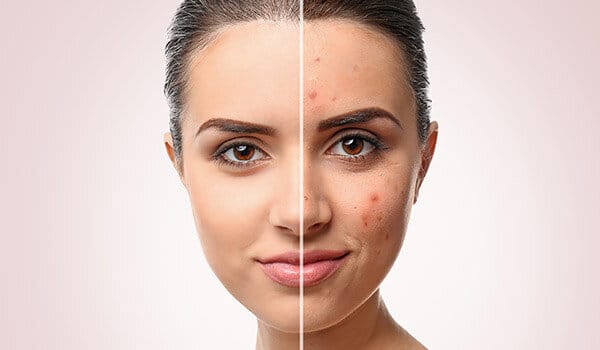
The goal of PRP therapy is to rejuvenate the skin. It does this by stimulating collagen production. Collagen helps make our skin look firmer, smoother, and more youthful.
When applied to the face, PRP releases growth factors. These encourage cells to regenerate, improving skin tone and texture over time.
Vampire Facial
Some may wonder why it’s called a “vampire facial.” The name comes from using one’s own blood in treatment. Despite its eerie nickname, this procedure has gained popularity worldwide due to its benefits.
Celebrities have endorsed PRP facials for their natural approach to anti-aging.
The Science Behind PRP Therapy
Platelet Function
Platelets are crucial in healing. They contain growth factors that repair tissues. These factors also reduce inflammation.
PRP therapy multiplies these benefits. It uses a high concentration of platelets, extracted from the patient’s own blood. This concentrated mix promotes faster and more efficient healing.
Concentration Process
The process starts with drawing blood from the patient. This sample is then placed in a centrifuge machine. Centrifuging separates the rich plasma from other blood components.
This isolated plasma is much richer in platelets than normal blood. When injected into damaged areas, it accelerates healing significantly.
Practical Applications
PRP therapy has diverse applications, particularly in treating injuries and skin rejuvenation following procedures like PRP facial treatments discussed earlier.
- It aids in recovery post-surgery.
- Helps treat sports injuries.
- Enhances skin quality after cosmetic procedures.
Benefits and Effectiveness of PRP Facials
Natural Collagen Boost
PRP facials significantly reduce wrinkles and fine lines. This is mainly because they stimulate natural collagen production in the skin. Collagen is a protein that keeps the skin looking youthful and firm.
After receiving PRP therapy, patients often notice their skin becomes smoother. The appearance of wrinkles and fine lines diminishes over time as collagen levels increase.
Enhanced Skin Texture
Another benefit of PRP facials is improved skin texture and tone. The treatment can make the skin feel softer and look more radiant. It does this by promoting healthy cell growth.
Patients report seeing a noticeable difference in their skin’s overall quality after treatments. Their complexion appears more even, with reduced redness or discoloration.
Accelerated Healing
PRP therapy can also accelerate healing after aesthetic procedures like laser treatments or micro-needling. By using the body’s own platelets, it enhances recovery processes.
This means less downtime for patients undergoing various cosmetic enhancements. They can return to their regular activities sooner while still achieving optimal results from their procedures.
PRP Facial vs Other Aesthetic Treatments
Natural Components
PRP facials stand out for their use of the body’s own materials. This approach significantly reduces the risk of allergic reactions. Unlike many facial treatments, PRP utilizes platelets from your blood. These platelets help in healing and rejuvenation.
This method contrasts with treatments relying on synthetic substances. Those can sometimes cause adverse reactions. With PRP, you’re tapping into your natural beauty resources.
Enhanced Results
Often, PRP is combined with microneedling to boost effectiveness. Microneedling creates tiny punctures in the skin. This process encourages collagen production and makes it easier for the skin to absorb PRP.
Not all facial treatments offer this synergy between procedures. The combination leads to enhanced results not easily matched by single-method treatments.

Longevity of Effects
PRP may provide longer-lasting results compared to synthetic fillers or other quick fixes.
- Synthetic fillers often require regular touch-ups.
- PRP stimulates natural processes that continue improving skin over time.
The difference lies in how these methods work:
- Fillers add volume externally.
- PRP promotes internal healing and rejuvenation.
For those seeking a more enduring improvement in their look, PRP presents an attractive option.
The Process and Ideal Candidates for PRP Facial Treatment
PRP Procedure
The procedure begins by drawing a small amount of blood from the individual. This is followed by processing it to concentrate the platelets, creating platelet-rich plasma. Finally, this plasma is re-injected into the face.
This method harnesses growth factors that stimulate cell turnover, aiming for a youthful glow and smoother complexion. It’s less invasive than many cosmetic procedures, making it appealing to those seeking subtle enhancements without surgery.
Ideal Candidates
Individuals longing for a youthful appearance with minimal downtime are best suited for this treatment. It’s ideal for addressing concerns like fine lines or an uneven skin tone.
However, not everyone is a right fit. Those on blood thinners or with certain skin conditions should steer clear due to potential complications.
- Benefits include:
- Minimally invasive
- Short recovery time
- Natural-looking results
- Limitations:
- Not suitable for everyone
- Results vary based on individual skin type
Post-Treatment Care and Recovery for PRP Facials
Sun Exposure
Avoiding sun exposure is crucial after receiving platelet-rich plasma therapy. The skin becomes more sensitive post-treatment, increasing the risk of sun damage. It’s advised to stay indoors as much as possible or wear a broad-spectrum sunscreen if going outside cannot be avoided.
Wearing protective clothing can also shield the skin from harmful UV rays. This step helps in maximizing the benefits of treatment, including skin rejuvenation and reducing acne scars.
Skincare Products
Post-PRP facial care involves avoiding harsh skincare products. Ingredients like alcohol or fragrance can irritate the treated area. Instead, opt for gentle cleansers that do not strip away natural oils.
Hydration is key to recovery. Using a hydrating serum or moisturizer supports collagen production, enhancing the treatment’s effectiveness on scars and other skin concerns.
Downtime and Recovery
Minimal downtime is one of the benefits of PRP facials. Most individuals can return to regular activities shortly after treatment. However, slight swelling or redness might occur.
To manage these symptoms:
- Apply cool compresses.
- Keep the head elevated while sleeping.
Following this advice ensures a smoother recovery process and better results over time.
Multiple sessions may be necessary for optimal outcomes, especially when treating deep scars or extensive sun damage. Always consult with your provider for personalized post-treatment care instructions based on your specific skin issues.
Safety, Tolerance, and Risks of PRP Facial Treatments
General Tolerance
Platelet-rich plasma therapy is generally well received by patients. This is because it uses the patient’s own blood. Thus, the body rarely reacts negatively to its substances.
Most individuals experience no serious issues after treatment. They can return to their daily activities quickly. Remembering post-treatment care from the previous section helps in this smooth transition.
Possible Side Effects
However, like any medical procedure, there are potential side effects. These include minor bruising, swelling, or infection at injection sites.
It’s important for patients to monitor these symptoms. If they worsen or persist beyond a few days, consulting a healthcare provider is crucial.
Suitability Concerns
Not everyone is a good candidate for PRP facials.
- Patients with hematologic diseases may face higher risks.
- Those with active infections should also avoid this treatment.
It’s essential for individuals to discuss their medical history with their doctor before proceeding.
The Future of PRP in Aesthetic Medicine
Research Advances
Ongoing studies are crucial. Scientists are looking into optimal platelet concentrations for the best outcomes. This involves detailed experimentation by medical teams.
Research aims to refine PRP therapy. It seeks to enhance results in beauty and aging treatments. Each breakthrough brings us closer to more effective applications.
Expanding Uses
PRP’s potential is vast beyond just aesthetics. Its use in treating hair loss showcases its versatility. Joint issues might also benefit from PRP, offering a natural solution where synthetic options were once the only choice.
The expansion into these areas highlights PRP’s adaptability. As injection experts explore new applications, we can expect broader uses emerging.
Natural Alternatives
PRP stands out as a natural alternative to synthetics injectables. Its popularity surges among those seeking organic options in aesthetic medicine.
This trend towards natural treatments reflects changing attitudes toward health and beauty. People now prefer methods that work with their bodies rather than against them.
Final Remarks
Platelet-rich plasma therapy, with its innovative approach to aesthetic medicine, stands as a beacon of progress. The therapy offers numerous benefits, including enhanced healing and rejuvenation, positioning itself as a viable alternative to traditional aesthetic treatments. Its scientific backing ensures a solid foundation for its effectiveness and safety, making it an attractive option for individuals seeking to enhance their appearance without resorting to invasive procedures. The future of PRP in aesthetic medicine appears promising, with ongoing research likely to expand its applications and improve its efficacy.
Individuals interested in exploring the potential of PRP facials are encouraged to consult with qualified professionals who can provide personalized advice based on their unique needs and circumstances. This proactive step can ensure that they fully understand the process, benefits, and any possible risks associated with the treatment. As the field of aesthetic medicine continues to evolve, PRP therapy remains at the forefront, offering hope and renewed confidence to those seeking to revitalize their appearance.
Frequently Asked Questions
What is PRP Facial Treatment?
PRP (Platelet-Rich Plasma) facial treatment involves using a patient’s own platelets to promote skin rejuvenation. It aims to improve skin texture and appearance.
How does PRP Therapy work?
PRP therapy works by extracting the patient’s blood, separating the plasma and platelets, and then injecting them into the skin to stimulate collagen production and cell growth.
Are there any benefits of PRP Facials over other treatments?
Yes, PRP facials are known for their natural approach, utilizing the body’s own healing mechanisms. They offer minimal downtime compared to more invasive procedures.
Who is an ideal candidate for a PRP Facial Treatment?
Ideal candidates are those seeking improvement in skin texture and tone without undergoing invasive surgical procedures. Individuals with active acne or certain blood disorders may not be suitable.
What should I expect during post-treatment recovery from a PRP Facial?
Recovery typically involves minor swelling or redness that subsides within a few days. Patients can usually resume normal activities immediately after treatment.
Are there any risks associated with PRP Facials?
While generally safe due to its autologous nature, possible risks include infection at injection sites, minor bruising, or allergic reactions to the numbing cream used during treatment.
How is PRP expected to evolve in Aesthetic Medicine?
The future of PRP in aesthetic medicine looks promising with ongoing research exploring its potential in treating various conditions beyond facial rejuvenation, aiming for broader therapeutic applications.