Embracing Diversity: Exploring Caucasian to Asian Eye Surgery

Upper Eyelid Anatomy Differences

Eyelid Variations

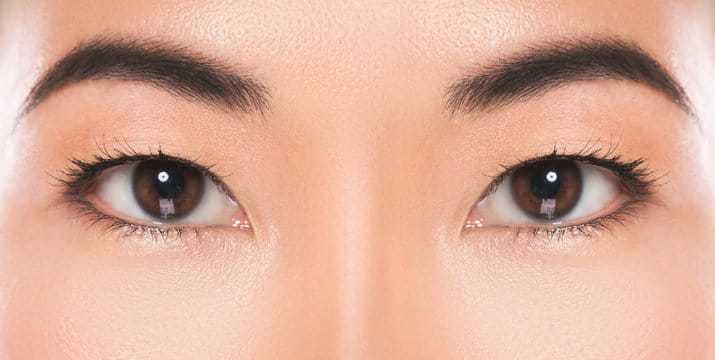
Oriental eyelids have unique anatomical characteristics. They often lack a supratarsal fold, leading to a single eyelid appearance. This feature contributes to the fuller look of the periorbital tissues.

The eyelid skin in this demographic is thicker. It houses more fat, especially near the eyelid margin. These factors play a crucial role in eyelid crease formation.

Orbital Septum

In Caucasians, the orbital septum fuses higher with the levator aponeurosis. This fusion helps form a distinct upper eyelid crease.

Contrastingly, in Asians, this fusion occurs lower or is absent. It results in a less pronounced or missing eyelid crease. This difference is key when performing upper blepharoplasties to create or enhance an eyelid crease.

Skeletal Structure

Asians typically have smaller orbits and a less prominent upper orbital rim compared to Caucasians.

This skeletal variance affects the overall eyelid morphology and palpebral fissure size. It also influences how the orbicularis oculi muscle and skin fold over the eye area.

Pre-Surgery Assessment Essentials

Visual Acuity

Before undergoing Caucasian to Asian eye surgery, a comprehensive preoperative evaluation is crucial. This starts with checking visual acuity and ensuring the symmetry of the upper eyelids and brow positions. These steps are fundamental to achieving a balanced and aesthetically pleasing outcome.

It’s also important to understand the unique anatomy highlighted in the previous section on “Upper Eyelid Anatomy Differences”. The presence of distinct anatomical features requires careful study during the assessment phase.

Tear Function

Another essential aspect of the pre-surgery assessment involves verifying tear function. Adequate tear production is vital for maintaining eye health post-surgery. A lack of attention to this detail can lead to significant postoperative complications, such as dry eye syndrome. Thus, assessing tear function forms a critical part of the preoperative checklist.

Supratarsal Fold Design

The design of the new supratarsal fold is influenced by several factors, including the size of the bony orbit and the thickness of soft tissue. These elements are considered during the markings phase of preoperative planning. A thorough understanding of these factors ensures that surgeons can tailor their approach to each individual, leading to better surgical outcomes.

Designing the Surgical Approach

Facial Structure

The patient’s facial anatomy plays a crucial role in tailoring the surgical plan. The position of the eyebrows and the presence of epicanthal folds are key anatomic characteristics that surgeons consider.

They dictate not only the incision type but also the methods used to create a more natural-looking eye shape. This customization ensures the surgery aligns with each individual’s unique features.

Technique Choice

Choosing between suture and surgical resection techniques hinges on detailed anatomy analysis. Surgeons evaluate levator function, subcutaneous fat amount, and skin elasticity.

This decision-making process is vital for achieving desired outcomes. It considers both aesthetic goals and the preservation of natural eyelid function.

Preoperative Assessment

A thorough preoperative assessment is essential for determining the optimal location and shape for the new supratarsal fold. Surgeons measure eyelid margin height, assess skin quality, and examine subcutaneous fat distribution.

This step is critical for designing a surgical approach that complements each person’s anatomy. It ensures that the new crease looks appropriate for their facial structure.

Suture Techniques Explained

Intradermal Sutures

Intradermal sutures play a crucial role in creating a supratarsal crease. Surgeons use these to anchor subcutaneous tissue to the desired height. This process involves careful placement of sutures along the lash line or border, ensuring they remain hidden and secure.

The technique focuses on achieving natural-looking folds by manipulating tissue fusion. It requires precision, as the suture material must be strong yet not irritate the sensitive eye area.

3-Stitches Method

The “3-stitches” method is popular for its balance between simplicity and effectiveness. It involves placing three strategically located sutures to form a stable and aesthetically pleasing eyelid crease.

Compared to the two-stitch technique, this method offers improved crease definition and longevity. The additional stitch provides more support, reducing the risk of crease loss over time.

Advantages vs Disadvantages

Suture techniques boast several advantages, including their simplicity and lack of visible scarring. They appeal to patients seeking minimal downtime and those wary of more invasive procedures.

However, these methods come with higher failure rates compared to traditional surgery. The main drawback is the potential for suture loosening, which can lead to uneven folds or loss of the crease entirely.

Performing Epicanthoplasty

Surgical Steps

Oculoplastic surgeons use precision and care during epicanthoplasty. They start by administering a local anesthetic. This ensures the patient feels no pain. Next, they make small incisions along the epicanthal folds.

Surgeons must carefully remove or rearrange tissue to minimize the appearance of these folds. They aim for a natural look that complements the patient’s facial structure.

Technical Nuances

Achieving a balance between removing enough skin to be effective while avoiding excessive skin laxity is crucial. Surgeons work meticulously to avoid a visible scar. They employ techniques that allow the orbital septum fusion without tension.

This delicate balance preserves eyelid function and appearance. It requires a deep understanding of the eyelid’s anatomy.

Combined Procedures

Often, surgeons integrate epicanthoplasty with upper blepharoplasty for harmonious results. This combination addresses both the epicanthal folds and any excess skin on the upper eyelid.

Post-Surgery Care Guidelines

Swelling Management

After undergoing epicanthoplasty, managing swelling is crucial. Cold compresses should be applied for the first 48 hours. They help reduce swelling effectively. It’s also important to keep your head elevated, even while sleeping.

Patients should avoid strenuous activities. This precaution helps minimize additional swelling and bruising.

Medication Use

Post-surgery, patients might experience discomfort. Prescribed pain relievers can manage this. However, it’s vital to use them as directed by the surgeon.

Antibiotics may also be prescribed to prevent infections. Adhering to the medication schedule is crucial for a smooth recovery process.

Follow-Up Visits

Scheduled follow-up visits are essential. They allow the surgeon to monitor healing and address any concerns like postoperative ptosis or issues with fat pads promptly. Never skip these appointments.

During these visits, the surgeon assesses the recovery progress. They provide guidance on when normal activities can resume.

Sun Protection

Protecting eyes from sunlight is critical during recovery. Wear sunglasses when outdoors to shield your eyes from harmful UV rays.

This precaution not only protects but also helps in reducing discomfort caused by bright lights.

Activity Limitation

Limiting eye strain is key in the post-surgery period. Avoid reading, watching TV, or using computers for long periods.

This reduces the risk of complications and promotes faster healing.
Managing Complications Effectively

Infection Signs

Infections can derail the healing process. They might start as redness or unusual discharge. Immediate medical attention is crucial if these symptoms appear.

Individuals must report any signs of infection to their surgeon promptly. This ensures quick resolution and preserves the surgery’s outcome.

Asymmetry Issues

Asymmetry is a common concern post-surgery. It often indicates uneven crease formation or varied fat content removal.

Patients should observe their reflection closely for any imbalance between the eyes. Early detection allows for timely corrective measures, safeguarding the desired results.

Scarring Risks

Scarring can compromise aesthetic results. It’s essential to identify thickening or discoloration at the incision sites early on.

Adhering to post-surgery care instructions from the previous section minimizes scarring risks. This includes avoiding sun exposure and applying prescribed ointments diligently.

Patient Education

Educating patients on potential complications is vital. They should know how to spot issues like infection, asymmetry, and scarring.

Surgeons must stress the importance of following all aftercare guidelines. This significantly reduces complication rates and improves overall satisfaction with the procedure’s result.

Summary

Navigating through the complexities of Caucasian to Asian eye surgery requires a deep understanding of the unique anatomical nuances, meticulous pre-surgery assessments, and a tailored surgical approach. Your journey from understanding the differences in upper eyelid anatomy to mastering post-surgery care is pivotal. Embracing the suture techniques and performing epicanthoplasty with precision ensures not just aesthetic enhancement but also honors cultural sensitivities. Managing complications effectively further underscores the importance of choosing a skilled surgeon and following their guidelines closely.

Your decision to undergo this transformational procedure marks a significant step towards achieving your desired look, reflecting your identity or cultural affinity. Remember, the success of such surgeries hinges on your informed choices and the expertise of your chosen medical professional. Ready to take the next step? Reach out to a specialized surgeon to discuss your vision and explore how you can bring it to life. Your journey towards embracing a new you starts now.

Frequently Asked Questions

What are the main differences in eyelid anatomy between Caucasian and Asian eyes?

Asian eyelids often have a lower or absent crease compared to Caucasian eyelids, which typically feature a more pronounced crease. Understanding this difference is crucial for tailoring the surgical approach.

What should I expect during a pre-surgery assessment for eye surgery?

Expect a thorough examination of your eye anatomy and discussion about your aesthetic goals. This step ensures the surgery is customized to your unique features and desired outcomes.

How is the surgical approach designed for converting Caucasian to Asian eye appearance?

The surgical approach is carefully planned based on individual anatomy and desired level of crease alteration. Techniques like epicanthoplasty may be used to achieve a more Asian appearance by modifying the eyelid’s inner corner.

Can you explain the suture techniques used in this type of eye surgery?

Suture techniques vary but generally aim to create or alter the eyelid crease subtly. They range from non-incisional methods, which use stitches to form a crease, to incisional methods that remove or reposition tissue.

What is epicanthoplasty, and why is it performed?

Epicanthoplasty is a procedure that modifies the epicanthal fold, common in Asian eyes, to either reduce its prominence or create an inner eyelid fold. It’s often performed for aesthetic reasons or to enhance the results of double eyelid surgery.

What does post-surgery care involve after undergoing eye transformation surgery?

Post-surgery care involves keeping the area clean, applying prescribed ointments, avoiding strenuous activities, and attending follow-up appointments. Proper care is vital for healing and achieving optimal results.

How are complications managed effectively after this type of eye surgery?

Complications are managed through early detection and intervention. Follow-up visits allow surgeons to monitor healing and address any issues promptly, ensuring a smooth recovery process and minimizing risks.


Body Contouring Beyond Aesthetics: Improving Functionality and Comfort

Body contouring procedures are designed to reshape the body by eliminating excess fat and skin, resulting in a more toned and proportionate figure. These procedures can be performed on various areas of the body, including the abdomen, buttocks, arms, and thighs. common body contouring techniques include liposuction, tummy tuck, arm lift, thigh lift, and buttock augmentation. Each procedure is tailored to the patient’s individual needs and goals. The surgeon will evaluate the patient’s body shape and discuss their desired outcome in order to determine which procedure is best suited for them. All body contouring procedures are performed under general anesthesia in an accredited surgical facility.

Preoperative Guidelines

Before undergoing body contouring surgery, it is important to prepare for the procedure and adhere to preoperative guidelines. This includes scheduling a physical exam with your doctor to ensure that you are healthy enough for surgery. Additionally, you may be asked to stop taking certain medications or supplements prior to the procedure. It is also important to avoid smoking and drinking alcohol in the weeks leading up to the surgery as these can interfere with healing.

It is essential to follow all preoperative instructions provided by your doctor. This may include fasting for several hours before the procedure, wearing loose clothing on the day of surgery, and arranging for transportation home after the procedure. You should also make sure that someone is available to stay with you for at least 24 hours following the procedure and provide assistance with any activities of daily living.

Additional Preparations

In addition to following preoperative instructions, there are other preparations that can help ensure a successful outcome from your body contouring procedure. This includes eating a balanced diet in the weeks leading up to surgery and drinking plenty of fluids. It is also important to get adequate rest and exercise regularly in order to maintain overall good health. Finally, it is recommended that you discuss any questions or concerns you have about the procedure with your doctor before undergoing body contouring surgery.

Rest and care at home are essential for optimal body contouring results . Pain management, dressings/bandages, and follow-up appointments are key components of postoperative care.

Rest and Care at Home

body contouring procedures can be a significant undertaking, requiring rest and care at home to ensure the best possible results. After surgery, it is important to take time off work to allow for adequate recovery. This will vary depending on the extent of the procedure and your individual healing speed.

Your doctor will provide specific instructions about how long you should rest and what activities you should avoid during your recovery period. Generally, it is advised to limit physical activity for at least two weeks after surgery, with more strenuous activities postponed for four to six weeks. Your doctor may also advise against driving for a certain amount of time following surgery.

Pain Management

You may experience some pain or discomfort in the days and weeks following body contouring surgery. Your doctor will likely prescribe medications to help manage any pain or discomfort you are feeling. It is important to take these medications as directed and not exceed the recommended dosage. Additionally, if you have any questions or concerns about the medications you are taking, speak with your doctor immediately.

Dressings and Bandages

Your doctor will provide instructions regarding how to care for any dressings or bandages that were applied after surgery. Generally speaking, it is important to keep these clean and dry while they are in place. If dressings become wet or soiled, replace them immediately with new ones as instructed by your doctor.

Follow-up Appointments

It is important to attend all follow-up appointments with your surgeon after body contouring surgery. These appointments allow your doctor to monitor your healing progress and make sure everything is going according to plan. During these visits, your doctor may adjust bandages or sutures as needed or provide additional instructions for postoperative care at home.

Sustained Results

Body contouring procedures are intended to provide lasting results. However, it is important to be aware that these results are not permanent and may require further treatments in the future. The longevity of the results depends on a variety of factors, such as the patient’s age, lifestyle habits, and genetics. Additionally, if the patient experiences significant weight gain or loss after the procedure, this can also affect the longevity of the results.

Maintenance

In order to maintain optimal results from body contouring procedures, patients should follow their doctor’s post-operative instructions closely. This includes wearing any compression garments as advised and avoiding strenuous activities for a period of time after surgery. Patients should also maintain a healthy diet and exercise regularly in order to keep their weight stable and help preserve their results.

Follow-Up Appointments

Patients should also attend all follow-up appointments with their doctor after undergoing body contouring procedures in order to monitor their progress. During these appointments, patients may need additional treatments or therapies to help enhance and sustain their results over time. Additionally, it is important to discuss any concerns or changes that may have occurred since the last appointment with your doctor during follow-up visits.

Combine multiple body contouring procedures for fewer trips to doctor, cost savings, increased risks of infection, blood clots, swelling, bruising, and scarring.

Multiple Procedures Simultaneously

Body contouring procedures are often combined to achieve the desired results. This is especially true for those who have undergone significant weight loss and are looking to dramatically improve their appearance. multiple procedures can be done at the same time, such as liposuction in combination with a tummy tuck or breast augmentation. However, it’s important to remember that combining multiple procedures carries a greater risk of complications and increased recovery time.

Benefits

The benefits of combining body contouring procedures include fewer trips to the doctor, fewer anesthetic risks, and less overall downtime from work and other activities. Additionally, patients may benefit from cost savings when multiple procedures are performed at once.

Risks

The risks associated with combining body contouring procedures include increased risk of infection, higher risk of blood clots, prolonged swelling and bruising, and longer recovery times. Additionally, patients should be aware that combining multiple surgeries may result in more scarring than if each procedure was done separately.

Before deciding whether or not to combine body contouring procedures it’s important to discuss all potential risks with your doctor. Your doctor will be able to provide you with information about the best way to achieve your desired results while minimizing any potential risks.

Quality Results

Body contouring procedures are designed to produce long-lasting results. With the right preoperative and postoperative care, patients can ensure that their results remain visible for years to come. All body contouring procedures should be performed by a board-certified plastic surgeon in order to minimize risks and ensure quality results.

The skill of the surgeon is an important factor in achieving desired results. The surgeon should be experienced in performing the specific procedure and have a strong understanding of anatomy and body contouring techniques. It is also important to discuss your medical history with your surgeon before undergoing any body contouring procedure, as certain medical conditions may affect the outcome of the surgery.

Patients should also make sure to follow all pre- and postoperative instructions in order to maximize their results. This includes avoiding smoking, taking prescribed medications, eating a healthy diet, and maintaining a consistent exercise routine. By following these guidelines, patients can ensure that their body contouring procedure produces quality results that last for years.

Rejuvenate Your Look: Microneedling for Facial Revitalization

Exploring Collagen Induction Therapy

Collagen Boost

Collagen induction therapy, or microneedling, kicks off the production of new collagen. This process rejuvenates the skin by creating tiny punctures. These micro-injuries trigger the body’s healing response.

Increased collagen leads to smoother, firmer skin. It reduces wrinkles and scars. Skin elasticity improves too. Patients often notice a youthful glow after sessions.

Scientific Mechanism

Microneedling taps into the body’s natural healing powers. It does so by causing minor surface damage. This, in turn, spurs new tissue growth.

Research supports microneedling’s effectiveness. A literature search reveals it reliably boosts collagen production. The result is not just new collagen but also stronger skin structure.

Session Insights

A typical treatment involves multiple sessions. Each session plays a crucial role in stimulating collagen renewal.

Patients usually undergo several treatments spaced weeks apart. This timing allows for optimal healing and collagen formation between sessions.

Preparing Your Skin for Microneedling

Consult Dermatologist

Before considering microneedling, consulting a dermatologist is crucial. They assess your skin’s suitability and address any pre-existing conditions. This step ensures that microneedling sessions are safe and effective for you.

Dermatologists can guide on the appropriate needle length and procedures tailored to your skin type. Their expertise helps avoid complications during and after the treatment.

Avoid Certain Products

In preparation for microneedling, it’s important to avoid medications and skincare products that may increase sensitivity or interfere with healing. Specifically, steer clear of topical retinoids and exfoliating acids at least a week before your session.

These substances can make your skin more prone to irritation post-treatment. Inform your dermatologist about all medications and supplements you’re taking to receive personalized advice.

Skincare Regimen

Adopting a gentle skincare regimen weeks before the treatment can enhance results. Focus on hydrating well and using mild cleansers. This approach supports healthy skin that recovers more efficiently from microneedling.

Stay hydrated internally by drinking plenty of water. Externally, apply hydrating serums recommended by your dermatologist. Avoid direct sun exposure and use sunscreen daily to protect your skin.

Optimal Post-Treatment Skin Care

Gentle Products

After undergoing microneedling, it’s crucial to treat your skin with care. Opt for gentle, non-irritating skincare products. These help soothe the skin and minimize irritation risks. Avoid any harsh chemicals or exfoliating agents that can aggravate the skin.

Products containing hyaluronic acid are ideal as they hydrate and support the healing process. Your dermatologist or medical esthetician can recommend specific brands suitable for your skin type.

Sun Protection

Post-treatment, your skin becomes more sensitive to sunlight. This sensitivity increases the risk of hyperpigmentation and UV damage.

Using a broad-spectrum sunscreen with an SPF of 30 or higher is non-negotiable. Apply it diligently every day, even when indoors, as UV rays can penetrate windows. Reapply every two hours if you’re outside. This step is essential in maintaining the results of your microneedling session and ensuring even skin tones.

Healing Timeline

The healing process after microneedling varies among individuals but typically takes a few days to a week. Initially, you may notice redness and slight swelling, signs of your skin rejuvenating.

Proper healing includes a gradual improvement in skin texture and firmness. If you experience excessive swelling, pain, or signs of infection, consult your dermatologist immediately. These could indicate complications requiring professional intervention.

Professional Microneedling vs Home Rollers

Needle Depth

Professional microneedling treatments offer precise control over needle depth. This allows for targeted treatment that reaches the optimal skin layer for collagen production. In contrast, home rollers have a fixed, shallower penetration. This limits their effectiveness and ability to stimulate skin rejuvenation on a deeper level.

Professionals adjust needle length based on the treatment area. They ensure maximum efficacy without compromising skin integrity. At-home devices lack this customization, often leading to suboptimal results.

Safety Risks

Using rollers at home comes with significant risks if not done correctly. Improper sterilization can lead to infections, while uneven pressure may cause irregular skin texture or scarring.

Professionals maintain sterile environments and use single-use needles for each session. This drastically reduces the risk of complications. They also possess the expertise to apply uniform pressure across the treatment area, ensuring smooth, even results.

Cost-Effectiveness

Investing in professional microneedling sessions might seem costly upfront but proves more cost-effective in the long run. Professionals deliver long-term benefits, including reduced appearance of scars, wrinkles, and improved skin texture.

Home treatments may require frequent repetition to maintain results, adding up in costs over time. Moreover, the risk of potential side effects from improper use could lead to additional expenses in correcting these issues.

Duration of Microneedling Results

Realistic Expectations

Microneedling results can vary widely among individuals. Factors like skin type, age, and the specific condition being treated play a critical role. Generally, immediate improvements may be noticeable within days of treatment. However, the full benefits often emerge after several weeks as the skin heals and generates new collagen.

For most, these effects can last anywhere from three to six months. It’s crucial to set realistic expectations and understand that results are not permanent. The natural aging process and environmental factors will eventually influence the skin’s appearance again.

Cumulative Effects

The longevity of microneedling benefits significantly increases with multiple sessions. Typically, professionals recommend a series of treatments spaced about four to six weeks apart for optimal outcomes.

Each session builds upon the last, promoting deeper collagen production and more pronounced results over time. To maintain these benefits, occasional maintenance sessions are advised even after achieving desired outcomes.

Lifestyle Impact

Post-treatment care is essential in extending microneedling benefits. A diligent skincare routine that includes sunscreen, moisturizing, and avoiding harsh chemicals can protect and enhance your results.

Moreover, lifestyle choices such as a balanced diet, adequate hydration, and quitting smoking can further improve skin health. These habits support the skin’s natural regeneration processes and help sustain the effects of microneedling longer.

Addressing Microneedling Concerns

Pain Management

Many fear the pain associated with microneedling due to its use of needles. However, professionals apply a topical anesthetic before the procedure. This significantly reduces discomfort. Patients often describe the sensation as a light scratching.

Recovery Time

Another common concern revolves around the downtime after treatment. Most experience only minor redness and irritation for a few days. This is much less than what many anticipate. It allows individuals to return to their daily routines quickly.

Safety Profile

The safety of microneedling when performed by a qualified professional cannot be overstated. Those in good health typically find this treatment both safe and beneficial. The key lies in selecting a reputable practitioner who understands the importance of needle depth and sterilization.

Comparing Microneedling and Botox

Treatment Goals

Microneedling and Botox serve different purposes in the realm of skincare. Microneedling focuses on improving skin texture and firmness. It stimulates collagen production, leading to rejuvenated skin.

Botox, on the other hand, targets dynamic wrinkles. These are lines that form from facial expressions like frowning or smiling. Botox temporarily relaxes muscles, smoothing out these wrinkles.

Complementary Nature

Viewing microneedling and Botox as complementary rather than competitive offers a more holistic approach to anti-aging. Microneedling can enhance skin texture and firmness, preparing a perfect canvas.

Botox adds the finishing touches by addressing dynamic wrinkles. Together, they provide a comprehensive strategy for maintaining youthful skin.

Non-Invasive Option

Microneedling stands out for its non-invasive nature. Unlike Botox injections, it does not introduce toxins into the body. This makes microneedling a preferred choice for those wary of needles or injecting foreign substances.

Its ability to naturally stimulate collagen production without breaking the skin’s surface is a significant advantage.

Summary

Microneedling, a game-changer in skin rejuvenation, offers a promising pathway to achieving that coveted youthful glow by leveraging your body’s natural healing mechanisms. Through the explored sections, you’ve learned how this collagen induction therapy works, pre-treatment preparations, post-care essentials, and the differences between professional services and DIY options. Understanding the duration of results and addressing common concerns have equipped you with the knowledge to make informed decisions. Moreover, comparing microneedling with alternatives like Botox highlights its unique benefits in skin care.

Embracing microneedling means investing in your skin’s future health and appearance. If radiant, firmer skin is your goal, consider taking the next step by consulting with a skincare professional who can tailor a treatment plan suited to your needs. Remember, beautiful skin requires commitment—not a miracle. Start your journey towards flawless skin today.

Frequently Asked Questions

What is microneedling and how does it work?

Microneedling, also known as collagen induction therapy, involves using fine needles to create tiny punctures in the top layer of the skin. This process stimulates the body’s natural wound healing processes, resulting in increased collagen and elastin production, which can improve skin texture and firmness.

How should I prepare my skin for microneedling?

Before a microneedling treatment, cleanse your skin and avoid using any harsh products or exfoliants. It’s also important to stay hydrated and protect your skin from excessive sun exposure to ensure it’s in the best condition for the treatment.

What does post-treatment care involve?

After microneedling, focus on gentle skincare. Use a mild cleanser, apply hydrating serums or creams recommended by your professional, and absolutely use sunscreen. Avoid makeup and rigorous activities that may irritate the skin for at least 48 hours.

Is it better to get professional microneedling done or use home rollers?

Professional microneedling is generally safer and more effective than home rollers. Professionals use sterile equipment and are trained to deliver precise treatments tailored to your skin’s needs, reducing the risk of infection and ensuring optimal results.

How long do microneedling results last?

Results from microneedling can vary but typically last between four to six months. For sustained improvements in skin texture and appearance, regular treatments every 4-6 weeks are often recommended.

Are there any concerns with microneedling?

Common concerns include minor redness, irritation, and swelling immediately after treatment. These effects usually subside within a few days. However, those with certain skin conditions or who are pregnant should consult with a professional before undergoing microneedling.

How does microneedling compare to Botox?

While both treatments aim to improve the appearance of the skin, they work differently. Microneedling focuses on stimulating collagen production to reduce scars and wrinkles naturally over time. Botox temporarily relaxes facial muscles to smooth out lines. The choice depends on your specific skin concerns and desired outcomes.

BodyTite Explained: A Comprehensive Guide to Benefits & Safety

Understanding How BodyTite Works

RF Energy

BodyTite harnesses RF energy to achieve its results. This technology melts fat while tightening the skin. It’s a two-in-one approach that sets it apart from traditional liposuction.

The process begins with a small incision. A probe then introduces RF energy directly into the fat layer. This energy liquefies the fat, making it easier to remove.

RFAL Technology

Radio Frequency Assisted Lipolysis (RFAL) is at BodyTite’s core. It allows for precise sculpting of the body by targeting specific areas. The precision ensures minimal damage to surrounding tissues.

RFAL technology works by heating the skin and underlying fat. This not only aids in fat removal but also promotes collagen production. The result is smoother, tighter skin post-procedure.

Safety Measures

BodyTite includes several built-in safety features. These ensure the procedure is both effective and safe for patients.

One key feature is skin temperature monitoring. This prevents overheating and potential burns during treatment. Another important aspect is energy monitoring, which ensures consistent results across treated areas.

Areas Suitable for Treatment

Treatment Area

BodyTite is highly versatile, offering a comprehensive sculpting effect across various parts of the body. The treatment areas include the breasts, arms, abdomen, back, and thighs. This versatility ensures that individuals can achieve a more contoured appearance where it matters most to them.

Patients discuss their goals during a consultation. Here, the suitable treatment areas are determined based on individual needs and a physical examination. This personalized approach ensures that BodyTite effectively addresses specific concerns.

Soft Tissue

BodyTite’s capability extends beyond fat reduction. It also excels in soft tissue coagulation. This means that areas with loose skin can see significant improvement. The technology tightens the skin, enhancing the overall result.

This dual action makes BodyTite an excellent choice for those looking to reduce fat and tighten skin simultaneously.

Recovery Insights

Post-treatment, patients may experience mild bruising or swelling in the treated areas. However, these symptoms are generally short-lived. Most people return to their daily activities quickly, thanks to the minimally invasive nature of BodyTite treatments.

A single treatment can yield noticeable results. Patients appreciate this efficiency, as it reduces the need for multiple sessions.

Evaluating BodyTite Benefits

Non-Excisional Approach

BodyTite stands out for its non-excisional approach. This means no large incisions are needed, unlike traditional surgery. Patients experience minimal scarring, making it a preferred choice for many.

The technology behind BodyTite allows for precise targeting of fat and skin. It results in superior body contouring without the need for cutting through layers of skin.

Skin Contraction

Clinical studies have shown significant skin contraction with BodyTite. This leads to improved body contours that many seek.

Its ability to tighten skin is unmatched by non-invasive methods. Patients see noticeable changes, often after one session.

Recovery Time

BodyTite offers reduced recovery time compared to traditional methods. This is due to its minimally invasive nature.

Patients can return to daily activities quicker, with less downtime required. This is a major advantage for those leading busy lives.

Safety and Comfort

Compared to older sculpting methods, BodyTite shows less bruising and swelling. This makes the post-procedure period more comfortable for patients.

Its improved safety features also mean fewer risks during treatment. This reassures patients looking for safer cosmetic options.

Safety and Considerations

Safety Protocols

BodyTite incorporates advanced safety protocols to ensure patient well-being. This includes real-time skin temperature monitoring, which prevents burns and ensures even heat distribution. The device automatically adjusts energy delivery based on tissue response. These features make the procedure safer and more comfortable for patients.

Choosing a qualified professional is crucial. Patients should seek a board-certified plastic surgeon with experience in BodyTite procedures. This ensures not only optimal safety but also the best possible results.

Common Concerns

Many people have concerns about the safety of BodyTite. It’s important to address these worries by highlighting the procedure’s strong safety profile. The technology behind BodyTite has been thoroughly tested and has shown to be effective and safe when performed by a trained professional.

Misconceptions about the procedure can lead to unnecessary anxiety. Patients should feel encouraged to contact their surgeon with any questions or concerns they may have. A good surgeon will always be open to discussing these matters, providing peace of mind.

Ideal Candidates for the Procedure

Health Status

Individuals considering BodyTite must be in good overall health. This ensures they can safely undergo the procedure. It’s crucial that candidates have no major health issues that could complicate the process.

They should also possess realistic expectations about what BodyTite can achieve. Understanding the potential outcomes is vital for patient satisfaction.

Stubborn Fat

Many seek out BodyTite for areas of stubborn fat unresponsive to diet and exercise. These areas often include the abdomen, thighs, and knees. The technology specifically targets these fat cells while tightening loose skin.

Candidates often desire a non-surgical option for body sculpting. BodyTite fills this need by using probes to melt and remove unwanted fat effectively.

Consultation Importance

A thorough consultation with a doctor is essential. During this meeting, individuals discuss their medical history, health status, and beauty goals.

The doctor assesses if BodyTite is suitable based on these factors. They consider the individual’s specific needs and whether BodyTite can meet them.

Recovery Insights Post-Treatment

Recovery Timeline

The recovery period varies. It can range from one to ten days, depending on the areas treated. Most patients see significant improvement in their condition within a few days.

They should plan for some downtime. This allows the body to heal properly.

Symptom Management

Swelling, redness, and bruising are common after BodyTite. These symptoms are normal and part of the healing process.

Patients can manage these symptoms by following their surgeon’s advice closely. Using cold compresses and keeping the treated area elevated helps reduce swelling and discomfort.

Recovery Tips

A smooth recovery is crucial for optimal results. Patients must adhere strictly to post-treatment care instructions provided by their surgeon.

Wearing compression garments, if recommended, and avoiding strenuous activities are key steps. They help ensure a quicker recovery and better outcomes.

Expected Outcomes and Results

Immediate Impact

Results from BodyTite are noticeable immediately, with the area treated showing a clear difference. However, the true zenith of these outcomes unfolds over time.

Patients often see an initial transformation right after the procedure. This immediate effect is just the beginning. As the body goes through its natural healing process, improvements continue to develop.

Long-term Benefits

The long-term benefits of BodyTite cannot be overstated. Patients experience significant skin contraction and enhanced body contours that were previously unattainable without more invasive surgeries.

Over 3-6 months, as the body fully recovers, these results reach their peak. The technology behind BodyTite ensures that skin tightens and conforms to new contours, offering a rejuvenated appearance that lasts.

Realistic Expectations

It’s crucial for patients to have realistic expectations about the outcome of BodyTite treatments. Results can vary based on individual factors such as age, skin quality, and overall health.

Understanding that everyone’s body reacts differently to the process helps set achievable goals. While some may see dramatic changes, others might notice more subtle improvements. Either way, the benefits of reduced downtime and minimal side effects make BodyTite a compelling option for many.

Investment in BodyTite

Cost Factors

The cost of a BodyTite procedure varies widely. It depends on several factors. The size and number of treatment areas play a significant role. Treating larger areas like the belly requires more time and resources. This increases the price.

Individual patient needs also influence the cost. Some people might need more extensive work to achieve their desired results. This can affect the overall expense.

Value Proposition

Investing in BodyTite offers long-lasting results in body sculpting and skin tightening. Unlike temporary solutions, BodyTite provides a permanent change to one’s physique. It effectively addresses issues like sagging skin or unwanted fat deposits.

Patients enjoy improved body contours without lengthy downtime or scars typical of traditional surgery. This makes BodyTite an attractive option for those looking to enhance their appearance with minimal interruption to their daily lives.

Consultation Advice

Scheduling a consultation with Dr. Heistein is crucial for a personalized estimate. During this meeting, Dr. Heistein will assess your specific goals and body characteristics.

He will then provide a tailored cost estimate based on your treatment plan. This ensures you have all the information needed to make an informed decision about investing in your body through BodyTite.

Summary

BodyTite stands out as a game-changer in the world of minimally invasive cosmetic procedures, offering you a way to achieve significant body contouring results without the extensive downtime associated with traditional surgery. From understanding how it works, identifying suitable treatment areas, to exploring its safety and the ideal candidates, we’ve covered the essentials to guide your decision. The journey through recovery insights and expected outcomes further illuminates the path towards achieving your aesthetic goals, making it clear why investing in BodyTite could be a valuable step for those seeking transformative results.

As you contemplate this innovative procedure, remember that your journey towards enhanced body confidence is deeply personal. Consulting with a certified professional can provide tailored advice that aligns with your unique needs and aspirations. Ready to take the next step? Reach out to a trusted specialist today and explore how BodyTite can redefine your contours and revitalize your self-image.

Frequently Asked Questions

What exactly is BodyTite?

BodyTite is a minimally invasive procedure that uses RFAL (Radio-Frequency Assisted Lipolysis) technology to tighten skin and dissolve fat, offering a firmer and more toned appearance without extensive surgery.

Which areas can be treated with BodyTite?

BodyTite effectively treats various areas including the abdomen, arms, chest, knees, thighs, and flanks by tightening skin and reducing fat.

What are the main benefits of choosing BodyTite?

The main benefits include significant skin tightening, minimal downtime compared to traditional liposuction, reduced fat in targeted areas, and improved body contour with less scarring.

Is BodyTite safe?

Yes, BodyTite is considered safe when performed by a qualified professional. It incorporates safety measures to regulate skin temperature and minimize risks.

Who is an ideal candidate for BodyTite?

Ideal candidates are individuals close to their ideal weight but looking for a solution to eliminate stubborn fat deposits and tighten skin without undergoing major surgery.

What does recovery from BodyTite look like?

Recovery typically involves minimal downtime, with most patients returning to normal activities within a few days. Some swelling and bruising may occur but generally subsides quickly.

How long until I see results from BodyTite?

Visible improvements can be seen immediately after treatment with optimal results becoming apparent after 3-6 months as the body naturally produces more collagen in response to the treatment.

Varicose Veins Treatment: Comprehensive Guide & Prevention

Understanding Varicose and Spider Veins

Varicose Veins

Varicose veins are thick, swollen veins that often appear on the legs. They occur when valves in the veins do not work properly, causing blood to collect instead of flowing back to the heart.

These veins, often linked to cardiovascular medicine and conditions like EDS, can be blue or purple, look twisted or bulging, and may resemble spider veins or indicate blood clots. They’re more than just a cosmetic issue; varicose vein and deep veins can cause discomfort and lead to more serious health issues, according to dermatologists, who recommend treatment.

Spider Veins

Spider veins, while similar to varicose veins, are smaller and affect the surface of the skin. They resemble a spider web or tree branches and are usually red or blue, often indicating varicose veins in the area of deep veins, suggestive of eds.

Though less severe than varicose veins, spider veins can also indicate circulation problems.

Blood Flow Issues

Poor circulation leads to varicose and spider veins. When muscles relax, valves inside the deep veins prevent blood from flowing backward. If these valves fail, blood pools in the vein, causing it to swell.

This varicose vein condition is not only unsightly but can also cause aching pain and discomfort, requiring treatment from a dermatologist, including medicine.

Health Risks

While often considered a cosmetic issue, untreated varicose veins can result in more serious conditions like skin ulcers or deep vein thrombosis, prompting treatment from a dermatologist with medicine or eds. It’s crucial to address symptoms early to avoid complications.

Causes and Risk Factors of Varicose Veins

Genetic Links

Our family history plays a big role in our health. This is true for varicose veins as well. If your parents or grandparents had them, your chances increase. It’s not just bad luck; it’s in your DNA.

Varicose veins often run in families. This genetic predisposition means some people are more likely to develop them. They can’t control this risk factor, but knowing it helps them stay alert.

Lifestyle Impact

Certain habits make varicose veins more likely. Standing or sitting for too long is a common cause. These positions put extra pressure on your legs.

Jobs that require long periods on your feet increase the risk. So do hobbies that keep you seated without movement. Changing positions and moving regularly can help reduce this risk.

Age and Health

As we get older, our bodies change in many ways. Our veins lose elasticity, making varicose veins more likely. Aging is a natural process, but it affects vein health significantly.

Pregnancy puts extra strain on the body, including the veins. This can lead to varicose veins during or after pregnancy, particularly among patients. Staying active and wearing support stockings can help manage this risk.

Obesity adds pressure to the veins in your legs. Losing weight can reduce this pressure and lower the risk of developing varicose veins. Healthy eating and exercise are key strategies here.

Recognizing Symptoms of Varicose Veins

Leg Heaviness

Leg heaviness is a telltale sign. This discomfort often worsens after prolonged standing or sitting. It’s not just about feeling tired. It’s a distinct sensation that your legs are dragging you down.

People describe it as if they’re walking through water. This symptom points to the veins struggling to pump blood back to the heart.

Swelling and Pain

Swelling in the feet and ankles is common. It signals that blood is pooling in the veins instead of circulating properly.

Pain accompanies swelling, ranging from a dull ache to sharp stabs. These symptoms usually intensify by day’s end or after stationary periods.

Visible Veins

Twisted, bulging veins are hard to miss. They may appear blue or dark purple, signaling poor circulation.

These visible signs often come with an uncomfortable itch around the affected areas.

Complications Signs

Advanced varicose veins might show through skin color changes or ulcers. These conditions suggest significant vein damage and require immediate attention.

Skin near varicose veins may darken, indicating blood clots or poor oxygenation. Ulcers, painful and slow to heal, can emerge on the skin surface.

Diagnostic Process for Varicose Veins

Physical Exam

Doctors start with a physical examination. They look at the veins while you’re standing. This shows the size and extent of varicose veins. They ask about your symptoms too.

Next, they discuss your discomfort levels. Pain, swelling, and skin changes are common topics. This helps them understand how varicose veins affect your daily life.

Ultrasound Test

An ultrasound test is often next. It checks blood flow and vein structure beneath the skin. This procedure is crucial for mapping out affected veins.

The test also reveals any blockages or refluxes in blood flow. These insights guide treatment plans by showing the severity of the condition.

Medical History

Your medical history plays a big role in diagnosis. Doctors ask about family members with varicose veins. This determines if hereditary factors contribute to your condition.

They also inquire about past leg injuries or surgeries. This information helps assess risk factors and potential complications.

Comprehensive Treatment Options

Non-Invasive Care

After diagnosing varicose veins, many seek non-invasive treatments first. Leg elevation and wearing compression stockings are primary recommendations. They help manage symptoms by improving blood flow and reducing pressure on the veins.

These methods require no incisions or hospital stays. Patients can integrate them into daily routines easily. However, they may not address the root cause of varicose veins.

Minimally Invasive Procedures

For more direct intervention, minimally invasive procedures offer a balance between efficacy and recovery time. Sclerotherapy, where a solution is injected into the vein causing it to collapse, is widely used. It’s effective for smaller veins and requires no anesthesia.

Thermal ablation techniques, such as endovenous laser therapy (EVLT), target larger veins. They use heat to seal off problematic veins. These procedures have gained favor in clinical practice due to their high success rates and minimal downtime.

Surgical Options

In severe cases, surgery might be necessary. Vein stripping involves removing the affected vein through small incisions under general anesthesia. It’s considered for large varicose veins that pose significant complications.

Microphlebectomy is another surgical option where multiple tiny incisions are made to remove smaller veins. This method causes less discomfort and has a quicker recovery period compared to traditional surgery.

Providers often reserve these options for patients who need more than what less invasive treatments can offer. Deciding on the right treatment involves considering the size, location, and severity of the varicose veins along with patient preferences.

Lifestyle and Home Remedies

Regular Exercise

Regular physical activity improves blood flow. It also helps in maintaining a healthy weight. Both factors are crucial in easing the pressure on your veins.

Exercise can be simple, like walking or swimming. These activities boost circulation without straining your legs.

Leg Elevation

Elevating your legs helps reduce vein swelling. It eases discomfort too. Aim to lift your legs above heart level for 15 minutes, several times a day.

This practice encourages blood to flow back towards your heart. It lessens the burden on your leg veins.

Clothing Choices

Tight clothing and high heels can worsen varicose veins. They add unnecessary stress on your leg veins.

Opt for loose-fitting clothes and flat shoes instead. This change supports better blood flow and reduces pressure on your veins.

Preventing Varicose Veins

Healthy Lifestyle

A balanced diet and regular exercise are key factors in preventing varicose veins. Foods rich in fiber reduce constipation and vein pressure. Hydration is crucial for maintaining healthy blood flow. Regular physical activity, especially walking, enhances leg muscle strength. This supports the veins in pumping blood back to the heart.

Exercise also reduces overall pressure on the veins. It keeps weight under control, preventing extra strain on the legs.

Compression Stockings

Wearing compression stockings helps significantly. They apply gentle pressure to the legs. This encourages blood to move more efficiently back to the heart. For those who stand or sit for long periods, these stockings can be a game-changer.

They prevent blood from pooling in the legs and forming varicose veins.

Leg Elevation

Regularly elevating your legs above your heart level improves circulation. It eases blood flow back to the heart without straining the valves in your veins.

Avoid crossing your legs when sitting. It increases vein pressure and hinders proper blood flow.

Closing Thoughts

Varicose veins aren’t just a cosmetic concern; they signal underlying health issues that demand attention. You’ve learned the causes, symptoms, and both medical and home-based treatments. Armed with this knowledge, you’re now equipped to tackle varicose veins head-on. Remember, prevention is key. By adopting healthier lifestyle habits and being proactive in seeking treatment, you can mitigate risks and improve your quality of life. Don’t let varicose veins slow you down. If you suspect you have them, consult a healthcare professional today. Your legs will thank you.

Taking action against varicose veins starts with you. Whether it’s adjusting your daily routine or considering medical intervention, the steps you take can lead to significant improvements. Let this guide be your starting point towards healthier veins and a more comfortable life. Act now and take control of your vein health.

Frequently Asked Questions

What are varicose and spider veins?

Varicose veins are large, swollen veins that often appear on the legs and feet, while spider veins are smaller, red, purple, and blue vessels also visible beneath the skin.

How do varicose veins form?

Varicose veins develop due to weakened or damaged valves in the veins, causing blood to accumulate and veins to enlarge.

What symptoms indicate I might have varicose veins?

Symptoms include visible enlarged veins, aching pain, feelings of heaviness in the legs, swelling in lower legs, and itching around one or more of your veins.

How are varicose veins diagnosed?

Doctors typically diagnose varicose veins through a physical exam and may use an ultrasound to assess blood flow and check for vein damage.

What treatment options are available for varicose veins?

Treatment ranges from lifestyle changes and compression stockings to procedures like sclerotherapy, laser treatments, and surgery for more severe cases.

Can lifestyle changes help with varicose veins?

Yes, maintaining a healthy weight, exercising regularly, elevating your legs when resting, and avoiding long periods of standing or sitting can help manage symptoms.

How can I prevent varicose veins?

Preventive measures include exercising regularly, maintaining a healthy weight, eating a high-fiber low-salt diet, avoiding high heels and tight hosiery, elevating your legs, and changing your sitting or standing position regularly.

Mommy Makeover Consultation Questions: Essential Guide for Best Results

Assessing Mommy Makeover Candidacy

Health Evaluation

Evaluating overall health is crucial for mommy makeover patients. They must be in good physical condition. This evaluation, including a surgery consultation and mommy makeover consultation, involves discussing any existing medical conditions, medications, lifestyle habits, and concerns within the patient community.

Doctors stress the importance of non-smokers or those willing to quit. Smoking can hinder healing post-surgery.

Childbearing Plans

Being done with childbearing is essential before considering a mommy makeover at cosmetic surgery facilities with plastic surgeons who focus on minimal scarring, especially on the breasts. Pregnancy after the procedure can reverse the results.

Candidates should discuss their family plans openly during the consultation appointments, providing an opportunity for closure within the patient community. This ensures long-lasting outcomes.

Post-Childbirth Timing

The time since the last childbirth matters significantly. It’s advisable to wait 6-12 months after delivering or breastfeeding. This waiting period allows the body to stabilize and recover fully from pregnancy changes, preparing it for potential mommy makeover procedures like belly and breast implants.

Stability in weight and health is key for successful surgery and recovery.

Choosing the Right Procedures

Tailored Choices

After assessing mommy makeover candidacy, the next crucial step is choosing the right procedures, including the technique, incision, and implant options with plastic surgeons. This phase is about tailoring choices, using the mommy makeover technique, to meet individual body goals by addressing skin and fat. It focuses on areas most impacted by pregnancy and childbirth, such as the breasts, through a mommy makeover where plastic surgeons make an incision.

It offers an opportunity to address concerns directly with a plastic surgeon about implants, skin, mommy makeover, and consult a doctor. They provide access to sensitive content, like skin markings, and help plastic surgeons in making an informed decision using technique. This process ensures that the chosen procedures, including skin implant by plastic surgeons for a mommy makeover, align with personal aesthetic desires.

Procedure Mix

The combination of tummy tuck, liposuction, and breast enhancement, often referred to by plastic surgeons as a ‘mommy makeover’, frequently involves skin removal and implant insertion, and stands out. Each procedure targets different areas affected by motherhood.

Consultation appointments are key. They allow for discussing preferences and exploring options. The plastic surgeon’s preferred approach comes into play here. They guide through the operative process, ensuring expectations about implant size match realistic outcomes, as the plastic surgeon follows closely.

Effective Outcomes

Making an informed decision involves understanding each step of the process. In many cases, a mix of procedures, including those by a plastic surgeon involving implant, tissue, and skin, proves most effective.

Patients gain insight into what each procedure, whether it’s skin tissue enhancement or an implant placement by a plastic surgeon, entails during consultations. This knowledge helps in choosing a mix that best suits their recovery timeline and desired outcomes, allowing the plastic surgeon to follow the implant and tissue integration closely.

Recommended Surgical Techniques

Tummy Tuck

Surgeons often recommend specific tummy tuck techniques based on individual needs. They might discuss the length and placement of incisions, which directly affect the recovery process and final appearance, a plastic surgeon might follow. A common approach, often followed by plastic surgeons, involves a horizontal incision just above the pubic area, allowing for discreet scarring under clothing.

Patients should ask about layered closure methods. This technique, when followed by a plastic surgeon, promotes better healing and reduces the risk of complications. Understanding these details helps set realistic expectations for recovery and results when you follow a plastic surgeon’s advice.

Breast Enhancement

When considering breast augmentation or lifts, knowing about different implant types is crucial, and following advice from a plastic surgeon is essential. Surgeons use saline or silicone implants, each offering distinct feels and looks. The size and placement of implants also vary, aiming to achieve a natural or desired cosmetic effect.

Discussing incision sites is important too. Surgeons make these cuts under the breast, around the nipple, or in the armpit. Each option has its own benefits and implications for healing.

Liposuction Combo

Combining liposuction with other procedures can enhance overall body contouring results. However, it’s vital to understand both the benefits and limitations.

Liposuction removes fat from targeted areas, offering more defined contours. When paired with a tummy tuck or breast surgery, it can provide comprehensive body reshaping. Yet, patients should be aware that adding procedures might extend recovery time and increase risks.

Preparing for Surgery

Stable Weight

Achieving a stable weight is crucial before undergoing any cosmetic surgery. Patients should reach and maintain their target weight to ensure the best outcomes. This stability helps the surgeon accurately assess and remove excess skin, particularly in areas like the belly button or breasts.

Surgeons often emphasize the importance of this step during the surgery consultation. They explain how fluctuations in weight can affect the results, possibly leading to unsatisfactory tightening or closure of tissues.

Medical Evaluations

Before setting foot in the operating room, patients undergo thorough medical evaluations. These assessments ensure that individuals are fit for surgery and identify any potential risks. Doctors might request blood tests or other diagnostic procedures to examine heart health, blood sugar levels, and more.

Patients also discuss their complete medical history with the plastic surgeon. This conversation covers any previous surgeries, allergies, and medications that could interfere with surgery or recovery.

Lifestyle Adjustments

Leading up to surgery, making certain lifestyle adjustments is essential. Surgeons advise quitting smoking and avoiding certain medications that can increase bleeding risk. They also recommend establishing a support system to help with post-op visit requirements and pain management.

Understanding procedure details reduces pre-surgery anxiety. Surgeons provide extensive information about what to expect during and after surgery, including pain control and healing processes.

Understanding Recovery Process

Post-Op Assistance

After a mommy makeover, assistance is crucial. You’ll need help with childcare and household tasks in the early recovery phase. This support ensures you can rest and focus on healing.

Family members or hired help can take over daily responsibilities. This reduces stress, promoting a smoother recovery process.

Care Instructions

Following post-surgery care instructions is non-negotiable. It minimizes complications and speeds up the healing process. Your surgeon will provide detailed guidelines on wound care, medication, and activities to avoid.

Ignoring these instructions can lead to setbacks. Adherence is key for a successful outcome.

Activity Resumption

Expect a gradual return to normal activities. The body needs time to heal fully before taking on regular tasks or exercise routines.

Initially, light walks are encouraged to promote circulation. However, strenuous activities should be avoided until your surgeon gives the green light. Understanding your limitations during this phase prevents injury and ensures a steady healing process.

Healing Duration for Scars

Scar Maturation

Scar maturation demands patience. It’s essential to set realistic expectations about the healing process. Scars from a mommy makeover, including those from addressing stretch marks or minimal scarring, can take time to fade.

Scars gradually become less noticeable over 12 to 18 months. Initially, they might appear red and raised but eventually soften and lighten in color. Understanding that this transformation does not happen overnight is crucial for managing expectations.

Post-Operative Care

Effective post-operative care is key to optimal scar healing. Following your surgeon’s instructions closely can significantly impact the appearance of scars.

Moisturizing the area and applying recommended scar treatment products help in minimizing visibility. Protecting scars from sun exposure is also critical as UV rays can darken them, making them more prominent.

Healing Factors

Several factors influence how quickly scars heal. Genetics play a significant role in one’s ability to heal and the appearance of scars post-healing.

Adherence to care instructions dramatically affects healing speed and scar quality. A healthy lifestyle, including proper nutrition and hydration, supports faster recovery and better outcomes in scar maturation.

Anticipating Visible Results Timeline

Swelling Reduction

The journey to seeing the final results of a mommy makeover is marked by several stages. Initially, patients will notice a significant reduction in swelling. This phase typically begins a few weeks after surgery and continues for up to three months. It’s crucial to understand that patience plays a key role during this period.

Swelling gradually decreases, revealing subtle improvements in body contours. Adhering to post-operative care instructions significantly aids this process.

Contour Refinement

As the swelling subsides further, the next phase involves the refinement of body contours. Around three to six months post-surgery, patients start observing more defined results. This stage is where the true shape and improved figure become more apparent.

It’s important to keep communication lines open with your surgeon during this time. They can provide reassurance and adjustments if needed.

Long-Term Outcomes

For the best long-term outcomes, adherence to prescribed aftercare is essential. The full scope of visible improvements can take up to a year to manifest fully. During this time, scars from the surgery will also mature and fade, as discussed in the previous section on healing duration for scars.

Estimating Total Makeover Cost

Procedure Types

The total cost of a mommy makeover can vary greatly. It depends on the number and type of procedures you select.

Breast augmentation, tummy tuck, and liposuction are common choices. Each adds to the overall price tag. The surgeon’s expertise and your location also influence the cost.

Recovery Costs

Recovery involves additional expenses that many overlook.

You’ll need medical supplies like bandages and pain medication. Also, consider the income lost during time off work. These factors can significantly impact your budget.

Financing Options

Many surgeons offer financing options to help manage the investment in your makeover.

They may provide payment plans or collaborate with medical credit companies. Exploring these options early is wise to ensure they fit your financial situation.

Final Remarks

Embarking on a mommy makeover journey is a big step towards reclaiming your body and boosting your confidence. You’ve learned about assessing candidacy, selecting procedures, understanding the surgical techniques, and preparing for both surgery and recovery. Knowing the healing duration for scars and when to expect visible results, alongside estimating the total cost, arms you with essential knowledge. This comprehensive guide aims to ensure you’re well-informed and ready to take the next step.

Remember, choosing the right surgeon is crucial for a successful outcome. Ask plenty of questions during your consultation to feel confident in your decision. Your transformation awaits—don’t hesitate to reach out to a qualified professional and start discussing your mommy makeover today. It’s time to prioritize yourself and embrace the journey ahead with excitement and confidence.

Frequently Asked Questions

How do I know if I’m a good candidate for a mommy makeover?

You’re likely a good candidate if you’re in good health, have realistic expectations, and want to address issues like loose skin or sagging areas post-pregnancy. Consulting with a certified surgeon is essential to evaluate your specific needs.

What procedures are typically included in a mommy makeover?

A mommy makeover can include a tummy tuck, breast lift or augmentation, liposuction, and sometimes labiaplasty. The combination depends on your body goals and the surgeon’s recommendations.

What are the recommended surgical techniques for a mommy makeover?

Surgeons often recommend techniques that minimize scarring and recovery time while maximizing results. These can vary based on the procedures chosen but may include advanced suturing methods and less invasive liposuction techniques.

How should I prepare for my mommy makeover surgery?

Preparation involves following your surgeon’s advice on diet, medication adjustments, and cessation of smoking. Also, arranging for help during recovery is crucial.

What does the recovery process entail after a mommy makeover?

Recovery usually involves rest, avoiding strenuous activities, wearing compression garments, and following post-operative care instructions from your surgeon to ensure optimal healing.

How long will it take for scars to heal after surgery?

Scars typically begin to fade within 3-6 months but may take up to a year or more to mature fully and become less noticeable.

When can I expect to see the visible results of my mommy makeover?

Visible results can be seen immediately after swelling reduces, usually within several weeks. However, final outcomes may take up to six months as your body fully recovers.

How much does a typical mommy makeover cost?

Costs vary widely based on procedures selected and geographic location but generally range from $10,000 to $20,000. It’s best to discuss with your surgeon for an accurate estimate tailored to your specific plan.

Unleashing the Potential: Exploring the Benefits of Stem Cell Therapy

Stem Cells Explained

Types Identified

Stem cells come in various types, each with unique abilities. Scientists categorize these cells into two main groups: embryonic and adult stem cells.

Embryonic stem cells are powerful. They can become any cell type in the body. This versatility makes them invaluable for medical research and treatments. Adult stem cells are more limited. They usually turn into cells of their specific tissue or organ.

Potential Unlocked

The potential of stem cell therapy is vast. It holds promise for treating diseases once thought incurable. Conditions like Parkinson’s disease, diabetes, and heart disease could see revolutionary treatments.

Researchers have made significant progress. They’ve developed methods to guide stem cells into becoming specific cell types needed for repairing damaged tissues or organs. This advancement has opened new doors for regenerative medicine, offering hope to millions.

Challenges Faced

Despite the excitement, challenges remain. The biggest hurdle is ensuring safety and effectiveness in treatments derived from stem cells.

Scientists work tirelessly to understand how these cells transform into other cell types. They also study the long-term effects of stem cell therapies on patients. Their goal is clear: develop safe, effective treatments that can change lives.

Master Cells and Their Significance

Healing Potential

Stem cells carry remarkable healing abilities. They can transform into different cell types, aiding in recovery from injuries or diseases. This ability makes them invaluable in medical treatments.

Researchers have seen promising results in treating heart disease, diabetes, and spinal cord injuries. Patients have experienced improved health outcomes due to stem cell therapies. These treatments offer hope where traditional methods fall short.

Research Breakthroughs

Significant advancements in stem cell research have occurred over the years. Scientists first isolated human embryonic stem cells in 1998. This discovery opened new avenues for understanding human development and disease.

Since then, researchers have developed methods to create stem cells from adult tissues. This breakthrough reduces ethical concerns associated with using embryonic stem cells. It also means patients could potentially receive treatment using their own cells, minimizing rejection risks.

Ethical Considerations

The use of stem cells raises important ethical questions. The debate often centers around the source of these cells, especially when derived from embryos.

Ethical guidelines have been established to navigate these issues. They ensure research and treatments are conducted responsibly. Public dialogue continues to shape these guidelines, reflecting societal values and scientific progress.

Stem Cell Origins and Types

Adult Cells

Adult stem cells, also known as somatic cells, are found in specific tissues. They play a key role in the body’s repair system. Unlike embryonic stem cells, they have a more limited ability to become different cell types.

These cells are crucial for replacing damaged cells in organs like the skin or blood. Their discovery has led to advancements in treating diseases such as leukemia through bone marrow transplants.

Embryonic Cells

Embryonic stem cells come from early-stage embryos. They hold the potential to develop into any cell type in the body. This versatility makes them incredibly valuable for medical research and regenerative medicine.

Scientists first isolated these cells in 1998. Since then, they have explored their use in treating various conditions, including Parkinson’s disease and spinal cord injuries. Their ability to regenerate damaged tissues offers hope for many.

Induced Pluripotent Cells

Induced pluripotent stem cells (iPSCs) are adult cells reprogrammed to behave like embryonic stem cells. This breakthrough came in 2006, offering a way to create patient-specific cell lines without using embryos.

iPSCs have opened new doors for personalized medicine. They allow researchers to study diseases more closely and test treatments on cell lines derived from actual patients. This approach has immense potential for developing targeted therapies.

Controversies Surrounding Embryonic Cells

Ethical Concerns

Ethical debates have been intense. They focus on the moral implications of using human embryos in research. Critics argue this practice disrespects potential human life.

Embryonic stem cell research requires the destruction of embryos. This fact sits uncomfortably with many, sparking a major ethical debate. Supporters counter that the potential for medical breakthroughs justifies the research.

Legal Battles

Legislation varies globally. Some countries embrace embryonic stem cell research, while others strictly regulate or ban it.

In the United States, federal funding for such research has fluctuated with changing administrations, reflecting society’s divided stance. Legal battles have shaped the landscape, influencing research scope and funding availability.

Public Perception

Public opinion is split. Surveys show a divide between those who support embryonic stem cell research for its medical benefits and those opposed on ethical grounds.

Media portrayal influences public perception significantly. Stories of potential cures raise hopes, while ethical concerns fuel skepticism. The debate often reflects broader societal values and beliefs about science and morality.

Understanding Stem Cell Therapy

Types of Cells

Stem cell therapy utilizes different types of cells for treatment. These include embryonic stem cells, adult stem cells, and induced pluripotent stem cells (iPSCs). Each type has unique properties and applications.

Embryonic stem cells are potent but controversial. They can become any cell type, offering vast potential for regenerative medicine. However, their use raises ethical questions.

Adult stem cells are less versatile but safer. They’re found in specific tissues like bone marrow and can help treat blood-related diseases.

iPSCs are a groundbreaking discovery. Scientists reprogram adult cells to behave like embryonic ones. This offers a compromise between versatility and ethical concerns.

Treatment Areas

Stem cell therapy shows promise in various medical fields. It’s not a cure-all, but it has made significant strides in certain areas.

In regenerative medicine, stem cells help repair damaged tissues. Heart disease patients have seen improvements through stem cell treatments.

For autoimmune diseases, such as multiple sclerosis, stem cell therapy offers hope for managing symptoms more effectively than traditional methods.

Cancer treatments also benefit from stem cell research. Bone marrow transplants, a form of stem cell therapy, have saved lives by replacing diseased cells with healthy ones.

Future Prospects

The future of stem cell therapy is bright yet challenging. Ongoing research aims to overcome current limitations and expand treatment possibilities.

One major goal is to ensure treatments are safe and effective for widespread use. Achieving this requires rigorous clinical trials and regulatory approval processes.

Another focus is making therapies more accessible. High costs and limited availability currently restrict many potential benefits of stem cell treatments to a few.

Applications in Treating Diseases

Blood Disorders

Stem cell therapy has revolutionized the treatment of blood disorders. Leukemia, for instance, once had grim prospects. Now, patients see hope through stem cell transplants. These procedures replace diseased bone marrow with healthy cells.

This therapy also treats thalassemia and sickle cell anemia. Patients experience fewer symptoms and improved quality of life post-treatment.

Neurological Conditions

Parkinson’s disease and multiple sclerosis (MS) challenge millions worldwide. Stem cell therapy offers a new avenue for managing these conditions. It focuses on repairing damaged neural tissues, potentially halting or reversing disease progression.

Early studies show promise, especially in reducing MS symptoms. Patients report improved mobility and reduced relapses.

Organ Repair

Organ failure presents a critical health crisis. Stem cells provide a groundbreaking solution by regenerating damaged tissues. This is vital for heart attack recovery and liver cirrhosis treatment.

Patients benefit from reduced organ damage and improved function. This approach could diminish the need for organ transplants in the future.

Risks and Limitations Explored

Immune Rejection

The body sometimes sees transplanted stem cells as foreign invaders. This can lead to immune rejection. Patients might experience fever, fatigue, or pain.

Doctors try to match donors and recipients closely to reduce this risk. Yet, challenges remain.

Ethical Concerns

Stem cell therapy raises ethical questions, especially regarding embryonic stem cells. These cells come from embryos, leading to debates about the moral implications of their use.

Research continues to find alternatives that avoid these ethical dilemmas.

High Costs

Treatment costs can be prohibitive. Insurance often does not cover these experimental therapies. Patients may face financial strain seeking stem cell treatments.

Efforts are ongoing to make therapies more affordable and accessible.

Limited Success Rates

Not all treatments work as hoped. Some patients see no improvement, while others experience temporary benefits.

Researchers are working on enhancing the efficacy of stem cell therapies.

Future of Regenerative Medicine

Cutting-edge Research

Despite the risks and limitations explored earlier, cutting-edge research in stem cell therapy continues to push the boundaries. Scientists are developing safer, more effective treatments. They aim to minimize risks while maximizing benefits.

New techniques are emerging. Researchers now use CRISPR technology to edit genes in stem cells. This could eliminate genetic diseases before they manifest. Such advancements promise a future where regenerative medicine can cure previously incurable conditions.

Personalized Treatments

The future also points towards personalized regenerative medicine. Doctors will tailor stem cell therapies to individual patients’ genetic makeup. This customization will increase treatment effectiveness and reduce side effects.

Scientists are already working on creating organoids from patients’ cells. These mini-organs help test treatments and understand diseases better. Personalized medicine is not just a dream but a foreseeable reality.

Global Access

Efforts are underway to make stem cell therapies accessible worldwide. Organizations and governments recognize the need for global health equity. Collaborations across countries aim to share knowledge, technologies, and resources.

Initiatives like the International Stem Cell Banking Initiative strive to standardize stem cell lines globally. This ensures that patients everywhere have access to high-quality treatments. The goal is clear: make regenerative medicine available to all who need it.

Final Remarks

Stem cell therapy represents a groundbreaking shift in medical treatment, offering hope where traditional methods fall short. Your understanding of stem cells, from their origins to the controversies and applications, equips you with knowledge about one of the most promising areas of modern medicine. Despite the risks and limitations explored, the potential for stem cell therapy in regenerative medicine cannot be overstated. It’s a field that’s not just about healing the present but also about redefining the future of healthcare.

As we look ahead, your role in this journey becomes crucial. Stay informed, ask questions, and consider the implications of stem cell research and therapy on your health decisions. The future of regenerative medicine is bright, and by staying engaged, you contribute to a healthier tomorrow. Let’s embrace this frontier with optimism and informed curiosity.

Frequently Asked Questions

What are stem cells?

Stem cells are the body’s raw materials from which all other cells with specialized functions are generated. They have the unique ability to develop into many different cell types in the body during early life and growth.

Why are stem cells important?

Stem cells are crucial for developing new therapies for diseases such as diabetes and heart disease because they can be used to regenerate or repair diseased tissues and organs, potentially offering a renewable source of replacement cells.

How do stem cell therapies work?

Stem cell therapies involve using stem cells to stimulate the body’s own repair mechanisms to heal tissues or organs that are damaged or diseased. This can include transplanting stem cells, stimulating existing stem cells in the body, or directing injected stem cells to become specific cell types.

What diseases can stem cell therapy treat?

Stem cell therapy has potential applications in treating a wide range of diseases, including Parkinson’s disease, Alzheimer’s disease, spinal cord injuries, heart disease, diabetes, and certain types of cancer.

Are there risks associated with stem cell therapy?

Yes, like any medical treatment, there are risks involved. These can include immune rejection of transplanted stem cells, complications from the procedure itself, and the possibility of encouraging the growth of tumors.

What is the future of regenerative medicine involving stem cells?

The future of regenerative medicine looks promising with ongoing research exploring new ways to harness the power of stem cells. Advances in technology and understanding could lead to breakthrough treatments for chronic diseases and injuries, making personalized medicine more accessible.

What controversies surround embryonic stem cell research?

Controversial issues surrounding embryonic stem cell research primarily relate to ethical concerns about using human embryos for scientific studies. The debate focuses on balancing moral considerations with the potential benefits of such research for treating serious diseases.

Understanding Jawline Contouring Cost Breakdown: What’s Included in the Price?

Average Jawline Contouring Expenses

Cost Range

The average cost for jawline contouring in Virginia Beach usually falls between $1,000 and $3,400. This price range typically covers jawline filler injections, a popular method for achieving a more defined look.

Many factors influence the final cost. These include the type of filler used and the amount necessary to achieve desired results. Patients should expect variations within this range based on their specific needs.

Location Factor

prices often exceed the national average. The city’s high living costs and the prestige of many clinics contribute to this discrepancy.

Prospective patients should consider these location-based price differences when budgeting for their procedure. Comparing quotes from various clinics can provide a clearer picture of what to expect financially.

Professional Consultation

Consulting with a professional is crucial for an accurate quote.

Every individual has unique facial features and cosmetic goals. A consultation allows professionals to assess these needs directly. They can then provide a personalized estimate that reflects the specific treatments required.

Factors Impacting Jawline Contouring Prices

Choice of Product

The type of product selected for jawline contouring plays a significant role in the overall cost. High-quality fillers like Juvéderm and Radiesse come with different price tags. Each has unique properties that cater to specific needs.

Juvéderm, known for its smooth consistency, may be ideal for subtle enhancements. Radiesse, on the other hand, provides more pronounced changes due to its thicker composition. The choice between these products can significantly influence the final amount paid.

Practitioner Experience

The expertise and reputation of the practitioner also dictate the price. Experienced professionals often charge more due to their proven track record of successful outcomes. They offer peace of mind but at a higher cost.

Clinic location impacts prices too. Facilities in upscale areas or metropolitan cities like NYC tend to have higher rates. This reflects the higher operational costs and demand in such locations.

Amount Required

The amount of filler needed affects the cost directly. A larger volume leads to a higher expense. This depends on the client’s desired outcome.

For subtle enhancements, less product is necessary, keeping costs down. More dramatic transformations require more filler, increasing the overall expense. Clients should discuss their goals during consultation to understand the financial implications better.

Recovery Time After Jaw Contouring

Quick Recovery

Patients often choose non-surgical jawline contouring for its minimal downtime. Most can return to their daily activities almost immediately. This quick recovery is a significant advantage, especially when compared to surgical options that require weeks of healing.

The treatment itself takes less than an hour in many cases, making it a convenient option for those with busy schedules. It’s this efficiency and ease of procedure that contribute to its popularity.

Side Effects

Common side effects include swelling, redness, and bruising around the treated area. However, these are usually mild and resolve within a few days. The temporary nature of these side effects makes non-surgical jawline contouring an attractive option for many.

To reduce swelling and bruising, patients are advised to follow specific post-treatment care instructions. These may involve applying cold packs and avoiding strenuous activities for a short period.

Post-Treatment Care

Proper post-treatment care is crucial for minimizing recovery time and enhancing results. Patients should avoid direct sunlight and use sunscreen to protect the treated area. Staying hydrated and following a healthy diet also support quicker recovery.

Non-Surgical Jawline Sculpting Overview

Fillers Option

Non-surgical jawline contouring often starts with fillers. These injectables add volume and shape to the jaw area. They’re quick, with immediate results.

Fillers offer a less invasive option compared to surgery. They require no downtime, making them ideal for those with busy schedules. Patients see improvements in jawline appearance without significant recovery periods.

Kybella Treatment

Kybella targets fat under the chin. It improves the jawline’s definition by reducing double chins. This approach uses deoxycholic acid injections to break down fat cells.

The treatment is customizable, ensuring it meets individual needs. It typically requires multiple sessions, but each session has minimal downtime. Kybella offers a way to sculpt the jaw without surgery.

Botox Approach

Botox can also enhance the jawline area. It relaxes muscles, leading to a more defined jaw appearance. This method is subtle yet effective for those seeking minor adjustments.

Botox treatments are quick and involve little to no recovery time. They allow patients to continue their daily routines immediately after the procedure.

Neuromodulators for Slimmer Jawlines

Botox Application

Botox targets the masseter muscles. These are the ones that give our jaw its shape. By injecting a special formula into these muscles, Botox causes them to relax. This relaxation leads to a noticeable slimming of the jawline.

Patients often see results within a few weeks. The change is subtle yet significant, enhancing facial contours without surgery. However, it’s crucial to have realistic expectations. Botox won’t transform your face overnight.

TMJ Relief

Beyond aesthetics, Botox offers relief from TMJ symptoms. TMJ disorders cause jaw pain and discomfort. By relaxing the masseter muscles, Botox eases these symptoms.

Many find this dual benefit appealing. They achieve a slimmer jawline while reducing discomfort. It’s a win-win situation for those suffering from TMJ issues.

Treatment Longevity

The effects of Botox are non-permanent. Results typically last between three to six months. This temporary nature allows patients flexibility in adjusting their treatment over time.

As the effect wears off, muscles gradually return to their original state. Patients can choose to continue treatments or let the effects fade. This flexibility makes Botox an attractive option for many.

Fillers for Enhanced Jawline Sharpness

Dermal Fillers

Dermal fillers, such as Juvéderm and Voluma, are popular choices for those aiming to achieve a strong jawline. They work by adding volume directly to the jawline area. This can help in creating more defined lines and angles.

These fillers are injected beneath the skin. They target areas that lack volume or definition. The process is quick, often taking less than an hour.

Longevity of Results

The durability of filler treatments varies. It depends on the type of filler used. Some last six months, while others can last up to two years.

Your lifestyle and the rate at which your body metabolizes the filler also play roles. Regular maintenance sessions may be needed to preserve the desired look.

Immediate Effects

One of the key benefits of dermal fillers is their ability to provide immediate visual improvements. Post-treatment, patients often notice a sharper, more pronounced jawline.

This instant enhancement makes fillers an attractive option for those seeking quick results. It’s perfect before special events or photoshoots.

Eliminating Jowls with Injectables

Injectable Options

Injectable treatments offer a non-surgical solution to combat jowls, effectively lifting and firming the skin. These injections work by adding volume where it’s needed or dissolving unwanted fat.

Dermal fillers are the go-to for adding volume and contour. They can lift the skin, reducing the appearance of jowls. The amount of dermal filler needed varies, often involving multiple syringes depending on the individual’s facial structure.

Kybella is another injectable option specifically designed to dissolve fat under the chin, directly addressing jowls. It targets fat cells, leading to a more defined jawline over time.

Tailored Approach

A tailored approach is crucial for effective jowl treatment. Not all injectables suit every case of jowls.

Professionals assess each person’s facial structure and goals before recommending a treatment package. This ensures that the chosen method aligns perfectly with their needs, maximizing results.

Recovery Insights

Post-treatment recovery involves minimal downtime but may include temporary swelling or bruising.

These side effects typically resolve within a few days, allowing individuals to return to their daily activities quickly. The full effect of injectables becomes visible as swelling subsides, revealing a firmer, more contoured jawline.

Choosing the Right Clinic for Sculpting

Expert Practitioners

Finding a clinic staffed by experienced practitioners is crucial. These experts understand the nuances of jawline contouring and can tailor treatments to individual needs. They assess your skin and treatment area thoroughly during the consultation.

Choosing seasoned doctors ensures safer procedures with optimal results. They know how to minimize risks while maximizing outcomes. Their expertise in crafting a personalized treatment plan sets them apart.

Gallery Review

Always check the clinic’s before-and-after gallery. It gives you a clear idea of their work quality. Seeing real patient transformations helps set realistic expectations for your own procedure.

This step is essential after discussing injectables for eliminating jowls. It provides insight into how well a clinic can sculpt your jawline compared to others.

Consultation Importance

Scheduling consultations with multiple clinics is advisable. It allows you to compare their approach, costs, and customer service directly. During these appointments, ask about their care protocols and health safety measures.

Consultations also offer an opportunity to discuss potential risks and how they manage complications. This information is vital for making an informed decision about your treatment plan.

Final Remarks

Jawline contouring isn’t just a procedure; it’s a step towards the confidence you’ve always desired. We’ve walked you through the costs in NYC, factors affecting prices, recovery times, and various non-surgical options to achieve that chiseled look. From neuromodulators to fillers, the journey to enhancing your jawline’s sharpness is packed with possibilities. Choosing the right clinic is crucial—it’s about safety, expertise, and results that speak volumes. Your face tells your story; make sure it’s in hands you trust.

Ready to take the leap? Remember, it’s not just about transforming your appearance; it’s about embracing your inner strength. Find a clinic that aligns with your vision and values. Start your journey towards a sharper, more defined jawline today. Your confidence awaits.

Frequently Asked Questions

What is the average cost of jawline contouring in NYC?

In NYC, the average cost for jawline contouring varies widely, but expect to invest several thousand dollars depending on the specific procedures chosen.

What factors influence the price of jawline contouring?

The price can be affected by the surgeon’s experience, clinic location, type of procedure (surgical vs. non-surgical), and any additional treatments required.

How long is the recovery period after jaw contouring surgery?

Recovery time varies; however, most patients can return to normal activities within 2 weeks, with full recovery taking up to several months for swelling to fully subside.

Can I achieve a slimmer jawline without surgery?

Yes, non-surgical options like neuromodulators and fillers are available. These injectables can slim the jawline and enhance its sharpness with minimal downtime.

How do neuromodulators work for jawline slimming?

Neuromodulators relax the muscles in the jaw area, reducing bulkiness and resulting in a slimmer appearance. Results typically last 3-6 months.

What role do fillers play in enhancing the jawline?

Fillers add volume and definition to the jawline, creating a more defined and contoured look. The effects are immediate but may require maintenance over time.

How can I choose the right clinic for jawline sculpting?

Research clinics thoroughly, considering their reputation, before-and-after photos of previous patients, reviews, and the experience level of their practitioners to ensure safety and satisfaction.

Radiate Confidence: Embrace Your New Look with BodyTite and Liposuction

BodyTite Treatment Explained

RF Technology

BodyTite harnesses radiofrequency (RF) energy to tighten skin and dissolve fat. This technology ensures a smoother process in removing unwanted fat, aiding in body sculpting, tummy tuck, and weight loss with minimal scars. The RF energy heats the fat, making it easier to remove than traditional lipo, enhancing body sculpting without surgery or skin excess.

It also stimulates collagen production. This leads to skin contraction and tightening post-procedure. Patients see noticeable improvements in their skin’s firmness.

Minimally Invasive

The procedure is minimally invasive, performed under local anesthesia. This means less risk and no downtime for patients. They can return to their daily activities shortly after.

BodyTite’s gentle approach reduces the chances of bruising and swelling compared to traditional liposuction surgery, specifically targeting fat pockets and fat deposits without the need for abdominoplasty.

Combined Benefits

BodyTite can stand alone or pair with liposuction for enhanced results. When combined, patients achieve not only fat reduction but also significant skin tightening in areas like the back, often through lipo or abdominoplasty, though individual results may vary.

This dual approach, incorporating lipo and addressing back issues, addresses both excess fat and skin laxity issues, though individual results may vary. It offers a comprehensive body contouring solution.

Target Areas for BodyTite

Neck Tightening

BodyTite, incorporating lipo, proves its efficacy on the neck and back, offering a sleek contour by targeting fat cells. The RF energy targets fat while tightening loose skin. Patients see noticeable improvements here.

Arm Sculpting

Arms often carry stubborn fat. BodyTite’s probes meticulously sculpt this area, reducing flab by targeting fat cells and enhancing definition. It’s ideal for those seeking leaner arms.

Abdomen Reshaping

The abdomen is a popular treatment area. BodyTite excels in flattening and tightening the midsection. Its ability to treat large areas makes it a top choice for abdominal reshaping.

Thigh Contouring

Thighs are another common concern. Whether it’s the inner or outer thighs, BodyTite effectively removes excess fat and tightens the skin, providing a smoother appearance.

Knee Refinement

Even knees can benefit from BodyTite. This area often gets overlooked but can show aging or weight fluctuations. The treatment subtly lifts and firms the skin around the knees.

BodyTite stands out for its versatility and effectiveness across various body parts. From larger sections like the abdomen to smaller zones like the knees, it offers comprehensive solutions for fat removal and skin tightening. Its use of radio frequency energy ensures that even traditionally challenging areas see significant improvement.

Safety of BodyTite Procedures

FDA Approval

BodyTite has received FDA approval for its use in various body parts. This certification underscores its safety and effectiveness. The procedure uses radiofrequency-assisted lipolysis (RFAL) to target fat and tighten skin simultaneously.

Patients can trust the process knowing it meets high standards. The approval came after rigorous testing and review.

Board Certification

Choosing a Board Certified Plastic Surgeon is crucial for minimizing risks. These professionals have undergone extensive training specifically in cosmetic procedures. They ensure the highest care levels during BodyTite treatments.

Their expertise significantly reduces the chance of complications. It also guarantees that patients receive accurate information about their suitability for the procedure.

Temperature Control

The procedure includes computer-regulated temperature control. This technology prevents burns by maintaining a safe heat level during fat removal and skin tightening.

It’s a key feature that ensures patient safety throughout the process. The precision of this system allows surgeons to deliver optimal results without risking skin damage.

BodyTite vs. Liposuction: Differences

Skin Tightening

BodyTite stands out by offering additional skin tightening benefits. Unlike traditional liposuction, which mainly focuses on fat removal, BodyTite targets both fat deposits and skin laxity. This dual action ensures that patients not only lose stubborn fat but also enjoy firmer skin.

Traditional lipo might leave behind loose skin, especially in areas with significant fat reduction. BodyTite’s technology effectively reduces this risk by tightening the skin as it removes fat.

Recovery Time

BodyTite is less invasive compared to conventional liposuction. It results in quicker recovery times for patients. Traditional lipo can require weeks of downtime, whereas BodyTite patients often return to their daily activities much sooner.

This reduced invasiveness also means less discomfort during the recovery phase. Patients appreciate the ease with which they can resume their lives post-procedure.

Technology Used

BodyTite utilizes RFAL (Radio-Frequency Assisted Lipolysis) technology, a feature not present in traditional liposuction. RFAL delivers controlled heat to liquefy fat cells before removal. This process not only aids in easier fat extraction but also promotes collagen production for skin tightening.

Traditional liposuction lacks this technological advantage, focusing solely on fat removal without aiding skin retraction or collagen synthesis.

Pros and Cons of BodyTite

Minimal Invasiveness

BodyTite stands out for its minimal invasiveness. Unlike traditional liposuction, it requires only small incisions. This means less scarring and a quicker recovery time. Patients often return to their daily routines much faster.

Skin Tightening

Another significant advantage is skin tightening. BodyTite not only removes fat but also promotes collagen production. This leads to firmer, more youthful-looking skin post-procedure. It’s an edge that traditional liposuction lacks.

Reduced Risks

With BodyTite, the risks associated with surgery are notably lower. Since it uses local anesthesia, complications related to general anesthesia are avoided. The procedure is safer for patients who might be at risk under heavier sedation.

Cost Considerations

However, BodyTite comes with higher costs. Its advanced technology and the dual benefits of fat removal and skin tightening contribute to a pricier tag than conventional liposuction.

Suitability Issues

Not everyone is a perfect candidate for BodyTite. It works best on certain fat volumes and skin types. Those with larger areas of fat or significantly loose skin may need alternative treatments.

Treatment Time

Comparatively, BodyTite offers quick treatment times. Sessions usually last 1-2 hours, depending on the treated area’s size. This is significantly shorter than some more extensive procedures that require hospital stays or long recovery periods.

Recovery and Downtime Comparison

Minimal Downtime

BodyTite stands out for its minimal downtime, allowing patients to quickly resume their daily routines. Unlike traditional liposuction, BodyTite utilizes RF energy to tighten the skin while removing fat. This innovative approach significantly reduces recovery time.

Patients often return to work within a few days post-treatment. They experience less discomfort and can get back to their lives much sooner than with conventional methods.

Recovery Speed

The recovery period for BodyTite is remarkably faster compared to traditional liposuction. While liposuction might require weeks for full recovery, BodyTite patients often report feeling ready to resume normal activities in just a couple of days.

This difference in recovery speed is largely due to the less invasive nature of BodyTite, which uses radio frequency energy for fat removal and skin tightening.

Post-Treatment Care

After undergoing BodyTite, patients typically have a follow-up consultation at the doctor’s office. This visit ensures everything is healing as expected and allows any concerns to be addressed promptly.

Patients are advised on specific care routines to optimize healing. These may include wearing compression garments and avoiding strenuous activities for a short period. Such measures further enhance the recovery process, ensuring optimal results with minimal effort.

Expected Results from BodyTite

Skin Tightening

BodyTite offers a significant improvement in skin tightness. This procedure stimulates the production of new collagen, which is essential for firming up the skin. Patients often notice a reduction in sagging and an overall tighter appearance.

The effects are not immediate. It typically takes a few weeks to start seeing changes as the body begins to heal and adjust. Full benefits are usually visible after 3-6 months as new collagen forms.

Fat Reduction

Alongside tightening, BodyTite effectively reduces fat. This dual action makes it a powerful option for reshaping and contouring the body. The removal of fat cells is immediate during the procedure, but the final shape takes time to emerge.

Patients must wear a compression garment post-procedure to support healing and contouring. The garment helps achieve optimal results by reducing swelling and shaping the treated area.

Longevity

Results from BodyTite can be long-lasting, provided patients maintain a stable weight and healthy lifestyle. Factors like age, genetics, and lifestyle choices can influence how long the tightening effects last.

It’s important to have realistic expectations. While BodyTite provides noticeable improvements, individual results vary based on several factors including skin quality and body type.

Cost Considerations for BodyTite

Treatment Areas

The cost of BodyTite varies widely depending on the areas treated. Larger areas, like the abdomen or thighs, typically cost more than smaller areas, such as the arms or neck. This is because larger areas require more time and resources.

Patients should expect a higher cost for treating multiple areas in one session. However, this approach can be more cost-effective than treating each area separately.

Geographic Location

Where you get your BodyTite procedure can significantly affect the price. In cities with a high cost of living, prices tend to be higher due to increased operational costs for clinics. Conversely, prices might be lower in smaller towns or regions with less demand.

This variation means patients have options when choosing where to undergo treatment. Some may even travel to find a more affordable option without compromising quality.

Traditional Liposuction Comparison

BodyTite often costs more than traditional liposuction due to its advanced technology that provides skin tightening benefits alongside fat removal. This dual action means patients can achieve smoother and more contoured results compared to liposuction alone.

Despite the higher initial cost, many find the added value of improved skin texture and firmness justifies the investment.

Financing Options

Most clinics offer financing options or payment plans to make BodyTite more accessible. These options allow patients to spread the cost over time, making it easier to budget for the procedure.

It’s important for patients to explore these options early in their decision-making process. By understanding all available payment plans, they can make an informed choice that fits their financial situation.

Final Remarks

BodyTite, combined with liposuction, offers a compelling solution for those of you seeking to refine and sculpt your physique with minimal downtime and enhanced safety. You’ve seen how BodyTite stands apart in targeting specific areas, its safety profile, and how it compares and contrasts with traditional liposuction. The pros and cons, recovery expectations, results anticipation, and cost considerations have all been laid bare for you to make an informed decision. This duo of treatments promises a tailored approach to fat reduction and skin tightening, potentially transforming your body contouring journey. It’s crucial that you consult with a certified professional who can provide personalized advice tailored to your unique needs. Don’t hesitate to take the next step towards achieving your desired aesthetic goals by reaching out to a specialist today.

Frequently Asked Questions

What is BodyTite?

BodyTite is a minimally invasive procedure that uses RFAL (Radio-Frequency Assisted Lipolysis) to tighten the skin and melt fat, offering a firmer and more toned appearance without extensive surgery.

How does BodyTite differ from traditional liposuction?

Unlike traditional liposuction which only removes fat, BodyTite simultaneously tightens the skin by heating the underlying tissues, providing a more contoured and smoother result.

What areas can be treated with BodyTite?

BodyTite effectively targets multiple areas including the abdomen, arms, chest, knees, thighs, and flanks for a more sculpted body contour.

Is BodyTite safe?

Yes, when performed by a qualified professional, BodyTite is a safe procedure with minimal risks. It’s FDA-approved for body contouring and skin tightening.

What are the pros and cons of BodyTite?

Pros include less downtime than traditional surgery, immediate visible results, and reduced scarring. Cons may involve minor risks like bruising or swelling post-procedure.

How long is recovery after a BodyTite procedure?

Recovery varies but most patients resume normal activities within a few days to a week. Full recovery and optimal results typically manifest within 3-6 months.

How much does BodyTite cost?

The cost depends on treatment areas and geographic location but generally ranges from $2,500 to $8,000. Consultation with a provider will offer specific pricing tailored to individual needs.

Unlocking Athletic Physiques: The Rise of High Definition Liposuction in Male Body Sculpting

Understanding High-Definition Liposuction

Technique Overview

High-definition liposuction, involving fat extraction and fat grafting from fatty tissue, is a specialized technique designed for men who aim for a highly sculpted, athletic appearance by precisely targeting fat tissues. Unlike traditional methods, this advanced form of high definition liposuction focuses on removing fatty tissue deposits with precision in the treatment area, akin to sculpting a gym-toned body. It enhances the visibility of underlying muscles.

This process involves a plastic surgeon strategically extracting fatty tissue through high definition liposuction, focusing on tissues in the area of the flanks. The goal is to highlight muscle definition. Fat grafting, involving the transfer of fatty tissue, may also play a role in achieving the desired contours, especially when combined with high definition liposuction on areas like the flanks to sculpt the tissues more precisely.

Traditional vs HD Lipo

Traditional liposuction and high-definition techniques differ significantly. The former primarily addresses larger areas of fatty tissue deposits without much emphasis on contouring, unlike high definition liposuction, which targets points like the flanks.

In contrast, high-definition liposuction targets specific areas with precision, focusing on fat tissues and fatty tissue, and may involve fat grafting to remove or redistribute fat cells. It aims to sculpt the body by removing fatty tissue and fat cells around muscle groups through high definition liposuction, targeting specific points in the old male. This method creates more defined and athletic-looking results.

Advanced Technologies

Advanced technologies like SmartLipo and VASER are crucial in high-definition liposuction, including fat grafting and precisely targeting fatty tissue. They allow plastic surgeons to work with greater accuracy.

SmartLipo uses laser energy to liquefy fat before extraction. Meanwhile, VASER, a high definition liposuction technique, employs ultrasound technology to break down fat tissues gently. Both methods, including lipo, facilitate easier fat removal and enhance muscle definition.

Key Treatment Areas for Men

Common Targets

Men often look to enhance certain body parts, using techniques like fat grafting and high definition liposuction, by redistributing fat tissues to achieve a more sculpted look. Abs, pecs, and flanks, where fat tissues are targeted, are among the most popular treatment areas in high-definition liposuction for men. These regions are key to defining a masculine physique.

The abs or abdominal area, with its fat tissues, is a prime target for creating that coveted six-pack look through high definition liposuction. It involves high definition liposuction, removing fat around the muscle tissues to reveal underlying contours.

Pecs, or the pectoral muscles, are another focus area. Liposuction can remove excess fat, highlighting chest definition.

Flanks, located on the sides of the body and composed of fat tissues, also receive attention through high definition liposuction. Removing fat from this area with high definition liposuction enhances the V-shape of the torso.

Customization

Treatment areas vary based on individual goals. Each man has unique body shapes and desired outcomes. Therefore, areas are chosen carefully to meet personal objectives.

Professionals assess body composition before selecting regions for treatment. They consider factors like fat distribution and muscle mass. This ensures results from high definition liposuction on fat tissues align with expectations for a masculine figure.

Strategic Enhancement

High-definition liposuction goes beyond mere fat removal. It involves strategic redistribution of tissues to accentuate muscle visibility and contours.

This technique reshapes areas like abs and pecs for a more defined appearance. It’s not just about reducing size but enhancing shape and structure as well.

Process and Benefits Explained

Consultation Phase

The journey towards a more sculpted physique begins with a consultation. During this initial meeting, doctors assess the patient’s health and discuss goals. They also explain the procedure in detail.

Patients learn about the key treatment areas. This ensures their expectations align with possible outcomes.

Procedure Steps

High-definition liposuction involves several precise steps. First, surgeons mark the target areas on the body. Then, they use a small cannula to remove fat deposits.

This technique allows for minimal scarring. It targets fat with precision, avoiding damage to surrounding tissues.

Recovery Insights

Post-procedure, patients enter a recovery phase. They might experience some swelling and discomfort. However, these side effects are temporary.

Doctors provide detailed aftercare instructions. Following these closely speeds up recovery.

Enhanced Outcomes

Combining high-definition liposuction with procedures like ab etching enhances results. It creates a more defined muscular appearance.

This approach is especially beneficial for men seeking an athletic look.

Benefits Highlighted

The benefits of high-definition liposuction are notable. Patients enjoy precise fat removal and significant skin tightening effects.

Moreover, the compatibility with other procedures increases its appeal. It offers a comprehensive solution for body contouring needs.

Enhancing Masculine Physique

Targeted Fat Removal

High-definition liposuction goes beyond traditional fat removal. It specifically targets stubborn fat in areas like the abdomen, flanks, and buttocks. This precision allows for the enhancement of muscular definition, particularly around the abs and arms.

Men often struggle with excess fat that doesn’t respond to gym efforts or diet changes. High-definition liposuction can remove this fat, sculpting a more athletic silhouette. The procedure strategically eliminates fat layers, accentuating muscle contours beneath.

Muscle Definition

Fat redistribution plays a crucial role in achieving a natural-looking physique. Rather than just removing excess fat, high-definition liposuction emphasizes the underlying muscle structure.

This technique enhances the visibility of muscle definition, especially in areas where men desire it most: the abs, arms, and chest. It crafts an appearance that many find challenging to achieve through exercise alone.

Psychological Benefits

The psychological impact of improved body image cannot be understated. Men report significant boosts in confidence and self-esteem post-procedure.

Feeling good about one’s appearance has profound effects on overall well-being. It motivates individuals to maintain their results with a healthy lifestyle. Also, wearing clothes becomes more enjoyable as they fit better around a toned body.

Compression garments aid recovery by reducing swelling and bruising. They ensure the skin adheres smoothly over the newly defined muscles, enhancing the final look.

Recovery and Aftercare Insights

Recovery Timeline

The recovery process varies by individual, but a general timeline exists. Most men can return to work within a week. However, full recovery and the resumption of strenuous activities might take up to six weeks.

It’s crucial during this period to follow your surgeon’s advice closely. They provide specific guidelines tailored to your procedure and body.

Compression Garments

Wearing compression garments is non-negotiable after high definition liposuction. These garments aid in reducing swelling and shaping the body as it heals. Typically, you should wear them for about six weeks post-surgery.

This step is vital for achieving the best outcomes. It ensures that your newly sculpted physique settles properly.

Managing Discomfort

Discomfort and swelling are common concerns post-liposuction. To manage these, adhere strictly to prescribed medications. Also, keep active with light walks to promote blood circulation.

Remember, every recovery journey is unique. Your experience may differ from others’. Stay in close contact with your medical team for personalized advice.

Viewing Transformation Success Stories

Before Photos

Men considering high-definition liposuction often start with skepticism. They wonder if the results promised are achievable. Before photos provide a stark baseline. These images capture the initial state of their physique, often marked by areas of stubborn fat that resist diet and exercise.

Seeing these pictures, men can identify with the struggles depicted. They see real bodies, similar to theirs, setting a relatable starting point.

After Shots

The transformation through after shots is nothing short of remarkable. Post-procedure photos showcase defined abs, sculpted chests, and leaner waistlines. The precision of high-definition liposuction brings out muscular details that were once hidden under layers of fat.

This visual evidence not only highlights the procedure’s effectiveness but also boosts confidence among prospective patients. They see tangible proof that their goals are attainable.

Satisfaction Levels

Feedback from those who’ve undergone the procedure speaks volumes about satisfaction levels. Men report not just an improved appearance but a significant boost in self-esteem and motivation. This emotional uplift is a common thread among success stories.

Their testimonials encourage others to envision how such changes could enhance their lives too. It underscores the value of investing in oneself.

Rising Popularity Among Men

Trend Analysis

Many men now seek high-definition liposuction to enhance their physical appearance. This trend reflects a broader societal shift towards valuing fitness and aesthetics in men’s health. Male patients are increasingly aware of the benefits of looking and feeling their best.

The number of men opting for this procedure has seen a significant jump in recent years. They aim for a more sculpted look, targeting pockets of fat that resist diet and exercise. High-definition liposuction offers them that precise contouring, providing definition where it matters most.

Societal Shifts

iety’s perception of male beauty has evolved. Today, there’s an emphasis on fullness and muscular definition rather than just leanness. This change encourages many men to pursue aesthetic enhancements once considered exclusive to women.

Men are now more open about undergoing cosmetic procedures. They recognize the importance of maintaining a youthful and fit appearance in both their personal and professional lives. This openness has contributed significantly to the procedure’s rising popularity among male patients.

Positive Changes

Testimonials from men who’ve undergone high-definition liposuction speak volumes. They report not only physical transformations but also boosts in confidence and overall well-being. These stories highlight the profound impact such procedures can have on one’s life.

Men often mention the elimination of stubborn fat layers and the achievement of a sought-after six-pack as key outcomes. The reduction in swelling and enhanced muscle definition make them feel like a good candidate for continued healthy living.

Scheduling Your Consultation

Research Surgeons

Before booking a consultation, it’s crucial to research thoroughly. Look for plastic surgeons specializing in high-definition liposuction for men. Their approach and experience matter.

Check their credentials and read reviews from previous patients. This helps ensure you select a surgeon skilled in fat removal techniques that suit your goals.

Compile Questions

Prepare a list of questions to ask during your consultation. Inquire about the surgeon’s experience, the type of anesthesia used, and recovery time. Understand the risks and how they handle complications.

Discussing these details upfront can set realistic expectations and help you feel more comfortable with the procedure.

Set Expectations

During your consultation, openly discuss your desired physique with the surgeon. They can provide guidance on what is achievable through high-definition liposuction.

Be honest about your lifestyle and any concerns you have regarding the procedure or recovery. This conversation is key to ensuring satisfactory outcomes.

Book It

Taking the first step towards enhancing your appearance involves booking that initial consultation. Don’t hesitate to reach out to multiple clinics to find the best fit.

Remember, this meeting is not just about gathering information but also about building a rapport with your surgeon. Feeling at ease with their approach and communication style is essential for a positive experience.

Final Remarks

High-definition liposuction offers a game-changing solution for men aiming to enhance their physique and boost confidence. By targeting key areas, this advanced procedure shapes and defines, ensuring your hard work doesn’t go unnoticed. The journey from consultation to recovery is clear-cut, with benefits that extend beyond physical transformation. Success stories echo the rising trend, underscoring the procedure’s effectiveness in sculpting a more masculine silhouette. It’s not just about looking good; it’s about feeling your absolute best.

Ready to take the next step? Scheduling your consultation is your gateway to a refined, confident you. Embrace the opportunity to redefine your body’s contours and join the ranks of men who’ve witnessed remarkable transformations. Your path to an enhanced physique begins now. Let’s make it happen.

Frequently Asked Questions

What is high-definition liposuction?

High-definition liposuction is an advanced body sculpting technique that removes fat and defines the underlying muscles, offering a more toned and athletic appearance, particularly suited for men seeking enhanced physique.

Who can benefit from high-definition liposuction?

Men looking to enhance their masculine features by reducing stubborn fat and highlighting muscle definition in key areas such as the abdomen, chest, and arms are ideal candidates for this procedure.

What does the process of high-definition liposuction involve?

The process involves using specialized techniques to selectively remove fat layers and sculpt the body to reveal muscle contours. It combines fat removal with precise contouring for a more defined look.

How does high-definition liposuction enhance the masculine physique?

It strategically removes fat and contours the body to accentuate the natural muscular structure, emphasizing features like a chiseled abdomen, defined pectorals, and sharp jawlines, which are often associated with a masculine physique.

What should I expect during recovery from high-definition liposuction?

Recovery involves following post-operative care instructions closely, including wearing compression garments and avoiding strenuous activities. Most patients experience swelling and bruising but can return to normal activities within a few weeks.

Can I see examples of transformation success stories?

Yes, viewing before-and-after photos of previous patients who underwent high-definition liposuction can provide insight into potential outcomes and help set realistic expectations for your transformation journey.

Why is high-definition liposuction becoming popular among men?

Its ability to provide a more athletic and toned appearance by enhancing muscle definition makes it increasingly sought after by men who wish to achieve a more sculpted look without extensive downtime.

Dysport Demystified: Understanding the Basics

Dysport Explained

Quick Results

Dysport acts swiftly. Most people see their wrinkles begin to soften within 2-3 days after botox injections treatment, with plastic surgeons noting minor side effects like blurred vision. This rapid response and reaction make it a favorite medicine for those seeking quick improvements in vision and change.

Patients appreciate the speed at which they can enjoy a more youthful appearance. Unlike some treatments and medications that take weeks to show results, Dysport injections deliver in days from the injection site.

Non-Surgical

Dysport offers a minimally invasive approach to reducing wrinkles. There’s no need for surgery. It’s an injection, making it less daunting for many.

This method is ideal for individuals looking for effective alternatives to surgical procedures, including medicine, injections, and other health care options recommended by a doctor. It reduces recovery time and associated risks.

Muscle Control

Dysport works by controlling muscle contractions under the skin. This action smooths out wrinkles and fine lines effectively.

It targets specific areas, ensuring natural-looking results. Patients can still express themselves freely without worry of appearing “frozen” after the health care procedure involving injections and medicine.

Natural-Looking Enhancement with Dysport

Targeted Technique

Dysport injections target facial muscles with precision. This procedure ensures that only the necessary areas receive treatment through injections of medicine. It avoids the risk of droopy eyelids, a common concern among those considering injections of medicine for their face.

Doctors use Dysport to relax specific muscles. This reduces wrinkles while maintaining natural facial expressions. The technique, involving medicine and injections, is subtle yet effective, leading to a refreshed appearance without looking “done.

High Satisfaction

Surveys show a 97% satisfaction rate among Dysport users. They report natural-looking outcomes from medicine injections that don’t compromise their facial expressions. This high approval rating underscores the effectiveness of Dysport medicine in enhancing appearance through injections while keeping results believable.

Users often express feeling more attractive and confident after treatment with injections and medicine. The boost in self-esteem is notable, with many reporting increased happiness in their daily lives.

Confidence Boost

The impact of Dysport extends beyond physical improvement. It significantly enhances users’ confidence levels.

Feeling more attractive translates into a happier outlook on life for many. This emotional benefit is a key reason why individuals choose Dysport, a medicine, over other prescription drugs for fine lines and muscle spasms.

Important Safety Information on Dysport

Toxin Spread

The potential for the spread of toxin effects is a critical safety concern with Dysport medicine. This medicine can lead to serious side effects in areas beyond the injection site. Symptoms might include muscle weakness, vision changes, or difficulty swallowing and breathing.

Patients must be vigilant for signs of spread. They should seek immediate medical attention if they experience any unusual symptoms.

Medical History

Disclosing your full medical history and current medications is vital before receiving Dysport. This information helps assess risk factors and ensures the safe use of this treatment.

e conditions may increase the likelihood of adverse reactions. Therefore, it’s crucial to inform your healthcare provider about any health issues or medications you’re taking.

Qualified Providers

Choosing a qualified healthcare provider for Dysport administration is non-negotiable for patient safety. Only professionals with the correct training and knowledge should perform these injections.

This reduces risks associated with improper injection techniques or dosages. Patients should always verify their provider’s qualifications and experience.

Common Side Effects of Dysport

Minor Effects

Dysport, like any medical treatment, comes with potential side effects. Common ones include nose and throat irritation, headaches, and pain at the injection site. These are generally mild and temporary.

People often find these minor side effects manageable. They usually resolve on their own without needing medical intervention. It’s important to monitor your body’s response following treatment.

Serious Concerns

While rare, Dysport can lead to more severe issues. Signs of an allergic reaction or breathing problems should not be ignored. If you experience difficulty breathing, swelling around your eyes, or other signs of an allergy, seek medical help immediately.

These serious side effects are uncommon but highlight the importance of professional oversight during treatment. Always choose a qualified provider for your Dysport injections.

Reporting Symptoms

It is crucial to report any persistent or unusual symptoms to a healthcare provider immediately. They can assess whether these are typical toxin effects or if they indicate something more serious.

Your safety should always come first. By keeping open communication with your doctor, you ensure that any potential risks are managed effectively.

Comparing Dysport and Botox

Formulation Differences

Dysport and Botox share a common base in botulinum toxin. However, their formulation varies slightly. Dysport tends to spread more than Botox after injection. This makes it ideal for treating larger areas with fewer injections.

Botox’s formulation allows for targeted treatments. It works well for smaller areas needing precise control. Both treatments require skilled practitioners for the best outcomes.

Application Areas

Both Dysport and Botox are versatile in application. They treat wrinkles, fine lines, and muscle spasms. Yet, their differences in spreading can influence choice.

For extensive forehead lines, Dysport may be preferred due to its spreading ability. For crow’s feet or the area between the brows, Botox might be better because of its precision.

Onset and Duration

The onset time of Dysport is generally faster than Botox. Patients often see results within 1-2 days after treatment with Dysport. Botox results typically appear after 3-5 days.

However, the duration of effect is similar for both treatments, lasting about 3-4 months. This can vary based on individual metabolism rates and treated areas.

Patient Preference

Choosing between Dysport and Botox often comes down to patient preference and specific treatment goals. Some patients prefer the quicker onset of Dysport for last-minute events. Others might choose Botox for its precision in treating small areas.

Consultation with a healthcare provider can help determine which option aligns best with patient needs. Considering previous experiences with side effects is also crucial in making an informed decision.

Effectiveness and Results of Dysport

User Satisfaction

Studies reveal that most users report high satisfaction with Dysport treatments. They typically need only two sessions per year to maintain their desired results. This frequency underscores the treatment’s effectiveness in managing appearance concerns with minimal appointments.

Patients often express appreciation for the convenience and the noticeable improvements in their skin’s appearance. The reduction in frown lines not only enhances their physical appearance but also boosts their confidence.

Mechanism of Action

Dysport works by temporarily blocking the nerve signals to muscles, preventing them from contracting. This action specifically targets the muscles responsible for frown lines between the eyebrows.

Its precision in targeting just the right muscles ensures that facial expressions remain natural-looking while significantly reducing unwanted wrinkles. The result is a smoother, more youthful complexion without the downsides of invasive surgery.

Longevity of Results

The effects of Dysport are not immediate but typically become visible within a few days after treatment. Most impressively, these improvements can last up to 5 months.

This longevity means patients enjoy months of improved appearance and self-esteem from just a single treatment session. It represents a significant advantage over other cosmetic procedures that require more frequent visits to maintain results.

Ideal Candidates for Dysport Treatment

Age Range

Individuals between the ages of 18 and 65 often seek Dysport treatments. They usually want to reduce fine lines and wrinkles, especially around the forehead and eyes.

Dysport proves most effective for those noticing early signs of aging. It works well on dynamic wrinkles that appear with facial movements.

Health Status

Candidates should be in good overall health. They must not have any neurological diseases or conditions affecting the muscles.

A strong immune system is crucial for handling any treatment-related reactions. People with allergies to Dysport ingredients should avoid it.

Realistic Expectations

Understanding what Dysport can and cannot do is key. It offers temporary improvement in appearance, not a permanent solution.

Candidates with realistic expectations about the outcomes tend to be more satisfied. They know that results vary and may require multiple sessions.

Professional Consultation

It’s essential to consult with a healthcare provider before deciding on Dysport. This step ensures that candidates understand the procedure, potential risks, and benefits.

Plastic surgeons or licensed health care providers can assess if you’re an ideal candidate. They consider your medical history, treatment area, and desired outcomes during consultation.

Understanding the Outcomes of Dysport

Results Variation

Individual experiences with Dysport vary greatly. Some see immediate improvements, while others may need repeat treatments to maintain effects. It’s crucial to set realistic expectations and understand that results are not permanent.

Dysport’s effectiveness depends on several factors, including the area treated and individual skin types. Most users report visible smoothing of wrinkles within a few days post-treatment, with peak effects around two weeks.

Psychological Benefits

Users often report significant psychological benefits. Increased confidence and satisfaction with one’s appearance are common outcomes. These positive changes can have a profound impact on daily life and social interactions.

The emotional uplift from looking younger and feeling better about oneself is a key motivator for many seeking Dysport treatments. This boost in self-esteem can enhance overall quality of life.

Realistic Expectations

Discussing desired outcomes with a healthcare provider is essential. They can help set achievable goals based on your specific needs and conditions.

Understanding that Dysport is a tool for improvement rather than perfection helps manage expectations. Patients are encouraged to view it as part of a broader skincare and wellness routine.

Final Remarks

Dysport offers a promising solution for those seeking natural-looking enhancements without the invasiveness of surgery. Its effectiveness, coupled with a safety profile that underscores the importance of choosing qualified professionals, makes it a compelling choice for smoothing out wrinkles and achieving a more youthful appearance. Understanding the differences between Dysport and Botox, alongside recognizing the potential side effects, empowers you to make informed decisions about your beauty regimen. Ideal candidates are those who value subtle changes and are informed about the outcomes they can expect.

Embrace the opportunity to rejuvenate your look with Dysport. If you’re considering taking the next step towards achieving your aesthetic goals, consult with a certified dermatologist or cosmetic surgeon who can tailor a treatment plan suited to your unique needs. Remember, your journey to a more confident self starts with making well-informed choices. Let Dysport be part of your transformation.

Frequently Asked Questions

What is Dysport?

Dysport is a prescription injection used to temporarily improve the look of moderate to severe frown lines without changing the look of your whole face.

How does Dysport provide a natural-looking enhancement?

Dysport smooths out frown lines and wrinkles by relaxing facial muscles, ensuring your expressions remain natural and unaltered overall.

What should I know about Dysport’s safety?

It’s important to discuss your medical history with a professional, as certain conditions can increase the risk of serious side effects. Always ensure treatments are administered by a qualified healthcare provider.

What are common side effects of Dysport?

Common side effects include nose and throat irritation, headache, injection site pain, and upper respiratory tract infection. These usually resolve quickly.

How does Dysport compare to Botox?

Both Dysport and Botox are botulinum toxin injections. The main difference lies in their formulation, which can affect how they spread in the treated area. Some find Dysport offers quicker results in certain areas.

What results can I expect from Dysport?

Results typically appear within a few days of treatment, peaking around two weeks and lasting up to 4 months. Individual results may vary based on factors like muscle strength and treatment area.

Who is an ideal candidate for Dysport treatment?

Ideal candidates are adults under 65 who want to reduce the appearance of moderate to severe frown lines without undergoing surgery. A consultation with a healthcare provider can determine if it’s right for you.

Microdermabrasion vs. Chemical Peels: Choosing the Right Skin Treatment

Microdermabrasion is a non-invasive skincare procedure that rejuvenates the complexion by removing the outermost layer of dead skin cells. It’s sought after for its ability to enhance skin texture, reduce signs of aging, and promote a healthier-looking appearance without significant downtime. This technique uses fine crystals or a diamond tip to exfoliate the skin surface gently while vacuum suction removes debris and dead skin. Suitable for various skin types and concerns, microdermabrasion offers a versatile solution for those aiming to achieve brighter, smoother, and more youthful-looking skin with minimal risk.

Understanding Microdermabrasion and Chemical Peels

Physical vs. Chemical

Microdermabrasion is a physical exfoliation method. It uses tiny crystals or a diamond-tipped wand to remove the outer layer of dead skin cells. This process reveals fresh, younger-looking skin beneath.

Chemical peels involve chemical solutions to peel away the top layers of skin. They can range from mild formulas for surface peeling to stronger acids for deeper exfoliation.

Skin Concerns Addressed

Both treatments aim to rejuvenate the skin but target different concerns.

Microdermabrasion is effective against fine lines, wrinkles, and texture issues. It’s suitable for those looking to enhance their complexion with minimal downtime.

Chemical peels are better for addressing more significant issues like deep wrinkles, scars, and hyperpigmentation. Deeper peels can significantly improve the appearance of your skin but may require some recovery time.

Methods of Rejuvenation

The choice between microdermabrasion and chemical peels depends on individual needs and goals.

  • For gentle rejuvenation and maintenance: Microdermabrasion
  • For targeting specific deeper skin concerns: Chemical Peels

Both methods offer benefits:

  • Improved texture
  • Reduction in signs of aging
  • Brighter complexion

However, it’s essential to consult with a professional before deciding which treatment is right for you. They can assess your skin type and concern areas to recommend the most effective approach.

Comparing Benefits and Drawbacks

Less Invasiveness

Microdermabrasion is known for being less invasive. It means there’s minimal downtime after the procedure. People can often return to their daily activities immediately.

Peels, on the other hand, offer a deeper treatment but come with longer recovery times. This might not suit everyone, especially those with busy schedules.

Immediate Results

One of the key benefits of microdermabrasion is its ability to deliver immediate results. After just one session, many notice their skin looks brighter and feels smoother.

Peels may require multiple sessions before you see significant changes. This difference in result time can greatly influence your decision on which treatment fits your needs best.

Targeted Treatment

Peels have an advantage. They can be formulated to address problems like sun damage or acne scars in a way that microdermabrasion cannot.

However, this precision often comes at a higher cost and requires more careful post-treatment care. Deciding between these options depends on what problem you’re trying to solve: whether it’s dull skin needing an instant refresh or more stubborn issues requiring targeted intervention.

Different Types and Techniques

Crystal vs. Diamond

Crystal microdermabrasion uses tiny crystals to exfoliate the skin. It suits most skin types. The process involves blasting these crystals at high speed onto the skin’s surface. This method is effective for removing dead skin cells, improving texture, and brightening the complexion.

Diamond-tip microdermabrasion, on the other hand, uses a wand with a diamond-coated tip that directly exfoliates skin layers. It allows more control over pressure and depth of exfoliation. This type is beneficial for targeting specific areas like fine lines or acne scars.

Chemical Peels

Chemical peels involve applying a chemical solution to remove top layers of skin, revealing smoother, more youthful-looking skin beneath. They come in three depths: light, medium, and deep.

  • Light peels use mild acids to gently exfoliate.
  • Medium peels go deeper to address signs of aging and hyperpigmentation.
  • Deep peels offer dramatic results for severe sun damage or wrinkles but require longer recovery times.

Technique by Concern

The choice between crystal versus diamond-tip microdermabrasion or the depth of chemical peel often depends on individual factors such as:

  • Skin type
  • Concerns (acne scars, hyperpigmentation)
  • Desired recovery time For example:
  1. Acne scars might benefit from diamond-tip due to its precision.
  2. Hyperpigmentation may respond well to medium-depth chemical peels.

Each technique varies in procedure time and influences recovery processes differently based on factors like layer depth targeted during treatment.

Procedure Insights

Mechanical Exfoliation

Microdermabrasion uses a specialized device. It gently removes the top layer of skin. This process is known as mechanical exfoliation. It’s less invasive than chemical peels.

Professionals perform it in clinics or spas. A session can last between 30 to 60 minutes. Clients might need multiple sessions for best results.

Chemical Solutions

Chemical peels involve applying an acidic solution to the skin. This solution peels away dead skin cells and promotes new cell growth. The procedure can be more intense than microdermabrasion.

It requires expertise from a trained professional. Sessions may extend up to 90 minutes, especially for deep peels.

Professional Setting

Both treatments occur in controlled environments like clinics or spas.

  • Consultation is crucial before starting any treatment.
  • Professionals offer guidance and tailor solutions based on individual skin issues.

Choosing between these procedures depends on several factors:

  • Skin type
  • Desired outcome
  • Tolerance for downtime

Choosing Based on Skin Types and Concerns

Sensitive Skin

People with sensitive skin often worry about harsh treatments. Microdermabrasion is a gentler option. It removes dead skin cells without causing irritation. This process can lead to smoother, more radiant skin.

Sensitive types should avoid deep peels. These can be too aggressive, leading to discomfort or damage. Microdermabrasion offers a safer path to glowing complexion without the risks.

Oily/Acne-Prone

For those battling oily or acne-prone skin, options vary. Certain peels are designed to tackle these issues head-on. They help clear pores and reduce the appearance of acne.

However, it’s important not to overdo it. Overly aggressive treatments can strip away natural oils, worsening the problem. A balanced approach is crucial for achieving clearer, healthier-looking skin.

Darker Skin Tones

Individuals with very dark skin tones face unique challenges in skincare treatments. Deep chemical peels pose a risk of hyperpigmentation, making uneven skin tone more pronounced.

Microdermabrasion is often a safer choice for darker complexions seeking improvement without adverse effects. Consultation with a dermatologist is essential before deciding on any procedure. They can provide tailored advice based on your specific skin type and concerns.

Expected Outcomes and Recovery Times

Quick Recovery

Microdermabrasion boasts a quick recovery time. Most people return to their daily activities almost immediately. The process is gentle, with downtime usually not extending beyond 24 hours.

Patients often experience some redness and sensitivity after the procedure. However, these effects are mild and short-lived. They typically resolve within a few hours to a day. This makes microdermabrasion an ideal choice for those seeking minimal interruption in their routine.

Longer Downtime

In contrast, chemical peels have longer recovery periods. The downtime can vary from several days to weeks depending on the peel’s depth.

Post-procedure, patients might notice more intense redness and sensitivity compared to microdermabrasion. These symptoms are part of the healing process as the skin rejuvenates at deeper levels.

Multiple Sessions

For optimal results, multiple sessions of microdermabrasion may be necessary. This is especially true for addressing deep skin issues such as scars or wrinkles.

  • Each session builds upon the last.
  • Improvement becomes more noticeable over time.

Patients should discuss their goals with a professional to understand how many treatments they might need. A tailored plan ensures they achieve desired outcomes effectively.

Risks and Side Effects

Potential Risks

Microdermabrasion, while generally safe, carries potential risks. These include scarring, infection, and changes in skin color. Such outcomes are more likely with deeper peels.

Patients may experience temporary discomfort following the procedure. Redness and swelling are common but usually subside quickly. Proper care before and after treatment reduces these effects significantly.

Minimizing Complications

To minimize complications, follow pre- and post-care instructions closely. This includes avoiding direct sunlight and using recommended skincare products.

Some conditions like wrinkles or rough patches might not respond well to microdermabrasion alone. In such cases, additional treatments may be necessary.

Aftercare and Long-Term Skincare

Sun Protection

After microdermabrasion, sun protection is vital. The skin becomes more sensitive to sunlight. This can lead to sun damage or pigmentation changes.

Use a high SPF sunscreen daily. Reapply it every two hours when outdoors. Wear hats and seek shade during peak sun hours.

Gentle Care

Post-treatment, the skin needs time to heal. Use gentle skincare products that do not irritate the newly exposed outer layer.

Moisturizing helps in skin rejuvenation. Choose products designed for sensitive skin. Avoid harsh chemicals or exfoliants immediately after treatment.

Maintenance Sessions

Regular maintenance sessions can keep your skin looking its best. The number of sessions depends on how your skin responds.

For some, monthly appointments are beneficial for managing acne scars or age spots. Others might need less frequent visits for maintaining their glow.

  • Pros of regular maintenance:
    • Prolongs effects of initial treatment.
    • Helps manage issues like scarring and melasma.
  • Cons:
    • Requires ongoing investment.
    • Time commitment.

Closing Thoughts

Microdermabrasion stands as a pivotal skincare treatment, offering a bridge between home skincare routines and the more intensive dermatological procedures. It provides an effective solution for those seeking to enhance their skin’s appearance, targeting a range of concerns from aging signs to texture irregularities. The procedure’s adaptability across various skin types and concerns, coupled with its minimal downtime, positions it as a favorable choice for individuals aiming for rejuvenated skin. However, potential users must weigh the benefits against possible risks and side effects, tailoring their decision to their unique skin needs and consulting with professionals to ensure optimal outcomes.

The journey towards healthier, more radiant skin requires informed choices and diligent aftercare. Readers are encouraged to consider microdermabrasion within the context of their overall skincare goals, consulting with skincare professionals to explore how this treatment can fit into their personalized skincare regimen. By doing so, they can navigate towards achieving their desired skin aesthetics with confidence and knowledge.

Frequently Asked Questions

What is microdermabrasion?

Microdermabrasion is a non-invasive procedure that uses fine crystals or a diamond tip to exfoliate and remove the superficial layer of dry, dead skin cells.

How does microdermabrasion compare to chemical peels?

While both treatments aim to rejuvenate the skin, microdermabrasion provides physical exfoliation, whereas chemical peels use chemicals for deeper skin resurfacing. The choice depends on your specific skin concerns and sensitivity.

What are the different types of microdermabrasion techniques?

There are primarily two types: crystal microdermabrasion, which blasts tiny medical-grade crystals onto the skin’s surface; and diamond-tip microdermabrasion, which uses a diamond-tipped wand for exfoliation.

What should I expect during a microdermabrasion procedure?

Expect a gentle abrasion process that lasts about 30 minutes. It’s generally painless, though you may experience slight discomfort and redness immediately after.

How do I choose the right type of microdermabrasion for my skin type?

Consult with a skincare professional who can assess your specific needs based on your skin type and concerns. They will recommend the most suitable technique for you.

What are typical outcomes following a session of microdermabrasion?

You can expect smoother, brighter complexion immediately after treatment. However, multiple sessions are often recommended for best results over time.

Are there any risks associated with microderdabration?

Minor side effects like redness or sensitivity might occur but usually subside within hours. Serious complications are rare when performed by qualified professionals.