BBL and Fat Necrosis: Understanding Risks and Prevention Strategies

Key Takeaways

  • Fat necrosis is a serious complication of Brazilian Butt Lift (BBL) procedures. It typically happens when the transplanted fat cells are not adequately perfused with blood. Understanding symptoms of fat necrosis, including skin changes, long-term pain or hard nodules under the skin, is key for prevention and early treatment.
  • Minimizing the risk of fat necrosis heavily depends on surgical technique and post-operative care. Selecting a qualified, board-certified surgeon and following their pre and post op instructions can significantly improve your surgical experience and reduce complications.
  • Individual health conditions and pre-existing risk factors also play a role in whether an individual will develop fat necrosis. These should be carefully discussed with your surgeon to create a personalized safer surgical approach.
  • Unwanted fat necrosis can result in lumpy, bumpy, or otherwise undesirable BBL outcomes, occasionally needing revision surgeries. Managing expectations and being aware of the potential risk is important to the overall satisfaction of the patient.
  • Long-term health-related quality of life issues associated with fat necrosis could be chronic pain and mental health effects from disappointment with aesthetic outcomes. Being vigilant for early signs and getting medical attention right away can help prevent these consequences from occurring.
  • Simple things like continuing a healthy post-op diet and keeping movements gentle help the healing process immensely. Knowing the non-surgical management options for mild, moderate, and severe symptoms, and recognizing when surgical intervention is required, can help patients recover safely.

The Brazilian Butt Lift (BBL) is one of the hottest cosmetic trends. It improves the overall proportion and contour of the buttocks by transferring fat from various other body parts. Though the outcomes are usually great, fat necrosis is a possibility.

This condition occurs when adipose tissue undergoes necrosis and forms firm, painful lumps. Knowing how to minimize this risk will help to ensure a safer, more effective outcome. Choosing a well-trained, experienced surgeon, following pre-and post-operative guidelines, and committing to a healthy lifestyle will help minimize risks.

Addressing these steps can result in less complications and move forward the healing process. Careful attention to all of these factors can result in beautiful and safer outcomes for those who are seeking this increasingly popular procedure.

Understanding Fat Necrosis

Fat necrosis, or the death of fat cells, can develop after BBL surgeries. This occurs when the transplanted adipocytes lack the adequate blood supply, resulting in necrotic cell death. The absence of sufficient blood flow is key, since without it the fat cells can’t remain healthy.

It is important to differentiate fat necrosis from other complications such as infection or fat embolism. Each of these conditions requires a different approach to management.

What Is Fat Necrosis

The biological process that causes fat necrosis starts when the transplanted cells don’t form a bond with any blood vessels. Without this appropriate blood supply, the introduced fat cells can’t survive, leading to subsequent cell death.

This phenomenon is different from other complications such as fat embolism, where fat deposits into the bloodstream, presenting acute dangers. Radiology is often able to diagnose fat necrosis, but this is complicated by the overlapping symptoms found in other conditions.

It usually takes between 6–12 months for significant changes to appear following the injury.

Causes of Fat Necrosis

There are multiple reasons fat necrosis occurs during and after a BBL surgery. The surgical technique is critical. Accurate fat placement and careful handling reduce risk of necrosis.

Any trauma that occurs during the procedure can damage or affect the blood supply, leading to a higher risk for necrosis. Post-operative care is extremely important.

Appropriate post-operative guidelines can help preserve the blood supply and the viability of the cells.

Symptoms of Fat Necrosis

  • Skin discoloration
  • Persistent pain or tenderness
  • Formation of hard lumps
  • Asymmetry in the buttocks

Fat necrosis symptoms such as redness, swelling, and pain can develop weeks or months after the surgery. Diagnosis is made through physical exam, imaging, and lab tests.

In some cases, surgical debridement of necrotic tissue is required for proper healing.

Risks of Fat Necrosis in BBL

Fat necrosis can lead to a host of other complications. You may feel a firm painful knot in your behind. Usually, this lump is associated with an overlying redness, signaling that all is not well. These symptoms may not manifest until weeks or even months after surgery.

In the long run, usually, 70 to 80 percent of the transferred fat is going to stay. Even with the safest techniques, there is always a risk of fat necrosis. This complication can compromise the results, leaving them uneven or disappointing.

Common Risk Factors

Certain patient-related factors can increase the likelihood of developing fat necrosis. Health issues like poor circulation or diabetes can contribute to this risk, highlighting the importance of assessing individual health conditions before surgery.

Moreover, the level of surgical experience significantly impacts the risk of complications. An experienced surgeon can minimize these risks, ensuring better outcomes. Healthcare providers play a crucial role in assessing areas for necrosis risk, which is vital for determining the best approach.

Impact on BBL Results

Fat necrosis can cause visibly asymmetric results that may need corrective procedures. This potential emphasizes the need for honest expectations about what BBL can achieve.

Proper aftercare, such as refraining from putting pressure directly on the buttocks for at least six weeks, is important to avoid tissue necrosis. By identifying signs of aging early and taking action at the first signs of aging, you can prolong your youthful look.

Long-term Health Concerns

The long-term effects of fat necrosis can be both aesthetic and medical. Chronic pain or discomfort can result due to the presence of necrotic tissue, severely impacting quality of life.

Psychological effects from aesthetic dissatisfaction can also arise. Risks of fat necrosis in BBL highlight the importance of thorough knowledge and readiness prior to receiving BBL.

Minimizing the Risk of Fat Necrosis

To minimize the risk of fat necrosis after a Brazilian Butt Lift (BBL) surgical procedure, consider these strategies.

  • Choose a qualified surgeon
  • Follow pre-surgery instructions
  • Ensure proper fat transfer techniques
  • Adhere to post-surgery care guidelines

1. Choose a Qualified Surgeon

The surgeon’s experience is the most important factor for BBL success. The risk can be significantly reduced in the hands of an experienced surgeon, such as at the Centre for Surgery. Their skill can be the difference between a smooth recovery and complications such as fat necrosis.

Reviewing previous patient experiences and outcomes can give you a sense of the surgeon’s skill and experience.

2. Follow Pre-Surgery Instructions

So it’s extremely important to follow your surgeon’s pre-operative instructions to the letter. With the right preparation, surgeons can achieve better outcomes and minimize risk of fat necrosis.

What matters most is addressing any worries with your surgical team ahead of time, making sure you understand all your questions are answered.

3. Ensure Proper Fat Transfer Techniques

Protecting the fat during the transfer process is equally crucial, as proper placement by experienced surgeons ensures an adequate blood supply to the area. This supports healing and minimizes the potential complications of fat necrosis, enhancing the overall success of the cosmetic surgery procedure.

4. Adhere to Post-Surgery Care Guidelines

  • Manage pain with prescribed medications
  • Keep the treated area clean
  • Wear compression garments
  • Attend follow-up appointments

Avoid smoking or heavy lifting, as these activities increase the operative risk for fat necrosis.

5. Monitor for Early Signs of Complications

Watch out for signs of fat necrosis. Self-checking may help identify problems sooner.

Contact a healthcare professional right away if you notice any symptoms. Having open communication with your surgeon is essential to provide you with the best guidance during your recovery.

Recovery and Management

During Brazilian Butt Lift (BBL) recovery, special care is crucial to prevent complications, such as fat necrosis. Following a well-structured recovery plan is essential, which includes avoiding direct buttock contact for six weeks to promote proper healing. Experienced surgeons emphasize the importance of adhering to aftercare directions to minimize operative risks and ensure the best possible results.

Incorporating healthy eating and exercise into your routine post-surgery can significantly impact the longevity of your results. Maintaining your ideal weight is vital for the success of the fat transfer process, allowing for the desired shape and texture of the buttocks.

Overall, a successful recovery from cosmetic surgery requires dedication and attention to your body’s healing processes. By following your surgeon’s guidance, you can enhance blood circulation and support the recovery of transplanted fat cells, ultimately achieving your aesthetic goals.

Effective Recovery Practices

  • Follow prescribed exercise regimens.
  • Maintain a balanced diet to support healing.
  • Stay hydrated throughout the recovery process.
  • Avoid strenuous activities that could stress the surgical site.

Managing Symptoms of Fat Necrosis

In patients with mild symptoms of fat necrosis, proceed with non-invasive treatment measures, including physical therapy and lymphatic massage. These therapies accelerate recovery by increasing circulation and decreasing inflammation.

If symptoms progress, the only solution is operative treatment. So it’s key to identify early signs, such as the redness, and treat them right away.

When to Seek Medical Attention

Be aware of warning signs that require immediate medical consultation:

  • Persistent pain or tenderness.
  • Noticeable deformities or swelling.
  • Changes in skin color or texture.
  • Formation of lumps in the treated area.

The recovery process can take weeks to months, and patience is important. When performed artfully, a BBL will leave you with a beautiful, natural-looking butt. The improvements can last a decade or longer.

Conclusion

BBL can be a truly life-changing procedure that allows you to create and define your curves. It’s important to be aware of the risks that come with BBL, including fat necrosis. By understanding what puts you at risk for this serious complication, you can take proactive measures to reduce your risk. Selecting an experienced surgeon and adhering to post-op care play important roles in this journey. What’s important is your recovery routine. By adhering to post-op guidelines and being aware of any changes to your body, you can help minimize the risk. By staying educated and taking the right precautions, you can reap the rewards of your BBL without the stress. Continue the dialogue with your healthcare provider to ensure you have the best possible, safest experience. Stay in tune with your body and be proactive.

Frequently Asked Questions

What is fat necrosis in BBL?

Fat necrosis can occur when the fat transfer process in a Brazilian Butt Lift (BBL) does not succeed, resulting in firm lumps and potential complications.

How common is fat necrosis after a BBL?

Although fat necrosis can occur after cosmetic surgery procedures, it is infrequent and depends on the surgical technique and individual factors.

What are the symptoms of fat necrosis?

Symptoms may include hard lumps, pain, or changes in skin texture, which could indicate potential complications from cosmetic surgery procedures. Consult your healthcare provider for an accurate diagnosis.

How can I minimize the risk of fat necrosis?

To minimize the operative risk during cosmetic surgery procedures like liposuction or Brazilian butt lift surgery, choose experienced surgeons, adhere to post-op care directions, and avoid putting pressure on the affected area.

Is fat necrosis dangerous?

Usually it’s not life threatening but may result in pain or dissatisfaction with the cosmetic surgery procedure outcome. Consult an experienced surgeon for more information.

How is fat necrosis treated?

Depending on severity, treatment options range from observation to massage to surgical procedures.

Can fat necrosis affect my BBL results?

The answer is yes, fat necrosis can affect the aesthetic result of cosmetic surgery procedures, making early detection and management key.

Understanding fat banks: storing fat for future cosmetic procedures

Key Takeaways

  • Fat banks are specialized facilities that can store harvested fat. They offer improved possibilities for subsequent cosmetic procedures, most notably in body contouring and aesthetic surgery.
  • Storing fat in fat banks also allows you to customize your cosmetic procedures. This technique minimizes the number of additional surgeries required and contributes to a more natural appearance and texture.
  • Fat storage does have risks, such as contamination and loss of viability. This further underscores the critical importance of developing comprehensive protocols, as well as ongoing research.
  • The entire process of harvesting fat—from pre-surgery consultation to liposuction techniques to immediate storage and protocol—is crucial to ensuring the fat remains viable.
  • Cryopreservation methods and quality control measures are essential for maintaining the integrity and longevity of stored fat in fat banks.
  • Alternatives to fat banks include synthetic fillers and traditional liposuction, each with their own benefits and drawbacks, offering patients different options for cosmetic enhancements.

Over the last few years, the Brazilian Butt Lift (BBL) has been considered one of the most popular cosmetic procedures. It employs a person’s own fat to artistically improve body contours.

The novel approach of using fat banks brings an even deeper aspect to this technique. In fat banks, fat is stored and banked for use in future procedures. Future improvements are possible by storing fat.

Storing fat doesn’t just eliminate the need for second procedures. It ensures a consistent source of tissue for more subtle aesthetic refinements. This method gives people the opportunity to keep the look they want to achieve long term, maintaining a cohesive appearance with less invasiveness over time.

By keeping fat available for future use, patients can plan for potential touch-ups or additional procedures. This aligns with their long-term beauty goals in a practical and efficient manner.

What Are Fat Banks

Definition of Fat Banks

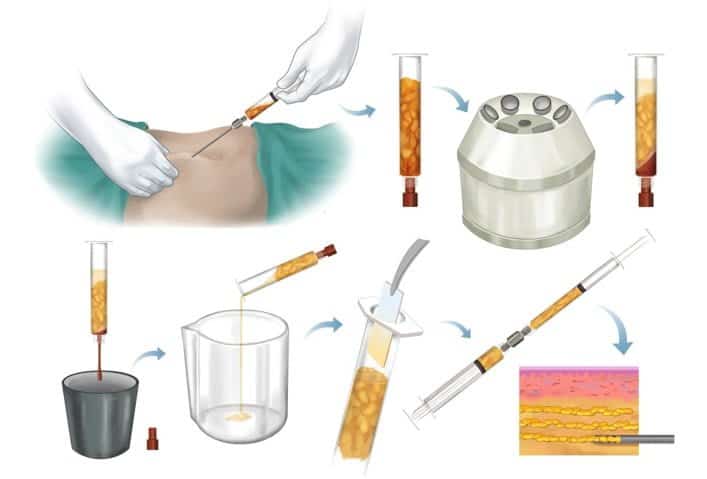
Fat banks, known as human adipose tissue repositories, are specialized facilities that act as storage centers for adipose tissue harvested via liposuction or other procedures. They use scientific methods for preservation, so you can be confident in the long-term quality of the fat.

Highly qualified personnel operate these facilities, preserving their expertise and ensuring the highest quality of stored tissue.

Purpose of Fat Storage

The primary purpose of fat storage is to provide a natural store of fat for cosmetic improvements down the road. Physicians can employ preserved fat in various aesthetic procedures, such as breast augmentation and facial rejuvenation.

This innovative technique provides patients with totally natural results. When fat is readily available, secondary procedures can be performed more easily and with less invasiveness due to no need for further harvesting.

History of Fat Banking

Fat banking has come a long way from its inception to its current place in cosmetic surgery. Advancements in fat preservation techniques have contributed to breakthroughs that have drastically improved patient outcomes.

The medical community has quickly gotten on board with fat banking in the past few years. They have come to recognize it as an important means of maximizing the safety and effectiveness of aesthetic procedures.

Benefits of Using Fat Banks

1. Personalized Cosmetic Procedures

With fat banks, the potential for customizing cosmetic procedures increases. First, you get to shape improvements to meet your specific goals and priorities. Fat banking allows for a more detailed sculpting of the body creating a more sculpted and detailed appearance, customized to your desired result.

Think of it as a personal reserve of fat that you could draw on for future upgrades or improvements. This flexibility is precious, whether you’re making moves today or hoping to adapt years down the line. Fat banking is used in a number of procedures, such as breast reconstruction and facial rejuvenation.

It creates beauty across a spectrum of life stages.

2. Reduced Need for Additional Surgeries

Using stored fat reduces the need to operate as often by a considerable degree. Rather than having to get new liposuction every trip, the fat banks’ ample existing reserves are a perfect fit for additional improvements.

This method is less invasive but more economical. With fat transfer, you can turn two procedures into one. You can harvest excess fat from one area to use in another, reducing the invasiveness.

Beyond economic factors, it’s the intelligent choice that minimizes downtime and repeat surgery, maximizing time and money saved.

3. Natural Look and Feel

Compared to synthetic implants, using your own fat produces a more natural look and feel. The integration with your existing tissue improves aesthetic outcome leading to a natural and seamless look.

The impressive patient satisfaction rates speak to the success of this approach, leading to natural results that truly turn heads. Fat transfer procedures provide a longevity that most synthetic alternatives do not, providing patients with long-lasting results for years.

Research shows that 50-70% of injected fat survives long-term, providing a lasting solution for many.

Risks of Storing Fat

Contamination Concerns

Bacterial contamination at any point during fat storage is an immense risk, particularly in the harvesting and storing stages. Making sure that these surgeries are sterile is extremely important.

Sterile environments, rigorous sanitization, and strict handling protocols are all part of protecting the public’s safety. Appropriate storage environments help reduce contamination hazards, but constant diligence is still required to maintain integrity.

Viability of Stored Fat

The viability of stored fat depends on a range of factors including temperature and how long it is in storage. Keeping the right conditions is imperative, as all three can affect the quality of the fat and the overall success of the subsequent procedure.

Recent advances in preservation techniques have proven to help increase fat graft survival rates and ultimately lead to better results. Continuous oversight to ensure quality leads to more successful applications of this technology in medical fields.

Ethical Considerations

Honoring patient consent and autonomy is essential. Transparency in the process will be key, enabling patients to weigh their options and make informed decisions.

Fears about the commercialization of human fat emphasize the need for careful ethical guidelines. Addressing these concerns prevents the practice from veering away from a patient-centered, ethical practice.

Process of Harvesting Fat

Pre-Surgery Consultation

The journey to fat banking starts with a vital pre-surgery consultation. This step ensures comprehensive discussions about the patient’s goals and expectations. It’s crucial for both the patient and the surgeon to align on what the procedure can achieve.

During this time, the surgeon evaluates the patient’s health and the availability of fat, which informs the suitability for fat banking. Informed consent is a priority, allowing patients to fully understand the process and potential outcomes of storing fat for future use.

Liposuction Techniques

Liposcopic techniques are crucial to the fat harvesting process. Techniques such as tumescent and power-assisted liposuction are widely used. The selection of technique used has a considerable impact on both the quality and quantity of fat that is harvested.

This makes it very important to choose the right method for each person. Using specialized cannulas to avoid trauma to tissue and blood vessels speeds up the extraction process. Liposuction can treat multiple areas in multiple sessions if needed, providing more treatment planning flexibility.

Immediate Storage Protocols

Once harvested, fat requires immediate and precise storage conditions in order to preserve its viability. Rapid cooling and processing are crucial steps. Technology is key to ensuring that fat is of the highest quality from the start.

Automated systems help make sure each fat particle is sized appropriately, minimizing complications such as fat necrosis. These procedures get the fat ready to be used later. It can be used not only in cosmetic procedures, but in medical applications, including scar release and defect correction.

Storing Fat in Fat Banks

In the age of cosmetic surgery, storing fat in fat banks allows for effective future use, especially in fat transfer procedures.

Cryopreservation Methods

Cryopreservation is critical in increasing the shelf life of harvested fat. Cutting-edge techniques, such as slow-rate freezing, keep fat cells alive by precisely managing the cooling rate. This avoids the creation of large ice crystals that can rupture cell membranes.

The thawing process is just as important, needing equally rigorous protocols to ensure that cells stay intact to be successfully grafted back on later. Many clinics employ gradual warming techniques to bring the fat back to a usable state. This targeted approach improves the success rate of subsequent procedures.

Quality Control Measures

Quality control is extremely high in fat banks to maintain the viability of stored fat. Routine testing, including checking for necrosis, ensures that fat cells are not only removed but maintained to ensure they are viable.

Regulatory guidelines, federal or state, have a vital role in providing a template for keeping quality storage the standard. Facilities make sure to test the fat to ensure that it is safe and high quality enough to use in the future.

Duration of Storage

Generally, fat can be safely stored for upwards of five years in perfect conditions. Things like temperature consistency and space conditions play an important role in how long it lasts, too.

For optimal results it’s important to use your stored fat according to guidelines timeframes. The general consensus among many experts is a window of 1-2 years for best chance at viability.

Utilizing Stored Fat for BBL

Preparing Stored Fat for Use

Stored fat preparation starts with a gentle thaw, followed by detailed filtering and purification. Additionally, trained professionals manage this process to ensure that impurities are carefully removed to preserve the fat’s quality.

This step is very important since clean, high-quality fat needs to be injected into the buttocks for achieving successful results. Their fat’s consistency and viability are also inspected closely, as this ensures the most impressive surgical results.

Injection Techniques for BBL

Injecting fat during a Brazilian Butt Lift requires special techniques. This involves the surgeon using their expertise to insert fat into precise areas, working to create a smooth transition from the waist to the fullness of the buttocks.

Precision in fat placement is key to creating the most desirable aesthetic. With highly experienced surgeons at the forefront, the procedure continues to be safe as well as effective.

The skills and knowledge of these specialists play a big part in producing the best possible results from the BBL process.

Post-Procedure Care

Post-procedure care is just as important for keeping the fat you had transferred to your backside intact. Patients need to follow strict post-operative instructions including not sitting or putting pressure on the buttocks.

This prevents additional pressure points from developing and facilitates the fat’s incorporation and the best healing possible. Routine post-operative visits are important in monitoring your recovery and progress.

They play a key role in helping you get the results you’re looking for, and your buttocks shape will keep improving over time.

Alternatives to Fat Banks

Finding alternatives to fat banks is crucial for patients seeking cosmetic surgery improvements. Options like synthetic fillers, conventional liposuction procedures, and non-invasive methods offer effective alternatives, each with distinct advantages and trade-offs.

Synthetic Fillers

Synthetic fillers are an important tool in non-surgical cosmetic procedures and a good alternative to fat transfer. Fillers, such as hyaluronic acid, such as Juvederm or Restylane, offer instant volume and contouring.

Second, they are less invasive as compared to fat grafting, with no need for surgery or downtime. Fillers provide more predictable outcomes, but filling materials do not have the same longevity as one’s own fat.

While fillers usually require periodic touch-ups every six months to two years, fat grafting can provide longer-lasting, if not permanent, results. This difference in longevity, however, allows fillers to be a more versatile choice for people who are looking for something temporary.

Traditional Liposuction

Traditional liposuction is still very popular, though, unlike fat banking. It takes out the unwanted fat, but any further improvements take an additional procedure.

In contrast, fat banking prevents the elimination of excess fat and allows it to be stored for later use. Patients are generally satisfied with the ease of access and immediacy of fat, but varies based on expectations.

While the results of liposuction are immediate, patients may require repeat procedures, which can lead to lower patient satisfaction.

Non-Invasive Procedures

Additionally, non-invasive methods such as CoolSculpting are becoming more popular, further cutting into the market for fat transfer and banking.

The major appeal of these techniques is there is little to no downtime and less risk compared to surgery, attracting the surgery-skeptical crowd.

Considering all options is key to getting the best possible outcome without long-term dedication to an operation or lipids.

Conclusion

Diving into the world of fat banks uncovers their purpose in cosmetic procedures such as BBL. So for patients who are aware they want to undergo future enhancements, storing fat provides an appealing, practical solution. It’s a wonderful process that holds great promise, but weigh the risks and benefits before you leap. The concept of using one’s own fat diminishes the dependence on synthetic fillers and complements the philosophy of natural body enhancement. Though fat banks can provide a level of convenience, it is important to carefully consider the alternatives and speak with an experienced physician for individualized guidance. As you consider these alternatives for bbl, make sure your choices support long-term health and aesthetic goals. Empower yourself with the right decisions to lead your own journey. Never stop learning, and never stop looking for more effective ways to get to where you want to go. To learn more, continue following our updates on body enhancement trends.

Frequently Asked Questions

What are fat banks?

Fat banks are specialized facilities that maintain harvested fat for use in future cosmetic procedures, such as fat transfer procedures. They store the fat under controlled conditions, allowing individuals to utilize their own fat grafts for enhanced aesthetic outcomes.

What are the benefits of using fat banks?

Utilizing fat banks ensures a reliable supply of natural fat for future fat transfer procedures like BBL. This approach minimizes the need for additional liposuction, thereby reducing recovery times and the risk of potential complications.

Are there any risks associated with storing fat?

You bet there are risks associated with the fat transfer procedure. Stored fat may lose viability over time, and contamination or degradation during storage can affect the usefulness of fat grafts for future liposuction procedures.

How is fat harvested for storage?

Fat is usually harvested through traditional liposuction procedures. This fat transfer procedure includes harvesting fat from donor sites—typically the abdomen or thighs—before processing and maintaining it in fat banks for future use.

How is fat stored in fat banks?

Fat is preserved in cryogenic conditions to keep it healthy. This process includes freezing fat at extremely low temperatures, allowing the fat to be stored and used for future procedures, such as BBL.

How is stored fat used for BBL?

The stored fat is later thawed and injected as part of the fat transfer procedure into the buttocks during a BBL procedure, restoring volume and shape with natural fat for a more complete result.

What are alternatives to fat banks?

Alternatives like synthetic fillers or subsequent liposuction procedures can often yield less natural results compared to utilizing a fat transfer procedure that uses stored fat. These options may suit individuals who prefer not to bank fat.

Combining Liposuction with Other Cosmetic Procedures: Safety and Benefits

Key Takeaways

  • This trend is gaining popularity for achieving enhanced cosmetic results, such as improved body contours by addressing multiple aesthetic concerns simultaneously.
  • Popular Combinations: Common procedures combined with liposuction include tummy tucks, breast augmentations, facelifts, and body lifts, offering more comprehensive body transformations and cohesive aesthetic outcomes.
  • Ensuring patient safety involves thorough health evaluations, understanding anesthesia risks, and selecting a qualified surgeon to reduce complications and improve outcomes.
  • Patients often experience improved aesthetic results, higher satisfaction rates, and potential cost savings by undergoing multiple procedures in a single surgical session.
  • Personalization based on existing conditions and comorbidities is key to maximizing surgical outcomes. They prioritize each patient’s individual needs and preferences, while maintaining a safe and open form of communication between patient and surgeon.
  • Clear communication about desired outcomes, potential risks, and limitations is essential for achieving patient satisfaction and understanding the scope of combined cosmetic procedures.

Combining liposuction with other cosmetic procedures offers a streamlined approach to achieving desired aesthetic goals. This method provides the benefit of addressing multiple concerns in a single session, potentially reducing overall recovery time.

For example, pairing liposuction with a tummy tuck can enhance body contouring results, delivering a more harmonious silhouette. Patients often find this approach effective and convenient, leading to higher satisfaction rates.

Safety remains a top priority, with advancements in techniques and careful planning minimizing risks. Surgeons assess each individual’s health and specific needs to customize the procedure, ensuring the efficacy and safety of combining treatments.

This comprehensive approach not only optimizes results but creates a more efficient pathway to cosmetic enhancement.

Understanding Liposuction

Liposuction, referred to as lipoplasty or body contouring, is designed specifically to remove localized fat deposits to improve overall body shape and contour. This procedure typically targets the abdomen, thighs, and flanks. These zones often store additional fat.

The main objective is to create a more balanced body contour. In the process, it removes the stubborn fat that adds bulk to these areas to produce sharper, more defined contours.

What is Liposuction

What makes liposuction different from other fat reduction methods is its surgical nature. During any patient consultation, getting a clear picture of your goals and expectations is essential.

This is important because liposuction is critical to achieving a desirable body contour and appearance. It provides a highly targeted, personalized solution that focuses only on the areas you’re most concerned with.

While non-invasive procedures can be effective, they typically take longer to produce results, which is why many patients looking for more dramatic changes choose liposuction.

Common Techniques Used

Different techniques such as tumescent and ultrasound-assisted liposuction provide unique benefits.

Tumescent liposuction — This technique injects a fluid mixture to make fat removal easier.

Ultrasound-assisted — This technique uses sound waves to liquefy fat. These improvements have had remarkable outcomes and cut down recovery time significantly.

Selecting the appropriate method is contingent upon personal priorities and areas of focus indicating the need for a customized approach.

Typical Recovery Process

The liposuction recovery process usually takes a few weeks. Patients may be annoyed by postoperative swelling and bruising, both of which can be minimized through meticulous technique and aftercare.

Adhering to postoperative instructions is critical in ensuring the best possible recovery. General health and the scope of the procedure are among the factors that impact recovery time.

With prudent care, the vast majority of individuals resume their regular routines in two to four weeks’ time.

Combining Liposuction with Other Procedures

Liposuction combined with other cosmetic surgeries, such as tummy tuck surgery and breast augmentation, is a growing trend. More patients than ever are seeking improved cosmetic outcomes by integrating these procedures. This method not only provides a total body makeover but also accelerates the process of achieving aesthetic surgery objectives.

Popular Combination Options

This powerful combination can tackle both excess pockets of fat and skin for a smoother, firmer abdominal area. It improves overall body proportions by balancing out a larger bust with a more defined waist. Additionally, it addresses facial drooping in addition to concentrating on defining jawline and neck contours. Overall, it offers a smooth, toned aesthetic by eliminating loose skin and fat.

As a result, these combinations help patients tackle more than one aesthetic issue, improving their body contours from various angles. It’s no surprise that combined procedures are increasingly popular among patients looking for the most complete solution.

How Combinations Enhance Results

When combining liposuction with other procedures, the outcomes can be quite aesthetic and dramatic. This method can achieve a more balanced appearance by addressing several areas of the body simultaneously. These synergistic effects not only achieve body shape and proportions, but have high patient satisfaction rates.

This technique’s biggest benefit is the efficiency of a single recovery, which saves patients’ time and energy.

Factors to Consider

When it comes to combined procedures, health status and age are key considerations. As with all surgeries, a comprehensive pre-operative evaluation by a skilled, experienced surgeon is key.

Having realistic expectations about both the potential results and the recovery process is crucial, as is knowing the limits of what combining procedures can do.

With an average 2.4% complication rate, combining surgeries is a safe option for the majority.

Safety Considerations and Potential Risks

The safety considerations of combining liposuction with other cosmetic procedures need to be carefully examined, and potential risks thoroughly evaluated. Before any case of surgery, determining a patient’s health is an important first step. This is an important step to identify any risk factors such as obesity or previous operations that may increase the risk of the procedure.

As an example, morbidly obese patients have higher complication rates, i.e., 6.3% versus 1.8% in those of normal weight. By providing a thorough medical history, you make sure that you and your surgeon have a shared understanding of any health concerns that may be present.

1. Assessing Patient Health

Before combined procedures, a thorough health check is vital. Understanding a patient’s medical background helps in planning safer surgeries. Open dialogue between patients and their surgeons about past surgeries or health issues is key.

This trust and transparency help in identifying risks, making the process smoother and safer.

2. Understanding Anesthesia Risks

Anesthesia is technically a separate specialty, but it carries its own risk, particularly in long combined procedures. The longer the exposure, the higher the risk of complications. Only experienced anesthesiologists can ensure that these risks are well managed.

Because of them, patients know what to expect from their anesthesia experience, empowering them to make informed decisions about their health.

3. Managing Postoperative Complications

After surgery, issues such as infections and venous thromboembolism (VTE) may develop. For example, BMI has independent effects on the risk of surgical site infections. High risk, early detection and aggressive management strategies are key.

Taking care and following up is essential. Instructing families in clear, simple terms on follow-up care makes for a safe recovery.

4. Importance of Qualified Surgeons

Selecting a really good surgeon is number one. Their leadership literally shapes safety and health outcomes. Looking over their qualifications and track record builds confidence.

An in-depth consultation allows you to set realistic expectations and feel confident in the procedure.

Benefits of Combined Treatments

Improved Aesthetic Outcomes

By combining liposuction with other cosmetic procedures in a synergistic fashion, greater aesthetic improvements are possible. This technique gives the surgeon the ability to address several areas at once, creating a more balanced overall body shape.

Patients come back with a smile, telling us how much they love the natural look they see and feel. This combination produces a more streamlined silhouette and tackles more than one issue at a time, maximizing aesthetic value.

By fine-tuning multiple body parts in the same appointment, it usually achieves results that appear and feel more natural and harmonious. This method further reduces the chances of allergic reactions to synthetic substances.

Enhanced Patient Satisfaction

Similarly, patients are more satisfied when procedures are combined, as they can complete their desired aesthetic goals with fewer surgeries. This temporary fix not only simplifies her process, but it offers emotional support, enhancing her self-esteem and body image.

Personalized treatment plans are key here, making sure each patient’s individual needs and wishes are addressed. Getting the results you want in less time has huge emotional payoffs.

It eases the emotional and physical toll of suffering through multiple recoveries.

Time and Cost Efficiency

For so many, time-saving benefits of combining procedures is hard to overstate. Patients experience just one recovery period, saving time and typically getting back to their normal routine in as little as 1-2 weeks.

Logistically, financially—everything—it just makes sense to do it this way because you’re cutting down surgical fees and time away from work. Patients appreciate the convenience of accomplishing multiple goals in one session, with studies showing faster returns to normal life compared to undergoing separate surgeries.

The cost-effectiveness of a more-complete package versus separate procedures is pretty clear, with significant savings.

Personalized Treatment Plans

Crafting a personalized treatment plan is still key. Each individual comes in different body shapes and aesthetic desires, therefore a cookie-cutter approach is not the best approach. Customized plans take these variations into account, to make sure the steps of the procedure fit the patient and optimize the surgical result.

By aligning these procedures with what the patient most wants, we can optimize satisfaction and maximize results. For example, cutting-edge imaging technologies can create detailed pathways for treatment, illustrating what the surgery may look like even before starting the procedure. These tools help make the jump from patient wishes to real-world tactics.

Importance of Individualized Approach

We need in-depth consultations to get to the bottom of what every individual patient wants. This communication between patient and surgeon sets the stage for a great experience. By continuing to put patient input at the forefront, we can create strategies that lead to the most effective treatments possible, with personal goals in mind.

The importance of regular communication is hard to understate, as it ensures alignment of expectations and allows for plans to be adjusted to better meet the goals.

Role of Comprehensive Care

Comprehensive care extends beyond the operating room. Pre-operative assessments establish a patient’s readiness for surgery, while post-operative support ensures a smoother recovery. Multidisciplinary teams bolster patient safety and satisfaction, offering a range of expertise.

Educating patients about recovery and care fosters confidence, aiding in a quicker return to daily life.

Setting Realistic Expectations

Finally, setting realistic expectations is important, particularly with combined procedures. By clearly describing potential risks and limitations, patients are able to make more informed decisions about their treatment plan.

Effective, honest communication around what is possible to achieve can set appropriate expectations, and an open dialogue about shared treatment goals puts patients in control. Tackling these issues from the start creates a smoother and more satisfying ride for all parties.

Conclusion

There are plenty of reasons to choose to combine liposuction with other cosmetic procedures. The combined procedure can save time, minimize the recovery period overall, and produce more effective results. In return, you receive a customized treatment plan tailored to your unique body and specific cosmetic goals. It’s an opportunity for a transformative aesthetic improvement that enhances self-assurance. As with any cosmetic procedure, the process starts with knowing your options and discussing them with experienced professionals. They are your advocates for keeping the process safe and effective. This critical step paves the way for a satisfying metamorphosis. Only you are in the position to know which choice will ultimately be best for you. Get your feet wet, see what’s out there, and welcome the new age. That next step might be the beginning of something wonderful. Contact one of our experienced professionals today and take the first step toward a new you.

Frequently Asked Questions

What is liposuction?

Liposuction is an elective cosmetic surgery procedure aimed at removing unwanted fat from various body parts, including the abdomen, hips, and thighs. While it is not a weight-loss solution, it serves as an effective means for body contouring, helping individuals achieve a more sculpted waistline.

Can liposuction be combined with other procedures?

Yes, liposuction is commonly combined with other cosmetic surgeries such as tummy tuck surgery or breast augmentation. This approach can enhance your overall cosmetic outcomes and shorten your recovery time compared to undergoing each individual procedure.

How safe is combining liposuction with other procedures?

With a qualified and experienced cosmetic surgeon, combining cosmetic procedures can be safe and effective. It involves deep consideration and understanding of what’s best for the patient. Always talk to a board-certified plastic surgeon about any potential risks associated with your cosmetic surgery plan.

What are the potential risks of combined treatments?

Risks are similar to those associated with multiple surgeries, such as tummy tuck surgery and breast procedures, including longer recovery times, infections, and complications related to anesthesia. Undergoing several cosmetic surgeries in one sitting can elevate these dangers, so ensure you discuss all potential outcomes with your skilled plastic surgeon for the best informed consent.

What are the benefits of combining liposuction with other cosmetic treatments?

Group 3

Lower complication rate

When done carefully, combining treatments can improve aesthetic outcomes and shorten total recovery time. Patients can gain a fuller, more thorough transformation with fewer total procedures, making it a more economical and convenient option.

How do personalized treatment plans work for combined procedures?

Personalized cosmetic surgery plans are tailored to the individual’s goals and health status. Skilled plastic surgeons evaluate the best combination of procedures, such as a tummy tuck or breast lift, for optimal results, ensuring safety and effectiveness.

Who is a good candidate for combined liposuction procedures?

This is why ideal candidates for cosmetic surgery procedures are healthy individuals who have realistic expectations. Similarly, they need to be non-smokers and free of any medical conditions that could hinder healing. A detailed consultation with a skilled plastic surgeon is essential for deciding on the best cosmetic surgery plan.

Cortisol Levels and Liposuction: What You Need to Know

Key Takeaways

  • Liposuction involves fat removal to sculpt the body, with several methods available, each influencing hormonal balances that can alter body composition. It is important to understand these effects in order to have realistic expectations.
  • That’s because after liposuction, the body’s physiological and hormonal landscape changes tremendously. Each of these shifts has the potential to create an imbalance that impacts metabolism and/or body image. Understanding these changes helps you to better prepare for the post-surgery recovery process.
  • Cortisol is the main stress hormone that impacts the way our bodies respond to stress. Interventions using surgical procedures such as liposuction have shown to impact cortisol levels. In conclusion, managing cortisol levels through lifestyle changes and stress-management techniques is crucial for overall health and well-being.
  • Liposuction can initially spike cortisol levels due to surgical stress, but monitoring and managing these levels is critical for effective recovery and hormonal stability.
  • Committing to a healthier lifestyle will go a long way in improving your results. By focusing on stress management, dietary habits, and physical activity, you can promote hormonal balance and help foster a supportive environment.
  • Proactively managing cortisol levels post-liposuction enhances recovery outcomes, aids in weight management, and contributes to overall health, underscoring the significance of integrating stress reduction techniques into daily life.

Exploring the relationship between liposuction and cortisol levels is important. This new research sheds light on how managing stress hormones can improve overall health. Cortisol, one of the main stress hormones, has huge implications on metabolism, immune function, and more. Elevated cortisol levels can create a host of other health problems so strategies for effective regulation are essential to find.

Liposuction, usually thought of in the context of aesthetic surgery, can have positive effects on cortisol levels and stress management. By exploring this link, we hope to show that there are greater benefits to liposuction than just appearance. This important topic challenges us to think critically about the effects of invasive medical interventions on endocrine homeostasis and social stress.

Recognizing these powerful dynamics can provide a great deal of context and perspective for advocates and practitioners trying to achieve better health outcomes.

Understanding Liposuction

What Is Liposuction

Lipoplasty or liposuction is a cosmetic surgical procedure aimed at both removing excess fat and improving body shape and appearance. Keep in mind that this is not a weight loss procedure. Instead, it’s a technique to contour targeted pockets of fat for a more streamlined appearance.

Frequently treated areas include the tummy, inner thighs, and arms. Liposuction addresses fat cells directly, producing instant change. This sets it apart from other weight loss procedures, and liposuction is used to sculpt and define rather than just lose weight.

The aim is to create a balanced figure, in keeping with a patient’s sense of beauty.

How Liposuction Affects the Body

After the liposuction procedure, the body will experience a number of physiological changes. The removal of fat cells leads to significant decreases in body weight, BMI, and waist circumference. Research indicates that liposuction results can show reductions in body fat of up to 40% from baseline to 12 weeks post-treatment. These changes extend down to the metabolic level, where diabetic patients have seen a dramatic decrease in insulin resistance and glucose levels. Furthermore, cholesterol levels can also improve after liposuction surgery.

Several hormonal changes take place following the liposuction treatment, including a dramatic decrease in insulin and leptin levels, alongside a modest increase in ghrelin levels. Psychologically, most individuals report an improved body image, and Body Shape Questionnaire scores improve significantly. It’s essential to maintain healthy eating habits and a balanced diet to support these changes.

When considering liposuction, it’s vital to be realistic about achievable outcomes. Liposuction cannot address underlying issues such as hormonal imbalances or Body Dysmorphic Disorder, which affects a small percentage of patients. Understanding these limitations can help set realistic expectations.

Having a clear grasp of what to realistically expect from the liposuction procedure will ensure greater satisfaction with your final results. This understanding involves considering both short- and long-term impacts on metabolism, fat distribution, and the importance of maintaining a healthy lifestyle post-surgery.

In conclusion, successful weight loss and maintenance efforts following liposuction depend on proactive steps, including dietary changes and regular exercise. By focusing on healthy habits, individuals can maximize the benefits of their liposuction experience and achieve lasting results.

Cortisol and Stress Hormones

What Is Cortisol

Cortisol is one of the main stress hormones and is crucial in the body’s fight-or-flight response. Produced by the adrenal glands, it gets the body ready to face stress. When you’re under stress, cortisol goes up, and this sets off an increase in your heart rate and energy surges.

Besides helping the body respond to stress, cortisol is vital in regulating metabolism and immune responses. Under normal circumstances, cortisol levels rise and fall during the day, peaking first thing in the morning and lowering at night. When in healthy balance, they support many essential bodily functions.

Chronic high cortisol levels can cause serious conditions such as high blood pressure and decreased immune response.

Role of Cortisol in Stress Response

When stress strikes, cortisol is the first responder. It increases blood sugar levels and enhances brain function, powering your body with the energy required to face whatever challenges lie ahead. Changes in the body, or physiological changes, are things like increased heart rate and elevated blood pressure.

Chronic stress can alter the normal pattern of secretion of cortisol, which can underlie a range of mental and physical health problems. That’s why stress management is so important to keep cortisol levels in check, preventing dangers linked to long-term stress.

Effects of Cortisol on Weight

There is a body of research that has shown that elevated cortisol contributes to store weight, specifically, around the midriff. Stress can activate the hypothalamic-pituitary-adrenal (HPA) axis chronically, inducing hypersecretion of cortisol, which encourages storage of abdominal fat.

This type of fat build up is associated with Metabolic Syndrome. Cortisol makes us hungrier and increases cravings for calorie-dense foods. It causes storage of visceral fat, making balanced cortisol all the more essential for maintaining a healthy weight.

For emotional eaters, the weight loss tends to be greater because when stressed they seek solace in food. This underscores the need to include stress reduction tactics to achieve long-term weight maintenance.

Liposuction and Cortisol Levels

1. How Liposuction Influences Cortisol

Even one liposuction session can trigger a significant increase in cortisol levels due to the body’s reaction to stress from surgery. This first bump is unfortunately to be expected as it is expected with the body’s natural stress response, which is initiated by the physical trauma of surgery.

With time, most patients experience a normalization of cortisol levels. This improvement occurs as a result of the body’s incredible ability to adapt and heal. Fat loss and cortisol secretion may be more complicated than originally thought.

Changing cortisol levels when you lose fat can change your hormone production as adipose tissue plays an important role in hormone regulation. This is why monitoring cortisol levels regularly is extremely important for liposuction patients, both to promote a smooth recovery and maintain healthy hormonal levels.

2. Relationship Between Fat Removal and Stress Hormones

Excising fat with liposuction could affect the secretion of stress hormones, including cortisol. Since adipose tissue plays a central role in hormone production, removing adipose tissue changes the way these hormones are regulated.

This change may result in a better hormonal interplay after surgery, as the body learns to function with its new makeup. These hormonal shifts are key to your recovery, because they’ll help you set proper expectations and best prepare you to care for yourself in the days and weeks after surgery.

3. Impact of Surgery on Hormonal Balance

Any surgical procedures, including liposuction, can temporarily disturb the stability of one’s hormones. These changes could affect mood and metabolism, since hormones such as cortisol are intimately connected to both processes.

Addressing these hormonal issues after surgery is crucial to maintaining health for the long term. Though hormonal changes may be present for weeks to months, they almost always balance out as the body recovers.

4. Post-Surgery Cortisol Fluctuations

The exact timeline for cortisol fluctuations post liposuction can differ from person to person. Things such as one’s overall health, stress levels, and rate of recovery all play a role in the body’s cortisol response.

Keeping these levels in check is key to recovering in the most effective way possible. Managing stress, perhaps through relaxation techniques, can help keep cortisol in check, which can lead to a quicker recovery and healing process.

Managing Cortisol Levels Post-Liposuction

Post-surgery, hormones such as cortisol may increase or decrease, significantly affecting the body’s ability to handle stress. Understanding these hormonal fluctuations and incorporating stress management techniques into daily life can aid in restoring hormone balance and support recovery after liposuction treatment.

Lifestyle Changes for Hormonal Balance

To support hormonal health after liposuction surgery, consider these actionable changes.

  • Focus on eating whole foods and avoiding processed foods to help stabilize your hormone levels.
  • Establish regular sleep patterns and meal times.
  • Drink plenty of water to aid in hormone regulation. Hydration plays a key role in hormone regulation, especially when hormones such as leptin are already thrown off balance.
  • Use natural products to reduce exposure to chemicals that interfere with hormones.

Dietary Adjustments to Reduce Stress

Diet plays a critical role in managing cortisol levels, especially for individuals dealing with hormonal imbalances and excess visceral fat.

  • Include Healthy Fats and Proteins: Avocados and lean meats help maintain energy levels.
  • Blueberries and spinach can combat stress.
  • Ensure meals stabilize blood sugar, reducing stress spikes.

Exercise and Physical Activity Benefits

Regular movement is essential for maintaining healthy cortisol levels, which can affect fat storage and contribute to excess visceral fat accumulation.

  • Walking, cycling, and swimming reduce stress.
  • Strength Training: Build metabolic health with weightlifting.
  • Find Enjoyable Activities: Consistency is key—choose activities you love.

Mindfulness and Stress Reduction Techniques

Mindfulness can help manage stress effectively, which is crucial for maintaining a healthy lifestyle and preventing unwanted fat accumulation, particularly in individuals experiencing hormonal fluctuations.

  • Calming exercises lower stress levels.
  • Incorporate Yoga: It promotes relaxation and balances hormones.
  • Integrate practices into everyday life for ongoing benefits.

Benefits of Managing Cortisol Levels

Improved Recovery After Liposuction

Keeping your cortisol levels in check can help expedite the healing process post-op with liposuction. Cortisol, a major stress hormone, can impede healing by slowing the body’s tissue repair efforts. When you manage cortisol, the recovery is easier and faster.

Stress reduction is a key factor in reducing postoperative complications that are frequently caused by increased stress. Managing cortisol levels is essential for a smoother recovery. Emotional support is important in any recovery, but especially so in addiction recovery.

Friends, family, or support groups can help provide the right amount of encouragement and reassurance. With a smart recovery plan that includes stress management techniques, you can enhance your recovery process. Making room for practices such as meditation or calming movement practices will have a huge impact.

Enhanced Weight Management

Balanced cortisol levels are essential to successful weight maintenance after liposuction. Once cortisol levels are stable, appetite control is much more manageable, making it less likely to lead to overeating. This regulation goes a long way towards stopping the often sought after weight regain, the fear of many who undergo liposuction.

Cortisol has been shown to be related to the accumulation of abdominal fat, one aspect of Metabolic Syndrome. In people who are obese, lowering stress and cortisol can lead to more stable long-term weight. Sustained lifestyle changes, such as increasing physical activity and improving dietary habits, are key to long-term success.

Overall Health and Well-being

Improved hormonal balance contributes to overall health. Improved mental health is another significant benefit of managing cortisol levels. Additionally, better resistance to stress can enhance daily functioning.

Lower risk of Metabolic Syndrome is a crucial aspect of maintaining health. By providing a holistic approach to post-liposuction care with education around hormonal health, patients feel empowered to make informed lifestyle choices.

Understanding the link between stress, cortisol, and health can lead to a more balanced life, reducing abdominal fat and promoting overall well-being.

Conclusion

Understanding the relationship between liposuction and cortisol levels may be your ticket to a better, healthier life. In addition to reshaping the body, liposuction has a positive impact on stress hormones. Cortisol, commonly referred to as the “stress hormone,” is the most important factor in our body’s stress response. Reducing cortisol levels can improve overall health and wellness, reduce anxiety and depression, and increase energy levels. Post-liposuction, it’s important to manage cortisol with natural methods. When you exercise regularly and eat a healthy diet, your cortisol levels are more easily managed. This balance can produce long-term benefits beyond just physical health, including enhanced mood and overall quality of life. When you embrace these strategies, you set yourself up for a much easier recovery and a longer, healthier life. Learn more about this topic and explore how stress hormone management can improve your experience after liposuction. Put your health first and stay educated on the latest trends and topics.

Frequently Asked Questions

What is liposuction?

Liposuction is an invasive cosmetic surgery that extracts excess visceral fat from targeted areas in the body, enhancing the body’s natural contours and shape while improving overall appearance.

How does cortisol affect the body?

Cortisol, known as the stress hormone, plays a crucial role in controlling metabolism and blood sugar levels. Elevated cortisol concentrations can lead to unwanted fat accumulation, impacting overall health and contributing to conditions like obesity and anxiety.

Can liposuction influence cortisol levels?

The stress of undergoing liposuction can temporarily raise cortisol levels, but successful liposuction results do not directly alter long-term hormone balance.

How can I manage cortisol levels after liposuction?

To keep cortisol levels in check after liposuction surgery, focus on getting adequate sleep, maintaining a balanced diet, and engaging in activities that lower stress, such as yoga or meditation, to support successful liposuction results. Always check with your physician for medical advice tailored to your specific situation.

Why is it important to manage cortisol levels?

By managing cortisol levels, we improve our mental health, decrease stress, and increase our overall health and happiness. This proactive approach helps keep excess visceral fat off and guards against chronic disease.

Are there benefits to combining liposuction with stress management?

Absolutely, pairing liposuction options with stress management will not only facilitate recovery but also enhance long-term liposuction results and provide other health benefits that improve quality of life.

What should I discuss with my doctor before liposuction?

Be sure to discuss your medical history, including any hormonal imbalances, what you expect from the liposuction procedure, and possible ways to manage stress hormones with your physician. This promotes a safe and effective liposuction treatment as well as a smoother recovery process.

Liposuction Infection Risks: How to Minimize Your Chances of Complications

Key Takeaways

  • Liposuction infections are serious complications caused by bacteria entering through surgical incisions. Recognizing these risks allows you to determine whether or not you should go through with the procedure.
  • Infections often arise from bacteria introduced during surgery. Proper care of incisions and adherence to pre-operative guidelines are crucial in minimizing these risks, especially if you have underlying health conditions.
  • Common infections include skin and systemic infections, with symptoms ranging from redness and swelling to pus-like discharge. Understanding these key symptoms as soon as possible will allow for more effective and faster treatment.
  • Infections can significantly delay recovery, necessitating additional treatments and affecting your mental well-being. Close attention to your recovery is key to identifying any infection symptoms early and achieving a seamless healing experience.
  • Strategies to Minimize Risks: Selecting a qualified surgeon, following pre-operative instructions, ensuring a sterile surgical environment, and adhering to post-operative care guidelines are key strategies to reduce the risk of infections.
  • Regular monitoring and follow-up appointments are critical to detect infections early. Become an active partner in your own recovery journey. By identifying these early warning signs, you can avoid more serious complications and ensure the best possible outcomes.

The more you know about liposuction and the risk of infection, the better equipped you’ll be to make smart, safe choices about this highly sought-after cosmetic procedure. In this guide, we take a closer look at how these risks can be minimized, leading to a safe procedure and the peace of mind that follows.

My goal is to demystify high-cost procedures as a technical analyst passionate about health care. My hope is to make these nuances clear in a way that is accessible to all. We’ll take a look at how these developments in medical technology and sterilization practices help to reduce the risk of infection.

By focusing on crucial safety precautions and proper procedures, you can have a safe experience with liposuction. This discussion underscores the importance of selecting qualified professionals and adhering to recommended guidelines, fostering a secure path to achieving your desired results.

Understanding Liposuction Infections

Liposuction infections happen when pathogens enter the body through surgical incision points. These infections, a potentially deadly complication of the procedure, range from superficial to life-threatening. These risk factors include lack of surgical hygiene and having an individual with a compromised immune system.

Whether you’re a patient or provider, having a clear understanding of the risks of infection is key to making informed decisions about liposuction.

What Causes Infections

Infection is a possible complication from bacteria that are introduced through liposuction. Proper care of your incision is key in stopping bacteria from multiplying after surgery. Those who are already vulnerable with underlying health conditions have even higher susceptibility to infections.

Following pre-operative instructions is key to reducing these risks.

Common Types of Infections

Liposuction allows for a risk of skin infections as well as more systemic infections. Infections that spread deeper under the skin, such as abscesses or cellulitis, are more serious and should be treated immediately.

The key to treating any infection is determining the type of infection so that the proper medical treatment can be pursued.

Impact on Recovery Process

Infections are now, as then, a major concern, greatly increasing recovery time and complicating the healing process. If infections occur, further treatment or surgical care might be required.

Psychologically, recovering with an infection can be extremely taxing. Therefore, close monitoring of recovery is critical. Be alert for early signs of infection including redness, swelling, worsening pain, temperature greater than 100°F, or pus.

Rapid medical treatment can avoid grave consequences, including necrotizing fasciitis, a serious and potentially deadly condition recently reported in several cases following liposuction.

Patients who have this procedure done need to know signs and risk factors. Risk factors for developing an infection include being over 50, diabetes, and immunosuppression.

Minimizing Infection Risks

Minimizing infection risks in liposuction procedures involves several proactive strategies.

  • Choose a qualified and experienced surgeon.
  • Follow all pre-operative instructions diligently.
  • Ensure a sterile environment during the procedure.
  • Adhere to proper post-operative care guidelines.

1. Choose a Qualified Surgeon

Choosing a highly experienced, board-certified plastic surgeon who specializes in liposuction is the most important decision. Learning about the surgeon’s credentials and reading patient reviews are a must.

Aside from diligent OR protocol, a qualified, experienced surgeon is the most important factor in minimizing complications, including infection. Open, honest communication about your expectations and worries with your surgeon will lead to a better experience all around.

2. Follow Pre-Operative Instructions

Complete pre-operative instructions are key to minimizing infection risks. Patients need to be honest about their medical history and other medications.

Knowing what to avoid, such as blood thinners, is crucial. Minimizing infection risks and maintaining good hygiene prior to the procedure greatly reduces the risk of infection.

3. Ensure a Sterile Environment

A clean surgical environment is essential to minimize infection risks. Surgical teams are required to adhere to stringent protocols to maintain sterility, only using sterile equipment and materials.

Patients must ask what sterilization practices are used at the facility they choose.

4. Use Proper Post-Operative Care

  • Keep incisions clean and dry.
  • Change dressings as instructed.
  • Avoid baths or pools until cleared.
  • Monitor for infection signs and report concerns.

5. Recognize Early Warning Signs

Recognizing the early signs of infection, such as redness and swelling, is crucial for liposuction patients. Ongoing vigilance in monitoring incision sites and prompt reporting of symptoms can help avert severe liposuction complications.

Symptoms of Post-Liposuction Infections

Being aware of the symptoms of post-liposuction infection will ensure that you catch the signs early and pursue treatment quickly and expertly. Fever, while commonly seen as a universal symptom of infection, can be accompanied by other symptoms like unusual discharge from incision sites. These telltale signs can differ widely based on the kind of infection.

Necrotizing fasciitis is a life threatening infection caused by a combination of aerobic and anaerobic bacteria. It looks completely different than the more typical infections that we see, right.

Identifying Common Symptoms

  • Redness surrounding the incision sites is a common symptom, usually a sign of inflammation.
  • When swelling increases rather than improves, that’s your first alarm. Swelling typically occurs within a day or two following the procedure. It would only be a little bit higher for 10-14 days, but by 4 weeks, you should definitely be seeing it begin to soften.
  • Warmth or tenderness surrounding the surgical site can be an indicator of infection.
  • Pus-like discharge from the incisions should raise immediate red flags and require a medical consultation.

Being able to tell the difference between normal post-operative symptoms and signs of infection can be lifesaving. In the case of post-liposuction recovery, transient hypoaesthesia can be expected, with sensation progressively coming back within the course of 12 months.

All patients should document the details of their symptoms in order to support clear communication of needs with their health care teams.

When to Seek Medical Attention

If any of these symptoms do not go away or get worse, seek medical care right away. Delaying treatment can result in major complications, like lifelong chronic pain or necrosis.

For instance, if a patch of skin necrosis develops, it may only be able to heal by secondary intention. Maintaining open dialogue with healthcare providers about any concerns is crucial to making sure proper interventions are taken as soon as possible, reducing the potential risks of infections.

Importance of Monitoring for Infections

Enhanced recovery begins with regular monitoring and follow-up care after liposuction, which is key to spotting infections quickly and ensuring more positive outcomes. When problems are detected early, health systems can intervene quickly, leading to better patient outcomes. Follow-up appointments are crucial because they allow healthcare providers to evaluate how well a patient’s wound is healing and identify any signs of infection or other complications.

The average risk of wound infections even in clean surgical procedures is 2.1% to 3.3%. This underscores the critical need for watchful aftercare.

Role in Successful Recovery

Effective monitoring directly influences the success of liposuction recovery. Early infection detection leads to timely treatments, potentially preventing severe complications like necrotizing fasciitis, which has been reported post-liposuction. Adhering to follow-up care is an integral part of the recovery journey, enhancing satisfaction with the results.

For instance, in our practice, significant persistent edema occurred in 1.7% of patients, highlighting the need for ongoing evaluation and care.

Long-Term Health Implications

Untreated infections can lead to long-term health risks, like chronic pain or disfigurement. Rapid response to new infections is critical. Taking action early can avoid long-term damage, including hyperpigmentation in 18.7% of patients and skin necrosis in 1% of patients.

Prioritizing health and well-being during recovery at every stage is key to ensuring better outcomes. Smokers need to stop at least 3 weeks prior to surgery. At the same time, patients on blood thinners need to work closely with their physician to manage their risk, underscoring the importance of preoperative and postoperative care.

Conclusion

Understanding liposuction and the risk of infection reveals the importance of minimizing the odds. If you’re aware of the signs that an infection may be developing, you can get treatment right away. By educating yourself about the symptoms and talking with knowledgeable professionals, you can take steps to prevent the odds from winning. Consider how you can minimize infection risks, such as selecting an experienced surgeon and adhering to post-operative care instructions. These moves get patients through recovery with less hassle and risk.

Being vigilant and taking preventive measures goes a long way. Stay smart and keep your health and safety first by identifying early signs and getting professional medical attention as soon as possible. We understand this journey requires delicate consideration and expertise. Follow all doctors’ and physicians’ instructions. Your health is important, and your choices make all the difference in where this road takes you. We will continue to keep you updated and protected.

Frequently Asked Questions

What causes infections after liposuction?

Infections, a significant risk in cosmetic surgery procedures, may develop when bacteria enter through incisions. Neglecting post-operative care instructions or using non-sterile liposuction equipment can increase the likelihood of infection.

How common are infections after liposuction?

Infections, while uncommon complications of the liposuction procedure, occur in fewer than 1 percent of patients. With the right surgical techniques and careful post-operative monitoring, the infection risk can be greatly reduced.

What are the symptoms of a post-liposuction infection?

Watch out for signs of infection risk after a liposuction procedure, including redness, swelling, worsening pain, or pus around the incision area, as well as fever, which is a red flag.

How can I minimize infection risks after liposuction?

Adhere to post-operative care guidelines after your liposuction procedure. Keep the surgical area clean, avoid smoking, and attend all post-op check-ups with your liposuction surgeon.

How soon after liposuction can infections appear?

Infections, a common side effect of plastic surgery procedures, usually develop within several days to a week after surgery.

Why is monitoring for infections important after liposuction?

When caught early, serious liposuction complications can be avoided. Close monitoring helps guarantee a smooth recovery and the best possible liposuction results from the procedure.

Can antibiotics prevent liposuction infections?

With that in mind, yes, antibiotics that your surgeon will prescribe after the liposuction procedure will help prevent infections, a common concern among liposuction patients. Always use medications as your healthcare provider prescribes them.

The Importance of Choosing a Board-Certified Surgeon for Liposuction

Key Takeaways

  • Liposuction is not a weight-loss procedure Liposuction is a cosmetic procedure designed to remove unwanted fat for improving body contour, not a weight-loss treatment. It improves body contour and self-confidence for thousands of men and women each year.
  • By choosing a board-certified surgeon you significantly increase your chances of safety and getting the results that you want. Board-certified status means a surgeon has undergone extensive training and education in the field of plastic surgery.
  • We make sure that the board-certified surgeons, who operate in accredited facilities, are held to rigorous safety standards, lowering the risk and ensuring that no unethical practices occur.
  • Board-certified surgeons are committed to staying at the forefront of advanced techniques, offering patients access to more effective, less invasive treatments.
  • The absence of certified practitioners greatly increases the risk of severe complications and post-op care that is insufficient, leading to disappointing results.
  • To ensure a surgeon is board-certified, confirm through the American Board of Plastic Surgery. This important step guarantees that your surgeon is the most highly qualified and dedicated to excellence.

Liposuction is the second most common cosmetic procedure, after Botox, and is designed to remove stubborn fat deposits to reshape your body. To avoid complications and ensure safe, effective results, it’s vitally important that you choose a board-certified surgeon.

Board certification is one way to ensure that your surgeon has completed the extensive training required and has the expertise to perform liposuction safely and effectively. Having this credential should give every patient peace of mind. It means the surgeon is committed to the highest standards of care and safety.

Being able to make informed decisions about your health is the most important step. Trust a board-certified plastic surgeon to make your surgical experience the best it can be. Choosing a board-certified surgeon is the first step towards getting a better outcome.

Making this choice will allow you to have a smoother recovery process while achieving your desired aesthetic goals safely and with confidence.

What Is Liposuction

Definition of Liposuction

Liposuction is the most common cosmetic procedure that is intended to eliminate excess fat from specific areas of the body. This advanced surgical technique is much more than just suctioning fat. It requires a tailored approach for every patient, taking into account the results they hope to achieve and their existing body.

The liposuction procedure begins with the creation of small incisions into the skin. Finally, suction is performed to extract these fat deposits from the underlying layers. Different approaches, such as tumescent and laser-assisted liposuction, can be used to deliver the best results.

Liposuction has a reputation for being very safe. Its risk of minor complications is very low, at less than 0.2%, and major complications happen in only 1 in 50,000 patients.

Common Purposes in Cosmetic Surgery

Liposuction is one of the most versatile treatments in cosmetic surgery. People usually seek it out to achieve a more defined shape, often as an adjunct to surgeries such as tummy tucks or breast enlargements.

It’s especially ideal for people who have not been able to lose fat that is persistent and resistant to diet and exercise. This versatility is one of the many reasons this procedure is widely requested by both male and female patients alike looking to accomplish a variety of aesthetic objectives.

Liposuction usually is the first step in a full-body contouring plan that addresses your body as a whole instead of just one targeted area.

Popular Areas for Liposuction

Liposuction is most often performed on a person’s abdomen, thighs, and arms. It can be done on the neck, back, and buttocks. The decision on what area to have treated is mostly based on individual body objectives and beauty aspirations.

Cost With an average cost of about $3,617, the procedure’s cost will likely differ based on the size and location of the areas being treated. Liposuction is usually a same day surgical procedure.

Most are back to work in less than a week and able to get back to their usual routine, including physical activity, in two to four weeks or less.

Why Choose a Board-Certified Surgeon

Choosing a board-certified surgeon is an essential step toward ensuring your liposuction procedure is as safe and effective as possible. This important certification, the only one recognized by the American Board of Plastic Surgery (ABPS), illustrates specialized knowledge and further training.

Board-certified surgeons undergo years of detailed education. They complete a minimum of five years of approved surgery residency, generally focused on plastic surgery. They have the specialized knowledge required to perform both cosmetic and reconstructive procedures. This prepares them to perform the most complex and risky surgeries with the highest level of safety.

1. Ensures Professional Training

Board-certified surgeons undergo rigorous residency programs, learning the intricacies of the field and what makes or breaks a successful plastic surgery experience. They are experts in aesthetic improvement as well as restoration of form and function, making them capable of executing delicate, complex procedures with accuracy.

This rigorous training is followed by written and oral board examinations administered by the ABPS, ensuring a level of competence and dedication to high standards.

2. Guarantees Adherence to Standards

Board-certified surgeons are required to adhere to high safety and ethical standards. In addition, they usually work in accredited facilities, offering a more controlled environment that reduces risks.

Following best practices is the most important way to protect patient safety and provide safe, successful outcomes.

3. Provides Access to Advanced Techniques

This means board-certified surgeons are constantly learning about the newest surgical innovations. By using the latest technology and techniques, they improve patient outcomes with safer, more effective, less invasive alternatives.

Ongoing education and training keeps them at the leading edge of knowledge and technology.

4. Offers Comprehensive Patient Care

These qualified plastic surgeons focus on patient safety and satisfaction from the initial consultation through the healing process. They emphasize clear communication, establishing achievable goals, and offering guidance during the entire cosmetic surgery journey.

5. Minimizes Risks and Complications

Further, trained to handle potential complications, board-certified plastic surgeons lower the risk of negative results by adhering to rigorous safety protocols. Their extensive qualifications and specialized expertise guarantee patients a safe and effective surgical experience.

Risks of Non-Certified Practitioners

If you’re considering liposuction, selecting a board-certified surgeon is essential. The risk of complications increases dramatically when the procedures are done by non-certified surgeons. Without this rigorous training, these practitioners will frequently use improper techniques and produce unsatisfactory and potentially unsafe results.

Patients are put in jeopardy by the lack of oversight and regulation of non-certified practitioners, often with devastating results.

Potential Surgical Complications

Infection, scarring, and even the liposuction resulting in uneven results are serious and potentially life-altering complications. Unfortunately, non-certified practitioners are ill-prepared to address these critical issues.

Lacking the right skills or experience, they will falter when faced with complications, resulting in patients being left with far from optimal results. Knowing these risks is key to making an informed decision, and making sure you’re hiring a certified professional.

Inadequate Postoperative Care

Postoperative care is an essential element of any surgical intervention. These non-certified surgeons do not always provide adequate postoperative care and follow-up as well.

Preventing complications and ensuring proper healing requires careful monitoring of the recovery period. Only the comprehensive care of a certified practitioner can deliver the best results while preventing needless complications and risks.

Legal and Ethical Concerns

Legal liability is a legitimate worry when invasive procedures are conducted by non-certified practitioners. Non-certified surgeons often do not follow ethical duties in caring for patients, resulting in malpractice and negligence.

By selecting a qualified professional, you can steer clear of these predatory practices and feel reassured knowing your treatment is safe.

How to Verify Surgeon Certification

If you are considering liposuction procedures, verifying your surgeon’s board certification should be your first step. This ensures you choose a qualified plastic surgeon with the necessary skills and expertise.

  • Visit the American Board of Plastic Surgery (ABPS) website: The ABPS is the sole board recognized by the American Board of Medical Specialties for certifying plastic surgeons. Certified surgeons have gone through an accredited residency program specifically in plastic surgery and have passed extremely difficult and thorough board examinations.
  • For example, written exam failure rates are around 15%, underscoring the board’s rigorous criteria.
  • Check membership directories of reputable organizations like the ASPS: The American Society of Plastic Surgeons (ASPS) membership indicates dedication to high standards and ongoing education.
  • Reputable societies will have a code of ethics which members are required to follow.
  • Look for online reviews and testimonials from previous patients: These reviews provide insights into the surgeon’s reputation and patient satisfaction.
  • Nothing beats real world experiences when it comes to judging a surgeon’s overall skill level and bedside manner.
  • Confirm the surgeon’s medical licenses and credentials: This includes verifying with local bodies like the National Medical Commission (NMC) or the Association of Plastic Surgeons of India (APSI) if you are in India.

Check Professional Associations

As you look to ensure your surgeon is committed to excellence, verifying their association membership is key. Accreditation by these reputable organizations mandates high standards and ongoing education, keeping surgeons at the forefront of the latest advancements.

Selecting a surgeon who is a member of these types of societies is an important step to ensure quality care.

Confirm Credentials and Experience

Checking credentials and the surgeon’s experience specifically in liposuction is vital. The more experienced a surgeon is, the better their outcomes.

Prospective patients should ask about specific training your surgeon has received to perform liposuction procedures to guarantee expertise.

Conclusion

Making the decision to undergo liposuction may seem like a daunting decision. It’s simply a matter of being informed. Choosing a board-certified plastic surgeon gives you the most peace of mind knowing that you are safe. They have the experience and training that truly sets them apart. They know the ropes and are on top of the most recent techniques. Your safety is the most important thing to consider, and choosing wisely minimizes the risks.

When you choose an ABPS board-certified surgeon, you’re choosing the best possible care. It’s not only an investment in a procedure, it’s an investment in your health and overall well being. Never stop checking your surgeon’s credentials. Taking those steps helps guarantee that you’re in the best hands. Interested in moving forward? Always begin by looking at those certifications and choosing wisely. Your journey to a new and improved you begins with making the right choice.

Frequently Asked Questions

What is liposuction?

Liposuction is a popular cosmetic surgery procedure that helps to remove excess fat deposits from localized areas of the body, often enhancing the contour of larger areas like the abdomen, thighs, and arms. This plastic surgery procedure involves inserting a thin tube, or cannula, to suction away fat, showcasing the specialized expertise of qualified plastic surgeons.

Why is it important to choose a board-certified surgeon for liposuction?

Board-certified plastic surgeons have undergone extensive training and possess specialized expertise in cosmetic surgery procedures. They adhere to strict standards of care and safety, ensuring that you minimize potential complications and maximize the chances of achieving excellent aesthetic outcomes. Certification is a crucial indication of a surgeon’s qualifications and commitment to high professional standards.

What are the risks of using a non-certified practitioner for liposuction?

Non-board-certified practitioners lack the necessary qualifications and comprehensive training to ensure safety during plastic surgeries. This increases the likelihood of serious complications, such as infections and unsatisfactory aesthetic outcomes, as they may not adhere to established safety protocols.

How can I verify if a surgeon is board-certified?

Visit the American Board of Plastic Surgery’s webpage to check a surgeon’s certification status. This ensures that they are a qualified plastic surgeon with comprehensive training and specialized expertise in their medical specialty, guaranteeing the highest level of aesthetic outcomes.

Can liposuction results be permanent?

As long as you maintain a consistent weight, liposuction results can indeed be permanent. Healthy lifestyle habits, including regular physical activity and a nutritious diet, are essential for sustaining these aesthetic outcomes. Specifically, while the liposuction procedure offers immediate results, any weight gain can impact the long-term effects.

What are the benefits of liposuction?

Overall, liposuction procedures are a safe and effective method for improving body contour and enhancing self-confidence. This cosmetic surgery targets and removes fat that’s resistant to diet and exercise, allowing you to look and feel like the best version of yourself.

How long is the recovery period after liposuction?

Expect a recovery of one to two weeks after cosmetic surgery procedures. While most patients are back to work in a few days, it can take longer for complete recovery. Sticking to post-operative instructions is essential to ensure the best aesthetic outcomes.

Dressing for Success After Achieving Your Body Goals: Embrace Your New Style

Key Takeaways

  • Setting realistic and attainable body goals is important for staying motivated and developing a healthy, positive self-image. This stability is integral for fostering a healthy relationship with your body.
  • Take a look inside your closet, to make sure your wardrobe works with your new body shape and lifestyle. Always choose the pieces that make you feel the most confident, and which best suit your personal style.
  • Embrace clothes that work hard for you and invest in timeless, high-quality staples that easily shift from meetings to outings.
  • Comfort and ease of fit should be a key consideration in your wardrobe, allowing you to easily move from one activity to another with confidence.
  • Clear out what you haven’t worn in a year, and make room for clothes that fit your new goals and style.
  • Utilize accessories as a clever opener to level up your looks and showcase your unique personality, maximizing your style without sacrificing comfort.

Hitting your body goals is a major accomplishment, and dressing for success afterward can help make this accomplishment even more rewarding. This is where clothes come in, as they’ll help you highlight your progress and turn up your confidence.

It’s about discovering the right styles that suit and flatter your body shape and make you feel comfortable and confident. Opt for cuts and styles that accentuate all the right places and leave you feeling confident.

Whether it’s a tailored blazer for work or casual wear for weekends, each choice can amplify your sense of accomplishment. Focus on things such as fabric, fit, and color to develop a closet that suits your altered form.

Using clothing to express yourself fosters a sense of pride and can positively influence how others perceive you in various settings.

Understanding Body Goals

Having specific body goals will help you stay better organized and in the right headspace to ensure your success. Clearly defining these goals gives you a roadmap to getting your body where you want it. They’re not merely a superficial effort to “body positive” the world, but rather focused on cultivating a caring, curious relationship with your body.

Aim for concrete fitness achievements or cosmetic upgrades that align with your goals. Taking those steps can make a huge difference to your enthusiasm! Knowing short-term goals from long-term goals is key to finding balance. This focus provides greater clarity, which helps you pivot your tactics as you follow the path.

What Are Body Goals

Body goals are not one-size-fits-all, they aren’t even one-size-fits-each-person. They include broader health and fitness goals or aesthetic goals that reflect one’s values. Whether it’s adding muscle, shedding pounds, or firming up certain body parts, these objectives need to sound familiar on a personal level.

Examples of short-term goals are losing a few pounds, and examples of long-term goals are staying active and healthy. They promote a healthy and fulfilling relationship with your body, promoting change and acceptance at all stages of life.

Importance of Body Goals

Knowing what your body goals are is a key motivator for helping you do what you need to do every day. They do not just promote physical health, they foster mental well-being and self-esteem. The link between body goals and self-improvement is deep.

For example, with goal setting comes the potential to improve one’s diet or engage in regular physical activity. This has a ripple effect on overall well-being, reinforcing it as a fundamental form of self-care that is essential to living.

Impact on Self-Image

Besides, body goals have an incredible power to change body image and increase self-esteem. This transformation cultivates a sense of self-value, bolstered by psychological rewards such as improved resilience. The social impact is equally profound; your clothing choices significantly influence who you can interact with and the relationships you deserve to have.

As one Journal of Experimental Social Psychology study showed, what you wear can directly impact your mental state and how you see yourself. Knowing your worth through professional attire isn’t just a matter of style; it’s a way to affirm that you are worthy each day.

Investing in classic, timeless pieces—like suits and jackets—while incorporating sustainable styling in your everyday clothing can help keep fashion fun and fresh, not frail.

Adapting Wardrobe Choices

1. Assess Current Wardrobe

Here’s a bullet list to help:

  • Items that are simply outgrown or no longer match your new body aspirations
  • Items that increase your confidence and help you feel in control of your life
  • Practicality of each item matching your day-to-day life and wardrobe through this transition

When your clothes fit you well, you’ll feel different about yourself. Nothing gives you the confidence of a well-fitting shirt or pair of pants.

It doesn’t mean designer labels, it means those pieces in your wardrobe that have you striding with confidence.

2. Identify New Styles

It’s time to explore new fashion styles:

  • Find out what works with your new body shape and style
  • Experiment with silhouettes that enhance your appearance
  • Discover the research-backed trends that suit your personal aesthetic and body objectives

It’s extremely valuable to try on various styles to see what looks and feels the best.

Whether it’s a chic, well-tailored blazer or a cascading gown, the style you choose can help you command the room with comfort and confidence.

3. Invest in Versatile Pieces

Focus on quality over quantity:

  • Choose flexible clothing that can be repurposed in various ways.
  • Identify wardrobe staples that transition from casual to professional
  • Choose timeless pieces that stay stylish through changing trends

Wardrobe staples keep you looking sharp.

Imagine timeless denim, an ivory blouse, or a LBD. These can be very formal or very casual depending on how you decide to style them.

4. Prioritize Comfort and Fit

Ensure your clothes fit well:

  • Choose fabrics that feel good against your skin
  • Recognize the importance of tailoring for a perfect fit

With clothes that fit you perfectly, you look great and feel amazing while moving comfortably.

5. Experiment with Colors and Patterns

Think about colors and patterns:

  • Colors that enhance your mood and boost confidence
  • Patterns that flatter your body shape
  • Test color combinations to find your personal style

Bright colors and bold patterns are a great way to express your unique personality.

They bring life to your closet and make you memorable.

Cleaning and Reorganizing Closet

Making a plan for a closet cleanout is a fantastic first step towards building a professional wardrobe. While not everyone has ten hours to devote to it, tackling the task little by little can make the process feel more manageable and less overwhelming.

Start with Your Pants

Start with your pants—pull them all out and try each one on. Pull out any clothing you haven’t worn in over a year and make a plan to donate or resell those items. One tip I always recommend is to have a small basket in your closet.

If an item of clothing doesn’t make you feel your best, into the donation basket it goes. Instead of just putting it back in your closet… After a few months, donate the entire contents of the basket. This process clears space for new clothing that may better match your body goals and your new aesthetic.

Declutter Unused Clothing

Instead, think about what you want to keep or get rid of to make for a more effective closet clean-out. Reconsider emotional attachments to clothing and whether or not they serve your new goals.

Clearing out old pieces to make way for new ones that represent your changed and improved personal style is equally as important. Decluttering by season allows you to rotate pieces and maintain a more dynamic and fresh wardrobe.

Organize by Size and Season

Group clothes by size to make choosing outfits easier, and set up your closet according to the season. This group makes sure that the right clothes are available.

Think about storage for off-season clothes to keep them organized and at the ready. Eating seasonal rotation helps keep your wardrobe fresh and functional.

Create a Capsule Wardrobe

Create a capsule wardrobe with interchangeable basics, prioritizing quality over quantity to get pieces that work in lots of different environments. This method makes it a lot easier to choose your outfits.

Plus, it helps make sure your wardrobe is in line with your personal style and body goals. On the weekends, take a few minutes to prep outfits to streamline getting dressed each day.

Finding Comfort and Confidence

Comfort is essential for confidence, especially when it comes to your professional wardrobe. Feeling comfortable in your clothing choices is crucial for projecting confidence. When you wear outfits that align with your body goals, you not only look great but also feel amazing every single day. Wearing quality clothing that fits well increases your confidence, setting a positive tone for the day ahead!

Choose the Right Fabrics

Choose breathable and flexible fabrics that work with your body type and movement. Breathable materials such as cotton and bamboo provide all-day comfort and confidence without compromising style or professionalism.

Play around with different textures, like cozy knits or buttery silks, to find out what you love against your skin. As a personal stylist I’ve seen how the right choice of fabric, drape, color and fit will radically affect a client’s confidence and self-image.

Embrace Personal Style

Identifying which archetype your personal style fits into will help inform your clothing purchases. Honor your special brand of self-expression by introducing anchor items with personality, such as a well-loved leather jacket or eye-catching baubles.

Just like you, as you grow and reach different body goals, your style should evolve with you. It’s a common adage, but dressing for success goes way beyond the aesthetics and really affects your quality of life and mindset every day.

Dress for Different Occasions

  • Casual outings: Jeans with a tailored top
  • Formal gatherings: A sleek dress or tailored suit
  • Work: Versatile blazers and classic trousers
  • Leisure: Comfortable athleisure wear

Having a plan with multifunctional pieces eliminates the panic of needing an outfit at the last minute. Having the right clothes for work, social functions, and play makes sure you go into each endeavor focused on what you should be doing.

In the long run, investing in better quality pieces will save you money by keeping you from making impulse buys and will help your wardrobe last longer.

Accessorizing for Success

Accessorizing isn’t merely adding flash—more than a great way to express your individuality, accessorizing has the power to SAVE your wardrobe. When I started my own journey to dressing for success, Megan helped me pick out statement accessories. She would demonstrate how a statement necklace or funky earrings would take a basic outfit and make it great.

Bigger, bolder colors and out of the ordinary designs break through the noise and help you stand out. For a more unified appearance, strike a perfect harmony between these focal features and the subtler pieces. Megan taught me how to shop and dress in a way that helped my clothes reflect my brand. Her advice changed my style game forever!

Select Statement Accessories

Knowing which ones are the key pieces that can really elevate your outfit will help. Whether it’s a bold scarf or a snazzy pair of shoes, these accessories can serve to attract good attention. Experimentation is what is needed here.

Vibrant colors and unexpected prints can have a strong impact, but remember that balance is key. Overdoing it with too many statement pieces can be visually blinding, so make sure to pair more extravagant pieces with simpler ones to keep your overall look chic.

Match Accessories with Outfits

Coordinating your accessories with your outfit takes a keen eye for detail, like making sure your colors complement each other and your overall style is cohesive. Here are some combinations to consider:

  • A classic watch paired with a tailored blazer
  • Chunky bracelets with casual weekend wear
  • Delicate earrings with a formal dress

With this strategic use of accessories, you can draw attention to your favorite features and emphasize them, increasing your confidence. According to research, 80% of people make judgments within the first 7 seconds, so your outfit—and accessories—will play a big part in first impressions.

Conclusion

We know that reaching whatever body goals you’ve set for yourself can be a huge accomplishment. Now dressing for success to celebrate that victory? That makes it even sweeter! Having a closet filled with clothing that fits your new shape and really expresses your style will help you feel more confident. Get ready to refresh your wardrobe with stylish yet relaxed pieces that highlight your commitment to body positivity and progress. Accessories are the icing on the cake, bringing the fun, flirty, and fabulous to your wardrobe.

It’s really just about being able to express this new you comfortably and confidently. Celebrate your achievement by dressing in a way that feels right, fits well, and makes you proud. So, are you ready to join us on this journey? Go home, and dig through your closet to find the clothes that will help you feel on top of the world. We can’t wait to see your style and creativity burst through.

Frequently Asked Questions

What are body goals?

Body goals are fitness or aesthetic goals that a person sets for themselves, which can significantly influence their clothing choices. Understanding your body goals will help you dress for success, allowing you to highlight your achievements and create a professional wardrobe that reflects your unique style and personal brand.

How should I adapt my wardrobe after reaching my body goals?

Consider both fit and comfort in your professional wardrobe. Wearing well-tailored clothing that showcases your new curves not only boosts your confidence but also creates a positive impression. By investing in quality clothing, you can make your style more timeless and effortless while honoring your hard-earned body goals.

Why is cleaning and reorganizing my closet important?

A fresh, well-kept professional wardrobe will make it much easier to get dressed with clothes that now fit and flatter your transformed body. Beyond that, it allows you to really pinpoint gaps in your wardrobe, making shopping for quality clothing more productive and targeted on your new evolved style.

How can I find comfort and confidence in my new wardrobe?

Make fit and fabric your first and second choices in your professional wardrobe. Clothes that fit well and feel comfortable will enhance your confidence. Soft, breathable fabrics are a fantastic choice for everyday wear. Experiment with different styles to discover what aligns with your personal style archetype. Ultimately, confidence shines when you’re comfortable in your outfit, making a positive impression.

What role do accessories play in dressing for success?

Accessories are the icing on the cake, bringing your new look together and showcasing your unique style. They do that by adding flair and sophistication. A bold statement necklace or chic belt can enhance your professional wardrobe, leaving you looking fresh and feeling empowered to take on the world.

How can I ensure my wardrobe reflects my personal style after achieving my body goals?

Consider what styles you like best to create a tuned wardrobe. Only keep what reflects your personal vibe and professional attire. Try out a few trends to find what best fits your body goals, while exploring styles that mirror your journey and success.

How can dressing for success boost my confidence?

Self-esteem is closely tied to our clothing choices and how we present ourselves. Wearing quality clothing that fits your body type enhances confidence and projects a positive impression, empowering you to feel successful.

Precision Weight Management: How AI and Personalized Medicine Are Transforming Healthcare

Key Takeaways

  • Precision weight management offers a personalized approach by considering individual patient profiles, integrating AI and digital health technologies to improve outcomes.
  • AI improves precision weight management by analyzing vast datasets, developing predictive models, and generating individualized recommendations based on real-time data.
  • Personalized medicine in weight management makes diet and exercise plans fit you perfectly. It uses your unique genetic and metabolic data to optimize your health for the long haul.
  • AI-supported solutions increase the effectiveness and scalability of weight management interventions. They provide a unique, personalized user experience that is scaleable and far-reaching.
  • Barriers to implementation such as data privacy concerns, integration with current healthcare infrastructure, and the requirement for strategic resource allocation must be considered.
  • Emerging technologies such as machine learning, wearable devices, and the next generation of genomics are sure to impact the future state of precision weight management. These innovations hold the promise of even greater applications beyond weight loss.

Precision weight management is riding the tide as AI and personalized medicine revolutionizes the way we pursue health. AI tools can process data at the individual level, providing customized insights that consider personal factors such as genetics and lifestyle.

Through personalized medicine, you start to find the solutions that work best with your body’s needs, leading to more effective long-term weight management. This combination maximizes the strategies’ effectiveness because it does more of what works and less of what doesn’t for each individual rather than everyone in general.

This new reality makes customized, practical, personalized plans more readily accessible, ushering in a new era of effectiveness and personalization in weight management. These technologies are changing very quickly.

They hold the potential to personalize and perfect health interventions, achieving better results on our individual paths to health and wellness.

What Is Precision Weight Management

At its core, precision weight management is about using data to create highly individualized weight loss strategies tailored to each person’s unique profile. This treatment strategy represents a merger of big data predictive analytics with the principles of personalized medicine—using distinct patient characteristics to develop individualized treatment regimens.

By leveraging real-time data and ongoing patient engagement, it can provide effective, always-on management. By more precisely addressing individual patient needs, this approach aims to produce superior weight management results.

Definition and Core Principles

Precision weight management combines the principles of personalized and precision medicine with advanced analytics. Precision weight management means developing personalized, dynamic treatment plans based on real-time data with continuous, engaged patient participation.

This patient-centered precision medicine approach is aimed at understanding individual variability to make disease stratification and treatment more precise and effective. Advances in technologies such as ‘omics profiling, electronic medical records, and artificial intelligence are at work developing precise models for maintaining weight loss and treating obesity.

Importance in Modern Healthcare

Precision weight management is a central component of efforts to address rising rates of obesity and related chronic diseases. Patients achieve greater success and are ultimately happier when given the freedom to tackle their health in personalized ways.

Healthcare systems need to adopt this paradigm to improve the health of the public. AI and other digital health technologies will be key in helping us get there.

In precision obesity treatment, AI improves adherence in cardiovascular care by 52% and metabolic health by 13%. Machine learning from wearable devices and health records predicts outcomes, aiming for significant weight loss, like 7-10%, with expert coaching.

Role of AI in Weight Management

1. Enhancing Data Analysis

AI has transformed the field of data analysis, sifting through massive datasets to pinpoint important insights into what works best for long-term weight management. These ai-based tools utilize patient information from multiple sources, including electronic health records and wearable technology, to develop a comprehensive view of each patient’s health status. This personalized medicine workflow is crucial for tailoring treatments to individual patients.

These processes are further refined by machine learning algorithms, allowing clinicians to better calibrate data analysis to clinical settings. AI estimates body fat in kids by developing formulas, exemplifying the potential of precision medicine. An app-based study showed the success of this approach with Saudi Arabian children aged 8-12.

In another study, AI was used to determine the efficacy of BMI screening programs. This use case underscores AI’s ability to make healthcare decision-making more intuitive and efficient, ultimately revolutionizing healthcare delivery.

2. Predictive Modeling Techniques

Predictive modeling plays a critical role in predicting patient outcomes and tailoring interventions. AI uses methods such as machine learning to develop models that predict patient responses to treatment, thus optimizing their care plan.

For instance, AI has found neuroimaging biomarkers that predict BMI in adolescents in a longitudinal study. Another study used AI to develop models with 84.2% accuracy in predicting obesity-related outcomes, highlighting the power of predictive analytics in proactive patient care.

3. Personalized Recommendations

AI personalizes dietary and fitness regimens based on a patient’s unique health information, factoring in genetics and lifestyle. This kind of personalized treatment evolves over time, as the treatment plan is adjusted based on ongoing patient input.

AI-driven models that can predict BMI from negative emotions provide a deep, nuanced understanding of people’s personal health needs.

4. Monitoring and Feedback Systems

AI can create systems for real-time monitoring of patient progress, increasing engagement and adherence to weight management plans. Wearable devices and health apps provide timely and relevant information, building productive feedback loops that help maintain motivation over the long haul.

Research has shown that AI is able to do miraculous things even with smaller datasets. It upholds precision under conditions of less information, expanding the applicability in multiple settings.

Impact of Personalized Medicine

Traditional weight management is being revolutionized by a personalized medicine approach. It personalizes strategies to address unique needs. This change takes the approach away from a broad, one-size-fits-all model to one that recognizes the individual genetic, metabolic, and lifestyle differences.

This change drives consumers to take more personal responsibility for their health objectives. Engaged patients typically have a greater sense of accountability and drive, resulting in more powerful and successful results. Collaboration between patients and healthcare providers is essential. It makes sure that personalized care plans are actually practical and sustainable.

Tailoring Diet and Exercise Plans

Diet and exercise plans can be tailored through personalized medicine. AI has a huge role in figuring out the diets, exercise and other inputs that have the most positive effects on metabolism. This type of analysis is the key to creating personalized regimens that achieve the best possible health outcomes.

For example, someone with a slow metabolism may do best on a high-protein diet and a combination of strength and speed-based exercises. In particular, tailored interventions can have a dramatic effect on population health, making both short- and long-term outcomes better.

Genetic and Metabolic Insights

Genetic testing provides important information about metabolic profiles, information that is key for developing effective strategies for weight management. By knowing the patient’s genetic predilection, we can tailor treatment plans with higher precision.

An individual who has a genetic predisposition to gaining weight can develop a strategy to address that risk. This personalized, precision approach to weight management can triple the overall effectiveness.

Long-term Health Benefits

Precision weight management provides extensive long-term health benefits, including lower risk for disease. With continued care, they can lead active, productive lives.

Personalized approaches are more effective in creating sustainable behavior changes, which are vital to making a healthy lifestyle a permanent reality.

Benefits of AI-Driven Solutions

Improved Accuracy and Efficiency

AI-driven solutions in weight management stand out by enhancing diagnostic accuracy. By analyzing complex data sets, AI helps identify high-risk patients and allows for early intervention, significantly reducing the incidence of chronic diseases by 25%.

This technology streamlines healthcare delivery by automating routine tasks, which boosts efficiency and reduces ICU mortality rates by 30%. The automation helps with quick assessments, such as in diabetic retinopathy, ensuring timely treatment.

AI’s predictive analytics aid in reducing missed diagnoses, improving treatment outcomes, and cutting ICU stays by 25%.

Personalized User Experience

AI creates a more personalized experience for patients, delivering targeted messages and engagements that are relevant to each person. Intuitive, consumer-friendly interfaces are key, empowering patients to take ownership of their weight management journey.

With AI, patients are presented with the right information at the right time in the right context, helping them make informed choices. Through genomic profiling, personalized medicine improves treatment response rates by 40% and reduces toxicity by 30%.

This limits flakiness and makes sure patients come back with a more meaningful pulse, increasing engagement by 30%.

Scalability and Accessibility

AI-driven solutions are revolutionizing healthcare by effectively serving diverse patient groups. These technologies enhance the personalized medicine workflow, allowing for better access to individualized resources through digital health platforms. By addressing inequities in care access, AI plays a crucial role in improving patient outcomes.

Moreover, AI tackles fraud and waste, which constitute 10% of global healthcare spending. By predicting and identifying at-risk patients, AI provides actionable insights about health risks, especially vital during public health emergencies like the COVID-19 pandemic.

Furthermore, AI accelerates the review of clinical data, freeing up valuable time and resources for physicians, thus improving the overall healthcare system.

Challenges in Implementation

Implementing AI-driven personalized weight management from the healthcare setting would come with challenges, beginning with data privacy issues. We all agree that protecting patient information is paramount, as our digital health ecosystem is built on sensitive information. The probability of data breaches and other forms of unauthorized access can erode trust.

Realistic challenges arise with compliance to regulations, like HIPAA within the U.S. These regulations are key to keeping patients feeling safe and secure within these technologies, especially when considering the implications for precision medicine.

Integration with other systems is a hurdle. AI tools need to integrate easily into existing healthcare infrastructures—especially electronic health records (EHRs). With an incomplete personalized medicine workflow, sharing clinical data and collaborating with other healthcare providers is costly and time-consuming.

Better interoperability can help make weight management programs overall more efficient, responsive, and holistic. This is crucial for supporting at-risk patients who require personalized treatments.

Cost and resource allocation is the third major consideration. Implementing AI solutions takes a lot of time and money—from development to ongoing maintenance. Concerted action on the strategic allocation of resources will be necessary to make these technologies sustainable.

While there are up-front costs, eventual cost savings from better patient outcomes and less healthcare utilization balance out the initial investments.

Through these challenges, the benefits of AI are extraordinary. For example, AI tools can help eliminate fraud and abuse, which make up as much as 10% of healthcare spending.

Through the intelligent use of behavioral, socio-economic, physiological, and psychological data, AI models can help improve disease prevention and management efforts, ultimately revolutionizing healthcare.

Future Trends in Weight Management

Emerging Technologies and Innovations

Precision weight management is on the brink of a significant transformation, fueled by advancements in digital health technologies. Machine learning and wearable health technology are emerging as key players in weight management, offering actionable insights into each patient’s unique health patterns. With these innovative tools, individuals can create more personalized health plans that prioritize what truly matters to them.

Telemedicine and remote monitoring expand access to care, delivering personalized medicine workflows to a broader audience. Thanks to genomic information, these breakthroughs will soon shape weight management practices, helping us unravel the complex relationship between our genes and weight. Eli Lilly’s pipeline strongly supports the case for precision medicine and its future in weight loss therapies by 2024.

These novel therapies provide hope to individuals who have struggled with obesity, offering safe and effective personalized treatments tailored to each person’s unique needs.

Potential for Broader Health Applications

Precision weight management’s implications go beyond helping patients lose weight, influencing the future of healthcare as a whole. AI-driven solutions have the potential to meaningfully impact chronic disease and improve health equity and health outcomes. Precision medicine, as with AI, has been making waves in healthcare for more than a decade, providing monumental promise.

The incredible value of all this personal data is that it holds new potential to help people live healthier, happier lives. AI tools are becoming crucial for combating healthcare fraud and abuse, making systems more efficient and effective. Augmented intelligence refers to the stimulating partnership between data, computation, and health care professionals.

This unique synergy symbolizes a bright future for innovation in health.

Conclusion

The world of precision weight management is undergoing a seismic shift. AI and personalized medicine are playing a role in making this more precise and more individualized. That means you receive precision plans tailored specifically to you. AI assists by monitoring patterns and recommending the most effective approaches for your body. Personalized medicine is a step further, looking at your specific health picture. These tools can help make weight management more effective and less of a guessing game. While there are still challenges to overcome, the future is bright with the promise of these innovations. Unlike any intervention before, they promise to be precise and personal. Stay tuned and be sure to think about how these breakthroughs can help you on your path to health. Lean into the revolution and allow technology to illuminate your path to improved health outcomes.

Frequently Asked Questions

What is precision weight management?

Precision weight management employs AI technologies and personalized medicine workflow to develop customized weight loss plans tailored to individual patients. By considering personal factors such as genetics and lifestyle, these approaches lead to better weight loss outcomes and enhance the ability to maintain results long-term.

How does AI contribute to weight management?

AI can sift through massive amounts of clinical data to provide extremely personalized insights, revolutionizing healthcare. It assists with monitoring progress, recommends adjustments to diet, and forecasts future results. AI-driven solutions have made precision medicine both more effective and more cost-effective by delivering real-time recommendations.

What role does personalized medicine play in weight management?

Like AI technology, personalized medicine focuses on precision medicine by taking genetic and metabolic factors into account for more effective weight management. This personalized medicine workflow enables the development of highly individualized plans of care that address each person’s specific needs, improving clinical outcomes and addressing various health issues.

What are the benefits of AI-driven weight management solutions?

AI-driven solutions in digital health offer easy, real-time tracking and personalized insights, enhancing the personalized medicine workflow. By providing data-driven recommendations, these tools guide users effectively on their journey, leading to improved health outcomes and long-term weight maintenance for individual patients.

What challenges exist in implementing AI in weight management?

These challenges, including data privacy concerns and high implementation costs, as well as inequities in technology access, hinder the advancement of personalized medicine workflows. Preventing bad data from being collected while ensuring user privacy will be paramount in revolutionizing healthcare and achieving better health outcomes for all.

What future trends are expected in weight management?

Future trends in precision medicine will bring improved AI algorithms, deeper integration of wearable technology, and more personalized medicine workflows. Together, these advancements will make weight management more precise, accessible, and effective for a greater variety of patients.

Why is precision important in weight management?

Precision medicine emphasizes the importance of a tailored weight management plan for each unique individual, leveraging genomic information and health status to enhance success rates. This personalized medicine workflow targets specific genetic and lifestyle factors, leading to sustainable, effective weight loss.

Smart Drugs and Body Sculpting: What You Need to Know About the Future of Aesthetics

Key Takeaways

  • Potentially new controversies, when smart drugs become as used as they’ve been projected, loom in medicine, sports and aesthetics, as they’ll affect limits of performance and meritocracy. With increased interest comes increased concern over the potential for misuse and the ethical implications of their use.
  • Smart drugs are often broadly defined to include nootropics, anabolic steroids and stimulants. Each type is aimed at distinct improvements, like increasing cognitive function, encouraging muscle development, or balancing emotional state.
  • In body contouring, smart drugs can be integrated into fitness regimens to promote muscle growth, fat reduction, and improved endurance, though potential health risks and ethical concerns must be considered.
  • Meanwhile, advances in pharmacotherapy are revolutionizing the aesthetic enhancements we provide. Innovations in drug development and personalized medicine are increasingly important in the field of cosmetic procedures.
  • Smart drugs present ethical challenges, including addiction and social coercion. They voice worries about competitive fairness in sports, though these are more effectively made in favor of informed consent and regulatory oversight.
  • The regulatory landscape for smart drugs is complex, with different regulations around the world. Yet again, challenges remain to find the right balance between innovation and safety and efficacy, all through the art of good governance.

Smart drugs, or nootropics, improve cognitive functions, providing a way to gain more focus, improved memory, and more. These science-supported pharmaceuticals are poised to play a central role in increasing the capacity for improvement on personal and professional levels.

At the same time, improvements in body contouring offer non-invasive alternatives for sculpting bodies to help the patients achieve their desired look. Techniques such as cryolipolysis and laser lipolysis provide targeted fat reduction, delivering the results you want without the downtime of invasive surgery.

By integrating these innovations, individuals can enhance mental acuity and achieve their physical goals, reflecting a shift towards holistic self-improvement. We’re deep in research in all of these fields, increasing the possibilities for individual change exponentially.

This motivates us to continue to push the boundaries of what’s possible in health and wellness.

What Are Smart Drugs

Smart drugs are compounds designed to enhance mental abilities and physical output. In contrast to traditional pharmaceuticals, which are aimed at curing ailments, smart drugs aim for explicitly defined improvements.

Take for instance the fictional NZT-48 in the movie “Limitless,” which opens up the entire cognitive brain potential with smart drugs. In actuality, smart drugs such as nootropics and stimulants increase attention and memory, and anabolic steroids increase muscle density.

Ethical issues come from the possible abuse, as these drugs will likely be misused without medical oversight.

Definition of Smart Drugs

Unlike traditional medicine, smart drugs aim at enhancing the performance of our brain and body. They are used to enhance cognitive faculties, such as focus and memorization, effects highly coveted among students and working professionals.

There are ethical concerns about misuse. The quest for improvement can turn into addiction or an unacceptable edge, making the issues of regulation and safety even more pronounced.

Types of Smart Drugs

  • Bacopa monnieri extracts (200–400 mg for adults) enhance learning and memory.
  • Anabolic Steroids: Used by athletes for muscle growth.
  • Stimulants: Caffeine (found in guarana) boosts alertness.

Smart drugs, including cognitive enhancers and performance boosters, can significantly impact mood stabilization, which is often sought by students and athletes alike, sometimes leading to the use of invasive body contouring procedures.

Mechanisms of Action

Smart drugs typically work by targeting neurotransmitters to improve cognitive function. For example, supplements containing DMAE increase wakefulness and elevated mood.

Anabolic steroids boost muscle growth by altering body chemistry to boost protein synthesis. Each smart drug type is different, specifically designed for its focused enhancement objective.

Smart Drugs in Body Contouring

Smart drugs are an important part of bringing people closer to the body contour they want. These drugs supercharge your body’s natural ability to build muscle and burn fat. They offer a new age alternative to traditional fitness and diet regimen. When used in conjunction with other fitness lifestyle activity, smart drugs can enhance outcome by working with the body’s natural functions.

For instance, some smart drugs increase muscle gains and fat burning, making workouts more efficient and effective.

1. Enhancing Muscle Growth

Muscle-enhancing smart drugs, like the selective androgen receptor modulators (SARMs), directly induce muscle hypertrophy. They do this by selectively targeting muscle receptors. That’s why pairing these drugs with exercise is so important for maximizing muscle production.

They are most effective when combined with strength training. These drugs could be used to promote muscle mass. It is important to consider their effects on long-term health, including possible hormonal disruption.

2. Reducing Body Fat

Smart drugs like thermogenics and appetite suppressants work wonders in helping you lose fat and keep your weight in check. They increase metabolism and regulate appetite while helping your body burn fat naturally and effectively.

However, these potential side effects, such as increased heart rate and blood pressure, need to be considered.

3. Improving Physical Endurance

Some smart drugs are known to improve stamina and endurance, making them highly prized by athletes and fitness enthusiasts alike. These improvements are pretty darn big potential performance boosters.

In competitive sports, ethical issues arise, particularly when it comes to the hotly debated area of drug use.

4. Boosting Recovery Time

Smart drugs help to accelerate recovery after workouts or injury, leading to more effective training programs and enhanced athletic performance. The science behind popular recovery drugs shows that the most effective recovery drugs reduce inflammation and promote healing.

This allows you to get back to the action sooner.

Advances in Pharmacotherapy for Aesthetics

The collision of pharmacotherapy and aesthetic enhancement is a new and thrilling frontier that marries the application of medical science with artistry. This field is literally changing the game on cosmetic procedures, providing new and creative avenues to create the physical appearance that you crave.

Advances in pharmacotherapy are a key driver of this change. These developments help us deliver safer, more effective, and better targeted treatments. For instance, JUVÉDERM® injectable gels offer great results for facial contouring, but can result in temporary mild side effects such as redness and swelling.

This is where personalized medicine comes into play, tailoring treatments to individual needs and improving outcomes.

Pharmacotherapy Techniques

Agents like JUVÉDERM® VOLUMA® XC are popular for adding volume to the face.

Topical Applications: Creams and gels containing active ingredients such as vitamin C and retinoids can help rejuvenate and rebuild skin.

Additionally, techniques inspired by the work of Rodrigo Neira on fat liquefaction through low level laser therapy have emerged.

These techniques have high efficacy, providing quantifiable aesthetic enhancement. Safety is the top priority.

This late-onset adverse events with injectable gel implants underscore the proper selection and use of such techniques.

Latest Innovations

Recent advances in pharmacotherapy have created paradigm shifts in aesthetics and body contouring.

The synergistic power of applying technology improves treatment efficacy, as demonstrated with low-level laser therapies.

Case studies reveal successes, like KYBELLA® treatments that eliminate fat cells in targeted areas, although its safety beyond the submental region remains uncertain.

Future Trends

One such trend forecasted the rise of smart drugs, or nootropics, to revolutionize the beauty industry.

Innovative pharmacotherapy approaches hold the potential to perfect body sculpting techniques.

These advancements are game changers for both consumers and healthcare providers alike, providing innovative solutions to some of the most entrenched aesthetic challenges.

Ethical Implications and Concerns

The use of smart drugs for purely cosmetic reasons raises important ethical issues. The quest for enhanced intelligence, to attain flawlessness seems to trigger some critical thought. Most importantly, it makes us reconsider the idea of meritocracy and the real value of diligence and success.

The potential for most of the public to be chemically altered so as to disconnect from civic institutions should give us great pause. This change would undermine the very basis of meaningful community engagement. The search for an aesthetic edge can create a culture of subtle intimidation. This is increasingly the case in high-stakes occupations, such as soldiers and pilots, in which enhanced cognition is paramount given the cognitive complexity.

There’s the risk of addiction and dependency on these smart drugs. As athletes and non-athletes alike work to achieve any perceived competitive edge, the potential for creating a dependence on these substances grows. There are serious long-term health effects, like memory loss.

This risk is disproportionately higher for young people compared to older adults. In France, a significant proportion of adverse reactions to methylphenidate are due to off-label prescriptions. This makes the case for precaution and greater regulation more urgent.

Societal pressure is another driving force behind the rise in aesthetic smart drugs. The desire to conform to societal beauty standards frequently motivates individuals to pursue aesthetic improvements through pharmacotherapy. This stigma is further compounded by the perception of smart drug users as more difficult to accept.

It makes more difficult their integration into broader culture. What the media usually sells are these smart drugs as the magic bullet. This deck only further aggravates the ugly portrayal of these community members as lazy and unmotivated.

Safety and Health Risks

The common health risks relating to the misuse of smart pills are both cardiovascular and psychological. Monitoring and regulation are extremely important in controlling the use of these medications for safety, especially when they are used for invasive body contouring or other cosmetic treatments, necessitating a greater focus on informed consent.

Fairness in Competitive Sports

Smart drugs, often referred to as smart pills, undermine the fairness of competition in sports, corrupting the rules of the game. The ongoing performance-enhancing drug debate has led to modern-day labor disputes, prompting sports leagues to enhance their efforts against doping.

Societal Impact and Perceptions

Ethically, the societal perception of beauty pushes the demand for smart pills, but the stigma still exists. We know that media has a huge impact on public perceptions, glamorizing the benefits of cosmetic treatments like red light therapy while ignoring potential risks.

Regulatory and Legal Considerations

In navigating the regulatory landscape of smart drugs and pharmacotherapy, we encounter a web of rules differing vastly across countries. These differences affect the speed and efficacy with which smart drugs can be brought to market.

Consider the following table outlining current regulations in key regions:

CountryApproval AuthorityRegulation StringencyTime to Approval
United StatesFDA (Food and Drug Administration)High12-24 months
GermanyBfArM (Federal Institute for Drugs and Medical Devices)Moderate6-12 months
JapanPMDA (Pharmaceuticals and Medical Devices Agency)Moderate8-18 months

The approval processes differ widely. In the U.S., the FDA requires large-scale clinical trials. Germany’s BfArM is empowered to issue conditional approvals, empowering swifter access to treatments.

Current Regulations

Government agencies serve a key role in monitoring the use of smart drugs, helping to protect the public and guarantee that these drugs are effective. These agencies are under great pressure to stay on the cutting edge of technology.

While strict regulations are necessary to keep drugs safe, they can suppress innovation by pushing drugs out of the market.

Legal Challenges

Manufacturers and users encounter regulatory/legal concerns such as intellectual property and liability claims. As a result, these disputes can significantly delay access to important drugs.

Changing laws frequently place barriers, affecting the overall development pipeline for new drugs.

Future Legal Landscape

The future will be all about adaptive regulations that can keep pace with technologies that are evolving in real time. This evolution is important to ensure that we foster innovation while ensuring public safety.

Updated regulations could provide a path for smart drugs to flourish by establishing straightforward rules of the road, without compromising consumer safety.

Conclusion

Smart drugs and high-tech body contouring represent an exciting new frontier in the ongoing pursuit of improving personal aesthetics. They promise to take us to sculpted bodies through refined pharmacotherapy. With these innovations come opportunities to those who are hungry for change. Beyond their cognitive effects, the attractiveness of smart drugs is that they promise similar improvements to physical appearance through less invasive means. Yet this exciting, developing field warrants thoughtful consideration of ethical and legal implications. Finding the right balance between benefits and caution will be crucial to responsible use. As we continue to develop these innovative possibilities, it’s important to be aware, educated, and ahead of the regulations. Embracing new technology with integrity makes for innovation that is both productive and safe. Change your appearance or explore the evolution of pharmacotherapy body contouring. Keep abreast of these exciting new developments to be on the cutting edge! As we explore this new landscape, continue to question and learn.

Frequently Asked Questions

What Are Smart Drugs?

Smart drugs, known as nootropics, are substances that improve cognitive function, memory, creativity, or motivation, similar to how aesthetic body shaping techniques enhance physical appearance. They’re used by people just looking for a little mental edge to be more productive.

How Are Smart Drugs Used in Body Contouring?

In combination with invasive body contouring, smart pills may help enhance physical shape by increasing energy and concentration in the gym. Even better, they rev up metabolic rate, aiding in significant weight reduction and burning fat cells to expose lean sculpted muscle underneath.

What Advances in Pharmacotherapy Are There for Aesthetics?

The aesthetics market has new therapeutics for localized fat reduction and skin rejuvenation, including red light therapy and innovative cosmetic treatments focused on non-invasive body contouring and anti-aging.

What Are the Ethical Concerns About Smart Drugs?

These ethical issues range from possible exploitation and abuse to health concerns and safety risks, particularly regarding cosmetic treatments like invasive body contouring and red light therapy, reflecting the public demand to improve one’s appearance.

Are Smart Drugs Legal?

The legality of smart pills is a mixed bag. Some require a prescription, while others are more freely available. As with any evolving and innovative practice, including aesthetic body shaping, it’s important to look up regulations where you are.

What Should I Know About the Regulation of Smart Drugs?

Regulatory bodies such as the FDA are keeping a close eye on smart pills and other drug products to ensure their safety. Even that oversight is inconsistent, particularly when it comes to supplements. The information provided is for educational purposes only.

Can Smart Drugs Have Side Effects?

Absolutely, smart pills can have side effects, including insomnia, anxiety, and cardiovascular problems, emphasizing that these medications are not a panacea for obesity.

How to Maintain Your PDO Thread Lift Results for Longer?

Key Takeaways

  • Their primary function is that they offer a minimally invasive option for facial rejuvenation. They provide instant lifting results while promoting collagen production for long-term benefits.
  • Maintaining a healthy lifestyle, including a balanced diet, regular exercise, and sun protection, is crucial for prolonging the effects of a thread lift.
  • Proper maintenance can extend the life of your thread lift. fvzshiner follow your practitioner’s aftercare post-treatment to ensure the optimal healing and to not risk the disruption of the thread.
  • Having regular follow-up appointments with your cosmetic provider will keep you on top of your progress. They provide time for touch-ups or maintenance treatments if needed.
  • Selecting a qualified and experienced practitioner with credentials verified will prevent these unsafe and ineffective practices from occurring.
  • Being educated on the latest advancements and treatments that can complement your thread lift will optimize your results and get you the look you want.

Thread lifts are a great alternative to intensive surgery for a quick facelift. Once you’ve enjoyed this luminous transformation, maintaining those outcomes becomes essential.

A little effort with proper maintenance goes a long way. Consistent hydration, diligent skincare regimen, and sun exposure protection all play a part in maintaining the lift’s results.

Gentle, routine facial exercises can help prolong results by keeping facial muscles toned and tight. Include these easy habits in your new normal.

Following these recommendations will increase the duration of your thread lift and leave you with lasting results. Make these new lifestyle habits a regular part of your life, and you’ll find keeping your new, youthful look entirely achievable and incredibly worthwhile.

What is a Thread Lift

A thread lift is a unique , perfect for those looking to take a small step to beautify their face. It uses biocompatible temporary sutures to lift and tighten sagging skin, offering a natural-looking boost without the need for invasive surgery.

Picture this: in just 45 minutes to an hour, under local anesthesia, skilled hands can transform your facial contours. This procedure produces an instant lifting result as threads are meticulously threaded underneath the skin with ultra fine cannulas. Patients immediately report a more youthful appearance and less sagging facial contours immediately after.

Definition and Purpose

While thread lifts are made to do the lifting, they encourage your body to produce more collagen. This delivers much-needed structural support to the skin, resulting in a more refined texture and improved firmness over time.

The non-surgical aspect makes it an appealing choice for patients who are apprehensive about a surgical facelift. The real beauty of thread lifts is their tremendous versatility. They allow doctors to directly address areas such as the cheeks, neck, and jawline to produce a sharper appearance.

Benefits of a Thread Lift

The pros of a thread lift are pretty incredible and diverse. Patients experience very little downtime and fast recovery, usually taking care of any minor soreness and swelling with over-the-counter pain medications.

The results are immediate and dramatic. With more advanced and effective procedures such as Silhouette InstaLift, the results can last for two to three years.

Best of all, this procedure treats all skin types and all signs of aging, leading to its reputation as a patient favorite. Most importantly, 80 – 90% of patients notice major improvements in the appearance of their face, feeling younger and more revived.

Factors Influencing Longevity

Thread lifts are a great non-surgical facelift option for those looking to refresh their appearance, offering immediate lifting effects that may vary in duration based on factors such as skin elasticity.

Type of Threads Used

Each type of thread has its own advantages as well as long-lasting durability. For instance, PDO (Polydioxanone), PLLA (Poly-L-lactic acid), and PCL (Polycaprolactone) offer unique benefits.

PDO threads, for example, have an average longevity of about 12 months. They dissolve within six months, but the collagen framework they form lasts long after to provide ongoing support to the skin.

Although PLLA threads have a longer lifespan of around 12–18 months, they work to stimulate the body’s collagen at a slower rate. Of these, PCL threads last the longest, up to two years, due to their slower absorption rate.

The choice of thread material plays a huge role in the longevity of the final product. Yet it is just as important in the overall effectiveness of the lift.

Thread TypeLifespanCharacteristics
PDO12 monthsQuick collagen boost
PLLA12-18 monthsGradual collagen stimulation
PCLUp to 2 yearsLong-lasting support

Skin Condition and Age

Tight skin with improved elasticity can greatly extend thread lift outcomes. Younger patients, who have a higher rate of collagen production, tend to have results that last longer.

Evaluating for skin thickness and elasticity pre-procedure is critical, given their significant impact on how long results last.

Lifestyle and Habits

One of the biggest factors affecting thread lift longevity is your lifestyle. Smoking and unhealthy eating habits can even reverse these positive outcomes.

Avoiding excess sun exposure is key to keeping the lift intact. Making time for regular exercise and drinking plenty of water not only helps skin stay healthy, improving and prolonging the lift’s effects.

How to Prolong Thread Lift Results

1. Follow Post-Procedure Instructions

Following the post-procedure instructions is crucial for achieving long-lasting thread lift results. Here’s a checklist for you:

  • Don’t rub or massage your face to allow the threads to settle and stay in place.
  • Stay hydrated to support healing and skin vitality.
  • Sleep on your back to prevent thread dislodgment.

These pre and post treatment steps are critical to making sure the threads are on-stretch and in the best position possible. By using a gentle skincare routine you can prevent any disturbances.

2. Maintain a Healthy Lifestyle

Living a healthy, balanced lifestyle will go a long way in helping to prolong your results. Including antioxidant-rich foods in your diet helps collagen production, which is good news for your skin!

Consistent exercise, but not to the point of overexertion, and drinking plenty of water can help optimize your results. Quit smoking and limit alcohol usage, both of which can damage the skin and compromise its quality.

Avoiding sun damage with a broad-spectrum sunscreen and protective clothing is key.

3. Avoid Excessive Facial Movements

Avoiding repetitive facial movements is super important in the first few days after the procedure. Repeated muscle contraction can decrease how long the results last.

Meditation and other relaxation techniques help to lessen tension in the facial muscles.

4. Use Recommended Skincare Products

Here are some skincare recommendations:

  • Hyaluronic acid serums for hydration
  • Moisturizers to maintain skin barrier
  • Gentle cleansers, avoiding harsh exfoliants

Applying broad-spectrum sunscreen is crucial for both the health of your skin and prolonging your results.

5. Schedule Regular Follow-Up Appointments

Regular follow-up appointments with your practitioner are key. Talk about your concerns or desire for change to modify your course of treatment.

Plan on maintenance treatments every 12 to 18 months to keep enjoying the benefits.

Importance of Consulting Professionals

Selecting the proper practitioner for your thread lift is of utmost importance. It has an impact on both the safety of the procedure and the long-term durability of the results. Qualified practitioners are essential to the successful and safe deployment of thread lifts. Their experience allows them to deftly handle each step of the process with precision and care.

This level of precision is important because it goes directly to the durability of the results. It’s like choosing the best guide for an adventure—their expertise can be the difference between success and failure.

Role of Qualified Practitioners

A master cosmetic physician customizes every thread lift to your specific requirements. This attention to detail is what makes all the difference in you getting the results you want most. With a little extra diligence to verify a provider’s credentials and experience, you can feel confident you’re in good hands.

This step is, by far, the most important. It provides you with peace of mind, knowing that your provider has a history of successful results. Looking at their before and after photos will further help you set your expectations, giving you a good idea of what you could achieve based on their history.

Benefits of Regular Check-Ups

Frequent visits with your healthcare provider are essential in prolonging and protecting your thread lift results. These routine visits allow for corneotherapy to maintain and monitor skin health and the procedure’s long-term effects. They keep everyone moving in the same direction.

They can inform you about the most effective complementary treatments. These are in addition to skincare routines and therapies that can enhance the results of the lift. Consult professional experts to learn the latest techniques and advancements in thread lifting.

That proactive approach not only puts you on the cutting edge of what’s possible, it ensures the best possible care is a certainty.

Conclusion

Thread lifts provide an exciting, new alternative to surgical facelifts. With some savvy moves, you can make those effects last even longer. Continue with a healthy lifestyle and maintain the aftercare instructions. This helps prolong the time between your treatments while keeping your skin looking its best. This is where regular visits to your skincare expert come in to play – it’s a big difference. They can advise you on the best ways to maintain your results. Consider them your teammates on this road. Don’t miss out on the opportunity to enhance your self-confidence by following these easy steps. Take the next step with thread lifts. Talk to a trusted expert to extend your results and maintain that beautiful glow. Your beautiful you is only a thread away from being even more beautiful.

Frequently Asked Questions

What is a thread lift?

A thread lift is a relatively new minimally invasive cosmetic procedure that utilizes absorbable PDO threads to create a mild lifting effect on the skin. This innovative treatment minimizes the appearance of droopiness and enhances the definition of facial areas, offering aesthetic benefits without the need for a traditional facelift.

How long do thread lift results typically last?

On average, pdo thread lift results last between 12 – 18 months. The duration of these results varies from person to person, influenced by factors such as aging, skin characteristics, and lifestyle. Fortunately, a consistent skincare routine goes a long way in extending the results.

What factors influence the longevity of thread lift results?

Factors include skin type, age, lifestyle, and the expertise of the thread lift provider. Smoking and excessive sun exposure will make your pdo thread lift results very short-lived. Making the right choice in who you see is incredibly important if you want your results to last longer.

How can I prolong the results of my thread lift?

Continue healthy habits, like a balanced diet and hydration, to enhance pdo thread lift results. Don’t smoke, and protect yourself from excessive sun exposure. Regular skincare and follow-up appointments with your thread lift provider will go a long way as well.

Why is consulting professionals important for thread lifts?

Most importantly, consulting highly-trained professionals like Dr. will ensure you receive tailored advice on pdo thread lift results based on your specific skin characteristics. Their expertise guarantees the best, longest-lasting results from your treatment.

Can I combine a thread lift with other treatments?

Combining a pdo thread lift with other treatments such as Botox or fillers can significantly enhance the overall skin health and achieve optimal pdo thread lift results. Discuss with your practitioner to create a maintenance plan that aligns with your aesthetic goals.

Are there any risks associated with thread lifts?

Side effects from a pdo thread lift are rare and may include tender swelling, bruising, and infection. By selecting a qualified thread lift provider, you minimize these risks and enhance your chances of achieving optimal pdo threading results.

Liposuction: From Consultation to Recovery – What to Expect

Key Takeaways

  • Liposuction is a popular cosmetic procedure that sculpts the body by eliminating stubborn pockets of fat. You’ll select the best techniques for you, such as tumescent or laser-assisted liposuction. And, of course, you want to set realistic expectations for what the outcome will be.
  • As you continue planning for your consultation, consider the questions you’d like to ask. Ask about the surgeon’s experience, success rates, recovery timelines, and what risks the procedure may carry.
  • Your focus should be on confirming the surgeon’s qualifications, experience, and positive reviews from past patients. Make sure they are board-certified and affiliated with accredited surgical facilities.
  • Preparing for surgery involves adhering to dietary and medication instructions, ensuring transportation is available, and preparing a cozy recovery environment at home.
  • Post-surgery, patients typically wear compression garments, moderate pain is a common and expected outcome, and light walking is encouraged. Keep a close eye on swelling and bruising as you heal, and keep communication between yourself and your surgeon very open.
  • To achieve long-lasting results, practice a healthy lifestyle that includes a nutritious diet and exercise. Going to all follow-up appointments and tackling any complications at the first sign will go a long way towards ensuring a smooth recovery.

Beginning your journey through liposuction can be an exciting yet intimidating process. As you transition from consultation to final result, knowing what to expect at each phase makes the experience much more seamless and enjoyable.

In my experience, that first consultation is a great time to educate yourself and answer questions. Here’s what you need to know to navigate your first liposuction experience. You’ll discover the specific areas that can be treated, see how the procedure aligns with your goals, and gain clarity on the recovery process.

This pathway provides a more realistic picture of what the results will be and fosters trust in your choice. Choose wisely and always consult vetted experts. This should allow you to make your first liposuction experience a promising leap toward your goal of enjoying the results you’ve always wanted.

What Is Liposuction

Liposuction is a cosmetic surgical procedure that effectively removes localized pockets of fat, making it an ideal option for areas such as the abdomen, hips, and thighs. This transformative procedure addresses stubborn fat that resists diet and exercise, helping you achieve a more sculpted body contour. Various techniques, including tumescent lipo and laser-assisted liposuction, provide different benefits tailored to individual needs.

In the liposuction procedure, a large volume of anesthetic solution is injected into the fat prior to removal in tumescent liposuction. Meanwhile, laser-assisted lipo utilizes laser energy to liquefy fat for easier extraction. Each method presents unique advantages, and a qualified surgeon will help you navigate your options during the liposuction consultation.

While liposuction significantly improves body shape and contour, it is essential to remember that it is not a substitute for weight loss or a healthy lifestyle. Understanding what liposuction can and cannot achieve is crucial for setting realistic expectations regarding your liposuction results.

As you embark on your liposuction journey, keep in mind that recovery tips and guidelines are vital for a smooth liposuction recovery. Following your surgeon’s operative care instructions will help ensure optimal healing and manage any discomfort during the healing period.

Ultimately, liposuction can lead to impressive changes in your physique, but maintaining a healthy lifestyle post-surgery is essential for long-lasting results. By committing to a healthy diet and regular exercise, you can enjoy the new body contours achieved through this effective fat removal procedure.

Procedure Overview

Your liposuction procedure will usually start with anesthesia to keep you comfortable and safe. Local anesthesia with sedation is possible, or general anesthesia depending on how extensive the surgery is.

Through these small incisions, excess fat is extracted, resulting in little to no scarring. This delicate process prevents the entirety of your procedure from being extensive and invasive.

Expected Outcomes

Immediately after liposuction, most patients see a positive change in body contours. That said, early swelling can be a factor and might impact your short-term results.

So be patient, as it may take a few months for all the swelling to go down. Final results may not be seen for another four to six months.

You will experience long-term results because the fat cells are gone. Final results should be waited for before seeking additional surgery.

Preparing for Consultation

Walking into the consultation room for your first liposuction experience may seem intimidating. Being ready can have an enormous impact. The first step towards an informed decision is developing an exhaustive list of questions to present to your surgeon. This goes a long way in making the process clear and in establishing expectations.

Be sure to ask the surgeon about their experience and success rates performing liposuction. Ask about recovery expectations and risks associated with the approach you’re considering. It can give you peace of mind to know that your surgeon is certified by the American Board of Plastic Surgery.

1. List Questions for Surgeon

  • How many liposuction procedures have you done and what’s your success rate?
  • What is the usual recovery time, and what can I expect during each stage of recovery?
  • What are the risks and complications associated with this new liposuction technique?

2. Gather Medical History

Your medical history will be the most important factor in planning your surgery. Make a list of all medications and allergies, as well as past surgeries to provide to your surgeon. Be sure to talk about any long-term health issues that could affect the procedure or recovery.

Be honest about lifestyle habits such as smoking or alcohol consumption, since these can impact your healing process. The recommendations include quitting smoking at least two weeks before surgery and halting blood-thinning medications ahead of the procedure.

3. Understand Procedure Options

Knowing the range of liposuction techniques and technologies at your disposal can help you feel more confident and ready to make the right decision. Liposuction is very effective for removing unwanted fat pockets from several different areas of the body.

Pair it with other procedures, like tummy tucks, to achieve even better results. One useful method is to make a matrix of possible techniques, outlining the advantages and disadvantages of each side by side.

In fact, nearly all patients return to work in one to two weeks after their surgery. To facilitate healing, they wear a postoperative compression garment for several weeks. Liposuction is consistently one of the top three most popular plastic surgeries annually.

In fact, one in five procedures is liposuction, indicating that millions of patients consider it a worthwhile option.

Choosing the Right Surgeon

Choosing a qualified surgeon is one of the most important steps to ensure a positive liposuction experience. Finding out their credentials should be your first step. It is extremely important to select an ABPS board-certified plastic surgeon.

This certification indicates that they have completed at least six years of surgical training following medical school, with at least three of those years focused on specialty residency. Certification, particularly from organizations like the American Board of Plastic Surgery, provides assurance of intensive training and specialty expertise.

Pick someone with a bona fide connection to credible organizations such as the American Society of Plastic Surgeons. This demonstrates their commitment to upholding the highest standards in their profession.

Check Qualifications

An educational background and specialized training in liposuction are key indicators of a surgeon’s capability. Verify their credentials and board certifications.

Surgeons who are passionate about their art regularly participate in advanced education, learning the most advanced liposuction techniques. Asking about this will make sure they’re up to date on the latest and greatest approaches.

Evaluate Experience

Experience does matter a lot. Find a surgeon who has completed a minimum of 100 liposuction procedures. This benchmark is a useful standard for measuring their competency.

Ask them about their experience targeting the specific areas you want to focus on and ask for their patient satisfaction metrics. Surgeons with more experience provide superior outcomes, which builds confidence.

Review Patient Testimonials

Firsthand patient testimonials will give you a good indication of the surgeon’s skill and bedside manner. Patient reviews and before-and-after photos can go a long way toward determining their aesthetic eye.

Equally valuable is feedback on post-operative support, as this will show their dedication to following up with and caring for their patients.

Understanding the Surgery Process

Pre-Surgery Preparations

Here’s a quick list to guide you:

  • Discuss any dietary restrictions with your surgeon.
  • Modify your medications per instructions, some need to be discontinued days in advance.
  • Complete all necessary medical evaluations and lab tests.

Planning for transportation on the day of surgery is very important. You’ll need someone to drive you home, as the effects of anesthesia can last for some time.

Prepare your home to ease the recovery process. Create an environment that has everything you need easily accessible. It’s smart to plan time away from work and arranging assistance with regular activities can smooth your first recovery days.

Anesthesia and Techniques

On the day of surgery, the anesthesia options include intravenous sedation to general anesthesia. The answer is usually related to how invasive the procedure is and your own personal comfort level.

Open and honest discussion with your surgical team regarding anesthesia is critical. In larger volume cases, surgeons may choose to combine UAL with other goals to address several aesthetic objectives in a single session.

This custom approach leads to improved outcomes across the board.

Duration and Recovery Expectations

Depending on the size of the area(s) treated, liposuction can last several hours. After surgery, set healing expectations at every stage of the process.

Your initial recovery will take just a few weeks, but your final results will develop over several months. Being conscientious about post-op care instructions will make for an easier recovery.

This dedication to strict guidelines allows for the best possible healing and satisfaction with the outcome.

Post-Surgery Recovery Process

Whether you are undergoing a liposuction procedure or another treatment, navigating the liposuction recovery process is key to achieving the best results possible. Being aware of each healing milestone and having an idea of what to expect can help make this journey a little easier.

Immediate Aftercare Tips

After surgery, rest is your best friend. Pay attention to your body. It’s normal to feel fatigued as your body is healing. Staying hydrated is just as important, so have a water bottle handy.

To minimize pain and swelling, take medicine as directed and use ice packs on your face. Wearing post-surgery compression garments as recommended offers appropriate support and assists in reducing post-op swelling.

Gentle walking helps improve circulation, but no heavy activity to reduce the risk of complications.

Monitoring Recovery Milestones

Establishing clear recovery goals and tracking progress is key to ensuring proper post-surgery recovery. Recognize things like less pain and more movement as good signs.

Swelling and bruising in the first week post-op is to be expected. Monitor these in addition to your pain scale. Provide a checklist for follow-up appointments to make sure everything has healed and all concerns have been addressed.

By keeping an open dialogue with your surgeon, you will feel comfortable discussing any new or unusual symptoms.

Long-Term Care Recommendations

Of course, a nutritious diet and regular physical activity are important for maintaining results. Hydration is still super important, though, to your healing and overall well-being.

Maintaining a regimen of daily skin care minimizes scars and increases skin elasticity, assisting the body in the healing process. Final results are seen at about six months when all of the swelling has gone down.

Enhancing Results Post-Liposuction

Maintain Healthy Lifestyle

You must embrace a healthy lifestyle to get the most favorable result from your liposuction experience. A balanced diet full of vitamins and minerals is key in your healing process. Including these during and after liposuction, including foods such as leafy greens, lean proteins, and whole grains, can greatly benefit recovery.

Regular physical activity, such as at least 150 minutes of moderate aerobic exercise weekly, helps maintain body shape and prevent weight gain. Strength training at least two times per week helps maintain muscle tone and contour. Stay away from smoking and too much alcohol—both can prevent proper recovery and lead to less-than-desirable results.

  • Eat balanced meals with plenty of nutrients
  • Exercise regularly
  • Avoid smoking and excessive alcohol

Follow-Up Appointments Importance

Keeping every follow-up appointment is extremely important. These appointments give your surgeon the chance to keep a close eye on how you’re recovering and offer post-operative care tips. Talk through any concerns to help make your healing experience as easy and smooth as possible.

Their role is crucial to care for complications as they arise and improve your overall results.

Addressing Complications Early

Knowing the warning signs of an infection or when pain becomes severe is crucial during the liposuction recovery period. Keeping close communication with your surgical team if symptoms arise is essential for successful recovery, as addressing complications early aids in the natural healing process.

  • Watch for signs of infection or pain
  • Communicate with your surgical team
  • Seek timely treatment

Conclusion

Starting out on your first liposuction adventure is sure to come with a lot of excitement and expectation. You never get tired of seeing amazing changes and building your confidence. Choosing the best surgeon possible has an even greater impact on the quality of your results. With the right preparation and knowledge, the process becomes a lot less daunting and a lot more rewarding. Your recovery then becomes a time of healing and transformation, where every day shows amazing visible progress. What you’ll discover is that achieving better results after surgery is all about adopting a healthier lifestyle, and the long-term rewards are worth it. Want to learn more and get started on your own journey? Approach it with the right mindset, and with the knowledge we’ve provided above, you should be golden. Now it’s time to make that leap toward the change you want to see. Don’t you deserve to enjoy the new you?

Frequently Asked Questions

What Is Liposuction?

Liposuction is an elective cosmetic procedure that effectively targets and removes stubborn pockets of fat deposits from the body. Most commonly performed on the abdomen, thighs, and arms, this liposuction procedure can truly help you achieve new body contours and reshape your figure.

How Do I Prepare for a Liposuction Consultation?

  • Verify the surgeon’s experience.
  • Come to your consultation prepared to be truthful about your medical history.
  • Be informed about the procedure, risks, and recovery.
  • Have a realistic expectation.

How Do I Choose the Right Surgeon for Liposuction?

Check for board certification and experience in performing liposuction procedures. Additionally, read patient reviews and examine before-and-after photos to assess liposuction results. Interview multiple providers to determine comfort and rapport.

What Happens During Liposuction Surgery?

During the liposuction procedure, the surgeon will make a few small incisions, using a narrow tube or cannula to vacuum out fat. This surgery can be performed under local or general anesthesia, typically lasting about 1 to 3 hours.

How Long Is the Recovery Process After Liposuction?

Plan for an initial liposuction recovery period of 1 to 2 weeks. While bruising should fade over the next week or so, full recovery can take several months. Swelling and bruising will be an expected part of your body’s healing process, so ensure proper healing by following essential recovery tips and post-surgery care instructions closely.

How Can I Enhance Results Post-Liposuction?

Eat a nutritious diet and stay active to support your liposuction recovery. Don’t smoke, and drink plenty of water. Wear compression garments per your surgeon’s recommendations to ensure optimal healing and make sure your liposuction results last.

Are There Risks Involved with Liposuction?

Yes, serious risks associated with liposuction surgery include infection, scarring, and irregular contours. These risks can be minimized by choosing a qualified surgeon. Be sure to discuss potential complications during your liposuction consultation to make the best decision for your body.

Liposuction and Body Image: Reclaiming Your Confidence and Self-Worth

Key Takeaways

  • With the help of societal pressures and personal insecurities, a healthy body image can quickly deteriorate. We can create a more welcoming place by encouraging body positivity and diversity.
  • Liposuction is a surgical body contouring procedure, not a weight loss procedure. To minimize risks, always select a board-certified plastic surgeon for this procedure.
  • Not only can the procedure improve the overall appearance of the body and self-image, it can increase self-esteem and confidence.
  • Setting realistic expectations from the start is important. Liposuction is not a one-size-fits-all solution. Cellulite and loose skin are two concerns that liposuction does not address.
  • During the lipolysis process, fat cells are broken down and released into the body’s system, where they are eliminated.
  • Informed consent and diligent post-op care are needed to ensure a cosmetic procedure produces the desired results and leaves the patient feeling satisfied after their procedure.

Fighting against body image issues can be all-consuming and impact every aspect of one’s life. Whether you’re struggling with body image or seeking an easier route to confidence, liposuction provides a realistic solution. This procedure removes fat cells from problem spots that do not respond to diet and exercise, providing dramatic results.

With the ability to target fat in stubborn spots with incredible precision, liposuction is an effective way to reshape your body and gain control over your body image. It’s a simple, outpatient procedure, performed by talented board certified professionals who value your safety, comfort, and results.

With technological advancements, recovery is faster, letting you get back to everyday life with a newfound sense of confidence. Liposuction is not simply an aesthetic procedure. It’s about giving you the confidence to be comfortable in your own body and make healthier choices with a new lifestyle.

Find out how this option can align with your needs and body positive goals.

Understanding Body Image

The good news is that body image challenges usually come from societal pressures that are attacking every single day. From outdoor advertising to the newsstand, it’s very evident what we’re told is “ideal.” These high beauty expectations affect us all, and it’s easy to feel like we don’t measure up, prompting us to judge ourselves on looks alone.

Social media makes this worse by flooding our feeds with highly-stylized images that are rarely realistic, thereby putting you on a path to lowering your self-esteem by comparing yourself to these beautified images.

Cultural expectations are another huge factor in how we feel about our bodies. Every culture has different body ideals that one may fall short of, resulting in body dissatisfaction. Experiences like bullying or teasing, whether from peers or family, fuel the flames.

For most, these incidents do more than just ruin a good time. The psychological damage can follow them all the way through adulthood.

Causes of Body Image Issues

Unrealistic standards are only part of the problem. Social media, with its curated lives, with its filters and highlight reels, creates a standard that is just not achievable. It’s important to remember that these images are usually completely fictional.

Cultural ideals play a huge role in how we perceive beauty. All of these societal cues can contribute to an internalized feeling of not being able to appreciate our unique features. Personal experiences, such as bullying, can deeply impact our self-perception.

Psychological Effects on Individuals

According to the National Eating Disorders Association, negative body image is linked to anxiety, depression, and other serious conditions. Research has found that patients who have procedures such as liposuction experience better mental health.

In fact, 70 percent of patients feel less depressed after the procedure. This implies that through practicing self-love and acceptance, people are able to cultivate a healthy body image.

With the goal of improving self-esteem and confidence, liposuction achieves this by reshaping targeted areas. Understanding these shifts is essential, and cultivating a positive self-image through methods such as journaling or reciting affirmations can help foster emotional restoration.

What Is Liposuction?

Liposuction is a surgical cosmetic procedure to remove excess fat in order to improve appearance and contour. This procedure has changed dramatically since its introduction in the 1970s. Now, it’s one of the most sought after and most performed procedures available to cosmetic surgery patients at dental clinics.

It’s an empowering process to reshape things that have upset you for decades, it’s truly your chance to take your body back.

Definition and Procedure

A liposuction surgery generally includes the following steps. First, the medical team gets the patient ready. Next, the doctor gives anesthesia, which may be local, regional, or general depending on the size of the operation.

Next, a thin tube, or cannula, is inserted through small cuts in the skin. Once under anesthesia, the surgeon will use this specialized cannula to carefully loosen and suction the fat. Multiple techniques are used, including tumescent liposuction, ultrasound-assisted liposuction, and laser-assisted liposuction.

Knowing what to expect from the actual procedure is extremely important for patients. It’s extremely important to speak with a board-certified plastic surgeon to determine whether the procedure is the best fit for your needs.

Liposuction was never intended to be a weight loss procedure. Rather, its emphasis is on body contouring through the efficient removal of significant volumes of fat in a single treatment session. Most patients need about one to two weeks for recovery, but this can vary based on the amount of work done.

Common Areas for Liposuction

Liposuction can target several areas, including:

  • Abdomen
  • Thighs
  • Arms
  • Buttocks

In a study published in the journal Plastic and Reconstructive Surgery, most patients said they felt more confident after their surgery. The 2019 cosmetic procedure survey reported that people were more confident after having liposuction.

How Liposuction Affects Body Image

Liposuction is your opportunity to create new body contours and look your best. This often results in a tremendous shift in your perception of yourself. By removing these localized pockets of fat, it effectively contours the body to a more aesthetically pleasing shape, leading to improved self-image. This change is more than skin deep.

Apart from these outcomes, most patients are happier with how they look after undergoing the procedure and subsequently have greater life satisfaction. One study found significant positive effects on mental health following body contouring procedures — liposuction included.

1. Boosts Self-Esteem

When the resulting physical change is more in line with their own personal aesthetic goals, there tends to be a significant increase in self-esteem. This new self-esteem can lead to improved social interactions, providing increased confidence in approaching new people.

Liposuction empowers individuals to take control of their bodies. This newfound confidence creates a body image that carries over into their everyday lives. Patients often report being more satisfied with their look, which compounds their day-to-day interactions and self-esteem.

2. Provides a Sense of Control

Liposuction provides a deeply empowering experience on the path to retaking control over one’s body story. By developing and reaching individual body image objectives, people thwart the sense that they are powerless.

This control, of course, is very important for women who want a say in how they create and maintain their bodily identity. Many find that taking such decisive action brings immense psychological relief and a renewed sense of ownership over their bodies.

3. Reduces Anxiety and Stress

Increased body image positivity sometimes reduces anxiety around appearance, yielding psychological benefits. Being able to achieve a desired body shape appears to greatly alleviate psychological distress from body image issues.

When you feel comfortable in your own skin, the emotional rewards are huge. In fact, an amazing 90% of patients state they experience a marked improvement in their overall quality of life following liposuction.

Setting Realistic Expectations

If you’re considering liposuction, setting realistic expectations is crucial for a successful liposuction experience and improved body satisfaction. Here are some important points to keep in mind.

  • Understand that results vary per individual: Each person’s body responds differently to liposuction, and factors like age, skin elasticity, and body type can influence the outcome.
  • Recognize that liposuction is not a weight loss solution. It focuses on removing fat from specific areas but does not significantly change your weight.
  • Acknowledge the need for additional procedures for skin tightening: Liposuction alone might not address loose skin, so additional treatments like skin tightening may be needed for optimal results.
  • Realistic goals are crucial, as studies show patients with unrealistic expectations often face dissatisfaction post-surgery.

Limitations of Liposuction

Limelight does not treat cellulite or loose skin, so knowing this can help set realistic expectations. It’s important to continue a healthy lifestyle post-op in order to keep surgery results intact.

This procedure isn’t a cure-all solution for weight loss; it’s only intended for targeted fat removal. Setting realistic expectations up front will keep you from feeling let down, considering that liposuction is not the same as CoolSculpting and tummy tucks.

Importance of Professional Consultation

That’s why consulting with a qualified, board-certified plastic surgeon is so important. By communicating your goals and learning about the potential risks and recovery process, you can work together to establish a realistic plan.

Setting clear expectations and being transparent about what you hope to accomplish helps you get on the same page about what’s realistic. Expert support can be invaluable at any stage of the process, helping you navigate the journey toward a more positive body image.

Full recovery may take weeks to months, and it’s important to plan accordingly.

Maintaining Results Post-Surgery

Here’s a handy list to guide you through the emotional journey of considering liposuction, focusing on improved body satisfaction and the emotional impact of cosmetic procedures.

  • Eat healthy Nutritional diet full of lean proteins and lots of vegetables.
  • Engage in regular physical activity each day.
  • Stay hydrated and manage stress effectively.
  • Schedule follow-up appointments with your surgeon.

Healthy Lifestyle Practices

Healthy eating is key to maintaining your new body contour. Fueling your body the right way Nutrition isn’t just about maintaining your weight loss. Exercise helps to maintain those results.

Consider strength training just twice a week to build muscle, shape your body, and increase your resting calorie burn. These cardio activities assist with fat maintenance, with a goal of 150 minutes of moderate aerobic activity a week.

These habits are easy to weave into your day to day life, acting as an ally to your health and recovery. What you do with your body each day affects more than just your appearance … it affects your health.

Regular Exercise and Diet

Effective exercise strategies include:

  • Strength training for muscle tone.
  • Cardiovascular activities for fat management.
  • A diet rich in lean proteins and veggies.

Setting realistic fitness objectives helps you stay focused. In the second week swelling begins to subside and while it may take weeks to months for complete recovery, results begin to show fairly quickly over time.

Monitoring and Follow-Up Care

Keeping regular check-ins with their healthcare providers help make sure that things are progressing as they should. Setting, tracking, and reevaluating goals enables greater ongoing satisfaction with and acceptance of your body image.

Continued care can produce lasting results. Recovery is an ongoing process. Getting issues addressed by a medical professional sooner helps make sure the recovery process goes smoothly.

With any surgical procedure, swelling and bruising will occur as part of the healing process, typically receding in a few days’ time. Because full results can take several months, patience is required.

Conclusion

Those who struggle with body image issues are not alone. If you are struggling with body image, liposuction can give you back the control you need to feel comfortable in your own skin. It’s a body contouring procedure that can restore your self-assurance by bringing your corporeal being in line with how you perceive yourself from within. Keep in mind, liposuction is only part of your self-care journey. As with any procedure, living a healthy lifestyle and having reasonable expectations for the procedure will ensure the results are long-lasting. Make sure to have an honest conversation with a trusted professional to help determine whether this procedure is right for you. Reclaim your body image story with liposuction—contact us today! Learn how liposuction can help improve your self-image. You should feel great about yourself every day.

Frequently Asked Questions

What is body image?

Body image, influenced by family and social media, reflects how you perceive and feel about your body. Internalizing societal body expectations can lead to body image concerns, while a healthy body image promotes improved body satisfaction and emotional well-being.

How does liposuction work?

Liposuction is a cosmetic surgical procedure that effectively eliminates unwanted body fat, particularly from areas such as the belly, hips, thighs, and arms, enhancing body image and improving body satisfaction for many patients.

Can liposuction improve body image?

The answer is yes, aesthetic liposuction can definitely help improve body satisfaction by reshaping the areas of concern. When you’re able to achieve the silhouette you have always dreamed of, your confidence and self-esteem will increase, enhancing your emotional health and self-image.

What should I expect post-liposuction?

Initially, you can expect some swelling and bruising following your aesthetic liposuction procedure. The emotional impact of these body changes may be significant, but results deepen in their natural appearance over time, enhancing body image as the healing process continues.

How do I maintain results after liposuction?

Enjoy your new body and improved body satisfaction by maintaining your liposuction results through healthy diet and exercise. These lifestyle changes are essential for preventing new fat accumulation and supporting emotional well-being long after the procedure.

Are the results of liposuction permanent?

Provided that you do not gain a significant amount of weight, the emotional impact of successful liposuction results can be long-lasting. Although fat cells are permanently removed from the treated areas, remaining fat cells can still grow if you gain a large amount of weight.

Who is an ideal candidate for liposuction?

Ideal candidates for aesthetic liposuction procedures are those who are near their ideal weight, have body image concerns with localized areas of stubborn fat, and maintain realistic expectations about their emotional journey and results.