Thigh Lift: Preparation, Surgery Steps & Scar Visibility
Preparing for Your Procedure
Initial Consultation
Discuss goals and expectations during the initial consultation. The surgeon will evaluate your upper thigh area. You will talk about potential side effects. It’s important to ask questions and understand the procedure.
Pre-Operative Instructions
Follow your surgeon’s pre-operative instructions closely. This may include stopping certain medications. Smoking cessation is often required weeks before surgery. These steps help ensure a safe procedure.
Examination of Thigh Skin
The plastic surgeon will conduct a thorough examination of your thigh skin during the initial consultation. This helps tailor the procedure to your needs. They will check the entire thigh and may focus on the upper leg, groin area, knees, waist, hip, or other specific parts.
Understanding the Surgical Process
Surgical Setting
Thigh lifts take place in hospitals or accredited surgical facilities for patients undergoing cosmetic surgery on their upper leg thighs. These locations ensure safety and hygiene. Accredited facilities meet strict standards. They have emergency equipment ready.
Anesthesia Process
Anesthesia is crucial for a thigh lift. General anesthesia puts patients to sleep. This avoids pain during the procedure. The anesthesiologist monitors vital signs throughout.
Incision Marking
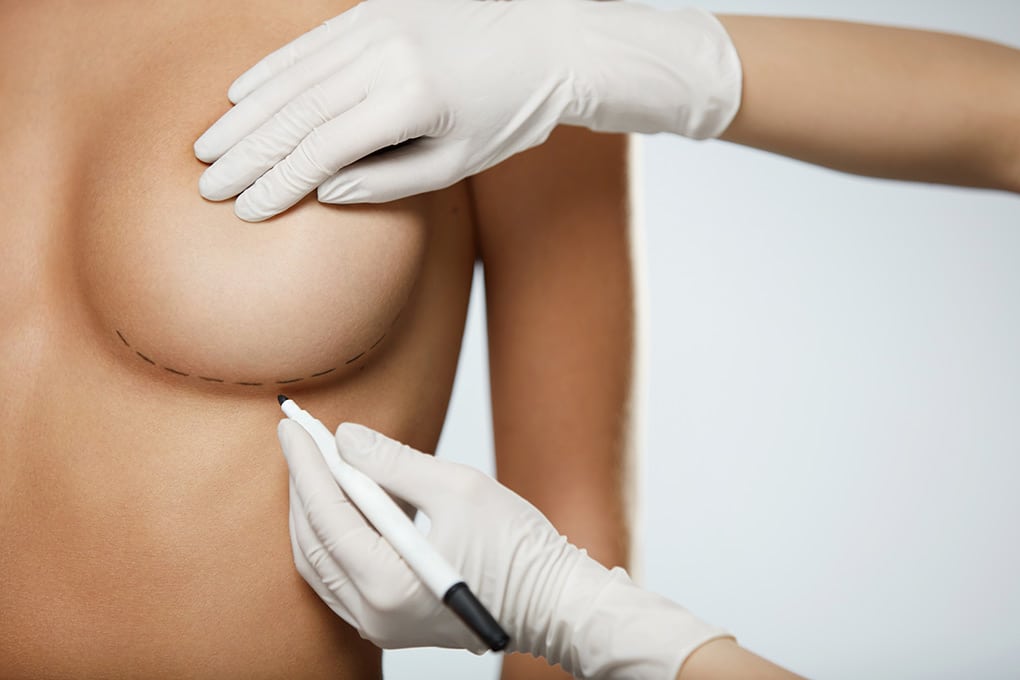
Surgeons mark incision lines before surgery starts. This ensures precision. The marks guide where to cut and remove excess skin during cosmetic surgery to minimize scar and improve the waist.
Making Incisions
The surgeon makes incisions along the marked lines. These cuts allow access to underlying tissues, fat deposits, excess skin, and pockets in the thighs and groin area. Incisions vary based on individual needs.
Fat Removal
Surgeons may remove fat through liposuction techniques. This step reduces bulk in the thighs. It helps achieve a smoother contour.
Skin Tightening
After removing fat, surgeons tighten the remaining skin. They pull it over the newly contoured area. Excess skin gets trimmed away.
Tissue Repositioning
Tissue repositioning is key in thigh lifts. Surgeons adjust muscles, tissues, and excess skin for better shape and support during a thigh lift to improve the waist and minimize scar visibility. This step enhances overall results.
Scars and Their Visibility
Different Types
Thigh lifts come in different types. Each type has unique scar locations. The medial thigh lift targets the inner thighs. It leaves scars along the groin crease. The vertical thigh lift addresses more severe sagging. Its scars run down the inner thighs to the knees, past the waist and excess skin.
Scar Location
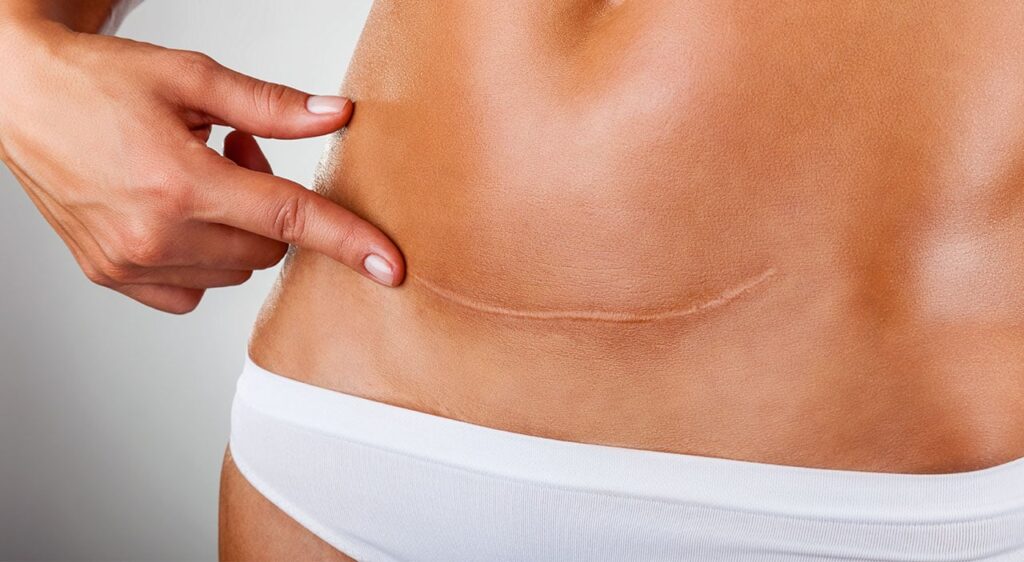
Scars from a thigh lift vary by technique. Medial thigh lifts have scars hidden in the groin area to remove excess skin and fat from the thighs. Vertical thigh lifts have more visible scars on the inner thighs, making them suitable for removing excess fat and skin in an ideal candidate. These scars on the thighs can be long, depending on how much skin and fat is removed.
Realistic Expectations
People should set realistic expectations for scar visibility on the skin post-surgery, especially in the thigh area after a thigh lift. Scars will be permanent, but they fade over time. Initially, they may appear red or raised. Over months, they usually become less noticeable.
Long-Term Appearance
The long-term appearance of scars on the skin depends on several factors, including fat in the thigh area.
Skin type
Healing process
Post-surgery care
e people may develop thicker scars called keloids.
Minimization Techniques
Discuss scar minimization techniques with your surgeon:
Use silicone sheets or gels
Apply sunscreen to protect healing skin
Massage the scar area gently
These methods can help improve the final look of your scars on the skin after a thigh lift.
Post-Surgery Recovery and Care
Immediate Care
Patients may need immediate care after a thigh lift. Some might stay in the hospital overnight. Others might go home the same day. It depends on their condition, the plastic surgeon’s advice, and whether a thigh lift is needed for the skin and fat on their thighs.
Home Instructions
Rest is crucial for recovery. Follow the plastic surgeon’s instructions for home care. Keep the surgical site clean to avoid infection. Avoid strenuous activities to prevent complications.
Pain Management
Expect some pain after surgery. The surgeon will prescribe medication to manage it. Report any severe pain or unusual side effects immediately.
Follow-Up Appointments
Regular follow-up appointments are essential. They help monitor recovery and address concerns. The surgeon will check for proper healing and any signs of complications, including the skin on the thighs for excess fat.
Patient Community Support
Engage with the patient community for support. Many patients share their experiences online. This can provide emotional support and practical tips.
Closing Thoughts
You’ve got the lowdown on preparing for your thigh lift, understanding the surgery, dealing with scars, navigating recovery, and addressing excess skin and fat on your thighs. This journey demands commitment and careful planning. But the payoff? A new level of confidence and comfort in your own skin, free from excess fat with a thigh lift.
Ready to take the plunge? Consult with a certified surgeon to discuss your options. Your future self will thank you for investing in this transformative thigh lift procedure. Don’t wait—start your path to a rejuvenated you today!
Frequently Asked Questions
What should I do to prepare for a thigh lift?
Stop smoking and avoid certain medications. Follow your surgeon’s preoperative instructions closely.
How is the thigh lift surgery performed?
The surgeon makes incisions, removes excess skin and fat, and tightens the remaining tissue during a thigh lift.
Will I have visible scars after a thigh lift?
Yes, but they will fade over time. Surgeons aim to place them in less noticeable areas.
How long does recovery take after a thigh lift?
Recovery typically takes 4-6 weeks. Follow your surgeon’s advice for best results.
What can I expect during post-surgery care?
Rest, avoid strenuous activities, and keep the surgical area clean after your thigh lift to maintain healthy skin and reduce fat. Attend all follow-up appointments.
Are there risks associated with a thigh lift?
Yes, like any surgery, it includes risks such as infection or scarring, especially in procedures like a thigh lift involving skin and fat. Discuss these with your surgeon.
How can I minimize complications after my thigh lift?
Follow all post-operative care instructions carefully. Stay hydrated and maintain a healthy diet.
Rhinoplasty: Stages, Asymmetry & Pain Tips
Understanding Rhinoplasty
Definition
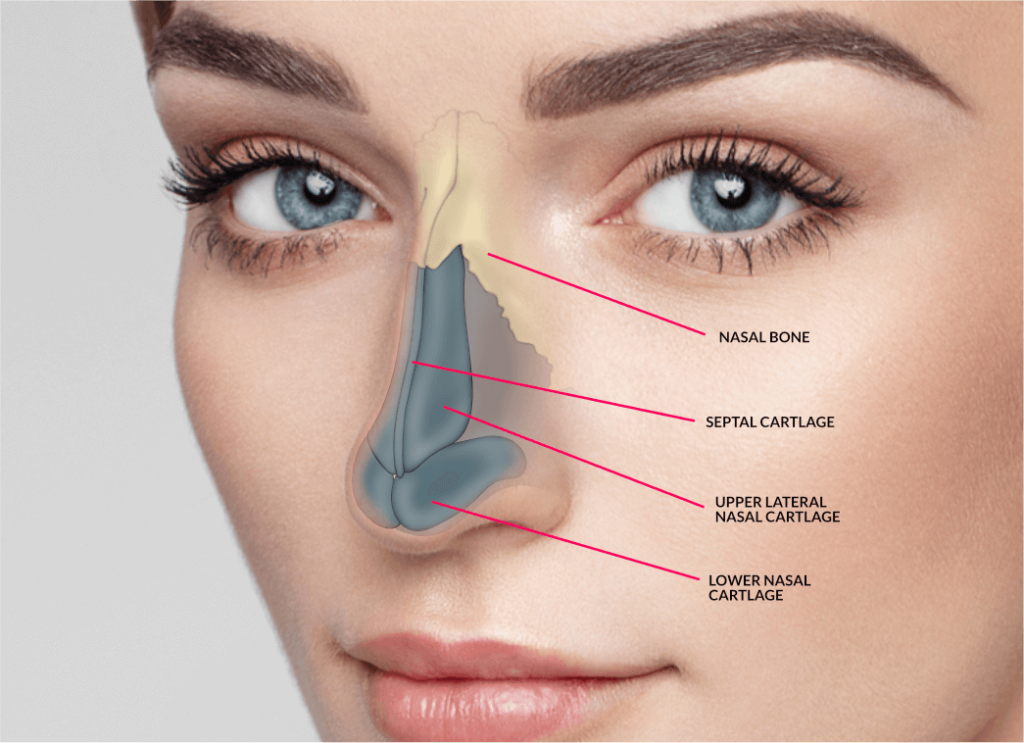
Rhinoplasty, often known as nose surgery, is a procedure to change the shape of the nose and improve nasal function, typically performed by a plastic surgeon. It can be done for cosmetic reasons or to improve nasal function in a rhinoplasty patient. Surgeons perform rhinoplasty, a plastic surgery procedure, to correct deformities with the external nose and internal nasal structures.
Objectives
Rhinoplasty aims to enhance both appearance and function. For cosmetic reasons, rhinoplasty surgery can reshape a nose that a rhinoplasty patient might find too large, too small, or crooked, with the help of a plastic surgeon for nasal correction. Functional improvements focus on correcting breathing problems caused by structural defects like deviated septums or collapsed nasal valves through nose surgery, often using an open rhinoplasty approach.
Open Rhinoplasty Approach
The open rhinoplasty approach involves making an incision across the columella, the tissue between the nostrils, in nose surgery for nasal correction of the human nose. This method provides better visibility of nasal structures. Surgeons prefer this approach for complex rhinoplasty surgery cases requiring significant changes in incision techniques and skin graft.
Realistic Expectations
Patients need realistic expectations about their new nose. While rhinoplasty surgery performed by a plastic surgeon on the human nose can make a significant difference, it cannot create perfection in nasal function. Surgeons discuss potential outcomes, surgery, open rhinoplasty approach, grafts, and complications with patients beforehand to ensure their goals are achievable.
Impact on Facial Symmetry
A well-performed rhinoplasty by a plastic surgeon can greatly improve a patient’s facial symmetry and aesthetics. The human nose plays a crucial role in balancing other facial features, involving the face, bone, and tissue, often addressed through an open rhinoplasty approach. By refining nasal contours through surgery, surgeons help enhance overall facial harmony.
Nasal Splint Use
After surgery, patients typically wear a nasal splint for support during bone and wound healing on the face. The splint helps maintain the new shape of the nose after surgery and protects it from accidental bumps.
Recovery Process
Recovery from rhinoplasty varies but generally takes several weeks. Initial swelling and bruising subside within two weeks. Full results become visible over several months as residual swelling from surgery dissipates.
Before the Surgery
Medical History
A thorough medical history review is crucial. Patients must provide their complete health records. This includes any past surgeries or injuries to the nose, bone, or wound of the patient. Disclosing previous nasal surgeries helps the surgeon plan effectively. It also ensures a safer procedure.
Physical Exam
The surgeon will perform a physical exam. They assess the patient’s facial features, including the nose’s appearance and structure, considering surgery, bone, tissue, and graft. The doctor examines the bridge, alar base, and overall symmetry of the patient’s face for surgery, considering bone structure and potential graft. This step helps in planning the surgery.
Anesthesia Discussion
Patients need to discuss anesthesia options with their surgeon. Most rhinoplasty procedures use general anesthesia. This means patients are fully asleep during surgery. It’s important to understand how anesthesia works during surgery and its potential risks to the patient.
Planning
Planning is an essential part of rhinoplasty preparation. Surgeons outline what changes will be made to the patient’s nose’s structure, including surgery, bone, and graft. They may use imaging tools to show expected results. This helps patients visualize their new appearance after surgery and set realistic expectations.
Risks and Complications
Discussing potential risks and complications with the surgeon regarding surgery is vital for the patient. Rhinoplasty, like any surgery, has inherent risks such as infection, bleeding, or wound complications. Patients should be aware of these possibilities related to bone, wound, and tissue before deciding on surgery.
Contraindications
Certain conditions can make rhinoplasty unsafe for some people. Patients with severe health issues or unrealistic expectations might not be good candidates for this surgery involving wound, bone, or tissue. The surgeon will evaluate these contraindications during consultations.
Forehead Flap Procedure
In some complex cases, surgeons might use a forehead flap technique in surgery for the patient. This surgery involves taking tissue from the forehead to reconstruct parts of the patient’s nose wound. It’s typically used for significant repairs and requires careful planning, much like surgery on a patient with a wound.
During the Procedure
Open vs. Closed Techniques
Rhinoplasty employs two main techniques: open and closed. The open technique involves a wound incision across the columella, the tissue between the nostrils, for the patient. This allows for better visibility of nasal structures. Surgeons can make precise corrections to bone and cartilage. It is ideal for complex cases.
In contrast, the closed technique involves incisions within the patient’s nostrils and results in a wound. This leaves no visible scars on the outside. The recovery time tends to be shorter. However, it offers limited visibility compared to the open approach for the patient and wound. Surgeons use this method for minor adjustments.
Anesthesia Types
Anesthesia plays a crucial role in rhinoplasty. General anesthesia renders patients unconscious during surgery. This ensures they feel no pain or discomfort.
Local anesthesia with IV sedation is another option. Patients remain awake but relaxed and pain-free. They might feel some pressure but not pain.
The choice of anesthesia depends on several factors:
Patient’s health condition
Duration of the procedure
Provider’s recommendation
Both types aim to ensure patient safety and comfort throughout the surgical procedure, including wound management.
Modifying Nasal Structures
Surgeons modify nasal structures using various techniques to achieve desired patient outcomes and manage the wound. They may remove or reshape parts of bone and cartilage in the patient through the wound.
For dorsal hump correction, surgeons shave down excess bone and cartilage on the bridge of the patient’s nose to avoid wound complications. This results in a smoother profile.
To narrow a wide nose, they perform osteotomies. These are controlled fractures that allow repositioning of nasal bones in the patient without creating a wound.
For tip refinement, surgeons adjust cartilage at the patient’s nose tip to improve shape and definition.
Each maneuver aims for functional and aesthetic improvements tailored to individual patient needs.
After the Surgery
Immediate Care
The first few days after rhinoplasty are crucial. The plastic surgeon will provide specific instructions for care. Keep the head elevated to reduce swelling. Apply cold compresses gently around the nose.
Take prescribed medications as directed. Pain relief and antibiotics are common prescriptions. Clean the wound area with a saline solution to prevent infection in the patient.
Managing Emotions
It’s normal for a patient to feel a range of emotions post-surgery. Some may feel anxious or impatient due to swelling and bruising. These feelings usually subside as healing progresses.
Talking to a patient who has undergone similar procedures can be comforting. Support from friends and family is also beneficial.
Avoiding Complications
Follow all post-operative guidelines strictly to avoid complications. Patient, do not blow your nose or engage in strenuous activities for at least two weeks. This helps prevent bleeding and ensures proper healing.
Avoid wearing glasses that rest on the bridge of the nose until cleared by the surgeon, patient. This prevents pressure on the surgical site.
Sun Protection
Protecting your nose from sun exposure is essential after surgery. Use sunscreen with a high SPF when going outside, even on cloudy days. Wear a wide-brimmed hat for additional protection.
Sun exposure can cause discoloration of scars and prolong healing time. Make it a habit to apply sunscreen regularly.
Physical Activity
Refrain from strenuous activities and heavy lifting for several weeks post-surgery. Light walking is generally acceptable but avoid anything that raises blood pressure significantly.
Consult your surgeon before resuming any exercise routines or sports activities. They will provide guidance based on your progress.
Monitoring Healing
Regular follow-up appointments with the plastic surgeon are necessary. They will monitor your healing process and address any concerns you may have.
Look out for signs of infection such as increased redness, swelling, or discharge from the incision site. Report these symptoms immediately to your healthcare provider.
Swelling Stages
Initial Swelling
Swelling begins immediately after rhinoplasty. It peaks within the first 48 hours. The soft tissue envelope around the nose thickens due to fluid accumulation. This stage can make the nose appear larger than expected.
First Week
By the end of the first week, swelling starts to decrease. Patients may notice a reduction in skin thickness and some improvement in appearance. Cold compresses help manage swelling during this period.
Two Weeks
After two weeks, most of the initial swelling subsides. The nose might still look puffy, but changes are more noticeable. Head elevation while sleeping reduces swelling further.
One Month
At one month post-surgery, significant improvements occur. Swelling continues to go down, revealing more defined nasal contours. Skin texture and color start returning to normal.
Three Months
Three months after surgery, swelling is minimal but not fully gone. The nose looks closer to its final shape. Patience remains crucial as minor changes still happen.
Six Months to One Year
Full recovery takes between six months to one year. During this time, residual swelling dissipates completely. Following the surgeon’s advice ensures optimal results.
Asymmetrical Healing
Common Occurrence
Asymmetrical healing is a normal part of the recovery process after rhinoplasty. Swelling and bruising can cause temporary asymmetries in the nose. These differences often appear more noticeable in the early stages of healing.
Patients should understand that their bodies heal at different rates. Each side of the nose may react differently to surgery. This can lead to uneven swelling or minor deformities initially.
Resolving Over Time
Minor asymmetries usually resolve as swelling diminishes. The body gradually reduces inflammation, leading to a more balanced appearance.
It is important for patients to be patient during this time. Swelling can take several weeks or even months to fully subside. The final aesthetic outcome will become clearer over time.
Follow-Up Appointments
Regular follow-up appointments are crucial for monitoring healing progress. Surgeons can assess any concerns and ensure proper recovery.
During these visits, doctors can provide reassurance and guidance. They might also recommend treatments if necessary, such as massages or medication to reduce swelling.
Addressing Concerns
If significant asymmetry persists, surgeons may consider additional procedures. Cartilage grafts or adjustments might be needed to correct deformities.
Surgeons often use septal cartilage for grafts due to its strength and compatibility. Cartilage harvesting from other areas might be an option too.
Emotional Impact
Asymmetrical healing can affect patients emotionally. Some may experience anxiety or frustration during recovery.
It’s important for patients to communicate their feelings with their surgeon. Open dialogue helps manage expectations and provides emotional support.
Body dysmorphic disorder (BDD) could also play a role in how patients perceive their results. Patients with BDD may focus excessively on minor flaws, causing distress.
Managing Pain
Typical Pain Levels
Most patients experience mild to moderate pain after rhinoplasty. This discomfort is normal and can last several days. Swelling and bruising might also occur, adding to the sensation of pain.
Effective Strategies
Several strategies help manage post-rhinoplasty pain effectively:
Local anesthesia during surgery reduces initial pain.
Ice packs minimize swelling and numb the area.
Keeping the head elevated aids in reducing discomfort.
Medications
Over-the-counter medications like acetaminophen or ibuprofen are often recommended. These help alleviate mild pain and reduce inflammation. For more severe pain, surgeons might prescribe stronger medications such as opioids.
Communication with Surgical Team
Patients should report any severe or persistent pain immediately. Open communication ensures proper management and prevents complications. Surgeons can adjust treatment plans based on individual needs.
Importance of Care
Proper care post-surgery is crucial for recovery. Following the surgeon’s advice on medication, rest, and activity levels enhances healing. Avoid strenuous activities to prevent increased pain or injury.
When to Seek Help
Signs of Infection
Watch for signs of infection after rhynoplasty. Redness, swelling, or warmth around the surgical site can indicate an infection. Fever above 100.4°F (38°C) also suggests complications. Pus or unusual drainage from the nose is a serious sign.
Seek immediate help if these symptoms appear. Early intervention prevents further health issues.
Complications and Risks
Complications may arise post-surgery. Difficulty breathing through the nose is one such issue. Persistent pain that doesn’t improve with medication is another concern. Changes in vision or severe headaches require prompt attention.
In rare cases, complications can be severe. Contact your health care provider if you notice any unusual symptoms.
Post-Operative Check-Ups
Adhering to post-operative check-ups is crucial. These visits allow timely intervention if problems occur. Your surgeon will assess healing progress and address concerns.
Regular follow-ups help detect issues early on. Staying vigilant ensures a smoother recovery process.
Emotional Support
Seeking mental health support post-surgery is normal. Many people experience emotional challenges during recovery. Feelings of anxiety or depression are common but manageable with professional help.
Talking to a therapist can provide coping strategies. Emotional well-being is as important as physical recovery.
Changes in Tip Area
Changes in the tip area of the nose might cause concern. Swelling and bruising are typical but should gradually decrease over time. If swelling persists beyond a few weeks, consult your surgeon.
Any changes in shape or symmetry need evaluation too. Early detection helps address potential problems effectively.
Summary
Rhinoplasty is a transformative journey, from pre-surgery prep to post-op care. Understanding each stage helps manage expectations and ensures a smoother recovery. You’ve learned about the procedure, swelling stages, asymmetrical healing, pain management, and when to seek help.
Ready to take the next step? Consult with a qualified surgeon to discuss your goals and concerns. Your new look awaits! Stay informed and proactive for the best results. If you found this guide helpful, share it with others considering rhinoplasty.
Frequently Asked Questions
What is rhinoplasty?
Rhinoplasty, commonly known as a nose job, is a surgical procedure to change the shape or improve the function of the nose.
How should I prepare for rhinoplasty?
Avoid smoking and certain medications before surgery. Follow your surgeon’s pre-operative instructions closely for best results.
What happens during the rhinoplasty procedure?
The surgeon reshapes the bone and cartilage in your nose while you are under anesthesia. The procedure typically lasts 1-2 hours.
How long does swelling last after rhinoplasty?
Swelling can last several weeks, with noticeable reduction within 3-4 weeks. Complete healing may take up to a year.
Is asymmetrical healing normal after rhinoplasty?
Yes, it’s common for each side of the nose to heal at different rates. Patience is key during recovery.
How can I manage pain after rhinoplasty?
Use prescribed pain medications and follow your doctor’s advice on cold compresses. Keep your head elevated to reduce discomfort.
When should I seek help after rhinoplasty?
Contact your doctor if you experience severe pain, excessive bleeding, or signs of infection like fever or unusual discharge.
Rhinoplasty African American: Key Insights & Swift Recovery
Understanding African American Rhinoplasty
Ethnic Preservation
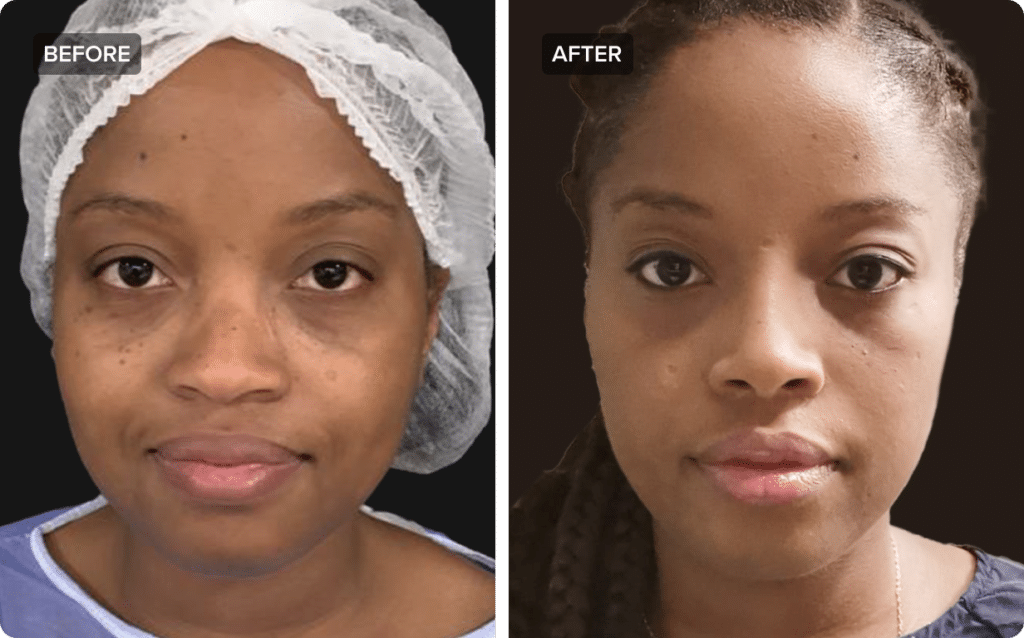
African American rhinoplasty is a specialized procedure. It aims to refine the nose’s appearance through a rhinoplasty procedure, a type of cosmetic surgery, while maintaining the patient’s ethnic identity and catering to rhinoplasty patients’ needs. You can see rhinoplastybeforeandafter results to understand the potential outcomes. Surgeons, specializing in cosmetic surgery such as facial plastic and nostril surgery, focus on enhancing aesthetics or improving functionality without erasing characteristic features.
This approach requires a deep understanding of diverse nasal structures, including nose jobs, nostrilsurgery, short nose, and rhinoplasty patients. It emphasizes the importance of preserving cultural heritage through subtle changes, blending aesthetics, various approaches, and natural wins to instill a sense of continuity. The goal is to achieve a balanced, symmetry-focused, and natural-looking outcome that complements the individual’s facial features, enhancing aesthetics and achieving #nosegoals, evident in #rhinoplastybeforeandafter.
Unique Characteristics
The noses of African American individuals, a specific population, often have distinct traits, inspiring #nosegoals and leading to searches for #rhinoplastybeforeandafter and #nostrilsurgery results. These include a wider base, thicker skin, and softer cartilage for rhinoplastybeforeandafter, especially in cases of a short nose, as detailed in the bio and fig sections. Such features demand customized surgical techniques for optimal results.
Surgeons must exercise precision and creativity during the operation. They tailor their various approaches to address these unique aspects, including technical challenges and educational purposes, effectively for natural wins. This ensures enhancements, such as nostril surgery for a short nose, are in harmony with the patient’s overall facial structure, as seen in rhinoplasty before and after photos by the cosmetic surgeon.
Consultation Importance
A thorough consultation with a cosmetic surgeon is crucial before undergoing African American rhinoplasty, focusing on nostril surgery and adjustments for a short nose, to review rhinoplastybeforeandafter results. Here, patients discuss their aesthetic goals, including nose goals and concerns such as nostril surgery, with their cosmetic surgeon, often reviewing rhinoplasty before and after.
This step helps establish realistic expectations of possible outcomes and aligns the procedure with the patient’s desires through educational purposes, considering various approaches. It also allows for an assessment of how various approaches to changes to the nose might affect facial balance and harmony, considering the bio aspects and possible outcomes for the patient.
Unique Features of African American Noses
Ethnic Traits
African American noses often showcase distinctive ethnic features. These include low nasal bridges, short nose, and wide tips, which are prominent among many individuals, linking patient and person characteristics. Such traits reflect the rich ethnic heritage and diversity within the African American community.
Surgeons must recognize these characteristics for successful rhinoplasty outcomes. They tailor their techniques to preserve or enhance these unique features, such as a short nose, respecting the person’s ethnic background and dm.
Ancestral Variability
The shape and size of African American noses vary widely. This is due to diverse ancestral origins that influence facial features. Some individuals, including patients, may have a short nose, while others, or another person, exhibit broader nostrils.
This variability challenges surgeons to adopt flexible surgical approaches. They must adjust their methods based on each patient’s specific nasal structure and desired results.
Surgical Considerations
Understanding the unique aspects of African American noses is crucial for surgeons treating these patients. It ensures that procedures respect patients’ ethnic heritage while meeting their aesthetic goals.
Surgeons who specialize in rhinoplasty for African Americans often undergo additional training. This training focuses on techniques that address the common traits of low nasal bridges and wide tips without compromising the ability to breathe or smell.
Ideal Candidates for the Procedure
Ethnic Identity
Individuals seeking to enhance their nasal features while preserving their ethnic identity make ideal candidates. These patients often desire changes that respect the unique characteristics of African American noses discussed earlier. A tailored approach ensures the preservation of natural beauty.
Patients should express clear goals during consultations. They aim for a balanced and harmonious look rather than adopting features inconsistent with their heritage. This nuanced understanding of beauty standards is crucial.
Realistic Expectations
Candidates must have realistic expectations about the outcomes of rhinoplasty. Understanding that the procedure aims to improve, not perfect, nasal appearance is vital.
They should recognize that results vary due to factors like skin thickness and facial structure. Doctors emphasize this during pre-surgery discussions to align patient expectations with achievable results.
Overall Health
Good health is essential for anyone considering rhinoplasty. Patients free from serious medical conditions face fewer risks during and after surgery. They also tend to recover more quickly.
A comprehensive medical review helps identify any potential issues. The doctor will assess if the patient’s health status supports a safe surgical process.
Detailed Consultation
The role of detailed consultations cannot be overstated. These sessions offer a platform for discussing individual needs and expectations. They also allow the surgeon to tailor the surgery to each person’s unique facial features.
During these meetings, patients learn about different types of procedures available. They explore options ranging from subtle refinements to more significant alterations in size and shape.
Preparing for Rhinoplasty
Quit Smoking
Quitting smoking is crucial before undergoing a rhinoplasty procedure. Smoking can hinder healing, increasing the risk of complications. Patients should stop smoking at least four weeks before and after surgery. This ensures better blood flow and facial harmony post-surgery.
Medication Adjustments
Before rhinoplasty, certain medications must be avoided. Aspirin, ibuprofen, and other blood thinners can increase bleeding risks. It’s essential to discuss all medications with your rhinoplasty surgeon during pre-operative consultations. They will advise which ones to pause or substitute.
Consultation Importance
Pre-operative consultations are key to a successful rhinoplasty. They allow patients to ask questions and finalize surgical plans. During these sessions, surgeons assess the nasal anatomy and discuss how changes will enhance facial balance. Realistic expectations are set here.
Surgeons use this time to explain the procedure details, from altering nasal bones to nostril surgery adjustments. They may also show rhinoplastybeforeandafter photos of similar cases to illustrate potential outcomes.
Support Systems
Arranging for post-surgery support is vital for a smooth recovery. Patients need someone to drive them home after the procedure and assist during the first few days when mobility might be limited. Having a support system in place helps manage daily tasks while focusing on recovery.
Recovery Planning
Planning for recovery time is an integral part of preparing for nose jobs. Most patients need one to two weeks off work or school for initial healing. Setting up a comfortable recovery area at home, with essentials within easy reach, aids in stress-free recuperation.
Creating a recovery timeline with your surgeon helps manage expectations about swelling reduction and seeing final results. Remember, full nasal shape settling can take up to a year.
The Surgical Approach
Customization Techniques
Surgeons use various approaches to address the unique features of African American noses. They often focus on creating symmetry and enhancing aesthetics without losing cultural identity.
Customization in rhinoplasty is crucial. Surgeons might narrow a wide nasal tip or elevate a low bridge. Each procedure is tailored, considering the patient’s facial structure and desired outcome. This approach ensures results look natural and harmonious with other facial features.
Skilled Surgeons
Choosing a skilled cosmetic surgeon is vital. Experts in ethnic rhinoplasty understand the importance of maintaining the patient’s ethnic characteristics while improving nasal aesthetics.
The right surgeon makes all the difference. They have a deep understanding of variations in nasal anatomy across different ethnicities. Their expertise minimizes complications and achieves results that patients love. It’s essential to select a surgeon with a proven track record in performing successful African American rhinoplasty surgeries.
Grafting Techniques
Grafting plays a key role in building up nasal structures. Surgeons may use cartilage from other areas of the body to enhance the nose’s shape and function.
This technique is particularly useful for patients needing more prominent changes, such as increasing bridge height or tip projection. Grafting ensures the nose has enough structural support for both aesthetic improvement and proper breathing function.
Recovery Process Insights
Initial Weeks
The first few weeks post-rhinoplasty are crucial for African American patients. They must focus on rest and adhere to their surgeon’s advice. Swelling and bruising around the nose and eyes are common during this period.
Patients can typically return to work within two weeks. However, they should avoid strenuous activities that could impact their recovery. Following the surgical approach discussed earlier, it’s important to keep the head elevated even while sleeping to reduce swelling.
Post-Operative Care
Proper care is essential to ensure a smooth recovery. Patients should use cold compresses to help minimize swelling. It’s also vital to stay hydrated and maintain a healthy diet.
Regular follow-ups with the surgeon allow for monitoring of the healing process. These appointments are opportunities to address any concerns and ensure the recovery is on track.
Long-Term Healing
Swelling subsides gradually over several months, revealing the final shape of the nose. This slow progression underscores the importance of patience throughout the recovery process.
African American patients might notice significant changes in their nasal contour as healing progresses. The true outcome of rhinoplasty becomes evident after a year when all swelling has resolved.
Managing Post-Surgery Pain
Pain Levels
After undergoing rhinoplasty, patients can expect varying degrees of discomfort. The intensity often depends on the individual’s pain tolerance and the extent of the procedure.
Most report the pain as manageable, especially with proper medication. It’s crucial to communicate with your surgeon about any severe discomfort. They understand your situation best and can offer tailored advice.
Medication Tips
Doctors usually prescribe pain relievers post-surgery. These could be over-the-counter or stronger prescription drugs, depending on your needs.
It’s important to follow the prescribed dosage strictly. Overuse can lead to complications, while underuse might not effectively manage your pain. Always consult your surgeon if you’re unsure about your medication.
Minimizing Discomfort
Adhering to post-operative instructions is key to reducing pain and speeding up recovery. These guidelines often include:
Keeping your head elevated
Avoiding strenuous activities
Applying cold compresses to reduce swelling and bruising
Following these steps diligently can significantly ease post-surgery discomfort.
Bruising Care
Bruising around the nose and eyes is common after rhinoplasty, especially in sensitive skin types like those in African American patients. While this is a temporary side effect, managing it properly can help minimize discomfort.
Gentle cooling of the affected areas helps reduce swelling and bruising, making recovery more comfortable. However, avoid direct ice contact on the skin; use a cloth barrier instead.
Expectations and Results
Realistic Goals
Setting realistic expectations is crucial for anyone considering rhinoplasty, especially within the African American community. It’s important to understand that the goal is to enhance facial harmony and create balance, not to achieve perfection. Surgeons can tailor procedures to respect and preserve ethnic characteristics while improving overall appearance.
Patients should engage in detailed discussions with their surgeons about their goals. These conversations help align expectations with what is surgically possible. Achieving a natural look that complements one’s ethnic features often stands as the ultimate goal.
Recovery Timeline
Understanding the recovery timeline is essential for setting appropriate expectations for the final results of African American rhinoplasty. Initially, swelling and changes may obscure the surgery’s outcome.
It typically takes several weeks for most of the swelling to subside. However, it can take up to a year for all minor swelling to resolve and reveal the final shape of the nose. Patience during this period is key, as gradual improvements become noticeable over time.
Enhanced Confidence
Post-recovery, many individuals experience a significant boost in self-confidence and satisfaction with their appearance. This emotional uplift comes from achieving a more balanced and harmonious look that aligns with their aesthetic goals.
The positive impact on self-esteem cannot be overstated. Feeling good about one’s appearance often translates into improved social interactions and personal well-being. It’s important for patients to focus on these potential outcomes when navigating post-surgery recovery.
Potential Risks
Like any surgical procedure, rhinoplasty carries certain risks. Patients should have a thorough understanding of these before proceeding. Common risks include infection, bleeding, or dissatisfaction with the cosmetic results.
Choosing an experienced surgeon who specializes in rhinoplasty for African American patients can minimize these risks. A skilled surgeon will also set clear, achievable goals based on individual facial structures and skin types.
FAQs Addressed
Safety Concerns
Safety is a top priority for anyone considering rhinoplasty, especially within the African American community. Technical challenges are present but manageable with the right expertise. It’s crucial to discuss all concerns with your surgeon before proceeding.
Patients often worry about complications such as infection or prolonged swelling. However, choosing a surgeon with a solid track record significantly reduces these risks. They should offer a comprehensive disclaimer about all potential risks during your initial consultation.
Ethnic Identity
Maintaining one’s ethnic identity post-rhinoplasty is a common concern among African American patients. It’s important to understand that skilled surgeons strive to enhance facial features while preserving ethnic characteristics.
Misconceptions about losing one’s cultural identity through surgery are widespread. Yet, the goal is always to achieve balance and harmony without erasing heritage. Surgeons use techniques tailored to maintain the unique structures of African American noses, ensuring results are natural and culturally respectful.
Surgeon Selection
Choosing the right surgeon for an African American rhinoplasty goes beyond just looking at their bio or case studies. It involves understanding their approach to preserving ethnic aesthetics while achieving desired outcomes.
Experience matters greatly in this field. Look for surgeons who have specifically worked with African American patients and can show before-and-after photos that demonstrate their ability to maintain ethnic integrity.
Questions to ask during your consultation might include:
How many African American rhinoplasties have you performed?
Can you provide examples of results that maintain ethnic features?
What techniques do you use to ensure natural-looking results?
These questions help gauge a surgeon’s understanding of the nuances involved in ethnic rhinoplasties.
Closing Thoughts
Embarking on the journey of African American rhinoplasty is a step towards embracing your unique beauty while addressing any functional or aesthetic concerns you might have. This procedure, tailored to the distinctive features of African American noses, ensures that your results are harmonious and natural-looking. From understanding the nuances of the procedure to navigating through recovery, we’ve covered what you need to know to make informed decisions. Remember, choosing a skilled surgeon who respects and understands your aesthetic goals is key.
Now’s the time to take action. If you’ve been considering rhinoplasty, let this be your nudge towards consulting with a specialist. Dive deeper into your options, ask questions, and explore how you can achieve the balance and confidence you deserve. Your journey to refinement and self-assurance starts here. Let’s make it happen.
Frequently Asked Questions
How long does recovery from African American rhinoplasty take?
Recovery typically spans 1-2 weeks for initial healing, with full results visible after a few months as swelling fully subsides.
Is African American rhinoplasty different from other types of rhinoplasty?
Yes, it addresses unique structural features and aesthetic goals specific to African American noses, requiring specialized techniques.
What risks are associated with African American rhinoplasty?
Risks include infection, bleeding, scarring, and dissatisfaction with the outcome. Choosing a skilled surgeon minimizes these risks.
Can African American rhinoplasty change my nose’s natural look?
The procedure aims to enhance your nose’s appearance while preserving its natural character and harmony with your facial features.
How do I know if I’m an ideal candidate for African American rhinoplasty?
Ideal candidates are in good health, have realistic expectations, and seek improvement for breathing or cosmetic concerns specific to their nose’s structure.
What should I expect during the consultation for African American rhinoplasty?
Expect a thorough discussion about your goals, an examination of your nose, and personalized advice on achieving optimal results.
How can I manage pain after my African American rhinoplasty surgery?
Pain is typically managed with prescribed medications and following post-operative care instructions closely to ensure a smooth recovery.
Abdominoplasty with Lipo 360: The Ultimate Body Sculpt
Exploring Lipo 360
Comprehensive Approach
Lipo 360 stands as a holistic liposuction technique. It targets the abdomen, hips, flanks, and back. This method ensures a contoured appearance by tackling excess fatty tissue from all angles, focusing on the entire midsection, including the abdominal area, through a precise incision.
Doctors design Lipo 360 to sculpt the body, targeting stubborn belly fat and other stubborn fat deposits, into a more harmonious silhouette, often as a large weight loss description. They remove fat circumferentially, enhancing the natural curves. This approach differs significantly from traditional liposuction. The latter focuses on isolated areas.
Ideal Candidates
Not everyone is a fit for Lipo 360. It best serves those seeking circumferential body reshaping. People with localized fat pockets, particularly in areas like the waist where fatty tissue might not respond to large weight loss efforts or those with a high weight, might not find this method suitable.
Candidates should have realistic expectations about the outcomes. They must understand that Lipo 360 is for contouring, not weight loss, specifically targeting stubborn belly fat, stubborn fat deposits, and the waist. A good candidate typically has stable weight and height but struggles with stubborn fat areas around the waist, with less risk of complications.
Procedure Insights
The procedure begins with the surgeon marking the targeted areas for fat deposits removal on the waist, considering age-related complications. They then use a cannula to dislodge and suction out fat. This process requires precision to ensure an even removal of fat deposits across all sections at the waist height.
Surgeons often address muscle laxity during Lipo 360 surgeries. They may tighten muscles for added contouring benefits. This dual action enhances the overall aesthetic result, offering a more defined midsection by targeting fat deposits around the waist, as per the description, regardless of height.
Recovery and Results
Recovery varies among patients but generally spans a few weeks. Swelling and bruising are common but subside over time. Following post-operative instructions closely aids in a smoother recovery.
Results from Lipo 360 can be dramatically transformative. Patients notice a more sculpted body shape once swelling reduces. These outcomes become more pronounced as the body heals fully.
Understanding Tummy Tuck
Surgical Procedure
A tummy tuck, medically known as abdominoplasty, is a surgical procedure designed to enhance the abdominal area’s appearance. It involves the removal of excess skin and fat from the abdomen. This process helps achieve a flatter and more toned stomach. The procedure is particularly beneficial for those with loose or sagging abdominal skin, often resulting from pregnancy or significant weight loss.
The surgery begins with an incision just above the pubic area. The surgeon then removes unwanted skin and fat and tightens the muscles of the abdominal wall. This step is crucial for restoring the abdomen’s firmness.
Tummy Tuck vs. 360
While a standard tummy tuck focuses on the front part of the abdomen, a tummy tuck 360 goes further. It includes additional liposuction on the flanks and back. This comprehensive approach ensures a more uniform contouring around the entire midsection.
The tummy tuck 360 differs significantly because it addresses not just the abdomen but also areas that are often overlooked, such as the sides and back. By doing so, it provides a more holistic improvement in body shape.
Benefits
Undergoing a tummy tuck can offer numerous benefits beyond just aesthetic enhancement. For individuals who have experienced massive weight loss or women post-pregnancy, this procedure can be life-changing.
Restores abdominal firmness: Tightening loose muscles helps in regaining an abdominal structure that might have been lost.
Improves body contour: Removing excess skin and fat leads to a more defined and appealing body silhouette.
Boosts self-confidence: Achieving a flatter stomach can significantly improve how individuals feel about their bodies.
These benefits highlight why abdominoplasty remains one of the most sought-after cosmetic surgeries today.
Lipo 360 vs Tummy Tuck
Focus Differences
Lipo 360 targets fat around the midsection. It removes unwanted fat, enhancing body contour. Unlike a tummy tuck, it doesn’t remove excess skin or tighten muscles.
A tummy tuck focuses on eliminating loose skin and tightening abdominal muscles. This procedure is ideal for individuals with sagging tissues after weight loss or childbirth.
Ideal Candidates
For those primarily concerned with fat accumulation without significant skin laxity, Lipo 360 is often recommended. It suits individuals close to their ideal body weight but struggling with stubborn fat pockets.
Conversely, a tummy tuck is best for people with excess abdominal skin or weakened muscles. Often, these issues are beyond what diet and exercise can resolve.
Combined Approach
Combining both procedures offers comprehensive results. This approach addresses both excess fat and skin, providing a more dramatic transformation.
Candidates for combined therapy typically seek not only fat removal but also desire a firmer, flatter abdomen. Their goals align with the benefits of both Lipo 360 and a tummy tuck.
Benefits of Each Procedure
Lipo 360 Advantages
Lipo 360 offers a comprehensive approach to body contouring. It targets multiple areas for a more balanced figure. Patients see an improved body contour and proportionality. This method especially enhances the waistline, offering a more defined shape.
The procedure uses general anesthesia, ensuring comfort throughout. The incisions are strategically placed for minimal visibility. Recovery times vary but the results can be long-lasting with proper care.
Tummy Tuck Perks
A tummy tuck, or abdominoplasty, creates a smoother, firmer abdominal profile. It effectively removes excess skin and fat. This process can also eliminate stretch marks in the treated area, improving skin appearance.
The procedure requires general anesthesia and involves an incision along the lower abdomen. The recovery period is longer than Lipo 360 but the outcomes are transformative. Patients often report significant boosts in confidence post-recovery.
Psychological Benefits
Both procedures offer notable psychological improvements. Achieving a desired physical appearance often leads to increased self-esteem and body confidence. These changes can significantly impact one’s lifestyle choices and overall happiness.
Patients frequently experience a renewed motivation for maintaining their health and fitness levels post-surgery. This shift towards healthier living contributes to the longevity of the surgical results.
Combining Lipo 360 and Tummy Tuck
Optimal Contouring
Combining Lipo 360 with a tummy tuck offers a holistic approach to body contouring. This method targets both excess fat and loose skin, providing patients with comprehensive results. Unlike separate procedures that address individual areas, this combination ensures a harmonious body shape.
Patients benefit from reduced recovery time compared to undergoing two separate surgeries. They experience a significant transformation, often leading to improved self-esteem and comfort in their bodies.
Tailored Solutions
Consultation with a board-certified surgeon is crucial for tailoring the procedure. Every patient has unique needs and aesthetic goals. A skilled surgeon can develop a personalized plan that aligns with these objectives.
The consultation allows for discussing expectations, potential outcomes, and any concerns. It’s during this time that the surgeon evaluates the patient’s health status and decides on the best approach for combining these procedures.
Comprehensive Approach
The combination of Lipo 360 and a tummy tuck addresses multiple areas of concern in one go. Lipo 360 removes excess fat from the abdomen, hips, waist, and back, while the tummy tuck eliminates loose skin and tightens abdominal muscles.
This dual approach not only sculpts the body but also enhances muscle definition. Patients enjoy a more youthful appearance with smoother contours and a firmer midsection.
Optimal Results
Achieving optimal results requires following pre- and post-operative instructions closely. Proper care accelerates healing and minimizes complications. Patients should maintain realistic expectations throughout the recovery process.
The final outcome reveals within several months as swelling subsides. Most patients report high satisfaction rates, noting improvements not just in appearance but also in how they feel physically.
Risks and Recovery
Common Risks
Patients considering abdominoplasty with Lipo 360 should be aware of the potential risks involved. Infection, scarring, and complications from anesthesia are among the most common concerns.
Infections can delay healing, requiring additional medical intervention. Scarring is inevitable, but its severity varies among individuals. Anesthesia-related complications, though rare, can be serious. These risks underscore the importance of choosing a qualified surgeon.
Recovery Timeline
The recovery timeline for these procedures is crucial for patients to understand. Typically, full recovery from abdominoplasty takes about six weeks, while Lipo 360 may have a slightly shorter timeline.
During the first two weeks, patients might experience swelling and discomfort. By following post-operative care instructions closely, they can ensure optimal healing. This includes avoiding strenuous activities and wearing compression garments as advised.
Post-Operative Care
Adherence to post-operative care instructions plays a pivotal role in recovery and achieving desired results. Patients should attend all follow-up appointments and report any concerns immediately.
Activities such as lifting heavy objects or engaging in high-impact exercises should be avoided until cleared by the surgeon. Proper wound care and maintaining a healthy diet also facilitate smoother recovery.
Realistic Expectations
Setting realistic expectations is essential for patient satisfaction post-surgery. Results from abdominoplasty and Lipo 360 are not immediate. Swelling may obscure the final outcome for several months.
Patients must be patient and maintain a positive outlook throughout the recovery process. Before-and-after photos can offer encouragement but remember that each body heals differently.
Cost Considerations
Surgeon Fees
Surgeon fees significantly influence the cost of abdominoplasty with Lipo 360. These fees vary based on the surgeon’s experience and reputation. Highly skilled surgeons often charge more for their services. Patients must research to find a balance between cost and expertise.
Choosing a qualified surgeon ensures safety and satisfaction. It’s crucial to prioritize skill over cost.
Facility Costs
Facility costs add another layer to the overall expense. These costs cover the operating room, anesthesia, and post-operative care. Facilities in metropolitan areas usually charge more due to higher operational costs.
Patients should inquire about all associated facility costs upfront. This helps in planning the financial aspect of the procedure.
Geographical Location
The geographical location plays a pivotal role in determining the cost of these procedures. Prices tend to be higher in urban centers compared to rural areas due to demand and cost of living differences.
Understanding regional price variations can guide patients towards more affordable options without compromising quality.
Combined Procedure Impact
Combining Lipo 360 with a tummy tuck often results in higher costs due to the complexity and length of surgery. However, this approach can offer comprehensive results, addressing both excess fat and skin in one go.
Patients should consider the long-term value of combining these procedures against the initial investment.
Financial Planning
Planning for such a significant financial undertaking involves exploring various payment options and possibly financing plans offered by surgical centers or third-party creditors. Some surgeons offer package deals or discounts for multiple procedures, which can ease the financial burden.
It’s wise for patients to thoroughly discuss all available financial plans with their chosen surgical center.
Achieving Ideal Body Shape
Realistic Expectations
Realistic goals are crucial when considering abdominoplasty with Lipo 360. These procedures can remove stubborn belly fat, tighten loose skin, and enhance body contour. However, they’re not a one-size-fits-all solution for weight loss. Patients should aim for a shape that’s in harmony with their overall health and proportions.
Understanding the potential of these surgeries helps set achievable targets. They excel at addressing areas resistant to diet and exercise, such as the waist, hips, and abdomen. Yet, the key is aligning expectations with what’s surgically possible.
Stable Weight Post-Surgery
Maintaining a stable weight after surgery is essential. Significant weight fluctuations can undermine the results of both Lipo 360 and tummy tuck procedures. After achieving dramatic body aesthetics, it’s vital to avoid high weight gain or loss to preserve the new contour.
This stability ensures the longevity of the desired body shape. It prevents the return of excess fat deposits and keeps skin from stretching out again. For many, this might mean adopting new habits or modifying existing ones.
Holistic Approach
A holistic approach to body shaping extends beyond surgical interventions. Diet and exercise play pivotal roles in maintaining results post-surgery. Incorporating healthy eating habits supports overall well-being and aids in managing weight effectively.
Regular physical activity strengthens muscles under the treated areas, enhancing contours further. It also boosts mood and energy levels, contributing to a positive outlook on life. Lifestyle changes are not just recommendations; they’re integral parts of sustaining your new figure.
Final Remarks
Choosing between Lipo 360 and a tummy tuck, or even deciding to combine them, is a big step towards your ideal body shape. We’ve walked you through each procedure, their benefits, the risks involved, recovery expectations, and cost considerations. This knowledge arms you with the confidence to make an informed decision that aligns with your body goals. Remember, achieving your dream look is possible with the right approach and expert care.
Your journey doesn’t have to be daunting. With a clear understanding of what each surgery entails and how they can complement each other, you’re now better positioned to discuss your options with a certified plastic surgeon. Take this step towards transforming your body and boosting your confidence. Reach out to a professional today and start your path to the physique you’ve always wanted.
Frequently Asked Questions
What is Lipo 360?
Lipo 360 refers to a comprehensive liposuction procedure that targets the entire midsection, including the abdomen, waist, flanks, and back, for a fully contoured look.
How does a Tummy Tuck differ from Lipo 360?
A Tummy Tuck, or abdominoplasty, removes excess skin and tightens abdominal muscles for a firmer belly, unlike Lipo 360 which focuses on fat removal around the midsection.
Can Lipo 360 and Tummy Tuck be combined?
Yes, combining Lipo 360 with a Tummy Tuck can address both excess fat and skin, offering a more dramatic transformation than either procedure alone.
What are the benefits of combining these procedures?
Combining these procedures can enhance body contouring results by removing unwanted fat, tightening loose skin, and strengthening abdominal muscles for an improved overall shape.
What are the risks associated with these surgeries?
Risks include infection, bleeding, scarring, and variations in sensation. However, choosing a qualified surgeon minimizes these risks significantly.
How long is recovery after undergoing both procedures?
Recovery typically lasts several weeks. Most patients resume light activities within 2-3 weeks but may need up to 6 weeks for full recovery.
Are there cost benefits to combining Lipo 360 with a Tummy Tuck?
Combining procedures can be more cost-effective than having them separately due to reduced anesthesia and facility fees.
Russian Lip Technique vs Traditional Fillers: What You Need to Know
Understanding Lip Enhancement
Popularity Surge
The desire for fuller, more defined lips, a perfect pout, and a reduction in smile lines and cheek volume has skyrocketed in recent years, often leading to treatments like botox. Social media and celebrity influence have played significant roles. They’ve transformed lip enhancement, with botox and rejuvenation techniques by an aesthetic injector, from a niche procedure into a widespread beauty trend emphasizing a natural appearance.
Individuals now seek these treatments, including dermal fillers and the botox lip flip, not just for volume but for symmetry, shape, and a natural appearance, often administered by a skilled aesthetic injector. This demand has led to innovations in cosmetic procedures, making lip enhancements more accessible and varied, with options ranging from dermal fillers and botox to skilled aesthetic injector techniques that improve the skin.
Techniques Variety
A range of techniques, including botox, dermal filler, and targeting fine lines, caters to the diverse needs and preferences of those looking to enhance their lips through an aesthetic injector. Temporary dermal fillers, such as hyaluronic acid, administered by an aesthetic injector, are popular among patients for their immediate results and minimal downtime, including procedures like the botox lip flip. These dermal fillers, administered by an aesthetic injector, can last from six months to a year, offering a reversible option for those unsure about permanent changes, including procedures like the botox lip flip for patients.
Permanent solutions include fat grafting and lip implants. These methods provide long-lasting results but come with higher risks and longer recovery periods. Each technique has its unique set of benefits and considerations, making it crucial for individuals to research and consult with professionals before deciding.
Safety First
Choosing a safe and suitable method is paramount in lip enhancement procedures, with an aesthetic injector using dermal fillers. The allure of achieving the perfect pout with lip injectors should never compromise safety or health. It’s essential to select a qualified and experienced injector who can offer professional advice tailored to individual lip needs and expectations.
Understanding the potential risks and side effects associated with each technique is also crucial. This knowledge ensures that individuals make informed decisions that align with their aesthetic goals while prioritizing their well-being.
Russian Lip Technique Unveiled
Method Focus
The Russian lip technique prioritizes shape and contour over mere volume. This approach diverges from traditional lip fillers that often aim for fuller lips without considering the overall facial harmony.
It employs a meticulous method, injecting hyaluronic acid fillers like Restylane or Juvederm into the lip. These fillers are known for their ability to integrate smoothly into the lip tissue, ensuring a more natural look.
Heart-Shaped Appearance
This technique is celebrated for achieving a distinctive heart-shaped appearance of the lips. It accentuates the cupid’s bow, the central dip on the upper lip’s edge, which is key to its unique aesthetic appeal.
By enhancing this lip feature, practitioners can create a subtle yet impactful difference. It elevates the smile lines and complements the jawline and cheek areas, contributing to a harmonious facial symmetry, including the lip area.
Natural-Looking Results
One of the most significant advantages of the Russian lip technique is its ability to deliver natural-looking results. Unlike traditional methods that might leave lips looking unnaturally swollen, this technique focuses on enhancing the vermillion border and marionette lines in a way that looks inherent to one’s facial structure.
The use of hyaluronic acid fillers like Restylane or Juvederm plays a crucial role here, especially in lip enhancement. They not only add volume but also hydrate the lips from within, giving them a healthy and plump appearance without overdoing it.
Traditional Lip Fillers vs Russian Technique
Injection Approach
Traditional lip fillers often employ a horizontal injection method. This technique involves inserting dermal fillers directly into the lip tissue, spreading the product evenly across the lip to enhance volume. It’s straightforward and widely used, making lip treatments familiar to most cosmetic practitioners.
The Russian technique, however, takes a different approach. It uses vertical filler injections that start from the base of the lip and extend outward. This method allows for more precise placement of hyaluronic acid dermal fillers in the lip, targeting specific areas to create a desired shape and contour.
Customization Potential
With traditional methods, customization is somewhat limited. The horizontal application spreads the filler broadly, enhancing overall volume but offering less control over the lip’s final appearance.
In contrast, the Russian technique shines in its ability to customize. By targeting filler injections vertically, practitioners can sculpt the lips more accurately. They can define key areas such as the cupid’s bow or add subtle lifts at the edges of the lip for a more youthful look. This precision makes it easier to achieve a tailored outcome that aligns with individual aesthetic goals, including lip enhancements.
Recovery Experience
Recovery from traditional filler treatments tends to be quicker. Since the lip method is less invasive and involves fewer injection points, patients usually experience less swelling and bruising. It makes it a convenient option for those looking for a straightforward lip enhancement with minimal downtime.
However, despite its detailed nature, the Russian technique might pose more discomfort during recovery. Its meticulous application to the lip requires multiple injections that can lead to increased swelling or bruising in some cases. Yet, many find this trade-off worthwhile for the bespoke results it offers.
Step-by-Step Process
Initial Consultation
The journey to achieving the desired lip look with the Russian lip technique begins with an initial consultation. This crucial step involves a thorough assessment of the client’s natural lip shape and size. The injector, often a board-certified expert in aesthetic treatments, discusses the patient’s expectations and explains how the lip technique can enhance their smile. They craft a customized treatment plan for lip enhancement that outlines the procedure’s approach, including the amount of filler needed and the cost involved. This planning phase ensures that both patient and practitioner are aligned on the desired outcome, reducing risks and setting clear expectations.
During this time, potential side effects and post-procedure care are also discussed. Patients are encouraged to ask questions to fully understand the process ahead.
Injection Technique
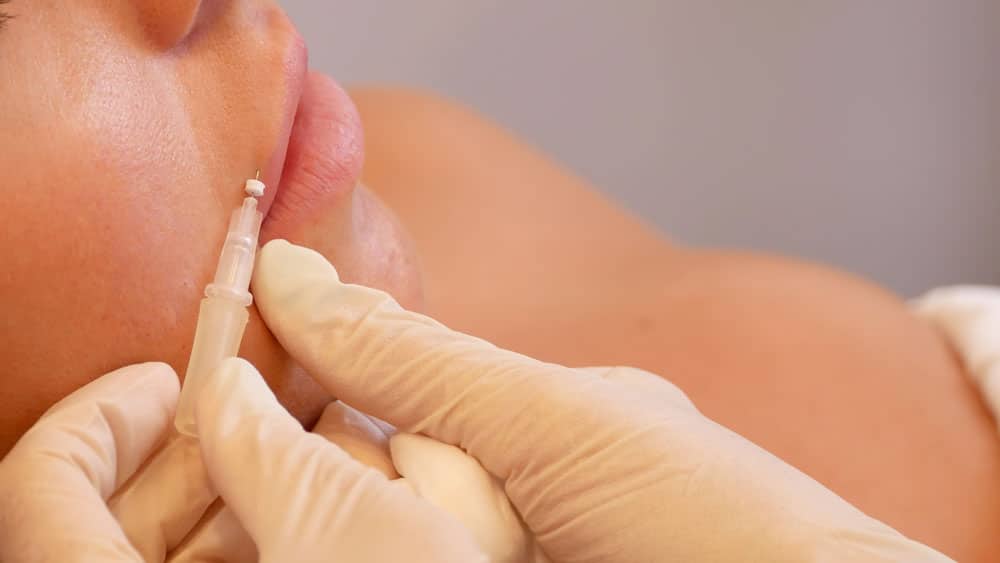
The core of this method lies in its unique lip injection technique. Unlike traditional fillers that focus on volume, the Russian lip technique emphasizes contouring and lift through strategic placement of filler. Injectors use a fine needle to administer small amounts of product vertically into the lips. This approach allows for precise shaping of the lip, resulting in a subtle yet impactful enhancement that complements the natural beauty of the mouth area.
Injectors with specialized expertise meticulously work to ensure even distribution and symmetry, focusing on creating a soft, natural-looking fullness in the lips that enhances rather than overpowers one’s smile.
Post-Procedure Care
Immediately following the injection process, specific care is essential to ensure optimal results and minimize discomfort. Applying ice gently helps reduce swelling and bruising on the lip, which are common but usually mild and temporary. Patients are advised to avoid putting pressure on their lips for a short period after treatment to allow the filler to settle correctly without shifting.
Following these simple steps can significantly impact the healing process and overall satisfaction with the treatment outcome.
Addressing Common Concerns
Pain Levels
Many fear the Russian lip technique due to concerns about pain. However, this worry often stems from misinformation. The procedure involves topical numbing agents, including lip numbing agents, that significantly reduce discomfort. Most clients describe the sensation as a mild pinch or pressure rather than acute pain.
Professionals aim to ensure comfort throughout the session, making adjustments as necessary. Thus, it’s crucial to communicate openly with your practitioner about any discomfort.
Filler Safety
The safety of fillers used in the Russian lip technique is a top priority. These products have undergone rigorous testing and received FDA approval for cosmetic use on the lips. They are designed to be biocompatible, minimizing the risk of allergic reactions.
Manufacturers produce these fillers under strict guidelines to ensure their purity and efficacy. It’s essential to choose a qualified professional who uses only reputable products for your treatment.
Side Effects
Swelling and bruising are common side effects of the Russian lip technique, but they’re temporary. These symptoms typically resolve within a week, revealing the final results.
Applying ice packs and avoiding certain medications can help minimize these effects. Remember, experiencing some swelling and bruising is normal and indicates your body is adjusting to the filler.
Ideal Candidates for the Procedure
Candidate Profile
Many patients consider the Russian lip technique to enhance their smile. However, not everyone is a suitable candidate. Ideal candidates have clear goals and seek a more contoured, natural appearance rather than just added volume. They understand that this procedure focuses on shaping the lips by enhancing the philtrum columns and creating a subtle lift.
Good overall health is crucial. Patients should be free from active skin conditions around the injection site, such as cold sores or infections. Those with realistic expectations about the outcomes are more likely to be satisfied with their results.
Health Considerations
Certain health conditions can make this procedure risky. Individuals with a history of severe allergic reactions, especially to dermal fillers or botox, should avoid it. Similarly, those with bleeding disorders or uncontrolled diabetes may face increased complications.
It’s important for patients to discuss their full medical history with their aesthetic injector. This ensures safety and allows for adjustments tailored to individual needs.
Realistic Expectations
Setting realistic expectations is key. The Russian lip technique offers subtle enhancements and a natural look rather than dramatic volume increase. Patients should seek improvement in shape and definition over size.
Understanding that some swelling is normal post-procedure helps set proper expectations. Swelling typically subsides within days, revealing the final result.
Expert Consultation
An experienced aesthetic injector assesses each patient’s unique facial structure and skin quality. They consider factors like existing fine lines and the natural shape of the lips to recommend the best approach.
The ability of the injector to tailor the procedure based on individual needs cannot be overstated. It significantly impacts satisfaction levels among patients.
Expected Results and Duration
Realistic Outcomes
Individuals often seek the Russian lip technique for its unique approach to enhancing lip shape rather than just adding volume. This method focuses on elevating the cupid’s bow and creating a more defined lip contour, offering a subtle yet impactful enhancement. The results can significantly improve the overall appearance of the lips by making them appear fuller and more pronounced without the overdone look associated with traditional fillers.
Patients should anticipate a natural-looking plumpness, with effects visible immediately after the procedure. However, it’s crucial to have realistic expectations. The outcome varies based on individual lip anatomy and the specific technique used by the practitioner.
Longevity of Results
The durability of the Russian lip technique is another vital consideration. Generally, patients enjoy their new lip aesthetic for six to twelve months. Several factors influence this timeframe, including metabolism rate, lifestyle, and how one’s body reacts to hyaluronic acid-based fillers.
To maintain the desired effect, follow-up appointments are advisable. These sessions help prolong the enhancements as the filler naturally diminishes over time. It’s common for practitioners to recommend a touch-up plan tailored to each patient’s needs and goals.
Maintenance Plan
For those looking to extend the life of their Russian lip technique results, establishing a maintenance routine is essential. Practitioners often suggest scheduling touch-up appointments every six months or annually, depending on how quickly one’s body absorbs the filler.
Adhering to this regimen ensures that the lips retain their defined shape and volume consistently over time. Moreover, it allows for adjustments based on evolving preferences or changes in one’s natural lip structure.
Aftercare and Maintenance
Immediate Care
After receiving Russian lip treatments, immediate aftercare is crucial for optimal results. It’s recommended to apply ice gently to the lips. This helps reduce swelling and discomfort. Avoid applying pressure or massaging the area to prevent displacing the filler.
Patients should steer clear of makeup on the lips for at least 24 hours post-treatment. This precaution minimizes the risk of infection and allows the treatment site to heal properly.
Sun Exposure
Excessive sun exposure can degrade the quality of lip fillers over time. To maintain the rejuvenated appearance, it’s wise to limit direct sunlight on the lips. Wearing a lip balm with SPF can protect against UV rays, preserving collagen production and filler longevity.
High temperatures from saunas or steam rooms should also be avoided in the weeks following treatment. Heat can cause swelling and may affect the filler’s settling process.
Follow-Up Visits
Scheduling follow-up visits with your practitioner is an essential part of aftercare. These appointments allow for assessing how the fillers have settled and determining if adjustments or touch-ups are necessary.
During these consultations, patients can discuss their satisfaction with the results and address any concerns. It’s a chance to customize further treatments based on individual needs and preferences.
Downtime Considerations
The Russian lip technique boasts minimal downtime, allowing patients to return to their daily activities swiftly. However, minor bruising or swelling might occur. These symptoms typically resolve within a few days but can vary based on individual healing processes.
To minimize bruising, avoid blood-thinning medications and supplements before and after treatment, as advised during your consultation.
Long-Term Maintenance
For long-term maintenance, consider your lifestyle choices that might affect your appearance. Staying hydrated, maintaining a healthy diet, and avoiding smoking can enhance overall skin health and prolong filler effects.
Regular treatments might be necessary to maintain volume and shape as fillers naturally break down over time. Discussing a personalized maintenance plan during your Upper East Side consultation will ensure lasting results tailored to your aesthetic goals.
Closing Thoughts
The Russian Lip Technique stands out as a revolutionary approach in the world of cosmetic enhancements, offering a distinct alternative to traditional fillers with its promise of natural, heart-shaped lips that accentuate your facial features. You’ve seen how it compares, what to expect, and how to maintain your new look. Ideal candidates are those seeking subtle elegance rather than volume alone. This method, focusing on technique over quantity, ensures results that blend seamlessly with your natural aesthetics.
If you’re considering taking the plunge into lip enhancement, the Russian Technique offers a bespoke solution that tailors not just to the shape of your lips but to your overall desire for a harmonious and refined appearance. Dive deeper into this option with a professional consultation to explore how it can specifically benefit you. Elevate your beauty game by choosing a method that aligns with your personal aesthetic goals.
Frequently Asked Questions
What is the Russian Lip Technique?
The Russian Lip Technique is a method of lip enhancement that focuses on creating a heart-shaped, doll-like appearance by injecting filler vertically into the lips, emphasizing height rather than forward projection.
How does the Russian Lip Technique differ from traditional fillers?
Unlike traditional fillers that add volume primarily to the body of the lips for a fuller look, the Russian technique targets the lip’s contour and lift, aiming for a more subtle, natural enhancement with an emphasis on shape over size.
What is involved in the step-by-step process of getting Russian Lips?
The process involves carefully mapping out the injection sites on the lips, followed by applying a numbing cream. Then, small amounts of filler are injected vertically starting from the base of the lip moving outward to sculpt and elevate the lip edges.
What are common concerns with the Russian Lip Technique?
Common concerns include swelling, bruising, and asymmetry post-procedure. However, these are typically temporary and can be minimized with proper technique and aftercare.
Who is an ideal candidate for this procedure?
Ideal candidates are individuals looking for a more subtle and natural-looking enhancement to their lips’ shape rather than just adding volume. They should have realistic expectations and be in good overall health.
What results can be expected from this technique, and how long do they last?
Expect a more defined lip border with a subtle increase in volume that emphasizes vertical height. Results typically last between 6 to 12 months before touch-ups may be needed.
What does aftercare and maintenance involve?
Aftercare includes avoiding strenuous exercise for 24-48 hours, keeping hydrated, and possibly using ice packs to reduce swelling. Maintenance involves follow-up treatments as recommended by your practitioner to retain desired results.
Laser Scar Removal on Dark Skin: A Safe & Effective Guide
Understanding Acne Scars on Dark Skin
Scar Types
Acne scars on dark skin manifest in various forms. Boxcar, icepick, and rolling scars are common. Each affects the skin’s texture in unique ways. Dark-skinned individuals might also develop hypertrophic or keloid scars, which are raised above the skin surface, and may experience inflammatory hyperpigmentation, discoloration, or acne lesions affecting cosmetic results.
These types of patients differ not just by appearance but also in their treatment approaches, including cosmetic procedures, scar treatments, and cosmetic dermatology. Post-inflammatory hyperpigmentation (PIH), a skin discoloration condition particularly prevalent in varying skin tones, leaves dark spots after acne lesions heal, affecting skin rejuvenation. This condition underscores the complexity of treating acne scars, characterized by discoloration and inflammatory hyperpigmentation, on darker complexions and varying skin tones among other skin conditions.
Pigmentation Risks
Treating acne scars on dark skin carries specific challenges. The primary concern is avoiding further pigmentation issues. Dark skin is more prone to developing PIH, or post-inflammatory hyperpigmentation, where treated areas, often from acne lesions or scar treatments, can become either lighter or darker than the surrounding toned complexion.
This risk makes it crucial for treatments, especially topical ones for skin conditions in patients, to be cautiously approached to avoid damage. Laser therapy, often used for scar removal and dark spot treatment, must be carefully adjusted to minimize risks of skin discoloration and inflammatory hyperpigmentation, ensuring optimal cosmetic results.
Expert Consultation
Consulting with dermatologists experienced in treating diverse skin tones, including dark spot treatment, skincare products, scar treatments, and inflammatory hyperpigmentation, is vital. They understand the nuances of dark skin, including its texture and how it responds to skincare treatment, particularly concerning inflammatory hyperpigmentation, in patients. These specialists can tailor therapies, including dark spot treatment options, to address both the scarring and the potential for unwanted pigment changes such as inflammatory hyperpigmentation, across various skin tones.
Assessing Laser Treatment Safety
Skin Tone Impact
Skin tone significantly influences laser treatment outcomes. Darker skin absorbs laser light more, raising the risk of unwanted side effects such as inflammatory hyperpigmentation in patients seeking skincare treatments. It’s crucial to understand this to avoid complications.
Professionals must evaluate each case individually. They consider the skin’s reaction to laser intensity. This careful skincare approach minimizes risks while aiming for effective scar reduction, using lasers to address the skin condition known as inflammatory hyperpigmentation.
Scar Types
Different acne scars respond uniquely to laser treatments. Ice pick and boxcar scars, skin conditions that vary across skin types and tones, might require distinct skincare approaches compared to rolling scars.
The type of scar, skin types, skin tones, and skin condition dictate the laser setting, method, and treatment options used. This skincare customization is vital for safety and effectiveness on dark skin, helping to prevent inflammatory hyperpigmentation and improve the appearance for patients. It ensures targeted treatment without harming surrounding tissues.
Potential Risks
Laser treatments on dark skin tones carry specific risks for patients, like hyperpigmentation and scarring, affecting their appearance and skin types. These side effects, including inflammatory hyperpigmentation, underscore the need for proper laser selection for patients with specific skin conditions among various treatment options.
Choosing the right laser can dramatically reduce these risks. Patients should be aware of these potential issues related to appearance, types of treatment, post-procedure expectations, and skin tones before proceeding with treatment.
Safe Laser Options
For dark skin tones, lasers like eMatrix and Clear + Brilliant are preferable treatment options for patients prone to inflammatory hyperpigmentation. These options are designed to minimize risks associated with traditional lasers for patients, including those with various skin tones and types, particularly reducing the chance of inflammatory hyperpigmentation.
They offer a safer pathway for patients with darker complexions and varying skin tones, seeking scar removal while minimizing the risk of inflammatory hyperpigmentation based on their skin type. Consulting with a dermatologist who understands the nuances of skin tones, skin type, and inflammatory hyperpigmentation is essential for patients.
Exploring Laser and Non-Laser Options
Laser Treatments
Laser treatments offer a high-tech solution for reducing acne scars, inflammatory hyperpigmentation, and are suitable for various skin types and tones, benefiting many patients. The eMatrix Sublative treatment stands out as a safe option for dark skin patients, reducing the risk of inflammatory hyperpigmentation. It works by delivering energy below the surface, stimulating collagen production without harming the top layer of various skin tones and types, making it suitable for patients prone to inflammatory hyperpigmentation. This process helps patients in smoothing out scars and improving skin texture.
However, laser options require careful consideration of patients’ skin type and scar depth. They also demand that patients ensure protection from sun exposure post-treatment to prevent discoloration across all skin tones.
Non-Laser Alternatives
For those patients wary of lasers or with concerns about light sensitivity and skin tones, non-laser treatments like chemical peels and microneedling present effective solutions. Chemical peels use acids to remove dead skin cells, promoting new cell growth and fading scars over time for patients. Microneedling involves tiny needles that create micro-injuries in the skin, encouraging the body to heal itself and, in the process, reduce scar appearance for patients.
These methods are less invasive than lasers and can be tailored to target specific types of scars and levels of discoloration on dark skin for patients.
Tailored Approaches
Choosing between laser and non-laser skin treatments depends on individual patients’ needs. Factors such as scar depth, skin health, and desired results play crucial roles in decision-making for patients. A board-certified dermatologist can help patients determine the best course of action, ensuring that treatment not only clears scars but also maintains overall skin integrity.
Pre and Post Treatment Care
Pre-Treatment
Before undergoing laser scar removal, patients with dark skin must take specific steps to prepare. They should avoid certain medications that can increase skin sensitivity. This includes both prescription medicines and over-the-counter products for skin, containing active ingredients like retinol, for patients.
Skincare products that might irritate the skin or cause additional sensitivity should also be avoided by patients. A personalized treatment plan is crucial. It ensures the patients’ skin is in optimal condition for the procedure. This plan often involves consultations for skin patients at a specialized office treatment facility, possibly on the Upper East Side if you’re located in New York.
Post-Treatment
After the procedure, following a dermatologist’s post-treatment care instructions is essential for skin healing and achieving the best results for patients. Key steps include:
Applying proper sun protection to prevent further damage to the sensitive skin of patients.
Implementing a gentle skincare routine free from harsh chemicals or physical exfoliants for patients.
Avoiding direct heat exposure, such as saunas or hot showers, which can exacerbate skin side effects for patients.
Patients might experience some side effects, like skin redness or swelling. However, these are typically mild and temporary. The reduction of scar appearance on the skin significantly outweighs these minor inconveniences for many patients.
Starting Your Scar Removal Journey
Consultation First
Finding a cosmetic dermatologist with experience in treating patients with dark skin is crucial. Schedule a consultation to discuss your skin scar concerns and treatment goals with our patients. This step ensures personalized care that respects your skin’s unique needs.
During the meeting, ask about the scar treatments available. These may include laser therapy, which promotes new collagen production and skin cell turnover for better rejuvenation results.
Setting Expectations
Understand that scar removal, especially on dark skin, often requires multiple sessions. Each session aids in gradually improving the skin’s appearance, contributing to overall skin rejuvenation.
Realistic expectations are key. Not all skin scars may disappear completely, but significant improvement is possible. Patience during this skin healing process is essential for achieving the best cosmetic results.
Open Communication
Maintaining open communication with your dermatologist about your skin throughout the treatment process is vital. Share any concerns or notice changes in your skin. Adjustments to the treatment plan ensure it remains tailored to your evolving skincare needs.
Post-treatment skin care, as discussed previously, plays a role in maximizing scar removal outcomes. Follow your dermatologist’s advice on skincare routines and products to support recovery and enhance rejuvenation.
Final Remarks
Laser scar removal offers a promising solution for dark skin, balancing efficacy with safety. You’ve explored the nuances of acne scars on dark skin, assessed laser treatment’s safety, and weighed it against non-laser options. Essential pre and post-treatment skin care tips have set you up for success. Now, you’re ready to embark on your skin scar removal journey with confidence. Remember, choosing the right treatment and care regimen is pivotal for achieving clear, rejuvenated skin.
Your next step? Consult with a dermatologist experienced in treating dark skin tones. They’ll tailor a skin treatment plan suited to your unique needs, ensuring the best possible outcomes. Don’t let acne scars hold you back. Take action today and step into a future of radiant, scar-free skin.
Frequently Asked Questions
Is laser scar removal safe for dark skin?
Laser scar removal is generally safe for dark skin when conducted by an experienced professional using appropriate laser types and settings to minimize risks like hyperpigmentation.
What are the best laser options for treating acne scars on dark skin?
Fractional lasers, such as Nd:YAG, are considered effective and safer options for treating acne scars on dark skin due to their lower risk of causing pigmentation changes.
Can non-laser treatments also help with acne scars on dark skin?
Yes, non-laser options like chemical peels and microneedling are beneficial for acne scars on dark skin, offering alternatives that can reduce the risk of pigmentation issues.
How should I prepare my skin before undergoing laser treatment?
Preparing your skin involves avoiding sun exposure, not using certain skincare products that may irritate the skin (like retinoids), and following any specific instructions provided by your dermatologist.
What does post-treatment care involve?
Post-treatment care typically includes keeping the treated skin area clean, moisturized, protected from sun exposure with broad-spectrum sunscreen, and following any additional specific aftercare instructions from your provider.
How long does it take to see results from laser scar removal?
Results from laser scar removal can vary but generally begin to appear after a few weeks, with continued improvements seen over several months as the skin heals and regenerates.
Who should I consult for laser scar removal on dark skin?
Consulting a board-certified dermatologist or cosmetic surgeon with experience in treating dark skin tones is essential to ensure safe and effective treatment tailored to your specific needs.
Navigating Your Breast Reduction Recovery: A Week-By-Week Guide
Key Takeaways
Start with the Basics: Familiarize yourself with the recovery process basics to set realistic expectations and prepare for the journey ahead.
First Week Focus: Prioritize rest, manage pain, and follow your surgeon’s advice closely during the initial week to kickstart your healing process effectively.
Mid-Recovery Milestones: Between weeks 2 to 4, gradually reintroduce light activities as advised by your healthcare provider, and monitor your progress closely.
Approaching Full Recovery: By the end of week 8, you should notice significant improvements. Continue following medical advice and attending follow-up appointments to ensure a smooth transition to full recovery.
Long-Term Care Is Crucial: Post-week 8, adhere to long-term care guidelines, including scar care and maintaining a healthy lifestyle, to preserve the results of your surgery.
Listen to Your Body: Throughout the recovery process, pay attention to your body’s signals. If something feels off, consult your healthcare provider immediately.
Understanding Recovery Basics
Post-Surgery Care
Immediate post-surgery care is crucial for a smooth recovery. Pain management is a top priority. Patients will need medication to ease the discomfort. Assistance with daily activities becomes essential, especially in the first week.
Rest is non-negotiable during this period. It aids in healing and reduces swelling and bruising. A balanced diet rich in vitamins and proteins supports tissue repair and overall health.
Doctor’s Orders
Following the surgeon’s instructions is key to avoiding complications. This includes taking prescribed medications on schedule. Antibiotics may be necessary to prevent infections.
Activity restrictions are also part of the doctor’s orders. Heavy lifting and strenuous exercise must be avoided for several weeks. Adhering to these guidelines ensures a safer and faster recovery process.
Week 1 Recovery Insights
Rest Importance
Prioritizing rest is crucial during the first week of recovery. Your body needs time to heal properly, and adequate sleep enhances this process. Limit physical activities and ensure you have a comfortable space to relax.
Listening to your body’s signals is key. If you feel tired, take it as a sign to slow down and rest more.
Light Walking
Incorporate light walking into your daily routine. This simple activity boosts circulation, which is vital for preventing blood clots and facilitating healing. Start with short walks around your home.
Gradually increase the distance as your comfort allows. Remember, the goal is not exercise but promoting blood flow.
Dietary Adjustments
Adjusting your diet can significantly impact your recovery process. Focus on foods rich in vitamins and proteins to support tissue repair. Hydration is equally important; drink plenty of water to help reduce swelling.
Avoid salty foods as they can exacerbate swelling. Instead, opt for fruits, vegetables, and lean meats to nourish your body during this critical time.
Weeks 2-4 Recovery Guide
Follow-up Appointments
After the initial week, patients enter a crucial phase in their recovery process. It’s vital to attend all follow-up appointments. These meetings allow surgeons to monitor healing and address any concerns. They play a key role in avoiding complications.
Patients should prepare questions in advance. This ensures they fully understand their recovery status.
Activity Resumption
Resuming normal activities too quickly can lead to setbacks. Patients need to listen to their bodies and avoid pushing themselves too hard. It’s essential to follow the surgeon’s advice closely during this period.
Gradual reintroduction of activities helps prevent strain on healing tissues.
Work and Exercise
Returning to work depends on the nature of one’s job. Jobs that require minimal physical effort may be resumed sooner, often within 2-3 weeks post-surgery. However, consulting with a healthcare professional is crucial before making this decision.
Light exercise, such as walking, is encouraged. It aids circulation and promotes healing. Yet, heavy lifting or strenuous workouts should be avoided until approval from the surgeon.
Nearing Full Recovery
Strenuous Activities
Many patients question when they can dive back into strenuous activities. Doctor’s clearance is crucial here. It typically arrives around the six-week mark. This green light means your healing has progressed well, and risks of complications have minimized.
Patients must wait for this approval to avoid setbacks. Resuming too early can lead to pain and possibly reopen wounds.
Psychological Aspect
The journey doesn’t just end with physical healing. Many find waiting for full recovery before considering further cosmetic procedures challenging. It’s a period filled with anticipation and sometimes impatience.
Understanding that every patient’s recovery timeline varies significantly helps. This phase requires patience and self-care, focusing on the body’s cues.
Scar Treatment
Scar treatment is an ongoing process that extends beyond the initial recovery weeks. Consistent care is key to minimizing their appearance.
Patients should follow their surgeon’s advice on scar treatment methods diligently.
Compression Garments
Compression garments play a pivotal role in these final weeks. They support smooth recovery by reducing residual swelling and promoting proper healing.
Wearing them as advised ensures a more comfortable recovery and better results in the long run.
Long-Term Care Post-Week 8
Scar Management
After week 8, continued attention to incision sites is crucial. It’s advisable to keep using scar creams. These products help in reducing visibility over time. They also minimize scar tissue formation.
Doctors emphasize the long-term benefits of following their recommendations. This includes regular check-ups and adherence to prescribed care routines.
Healthy Lifestyle
A healthy lifestyle plays a key role in maintaining the results of breast reduction surgery. Regular exercise and a balanced diet support overall well-being. They also prevent weight gain that could affect the surgery outcomes.
Patients should avoid smoking and excessive alcohol consumption. Both can hinder the healing process and impact long-term results.
Swelling Management
Residual swelling might persist for several months post-surgery. Wearing compression garments as advised helps manage this condition effectively.
Patients should also limit activities that could strain their chest area. Gentle exercises, as recommended by healthcare providers, aid in reducing swelling over time.
Summary
Recovering from breast reduction surgery is a journey that spans several weeks, each with its own milestones and challenges. You’ve learned the basics, navigated through the initial weeks, understood what to expect up to the first month, and got insights into nearing full recovery and long-term care. This knowledge empowers you to approach your recovery with confidence, knowing what each week might hold. Remember, everyone’s journey is unique, but being informed helps you advocate for your health effectively.
Now that you’re armed with this information, take charge of your recovery process. Stay proactive in following your surgeon’s advice, be patient with yourself as your body heals, and reach out for support when needed. Your well-being is paramount. If you have more questions or need further guidance, don’t hesitate to consult healthcare professionals. Your path to recovery is significant—embrace it fully for the best outcomes.
Frequently Asked Questions
What should I expect in the first week after breast reduction surgery?
In the first week, expect swelling, discomfort, and limited mobility. Follow your surgeon’s advice closely, including wearing a support bra and managing pain with prescribed medication.
How does recovery progress in weeks 2 to 4 post-surgery?
During weeks 2 to 4, you’ll notice a decrease in swelling and discomfort. You may start light activities but avoid strenuous exercises. Follow-up visits with your surgeon are crucial for monitoring your healing process.
When can I consider myself nearing full recovery from breast reduction?
Nearing full recovery typically happens around week 6 to 8. By this time, most of the swelling has subsided, and you can gradually return to regular activities, following your doctor’s guidance on any limitations.
What long-term care should I follow after week 8 post-breast reduction?
After week 8, continue wearing supportive bras and maintain a healthy lifestyle to support long-term results. Regular check-ups with your plastic surgeon are recommended to address any concerns promptly.
Is it normal to feel pain several weeks after breast reduction surgery?
Yes, experiencing some level of discomfort or intermittent pain several weeks post-surgery is normal as your body heals. However, persistent or severe pain should be reported to your surgeon immediately.
J-Plasma and Liposuction: The Ultimate Guide to Enhanced Skin Tightening
Key Takeaways
J-Plasma liposuction offers a modern approach to body contouring, using cold plasma to tighten the skin while removing fat, making it a valuable option for those seeking more defined results.
Its versatility allows treatment in various body areas, including the abdomen, arms, and thighs, making it suitable for a wide range of patients looking to target specific problem areas.
The benefits of J-Plasma go beyond traditional liposuction by providing significant skin tightening effects, which can be especially appealing for individuals with mild to moderate skin laxity.
While J-Plasma presents an innovative solution, potential patients should be aware of the side effects, such as swelling and bruising, and discuss these thoroughly with their surgeon.
Considering combining J-Plasma with other surgeries can offer comprehensive aesthetic improvements, but it’s crucial to consult with a healthcare professional to understand the risks and benefits of multiple procedures.
Ultimately, those interested in J-Plasma liposuction should seek advice from a qualified surgeon to discuss their specific goals and whether this treatment is the most suitable option for their needs.
How J-Plasma Works
Plasma System
The plasma system combines cold Helium Plasma with radio frequency energy. This mixture rejuvenates the skin remarkably. It targets the skin’s surface and deeper layers for a comprehensive treatment.
Helium, when activated into plasma, offers precise control over the treatment area. This precision minimizes damage to surrounding tissues. The added radio frequency energy enhances the effect, leading to better outcomes.
Fat Suction
First, a small incision is made. Through this, fat is suctioned from the target area. This step is crucial for shaping and contouring before skin tightening begins.
The process is minimally invasive. Patients experience less discomfort and quicker recovery times compared to traditional liposuction methods.
Skin Tightening
After fat removal, the J-Plasma device is applied directly to the areas needing skin tightening. The helium plasma energy stimulates collagen production, leading to a natural tightening effect.
This step not only improves skin elasticity but also reduces wrinkles and sagging. The result is smoother, younger-looking skin that feels firmer to the touch.
Areas for Treatment
Body Parts
Patients seeking skin rejuvenation find J-Plasma effective on various body parts. The abdomen, often targeted post-pregnancy or after significant weight loss, benefits greatly.
Neck and upper arms also see improved tightness. This versatility makes the procedure appealing to many patients.
Skin Conditions
J-Plasma’s precision in applying heat aids in treating wrinkles, spots, and scars. Its ability to target specific areas allows for focused skin resurfacing.
Patients notice a reduction in fine lines and an overall smoother skin texture. Health care providers recommend it for its efficacy in skin tightening.
Recovery Process
The recovery time varies based on the treatment area and individual patient factors. Most procedures use local anesthesia, allowing them to be done right in the doctor’s office.
Patients can expect some healing time but generally experience a quicker recovery compared to traditional methods. This convenience is a significant advantage for those with busy schedules.
Benefits of J-Plasma
Quick Recovery
Patients often worry about the downtime associated with cosmetic procedures. However, plasma liposuction stands out for its quick recovery time. The small incisions made during the process lead to minimal scarring. This aspect is crucial for individuals seeking a discreet enhancement.
They can return to their daily activities sooner than with traditional methods. This benefit aligns well with the needs of those leading busy lives, making it an attractive option.
Painless Procedure
One of the most notable advantages of plasma lipo is its painless nature. Unlike other forms of liposuction that can be uncomfortable, this technique ensures a more comfortable experience for the patient.
Its precision in targeting fat and tightening skin minimizes discomfort both during and after the procedure. Patients appreciate this aspect, as it eases their concerns about undergoing cosmetic treatments.
Long-term Effects
The long-term benefits of stimulated collagen production cannot be overstated. Plasma liposuction not only removes unwanted fat but also promotes firmer skin through collagen stimulation.
This dual action results in a more youthful appearance that lasts longer than what’s achieved through traditional liposuction techniques. It addresses concerns beyond immediate fat removal, offering enhancements that improve skin quality over time.
Side Effects to Consider
Bruising and Swelling
After undergoing J-Plasma liposuction, patients may notice bruising and swelling in the treated areas. These effects are common and typically subside within a few weeks.
To alleviate discomfort, it’s crucial to follow the surgeon’s advice on managing these symptoms.
Skin Sensation
e individuals report a mild tight sensation in their skin post-procedure. This feeling is usually temporary and diminishes as the healing process progresses.
Proper care and adherence to post-treatment guidelines help speed up recovery.
Post-Procedure Care
Following post-procedure instructions is vital for minimizing side effects and ensuring optimal results. This includes wearing compression garments, avoiding strenuous activities, and attending follow-up appointments.
Adhering to these guidelines can significantly reduce downtime and enhance fat loss outcomes.
Combining with Other Surgeries
Liposuction Integration
J-Plasma liposuction, when combined with traditional liposuction procedures, offers enhanced contouring and skin tightening benefits. Surgeons make small incisions to target fat deposits more effectively. This combination reduces the need for multiple invasive procedures, offering a streamlined recovery process.
Patients often report improved outcomes when these two methods are used together. The precision of J-Plasma complements the broader fat removal achieved through traditional liposuction.
Tummy Tuck Synergy
Integrating J-Plasma with a tummy tuck can address both excess skin and underlying fat layers in one surgical procedure. Plastic surgeons find this combination particularly effective for patients seeking comprehensive abdominal rejuvenation.
The tummy tuck removes large areas of excess skin, while J-Plasma tightens the remaining tissue. This dual approach ensures smoother, more natural-looking results compared to either procedure alone.
Mommy Makeover Enhancement
A mommy makeover package often includes breast lifts, tummy tucks, and sometimes liposuction. Adding J-Plasma to this mix enhances overall results by improving skin texture and firmness.
This comprehensive approach allows plastic surgeons to tailor treatments to individual needs during a single consultation. Patients benefit from minimized recovery times and more cohesive aesthetic improvements across multiple body areas.
Closing Thoughts
J-Plasma liposuction stands out as a cutting-edge option for those seeking more than just fat reduction. It offers precision, efficiency, and the added benefit of skin tightening, making it a compelling choice for targeted body sculpting. You’ve seen how it works, where it can be applied, and the advantages it brings to the table, alongside important considerations like side effects and its compatibility with other surgeries. This innovative procedure could be your next step towards achieving your desired aesthetic goals with minimal downtime and enhanced results. If you’re looking for a transformative solution with lasting effects, J-Plasma liposuction might just be what you need. Don’t hesitate to reach out to a qualified professional to discuss if this is the right option for you. Your journey to a refined silhouette starts here.
Frequently Asked Questions
How does J-Plasma work for liposuction?
J-Plasma uses a combination of cold helium plasma and radiofrequency energy to tighten skin and remove fat, offering more precision than traditional liposuction. It allows for targeted treatment with minimal damage to surrounding tissues.
What areas can be treated with J-Plasma?
J-Plasma is versatile and can be used on many body parts, including the abdomen, arms, thighs, back, and neck. It’s particularly effective in areas where skin elasticity is a concern.
What are the benefits of J-Plasma over traditional liposuction?
J-Plasma offers enhanced precision, reduced recovery time, and better skin tightening effects. The technology minimizes trauma to surrounding tissues, leading to less swelling and discomfort post-procedure.
Are there any side effects associated with J-Plasma?
Common side effects include mild swelling, bruising, and discomfort in the treated area. These typically resolve within a few days to weeks. Serious complications are rare when performed by an experienced practitioner.
Can J-Plasma be combined with other surgeries?
Yes, J-Plasma can be effectively combined with other cosmetic procedures such as tummy tucks or breast lifts for comprehensive body contouring results. This approach can optimize overall outcomes by addressing both excess fat and loose skin in one session.
Tummy Tuck and Liposuction: A Powerful Combination for Body Contouring
Key Takeaways
Tummy tuck and liposuction are effective but distinct procedures; understanding their differences is crucial for setting realistic expectations.
Combining tummy tuck and liposuction can offer enhanced results for those seeking comprehensive body contouring.
Success stories and outcomes vary significantly; personal research and consultations can help set achievable goals.
Choosing the right surgeon is paramount; look for board certification, experience, and a portfolio of before-and-after photos.
Educating yourself on the basics of each procedure will empower you to make informed decisions about your body contouring journey.
Remember, every individual’s body is unique; a personalized consultation is essential to determine the most effective approach for your goals.
Understanding the Basics
Surgical Procedure
Tummy tuck liposuction is a surgical procedure. It removes excess skin and fat from the abdomen. This helps improve the appearance of the midsection.
Patients often have questions about what this surgery entails. It combines techniques to reshape the body’s contours.
Contributing Factors
Several factors lead people to consider this surgery. Pregnancy, weight loss, aging, and genetics can change how our midsection looks. These changes might make someone feel they need help getting back their desired body shape.
Each person’s body reacts differently to these life events. That’s why it’s crucial to get personalized information before deciding.
Liposuction vs. Tummy Tuck
It’s important to distinguish between simple liposuction and tummy tuck procedures. Liposuction focuses on removing fat from various parts of the body. A tummy tuck goes further by also removing excess skin and tightening muscles in the area.
This distinction matters because each type targets different needs and outcomes. Knowing which one may suit your situation requires understanding these differences.
Tummy Tuck vs Liposuction
Focus Areas
Tummy tuck surgery, or abdominoplasty, primarily targets excess skin and aims to tighten the abdominal muscles. It’s a go-to for individuals looking to address loose skin around the abdomen that often results from pregnancy or significant weight loss.
Liposuction, on the other hand, focuses on removing stubborn fat deposits. This procedure is best suited for eliminating fat that resists diet and exercise efforts. Unlike a tummy tuck, it does not address skin laxity or muscle separation.
Ideal Candidates
For those who have undergone major body changes, such as post-pregnancy or after substantial weight loss, a tummy tuck might be more beneficial. It helps in restoring the abdomen’s appearance by removing loose skin and bringing separated abdominal muscles back together.
Individuals with subcutaneous fat around the belly that doesn’t respond to lifestyle changes may find liposuction more appealing. It’s crucial, however, that their abdominal skin has good elasticity to contract smoothly after fat removal.
Recovery and Risks
Recovery times vary significantly between these two procedures. A tummy tuck involves a longer recovery period due to its complexity, often requiring weeks before returning to normal activities. Liposuction boasts shorter downtime, with many patients resuming work within days.
Both procedures carry potential risks. Tummy tucks can lead to visible scarring and longer healing times, while liposuction might result in uneven fat removal or contour irregularities if not done correctly.
Combining Procedures for Enhanced Results
Comprehensive Approach
Combining tummy tuck and liposuction offers a holistic solution to body contouring. This approach addresses both excess skin and fat. It ensures more refined results than either procedure alone.
Patients experience significant improvements in their appearance. They see changes not just in the abdomen but also in their overall silhouette. This dual approach tailors to the unique needs of each individual, enhancing their confidence.
Recovery Insights
The recovery process from combined procedures requires careful planning. Patients must wear a compression garment to support healing. This garment aids in reducing swelling and helps the skin adjust to its new contours.
Adhering to post-surgery guidelines, including rest and limited movement, is crucial. It ensures a smooth recovery. Patients should avoid strenuous exercise until cleared by their surgeon. This period allows the body to heal properly, ensuring optimal outcomes.
Consultation Importance
Consulting with a qualified surgeon is vital before deciding on combined procedures. The surgeon assesses if combining tummy tuck with liposuction is suitable for the patient’s goals and health status.
They explain how these procedures can remove excess fat while tightening the fascia. The fascia is the connective tissue beneath the skin. Understanding individual suitability helps set realistic expectations for the surgery’s outcome.
Success Stories and Outcomes
Kaitlyn Smith
Kaitlyn’s journey became a beacon of hope for many. After significant weight loss, she was left with excess skin that no diet or exercise could remove. Her decision to undergo tummy tuck liposuction transformed her life. Not only did the procedure remove the unwanted skin, but it also restored her confidence. Her story illustrates the profound psychological benefits these surgeries can offer.
Jessica Weber
Jessica’s experience highlights another aspect of post-weight loss challenges. Like Kaitlyn, she lost a considerable amount of weight and faced similar issues with sagging skin. Her successful surgery was not just about aesthetics; it was about reclaiming her life from the shadows of her former self. It showcased the physical and emotional liberation that comes with such transformative procedures.
TLC’s Skin Tight
TLC’s show “Skin Tight” further underscores these outcomes. It features individuals who have undergone dramatic weight loss and are seeking surgical solutions for their excess skin. The show reveals that losing up to 50 pounds can result in significant sagging skin, making surgical intervention necessary for some patients. These stories collectively emphasize the importance of realistic expectations and understanding individual results may vary.
Choosing the Right Surgeon
Board Certification
Choosing a board-certified surgeon is crucial. This ensures they have undergone rigorous training in tummy tuck and liposuction procedures. They know how to minimize scars and manage swelling effectively.
A board-certified plastic surgeon understands the complexities of removing excess skin and tightening muscles in the abdominal area. They ensure safety during general anesthesia and prescribe the right medications for recovery.
Experience Level
Experience matters greatly. Ask about the number of tummy tuck and liposuction procedures the surgeon has performed. More importantly, inquire about their success rates.
Experienced surgeons can handle unexpected issues during surgery. They know how to adjust techniques for optimal results. This reduces risks and promotes better healing.
Aesthetic Style
Viewing before-and-after photos is essential. It reveals the surgeon’s skill level and aesthetic style. Look for patients with similar body types to yours.
Photos demonstrate the surgeon’s ability to create natural-looking contours. They show how well the surgeon can hide incisions and minimize scarring.
Consultation Questions
During consultations, ask specific questions. Inquire about their approach to combining tummy tuck and liposuction procedures. Also, ask how they plan to manage your recovery process.
Questions help gauge if the surgeon’s vision aligns with your goals. They also reveal the surgeon’s willingness to address concerns and customize treatment plans.
In choosing a surgeon, prioritize experience, board certification, and an aesthetic style that matches your expectations. Doing so ensures a safer procedure and more satisfying results.
Final Remarks
Choosing between a tummy tuck and liposuction, or opting for a combination of both, is a significant decision that hinges on your unique body goals and medical advice. The journey through understanding the basics, comparing tummy tuck vs liposuction, combining procedures for enhanced results, exploring success stories, and selecting the right surgeon has armed you with the knowledge to make an informed choice. Remember, the success of either procedure depends not just on the surgery itself but also on choosing a surgeon whose expertise and experience align with your aesthetic aspirations.
Now’s the time to take action towards achieving the body confidence you deserve. Reach out to a certified plastic surgeon to discuss your options and map out a personalized plan that best suits your needs. Your journey to a more confident you starts with that first step. Make it count.
Frequently Asked Questions
What is the difference between a tummy tuck and liposuction?
A tummy tuck removes excess skin and tightens muscles in the abdomen, while liposuction removes fat from targeted areas. They address different concerns but can be combined for comprehensive results.
Can I combine a tummy tuck with liposuction?
Yes, combining a tummy tuck with liposuction often provides enhanced body contouring results, targeting both excess skin and fat for a more sculpted appearance.
How do I choose the right surgeon for my procedure?
Select a board-certified plastic surgeon with extensive experience in both tummy tucks and liposuction. Look for positive patient testimonials and before-and-after photos to assess their expertise.
What outcomes can I expect from these procedures?
Expect a more contoured and slimmer abdominal profile. Success varies by individual, but combining procedures often yields more pronounced results. Satisfaction rates are high among patients who choose experienced surgeons.
How long is the recovery after having these procedures?
Recovery times vary; typically, a tummy tuck requires 2-4 weeks, while liposuction may need 1-2 weeks. Combining procedures might extend recovery slightly, but detailed post-operative care can aid in a smoother recovery.
Are there any success stories of combining these procedures?
Many patients report high satisfaction rates after combining a tummy tuck with liposuction, citing improved body confidence and significant aesthetic enhancements. Surgeons often showcase these success stories through before-and-after galleries.
Scar Revision Therapy: Understanding Your Options and What to Expect
Key Takeaways
Recognizing how scars form, including through incision, skin grafts, or skin flaps, is crucial for setting realistic expectations for scar revision therapy, helping individuals understand the limitations and potential outcomes of treatment, including the use of topical treatments.
Proper preparation before undergoing scar revision, including topical treatments and skin grafts, can significantly improve the results, emphasizing the importance of following pre-treatment advice and skin care routines for the incision surface.
Exploring all treatment options, including surgical methods like skin grafts, incision, and skin flaps, and non-surgical methods that improve the surface, allows for a personalized approach to scar revision, tailored to the specific type and severity of the scar.
Understanding the steps involved in the scar revision process, including skin grafts and treating the surface area, demystifies the procedure, helping individuals feel more comfortable and informed about their treatment journey with their provider.
The effectiveness of scar revision therapy varies, with outcomes dependent on factors like the original scar’s nature, the chosen treatment method, the individual’s skin type, the area being treated, and the provider performing the procedure.
Engaging with a qualified and experienced professional in the area of scar revision therapy is essential for achieving the best results, highlighting the value of expert guidance in navigating treatment options from a provider.
Understanding Scar Formation
Scar Biology
The body leaps into action after an injury, initiating a complex healing process. This involves the production of collagen, a protein that mends the damaged skin. However, this repair sometimes goes overboard, leading to scar formation.
Collagen fibers rebuild the skin, but they can create a texture or color different from surrounding tissue. This difference marks the area as a scar.
Scar Varieties
Scars come in many forms, each with unique characteristics.
Hypertrophic scars are thick, raised, and remain within the injury site. They result from excessive collagen during healing. Keloids stretch beyond the original wound, caused by an overly aggressive healing process. Atrophic scars create depressions in the skin due to lost tissue.
Each type tells a story of how our bodies heal and react differently to injury.
Influencing Factors
Several elements affect how scars form. Skin type plays a crucial role; darker skin is more prone to keloids and hypertrophic scars. Age also matters; younger skin tends to scar more visibly because it produces more collagen.
The injury’s location influences scar appearance too. Joints and areas that move often may develop thicker scars due to constant stretching.
Preparing for Scar Revision
Nutrient Diet
A nutrient-rich diet plays a crucial role in preparing for scar revision. Vitamins and minerals enhance the body’s healing capability. They ensure that the skin regenerates effectively after procedures like skin grafts or incisions.
Patients should focus on foods high in vitamin C, zinc, and protein. These nutrients are vital for wound healing and can significantly impact the success of scar revision treatments.
Smoking Cessation
Quitting smoking is essential before undergoing scar revision. Smoking restricts blood supply to the skin, impairing healing and increasing the risk of complications. Patients must stop smoking at least several weeks before and after the procedure.
This step cannot be overstated; it dramatically improves outcomes and reduces the likelihood of needing further revisions.
Medication Management
Patients must review their medications with their healthcare provider. Certain medications can interfere with healing or increase bleeding risk during surgery.
Particularly, individuals on treatments like isotretinoin for acne need special consideration. Isotretinoin can affect skin healing, so patients might have to pause their treatment before undergoing scar revision.
Health Conditions
Individuals with underlying health conditions require careful evaluation. Conditions that affect blood clotting or immune responses can complicate scar revision procedures.
Healthcare providers might adjust treatment plans for these patients. This ensures they receive the most effective care while minimizing risks.
Exploring Treatment Options
Topical Treatments
Topical treatments offer a non-invasive approach to scar management. They are best for surface-level concerns and can improve texture. These options include gels, creams, and silicone sheets that hydrate the scar and minimize its appearance.
Silicone sheets, in particular, have shown promising results. They work by covering the scar, which helps in keeping it hydrated. This method is easy to use and carries minimal risks.
Injectable Therapies
Injectables provide another layer of treatment, targeting deeper scar tissues than topical methods can reach. They often involve corticosteroids or fillers to reduce inflammation and elevate depressed scars.
Corticosteroid injections can significantly decrease scar thickness. However, patients might experience discomfort during the procedure. It requires local anesthesia to manage pain.
Surgical Options
Surgical revision is considered for more severe cases where non-invasive methods fall short. This process involves removing unhealthy tissue and repositioning healthy skin.
Tissue expansion and excision are common surgical techniques. Tissue expansion allows for the growth of extra skin near the scar site for replacement purposes. General anesthesia is usually required for these operations, increasing recovery time but often leading to more dramatic improvements in appearance.
Advanced Therapies
Emerging technologies in laser therapy and biotechnology offer exciting new avenues for scar treatment. Laser resurfacing can precisely target damaged skin without affecting surrounding areas.
Biotechnology treatments involve using growth factors to stimulate healthy tissue growth. These innovative approaches aim at reducing recovery times while improving results significantly.
Steps in the Scar Revision Process
Initial Consultation
During the initial consultation, patients meet with a healthcare provider to assess the scar. They discuss its type, location, and how it affects the skin’s appearance. This phase is crucial for setting realistic treatment goals. The provider may take photographs for records and propose a tailored treatment plan.
Patients should share their expectations and any concerns. This dialogue ensures that both patient and provider align on the desired outcomes.
Preparation Steps
Once a treatment option is chosen, preparation begins. For resurfacing techniques like laser therapy, skin tests may be necessary. These tests check for adverse reactions. Patients might also receive specific skincare products to prepare their skin for treatment.
It’s important to follow these preparatory steps closely. They help minimize risks and enhance the effectiveness of the scar revision technique.
Post-Treatment Care
After scar revision, post-treatment care is vital for healing. Providers will give detailed instructions on wound care. These often include keeping the area clean and applying prescribed ointments.
Sun protection is also crucial to prevent further damage to the skin. Patients should avoid direct sunlight and use broad-spectrum sunscreen regularly.
Follow-up visits allow providers to monitor healing progress. They can make adjustments to care routines if necessary.
Final Remarks
Scar revision therapy offers a beacon of hope for those looking to diminish the physical and emotional impact of scars. Understanding scar formation, preparing adequately, exploring your treatment options, and following through with the scar revision process can significantly improve the appearance of scars, boosting your confidence. You’ve got a variety of treatments at your disposal, from surgical options to less invasive alternatives. It’s crucial to consult with a professional to tailor a plan that best suits your specific needs and expectations.
Taking the first step towards scar revision can be transformative. Remember, every journey begins with a single step. If you’re ready to explore how scar revision therapy can benefit you, reach out to a qualified specialist today. Start your journey towards healing and reclaiming your skin’s appearance. Your confidence awaits on the other side.
Frequently Asked Questions
What is scar revision therapy?
Scar revision therapy encompasses various treatments aimed at improving or reducing the appearance of scars, making them less noticeable and more consistent with surrounding skin.
How does scar form?
Scars form as part of the natural healing process after an injury. The body produces collagen fibers to repair the damage, which can lead to a visible mark or texture difference on the skin.
What should I do to prepare for scar revision?
Preparing for scar revision typically involves consulting with a specialist to discuss your options, understanding the potential outcomes, and following any pre-treatment advice given by your healthcare provider to ensure optimal results.
What are my treatment options for scar revision?
Treatment options vary widely, including laser therapy, surgical removal, dermabrasion, and injections. The best option depends on the type and severity of your scar.
What steps are involved in the scar revision process?
The steps in the scar revision process generally include consultation, choosing an appropriate treatment plan, undergoing the selected procedure(s), and following a post-treatment care plan to promote healing and achieve the best possible outcome.
Can all types of scars be treated with scar revision therapy?
Most types of scars can be treated with one or more forms of scar revision therapy. However, effectiveness varies depending on the scar’s size, age, and depth. A specialist can provide guidance on what to expect.
How long does it take to see results from scar revision therapy?
Results from scar revision therapy can vary; some treatments show improvements immediately, while others may require multiple sessions over months. Your specialist will give you an idea of what timeline to expect based on your specific treatment plan.
Breast Implant Sizing: Understanding Sizes and Cup Changes
Key Takeaways
Consult a Professional: Always consult with a certified plastic surgeon to understand the best implant size for your body type and aesthetic goals, as highlighted in “Understanding Implant Sizes.”
Know Your Measurements: Familiarize yourself with how implant dimensions are measured and how these measurements relate to your body, as discussed in “Measuring Implant Dimensions.”
Expectations vs. Reality: Be aware that implant size does not directly correlate to cup size. Understanding the relationship between implant volume and the resulting cup change is crucial, as explained in “Implant Size and Cup Change.”
Personalized Choice: Selecting the right implant size is a highly personal decision that should take into account your body frame, existing breast tissue, and desired outcome, as outlined in “Selecting the Right Implant Size.”
Address Your Concerns: Do not hesitate to ask questions and express any concerns you might have regarding breast implants. The “Addressing Concerns and FAQs” section is designed to help clarify common doubts.
Informed Decision: Making an informed decision involves understanding all aspects of breast implant sizes, from how they’re measured to how they will look after surgery. Use the information provided in this article as a guide to help navigate your choices.
Understanding Implant Sizes
Size Categories
Implant sizes are categorized into small, medium, large, and very large. Each category has a specific cubic centimeters (cc) range.
Small implants usually range from 100cc to 200cc. They offer a subtle increase in breast size. Medium implants range from 200cc to 350cc, providing a moderate enhancement. Large implants fall between 350cc to 500cc, making a significant difference in breast volume. Very large implants exceed 500cc, offering the most dramatic increase.
Body Proportion
Choosing the right implant size requires considering body proportion and desired outcome.
It’s crucial to select a size that harmonizes with your body’s frame for a natural look. Surgeons often recommend different sizes based on your height, weight, and chest width. This ensures the implants complement rather than overwhelm your figure.
Desired Outcome
The role of implant volume in achieving the desired breast augmentation result cannot be overstated.
Larger volumes can provide more noticeable results but may not suit everyone’s lifestyle or aesthetic goals. It’s essential to discuss your expectations with a surgeon who can visualize the outcome with various sizes.
Measuring Implant Dimensions
Implant Diameter
The diameter or base width of a breast implant is a crucial measurement for ensuring a natural look and comfortable fit. This key dimension directly influences how the implant will sit on the chest wall and blend with the patient’s natural body contour.
To determine the optimal diameter, surgeons measure the breast’s base width during consultation. They consider the chest size and the distance between breasts to ensure the implant complements the body frame. An implant too wide may extend beyond the natural breast tissue, creating an unnatural appearance, while one too narrow could result in a gap between implants.
Precise Measurements
Precise measurements are essential in selecting the right implant size. Surgeons use specialized calipers to measure the chest and existing breast tissue accurately. This process helps in choosing an implant with a diameter that ensures balance and proportionality.
The thickness or projection of the implant also plays a significant role. It determines how much the breasts will protrude from the chest wall. Together with diameter, these measurements help achieve desired aesthetic goals while maintaining a natural look.
Natural Look
The relationship between implant diameter and achieving a natural post-surgery appearance cannot be overstated. A carefully chosen implant size based on precise measurements of base width and height ensures that enhancements look as natural as possible.
Implant Size and Cup Change
Cup Size Increase
Choosing the right breast implant size is crucial for achieving the desired cup size increase. It’s a common belief that a specific implant volume, such as 200cc, will always result in a one-cup size increase. However, this isn’t accurate for everyone. The impact of implant volumes like 180-200cc can vary significantly based on individual factors.
Breast tissue and body type play pivotal roles. For someone with denser breast tissues or a broader chest, larger implants might be necessary to achieve the same visual increase as someone with different breast characteristics.
Misconceptions Addressed
Many think there’s a direct link between implant size and final cup size. Yet, factors like original breast size and shape determine how implants add volume. A 200cc implant might make a dramatic difference for a small frame but only a subtle change on a larger frame.
It’s essential to consider how implants of various volumes fit different bodies. A round breast shape with more upper breast fullness might require less volume to appear larger than breasts with more natural slope.
Body Type Influence
Body type significantly influences how implants affect bra sizes. A person with a petite frame might see a more noticeable change from smaller implants compared to someone taller or with a wider chest.
Understanding these nuances ensures realistic expectations for breast enlargement or lift outcomes. Consulting with experts helps tailor choices to one’s unique anatomy, ensuring satisfaction with the breast surgery results.
Selecting the Right Implant Size
Consultation Process
Many patients find the consultation process essential in choosing the right implant size. It’s crucial to discuss personal goals and health with a plastic surgeon. They can offer insights on how different sizes can affect your body shape and contour.
A detailed discussion helps clarify expectations. Patients should express their desires, whether they prefer a natural look or desire larger implants. Surgeons consider factors like shoulder width and body frame to recommend sizes.
Lifestyle Considerations
Your lifestyle plays a significant role in selecting an implant size. Active individuals might opt for low profile implants that align better with vigorous physical activities. It’s about finding a balance that won’t hinder movement or comfort.
Consider how your choice might impact daily life. Some options may suit your aesthetic goals but could be less practical if you’re highly active.
Sizing Options
Using sizers during consultations is highly beneficial. They allow patients to visualize potential outcomes with various sizes and projections. This step is key in making an informed decision.
Sizers help bridge the gap between expectation and reality. They provide a tangible way to explore how different sizes will look and feel, aiding in achieving the desired final result.
Addressing Concerns and FAQs
Longevity Questions
Many wonder about the longevity of breast implants and if size adjustments are feasible down the line. It’s crucial to understand that implants can last many years, but they’re not considered lifetime devices. Patients should anticipate the possibility of replacement or adjustment over time to maintain their desired look.
During the initial consultation, surgeons often discuss how one’s goals and body frame may influence the choice of implant size, but also how these choices fit into long-term expectations.
Size Adjustments
The question of whether breast implant sizes can be adjusted in the future is common. The answer is yes. Surgical techniques have evolved, allowing for modifications if a patient’s aesthetic goals change. This flexibility addresses concerns many have about committing to a single size for life.
Patients find reassurance in knowing that their decisions aren’t permanent and can be tailored as their lives, bodies, and preferences evolve.
Weight and Pregnancy Effects
Weight fluctuations and pregnancy significantly impact breast size and appearance, including those with implants. These changes can alter the initial results, making some patients reconsider their implant size or shape.
Surgeons advise on these potential changes during consultations, ensuring patients have realistic expectations about how life events might affect their outcomes.
Reversibility Options
For those concerned about reversibility, there are options. If a person decides breast implants no longer align with their life or aesthetic goals, removal or adjustment procedures are available. This adaptability ensures that patients feel supported in achieving satisfaction with their appearance throughout different stages of life.
Summary
Choosing the right breast implant size is crucial for achieving your desired look and confidence. You’ve learned about understanding implant sizes, measuring dimensions, how size affects cup change, and selecting the right one. You also got answers to common concerns and FAQs. This knowledge empowers you to make informed decisions about your body with confidence.
Take the next step towards your ideal self. Consult with a professional to discuss your options based on the insights you’ve gained. Your journey to feeling more confident and satisfied with your appearance starts with choosing an implant size that aligns with your personal goals and body type. Let’s make it happen.
Frequently Asked Questions
How do I know what breast implant size is right for me?
Selecting the right implant size involves considering your body frame, existing breast tissue, and desired outcome. Consulting with a certified plastic surgeon can help determine the best size for your specific needs.
Can breast implants achieve a natural look?
Yes, achieving a natural look with breast implants is possible. The key is choosing an appropriate size and shape that complements your body’s proportions. A skilled surgeon can guide you in making this decision.
What’s the difference between saline and silicone implants in terms of size?
Saline implants are adjustable, allowing for minor size modifications during surgery. Silicone implants come pre-filled to a specific volume. Both types offer a range of sizes, but your choice may influence the final appearance and feel.
How does breast implant size affect cup size?
Implant size directly influences cup size changes; however, there isn’t a universal standard as every individual’s body reacts differently. Discussing expectations with your surgeon can provide a clearer understanding of potential outcomes.
Is it possible to change implant sizes later on?
Yes, it is possible to change implant sizes through revision surgery. This procedure allows individuals to adjust their implant size if their preferences or body changes over time.
What should I consider when deciding on my implant size?
Consider your lifestyle, body frame, and aesthetic goals when deciding on implant size. It’s also essential to discuss these factors with a plastic surgeon who can provide expert advice tailored to your situation.
How accurate are “rice tests” or “sizers” in determining the right implant size?
While rice tests and sizers offer a rough estimate of how different sizes might look on your body, they cannot replicate the exact feel or weight of real implants. Consulting with a plastic surgeon provides a more accurate assessment.
Transform Your Back: Before & After Liposuction Results
Understanding Back Liposuction
Fat Cell Reduction
Liposuction targets fat deposits on the back. It focuses on removing fat cells that form fat rolls, especially around the upper back and flanks. Vaser Liposuction is a popular method for this purpose.
This technique uses ultrasound to break down fat before removal. It results in less trauma to the body and more precise targeting of fat areas. Patients often see a significant reduction in back fat.
Eligibility and Team
Not everyone is a candidate for liposuction. A consultation with a qualified surgeon is crucial. They assess individual health and determine if liposuction is safe and likely to be effective.
A highly trained team plays a vital role in achieving optimal results. Their expertise ensures the procedure is performed safely and effectively, minimizing risks.
Realistic Expectations
Patients can expect a more sculpted and contoured back after liposuction. However, outcomes vary based on individual body types and how their bodies respond to the procedure.
It’s important to have realistic expectations. While liposuction can provide significant improvements, it’s not a substitute for weight loss or a healthy lifestyle.
Before and After Gallery
Photo Selection
Our gallery features a curated selection of before and after photos from Cosmos Aesthetics. These images showcase transformations 6 weeks post-procedure.
Viewers should note that results can vary widely. The photos are not guarantees of specific outcomes. They serve as examples of what has been achieved for some clients.
Visible Differences
Encourage viewers to observe the visible differences in the back fat region across the photos. Each set highlights significant changes in contour and shape, demonstrating the potential effects of liposuction.
It’s important to consider the disclaimer about individual results. Recovery experiences differ from person to person.
Results Disclaimer
The images come with captions that emphasize variability in outcomes.
They remind viewers that while these transformations are real, they do not ensure identical results for everyone. Factors such as body type and lifestyle play crucial roles in recovery and final appearance.
Procedure Details
Preparation Phase
Patients must undergo a thorough health evaluation before the procedure. They should share their medical history and any medications they’re taking with their surgeon. It’s crucial to stop smoking and avoid certain medications that can increase bleeding risk.
Doctors often recommend adjusting current medications and staying hydrated in the days leading up to surgery. Patients receive specific instructions on eating, drinking, and which medications to take or avoid.
The Procedure
Back liposuction is performed under general anesthesia or sedation. Surgeons make small incisions in the treatment area. A cannula is inserted to break up fat deposits, which are then suctioned out of the body.
The entire process usually takes one to three hours, depending on the extent of fat removal required. Surgeons may use different techniques based on the patient’s needs and the amount of fat being removed.
Recovery Process
Post-procedure, patients might experience swelling, bruising, and discomfort. These side effects are normal and diminish over time. Doctors prescribe pain medication and recommend wearing compression garments to support healing.
Recovery varies among individuals but most return to light activities within a few days. Full recovery can take several weeks. Following post-procedure care instructions is essential for optimal healing and results.
Side Effects & Complications
While back liposuction is generally safe, it carries potential risks like infection, uneven fat removal, or changes in skin sensation. Individual results vary significantly due to factors like skin elasticity and personal health conditions.
It’s important for patients to have realistic expectations and understand that complications can occur. Promptly addressing any concerns with their surgeon ensures timely intervention if needed.
Schedule Your Consultation
Clinic Locations
Booking your initial consultation for back fat liposuction is a crucial step. In cities like Sydney, Adelaide, Canberra, and Gold Coast, finding a clinic is convenient. Each location offers skilled plastic surgeons ready to guide you through the process.
Most clinics allow you to choose the time and day that work best for you. This flexibility ensures that preparing for your surgical journey fits into your busy schedule seamlessly.
Contact Information
During the booking process, providing your contact information is essential. This allows the clinic to keep you informed about your appointment details.
For a more tailored consultation experience, some clinics offer the option to include photos of the area you wish to treat. This helps your surgeon understand your goals better before meeting you.
Newsletter Sign-Up
Staying updated on the latest in liposuction techniques and care tips is easy with newsletter sign-ups. Most clinics provide this service, offering ongoing updates and information directly to your inbox.
Signing up can give you insights into preparing for surgery, recovery tips, and new advancements in surgical methods.
Get in Touch
Contact Us
If you’re ready to explore back fat liposuction further, reaching out is your next step. You can call our office directly or fill out the online form on our website. When calling, please have your full name, phone number, and email address ready. This information helps us keep track of your inquiry and respond promptly.
For those preferring digital communication, our online form is straightforward. It asks for similar details: your name, contact information, and any specific questions or concerns you might have about the procedure.
Ask Questions
It’s natural to have questions or concerns about back fat liposuction. We encourage you to voice these when contacting us. Our staff has extensive experience in addressing a wide range of inquiries. Whether it’s about the procedure itself, recovery time, or financing options, we’re here to help.
Adding photos with your inquiry may also enhance our ability to provide tailored advice. These images allow our team to better understand your goals and offer customized feedback.
Why Us
Choosing us means gaining access to a dedicated team committed to achieving the best results possible. Many people have transformed their bodies and boosted their confidence through back fat liposuction with us. Our staff’s expertise and the personalized care we offer make all the difference in your journey toward a slimmer silhouette.
Final Remarks
Back liposuction offers a transformative journey, not just in appearance but in confidence. Your exploration through understanding the procedure, viewing before and after galleries, and learning about the process underscores its effectiveness. It’s clear that this isn’t just about losing fat; it’s about gaining a new perspective on life. The images you’ve seen are proof of the potential for remarkable change, and the detailed breakdown demystifies any concerns, preparing you for what to expect.
Now is the time to take that step towards the change you’ve envisioned. Reach out, schedule your consultation, and let’s discuss how we can tailor this experience to meet your unique needs. Remember, your journey to a more confident self is just a consultation away. Let’s make your dream transformation a reality.
Frequently Asked Questions
What is back liposuction?
Back liposuction is a cosmetic procedure aimed at removing excess fat from the back area to create a more contoured and aesthetically pleasing appearance.
How long does it take to see results from back liposuction?
Results can be visible as soon as the swelling goes down, typically within a few weeks, but the final outcome may take up to six months as your body continues to heal and adjust.
Is back liposuction painful?
The procedure itself is performed under anesthesia, so you shouldn’t feel pain during. Post-surgery, any discomfort can usually be managed with prescribed medication.
Can back liposuction get rid of all my back fat?
While back liposuction significantly reduces the amount of fat in the treated areas, it may not remove all fat. The goal is to achieve a more sculpted and natural-looking contour rather than eliminating every fat cell.
How long is the recovery after back liposuction?
Recovery times can vary, but most patients are able to return to work and light activities within a week. Full recovery and engaging in strenuous activities might take up to six weeks.
What should I expect during my consultation for back liposuction?
During your consultation, you’ll discuss your goals, review your medical history, and the surgeon will explain the procedure details, including risks and what results to realistically expect.
How do I know if I’m a good candidate for back liposuction?
Good candidates are those close to their ideal weight with firm, elastic skin who have pockets of excess fat that haven’t responded well to diet and exercise. A consultation with a qualified surgeon is necessary to determine suitability.