Liposuction vs. CoolSculpting: Which Procedure Is Right for You?

Deciding between liposuction vs. CoolSculpting can be tough. Both options promise to help you achieve your body goals, but they work in different ways. Liposuction is a surgical procedure that removes fat directly, way while CoolSculpting uses freezing technology to target stubborn fat, helping the patient achieve their aesthetic goals alongside consistent exercise.

Understanding the pros and cons of each method is key to making the right choice for you. Whether you’re after quick results or a non-invasive approach, knowing what fits your lifestyle is essential. This guide will break down everything you need to know about these two popular fat-reduction techniques, including suction, helping you make an informed decision that aligns with your goals.

Key Takeaways

  • Liposuction is a surgical procedure that removes fat, while CoolSculpting is a non-invasive method that freezes fat cells.
  • Consider your treatment goals: choose liposuction for significant fat removal, and CoolSculpting for smaller areas or body contouring.
  • Recovery time varies; liposuction requires more downtime compared to the minimal recovery needed after CoolSculpting.
  • Assess your suitability for each treatment by consulting with a qualified professional to determine the best option for your body type and goals.
  • Pain levels differ; expect more discomfort with liposuction, while CoolSculpting may cause temporary numbness or tingling.
  • Evaluate the cost differences between the two procedures to find an option that fits your budget while meeting your aesthetic needs.

What Is Liposuction

Liposuction is a surgical procedure designed to remove excess subcutaneous fat. This technique helps reshape the body by targeting specific areas using suction. Many people seek this procedure for aesthetic reasons.

In 2016, over 235,000 liposuction procedures were performed in the United States. This statistic highlights its popularity among individuals looking to enhance their body contours through suction. Liposuction remains one of the most common cosmetic surgeries today.

Various body regions can be treated with liposuction. Common areas include the abdomen, waist, back, and hips. Surgeons can also target the thighs, arms, and neck. Each area has its unique challenges, including suction, and requires different techniques.

Liposuction Techniques

Surgeons use several techniques in liposuction. Traditional liposuction uses a liposuction cannula to suction out fat. This method, using suction, has been around for years and offers effective results.

Laser liposuction is another option. This technique uses laser energy to liquefy fat before removal. It often leads to less bruising and swelling compared to traditional methods using suction.

Tumescent liposuction is also popular. This approach involves injecting a solution into the treatment area before suction and fat removal. The solution contains saline, anesthetic, and epinephrine. This technique minimizes blood loss and enhances safety during the procedure.

Performing Liposuction

Undergoing liposuction requires careful planning. A consultation with a qualified surgeon is essential. They will evaluate your health history and discuss your goals.

The actual liposuction procedure usually lasts one to three hours, depending on the areas treated. Patients often receive general anesthesia or local anesthesia with sedation and suction.

After performing liposuction, surgeons may place drains to help reduce fluid buildup. Recovery from suction varies from person to person but typically takes about one to two weeks.

Liposuction Recovery

Recovery after liposuction is crucial for achieving great results. Patients should expect some swelling and bruising in the treated areas. Pain management is important during this time.

Surgeons often recommend wearing compression garments post-surgery. These garments help minimize swelling and support healing.

Light activities can usually resume within a few days. However, strenuous exercise should wait for at least four weeks after surgery.

Liposuction patients often report satisfaction with their results after recovery. Many feel more confident in their appearance as they see their bodies change.

What Is CoolSculpting

CoolSculpting is a noninvasive procedure that uses cryolipolysis technology. This technique freezes fat cells without harming the skin or surrounding tissues. The body naturally eliminates these frozen cells over time, leading to a reduction in fat in treated areas.

The FDA has cleared CoolSculpting for reducing localized subcutaneous fat. This clearance means the treatment is safe and effective for specific areas of the body. Many patients seek this option because it requires no surgery and has minimal downtime.

Treatment Areas

Common areas for CoolSculpting treatments include the submental region, thighs, abdomen, and flanks.

  1. Submental Region: This area includes the chin and neck. Many individuals struggle with stubborn fat here. CoolSculpting can help reduce the appearance of a double chin.
  2. Thighs: Inner and outer thighs are popular targets. Patients often desire slimmer legs for better fitting clothing.
  3. Abdomen: The belly is a common concern for many people. Treatments can effectively address love handles and muffin tops.
  4. Flanks: Also known as “bra bulge,” this area can be difficult to tone through diet or exercise alone. CoolSculpting helps shape this region.

Each of these treatment areas allows patients to focus on specific concerns. Multiple CoolSculpting treatments may be necessary for optimal results, depending on individual goals.

Treatment Process

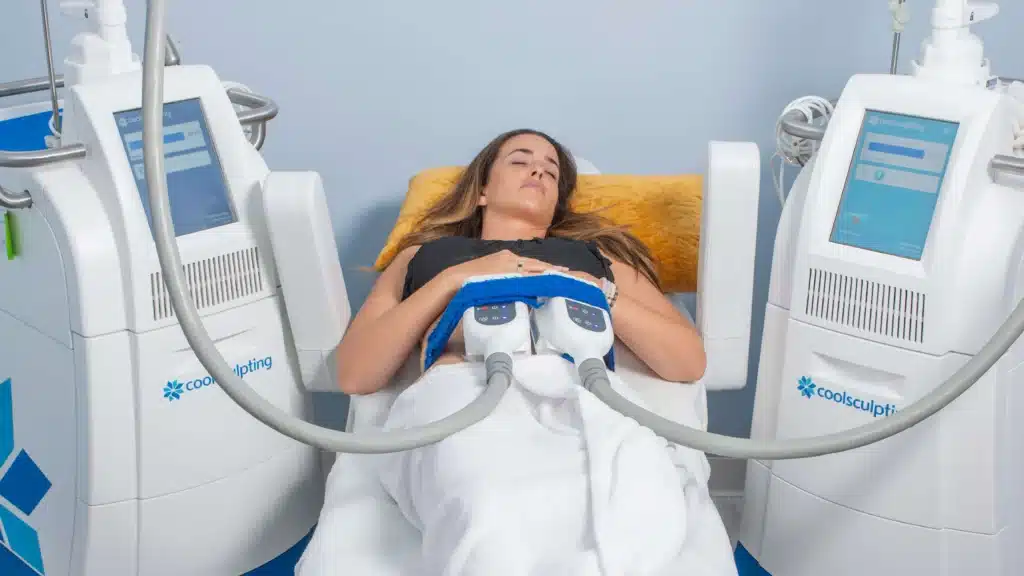
A typical CoolSculpting session lasts about 35 minutes to an hour per area treated. During the procedure, a CoolSculpting device is applied to the targeted area. The device pulls in the skin and fat, cooling it to a temperature that destroys fat cells while leaving other tissues unharmed.

Patients often experience sensations of pulling or pinching during the treatment but report minimal discomfort afterward. After each session, normal activities can typically resume immediately.

Results Timeline

CoolSculpting results appear gradually as the body processes and eliminates the dead fat cells. Most patients notice changes within three weeks, with optimal results visible around two to three months post-treatment. These results can last if combined with a healthy lifestyle.

An average CoolSculpting treatment plan involves one to three sessions per area, spaced about six weeks apart. Individual needs vary, so consulting with a qualified provider is essential for personalized recommendations.

Comparing Procedures

Surgical Nature

Liposuction is a surgical procedure. Surgeons perform it in an operating room. They use a hollow tube, called a cannula, to remove fat from specific areas of the body. This process can be invasive and requires careful planning.

CoolSculpting, on the other hand, is a noninvasive treatment. It uses controlled cooling to freeze and destroy fat cells. Patients do not need surgery for this method. Instead, they sit comfortably while the device applies cold temperatures to the targeted area.

The surgical nature of liposuction means it has a longer recovery time. Patients may experience swelling and bruising after surgery. In contrast, CoolSculpting typically allows patients to return to their daily activities immediately.

Anesthesia Requirements

Liposuction usually requires anesthesia. Surgeons often use general or local anesthesia during the procedure. General anesthesia puts patients completely to sleep, while local anesthesia numbs only the targeted area. This choice depends on the amount of fat being removed and patient comfort.

CoolSculpting does not require any anesthesia at all. Patients feel some cold and pressure during the treatment but no pain. This makes CoolSculpting appealing for those who want to avoid surgery and anesthesia risks.

Fat Removal Efficiency

Liposuction can remove a significant amount of fat in one session. The procedure allows for more precise sculpting of the body. Surgeons can target multiple areas at once, leading to noticeable results immediately after the operation.

CoolSculpting works differently. It gradually reduces fat over several weeks. Patients may see results after one session, but more sessions are often needed for optimal outcomes. This gradual approach appeals to those who prefer less aggressive methods.

It’s important to note that both procedures have their own advantages and limitations. Liposuction offers faster results but involves surgery and recovery time. CoolSculpting provides a noninvasive option with minimal downtime but may take longer for visible changes.

Treatment Goals

Liposuction Focus

Liposuction aims for immediate and significant fat removal. This surgical procedure allows doctors to target specific areas of the body. Patients often choose liposuction when they want quick results. It can remove large amounts of fat in one session.

Surgeons insert a thin tube, called a cannula, through small incisions. They then suction out unwanted fat. This method provides instant changes to body shape. Many patients see noticeable results right after the procedure.

CoolSculpting Approach

CoolSculpting focuses on gradual fat reduction over multiple sessions. This non-invasive treatment uses controlled cooling to freeze fat cells. The body gradually eliminates these frozen cells over time. Patients usually need several sessions for optimal results.

Each session targets specific areas, such as the abdomen or thighs. Results appear slowly, often taking weeks to months. Some individuals prefer this method because it requires no downtime. They can return to daily activities right after treatment.

Common Goals

Both liposuction and CoolSculpting aim to improve body contour but through different methods. Patients have various aesthetic goals when considering these treatments. Some seek immediate change, while others prefer a more subtle approach.

Both procedures can help reduce stubborn fat that diet and exercise might not eliminate. Patients should consider their personal goals before choosing a method.

Considerations for Selection

Choosing between liposuction and CoolSculpting depends on individual needs. Factors include desired results, recovery time, and budget. Liposuction is more invasive and may require longer recovery.

CoolSculpting is less invasive but takes longer to achieve full results. Understanding these differences helps patients make informed decisions.

Recovery Time

Liposuction Recovery

Liposuction often requires about a week for initial recovery. Patients usually experience swelling and bruising after the procedure. These effects can last for several weeks. Pain management is often necessary during this period. Many people may need to take time off work to rest.

After about a week, many patients start feeling better. They can gradually return to their daily routines. However, consistent exercise is important for optimal results. Engaging in physical activity helps maintain the body shape achieved through liposuction. Doctors often recommend waiting a few weeks before resuming intense workouts.

CoolSculpting Recovery

CoolSculpting has minimal downtime. Most patients can resume normal activities almost immediately after treatment. This non-invasive procedure uses controlled cooling to eliminate fat cells. As a result, there are no surgical incisions involved.

Patients may feel some temporary numbness in the treated areas. This sensation usually fades quickly. Unlike liposuction, swelling and bruising are not common with CoolSculpting. Many individuals appreciate the convenience of this method, as they do not need significant recovery time.

Comparing Effects

The post-procedure effects differ significantly between these two methods. Liposuction often leads to swelling and bruising that can be uncomfortable. Patients might find it challenging to move around freely during recovery.

In contrast, CoolSculpting’s main side effect is temporary numbness. There is no need for extensive pain management or downtime with this method. Patients can return to their usual activities shortly after treatment without restrictions.

Final Thoughts

Choosing between liposuction and CoolSculpting involves considering recovery time. Each option has its unique benefits and drawbacks. Liposuction offers more immediate fat removal but requires longer recovery. Meanwhile, CoolSculpting allows for quicker resumption of daily life but may take longer to see full results.

Understanding these differences can help patients make informed decisions based on their lifestyle needs and goals.

Candidate Suitability

Liposuction Candidates

Ideal candidates for liposuction are those seeking significant fat removal. These patients often have stubborn fat deposits that do not respond to diet or exercise. They must be in good health and at a stable weight. Surgeons look for people who have realistic expectations about the results.

Candidates should also be willing to undergo surgery. This procedure requires anesthesia and involves recovery time. People must understand the risks associated with surgery, including infection and scarring. Consulting with a board-certified surgeon is crucial. They can assess individual needs and determine if liposuction is the right option.

CoolSculpting Candidates

CoolSculpting is suitable for individuals looking for noninvasive fat reduction. This option appeals to those who want to target specific areas of their body without surgery. Ideal candidates may have noticeable fat bulges but are close to their ideal weight.

People interested in this treatment should understand it does not provide dramatic results like liposuction. Instead, it offers gradual improvements over time. The device freezes fat cells, which the body then naturally eliminates. This process makes it essential for candidates to maintain a healthy lifestyle post-treatment.

Weight Loss Considerations

Neither liposuction nor CoolSculpting is a substitute for weight loss. Both procedures are not designed for obesity treatment. They work best for people who are near their target weight but struggle with localized fat deposits.

Patients should focus on achieving a healthy weight through exercise and diet first. This approach ensures better results from either procedure. A consultation with a healthcare provider can help clarify options based on individual goals.

Emotional Factors

Choosing between these two procedures may involve emotional factors as well. Some people may feel frustrated by their bodies despite efforts to lose weight. Others might desire a quick fix without the commitment of surgery.

Understanding personal motivations is essential before making a decision. Discussing feelings with a qualified surgeon can help guide choices effectively.

Pain Levels

Liposuction Pain

Liposuction typically involves some level of pain and discomfort. Patients often experience soreness in the treated areas, like the abdomen, hips, and thighs. This discomfort can last for several days after the procedure.

Anesthesia is used during liposuction to manage pain. Doctors usually administer general anesthesia or local anesthesia with sedation. After the procedure, patients may need pain medication to help with recovery. The intensity of pain varies among individuals. Some people find it manageable, while others may struggle more.

CoolSculpting Discomfort

CoolSculpting is different in terms of pain levels. During this non-invasive treatment, patients may feel mild discomfort. This sensation can include cold feelings and tingling as the device cools fat cells in targeted areas like the chin and abdomen.

The procedure lasts about 35 minutes per area treated. Most patients tolerate it well without any need for anesthesia or pain relief medication. After the treatment, some people report minor side effects such as redness or swelling, but these effects usually resolve quickly.

Individual Tolerance

Pain levels also depend on individual tolerance and the extent of the treatment area. Some patients have a higher threshold for pain than others. Those who undergo larger areas might experience more discomfort during liposuction compared to smaller sections treated with CoolSculpting.

Patients should consider their personal comfort levels when choosing between these two options. Consulting with a healthcare professional can provide insight into what to expect based on individual circumstances.

Summary of Pain Experiences

  1. Liposuction
    • Involves anesthesia
    • Causes soreness post-procedure
    • May require pain medication
  2. CoolSculpting
    • Non-invasive method
    • Mild sensations during treatment
    • No anesthesia needed

These differences highlight how each option has its own unique experience regarding pain levels.

Treatment Effectiveness

Liposuction Results

Liposuction offers immediate and noticeable results. Patients see a change in their body shape as soon as the swelling goes down. This process can take a few weeks. Many people feel satisfied with the quick transformation. The fat removal is permanent, assuming a stable weight is maintained.

Liposuction targets specific areas of fat. It works well for those who have stubborn fat that won’t go away with diet or exercise. Areas like the abdomen, thighs, and arms respond well to this procedure.

CoolSculpting Results

CoolSculpting provides different results. Changes appear gradually over several weeks to months. This technique freezes fat cells, which then die off slowly. Patients may not notice significant changes right away.

The effects can continue to improve for up to six months after treatment. Many enjoy seeing their bodies transform over time. However, some may prefer immediate results instead.
Lifestyle Considerations

Both liposuction and CoolSculpting require a healthy lifestyle to maintain results. Following treatments, patients must focus on diet and exercise. Weight gain can affect the outcomes of both procedures.

Patients should adopt healthy habits to keep their bodies looking good. Regular workouts and balanced meals help sustain the benefits of each treatment.

Choosing between these options depends on personal goals and preferences. It’s essential to consult with a professional to determine which method suits individual needs best.

Cost Comparison

Liposuction Costs

Liposuction generally has a higher upfront cost. This is due to surgical fees, anesthesia, and facility costs. On average, the total expense can range from $3,000 to $10,000. The price varies based on factors like the area treated and the surgeon’s experience.

Patients should also consider additional expenses. These may include post-operative care and follow-up visits. Insurance often does not cover liposuction as it is usually considered cosmetic surgery.

CoolSculpting Costs

CoolSculpting tends to be less expensive per session. Each session can range from $2,000 to $4,000. However, multiple sessions may be needed for optimal results. Many patients require three or more sessions to see significant changes.

The total cost can add up quickly. Patients must factor in these additional sessions when budgeting for this treatment.

Factors Influencing Costs

Costs for both procedures vary widely. Treatment area plays a crucial role in determining the amount spent. Common areas like the abdomen or thighs might cost more than smaller areas such as the arms or chin.

Provider expertise also affects pricing. Highly experienced providers may charge more due to their skills and reputation. Geographic location matters too; urban areas often have higher costs compared to rural settings.

Patients should research local providers before making a decision. Comparing prices among different clinics helps find the best option.

Summary of Costs

Here’s a quick comparison of costs between liposuction and CoolSculpting:

  • Liposuction:
    • Upfront cost: $3,000 – $10,000
    • Includes surgical fees and anesthesia
    • Additional costs for post-operative care
  • CoolSculpting:
    • Session cost: $2,000 – $4,000
    • May need multiple sessions
    • Total cost can increase with additional treatments

Understanding these costs is essential for making an informed choice. Patients should weigh both options carefully based on their budget and desired results.

Closing Thoughts

Choosing between liposuction and CoolSculpting boils down to your personal goals and preferences. Each method has its own perks, from the invasiveness of liposuction to the non-invasive nature of CoolSculpting. Understanding these differences helps you make an informed decision that aligns with your body goals.

Take the time to weigh your options carefully. Consult with a qualified professional who can guide you based on your unique needs. Your journey to a more sculpted body starts with the right choice. Don’t hesitate—explore your options today!

Frequently Asked Questions

What is the main difference between liposuction and CoolSculpting?

Liposuction is an invasive surgical procedure that removes fat through suction. CoolSculpting is a non-invasive method that freezes fat cells, allowing the body to naturally eliminate them over time.

How long do results last for each procedure?

Results from liposuction can be permanent if you maintain a stable weight. CoolSculpting results are also long-lasting, but they depend on lifestyle choices post-treatment.

Is there any downtime after these procedures?

Liposuction typically requires several weeks of recovery time. In contrast, CoolSculpting has minimal downtime, with most patients returning to normal activities immediately.

Are both treatments safe?

Both procedures are generally safe when performed by qualified professionals. However, as with any medical treatment, there are risks involved. Consult with a healthcare provider for personalized advice.

How much do liposuction and CoolSculpting cost?

Liposuction usually costs more due to its invasive nature, averaging between $3,000 to $10,000. CoolSculpting tends to be less expensive, ranging from $2,000 to $4,000, depending on the area treated.

Can anyone undergo these procedures?

Not everyone is a suitable candidate. Liposuction is best for those with localized fat deposits and good skin elasticity. CoolSculpting suits individuals close to their ideal weight but struggling with stubborn fat areas.

What should I expect during the treatment process?

During liposuction, anesthesia is used, followed by incisions for fat removal. CoolSculpting involves applying a device to freeze fat without surgery. Both processes aim for effective fat reduction with varying experiences.


Fat Grafting: Techniques, Safety Measures, and Expected Outcomes

Fat grafting in liposuction has evolved significantly over the years. This technique involves transferring fat from one part of the body to enhance another area, creating a more balanced look. Understanding the best practices for fat grafting, as indicated by respondents, is crucial for achieving optimal results.

Proper patient selection and meticulous harvesting techniques are key factors. The use of advanced tools ensures minimal damage to the fat cells, leading to better survival rates once injected. Knowing how to strategically place the fat enhances contour and volume. Following these best practices not only boosts aesthetic outcomes but also minimizes complications. Mastering these fat graft methods can elevate your practice and satisfy your clients.

Key Takeaways

  • Understand the different fat grafting techniques to choose the best one for your needs, as discussed in the overview section.
  • Select the right donor site carefully to maximize fat quality and quantity, ensuring better results in your procedure.
  • Use proper harvesting techniques to minimize trauma to the fat cells, which can help maintain their viability for successful transfer.
  • Process your fat grafts using recommended methods to enhance their survival rate after injection, as outlined in the processing methods section.
  • Implement effective injection strategies to ensure even distribution and optimal results from your fat transfer.
  • Prioritize safety by following established protocols and guidelines to reduce risks associated with fat grafting procedures.

Overview of Fat Grafting Techniques

Historical Background

Autologous fat grafting gained recognition in 1995. Dr. Sydney Coleman introduced this innovative fat grafting procedure. His work changed how surgeons approached tissue reconstruction. Coleman emphasized the importance of using a patient’s own fat for grafting. This method reduced risks associated with foreign materials. It also improved aesthetic outcomes in various surgeries.

Applications in Surgery

Fat grafting techniques have diverse applications across different surgical fields. In craniofacial surgery, fat graft helps restore facial volume after trauma or congenital defects. Surgeons use fat grafting to enhance contours and improve symmetry in patients.

In reconstructive breast surgery, fat grafting plays a crucial role. It aids in restoring breast shape after mastectomy. Many patients prefer this method as it provides natural results with fat grafts without implants.

Aesthetic surgery also benefits from fat grafting practices. Patients seek volume enhancement in areas like the cheeks, lips, and buttocks using fat graft. The technique allows for customized results tailored to individual needs.

Volume Requirements

Fat grafting can be categorized based on the volume required for each procedure.

  1. Small-Volume Grafting: This technique uses limited amounts of fat. It is often used for minor touch-ups or small areas like the under-eye region.
  2. Large-Volume Grafting: This approach involves more significant fat transfers. It is suitable for enhancing curves in areas such as the thighs or buttocks.
  3. Mega-Volume Grafting: This technique requires substantial amounts of fat. It is often used in extensive body contouring procedures.

Surgeons must evaluate the size and type of graft needed for each patient. Understanding these requirements ensures successful outcomes.

Consultation Process

A fat grafting consultation is essential before any procedure. During this meeting, surgeons assess the patient’s goals and medical history. They discuss potential risks and benefits of fat grafting techniques.

Surgeons also examine donor sites for fat extraction. Knowledge about the patient’s anatomy is crucial for optimal results. A thorough consultation sets realistic expectations for patients.

Donor Site Selection

Criteria for Selection

Selecting the right donor site is crucial for effective fat grafting. The primary criterion is fat availability. Surgeons assess the patient’s body to identify areas with sufficient fat stores. Factors like body mass index (BMI) and overall health influence this decision. Patients with higher BMI often have more options.

Surgeons also consider site morbidity. This refers to complications or issues arising from the donor area post-surgery. Minimal donor site morbidity is preferred to ensure the patient experiences fewer side effects. A careful surgical plan helps in choosing the most suitable area, balancing fat volume needs and recovery concerns.

Common Donor Site: Abdomen

The abdomen serves as a common donor site for fat harvesting. It typically has ample fat deposits, making it a reliable choice. The abdominal area allows for larger volumes of fat extraction, which is beneficial for significant grafting procedures.

Surgeons often use a specific incision point on the abdomen to minimize scarring. They aim for locations that are less visible, enhancing aesthetic outcomes post-operation. The use of a preferred device, such as a specialized cannula tip, can improve fat retrieval efficiency.

Alternative Donor Sites

Alternative donor sites include the thighs, hips, and flanks. Each location has its advantages depending on volume requirements. For example, thigh fat can be harvested when moderate amounts are needed. This area often has good quality fat and may have lower visibility post-procedure.

Flank areas can also serve as effective donor sites, especially for patients with lower abdominal fat availability. These regions can provide high-quality fat while maintaining minimal site morbidity.

Surveys among participants in studies show varied preferences for donor areas based on individual body types and goals. Some patients prefer thigh harvesting due to personal comfort levels or previous experiences.

Fat Quality Considerations

Fat quality plays a vital role in successful grafting outcomes. Harvested fat must be rich in viable cells to promote healthy integration into the recipient site. Therefore, surgeons pay close attention to both the location and technique used during extraction.

Using appropriate techniques reduces trauma to surrounding tissues and enhances fat viability. Proper handling of harvested fat ensures better survival rates once injected into the target area.

In summary, selecting a donor site requires careful consideration of various factors including fat availability, potential complications, and patient preferences. The abdomen remains a favored choice due to its ample supply of fat and ease of access. Alternative sites like thighs and flanks also provide valuable options based on individual needs.

Harvesting Techniques for Fat Grafting

Preferred Instruments

The choice of instruments plays a vital role in fat harvesting. Surgeons often prefer using a 3- to 4-mm cannula with three holes. This design allows for efficient suction while minimizing damage to fat cells. The larger diameter helps in volume fat harvesting, making it easier to extract more fat in a single pass. Using this type of cannula ensures that the procedure remains effective and less traumatic for the surrounding tissues.

Steps Involved

The process of fat harvesting involves several clear steps. First, the surgeon selects the donor site based on previous evaluations. Next, they inject a tumescent solution into the area. This solution contains saline, anesthetics, and epinephrine, which helps to constrict blood vessels.

After preparing the area, the surgeon makes small incisions to insert the cannula. They then begin to gently move the cannula back and forth to loosen the fat. The suction mechanism pulls out the fat tissue into a collection container.

Once sufficient fat is harvested, the surgeon may need to process it further. This step often involves centrifugation or filtration to separate viable fat cells from impurities. Proper processing enhances the quality of the harvested fat, ensuring better results during grafting.

Gentle Handling

Gentle handling during the harvesting process is crucial. Excessive force can damage fat cells, reducing their viability. Preserving these cells is essential for successful grafting later on. Each cell must be treated delicately to maintain its integrity.

Surgeons focus on minimizing trauma throughout the procedure. They avoid aggressive suction techniques and ensure smooth movements with the cannula. This approach helps keep more fat cells alive for transplantation.

Importance of Volume Fat Harvesting

Volume fat harvesting is significant in achieving optimal results in liposuction and subsequent grafting procedures. Larger amounts of harvested fat can improve contouring and enhance aesthetic outcomes. It also provides enough material for areas needing filling or enhancement.

Proper technique during this phase sets the foundation for success in fat grafting. When done correctly, patients see better volume retention and longer-lasting results. Therefore, attention to detail during fat harvest is paramount.

Processing Methods for Fat Grafts

Decantation Method

Decantation is the most common method used after fat harvest. This technique allows for the separation of fat from unwanted fluids. The process involves letting the harvested fat sit undisturbed. After some time, the fat rises to the top while impurities settle at the bottom.

Surgeons then carefully pour off the top layer. This method is straightforward and requires minimal equipment. It preserves the integrity of the fat cells, making it ideal for small volume fat grafting procedures.

Centrifugation

Centrifugation is another popular processing method. It uses a machine to spin the fat at high speeds. This spinning creates a force that separates components based on density. Fat cells move to one side while impurities remain on the other.

This method can be more effective than decantation alone. It removes more impurities and yields a cleaner graft. However, it may damage some fat cells due to the force applied. Therefore, careful attention is needed during this process.

Filtration Techniques

Filtration is also utilized in fat processing. This method involves passing the harvested fat through a filter or mesh. The filter captures larger particles and impurities while allowing viable fat cells to pass through.

Filtration can be combined with decantation or centrifugation. Doing so enhances purity and quality of the graft. Each technique has its own advantages and limitations.

Importance of Removing Impurities

Removing impurities is crucial for successful fat grafting. Impurities can include blood, oil, and other debris that may harm the graft’s performance. High-quality fat grafts lead to better cosmetic results and longer-lasting outcomes.

Surgeons must prioritize handling fat tissue properly during processing. Quality control ensures that only healthy cells are injected into the recipient area. Using effective methods like decantation, centrifugation, and filtration contributes to this goal.

Proper processing techniques also align with best practices in plastic surgery procedures. They ensure that patients receive safe and effective treatments. This focus on quality improves overall satisfaction rates in cosmetic procedures.

In summary, understanding various processing methods enhances clinical practice in fat grafting surgeries. Each technique offers unique benefits and challenges. By selecting appropriate methods, surgeons can achieve optimal results for their patients.

Injection Strategies for Fat Transfer

Handheld Injections

Handheld injections play a key role in fat transfer procedures. Surgeons often use 1- to 2-mm cannulas along with 1 cm³ syringes. These tools allow for precise placement of autologous fat into the target areas. The small size of the cannulas minimizes trauma to surrounding tissues. This results in less swelling and bruising post-procedure.

Fat injection needs careful handling. The surgeon must maintain a steady hand during the process. This ensures that the fat is delivered evenly across the area. Using handheld injections helps achieve this goal effectively.

Even Distribution Techniques

Achieving even distribution of fat is crucial for natural-looking results. Surgeons employ various techniques to ensure this outcome. One common method involves injecting small amounts of fat at multiple sites within the area. This technique prevents lumpiness and provides a smooth contour.

Surgeons also recommend using a fan-like pattern during injections. By spreading out the fat in this manner, they can enhance volume evenly. This approach avoids clumping and promotes better integration of the fat into the surrounding tissues.

Layering and Avoiding Overfilling

Layering is an essential practice in fat grafting. It involves placing thin layers of fat rather than large volumes at once. This strategy allows for better blood supply to the injected fat cells, increasing their survival rate.

Avoiding overfilling is equally important. Injecting too much fat at one time can lead to complications such as necrosis or uneven contours. Surgeons typically advise starting with smaller amounts and assessing the area before adding more.

Maintaining communication with patients throughout the process is vital. Patients need to understand why surgeons choose specific methods and techniques. This transparency builds trust and encourages realistic expectations regarding their results.

Surgeons should always prioritize patient safety during procedures. Proper techniques reduce risks associated with fat transfer, ensuring smoother recovery times.

In summary, successful fat transfer requires careful attention to injection strategies. Handheld injections with small cannulas allow for precise delivery of autologous fat. Techniques for even distribution help create natural-looking results while layering prevents complications from overfilling.

Ensuring Safety in Fat Transfer

Sterile Conditions

Maintaining sterile conditions is crucial during fat grafting. This helps prevent infections and complications. Surgeons must use sterile instruments and materials throughout the procedure. They should also wear gloves, masks, and gowns to minimize contamination risk. The surgical area must be cleaned properly before starting.

A clean environment reduces the chance of bacteria entering the body. This is vital for patient safety. Infections can lead to severe complications, including prolonged healing times and additional surgeries.

Risks and Complications

Fat transfer carries potential risks. One serious risk is fat embolism. This occurs when fat enters the bloodstream and blocks blood vessels. It can cause severe health issues, including respiratory failure or stroke.

Infection is another significant concern. Bacterial contamination can lead to abscesses or systemic infections. Patients may experience symptoms like fever, swelling, or increased pain at the injection site. Proper monitoring can help detect these issues early.

Surgeons should discuss these risks with patients before the procedure. Understanding potential complications allows patients to make informed decisions about their treatment.

Monitoring Patient Safety

Monitoring patient safety is essential during and after the fat transfer process. Anesthesia plays a critical role in this aspect. The type of anesthesia used can affect recovery time and overall safety. General anesthesia may require more monitoring compared to local anesthesia.

After the procedure, healthcare providers should observe patients closely. They need to check for any signs of complications, such as unusual swelling or changes in vital signs. Regular follow-up appointments are necessary to assess fat retention and overall recovery.

Patients should also be educated on what to look out for after leaving the clinic. They need to know when to seek medical attention if they notice concerning symptoms.

Best Practices

Implementing best practices can enhance safety during fat grafting procedures:

  1. Use sterile techniques throughout the surgery.
  2. Educate patients about possible risks.
  3. Monitor vital signs closely during anesthesia.
  4. Schedule follow-up visits for ongoing assessment.
  5. Encourage patients to report unusual symptoms immediately.

These steps ensure better outcomes and enhance fat survival rates after transfer.

Evaluating Fat Graft Outcomes

Photographic Evaluation

Photographic evaluation is a common method for assessing fat graft outcomes. Surgeons take standardized photos before and after the procedure. These images help in visual comparisons over time. They provide a clear view of changes in contour and volume. This method allows for objective analysis of fat graft survival.

Surgeons often use these photographs to evaluate graft retention. They can measure improvements in specific areas. Comparing pre-operative and post-operative images shows how well the fat has integrated into the surrounding tissue. This assessment is crucial for determining overall success.

Patient Satisfaction Surveys

Patient satisfaction surveys are another effective tool for outcome assessment. These surveys gather feedback directly from patients about their experiences. Patients can express their feelings regarding the aesthetic results and recovery process. This information helps gauge the effectiveness of the procedure.

Survey results often reveal insights into patient expectations. Many patients seek natural-looking results. Understanding these desires can guide surgeons in achieving their surgical goal. High satisfaction rates typically indicate successful graft survival and adipocyte viability.

Volumetric Analysis

Volumetric analysis provides a more quantitative approach to evaluating fat graft outcomes. This method measures the volume of fat retained over time using imaging techniques like ultrasound or MRI. Such assessments allow for precise calculations of fat graft retention and fat graft resorption.

These analyses show how much of the transferred fat remains viable months after surgery. Studies have found that retaining at least 50% of the grafted fat is essential for satisfactory outcomes. Surgeons rely on this data to make informed decisions about future procedures.

Long-Term Follow-Up

Long-term follow-up is critical in evaluating the success of fat grafting procedures. Many studies suggest that assessing outcomes six months or more post-surgery provides a clearer picture of results. Initial swelling may mask true retention levels, making early assessments unreliable.

Regular follow-up appointments allow surgeons to monitor adipocyte viability and any changes in contour over time. They can identify issues such as graft resorption, which may occur months after surgery. Longitudinal studies often yield valuable findings about long-term effectiveness.

Surgeons can also adjust techniques based on these assessments, leading to improved outcomes in future surgeries.

Innovative Fat Grafting Methods

Advancements in Techniques

Regenerative plastic surgeons have made significant advancements in autologous fat grafting techniques. One of the most notable is stem cell enrichment. This method enhances the survival rate of fat grafts by incorporating stem cells from the patient’s own body. These cells promote healing and tissue regeneration. The use of stem cells can lead to improved outcomes in both aesthetic surgery and reconstructive surgery.

Small incisions are often used during these procedures. They minimize scarring while allowing for efficient fat extraction and placement. This technique is especially beneficial in breast augmentation and reconstructive breast surgery. Patients experience less trauma, resulting in quicker recovery times.

Nanofat and Microfat Grafting

Nanofat and microfat grafting are innovative methods gaining attention. These techniques involve processing fat into smaller particles before injection.

Nanofat consists of very tiny fat particles. It is ideal for treating delicate areas, such as around the eyes or on the back of the hands. Microfat, on the other hand, is slightly larger but still provides a smooth finish. Both types are useful for enhancing skin texture and rejuvenation.

These grafts can also be employed in burns surgery. They help restore volume and improve skin appearance in damaged areas. Patients report high satisfaction rates with these methods due to their natural results.

Ongoing Research

Ongoing research continues to shape the future of fat grafting. Scientists explore new technologies that enhance graft viability and integration into surrounding tissues. Studies focus on understanding how different processing techniques affect fat survival rates.

Emerging technologies include 3D printing for custom graft shapes. This could revolutionize how surgeons approach reconstructive microsurgery services. Tailored grafts may lead to better fit and function for patients undergoing complex surgeries.

Researchers examine the role of growth factors in fat grafting. These proteins encourage tissue healing and regeneration, further improving outcomes.

Personalized Approaches

Fat grafting will evolve toward more personalized techniques. Each patient has unique needs and body types. A plastic surgeon will assess these factors before the procedure. This can lead to tailored fat grafting plans. These plans will consider the patient’s anatomy, goals, and health history. By focusing on individual characteristics, surgeons can improve outcomes.

Research supports this trend. Studies show that customized approaches yield better results in cosmetic surgery. Patients report higher satisfaction when procedures align with their specific desires. This shift may change how plastic surgeons approach facial rejuvenation and other areas.

Combining Techniques

The future also points to combining fat grafting with other regenerative medicine methods. Surgeons are exploring ways to integrate adipose stem cells into fat grafts. These cells can enhance healing and improve results. For instance, using stem cells may reduce the risk of scar deformities after surgery.

Current literature highlights these possibilities. Combining fat grafting with techniques like PRP (platelet-rich plasma) therapy shows promise. The synergy between these methods may lead to enhanced recovery and better aesthetic results.

Global Consensus

A global consensus on fat grafting practices is emerging. Surveys among leading experts in plastic surgery are underway. These surveys aim to establish best practices for various procedures, including cosmetic breast augmentation and facelift surgery.

As more data becomes available, guidelines will be refined. This will help standardize techniques across different regions. It encourages collaboration among surgeons worldwide. Sharing knowledge fosters innovation and improves patient care.

Research and Development

Ongoing research plays a crucial role in shaping future trends in fat grafting. Scientists are investigating the properties of adipose tissue. They look at how it interacts with blood supply during the grafting process. Understanding these dynamics can enhance the effectiveness of fat transfer.

Innovations in surgical tools and techniques also contribute to advancements in the field. New technologies may allow for more precise fat harvesting and placement. This could minimize complications and improve overall results.

Education for plastic surgeons is evolving alongside these trends. Training programs now emphasize the importance of understanding adipose tissue biology. Surgeons must stay updated on current literature and emerging techniques.

Workshops and seminars focus on innovative methods in fat grafting. This ensures that practitioners are equipped with the latest knowledge.

Final Remarks

Fat grafting in liposuction is a game changer. You’ve learned about various techniques, donor site selection, and safety measures. Mastering these best practices ensures optimal results and enhances patient satisfaction. Staying updated with innovative methods and future trends keeps you ahead in the field.

Now is the time to apply your knowledge. Implement these strategies in your practice to elevate your skills and outcomes. Your commitment to excellence will not only boost your reputation but also provide lasting benefits for your patients. Dive deeper into fat grafting and explore new possibilities.

Frequently Asked Questions

What is fat grafting in liposuction?

Fat grafting in liposuction involves transferring fat from one area of the body to another. This technique enhances volume and contours, providing natural-looking results.

What are the best donor sites for fat grafting?

Common donor sites include the abdomen, thighs, and flanks. These areas typically have sufficient fat reserves and allow for effective harvesting.

How is fat harvested for grafting?

Fat is harvested using liposuction techniques. A small cannula is inserted to gently suction out the fat while minimizing trauma to surrounding tissues.

What processing methods are used for fat grafts?

Processing methods include centrifugation and decantation. These techniques help purify the fat, removing excess fluids and ensuring a high-quality graft.

How is fat injected during transfer?

Fat is injected using a specialized syringe and cannula. The injection strategy involves layering to promote even distribution and enhance survival rates.

What safety measures should be taken during fat transfer?

Safety measures include selecting qualified surgeons, utilizing sterile techniques, and monitoring patient health throughout the procedure to minimize risks.

What are the expected outcomes of fat grafting?

Outcomes vary but typically include improved volume and contour in treated areas. Many patients enjoy long-lasting results with proper post-operative care.

Safe Exercises to Do After Liposuction Recovery + FAQs

After liposuction, many people wonder how to get back into their fitness routine safely. Post-liposuction exercise tips are essential for a smooth recovery and optimal results in a patient’s surgery routine, avoiding strenuous workouts that may affect fat loss. It’s crucial to know when to start exercising and what activities to avoid. Gentle movements can boost circulation and speed up healing.

Incorporating light workouts like walking or stretching is key in the early stages. As you progress, adding strength training can help tone your body. Staying hydrated and listening to your body is vital during this lipo transition. These tips will guide you through your post-op journey while ensuring you achieve the best possible outcome.

Key Takeaways

  • Start with gentle activities like walking to ease back into exercise after liposuction, as it promotes healing and circulation.
  • Follow a gradual exercise timeline, moving from light activities to more intense workouts as your body allows, typically starting around two weeks post-surgery.
  • Focus on safe exercises such as low-impact cardio and stretching to avoid strain on your healing body while still improving flexibility and endurance.
  • Incorporate regular walking into your routine to enhance recovery and maintain results, aiming for at least 30 minutes a day as you progress.
  • Be aware of potential challenges like fatigue or discomfort, and listen to your body; it’s okay to adjust your routine based on how you feel.
  • Refer back to common FAQs about post-liposuction exercise for guidance and reassurance, ensuring you stay informed about your recovery journey.

Importance of Gradual Exercise

Healing Time

Allowing sufficient downtime is crucial after liposuction. The body needs time to heal properly. Most doctors recommend a recovery period of at least two weeks after lipo. During this time, rest is essential. Engaging in intense activities too soon can lead to complications. Swelling and bruising may worsen if you push your body too hard.

Listening to your body is important during recovery. If you feel pain or discomfort, stop any activity immediately. Pay attention to how your body responds to movement. Gentle stretching can help improve flexibility without overexertion.

Follow Doctor’s Orders

Following doctor’s orders plays a key role in recovery. Each person’s healing process differs. Doctors provide personalized advice based on individual circumstances. Some may suggest waiting four to six weeks after lipo before resuming normal activities.

Light strength training, alongside lipo, can be introduced gradually after the initial healing phase. This type of exercise helps rebuild muscle strength without straining the body. Start with simple movements using light weights or resistance bands. Focus on low-impact exercises that do not stress the surgical area.

Gradual Integration

Gradually reintroducing strenuous movements minimizes injury risk. Begin with short sessions of light activity, such as walking. Walking increases blood flow and promotes lipo healing without excessive strain. After a few days, increase the duration and intensity gradually.

Incorporate gentle stretching into your routine after a week or two. Stretching maintains flexibility and reduces stiffness in muscles. Avoid high-impact exercises until cleared by your doctor.

Consider these steps for gradual workout integration post-liposuction:

  1. Start with walking – Aim for 10-15 minutes daily.
  2. Add light stretching – Focus on major muscle groups.
  3. Introduce light strength training – Use light weights or resistance bands.
  4. Increase intensity slowly – Monitor how your body reacts.
  5. Consult with your doctor regularly – Ensure you are on track for recovery.

Post-Liposuction Exercise Timeline

Week One

During the first week after liposuction, rest is crucial. The body needs time to heal. Light activities like walking can begin as soon as you feel comfortable after lipo. Short walks help improve circulation and reduce swelling. Aim for about 5-10 minutes daily.

Avoid any strenuous movements. No lifting, bending, or high-impact exercises should be done after lipo. Focus on hydration and following your doctor’s instructions. This period is essential for a smooth liposuction recovery process.

Week Two

In the second week, increase your walking duration gradually. Aim for 15-20 minutes each day. You may start gentle stretching exercises if approved by your doctor, lipo. Stretching enhances flexibility and reduces stiffness.

Rest remains important during this phase. Listen to your body and stop if you feel pain. Avoid any exercise that targets the treated areas directly. This helps in maintaining post liposuction weight effectively.

Week Three

By week three, you can introduce light strength training. Use resistance bands or light weights. Focus on upper body exercises to avoid strain on the lower body areas treated with lipo.

Continue daily walks but aim for longer distances, around 30 minutes. Monitor how your body responds to increased activity levels. Adjust your routine based on comfort and energy levels.

Week Four

In week four, most patients can resume more structured workouts. Start a lipo workout plan that includes low-impact cardio, such as cycling or swimming. These activities are easier on the body while still providing benefits.

Continue to incorporate strength training twice a week. Focus on all major muscle groups but avoid heavy weights still. This balance helps maintain muscle tone without risking injury.

Weeks Five to Eight

Weeks five through eight allow for more intense workouts. Gradually increase the intensity of cardio sessions. You can also add core-strengthening exercises as your body heals.

Consider including activities like yoga or Pilates for flexibility and core strength improvement. These practices support overall recovery and help regain pre-surgery fitness levels.

Throughout this timeline, remember that each person’s recovery varies. Follow your doctor’s advice closely for personalized guidance on returning to exercise.

Safe Exercises After Liposuction

Low-Impact Activities

Walking is a great way to start. It helps improve circulation and speeds up recovery. Begin with short walks around the house or yard. Gradually increase the distance as you feel more comfortable. Aim for at least 10-15 minutes daily.

Light cardio exercises are also beneficial. Activities like stationary cycling or using an elliptical machine can be effective. These exercises keep the heart rate up without stressing your body too much. Start with low resistance and short durations, then slowly build up.

Gentle Strength Training

Gentle strength training can help maintain muscle tone. Focus on bodyweight exercises like squats, wall push-ups, and seated leg lifts. These movements are safe and easy on the body after surgery.

Use light weights if you feel ready. Resistance bands can also be useful for gentle lipo workouts. Aim for two to three sessions per week, allowing rest days in between. Listen to your body and stop if you feel pain.

Avoid High-Impact Workouts

High-impact exercises should be avoided initially. Activities such as running, jumping, or heavy lifting can strain healing tissues. Wait until your doctor gives you the green light before starting these workouts.

Most doctors recommend waiting at least six weeks after surgery before resuming intense activities. This timeline allows the body to heal properly. Rushing back into high-intensity routines can lead to complications or prolong recovery.

Establishing a Routine

Creating a consistent exercise routine is crucial for recovery. Start by setting realistic goals based on your comfort level. Track your progress to stay motivated.

Incorporating stretching can improve flexibility and reduce stiffness. Gentle yoga or Pilates may be suitable options once cleared by your doctor. These practices promote relaxation and enhance overall well-being.

Listening to Your Body

Pay attention to how your body feels during lipo exercise sessions. If you experience swelling, pain, or unusual discomfort, stop immediately. Consult your healthcare provider if symptoms persist.

Stay hydrated and nourish your body with healthy foods to support recovery. Proper nutrition aids in healing and enhances energy levels for exercise.

Walking After Liposuction

Start Slow

Short, slow walks play a vital role in liposuction recovery. They help stimulate blood flow and reduce the risk of complications. Begin walking as soon as the doctor allows it, usually within a day or two after the liposuction procedure.

Walking for just 5-10 minutes can be beneficial. It helps with healing and boosts mood. Choose a flat surface to avoid strain. Stay close to home in case you feel tired or dizzy.

Gradual Increase

As you feel more comfortable, gradually increase both the duration and pace of your walks. Aim for 15-20 minutes after the first week. This will enhance your cardiovascular health and promote better liposuction results.

Increase your walking time by a few minutes each day. Listen to your body. If you experience pain or discomfort, slow down or take a break. Consistency is key during this phase of your liposuction journey.

Monitor Your Body

Pay attention to how your body responds to increased activity. Each person’s liposuction recovery is unique. Some may bounce back quickly, while others might need more time.

Keep track of any swelling or soreness. These are common after liposuction surgery but should gradually improve with movement. If symptoms worsen, contact your liposuction provider immediately.

Benefits of Walking

Walking offers several benefits post-liposuction:

  • Improves circulation
  • Reduces swelling
  • Helps prevent blood clots
  • Aids in fat removal from the body
  • Boosts overall mood

Incorporating walking into your daily routine can enhance your recovery experience. It’s an easy way to stay active without overexerting yourself.

Final Thoughts

Returning to normal activities takes time after liposuction. Walking serves as an excellent starting point for reintroducing exercise into your life. Following these tips can lead to a smoother recovery process.

Cardio After Liposuction

Low-Impact Cardio

Begin with low-impact cardio exercises. Activities like stationary biking and swimming are ideal. These exercises put less strain on your body while still helping you stay active. They can improve blood circulation and aid in recovery. Start with short sessions, around 10 to 15 minutes, a few times a week.

Gradually increase the duration as you feel comfortable. Listen to your body. If you experience pain or discomfort, reduce the intensity. This approach helps maintain motivation without risking injury.

Avoid High-Intensity Cardio

High-intensity cardio is not recommended initially. Exercises like running or kickboxing can stress your healing body. Doctors typically advise waiting until they clear you for these activities. This usually takes several weeks after surgery.

Pushing yourself too soon can lead to complications. It may cause swelling or even damage the treated areas. Always follow your doctor’s advice regarding exercise timing and intensity.

Gradual Increase in Intensity

Once cleared by your doctor, gradually increase your cardio intensity. Start with light cardio sessions and then build up from there. A good plan is to add a few more minutes each week. You might also increase the speed of your workouts slowly.

Monitoring how you feel during these sessions is essential. If you notice any unusual pain or fatigue, stop and rest. Recovery takes time, and rushing it can be counterproductive.

Consider setting small goals for yourself as you progress. For example, aim to add an extra five minutes of cardio each week until you reach 30 minutes per session. This steady progression will help ensure that you regain strength safely.

Importance of Consistency

Consistency plays a key role in post-liposuction recovery. Regular cardio helps maintain results from the procedure. It also improves overall fitness levels and boosts mood. Engaging in low-impact activities regularly can prevent weight gain and enhance energy levels.

Find activities that you enjoy to make it easier to stick with a routine. Group classes or workout buddies can provide motivation and accountability.

Stretching Post-Liposuction

Gentle Techniques

Gentle stretching plays a crucial role in recovery after traditional liposuction. It helps improve flexibility and promotes blood circulation. Starting with light stretches can ease tension in your muscles. This is important, especially after an invasive liposuction procedure.

Focus on areas that were not directly affected by the surgery. For instance, if you had abdominal liposuction, consider stretching your arms and legs first. These areas are less likely to be impacted by swelling. Light movements can help maintain mobility without putting stress on the surgical site.

Avoid Overstretching

Avoid overstretching or aggressive movements in the initial weeks post-surgery. The body needs time to heal properly. Pushing too hard can lead to complications or prolonged recovery times. Listen to your body during this period. If something feels uncomfortable, stop immediately.

It’s essential to respect the healing process. After plastic surgery, the body experiences changes that require adjustment. Swelling may persist for several weeks after the procedure. Gentle stretches can help alleviate some discomfort associated with this swelling.

Timing Matters

Timing is key when starting your stretching routine. Most experts recommend waiting at least two weeks before beginning any stretching exercises. This allows the body to start healing from the surgery.

Once you reach that timeframe, begin with short sessions of stretching, lasting no more than 10-15 minutes. Gradually increase the duration as comfort allows. You might find it helpful to schedule these sessions at specific times each day.

Focus Areas

Initially, concentrate on gentle stretches for your upper body and lower body separately. Here are some examples:

  1. Upper Body Stretches:
    • Neck rolls
    • Shoulder shrugs
    • Arm circles
  2. Lower Body Stretches:
    • Ankle circles
    • Hamstring stretches
    • Quadriceps stretches

These simple exercises can enhance circulation and reduce stiffness without straining your abdomen.

Seek Professional Guidance

Consult with an abdominal liposuction specialist before starting any exercise regimen post-surgery. They can provide personalized advice based on your specific situation. Following their recommendations ensures you don’t jeopardize your recovery process.

In summary, incorporating gentle stretching into your post-liposuction routine is beneficial for flexibility and circulation. Avoid aggressive movements and focus on areas not directly affected by surgery initially. Pay attention to timing and seek professional guidance for optimal results.

Maintaining Results with Exercise

Exercise Regimen

Combining cardiovascular exercise with resistance training is essential. After liposuction, this approach helps maintain results. Cardiovascular activities boost heart rate and burn calories. Options include stationary cycling or brisk walking. Aim for at least 150 minutes of moderate-intensity cardio each week.

Weight lifting is also important. It builds muscle, which increases metabolism. A well-rounded gym routine should include both cardio and strength training. Focus on major muscle groups at least twice a week. This balance enhances fitness level and supports overall health.

Healthy Diet

A healthy diet plays a crucial role in maintaining results. Eating balanced meals helps prevent weight gain. Include plenty of fruits, vegetables, lean proteins, and whole grains. These foods provide necessary nutrients without excess calories.

Stay hydrated as well. Drinking water aids digestion and keeps you feeling full. Avoid sugary drinks and excessive alcohol. These can lead to unwanted weight gain after the procedure.

Monitor Weight

Monitoring weight is vital to prevent fat cells from expanding. Regularly checking your weight helps identify any changes early on. If you notice fluctuations, adjust your diet and exercise accordingly.

Consider keeping a food diary to track what you eat. This practice raises awareness of your eating habits. It can help you stay committed to your goals.

Rest and Recovery

Rest is just as important as exercise. After the procedure, give your body time to heal. Follow the doctor’s advice regarding when to return to normal exercise routines. Overdoing it too soon can lead to complications.

Incorporate rest days into your gym routine. This allows muscles to recover and grow stronger. Listen to your body’s signals and don’t ignore pain or discomfort.

Gradual Return

Gradually returning to an op exercise regimen is key. Start with light activities before progressing to more intense workouts. Consult your doctor about when it’s safe to resume specific exercises.

Take note of how your body responds during this transition. Adjust the intensity of workouts based on comfort levels.

Overcoming Exercise Challenges

Common Discomforts

Post-surgery, many face discomforts like swelling and bruising. These symptoms can make it hard to start workouts. Pain often occurs during movement. To manage this, focus on light resistance training. Start with gentle stretches to keep the body flexible. Ice packs can help reduce swelling after activity.

Rest is also vital for recovery. Listen to your body. If you feel pain, take a break. Gradually increase intensity as comfort improves. Avoid any strenuous exercises until cleared by your doctor.

Staying Motivated

Staying motivated during recovery can be tough. Set small, achievable goals to track progress. Celebrate each success, no matter how minor. This helps maintain a positive mindset.

Find a workout buddy or support group. Sharing experiences makes the journey easier. Engaging in light activities, like walking, keeps spirits high while promoting healing.

Consider joining online fitness classes tailored for post-surgery individuals. These classes provide structure and community support.

Exercise Modifications

Modifying exercises is key if experiencing pain or swelling. Instead of high-impact workouts like running, opt for aerobic workouts that are low impact. Swimming or cycling can be great alternatives.

Use free weights for strength training but start light. Focus on form rather than heavy lifting. Gradually increase weight as strength builds.

If engaging in resistance training, consider using bands instead of weights at first. Bands provide resistance without putting too much strain on the body.

Avoid contact sports until fully healed. These activities can risk injury and delay recovery.

Recovery Timeline

Recovery varies by individual and procedure type. Typically, one should wait at least 4-6 weeks before returning to intense exercise routines. Always follow your healthcare provider’s advice regarding timelines and activity levels.

Seek professional guidance when starting a new fitness regimen post-surgery. A physical therapist can suggest safe exercises based on your condition.

Common Post-Liposuction FAQs

Walking Timeline

Walking can begin just 1 to 3 days after surgery. This light activity helps improve circulation. It also aids in recovery by reducing swelling. Prospective liposuction patients should start with short walks around the house. Gradually increase the distance as comfort allows.

Walking is crucial during the early recovery phase. It prevents complications like blood clots. Patients should listen to their bodies and stop if they feel pain.

Normal Exercise Return

Returning to normal exercise routines typically takes about 4 to 6 weeks. Patients must wait until their body heals properly before resuming intense workouts. High-impact activities can strain the surgical area and lead to complications.

During this period, focus on low-intensity exercises. These include walking, gentle stretching, and light resistance training. Always consult with a healthcare provider before starting any exercise program.

Yoga and Specific Activities

Yoga can be resumed around 4 to 6 weeks post-surgery. However, it’s essential to avoid poses that require bending or twisting at first. Gentle yoga styles are best for beginners after liposuction. They promote flexibility without putting too much pressure on the body.

Specific activities like running or lifting heavy weights should wait longer. Patients may need up to 8 weeks before engaging in these exercises fully. Listening to your body is vital during this time.

Additional Considerations

It’s important to follow your surgeon’s guidelines closely. Each person’s recovery timeline varies based on individual health factors and the extent of the procedure. Keeping appointments for follow-ups ensures proper healing.

Incorporating light activities into daily life can make a significant difference. Staying active promotes better physical and mental well-being during recovery.

Many patients find that staying connected with support groups helps them stay motivated. Sharing experiences with others can provide encouragement.

Summary of Key Points

  • Start walking within 1-3 days after surgery.
  • Return to normal exercise between 4-6 weeks.
  • Resume yoga around 4-6 weeks, avoiding intense poses initially.
  • Listen to your body throughout the recovery process.

Summary

Post-liposuction exercise is crucial for your recovery and maintaining results. Gradual movement helps your body heal while safe exercises like walking and stretching can boost your mood and energy. Understanding the timeline for resuming activities keeps you on track and prevents setbacks.

Stay committed to your fitness journey. Embrace the challenges, ask questions, and adapt as needed. Your efforts will pay off in the long run. Remember, each step you take brings you closer to your goals. Get moving today and enjoy the benefits of a healthier lifestyle!

Frequently Asked Questions

What is the best time to start exercising after liposuction?

You can typically start light walking within a few days post-surgery. Gradually increase intensity based on your doctor’s advice, usually around 2-4 weeks for more rigorous activities.

Can I do strength training after liposuction?

It’s best to wait at least 4-6 weeks before starting strength training. This allows your body to heal properly and reduces the risk of complications.

How long should I wait before doing cardio exercises?

Most patients can resume low-impact cardio exercises like walking after 1-2 weeks. High-impact cardio should be avoided for at least 4-6 weeks.

Is stretching safe after liposuction?

Yes, gentle stretching can begin within the first week. It helps improve flexibility and circulation, but avoid any intense stretches that cause discomfort.

How can I maintain my results with exercise?

Consistent exercise combined with a balanced diet is key. Aim for at least 150 minutes of moderate aerobic activity each week to maintain your new shape.

What if I experience pain while exercising post-liposuction?

If you feel pain during exercise, stop immediately and consult your doctor. Pain may indicate that you’re pushing too hard or need more recovery time.

Are there any exercises I should avoid after liposuction?

Avoid high-impact activities and heavy lifting for at least 6 weeks. Focus on low-impact exercises to ensure proper healing and prevent injury.

Mommy Makeover Recovery Process Explained

Mommy makeover liposuction is a game-changer for many women. After pregnancy, bodies often don’t bounce back like they used to. This procedure helps restore confidence and shape by targeting stubborn fat areas. Unlike traditional weight loss methods, mommy makeover liposuction offers immediate results that can be life-changing for the patient community.

It combines liposuction with other cosmetic surgeries to create a complete transformation. Women can reclaim their pre-baby bodies and feel great in their skin again. The benefits go beyond aesthetics; it boosts self-esteem and enhances overall well-being. If you’re considering this, understanding the process and outcomes is crucial. Let’s dive into what mommy makeover liposuction entails for the patient community and how it can benefit you.

Key Takeaways

  • A mommy makeover is a combination of cosmetic procedures designed to restore a woman’s body after childbirth, often including liposuction, tummy tuck, and breast enhancements.
  • Liposuction is a key component of the mommy makeover, effectively removing stubborn fat deposits to help achieve a contoured appearance.
  • Candidates for a mommy makeover should be in good health, have realistic expectations, and be at or near their ideal weight before undergoing surgery.
  • Recovery from a mommy makeover can vary; it is essential to follow post-operative care instructions to ensure proper healing and optimal results.
  • Consider consulting with a qualified plastic surgeon who specializes in mommy makeovers to discuss your goals and get personalized recommendations.
  • Understanding the different procedures involved, such as tummy tucks and breast lifts, can help you make informed decisions about your body transformation journey.

What is a Mommy Makeover

A Mommy Makeover refers to a combination of cosmetic procedures. These procedures aim to restore the body shape women had before pregnancy for the patient community. Many women notice changes in their bodies after giving birth. A mommy makeover helps address these changes.

Common procedures included in a mommy makeover for the patient community are tummy tuck, breast augmentation, breast lift, liposuction, and vaginal rejuvenation. Each procedure targets specific areas affected by pregnancy and childbirth.

Tummy Tuck

A tummy tuck removes excess skin and fat from the abdomen, benefiting the patient community. This procedure tightens the abdominal muscles. Many women find that diet and exercise do not fully restore their pre-pregnancy waistline. A tummy tuck can create a flatter stomach.

Breast Augmentation

Breast augmentation enhances breast size using implants or fat transfer. Women often choose this procedure to regain volume lost after breastfeeding. It can boost self-confidence and improve overall body proportion.

Breast Lift

A breast lift raises and firms sagging breasts. Pregnancy and breastfeeding can cause breasts to lose their youthful position. A breast lift restores their shape and height, helping women feel more comfortable in their bodies.

Liposuction

Liposuction removes stubborn fat deposits from various body areas. Common target areas include the abdomen, hips, thighs, and arms. Many mothers struggle with localized fat that does not respond to traditional weight loss methods. Liposuction offers a solution for these issues.

Vaginal Rejuvenation

Vaginal rejuvenation involves procedures that improve vaginal appearance and function. Childbirth can lead to changes in vaginal elasticity and strength. This procedure aims to enhance comfort during intimacy and restore confidence.

Personalized Nature

Each mommy makeover is personalized to meet individual needs and goals. Women consult with mommy makeover surgeons to discuss their desired outcomes. Surgeons create a tailored plan based on each patient’s unique situation. This customization ensures that every woman achieves her ideal results.

Mommy Makeover Recovery

Recovery time varies depending on the procedures performed. Patients may need several weeks to heal fully. Surgeons provide detailed recovery plans to help manage pain and swelling. Following these guidelines is crucial for successful healing.

Women considering a mommy makeover should schedule a consultation with a qualified surgeon. During this meeting, they can discuss their options in detail. The surgeon will explain the risks, benefits, and expected results of each procedure.

The Procedure Explained

Initial Consultation

A thorough initial consultation is crucial. During this meeting, the plastic surgeon evaluates the patient’s health and goals. They discuss areas of concern and desired outcomes. This conversation helps in customizing the treatment plan. Each Mommy Makeover is unique, tailored to individual needs.

The surgeon may recommend various cosmetic procedures based on the patient’s situation. These can include breast augmentation, tummy tuck, or liposuction. Understanding the options allows patients to make informed decisions about their bodies.

Sequence of Procedures

The sequence of procedures varies by individual. Typically, a Mommy Makeover combines several treatments into one session.

  1. Liposuction removes excess fat from targeted areas.
  2. Breast surgery can involve augmentation or reduction.
  3. A tummy tuck tightens abdominal muscles and removes loose skin.

These procedures often happen under general anesthesia for safety and comfort. The surgeon performs incisions strategically to minimize visible scarring.

Recovery time can vary based on the number of procedures performed. Patients should expect some swelling and discomfort initially. Following post-operative care instructions is essential for healing.

Importance of Board-Certified Surgeons

Choosing a board-certified plastic surgeon is vital for safety and optimal results. Certified surgeons have extensive training and experience in cosmetic procedures. They understand the complexities involved in a Mommy Makeover.

Patients should research potential surgeons thoroughly. Look for credentials, reviews, and before-and-after photos of previous patients. A qualified surgeon will prioritize patient safety throughout the process.

Board-certified surgeons also provide a clear understanding of the risks involved. They ensure patients know what to expect during recovery and beyond.

In summary, understanding the procedure is key to achieving desired results from a Mommy Makeover. From the initial consultation to the choice of a qualified surgeon, each step plays a crucial role in ensuring success.

Tummy Tuck Overview

What is a Tummy Tuck?

A tummy tuck, also known as abdominoplasty, is a surgical procedure. It removes excess skin and fat from the abdomen. This procedure tightens abdominal muscles for a firmer appearance. Many individuals seek a tummy tuck after significant weight loss or pregnancy.

Loose skin often appears after pregnancy or weight changes. Stretch marks can also be a concern for many. A tummy tuck addresses these issues effectively. The surgery helps to restore a flatter midsection.

Benefits of a Tummy Tuck

Patients experience several benefits from a tummy tuck. Improved body contour is one of the most notable advantages. The procedure can enhance self-esteem and body image. Many people feel more confident in their clothing post-surgery.

The tummy tuck can also help with physical comfort. Loose skin can cause irritation or rashes, especially in warm weather. Removing this excess skin alleviates these problems. Patients often report feeling more comfortable in their daily activities.

Extended Tummy Tuck

An extended tummy tuck is another option available to patients. This variation targets not just the abdomen but also the flanks. It provides additional contouring for those with more extensive loose skin. The extended abdominoplasty offers a more comprehensive solution for larger areas.

Surgeons perform this procedure similarly to a standard tummy tuck. However, it involves longer incisions and may take more time to recover. Patients should discuss their specific needs with their surgeon to determine the best approach.

Recovery Process

Recovery from a tummy tuck varies by individual. Most patients can return home the same day as surgery. Initial recovery takes about two weeks, but full healing may take several months. Surgeons usually provide specific aftercare instructions.

Pain and swelling are common immediately after surgery. Doctors often prescribe pain medications to manage discomfort. Wearing compression garments helps reduce swelling and supports healing.

Ideal Candidates

Ideal candidates for a tummy tuck are generally healthy adults. They should not smoke and have stable body weight. Women considering this surgery should wait until they are done having children.

Consultations with qualified plastic surgeons are essential before deciding on the procedure. Surgeons will evaluate individual health and aesthetic goals during these meetings.

Breast Augmentation Details

Definition

Breast augmentation is a procedure that enhances breast size and shape. This can be done using breast implants or through fat transfer techniques. Many women choose this surgery to achieve a fuller appearance.

Types of Implants

Two main types of implants are available: silicone and saline.

  • Silicone implants contain a silicone gel that feels more like natural breast tissue. They come in various shapes and sizes. Many women prefer them for their realistic feel.
  • Saline implants are filled with sterile salt water. They can be adjusted during surgery for the desired size. Saline implants are often less expensive than silicone ones.

Both options have their pros and cons. Silicone implants require a longer incision but provide a natural look. Saline implants can be inserted through smaller incisions, but they may feel less natural.

Restoration After Pregnancy

Many women experience changes in their breasts after pregnancy and breastfeeding. Breast augmentation helps restore volume lost during this time. Some women notice sagging or deflation after having children.

Breast procedures like augmentation can improve self-esteem and body image. This is especially important for mothers who want to feel confident again. A dual plane breast augmentation technique can also be used to enhance the upper pole of the breast. This method places the implant partially under the muscle for a more natural outcome.

Safety Considerations

Safety is crucial when considering breast surgery. It’s essential to consult with a qualified cosmetic surgeon. They will discuss the risks and benefits specific to your situation.

Post-surgery care is important for recovery. Patients should follow all instructions given by their surgeon. This includes wearing supportive garments and avoiding strenuous activities.

Emotional Impact

The emotional effects of breast augmentation can be significant. Women often report feeling more feminine and attractive after their procedure. Support from family and friends can also play a role in recovery.

Choosing to undergo breast augmentation is personal. Each woman has her own reasons for wanting this procedure, whether it’s for cosmetic enhancement or restoration after pregnancy.

Breast Lift Insights

Definition

A breast lift, also known as mastopexy, raises and reshapes sagging breasts. This procedure helps improve breast contour and firmness. Many women seek this surgery after experiencing changes in their bodies.

Breasts may sag due to several factors. Aging is a significant cause. The skin loses elasticity over time. Breastfeeding can also impact breast shape. After pregnancy, many women notice a change in their body image. A breast lift can help restore confidence.

Combination with Augmentation

Combining a breast lift with breast augmentation is common. This combination enhances the overall appearance of the breasts. It allows for increased volume while correcting sagging. Many women find this option appealing for achieving fuller, youthful breasts.

Surgeons often tailor the procedure based on individual needs. Some patients may want larger implants along with the lift. Others may focus solely on lifting the existing tissue. Discussing goals with a surgeon is essential for optimal results.

Addressing Concerns

A breast lift addresses specific concerns like drooping and loss of firmness. These issues can arise from aging, weight fluctuations, or breastfeeding. The surgery removes excess skin and tightens surrounding tissue. This process elevates the breasts to a more youthful position.

Postpartum body image affects many women. They may feel self-conscious about their appearance after childbirth. A breast lift can significantly improve how they perceive their bodies. It provides a sense of normalcy and rejuvenation.

Procedure Overview

The breast lift procedure typically takes about two to three hours. Surgeons perform it under general anesthesia or local anesthesia with sedation. The technique used varies based on the extent of the lift required.

Surgeons make incisions around the areola or vertically down to the breast fold. They then remove excess skin and reshape the remaining tissue. This method allows for precise adjustments to achieve desired results.

Recovery Process

Recovery from a breast lift usually lasts several weeks. Patients often experience swelling and bruising initially. Pain medication can help manage discomfort during recovery.

Surgeons provide specific aftercare instructions to ensure proper healing. Patients should avoid strenuous activities for at least four to six weeks post-surgery. Wearing a supportive bra aids in recovery and helps maintain shape.

In summary, a breast lift offers many benefits for women seeking to enhance their appearance after changes in their bodies. This procedure restores shape and improves body image, leading to increased confidence.

Liposuction Explained

Definition

Liposuction is a minimally invasive procedure. It aims to remove stubborn fat deposits from the body. This technique helps sculpt the body for a more defined shape. Many people confuse liposuction with weight loss methods. However, liposuction is not designed for that purpose. Instead, it focuses on contouring specific areas of the body.

Contouring Technique

Liposuction works as a contouring technique. It targets fat in areas that are resistant to diet and exercise. Common areas include the abdomen, thighs, and arms. The goal is to achieve a tailored silhouette that enhances body proportions. This procedure can improve self-esteem and confidence.

Suction Technology

The process uses suction technology to remove fat. A small tube called a cannula is inserted through tiny incisions. The surgeon then moves the cannula back and forth to break up fat cells. A vacuum device then suctions out these cells. This method allows for precise fat removal from targeted areas.

Ideal Candidates

Ideal candidates for liposuction are close to their target weight. They should have firm skin and good muscle tone. Those with elastic skin tend to see better results. It’s important for candidates to have realistic expectations about the outcome.

Recovery Process

After liposuction, recovery varies by individual. Patients may experience swelling and bruising in treated areas. Most can return to light activities within a few days. Full recovery may take several weeks, depending on the extent of the procedure.

Combining Procedures

Many choose to combine liposuction with other procedures, like breast lifts or tummy tucks. This combination creates a more comprehensive transformation during a single surgery. For instance, after a breast lift, some women opt for liposuction to enhance their waistline.

Risks and Considerations

Though liposuction is generally safe, risks exist. Complications can include infection or irregular contours. Patients must consult with qualified surgeons to discuss potential risks. Understanding these factors is crucial for making informed decisions.

Vaginal Rejuvenation Surgery

Procedure Overview

Vaginal rejuvenation surgery is a procedure aimed at tightening and restoring the vaginal area. This customizable surgery can address various concerns women face after childbirth or due to aging. Many women experience changes in this area, leading to laxity and discomfort.

Surgeons perform different surgeries based on individual needs. Options include clitoral hood reduction and labiaplasty. Each option targets specific issues related to the vaginal structure. Surgeons often recommend these procedures to enhance comfort and improve overall well-being.

Benefits of Surgery

The benefits of vaginal rejuvenation are significant. Women often report improved appearance and enhanced sexual satisfaction after the surgery. This can lead to a boost in self-esteem and confidence.

Many patients notice that their sexual experiences become more enjoyable. The tightening effect improves sensation during intimacy. This can be especially important for those who have gone through multiple childbirths.

Addressing Common Issues

Vaginal rejuvenation also addresses common issues like laxity and discomfort. Childbirth can stretch the vaginal walls, causing changes that may not revert naturally. Aging further contributes to these changes, making rejuvenation beneficial for many women.

Surgery care involves thorough consultations with plastic surgeons. They assess each patient’s condition and discuss the most suitable options. Understanding the potential outcomes helps women make informed decisions about their bodies.

Surgical Combination Options

Surgeons often combine vaginal rejuvenation with other procedures in a mommy makeover. These combinations allow for comprehensive body contouring. Patients may choose to include breast rejuvenation options alongside vaginal surgery.

This approach provides a holistic transformation, addressing both external and internal changes post-childbirth. A plastic surgery practice familiar with these combinations ensures safety and effectiveness.

Recovery Process

The recovery process varies from patient to patient. Most women return to normal activities within a few weeks, but full recovery may take longer. Surgeons provide detailed aftercare instructions to ensure proper healing.

Patients should follow these guidelines closely for optimal results. Emotional support during recovery can also be beneficial as it impacts overall satisfaction with the results.

Good Candidate Criteria

Overall Health

Patients need to be in good overall health before considering a Mommy Makeover. This procedure includes various surgeries, such as liposuction, tummy tuck, and breast surgery. Each of these carries risks. A healthy body can handle the stress of surgery better. Conditions like heart disease or diabetes can complicate recovery. Therefore, doctors often require a full medical evaluation.

Stable Weight

Maintaining a stable weight is crucial for candidates. Significant weight fluctuations can affect results. Surgeons recommend patients achieve their desired weight before surgery. Ideally, this means being within 10-15 pounds of your target weight. Losing weight after a Mommy Makeover can lead to changes in the body that may negate the benefits of the procedure.

Completed Childbearing

Candidates should have completed childbearing and breastfeeding before undergoing a Mommy Makeover. Pregnancy can alter the body in ways that may require additional surgeries later on. For example, abdominal muscles stretch during pregnancy and may not return to their original state. Breast tissue also changes due to lactation. Waiting until after these life stages allows for more stable results.

Realistic Expectations

Realistic expectations are vital for any patient considering this procedure. Patients should understand what the Mommy Makeover can and cannot do. It can enhance appearance but won’t solve all body image issues or emotional concerns. Discussions with a surgeon can help clarify these points. They will explain potential outcomes based on individual circumstances.

Patient Community Support

Engaging with the patient community can provide valuable insights. Many individuals share their experiences online or in support groups. These discussions can offer real-life perspectives on recovery, results, and emotional impacts. Learning from others helps set realistic expectations and prepares candidates for what lies ahead.

Consultation Importance

Consulting with a qualified surgeon is essential for prospective candidates. During this meeting, medical history and personal goals are reviewed thoroughly. The surgeon assesses health status and discusses potential risks and benefits tailored to each patient’s needs. This step ensures that candidates make informed decisions.

Recovery Process Overview

General Timeline

The recovery from a Mommy Makeover, which includes liposuction, typically spans several weeks. The initial recovery phase lasts about one to two weeks. During this time, patients experience swelling and bruising. Most can return to light activities after one week but should avoid strenuous exercise.

After two weeks, many patients feel more like themselves. By this point, most of the swelling has decreased significantly. Full recovery may take three to six months. At this stage, the body continues to heal and settle into its new shape.

Post-Operative Care

Following post-operative care instructions is critical for optimal healing. Surgeons provide specific guidelines that include how to care for incisions and manage pain. Patients should wear compression garments as directed. These help reduce swelling and support the healing process.

Staying hydrated and eating a balanced diet aids recovery. Avoiding smoking and alcohol is essential, as these can slow down healing. Regular follow-up appointments with the surgeon ensure that everything is progressing well.

Potential Side Effects

Patients may experience side effects such as pain, swelling, or bruising in the treated areas. These effects are usually temporary but can be uncomfortable. It’s important to report any severe pain or unusual symptoms to the surgeon promptly.

Infections are rare but possible, making adherence to aftercare vital. Signs of infection include increased redness, warmth, or discharge from the incision sites. If these occur, contacting the surgeon immediately is crucial.

Follow-Up Appointments

Follow-up appointments play a key role in monitoring recovery. The surgeon will check the healing process and address any concerns. These visits allow for adjustments in care if needed.

Surgeons often schedule these appointments within the first few weeks after surgery. Regular check-ins help ensure that patients stay on track with their recovery goals.

Closing Thoughts

A mommy makeover, especially with liposuction, offers a chance to reclaim your body after motherhood. This transformative journey combines various procedures tailored to your needs, helping you feel confident and rejuvenated. Each option, from tummy tucks to breast enhancements, plays a role in achieving your ideal look.

You deserve to feel great in your skin. If you’re considering a mommy makeover, consult with a qualified expert who can guide you through the process. Take that step toward a more confident you today!

Frequently Asked Questions

What is a Mommy Makeover?

A Mommy Makeover is a combination of cosmetic procedures designed to restore a woman’s body after childbirth. It typically includes breast augmentation, tummy tuck, and liposuction to enhance physical appearance and boost confidence.

How does liposuction fit into a Mommy Makeover?

Liposuction removes stubborn fat deposits that diet and exercise may not eliminate. It can be performed on various body areas, enhancing the overall contour and complementing other procedures in a Mommy Makeover.

Who is a good candidate for a Mommy Makeover?

Ideal candidates are healthy women at or near their ideal weight, who have completed childbearing. They should have realistic expectations about the outcomes and be committed to maintaining a healthy lifestyle post-surgery.

What is the recovery process like after a Mommy Makeover?

Recovery varies per individual but generally involves swelling and discomfort. Most patients return to light activities within two weeks, while full recovery may take several months. Following post-operative care instructions is crucial for optimal healing.

Are the results of a Mommy Makeover permanent?

While results can last for years, factors like aging, weight fluctuations, and future pregnancies can affect them. Maintaining a stable weight and healthy lifestyle helps preserve the benefits of your Mommy Makeover.

Is liposuction safe?

Yes, when performed by a qualified surgeon, liposuction is generally safe. However, like any surgery, it carries risks. Discuss these with your surgeon to understand potential complications and ensure you’re well-informed.

How long do the effects of liposuction last?

The results of liposuction can be long-lasting if you maintain a stable weight. Fat cells removed during the procedure do not grow back; however, remaining fat cells can still expand with weight gain.

Laser Fractional Resurfacing Treatments: Benefits, Risks & Expectations

Laser fractional resurfacing treatments, using dermatologic lasers and ablative lasers that vaporize tissue, have become a game-changer in face laserabrasion medicine. They target wrinkles, acne scars, and sun damage effectively. This innovative cosmetic treatment uses fractional lasers and light technology to remove damaged skin layers while promoting new growth, guided by a care team. Patients experience smoother, younger-looking skin without extensive downtime.

The benefits don’t stop there. Laser fractional resurfacing with lasers also boosts collagen production, enhancing skin elasticity and firmness over time as part of a cosmetic treatment by the care team. Many individuals report noticeable improvements after just one session. If you’re ready to rejuvenate your skin with laser peel and restore your confidence through laser resurfacing procedures, this treatment might be the solution you’ve been searching for, including fractional laser resurfacing for laser acne. Discover how laser fractional resurfacing can transform your appearance and elevate your skincare routine today!

Understanding Laser Fractional Resurfacing

Definition

Laser fractional resurfacing is a skin treatment. It uses energy-based devices, such as laser light, for nonablative laser treatment to target specific areas of the skin, including single laser treatment for laser acne. This method involves laser treatment by creating microscopic wounds in the skin while leaving surrounding tissue intact, such as in fractional laser resurfacing and ablative laser resurfacing for laser acne. These wounds help stimulate collagen production and promote healing.

This technique includes various types, such as fractional CO2 laser resurfacing and nonablative laser resurfacing. Each type has its own unique benefits and applications. For example, ablative laser resurfacing removes the outer layer of skin, while nonablative options focus on deeper layers without damaging the surface.

Purpose

The main goal of fractional laser resurfacing is to improve the appearance of the skin. It effectively reduces fine lines, age spots, and uneven skin tone through ablative laser resurfacing and co2 laser resurfacing. Many people seek this treatment for its ability to enhance skin texture and clarity.

Patients often notice smoother skin after just a few sessions. The treatment also helps with sun damage and acne scars through skin resurfacing treatments like ablative laser skin resurfacing and fractional laser skin resurfacing. As a result, laser skin resurfacing treatment can boost confidence and improve self-esteem.

Limitations

Laser resurfacing does not address skin sagging. While it improves texture and tone, it cannot tighten loose skin. Patients looking for solutions for sagging may need other treatments, such as surgical options, fillers, or fractional skin resurfacing and fractional laser skin resurfacing.

Understanding these limitations is crucial before undergoing treatment. Consulting with a qualified professional ensures that expectations align with possible outcomes, including fractional skin resurfacing and fractional laser skin resurfacing.

Technologies

Numerous laser resurfacing options exist today. Each option, including laser skin resurfacing, offers different levels of intensity and recovery time. For instance, fractionated CO2 laser resurfacing provides deep penetration but requires longer recovery. Meanwhile, YAG laser resurfacing is gentler and may require less downtime.

These technologies have advanced significantly in recent years. They allow for more personalized treatments, such as laser skin resurfacing, tailored to individual needs. Professionals assess skin type and conditions before recommending the best course of action.

Recovery Process

After treatment, patients usually experience redness and swelling. These side effects typically subside within a few days. Proper post-treatment care is vital for optimal results.

Patients should follow their provider’s instructions closely during recovery. Avoiding sun exposure is essential to prevent complications. Moisturizers can help soothe the treated area during skin resurfacing as it heals.

Benefits for Aging Skin

Wrinkle Reduction

Laser fractional resurfacing significantly reduces fine lines and wrinkles. This treatment uses targeted laser beams to create tiny wounds in the skin. These wounds stimulate the body’s natural healing process. As a result, new skin cells form, leading to smoother skin.

Many patients notice improvements within weeks. The skin appears plumper and more youthful. The treatment also helps with deeper wrinkles that traditional methods may not address.

Improved Texture

This procedure enhances skin texture and tone as well. Laser resurfacing removes the outer layer of damaged skin. It reveals the healthier skin underneath. Patients often report a softer feel and a more even complexion.

It can help reduce age spots and melasma. These conditions often develop due to sun exposure over time. Laser treatments target these spots effectively, fading their appearance.

Collagen Stimulation

Collagen is vital for maintaining skin firmness. Laser fractional resurfacing promotes collagen production in the treated areas. Increased collagen leads to tighter, firmer skin.

Studies show that collagen levels can continue to rise for months after treatment. This means ongoing improvement in skin quality over time. Many people find this long-term benefit appealing.

Sun Protection

After undergoing laser treatments, sun protection becomes crucial. The skin may be more sensitive post-treatment. Using sunscreen daily helps prevent further sun damage and protects the newly treated skin.

Patients should choose a broad-spectrum sunscreen with at least SPF 30. Reapplying every two hours during sun exposure is essential for optimal protection.

Long-Lasting Effects

The results from laser fractional resurfacing can last for several years with proper care. Regular skincare routines and sun protection enhance these effects. Many patients choose to have maintenance treatments annually to sustain their results.

Overall, this treatment offers significant benefits for aging skin. Individuals looking for effective ways to combat signs of aging can consider this option seriously.

How the Treatment Works

Energy Beams

Energy beams play a crucial role in laser fractional resurfacing treatments. These lasers emit concentrated light that penetrates the skin. The energy targets specific skin layers without harming surrounding tissue.

The treatment uses fractional technology to create thousands of tiny columns of heat in the skin. This method allows for precise targeting of problem areas while preserving healthy skin between these columns.

Skin Layer Destruction

The process begins with the destruction of the outer skin layer. This layer consists of dead skin cells and imperfections. As the laser passes over the treatment area, it vaporizes this outer layer effectively.

Simultaneously, the underlying skin heats up. This heating stimulates the body’s natural healing response. The body reacts by sending nutrients and cells to repair the treated area.

Collagen Growth

Collagen growth is vital for achieving smoother and tighter skin. Collagen is a protein that provides structure and elasticity to the skin. After the treatment, the body increases collagen production in response to the heat.

This increase leads to firmer skin over time. Patients often notice improvements in texture and tone as collagen builds up. Results typically continue to improve for several months after the treatment.

Treatment Areas

Laser fractional resurfacing can be applied to various treatment areas. Common areas include the face, neck, and hands. Each area may require different settings on the laser for optimal results.

Patients should consult with a qualified professional to determine their specific needs. This ensures that they receive an effective cosmetic treatment tailored to their skin type.

Recovery Process

Recovery from laser fractional resurfacing varies by individual. Some may experience redness or swelling immediately after treatment. These effects usually subside within a few days.

Following aftercare instructions is essential for proper healing. Patients should avoid sun exposure and use gentle skincare products during recovery.

Overall, understanding how this treatment works helps patients make informed decisions about their skincare options. The combination of targeted energy beams, controlled destruction of skin layers, and increased collagen growth leads to significant improvements in skin appearance.

Preparing for the Procedure

Sun Exposure

Avoiding sun exposure before the laser procedure is crucial. Sunlight can increase skin sensitivity. It may also lead to complications during treatment. Dermatologists recommend staying out of the sun for at least two weeks prior. Use sunscreen with a high SPF if you must go outside. This protects your skin and helps ensure better results.

After the procedure, sun protection remains essential. The skin will be more vulnerable to damage. Continued use of sunscreen can prevent long-term issues like hyperpigmentation.

Medications

Certain medications can affect healing after a laser treatment. Discontinuing these medications is important before the procedure. Non-steroidal anti-inflammatory drugs (NSAIDs) and blood thinners can increase bleeding risks. Discuss your current medications with your care team. They will provide guidance on which to stop and when to resume them.

Herbal supplements should also be considered. Some, like garlic or ginkgo biloba, may thin the blood. Stopping these a week before the procedure is usually advisable.

Dermatologist Consultation

Consulting with a dermatologist is a key step in preparing for the procedure. A professional assessment ensures your skin is suitable for laser fractional resurfacing. The dermatologist will evaluate your skin type and any existing conditions.

They may ask about your medical history and current health status. This information helps determine if you are a good candidate for the treatment. If you have conditions like eczema or psoriasis, additional precautions may be necessary.

The consultation also allows you to discuss expectations and potential outcomes. Understanding what to expect can help reduce anxiety about the procedure.

Post-Procedure Care

Post-procedure care is just as important as preparation. Ice packs can soothe discomfort after treatment. Applying them for 10-15 minutes can help reduce swelling and redness.

Infection prevention is vital during recovery. Keep the treated area clean and avoid touching it unnecessarily. Your care team will provide specific instructions on how to care for your skin.

Follow-up appointments may be scheduled to monitor healing progress. These visits allow the dermatologist to check for any complications or side effects.

What to Expect During Treatment

Duration

Laser fractional resurfacing treatments typically last between 30 minutes to two hours. The exact time depends on the treatment area and the skin condition being addressed. Smaller areas, like around the eyes, may take less time. Larger areas, such as the face, require more attention and thus take longer.

Patients should plan for their appointments accordingly. Arriving early can help ease any pre-treatment anxiety. The provider will explain the process and answer questions before starting.

Anesthesia

Local anesthesia or numbing cream is commonly used during the procedure. This helps minimize discomfort. Providers apply the numbing cream about 30 to 60 minutes before the treatment begins. It allows time for the cream to take effect.

e patients may also receive an injection of local anesthetic in specific areas. This option provides additional pain relief. Discussing preferences with the provider ensures comfort throughout the session.

Sensation

During laser fractional resurfacing, patients often feel a sensation of heat on their skin. Many describe it as similar to a rubber band snapping against the skin. This feeling can vary based on individual sensitivity and treatment intensity.

Mild discomfort is common but usually manageable. Some patients report feeling anxious about the pain level before treatment. Knowing that providers use numbing agents helps ease these concerns.

Patients might experience slight redness or swelling after treatment. These effects are normal and usually subside within a few days. Skin may also feel sensitive to touch initially.

Post-Treatment Care

After the procedure, providers give specific aftercare instructions. Following these guidelines is crucial for optimal healing and results. Patients should avoid sun exposure and use sunscreen diligently.

Moisturizers help soothe the treated area as it heals. Keeping the skin hydrated speeds up recovery time. Providers recommend gentle cleansing routines to avoid irritation.

Results

Improvements become noticeable within a few weeks post-treatment. However, final results may take several months to fully develop. Skin texture and tone improve significantly over time.

Many patients find that their confidence increases as they see positive changes in their skin. Regular follow-up visits help track progress and address any concerns.

Post-Treatment Care and Recovery

Cleanliness

Keeping the treated area clean is crucial. Bacteria can cause infections if the skin is not properly cared for. Gently wash the area with mild soap and lukewarm water. Avoid scrubbing or using harsh products. Pat the skin dry with a clean towel.

Moisturizing is also essential. Apply a gentle, fragrance-free moisturizer to keep the skin hydrated. This helps in the healing process and reduces dryness. Aim to moisturize at least twice daily until the skin heals completely.

Sun Protection

Avoiding direct sunlight is vital for recovery. Sun exposure can lead to complications, including pigmentation changes. Stay indoors during peak sun hours, usually between 10 a.m. and 4 p.m. If you must go outside, wear protective clothing and a wide-brimmed hat.

Using sunscreen is equally important. Choose a broad-spectrum sunscreen with an SPF of at least 30. Apply it generously on the treated area before going outdoors. Reapply every two hours, especially if sweating or swimming.

Swelling and Redness

Expect some redness and swelling after treatment. These symptoms are normal reactions as the skin begins to heal. Redness may resemble a mild sunburn and will typically subside within a few days. Swelling may also occur but should decrease gradually.

Pain levels vary from person to person. Some may experience discomfort, while others feel minimal pain. Over-the-counter pain relief can help manage any discomfort during recovery.

Recovery Time

Recovery time varies based on individual factors, such as skin type and treatment depth. Most people notice significant improvement within one to two weeks. However, complete healing may take longer, depending on the extent of treatment.

Follow-up appointments with your dermatologist are important. They can assess healing progress and address any concerns that arise during recovery.

Long-Term Care

Long-term care is essential for maintaining results. After initial healing, continue to protect your skin from sun exposure. Regular moisturizing will keep skin healthy and hydrated.

Consider incorporating gentle skincare products into your routine once healed. Avoid active ingredients like retinoids until your skin has fully recovered.

Potential Risks and Side Effects

Common Side Effects

Redness is a common side effect after laser fractional resurfacing. This redness may last for several days. Swelling often occurs as well. Skin may feel tight and sensitive. Itching can also happen during the healing process. These effects are typically mild and should fade over time.

e patients experience crusting or peeling of the skin. This usually indicates that the skin is healing properly. It’s essential to avoid picking at the skin during this time. Doing so can lead to scarring or prolonged healing.

Risk of Infection

Infection is a significant risk if post-care instructions are not followed. After treatment, the skin is vulnerable and needs protection. Patients must keep the area clean and moisturized. They should avoid sun exposure for at least two weeks.

Not following these guidelines can lead to serious complications. Signs of infection include increased redness, warmth, and pus formation. If any of these symptoms occur, it’s crucial to contact a healthcare provider immediately.

Changes in Skin Pigmentation

Changes in skin pigmentation can also happen after laser fractional resurfacing treatments. Some individuals may notice darkening or lightening of their skin in treated areas. This effect can be temporary or permanent.

People with darker skin tones face a higher risk of pigmentation changes. It’s vital for them to discuss this with their dermatologist before proceeding with treatment. A patch test may help determine how their skin will react to the procedure.

Importance of Follow-Up Care

Patients need to attend follow-up appointments after treatment. These visits allow healthcare providers to monitor healing and address any concerns. Regular check-ups can help catch potential issues early.

Staying informed about possible side effects aids in better preparation for recovery. Understanding the risks empowers patients to make educated decisions regarding their skincare.

Expected Results and Outcomes

Individual Variation

Results from laser fractional resurfacing treatments can vary greatly. Each person’s skin condition plays a significant role. Factors like age, skin type, and the area being treated affect outcomes. Some may see immediate improvements, while others might notice changes over time.

Treatment Sessions

Multiple sessions are often required for optimal results. Most patients undergo around three to five treatments spaced several weeks apart. This allows the skin to heal and regenerate between sessions. The team performing the procedure will recommend a personalized plan based on individual needs. Following their guidance is crucial for achieving the best effect.

Gradual Improvement

Improvements in skin appearance occur gradually over several months. Initial results may be subtle, but they become more noticeable as time passes. Many patients report smoother skin texture and reduced lines after completing their treatment course.

Long-term Effects

The long-term effects of these treatments can be significant. Patients often enjoy lasting benefits, such as diminished spots and improved overall skin tone. The devices used in these procedures target specific areas effectively, promoting collagen production. This process leads to firmer skin and a youthful look.

Post-treatment Care

Proper post-treatment care enhances results. Following the provider’s advice is essential for maintaining skin health after the procedure. Using recommended products can help soothe the area and promote healing. Avoiding sun exposure is also important during recovery.

Emotional Impact

Many individuals experience an emotional boost after treatment. Improved skin appearance can enhance self-esteem and confidence. Patients often feel more comfortable in their skin, leading to positive social interactions.

Limitations

While many enjoy great results, some limitations exist. Not everyone will achieve the same degree of improvement. Certain skin conditions may not respond well to laser treatments. Consulting with a qualified professional helps set realistic expectations.

Making an Informed Decision

Research Importance

Thorough research is crucial before undergoing laser fractional resurfacing treatments. Patients should gather information from credible sources. Consulting a qualified professional can provide insight into the procedure. Experts can explain how the treatment works and what to expect.

Understanding the energy levels used in these treatments is essential. Different lasers emit varying amounts of energy. This affects how much skin change occurs. A clear understanding helps patients set realistic expectations.

Benefits and Risks

Laser fractional resurfacing offers several benefits. It can improve skin texture, reduce wrinkles, and even out skin color. Many patients report positive changes after treatment. However, there are also risks involved.

Possible side effects include redness, swelling, and temporary discomfort. Understanding both benefits and risks allows for informed decision-making. Patients must weigh these factors carefully before proceeding.

Personal Goals

Considering personal skin goals is vital. Each individual has unique needs and expectations. Some may seek to address fine lines, while others want to treat acne scars. Clearly defining personal objectives helps guide the decision-making process.

Discussing these goals with a professional adds clarity. They can tailor recommendations based on specific desires. This ensures that the chosen treatment aligns with personal expectations.

Treatment Process

The process typically involves multiple sessions for optimal results. Each session uses precise energy levels to target specific skin concerns. A professional will assess skin type and condition before starting treatment.

After each session, patients may notice gradual improvements in their skin’s appearance. It’s important to follow post-treatment care instructions for best results.

Cost Considerations

Cost varies depending on several factors, including the provider’s experience and location. Patients should inquire about pricing during consultations. Some clinics offer financing options to ease the financial burden.

Budgeting for these treatments can help avoid unexpected expenses later on. Understanding potential costs ensures that patients are prepared financially.

Follow-Up Care

Post-treatment care plays a significant role in recovery. Patients must adhere to guidelines provided by their healthcare provider. This includes moisturizing and protecting the skin from sun exposure.

Regular follow-up appointments allow professionals to monitor progress. Adjustments to the treatment plan can be made if necessary.

Últimas Consideraciones

Laser fractional resurfacing can transform your skin, offering benefits like reduced wrinkles and improved texture. You’ve learned how the treatment works, what to expect, and how to care for your skin afterward. It’s crucial to weigh the potential risks against the impressive results.

Making an informed decision is key. If you’re ready to rejuvenate your appearance, consult a qualified professional today. Your journey to healthier skin starts now—don’t wait any longer!

Frequently Asked Questions

What is laser fractional resurfacing?

Laser fractional resurfacing is a skin treatment that uses laser technology to target specific areas. It helps improve skin texture, reduce wrinkles, and treat pigmentation issues by stimulating collagen production.

Who is a good candidate for this treatment?

Ideal candidates are individuals with aging skin, sun damage, or acne scars. A consultation with a qualified dermatologist can determine if you’re suitable for the procedure.

How long does the treatment take?

The procedure typically lasts between 30 minutes to two hours, depending on the area being treated.

Is the treatment painful?

Patients may experience mild discomfort during the procedure. Topical anesthetics are often applied to minimize pain and enhance comfort.

How long is the recovery time?

Recovery usually takes about one week. Patients may experience redness and peeling, which should subside as the skin heals.

When will I see results?

Most patients notice improvements within a few weeks post-treatment. Full results may take up to three months as collagen continues to develop.

Are there any risks involved?

Potential risks include redness, swelling, and changes in skin pigmentation. Consulting with an experienced practitioner can help mitigate these risks.

Thread Butt Lift Procedure: Techniques, Benefits & Risks Unveiled

The thread butt lift procedure is gaining popularity for its ability to provide buttocks enhancement and enhance your curves without major surgical lifts or surgical BBL, avoiding issues like dimpling. This innovative technique uses threads to lift and tighten the skin, giving you a more youthful appearance. Many people are searching for effective alternatives to traditional methods, and this surgical butt lift treatment offers quick recovery times and minimal discomfort, similar to buttock lift surgeries and thread lift procedures, with promising buttock thread lift results.

With results that can last up to two years, it’s no wonder so many are considering this reliable butt lift alternative to traditional butt lift surgeries. It’s perfect for those wanting subtle improvements without the risks of invasive surgeries. Discover how the thread butt lift can boost your confidence and transform your look in just one session.

What is a Thread Butt Lift

Procedure Overview

A thread butt lift is a minimally invasive procedure. It aims to enhance the appearance of the buttocks. Many people seek this option for a more youthful look. The procedure uses special threads to lift and tighten the skin around the buttocks.

The technique involves inserting dissolvable threads under the skin. These threads are strategically placed to provide support and shape. As the threads dissolve, they stimulate collagen production. This natural process helps improve skin elasticity over time.

Techniques Used

Different buttock thread lift techniques exist. Each technique varies in how the threads are inserted and positioned. Common methods include the use of spider threads or barbed threads. Spider threads create a mesh-like structure that lifts the skin effectively. Barbed threads grip onto tissue, providing a stronger hold.

Surgeons choose techniques based on individual needs. Factors like body type and desired results influence their decision. The goal remains consistent: to achieve a lifted, contoured appearance.

Benefits of the Procedure

The buttocks thread lift offers several benefits. First, it requires no large incisions. Patients experience less downtime compared to surgical options. Most can return to normal activities within a few days.

Second, results appear quickly after the procedure. Patients often notice an immediate lift in their buttocks. Full results develop as swelling subsides and collagen builds up.

Lastly, the procedure is customizable. Surgeons can adjust thread placement for each patient’s unique shape and goals.

Alternative Names

The Brazilian butt thread lift is another name for this procedure. This term highlights its popularity among those seeking fuller, shapelier buttocks. Many associate it with Brazilian beauty standards, which emphasize curves.

Patients interested in this option should consult qualified professionals. They can discuss goals and expectations during initial consultations.

Post-Procedure Care

After undergoing a buttocks thread lift, patients must follow specific care instructions. Maintaining proper hygiene is crucial to prevent infections. Avoiding strenuous activities for a few weeks helps ensure optimal healing.

Surgeons may provide medication to manage discomfort or swelling post-procedure. Following all guidelines ensures better results and reduces complications.

Techniques and Types of Threads

Dissolvable Threads

Dissolvable threads are a key component in the thread butt lift procedure. These threads are inserted beneath the skin using a thin needle. The process is minimally invasive. As the threads dissolve, they stimulate collagen production in the surrounding tissues. This helps to enhance firmness and elasticity in the area.

The body absorbs these threads over time, usually within six months. This makes them an attractive option for those seeking temporary results without major surgery. Patients can enjoy a lifted appearance while knowing that the materials will eventually disappear.

Lifting vs. Collagen-Stimulating Threads

Two primary types of threads exist: larger “lifting” threads and smaller collagen-stimulating threads. Larger lifting threads provide immediate support and elevation to the buttocks. They create a noticeable lift right after insertion. These threads often have barbs or hooks that grip the tissue, holding it in place.

On the other hand, smaller collagen-stimulating threads do not offer as much immediate lift. Instead, they focus on enhancing skin quality over time. These threads encourage the production of lactic acid, which promotes collagen growth. Increased collagen improves skin texture and firmness gradually.

Combining both types can yield optimal results. A blend of lifting and collagen-stimulating threads allows for both immediate elevation and long-term improvement in skin quality.

Combination with Sculptra Aesthetic Injections

Sculptra Aesthetic injections are often used alongside thread lifts for enhanced results. This injectable treatment contains poly-L-lactic acid, which stimulates collagen production in a different way than traditional fillers.

By combining Sculptra with thread lifts, patients can achieve a more comprehensive transformation. While the threads provide structural support, Sculptra enhances volume and smoothens out wrinkles. This combination addresses multiple concerns at once.

Patients experience a fuller appearance with improved skin texture following this dual approach. The synergy between dissolvable threads and Sculptra creates a more youthful look overall.

In summary, understanding the techniques and types of threads is crucial for anyone considering a thread butt lift procedure. Dissolvable threads offer a safe option for enhancement, while differentiating between lifting and collagen-stimulating threads can aid in achieving desired outcomes. Combining these techniques with Sculptra Aesthetic injections further maximizes results.

Benefits of Thread Butt Lift

Immediate Results

The buttock thread lift provides immediate visible lifting effects. Patients often notice a significant change right after the procedure. These results typically last between 6 to 12 months. This quick improvement is appealing for those seeking instant enhancement without extensive downtime.

Long-term Effects

This procedure stimulates collagen and elastin production in the skin. Increased levels of these proteins lead to improved skin quality over time. Enhanced collagen can make the skin firmer and more resilient. This long-term benefit contributes to a more youthful appearance.

Improved Skin Quality

The buttock thread lift helps improve overall skin quality. Many patients report smoother skin and reduced cellulite after the procedure. The threads used in this technique promote better blood circulation as well. Improved circulation can enhance the health of the skin, making it look more vibrant.

Enhanced Shape

Patients experience an enhanced overall buttock shape following this procedure. The butt thread lift allows for targeted lifting and contouring. This means individuals can achieve their desired silhouette effectively. A well-contoured backside can boost confidence and body image.

Minimal Downtime

Recovery from a butt thread lift procedure is usually quick. Most people return to normal activities within a few days. This minimal downtime makes it an attractive option compared to traditional surgeries. Patients appreciate being able to maintain their routines while achieving aesthetic goals.

Safety Profile

The buttock thread lift has a favorable safety profile when performed by qualified professionals. Complications are rare, but some patients may experience mild swelling or bruising. These side effects typically resolve within a week or two. Understanding these risks helps patients make informed decisions.

Versatility

The butt thread lift is versatile and can be combined with other procedures. Many choose to pair it with fat grafting or liposuction for enhanced results. This combination approach allows for personalized treatment plans that cater to individual needs.

Cost-Effective Option

Compared to surgical options, the buttock thread lift is often more cost-effective. Patients find this appealing, especially when considering both short-term and long-term benefits. The affordability of this procedure makes it accessible for many people looking for enhancement.

Potential Risks and Drawbacks

Minor Side Effects

Temporary bruising is a common side effect of the thread butt lift procedure. Patients may also experience swelling and tenderness in the treated areas. These effects usually resolve within a few days. However, they can be uncomfortable and may affect daily activities.

Patients should prepare for some downtime after the procedure. Rest is essential for recovery. Engaging in strenuous activities too soon can worsen these side effects.

Recovery Time

Recovery time varies from person to person. Most individuals can resume normal activities within a week. However, avoiding heavy lifting or intense workouts is crucial for at least two weeks. This allows the body to heal properly and minimizes complications.

The duration of downtime depends on various factors, including the number of threads used and individual healing rates. Following post-procedure instructions helps ensure a smoother recovery.

Uneven Results

There is a possibility of uneven results after the procedure. Thread migration can occur, leading to asymmetry in the treated areas. Factors that contribute to this include the placement of threads and how well the body responds to them.

Patients should discuss their expectations with their provider before undergoing the procedure. Clear communication can help set realistic goals and minimize disappointment.

Pain Management

e patients report mild pain during recovery. Over-the-counter pain relief can help manage discomfort effectively. Discussing pain management options with a healthcare provider is advisable.

Pain levels vary based on individual tolerance and the extent of the procedure. Understanding what to expect can ease anxiety surrounding post-procedure discomfort.

Long-Term Considerations

Long-term effects of thread butt lifts are still being studied. Some patients may require follow-up treatments to maintain desired results. Regular check-ups with a healthcare provider ensure ongoing satisfaction with the outcome.

Discussing potential limitations with your provider is important. They can provide insights into what results are achievable based on individual circumstances.

Thread Butt Lift vs. Brazilian Butt Lift

Non-Surgical vs. Surgical

Thread butt lifts are non-surgical procedures. They use dissolvable threads to lift and enhance the buttocks. This method is less invasive than traditional surgeries. In contrast, the Brazilian Butt Lift (BBL) is a surgical butt lift. It involves liposuction to remove fat from other parts of the body, which is then injected into the buttocks.

Patients often prefer thread butt lifts for their minimal downtime. Recovery is quicker compared to BBLs, where patients may need weeks to heal. For many, this makes thread lifts an appealing choice.

Recovery Time

The recovery time for thread butt lifts is significantly shorter. Most people return to normal activities within a few days. Pain and swelling are usually mild and manageable. Many can see results almost immediately after the procedure.

On the other hand, Brazilian Butt Lifts require a longer recovery period. Patients may experience more discomfort and complications. These can include infections or blood clots due to the invasiveness of surgery. Therefore, patients must plan for a longer healing process with BBLs.

Risks and Safety

Fewer risks come with thread butt lifts compared to surgical options. The non-invasive nature reduces potential complications like anesthesia risks or significant scarring. While some side effects can occur, they are generally mild and resolve quickly.

Surgical butt enhancement carries higher risks. Complications such as seromas or fat embolism can arise from BBLs. These conditions can be serious and require additional treatment. Thus, individuals should weigh these risks carefully before choosing between procedures.

Longevity of Results

The longevity of results differs greatly between these two methods. Thread butt lifts provide temporary results that last around 1-2 years. The threads dissolve over time, and the lifting effect diminishes gradually.

In contrast, Brazilian Butt Lifts can offer longer-lasting outcomes. Fat transfer from BBLs can last several years if a significant amount of fat survives the process. However, results can vary based on individual factors like lifestyle and body composition.

Ideal Candidates

Non-Surgical Option

People seeking a non-surgical butt enhancement option often consider thread butt lift procedures. This choice appeals to those who want results without the need for implants or extensive surgery. Clients appreciate the shorter recovery time, typically around one hour.

Candidates usually look for subtle improvements in their appearance. They want to enhance firmness and shape without a dramatic change. This procedure is ideal for individuals who desire a natural look.

Skin Elasticity

Good skin elasticity plays a vital role in determining candidacy. Individuals with mild to moderate sagging often benefit most from this procedure. The threads stimulate collagen production, helping to tighten and lift soft tissues.

Those with firm skin can expect better results. Elastic skin responds well to the lifting action of the threads. Over time, the body produces more collagen, enhancing overall firmness.

Age Considerations

Age also influences eligibility for the thread butt lift. Generally, candidates should be over 30 years old. At this age, many experience slight sagging but still have enough elasticity in their skin. Younger individuals may not see significant benefits due to firmer skin.

Older clients might seek this procedure as an alternative to more invasive options. They often wish to avoid the risks associated with general anesthesia and longer recovery times.

Weight Fluctuations

Individuals with significant weight fluctuations should avoid this procedure. Rapid changes in weight can lead to loose skin and diminished results. Those experiencing severe skin laxity are not ideal candidates either. The thread lift relies on good skin support for effective results.

Clients should maintain a stable weight before considering the procedure. A consistent weight helps ensure that the lifted area remains firm and contoured.

Consultation Process

A consultation is essential for potential candidates. During this appointment, clients discuss their goals with a qualified professional. The whole staff assesses individual needs and determines suitability for the procedure.

Professionals will evaluate skin quality, elasticity, and overall health. They will provide guidance on whether the thread lift is the best option or if alternatives are needed.

Consultation Process

Initial Assessment

A cosmetic professional starts with an initial assessment. This step is crucial for understanding the patient’s needs. The professional evaluates the area targeted for enhancement. They check skin quality and elasticity. This assessment helps determine if the thread butt lift procedure is suitable.

Patient Goals

During the consultation, the professional discusses patient goals. Each individual has different expectations from the procedure. Some may want a subtle lift, while others seek a more dramatic change. Understanding these goals helps in tailoring the treatment plan. The professional listens carefully to ensure all concerns are addressed.

Medical History

The next step involves reviewing the patient’s medical history. This review includes any previous surgeries or health conditions. Certain conditions may affect how well a patient responds to the procedure. For example, individuals with bleeding disorders may face higher risks during surgery. Therefore, full disclosure of medical history is essential for safety.

Expectations

Setting realistic expectations is vital during the consultation. Patients should understand what the procedure can and cannot achieve. A thorough discussion about potential results follows. The professional explains that results vary based on individual factors like skin type and age. Patients should also be aware of recovery time and post-procedure care.

Personalized Treatment Plan

After discussing goals and medical history, the professional creates a personalized treatment plan. This plan outlines specific steps for the thread butt lift procedure. It includes details about the type of threads used and technique applied. It covers estimated time frames for each stage of the process.

The treatment plan may also include recommendations for enhancing collagen production post-procedure. Increased collagen can improve results over time. Suggestions might involve specific exercises or skincare routines to follow after the procedure.

Scheduling

Finally, patients schedule their procedures during this consultation. The timing depends on both patient readiness and provider availability. Professionals often provide a timeline for recovery and follow-up appointments as well.

In summary, the consultation process is foundational in preparing for a thread butt lift procedure. It ensures that both patient and professional are aligned in expectations and outcomes. This careful planning leads to better results and satisfaction with the enhancement.

Post-Operative Care Instructions

Resting Period

Patients should prioritize rest for about 24 hours after the thread butt lift procedure. This time is crucial for healing. The body needs energy to recover from the surgery. Taking it easy helps minimize swelling and discomfort.

During this period, avoid any activities that require physical exertion. Lifting heavy objects or engaging in vigorous exercise can stress the treatment area. It may also affect the sutures used during the procedure. Staying relaxed allows the body to begin forming new collagen, which supports the healing process.

Activity Restrictions

For at least a week, patients must avoid strenuous activities. Activities like running, weightlifting, or high-impact sports can disrupt recovery. These actions may lead to complications, such as increased swelling or even damage to the sutures.

Light walking is encouraged. It promotes circulation without putting too much strain on the body. However, any activity should be done cautiously. If there are concerns about pain or discomfort, it is best to consult with a healthcare professional.

Monitoring for Complications

Patients should monitor their bodies closely for any signs of infection or complications. Common symptoms include redness, swelling, or unusual discharge from the treatment area. Fever might also indicate an issue that needs attention.

If these symptoms occur, contacting a healthcare provider immediately is essential. Early detection of complications can prevent more significant problems later on. Following up with the cosmetic surgery institute for scheduled check-ups is also vital for ensuring proper recovery.

Suture Care

Sutures play an important role in maintaining results after surgery. They keep the skin tight and help shape the buttocks during recovery. Patients must follow specific care instructions for sutures provided by their surgeon.

Keeping the area clean and dry is critical. Patients should gently clean the site as directed and avoid soaking in water until cleared by their doctor. This helps reduce the risk of infection and promotes better healing.

Long-Term Recovery

The overall recovery time will vary among patients. While some may feel better after a few days, others might take longer to heal fully. Adhering to post-operative instructions ensures a smoother recovery process.

Patients should be patient and allow their bodies to heal at their own pace. Gradually resuming normal activities can help maintain results from the augmentation surgery while supporting overall health.

Conclusión Final

A thread butt lift can be a game-changer for your body goals. It offers a less invasive option with quicker recovery compared to traditional methods. You’ve learned about the procedure, benefits, and what to expect during recovery. Understanding the risks and comparing it to alternatives like the Brazilian butt lift helps you make informed choices.

If you’re considering this treatment, consult with a qualified professional to discuss your options. Don’t hesitate to ask questions and ensure you feel confident moving forward. Your journey to a more sculpted silhouette starts now—take action today!

Frequently Asked Questions

What is a Thread Butt Lift?

A Thread Butt Lift is a non-surgical cosmetic procedure that uses absorbable threads to lift and enhance the shape of the buttocks. It offers a minimally invasive option for those seeking improvement without extensive surgery.

How long do the results last?

Results from a Thread Butt Lift typically last between 1 to 3 years, depending on individual factors like skin elasticity and lifestyle. The threads gradually dissolve, but the lifting effect remains as collagen forms around them.

Is the procedure painful?

Most patients report mild discomfort during the Thread Butt Lift procedure. Local anesthesia is used to minimize pain, making it a relatively comfortable experience compared to traditional surgical options.

How soon can I return to normal activities?

Patients can usually resume light activities within a few days after the procedure. However, it’s advisable to avoid strenuous exercise for at least two weeks to ensure proper healing.

Are there any side effects?

Common side effects include swelling, bruising, and tenderness at the injection sites. These effects are generally temporary and subside within a week or two.

Who is an ideal candidate for this procedure?

Ideal candidates are individuals looking for a subtle lift without undergoing major surgery. They should be in good health and have realistic expectations about the results.

What should I expect during the consultation process?

During your consultation, your provider will assess your goals, medical history, and suitability for the procedure. They will explain the techniques used and answer any questions you may have to ensure you’re fully informed.

Radiofrequency Fat Reduction: Transform Your Body Effectively

Did you know that nearly 70% of adults struggle with stubborn fat, and that laser lipolysis and radiofrequency lipolysis are procedures that damage adipocytes during adipose tissue lysis? Radiofrequency fat reduction is vanquishing the game in body contouring. This non-invasive treatment uses advanced radiofrequency lipolysis technology to target and eliminate fat cells, helping you achieve a slimmer silhouette without surgery using radio frequency.

Many people are turning to this innovative noninvasive fat reduction technology method for quick results and minimal downtime, including fat removal treatment options like radiofrequency lipolysis and fat freezing treatments. It’s perfect for those who want to tone their bodies with radiofrequency lipolysis and boost confidence through fat melting treatments. With radiofrequency fat reduction, you can enjoy a more sculpted appearance while avoiding the risks associated with traditional liposuction. Discover how this cutting-edge radiofrequency lipolysis procedure can help you reach your body goals effortlessly with rf fat burning and radio frequency fat melting.

What is Radiofrequency Lipolysis

Definition

Radiofrequency lipolysis is a non-invasive rf fat burning procedure that uses radiofrequency energy for rf fat melting. This treatment targets and heats fat cells beneath the skin using radiofrequency lipolysis. The heat causes fat cells to break down. This method is effective for body contouring.

Mechanism

The procedure utilizes radiofrequency lipolysis to deliver energy to specific areas of the body. It heats up the fat cells with frequency without damaging the surrounding skin. As a result, it can lead to a reduction in fat volume. Patients may notice changes in their body shape after several sessions.

Treatment Process

During a session, no physical contact is required. A device emits radio waves that penetrate the skin. Patients typically feel a warm sensation during the treatment. Each session lasts about 30 to 45 minutes, depending on the area being treated.

Popularity

Radiofrequency lipolysis is commonly known as Vanquish in the market. Many clinics offer this treatment due to its effectiveness and safety. It has gained popularity among those looking for body sculpting options without surgery.

Effectiveness

Studies show that radiofrequency treatments can significantly reduce fat layers. One study published in 2018 demonstrated an average reduction of 2-3 cm in waist circumference after multiple sessions. The results vary by individual but often lead to noticeable improvements.

Safety

Clinical radiofrequency procedures are generally safe. Side effects are minimal and may include slight redness or swelling at the treatment site. These effects usually resolve quickly. Most patients return to their daily activities immediately after treatment.

Exercise Consideration

While radiofrequency lipolysis can aid in fat reduction, exercise remains important. Combining this treatment with regular physical activity enhances overall results. Patients are encouraged to maintain a healthy lifestyle for optimal outcomes.

How RF Lipolysis Works

Heat Mechanism

Radiofrequency (RF) lipolysis operates by generating heat. It heats fat cells from a distance of one centimeter from the skin’s surface. This mechanism allows for effective treatment without direct contact. The energy penetrates the skin and targets specific areas where fat is stored.

The controlled heat causes fat cells to break down. This process is known as lipolysis. As the fat cells are heated, they release their contents into the body. The body then naturally eliminates these fatty acids through its metabolic processes.

Targeted Treatment

One key feature of RF lipolysis is its ability to target fat cells specifically. The technology focuses on adipose tissue while leaving surrounding tissues unharmed. This precision minimizes damage to skin, muscles, and nerves.

The applicator used in RF treatments plays a critical role. It ensures that heat is delivered uniformly across the treatment area. This helps achieve consistent results without causing discomfort or injury.

Applicator Design

The design of the RF applicator is crucial for effective treatment. It typically features a smooth surface that glides over the skin. This design helps distribute heat evenly and effectively.

The applicator also includes sensors that monitor skin temperature. These sensors ensure that the heat remains within safe limits. Patients can feel comfortable knowing that their safety is prioritized during procedures.

Treatment Sessions

Typically, multiple sessions are required for optimal results. Each session lasts about 30 to 60 minutes, depending on the area being treated. Many patients notice visible changes after just a few sessions.

During each session, practitioners adjust settings based on individual needs. They consider factors like body type and treatment goals. This customization enhances the effectiveness of the procedure.

Results Timeline

Results from RF lipolysis may vary among individuals. Some may see immediate improvements, while others might notice changes over several weeks. The gradual reduction of fat contributes to a more natural appearance.

Patients often report feeling more confident after completing their treatments. This boost in self-esteem can significantly impact overall well-being.

Safety Considerations

RF lipolysis is generally considered safe for most individuals. However, it’s essential to consult with a qualified practitioner before starting treatment. They will assess medical history and determine if RF lipolysis is suitable.

e may experience mild side effects like redness or swelling after treatment. These usually resolve quickly and do not require extensive recovery time.

Reasons for Choosing RF Lipolysis

Effective Fat Reduction

RF lipolysis is effective for reducing localized fat bulges. Many people struggle with stubborn fat despite diet and exercise. This treatment targets those specific areas. It can help eliminate fat pockets in places like the abdomen, thighs, and arms.

Studies show that RF lipolysis can lead to noticeable results after just a few sessions. Patients often see a reduction in circumference around treated areas. This makes it a popular choice for those looking to enhance their body shape.

Non-Surgical Approach

Many prefer RF lipolysis because it offers a non-surgical alternative to traditional fat reduction methods. Unlike liposuction, this procedure does not require incisions or anesthesia. Patients can avoid the risks associated with surgery.

The process uses radiofrequency energy to heat and destroy fat cells. This method is less invasive and safer than surgical options. Patients appreciate the convenience of a quick, outpatient procedure.

Minimal Discomfort

Patients report minimal discomfort during RF lipolysis treatments. The sensation feels warm but not painful. Most people tolerate the procedure well.

There is no downtime required after treatment. Individuals can return to their daily activities immediately after the session. This aspect appeals to busy individuals who cannot afford long recovery times.

Targeted Treatment

RF lipolysis allows for targeted treatment of specific areas. Practitioners can customize the treatment based on individual needs. This personalization increases effectiveness and satisfaction.

Many patients choose RF lipolysis for its precision. The technology focuses directly on fat deposits without harming surrounding tissue. As a result, patients experience fewer side effects compared to other methods.

Long-Lasting Results

Results from RF lipolysis can be long-lasting with proper maintenance. Patients who maintain a healthy lifestyle can enjoy their new body shape for years. Regular exercise and a balanced diet support these outcomes.

Studies indicate that treated fat cells do not return once eliminated. However, new fat can develop if one does not follow a healthy routine. Therefore, commitment to lifestyle changes remains essential.

Suitable Candidates for RF Fat Reduction

Stubborn Fat

Individuals with stubborn fat deposits often seek RF fat reduction. These areas may not change despite strict diets or intense workouts. Common trouble spots include the abdomen, thighs, and arms. Many find these fat pockets frustrating. RF fat burning effectively targets these resistant areas.

Non-Invasive Method

Patients looking for a non-invasive fat reduction method benefit from RF technology. Unlike surgical procedures, this treatment does not involve incisions or long recovery times. Many prefer this option due to its convenience and safety. The procedure typically lasts about 30 to 60 minutes. Most patients can return to daily activities immediately after treatment.

Specific Areas

Those seeking treatment for specific areas often choose RF fat melting. This technique allows for targeted fat reduction in various body parts. Popular areas include the stomach, love handles, and under the chin. Each treatment session focuses on one area at a time. This precision helps achieve desired results without affecting surrounding tissues.

Health Considerations

Candidates should also consider their overall health before undergoing RF fat reduction treatments. Individuals with certain medical conditions may not be suitable for this procedure. For example, those with severe skin conditions or active infections should consult a healthcare provider first. A thorough assessment ensures safety and effectiveness.

Age Factors

Age can play a role in candidacy for RF fat reduction technology. Generally, adults aged 18 and older can consider this treatment. Younger individuals may still have developing bodies, making it less effective for them. Older adults often benefit from the skin-tightening effects of RF technology as well.

Realistic Expectations

It is crucial for candidates to have realistic expectations about the outcomes of RF fat reduction. While many experience noticeable changes, results vary by individual. Factors such as genetics, lifestyle, and adherence to post-treatment care influence success rates. Understanding these aspects helps set achievable goals.

Consultation Importance

A consultation with a qualified professional is essential before starting any fat reduction device choices. During this meeting, candidates can discuss their goals and concerns. Professionals will evaluate their suitability based on medical history and body composition. This process helps ensure the best possible results from the treatment.

Who Should Avoid RF Lipolysis

Loose Skin

Patients with loose skin may not benefit from RF lipolysis. The treatment relies on the skin’s ability to tighten after fat reduction. If the skin lacks elasticity, it may not respond well. This can lead to uneven results. Those with sagging skin should consult a doctor before proceeding.

Skin tone plays a crucial role in this procedure. Poor skin tone can affect how well the body reacts to RF energy. A consultation can determine if other treatments are more suitable.

Medical Conditions

Individuals with certain medical conditions should avoid RF lipolysis. Conditions like diabetes can complicate healing. Those with skin disorders, such as eczema or psoriasis, may also face risks. These conditions can cause adverse reactions during or after treatment.

Patients with autoimmune diseases should be cautious. These diseases can alter how the body responds to treatments. Always discuss any medical history with a healthcare provider before considering RF lipolysis.

Pregnancy and Implants

Pregnant women must avoid RF lipolysis entirely. The safety of using radiofrequency energy during pregnancy is not established. Potential risks to both mother and baby exist. Therefore, it is best to wait until after childbirth to consider this option.

Those with metal implants in the treatment area should also refrain from this procedure. Metal can interfere with the RF energy. This interference might lead to burns or other injuries. Patients should inform their doctors about any implants before treatment.

Other Considerations

Age can also influence suitability for RF lipolysis. Older individuals may have less skin elasticity, making results less predictable. Younger patients typically have better outcomes due to firmer skin.

Body mass index (BMI) is another factor to consider. Individuals with a high BMI may not achieve desired results from this treatment alone. Weight loss through diet and exercise may be necessary first.

Lastly, patients who smoke should think twice about undergoing RF lipolysis. Smoking impairs blood circulation and slows healing. This can affect recovery time and overall results from the procedure.

In summary, several factors determine whether someone should avoid RF lipolysis. Loose skin, specific medical conditions, pregnancy, and metal implants are significant considerations. Consulting a healthcare provider is essential for anyone thinking about this treatment.

The RF Lipolysis Procedure

Overview

RF lipolysis is a popular fat reduction procedure. It uses radiofrequency energy to target fat cells. This method helps in breaking down fat without surgery. Patients often prefer it because it is non-invasive.

Treatment Duration

Each session of RF lipolysis typically lasts about thirty minutes. This makes it a convenient option for many people. Busy schedules can fit this quick treatment easily.

Treatment Frequency

Usually, patients require weekly treatments over four weeks. This schedule allows for optimal results. Consistency is key in the fat reduction process. Following the plan ensures that the body can effectively eliminate fat.

Target Areas

RF lipolysis can target multiple areas of the body. Common areas include the abdomen, thighs, and arms. If needed, practitioners can retreat the same area after some time. This flexibility makes it adaptable to individual needs.

Comparison with Other Procedures

RF lipolysis differs from other fat removal treatments like liposuction and injection lipolysis. Unlike invasive liposuction, RF treatments do not require incisions or anesthesia. Patients experience less discomfort and downtime with RF procedures.

Ultrasonic liposuction is another option, but it involves different techniques. RF fat melting treatments focus on heating fat cells directly. This method helps in fat loss treatment while maintaining skin integrity.

Safety and Effectiveness

Radiofrequency treatments are generally safe for most individuals. They have fewer risks compared to more invasive options like tumescent liposuction. Practitioners assess each patient before starting the treatment.

e patients may experience mild redness or swelling post-treatment. These side effects usually resolve quickly and do not last long.

Results and Expectations

Results from RF lipolysis may take a few weeks to become visible. The body gradually eliminates the broken-down fat cells. Many patients report satisfaction with their outcomes after completing the sessions.

Patients should maintain a healthy lifestyle for lasting results. Combining RF treatments with diet and exercise enhances effectiveness.

Is Anesthesia Needed for RF Lipolysis

No Anesthesia Required

No anesthesia is needed for radiofrequency lipolysis. This makes the procedure more accessible for patients. Many people prefer treatments that do not involve anesthesia due to the associated risks and recovery time. RF lipolysis focuses on fat reduction without the complications of surgical interventions.

Patients can expect a straightforward experience. They remain fully conscious during the entire session. This aspect often eases anxiety for those who fear anesthesia or surgery. The absence of anesthesia also means there is no need for monitoring that typically accompanies sedated procedures.

Comfort During Treatment

Comfort is a key factor in RF lipolysis. Patients report feeling minimal discomfort throughout the treatment. Most describe the sensation as warm and soothing, similar to a hot stone massage.

The device used emits controlled radiofrequency energy. This energy targets fat cells beneath the skin while preserving surrounding tissues. As a result, discomfort levels are low. Many patients find it easy to relax during their sessions.

Pain Levels Reported

Minimal to no pain is reported by individuals undergoing RF lipolysis. Clinical studies show that most patients experience only mild sensations during treatment. Some even fall asleep while receiving therapy.

This pain-free aspect encourages more individuals to consider this method of fat reduction. Traditional methods often involve significant discomfort and longer recovery times. In contrast, RF lipolysis offers a quick solution with little disruption to daily life.

Post-Treatment Experience

After completing RF lipolysis, patients typically resume normal activities immediately. There is no downtime associated with this treatment, unlike surgical options that require recovery periods. Patients appreciate this convenience in their busy lives.

e may experience slight redness or swelling at the treated site, but these effects usually subside quickly. Most individuals can continue with their day without any issues.

Risks of RF Lipolysis

Common Reactions

Mild erythema may occur after the treatment. This redness is usually temporary and fades within a few hours. Some patients might also experience slight swelling in the treated area. These reactions are normal and typically resolve quickly.

Safety Profile

RF lipolysis is generally considered safe. Few reported side effects exist, making it a popular choice for fat reduction. Most patients tolerate the procedure well. The technology uses radiofrequency energy to target fat cells without harming surrounding tissues.

Complications

No significant risks or complications are associated with RF lipolysis. Serious side effects are rare, which adds to its appeal. Patients should still discuss potential concerns with their healthcare provider before undergoing treatment. Understanding individual health conditions is essential.

Long-term Effects

Long-term effects of RF lipolysis remain largely positive. Many patients enjoy sustained results when combined with a healthy lifestyle. Regular exercise and balanced nutrition can enhance outcomes. Most individuals report satisfaction with their body contour after the procedure.

Patient Experiences

Many patients share positive experiences regarding RF lipolysis. They appreciate the non-invasive nature of the treatment. Quick recovery times allow them to return to daily activities almost immediately. Emotional benefits, such as increased confidence, often follow successful treatments.

Recovery After RF Lipolysis

No Downtime

No activity restrictions exist after the RF lipolysis procedure. Patients can return to their daily routines right away. This is one of the main advantages of radiofrequency fat reduction. Many people appreciate this benefit since it allows them to continue their lives without interruption.

The treatment involves targeted energy that creates a lipolytic response in the body. This response helps break down fat cells, or adipocytes, without causing significant damage to surrounding tissues. The procedure is designed for minimal discomfort and quick recovery.

Immediate Resumption

Patients often feel relieved they can resume normal activities immediately after treatment. There are no special precautions needed for most individuals. Whether it’s going back to work or engaging in social activities, patients typically do not need to alter their plans.

e individuals may experience mild redness at the treatment site. This usually fades quickly, often within a few hours. The quick recovery period makes RF lipolysis an appealing option for those looking to reduce fat without extensive downtime.

Mild Redness

Mild redness is a common side effect of RF lipolysis. It results from the heat generated during the procedure. The heat targets and damages adipocytes, leading to effective fat reduction.

This redness does not usually indicate any serious issues. Instead, it shows that the body is responding to the treatment. Patients can apply soothing creams if they wish, but most find that no additional care is necessary.

In rare cases, some may experience swelling or tenderness. These symptoms are generally mild and resolve on their own in a few days. Overall, patients report a high satisfaction rate with their recovery experiences.

Long-Term Effects

The effects of RF lipolysis become more noticeable over time as the body continues to eliminate damaged fat cells. Full results might take several weeks to appear as the body’s natural processes take effect.

Regular follow-ups with healthcare providers help monitor progress. Professionals can offer advice on maintaining results through diet and exercise.

Results and Expected Outcomes

Average Reduction

Patients often experience an average reduction of just under two inches in treated areas. This measurement reflects the effectiveness of radiofrequency fat reduction. The procedure targets specific areas where stubborn fat resides. Many patients report satisfaction with their results after treatment.

Results depend on several factors. These include the patient’s body type, the area treated, and adherence to post-treatment guidelines. Some patients may notice changes sooner than others. It’s essential to have realistic expectations about what can be achieved.

Variability in Results

Not all patients will see measurable changes after the procedure. Individual responses vary based on several factors, including skin type and fat cell distribution. Some may achieve significant fat loss, while others might see minimal results.

Diet plays a crucial role in overall success. Patients who maintain a healthy diet alongside treatment often experience better outcomes. Engaging in regular physical activity also supports fat reduction goals.

Optimal Outcomes

Optimal outcomes are typically visible after completing the full treatment course. Most protocols recommend multiple sessions for best results. Patients must follow the recommended schedule for appointments to maximize effectiveness.

The frequency of treatments varies by individual needs and goals. Providers usually suggest sessions spaced weeks apart to allow for recovery and observation of changes.

After completing the full treatment, many patients express satisfaction with their improved appearance. The procedure not only reduces fat but also tightens the skin in the treated area. This dual benefit enhances overall body contour.

Patient Experience

Patient feedback highlights the importance of managing expectations before starting the procedure. Understanding that results may take time helps alleviate concerns during the process. Many find comfort knowing that gradual changes are normal.

Emotional responses can vary as well. Some feel excited about their new look, while others may feel anxious if results take longer than expected. Open communication with healthcare providers is vital throughout this journey.

Patients should always consult with professionals to determine if this treatment aligns with their goals. A thorough assessment ensures they understand how radiofrequency fat reduction works and what to expect.

Final Remarks

Radiofrequency fat reduction offers a non-invasive way to tackle stubborn fat. It’s effective, safe, and suitable for many. You’ve learned how it works, who it’s for, and what to expect. Understanding the risks and recovery process helps you make informed choices.

Consider RF lipolysis if you seek a body contouring solution. Consult with a qualified professional to discuss your options and create a personalized plan. Take the first step toward your transformation today. Your ideal body awaits!

Frequently Asked Questions

What is radiofrequency fat reduction?

Radiofrequency fat reduction, or RF lipolysis, is a non-invasive cosmetic procedure that uses radiofrequency energy to target and reduce fat cells in specific areas of the body.

How long does an RF lipolysis session take?

Typically, an RF lipolysis session lasts between 30 to 60 minutes, depending on the treatment area. It’s a quick procedure with minimal downtime.

How many sessions are needed for optimal results?

Most patients require 3 to 6 sessions for optimal results. The exact number depends on individual goals and the treated area.

Is RF lipolysis painful?

RF lipolysis is generally well-tolerated. Patients may feel a warm sensation during the treatment but typically experience minimal discomfort.

When will I see results from RF lipolysis?

Results can often be seen within a few weeks post-treatment as the body gradually eliminates fat cells. Full results may take up to three months.

Can I return to normal activities after the procedure?

Yes, most patients can resume normal activities immediately after RF lipolysis. There’s usually little to no downtime involved.

Are there any side effects of RF lipolysis?

Common side effects include mild redness, swelling, or bruising at the treatment site. These effects are temporary and typically resolve quickly.

Eyelid Surgery (Blepharoplasty): Overview, Preparation & …

Eyelid surgery can be a game changer for many. It helps to refresh your appearance and boosts confidence. While some may think it’s purely cosmetic, eye surgery also improves vision by removing excess skin, as performed by an eye specialist or eye surgeon in an eye lift. The contrast between feeling tired and looking vibrant, despite eyelid skin issues and facial wrinkles, is striking.

Many people struggle with sagging eyelids and puffiness. These issues, such as facial wrinkles and eyelid problems, can make you look older than you are, even prompting the need for an eye lift or concerns about eyelid skin. Eyelid surgery addresses these concerns effectively. Whether it’s upper or lower eyelid plas surgery, the results speak for themselves. This procedure not only enhances beauty through upper blepharoplasty and an eye lift but also restores function with an eyelid lift and improves eyelid skin. Discover how upper blepharoplasty and eyelid surgery can transform your look and life.

What Is Eyelid Surgery

Definition

Eyelid surgery, also known as blepharoplasty, is a surgical procedure. It aims to remove excess skin and fat from the eyelids, plas. This can involve both the upper and lower eyelids. The goal is to create a more youthful appearance. Many people seek this surgery for cosmetic reasons.

Aging Effects

Aging significantly impacts the eyelids. As people age, their eyelid skin stretches and weakens. This leads to droopy eyelids or sagging plas skin around the eyes. The muscles that support the eyelids may also weaken. As a result, individuals may experience eyelid problems such as plas difficulty in closing their eyes completely.

Benefits of Surgery

Eyelid surgery offers multiple benefits. It can improve both appearance and vision. By addressing sagging skin, including an eye lift and eyelid lift, it reduces the tired look many people have. Improved vision occurs when excess skin obstructs sight. After surgery, patients often report feeling more confident in their looks, especially following an eye lift or eyelid lift.

Common Eyelid Issues

Droopy eyelids are a common issue for many adults. They can develop due to genetics or aging. Eyelid issues may include puffiness or bags under the eyes as well. These conditions, such as an eyelid lift, can make someone appear older than they are.

Procedure Overview

The procedure typically takes one to three hours. Surgeons use local anesthesia combined with sedation. They make incisions in natural creases of the eyelids to minimize scarring. Excess fat and skin are then removed carefully.

Recovery Process

Recovery from eyelid surgery usually takes about one to two weeks. Patients may experience swelling and bruising initially. Cold compresses can help reduce these symptoms. Most people return to normal activities within ten days.

Risks and Considerations

Like any surgery, eyelid surgery carries risks. These include eyelid lift, infection, scarring, or dry eyes after the procedure. It’s essential for patients to discuss these risks, especially regarding the eye and lid, with their surgeon beforehand.

Ideal Candidates

Ideal candidates for eyelid surgery are generally healthy individuals. They should not have serious eye conditions, such as lid issues, or medical issues that could complicate recovery. A consultation with a qualified eye surgeon helps determine if someone is a good fit for this lid procedure.

Purpose of Blepharoplasty

Corrects Eyelid Issues

Blepharoplasty primarily addresses baggy or droopy upper eyelids and bags under the eyes. These eye conditions can develop due to aging, genetics, or lifestyle factors affecting the lid. People often feel self-conscious about their eye appearance and lid issues. The surgery removes excess skin and fat from the eye lid, leading to a more youthful look.

Many patients report feeling more confident after the procedure. They notice a significant change in their overall facial appearance, especially around the eye and lid. This boost in confidence can positively affect various aspects of life, including social interactions and professional opportunities, with an eye on keeping the lid on self-doubt.

Enhances Vision

The surgery does not only improve looks. It also enhances vision for some individuals. Excess skin on the upper eyelids can obstruct peripheral vision. This blockage can make everyday activities like driving or reading difficult, especially if it affects the eye or lid. After blepharoplasty, many patients experience clearer vision. They can enjoy daily tasks without the distraction of sagging skin on the eye lid.

Medical professionals often recommend this surgery for patients whose vision is impaired by eyelid droopiness. Insurance may cover part of the costs for eye lid procedures if it is deemed medically necessary. Patients should consult with their healthcare provider to discuss eye options and lid concerns.

Combines with Other Procedures

Blepharoplasty can be combined with other cosmetic procedures. Common combinations include brow lifts and facelifts. Many people choose these combinations for eye and lid treatments to achieve a more comprehensive facial rejuvenation.

A brow lift targets the forehead area and eye lids, reducing wrinkles and lifting sagging brows. When paired with blepharoplasty, the results can be dramatic. The entire upper face appears more youthful and refreshed.

Facelifts focus on the lower half of the face. Combining it with eyelid surgery allows for an overall balanced look. Patients report satisfaction with their appearance after such combinations.

Recovery Considerations

Recovery from blepharoplasty varies by individual. Most people take about one week off work for initial healing of the eye lid. Swelling and bruising around the eye and lid are common but typically subside within two weeks. Following post-operative care instructions for the eye and lid is crucial for optimal results.

Patients should avoid strenuous activities during recovery to prevent complications, especially concerning the eye and lid. Regular follow-ups with the eye surgeon help monitor lid healing progress.

Types of Eyelid Surgery

Upper Eyelid Surgery

Upper eyelid surgery focuses on the removal of excess skin and fat from the upper eyelids. This procedure helps to improve vision by eliminating obstructions caused by drooping eyelids. Patients often seek this surgery when they notice their eyelids becoming heavy or sagging over time.

During the procedure, surgeons make small incisions in the natural folds of the eyelids. They then remove excess tissue from the eye and tighten the remaining skin of the lid. This results in a more youthful appearance. Many patients report feeling more confident after the surgery. They appreciate how much brighter and alert their eyes look with the lid.

Lower Eyelid Surgery

Lower eyelid surgery targets bags and wrinkles under the eyes. This procedure is also known as eye blepharoplasty for the lower lids. It aims to reduce eye puffiness and smooth out fine lines on the lid that can make individuals appear tired or older.

Surgeons typically use two techniques for this surgery. One method involves making an incision just below the eye lid lashes. Surgeons can remove fat and excess skin through this eye lid incision. The second technique is called transconjunctival blepharoplasty. In this case, surgeons make an incision inside the lower eyelid. This approach leaves no visible scars on the outside.

Patients often choose lower eyelid surgery to enhance their overall facial appearance. Many feel that correcting under-eye bags and the lid makes a significant difference in how they look.

Ptosis Surgery

Ptosis surgery addresses eyelid drooping caused by muscle weakness. This condition can affect one or both eyelids and may interfere with vision. Surgeons perform ptosis surgery to lift the eyelid into a normal position.

The procedure involves tightening the muscle responsible for lifting the eyelid. Surgeons make an incision along the natural crease of the eyelid to access this muscle. After tightening, they close the eye incision carefully to minimize scarring on the lid. Patients often experience improved vision after this operation.

Recovery Process

Recovery from eyelid surgery varies based on the type performed. Most patients experience swelling and bruising around the eye and lid for several days post-surgery. Pain is usually manageable with prescribed medication.

Follow-up appointments are essential for monitoring healing progress. Surgeons provide specific instructions for eye care during recovery, such as applying cold compresses and avoiding strenuous activities.

Ideal Candidates for Surgery

Sagging Skin

Individuals with significant sagging skin around the eyes are ideal candidates for eyelid surgery. This condition often occurs due to aging or genetics. The excess skin can create a tired appearance. It may also obstruct vision in severe cases.

Candidates should assess how their sagging skin, especially around the eye, affects their daily life. Many report feeling self-conscious about their appearance. Others experience discomfort when wearing glasses or contact lenses. Eyelid surgery can help improve both aesthetics and functionality.

Health Considerations

Good overall health is crucial for anyone considering this eye surgery. Candidates should have no serious medical conditions, including eye issues, that could complicate the procedure or recovery. Conditions like diabetes, heart disease, or high blood pressure may increase eye risks during surgery.

Surgeons evaluate medical history before proceeding. They may require certain tests to ensure safety. Patients must disclose all medications and supplements they take. This information helps avoid complications during and after surgery.

Realistic Expectations

Having realistic expectations is essential for candidates. Eyelid surgery can enhance appearance but will not stop aging. It cannot address all concerns related to aging, eye, or facial structure. Understanding the limits of what surgery can achieve is vital in the eye.

Surgeons discuss expected surgery results during consultations. They explain what changes can be realistically anticipated. Candidates should feel comfortable asking eye questions to clarify any doubts.

Non-Smoker Preference

Surgeons prefer non-smokers as candidates for eyelid surgery. Smoking can hinder the healing process significantly. Smokers often experience more complications during recovery. Non-smokers generally enjoy better outcomes and fewer risks.

If a candidate smokes, quitting several weeks before eye surgery is advisable. This change allows the body to heal more effectively post-operation, eyeing better recovery outcomes. Surgeons provide guidance on how to quit smoking if needed, eyeing the health benefits.

Surgical Cuts and Techniques

Eyelid surgery involves specific surgical cuts to remove excess skin and muscle. The techniques vary based on individual needs and desired outcomes, eyeing the best results. Surgeons tailor each procedure to match the patient’s unique eye features.

Understanding the surgical process helps candidates prepare mentally for the operation. Surgeons explain where cuts will be made and how they will minimize visible scarring. Knowledge of these details can ease anxiety about the procedure.

Final Thoughts

Preparing for Blepharoplasty

Medical Discussion

Patients should discuss their medical history with their healthcare provider. This includes any past surgeries, medications, and existing health conditions. Conditions like retina glaucoma or dry eyes can affect the blepharoplasty procedure. Sharing goals is equally important. Patients need to express what they hope to achieve from the surgery.

Healthcare providers can give tailored advice based on individual circumstances. They might suggest whether an upper blepharoplasty or other procedures are suitable. Understanding personal objectives helps in creating a clear surgical plan.

Medication Guidance

Stopping certain medications is crucial before surgery. Blood thinners, such as aspirin and ibuprofen, should typically be avoided. These can increase bleeding during the blepharoplasty procedure. Patients must also discuss any supplements they take. Herbal supplements can have similar effects.

Quitting smoking is another essential step. Smoking can hinder healing and result in complications post-surgery. Ideally, patients should stop smoking at least two weeks before the operation. This allows the body to recover better and reduces risks.

Transportation Arrangements

Arranging transportation for the day of surgery is necessary. Anesthesia will be used during the procedure, which may impair coordination afterward. Patients cannot drive themselves home after undergoing eyelid surgery.

Having a friend or family member available ensures a safe return home. It also provides support during recovery. Patients should prepare for some downtime after surgery, so having assistance can help manage daily tasks.

Recovery Considerations

Recovery from blepharoplasty involves specific steps. Patients should expect swelling and bruising around the eyes initially. Cold compresses can help minimize discomfort and speed up recovery time.

Follow-up appointments are important to monitor healing progress. Healthcare providers will check for any signs of complications, ensuring everything is on track.

Patients may also want to consider how this surgery fits into their overall appearance goals. Some may choose to combine it with other procedures like a brow lift or forehead lift for enhanced results.

Final Thoughts

Preparing for eyelid surgery requires careful planning and communication with healthcare professionals. Discussing medical history, stopping certain medications, quitting smoking, and arranging transportation are all critical steps.

The Procedure Explained

Outpatient Surgery

Eyelid surgery, also known as blepharoplasty, is typically performed on an outpatient basis. This means patients can go home the same day. Local anesthesia is used to numb the area. This ensures comfort during the surgery. Some patients may choose sedation for added relaxation.

Surgical Steps

The procedure involves several key steps. First, the surgeon makes incisions along the natural lines of the eyelids. This strategic placement helps hide scars after healing. Next, excess skin, fat, and muscle are addressed. Surgeons may remove or reposition these tissues to achieve a smoother appearance.

Recovery Process

Recovery from eyelid surgery varies by individual. Most people experience swelling and bruising initially. These effects usually improve within a week or two. Patients should follow post-operative care instructions closely. Keeping the head elevated can help reduce swelling.

Potential Risks

Like any surgery, eyelid surgery carries some risks. Possible complications include infection and scarring. Patients should discuss these risks with their surgeon beforehand. Understanding potential outcomes is essential for informed consent.

Final Results

The final results become evident over time as swelling subsides. Many patients notice a more youthful appearance after recovery. Improved vision may also occur if excess skin was obstructing sight.

Recovery Process

Initial Symptoms

Swelling and bruising are common after eyelid surgery. These symptoms can be noticeable immediately after the procedure. Patients might also experience mild discomfort, which is normal. Pain levels vary, but most find it manageable with prescribed medication.

Cold compresses can help reduce swelling. Applying them for 10-15 minutes every hour can provide relief. It’s important to avoid strenuous activities during this time. Keeping the head elevated while resting aids in reducing swelling as well.

Post-Operative Care

Following post-operative care instructions is crucial for a smooth recovery. Doctors often prescribe eye drops and ointments to prevent dryness and infection. Using these medications as directed promotes healing.

Patients should also avoid rubbing or touching their eyes. This action can lead to complications and delay recovery. Wearing sunglasses outdoors protects sensitive eyes from sunlight and dust. Staying hydrated helps maintain overall health during recovery.

Returning to Activities

Most people can return to normal activities within 10-14 days after eyelid surgery. However, each person’s recovery timeline may differ. Factors such as age, health, and adherence to care instructions play a role.

Light activities like walking can begin soon after surgery. Strenuous exercises should wait until cleared by a doctor. Engaging in heavy lifting or intense workouts too early may cause complications.

Follow-up appointments are essential for monitoring progress. During these visits, doctors assess healing and remove stitches if necessary. They will also address any concerns patients may have about their recovery.

Long-Term Care

Long-term care includes protecting the surgical area from sun exposure. Sunscreen can prevent discoloration of the skin around the eyes. Patients should also maintain a healthy lifestyle, including a balanced diet and hydration.

Emotional support during recovery can enhance the experience. Family and friends can provide encouragement and assistance with daily tasks. Sharing experiences with others who have undergone similar procedures can also be beneficial.

Risks and Complications

Infection

Infection is a possible risk after eyelid surgery. It occurs when bacteria enter the surgical site. Signs of infection include redness, swelling, and increased pain. Patients may need antibiotics to treat infections effectively.

Bleeding

Bleeding can happen during or after the procedure. Some patients may experience minor bleeding, while others might have more severe issues. This could require additional medical attention. Proper post-operative care helps reduce this risk.

Dry Eyes

Dry eyes are another common complication. Surgery can affect tear production temporarily. Patients might feel discomfort or irritation in their eyes. Using artificial tears can help alleviate these symptoms.

Difficulty Closing Eyes

e individuals may face difficulty closing their eyes fully after surgery. This can lead to dryness and discomfort. In some cases, this issue improves over time as healing progresses.

Scarring

Noticeable scarring is a concern for many patients. While surgeons aim to minimize scars, some people may still develop visible marks. Scars often fade with time but may not disappear completely.

General Surgical Risks

All surgeries carry general risks. Reactions to anesthesia can occur, ranging from mild to severe. Blood clots are another potential risk, which can be life-threatening if they travel to the lungs or heart.

Wrinkles

Eyelid surgery does not prevent future wrinkles from forming. Aging continues after surgery, and new wrinkles may appear over time. Maintaining skin health through proper care can help manage this issue.

Drug Reactions

Patients must inform their doctors about all medications taken before surgery. Certain drugs can increase risks during the procedure or recovery. Blood thinners, for example, can lead to excessive bleeding.

Insurance Coverage

Insurance coverage for eyelid surgery varies by policy. Many insurers consider it cosmetic unless there are medical reasons for the procedure. Patients should check with their insurance provider beforehand.

Emotional Impact

The emotional impact of complications can be significant. Patients may feel anxious or disappointed if results do not meet expectations. Support from friends and family is essential during recovery.

Expected Results

Youthful Appearance

Results from eyelid surgery often include a more youthful and alert appearance. Many people notice a significant change in how they look after the procedure. The surgery reduces excess skin and fat around the eyes. This change can make individuals appear more refreshed.

e patients feel more confident after the surgery. They appreciate looking younger and less tired. This newfound confidence can improve social interactions and personal relationships. A positive self-image is essential for overall well-being.

Improved Vision

Improved vision can be a major benefit for those with severe sagging skin. Excess skin on the upper eyelids may obstruct the visual field. This condition can lead to difficulties in daily activities such as reading or driving. Eyelid surgery helps by removing this excess skin.

After the procedure, many patients report clearer vision. They find it easier to focus on tasks without obstruction. This improvement can enhance their quality of life significantly. For some, better vision is as important as cosmetic changes.

Recovery Timeline

Final results from eyelid surgery may take several weeks to become fully apparent. Initially, swelling and bruising are common after the operation. These side effects typically subside within two weeks. However, complete healing can take longer.

Patients should follow their provider’s post-operative instructions closely. Proper care during recovery plays a crucial role in achieving the best results. Following these guidelines helps minimize complications and promotes healing.

Long-term Outcomes

Long-term outcomes of eyelid surgery are generally positive. Many people enjoy lasting benefits from their procedure. The appearance of their eyes remains improved for years.

Regular follow-ups with a healthcare provider are essential. These visits ensure that any concerns are addressed early on. Providers can offer advice on maintaining results over time.

Eyelid surgery has helped countless individuals feel better about their appearance and improve their vision. It is important for potential patients to discuss expectations with their provider before undergoing the procedure.

Choosing a Qualified Surgeon

Board-Certified Surgeons

Selecting a board-certified plastic surgeon is crucial. This certification ensures the surgeon has completed rigorous training in plastic surgery. It also confirms they have met high standards of practice. Look for a surgeon who specializes in eyelid surgery, known as blepharoplasty. Experience matters greatly in this field.

Surgeons with extensive experience are more likely to deliver desired results. They understand the nuances of eyelid anatomy and can make precise cuts. An expert plastic surgeon will also know how to manage complications if they arise.

Credentials and Reviews

Check the surgeon’s credentials carefully. Verify their education, training, and board certifications. Many surgeons display this information on their websites. Look for reviews from previous patients as well. These reviews often provide insights into the surgeon’s skills and patient care.

Before-and-after photos are essential too. They showcase the surgeon’s work and help set realistic expectations. A skilled eye care specialist will have a portfolio that demonstrates successful surgeries. Comparing different surgeons can guide your choice.

Consultation Process

Schedule a consultation with potential surgeons. This meeting allows you to discuss your goals and concerns directly. You can ask about their approach to eyelid surgery during this time. A good surgeon will take time to explain the procedure clearly.

Discuss your medical history and any prior surgeries you may have had. This information helps the surgeon assess your individual needs. They can then recommend the best surgical plan tailored for you.

During the consultation, pay attention to how comfortable you feel. A qualified surgeon should listen to your concerns and answer questions thoroughly. Open communication is key to building trust between you and your care provider.

Surgery Expectations

Understanding what to expect before surgery is vital. The surgeon should explain the entire process, including recovery times and potential risks. Knowing these factors helps manage anxiety about the procedure.

Ask about post-operative care as well. Good eye care specialists will provide detailed instructions for recovery. Following these guidelines is important for achieving optimal results.

Choosing the right surgeon significantly impacts your eyelid surgery outcome. Take your time in making this decision. Research thoroughly, consult multiple experts, and trust your instincts.

Final Remarks

Eyelid surgery, or blepharoplasty, can transform your look and boost your confidence. Understanding the types, risks, and recovery process is crucial for making an informed decision. You’ve learned about ideal candidates and how to prepare for the procedure. Choosing a qualified surgeon is key to achieving the best results.

If you’re considering eyelid surgery, take the next step. Consult with a trusted surgeon who can guide you through your options. Your journey to refreshed eyes starts with a conversation. Don’t hesitate; explore your possibilities today!

Frequently Asked Questions

What is the recovery time for eyelid surgery?

Recovery typically takes one to two weeks. Most patients return to normal activities within 10 days, but full healing can take several months.

Are there any age restrictions for eyelid surgery?

There are no strict age limits. However, candidates are usually adults, with many in their 30s to 60s seeking this procedure for cosmetic or functional reasons.

How long do the results of eyelid surgery last?

Results can last anywhere from five to ten years. Aging will continue, but many patients enjoy a more youthful appearance long after the procedure.

Is eyelid surgery painful?

Most patients report minimal discomfort during and after the procedure. Pain can be managed with prescribed medications, ensuring a comfortable recovery.

Can eyelid surgery fix droopy eyelids?

Yes, eyelid surgery effectively addresses droopy eyelids by removing excess skin and fat, enhancing both appearance and vision.

Will insurance cover eyelid surgery?

Insurance may cover the procedure if it’s deemed medically necessary, such as improving vision obstructed by droopy eyelids. Consult your provider for specifics.

How do I choose a qualified surgeon for eyelid surgery?

Look for board-certified plastic surgeons with experience in eyelid procedures. Review before-and-after photos and patient testimonials to gauge their expertise.

Scarless Fat Reduction Options: Explore CoolSculpting & Kybella

Scarless fat reduction options like SculpSure and liposuction procedures have revolutionized how we approach body contouring compared to regular liposuction and enhance liposuction success. In the past, surgical methods like fat removal procedures left visible scars and required lengthy recovery times, unlike nonsurgical fat reduction treatments such as SculpSure, a cosmetic fat reduction technology. Today, innovative techniques like laser therapy, sculpsure, and cryolipolysis offer effective fat reduction treatment results without the need for invasive procedures or extensive fat removal recovery.

These options, including red light therapy, are gaining popularity due to their minimal downtime and impressive outcomes. People can achieve their desired body shape with little to no scarring. This shift towards non-invasive procedures reflects a growing demand for safer, more efficient ways to enhance appearance. Understanding these scarless alternatives is essential for anyone considering fat reduction.

Guide to Non-Surgical Fat Reduction

Overview

Nonsurgical fat reduction treatments are becoming more popular. Many people seek these options for a variety of reasons. They want to remove unwanted fat without undergoing surgery. These procedures often involve less downtime and fewer risks compared to traditional surgical methods.

Common Procedures

Several fat reduction procedures are available today. Some of the most common include:

  • CoolSculpting: This method uses cryolipolysis to freeze and destroy fat cells. It targets subcutaneous fat in areas like the abdomen, thighs, and arms.
  • Ultrasound Fat Reduction: This technique employs ultrasound waves to break down fat cells. It is effective for both small and large treatment areas.
  • Radiofrequency Therapy: This method uses radiofrequency energy to heat fat cells, causing them to shrink. It also tightens the skin while reducing fat.
  • Injection Lipolysis: This involves injecting substances that dissolve fat cells. It is often used for small areas like double chins or love handles.

Each of these fat removal techniques offers unique benefits. Patients should consider their specific needs when choosing a procedure.

Importance of Consultation

A consultation with a certified cosmetic surgeon is crucial before starting any weight loss procedure. An experienced surgeon can assess individual conditions and recommend appropriate treatments. They will discuss potential risks, benefits, and expected results.

During the consultation, patients should ask questions about the procedure and recovery time. Understanding these factors helps set realistic expectations. A qualified surgeon will create a personalized plan based on the patient’s goals.

Patients must also disclose their medical history during consultations. Certain health conditions may affect eligibility for specific treatments. Open communication ensures safety and effectiveness in achieving desired outcomes.

Diet Considerations

Diet plays an essential role in enhancing the results of nonsurgical fat reduction methods. Maintaining a healthy lifestyle can support long-term success after treatment. A balanced diet rich in fruits, vegetables, lean proteins, and whole grains promotes overall well-being.

Combining diet with exercise can further improve results. Regular physical activity helps maintain weight loss and reduces subcutaneous fat levels. Following a structured plan can make a significant difference in achieving lasting change.

Is Non-Surgical Fat Reduction Right for You

Ideal Candidates

Not everyone is a good fit for non-surgical fat reduction. Ideal candidates typically have specific body types and health conditions. People with stubborn fat pockets that resist diet and exercise often benefit most from these procedures.

Individuals near their target weight can also see better results. Those who are overweight or obese might need to consider other options first. Overall health matters too. Candidates should be in good health without serious medical conditions.

Body Type Considerations

Body type plays a significant role in determining suitability. For instance, individuals with localized fat deposits often respond well to non-invasive treatments. This includes areas like the abdomen, thighs, or love handles.

People with a higher percentage of body fat may not achieve the same results. Non-surgical methods work best for those with firm skin and minimal excess fat. Loose skin can limit effectiveness and may require surgical solutions instead.

Health Status Factors

Health status is crucial when considering non-surgical fat reduction. Medical history can influence the decision. Conditions such as diabetes or heart disease may complicate treatment options.

Medications also matter. Certain drugs can affect how the body responds to these procedures. Consulting a healthcare provider ensures safety and effectiveness before proceeding.

Setting Realistic Expectations

Maintaining realistic expectations is essential for anyone considering non-surgical fat reduction. Results vary based on individual factors like metabolism and lifestyle.

Non-invasive techniques usually yield gradual changes rather than immediate transformation. Patients should understand they will not achieve drastic weight loss overnight. Instead, these methods complement a healthy lifestyle.

Patients must commit to maintaining results through diet and exercise after treatment. Non-surgical fat reduction does not replace healthy habits but enhances them.

Benefits of Non-Surgical Fat Reduction

Convenience

Non-surgical fat reduction offers great convenience. Patients enjoy no surgery or long recovery periods. Many procedures take less than an hour and require no anesthesia. This means that individuals can return to their daily routines almost immediately.

These options fit well into busy lifestyles. People can schedule treatments during lunch breaks or after work. There is no need for extensive planning or time off.

Target Stubborn Fat

Non-surgical methods effectively target stubborn fat pockets. Certain areas, like the abdomen, thighs, and arms, often resist diet and exercise. These techniques can specifically address those problem spots.

For example, cryolipolysis freezes fat cells in targeted areas. This method reduces fat without harming surrounding tissues. Other options, like ultrasound and radiofrequency treatments, also focus on specific areas.

Gradual Results

Gradual results make non-surgical fat reduction appealing. Changes appear over weeks or months, leading to a natural look. This slow progression allows the body to adjust smoothly.

Patients often report satisfaction with their fat reduction results as they notice changes over time. For instance, someone may see a noticeable difference after about four to six weeks. The body continues to eliminate fat cells for up to three months post-treatment.

Energy Levels

Many patients experience increased energy levels following treatment. As stubborn fat diminishes, people often feel lighter and more active. This boost in energy contributes to a healthier lifestyle overall.

Increased energy can motivate individuals to engage in physical activities they previously avoided. With improved confidence and comfort in their bodies, many find themselves exercising more regularly.

Safety

Safety is another significant benefit of non-surgical fat reduction options. These treatments have minimal side effects compared to surgical alternatives. Most patients only experience temporary redness or swelling at the treatment site.

Moreover, non-surgical options typically carry lower risks than invasive procedures. This makes them suitable for a broader range of individuals, including those who might not qualify for surgery.

Cost-Effectiveness

Cost-effectiveness is also worth noting. Non-surgical procedures often cost less than traditional surgical methods. Patients can achieve desired results without breaking the bank.

e insurance plans may cover these treatments as well. It’s essential to check with individual providers for coverage details.

Limitations of Non-Surgical Methods

Treatment Scope

Non-surgical fat reduction methods are not designed for significant fat loss. These techniques work best for patients looking to target specific areas. They help with stubborn fat pockets rather than overall weight loss. For those with larger amounts of fat, surgical alternatives may be more effective.

Multiple Sessions

Patients often require multiple treatments to see noticeable results. One session usually does not provide enough fat reduction. Many individuals find that they need several appointments spaced out over weeks or months. This can lead to additional time and costs that some may not anticipate.

Control Issues

These methods have limitations in controlling the amount of fat lost. Unlike invasive treatments, non-surgical options do not offer precise targeting. Patients might experience varying results based on their body type and metabolism. This unpredictability can lead to disappointment if expectations are not aligned with reality.

Realistic Expectations

Setting realistic expectations is crucial for patients considering these options. Non-surgical fat reduction can improve body contour but won’t produce dramatic changes. Understanding this helps ensure satisfaction with the results. Consulting with a qualified professional can aid in setting these expectations.

Efficacy Concerns

The efficacy of non-surgical methods varies from person to person. Some may see significant improvements, while others notice minimal change. Factors such as age, diet, and exercise habits play a role in outcomes. A comprehensive evaluation by a healthcare provider can help determine if these methods suit individual needs.

Overview of Non-Surgical Techniques

Cryolipolysis

Cryolipolysis is a popular nonsurgical treatment for fat reduction. This technique uses cold temperatures to target and destroy fat cells. The procedure involves placing a device on the skin, which cools the underlying fat without harming the surrounding tissues.

The FDA cleared this method in 2010 for non-invasive fat reduction. Studies show that patients can see a noticeable decrease in fat in treated areas after just one session. The results can continue to improve over several months as the body processes the dead fat cells.

Laser Treatment

Laser treatment is another effective nonsurgical option. This procedure uses focused light energy to heat and break down fat cells. The laser targets specific areas, making it a precise method for body contouring.

The FDA also approved laser treatments for fat reduction. Many clinics offer different types of laser therapies, each with its own mechanism. Patients often experience minimal downtime, allowing them to return to daily activities quickly.

Radiofrequency

Radiofrequency technology is widely used in nonsurgical body treatments. It works by delivering energy to the skin’s deeper layers, heating the tissues. This process stimulates collagen production and tightens the skin while reducing fat.

Multiple devices are available for radiofrequency treatments, each with varying levels of intensity. The FDA recognizes these technologies as safe for cosmetic procedures. Patients typically require multiple sessions to achieve desired results.

Ultrasound

Ultrasound fat reduction is gaining popularity as a nonsurgical technique. This method employs sound waves to target and break down fat cells beneath the skin. The ultrasound energy disrupts fat cell membranes, causing them to release their contents.

Like other methods, ultrasound treatments have received FDA clearance for body contouring purposes. Patients appreciate that this technique is non-invasive and often painless.

Injection Treatments

Injection treatments, such as Kybella, offer another nonsurgical option for fat reduction. Kybella contains deoxycholic acid, which helps dissolve fat cells when injected into specific areas, particularly under the chin.

The FDA approved Kybella in 2015 specifically for this use. Results may vary among patients, but many report satisfaction with the outcomes after a series of injections.

Summary of Techniques

Nonsurgical body treatments provide various options for those looking to reduce fat without surgery. Each technique has unique mechanisms and benefits:

  • Cryolipolysis: Uses cold temperatures.
  • Laser Treatment: Employs focused light energy.
  • Radiofrequency: Delivers heat to stimulate collagen.
  • Ultrasound: Utilizes sound waves to disrupt fat.
  • Injection Treatments: Involves targeted injections like Kybella.

These techniques have gained FDA clearance and are considered safe when performed by qualified professionals.

Cryolipolysis (CoolSculpting)

Mechanism

Cryolipolysis uses cold temperatures to target and freeze fat cells. This process is also known as lipolysis. A device applies controlled cooling to the skin, which lowers the temperature of fat cells beneath the surface. The cold causes the fat cells to crystallize and die. Over time, the body naturally eliminates these dead cells through its lymphatic system.

This method does not harm surrounding tissues. It selectively affects only fat cells, making it safer than traditional liposuction techniques. Unlike conventional liposuction, which involves surgery, cryolipolysis is non-invasive. Patients can return to their daily activities quickly.

Treatment Areas

Common areas for cryolipolysis include the abdomen, flanks, thighs, and under the chin. Each session typically lasts about 35 to 60 minutes per area treated. Many patients choose multiple sessions for optimal results.

e clinics offer combination treatments with SculpSure, another non-surgical option. SculpSure uses laser technology for fat reduction. Combining both treatments can enhance body contouring results.

Side Effects

Side effects from cryolipolysis are usually mild and temporary. Some patients experience redness, swelling, or bruising at the treatment site. These effects typically resolve within a few days to weeks.

In rare cases, patients may develop a condition called paradoxical adipose hyperplasia. This condition causes an increase in fat thickness instead of reduction. It is important to discuss potential risks with a qualified provider before undergoing treatment.

Results Timeline

Results from cryolipolysis appear gradually over several weeks. Most people start noticing changes after about three weeks. Maximum results can take up to three months to show fully.

Patients often see a noticeable reduction in fat in the treated areas without significant downtime. This makes cryolipolysis appealing for those seeking effective body contouring without surgery.

Laser Treatment for Fat Reduction

How It Works

Laser energy plays a crucial role in fat reduction. It targets and breaks down fat cells beneath the skin. This process occurs without harming surrounding tissues. The laser emits specific wavelengths that heat the fat cells. As the temperature rises, the fat cells become damaged. Eventually, they undergo a natural elimination process through the body’s lymphatic system.

Non-Invasive Benefits

One major advantage of laser fat reduction is its non-invasive nature. Unlike traditional liposuction, this procedure does not require incisions or anesthesia. Patients can enjoy a comfortable experience with minimal discomfort. Recovery time is also quick. Many individuals return to their daily activities almost immediately after treatment. This makes it an appealing option for those seeking body fat removal without extensive downtime.

Treatment Areas

Laser fat reduction can target various areas of the body. Common treatment spots include:

  • Abdomen
  • Thighs
  • Arms
  • Back
  • Love handles

Each session typically lasts between 30 to 60 minutes, depending on the area being treated.

Session Details

Patients usually require multiple sessions for optimal results. A series of treatments may enhance fat loss and improve body contouring. Most clinics recommend waiting several weeks between sessions to allow the body to process and eliminate the destroyed fat cells effectively.

Results and Expectations

Results vary based on individual factors such as body type and lifestyle. Some patients notice changes within a few weeks after their first session. Full results often appear over several months as the body continues to remove the fat cells.

Other Fat Reduction Treatments

While laser treatment offers significant benefits, other options exist. Ultrasound fat reduction treatments are one alternative. These procedures also target fat cells but use sound waves instead of lasers. Each method has its own advantages and can be tailored to meet specific needs.

Injectable Deoxycholic Acid (Kybella)

What is Kybella?

Kybella contains deoxycholic acid. This substance naturally occurs in the body. It helps break down and absorb dietary fat. When injected, it targets fat cells directly. The body then eliminates these dissolved fat cells over time.

Purpose of Kybella

Kybella primarily reduces submental fat, often called a double chin. Many people seek this treatment for a more defined jawline. It provides a non-surgical option to enhance facial contours. Patients often prefer this method over surgical procedures like liposuction.

Treatment Sessions

Typically, patients need multiple sessions for optimal results. Most require two to four treatments spaced about a month apart. Each session involves several small injections under the chin. Results become noticeable after the second session.

Possible Side Effects

Like all treatments, Kybella has potential side effects. Common reactions include swelling, bruising, and pain at the injection site. Some may experience redness or numbness as well. These effects usually resolve within a few days.

In rare cases, patients might face more serious issues. Difficulty swallowing or nerve injury can occur but are uncommon. Always consult a healthcare provider before starting treatment.

Choosing a Provider for Non-Surgical Fat Reduction

Board-Certified Surgeons

Selecting a board-certified cosmetic surgeon is crucial. Certification ensures that the provider has met specific training and education standards. This reduces the risk of complications during procedures. It also helps ensure quality care.

Look for surgeons who specialize in non-surgical fat reduction options. These can include techniques like Kybella or CoolSculpting. A qualified surgeon understands the latest advancements and can tailor treatments to individual needs.

Experience Matters

Experience plays a significant role in successful outcomes. Providers with extensive experience are often better equipped to handle various situations. They have likely encountered diverse cases, which enhances their skills.

Check patient reviews to gauge satisfaction levels. Positive feedback indicates a provider’s reliability. Look for before-and-after photos as well. These visuals provide insight into the surgeon’s work and results.

Familiarity with Techniques

Ask about the provider’s familiarity with different non-surgical techniques. Each method has unique benefits and limitations. Knowing which option aligns with your goals is essential.

e providers may focus solely on one technique, while others offer multiple methods. Understanding these options allows you to make an informed decision. Discuss your specific goals during the consultation.

Consultation Process

Schedule a consultation to discuss your needs and concerns. This meeting should help you assess the provider’s communication style and approach. A good provider listens to your concerns and answers all questions clearly.

During the consultation, inquire about the procedure’s details, recovery time, and potential side effects. Understanding these aspects helps set realistic expectations for results.

Costs and Financing

Discuss costs upfront to avoid surprises later. Non-surgical fat reduction options can vary widely in price. Factors such as location, provider experience, and technology used impact overall costs.

Inquire about financing options if needed. Some practices offer payment plans or partnerships with financing companies. This flexibility can make treatments more accessible.

Follow-Up Care

Follow-up care is vital after any cosmetic procedure. Ask how the provider manages post-treatment care and support. Good follow-up ensures that any issues are addressed promptly.

Providers should be available for questions or concerns after treatment. Understanding this aspect can give peace of mind during your recovery process.

Pensamientos Finales

Scarless fat reduction options provide a modern approach to body contouring. You’ve explored various non-surgical techniques, weighing their benefits and limitations. Each method, from Cryolipolysis to Kybella, offers unique advantages tailored to your needs. Understanding these options empowers you to make informed choices about your body.

Take the next step toward your body goals. Consult with a qualified provider who can guide you through the process and help you achieve the results you desire. Your journey to a more confident self starts now—don’t wait!

Frequently Asked Questions

What is non-surgical fat reduction?

Non-surgical fat reduction involves techniques that eliminate fat without invasive surgery. Popular methods include cryolipolysis, laser treatments, and injectable deoxycholic acid.

How effective are non-surgical fat reduction options?

These options can effectively reduce targeted fat areas. Results vary by individual and method but generally show noticeable improvements after a few sessions.

Are non-surgical fat reduction procedures safe?

Yes, most non-surgical fat reduction treatments are considered safe when performed by qualified professionals. Side effects are typically mild and temporary.

How long do results last from non-surgical fat reduction?

Results can last for several months to years, depending on the method used and individual lifestyle choices, such as diet and exercise.

Can anyone undergo non-surgical fat reduction?

While many people qualify, those with certain medical conditions or skin types may not be suitable candidates. A consultation with a provider is essential.

Is there any downtime after these procedures?

Most non-surgical fat reduction techniques involve minimal to no downtime. Patients can usually resume normal activities immediately after treatment.

How do I choose a provider for non-surgical fat reduction?

Look for licensed practitioners with experience in the specific technique you’re considering. Check reviews and ask about their training to ensure quality care.

Non-Surgical Procedures Cost: 2024 Average Pricing Guide

Non-surgical procedures average costs can vary widely, including surgeon fees, making it tough to decide what’s best for you, such as a nonsurgical facelift or cosmetic surgery everything. While some options have average costs and involve inexpensive procedures, others can hit your wallet hard with their final cost and approximate cost. Understanding these costs, including those for major nonsurgical cosmetic procedures like fat reduction, is crucial for making informed choices about your beauty or health goals, as supported by statistics from a plastic surgeon.

Many people think that non-surgical treatments, like a nonsurgical facelift and major nonsurgical cosmetic procedures, are always cheaper than surgical ones performed by a plastic surgeon for fat reduction. However, hidden fees and follow-up sessions can add up quickly, impacting the final cost of major nonsurgical cosmetic procedures like a nonsurgical facelift. It’s essential to weigh the benefits of fat reduction and a nonsurgical facelift against the total expenses. This post will break down the common types of non-surgical procedures, including nonsurgical facelift and fat reduction, and their costs, helping you navigate your options wisely. Get ready to dive into the details of a nonsurgical facelift and fat reduction to find out what fits your budget without sacrificing quality.

Overview of Non-Surgical Procedures

Definition

Non-surgical cosmetic procedures refer to minimally invasive treatments. These procedures do not require extensive recovery time. Patients often prefer them over traditional plastic surgery procedures.

Popularity Growth

The popularity of nonsurgical procedures, including fat reduction, has surged in recent years. Many people seek these treatments, such as nonsurgical facelift and fat reduction, due to their minimal downtime. They usually have lower risks compared to invasive surgeries. This makes surgical facelift and fat reduction cosmetic procedures more appealing to a broader audience.

Common Types

Several types of nonsurgical cosmetic treatments, including fat reduction, are widely used today. Injectables like Botox and dermal fillers, along with surgical facelift and fat reduction, are among the most common. These products help reduce wrinkles and add volume to the face, offering an alternative to surgical facelift and fat reduction.

Laser treatments are another popular option. They can address skin issues such as pigmentation, scars, hair removal, surgical facelift, and fat reduction. Many patients appreciate the effectiveness of these methods.

Skin rejuvenation techniques also fall under this category. Chemical peels and microdermabrasion help improve skin texture and tone. These options allow individuals to achieve a youthful appearance without major surgery, such as a surgical facelift or fat reduction.

Cost Considerations

The cost of nonsurgical procedures, such as fat reduction, varies significantly based on the treatment type and location. In general, these fat reduction treatments tend to be less expensive than invasive surgery. For example, Botox injections might cost between $300 to $600 per session, while laser treatments for fat reduction can range from $200 to $2,500 depending on the area being treated.

Patients should consider the long-term costs as well. Some nonsurgical cosmetic treatments, such as fat reduction, require multiple sessions for optimal results. This can add up over time, making it essential to budget accordingly.

Risks Involved

While nonsurgical procedures are generally safer than invasive surgeries, they still carry some risks. Side effects can include swelling, bruising, or allergic reactions. It is crucial for patients to consult with qualified professionals before undergoing any treatment.

Average Costs of Non-Surgical Procedures

Cost Range

Average costs for non-surgical procedures vary widely. According to RealSelf.com, user-reported costs reveal a significant range. As of February 2, 2024, the average cost starts at $175 for a Hydrafacial. This treatment is popular for skin rejuvenation and hydration.

At the higher end, patients report spending around $5,800 for Cellulaze. This procedure targets stubborn cellulite with laser technology. The vast difference in prices reflects the variety of treatments available.

Procedure Costs Breakdown

Several factors influence procedure costs. These include the type of treatment and the location of the clinic. For example, larger cities often have higher prices due to increased demand and overhead costs.

Surgical fees also vary by provider expertise and experience. An average surgeon may charge less than a highly-rated specialist. Patients should consider both quality and cost when choosing a provider.

Affordable Treatments

Many patients seek affordable treatments without compromising quality. Options like chemical peels or microdermabrasion can be more budget-friendly. These procedures typically cost between $100 and $500.

e clinics offer package deals that lower overall expenses. For instance, multiple sessions of laser hair removal may be bundled at a reduced rate. Researching local options can help find affordable treatments that meet individual needs.

Plastic Surgery Statistics Report

The plastic surgery statistics report provides insights into trends in non-surgical procedures. Many people prefer these less invasive methods due to shorter recovery times and lower risks compared to traditional surgery.

In 2021, non-surgical treatments accounted for over 60% of all cosmetic procedures performed in the United States. This trend shows growing interest in maintaining appearance through non-invasive methods.

Surgery Center Fees

Surgery center fees play a role in total costs as well. Facilities charge different rates based on their services and amenities. Some centers focus solely on cosmetic procedures while others offer a broader range of medical services.

Patients should inquire about additional fees before committing to a procedure. Understanding all potential costs helps avoid unexpected expenses later on.

Cost of Nonsurgical Facelifts

Popular Options

Nonsurgical facelifts have become popular choices for those seeking facial rejuvenation. These procedures include options like Ultherapy and Thermage. Both methods focus on tightening the skin without the need for invasive surgery.

Ultherapy uses ultrasound technology to stimulate collagen production. This results in firmer skin over time. The average cost of Ultherapy is around $2,625.

Thermage employs radiofrequency energy to achieve similar results. It also tightens the skin and improves its texture. Patients can expect to pay about $2,475 for a Thermage treatment.

Cost Comparison

The costs of nonsurgical facelift options vary widely based on several factors. Geographic location plays a significant role in pricing. Urban areas typically have higher costs than rural settings.

Other factors include the provider’s experience and the specific techniques used. Patients should consider these elements when budgeting for their procedure.

Benefits of Nonsurgical Alternatives

Nonsurgical facelifts offer distinct advantages over surgical facelifts. First, they involve less downtime. Many patients return to their daily activities almost immediately after treatment. This is a significant benefit for busy individuals.

Second, these procedures carry fewer risks compared to surgery. Surgical facelifts may involve complications such as infection or scarring. Nonsurgical options minimize these concerns.

Lastly, results from nonsurgical treatments appear more gradual and natural. Many patients appreciate this subtlety, as it avoids the “overdone” look sometimes associated with surgery.

Additional Considerations

While nonsurgical options are appealing, they may not be suitable for everyone. Individuals with significant sagging skin might still require a surgical facelift for optimal results.

Patients should also factor in potential follow-up treatments. Some nonsurgical procedures may require maintenance sessions every few months or years to maintain results.

Nonsurgical Fat Reduction Costs

CoolSculpting

CoolSculpting is a popular nonsurgical fat reduction method. It uses cryolipolysis to freeze and eliminate fat cells. The body naturally processes and removes the dead cells over time. This method targets specific areas, like the abdomen, thighs, and love handles.

The average cost of CoolSculpting is around $2,450. Prices can vary based on the treatment area and the number of sessions needed. Some clinics may offer discounts for multiple treatments. Patients often appreciate that it requires no downtime. They can return to their regular activities right after the procedure.

Kybella

Kybella is another option for fat reduction. It specifically targets fat under the chin, known as submental fat. This injectable treatment contains deoxycholic acid, which breaks down fat cells. Once injected, it destroys fat in the treated area.

The average cost for Kybella is about $1,400 per treatment. Patients typically need multiple sessions to achieve desired results. Each session is spaced out to allow the body to process the fat. Many people find this option appealing because it is non-invasive.

Additional Options

Other nonsurgical options exist for fat reduction as well. These include SculpSure and UltraShape. SculpSure uses laser technology to heat and destroy fat cells. UltraShape relies on ultrasound waves to target fat without harming surrounding tissue.

Costs for these procedures can vary widely. SculpSure averages around $1,500 per session, while UltraShape can range from $1,200 to $3,000 depending on the area treated.

Patients should consider several factors when choosing a procedure. The location of the clinic can affect pricing significantly. Experience of the practitioner also plays a role in the overall cost and effectiveness of the treatment.

Key Cost Considerations

Provider Experience

Provider experience plays a significant role in non-surgical procedures cost. More experienced providers often charge higher prices. They possess advanced skills and knowledge that can lead to better outcomes. Patients may prefer these professionals for their expertise. This preference drives up demand, which also impacts pricing.

Credentials matter too. Providers with specialized training or certifications typically command higher fees. For example, a board-certified dermatologist might charge more than a general practitioner. Their additional training often translates to better techniques and results. Patients should consider this when evaluating costs.

Geographic Location

Geographic location greatly influences procedure costs. Urban areas usually have higher prices than rural regions. This trend occurs due to increased living costs and demand for services. For instance, a lip filler treatment in New York City may cost significantly more than in a small town.

Local competition also affects pricing. Areas with many providers may offer lower rates to attract clients. Conversely, regions with fewer options might see inflated prices due to limited availability. Understanding the local market is essential for estimating potential expenses.

Product Amount Used

The amount of product used during non-surgical procedures directly impacts total costs. Products like fillers or neurotoxins are priced per unit. More units mean higher expenses. For instance, a patient receiving Botox will pay based on the number of units injected.

Different products have varying price points as well. Some fillers are more expensive than others due to their formulation or brand reputation. Patients should discuss with their provider how much product they might need for their desired results. This discussion helps set realistic expectations regarding costs.

Additional Costs

Patients should also consider additional costs associated with non-surgical procedures. Consultation fees may apply before the actual procedure takes place. Follow-up appointments could incur extra charges too.

Insurance coverage varies by provider and procedure type. Many cosmetic treatments are not covered by insurance, leading to out-of-pocket expenses. Researching financial options can help patients manage these costs effectively.

Understanding these key cost considerations is crucial for anyone interested in non-surgical procedures. By being informed about provider experience, geographic location, and product amounts, patients can make better decisions regarding their treatments.

Geographic Variations in Pricing

Urban Costs

Urban areas typically have higher costs for non-surgical procedures. The demand in cities drives prices up. More people seek these services in densely populated regions. This increased demand often leads to a higher price tag. For instance, a Botox treatment in New York City can cost significantly more than in a smaller town.

Providers in urban settings may also have higher overhead costs. Rent and utilities are often more expensive in cities. These additional expenses get passed on to the consumer. As a result, individuals should expect to pay more for similar services in metropolitan areas.

Regional Differences

Costs can vary significantly between different regions. For example, procedures in the Midwest may be cheaper than those on the West Coast. A study by the American Society of Plastic Surgeons showed that the average cost of lip fillers varies widely across states. In California, it might average $600, while in Texas, it could be around $400.

Factors influencing these variations include local economies and competition among providers. Areas with many clinics may offer lower prices due to competition. Conversely, regions with fewer options might see higher prices due to limited availability.

Research Local Providers

Researching local providers is essential for accurate pricing information. Each clinic sets its own fees based on various factors. These can include the provider’s experience and the technology used during procedures.

Potential patients should compare prices from multiple clinics. Websites often list prices or provide quotes after consultations. Many providers also offer promotions or discounts that can lower costs.

Online reviews can help gauge service quality alongside pricing. Patients should consider both aspects before making a decision. By doing thorough research, individuals can find quality care at a reasonable price.

Additional Fees and Factors

Follow-Up Appointments

Most non-surgical procedures require follow-up appointments. These visits often add to the final costs. Patients may need multiple sessions for optimal results. For instance, laser hair removal typically requires several treatments spaced apart. Each session can increase the overall total cost of the procedure.

Patients should also consider any necessary follow-up visits for adjustments or check-ups. These appointments ensure that the treatment is effective and safe. They may involve additional physician fees. Therefore, it’s important to account for these when budgeting for a procedure.

Discounts and Specials

Many clinics offer additional costs savings through discounts or specials. Promotional offers can significantly reduce the final cost of treatments. Some facilities provide package deals for multiple sessions. This approach lowers the price per treatment compared to single-session rates.

Seasonal promotions are common in many offices. Patients might find reduced prices during holidays or special events. Signing up for newsletters can alert them to upcoming sales or exclusive offers. These opportunities make non-surgical treatments more affordable.

Treatment Area Size

The size of the treatment area affects costs as well. Larger areas generally incur higher fees, particularly with laser treatments. For example, treating a full back will cost more than treating underarms. The amount of time required and the resources used both contribute to this increase.

Patients should discuss their specific needs with their provider. Understanding how treatment area size impacts total costs is crucial for planning. Providers can give estimates based on individual cases.

Office Location

The geographic location of the office also plays a role in pricing. Urban centers often have higher fees compared to rural areas. This difference reflects local demand and operational costs of running a clinic.

Patients should research various providers in their area. Comparing prices can help them find more competitive rates without sacrificing quality care.

Insurance Coverage

Insurance coverage can influence the overall cost of non-surgical procedures as well. Some plans may cover specific treatments, while others do not. Patients should verify what their insurance covers before proceeding.

Understanding insurance policies helps avoid unexpected expenses later on. Always ask about potential out-of-pocket costs during consultations.

Pros and Cons of Non-Surgical Procedures

Advantages

Non-surgical procedures offer several benefits. First, they have minimal downtime. Patients can often return to their daily activities within hours or days. This is a significant advantage for those with busy schedules.

Lower risk is another benefit. Non-surgical options generally do not require anesthesia. This reduces the chance of complications. Less invasive procedures also mean fewer side effects. Many patients find this appealing.

Disadvantages

Despite the advantages, non-surgical procedures come with drawbacks. One major con is that results are often temporary. Most treatments need to be repeated every few months or years. This can be frustrating for those seeking long-term solutions.

Multiple sessions are frequently required for optimal results. Some individuals may need to commit to several appointments. This can be inconvenient and time-consuming.

Higher cumulative costs can arise from these repeated sessions. While individual treatments may seem affordable, costs add up over time. Patients should consider these expenses when deciding on non-surgical options.

Recovery and Satisfaction

Recovery time for non-surgical procedures is generally shorter than for surgical alternatives. Surgical options typically require weeks of recovery. Patients might experience swelling, bruising, or pain after surgery. In contrast, most non-surgical treatments allow for immediate return to normal activities.

Overall patient satisfaction can vary between the two options. Many people appreciate the quick results from non-surgical treatments. However, some may feel disappointed with the temporary nature of these results.

Surgical options often provide more dramatic and longer-lasting outcomes. Patients who undergo surgery usually report higher satisfaction levels in the long term. They value the permanence of their results despite the longer recovery time.

In summary, weighing the pros and cons is essential when considering non-surgical procedures. Minimal downtime and lower risk are significant advantages. However, temporary results and potential cumulative costs must be carefully considered as well.

Comparing Surgical and Non-Surgical Options

Invasiveness

Surgical options involve more invasive procedures. They often require incisions and anesthesia. Recovery time can take weeks or even months. Patients must plan for downtime after cosmetic surgery or reconstructive surgery practices.

Non-surgical options are generally less invasive. Treatments like fillers or laser therapy usually involve minimal discomfort. Many patients can return to daily activities quickly. This lower level of invasiveness appeals to those seeking quicker results.

Longevity of Results

The longevity of results varies between these two approaches. Surgical treatments tend to offer more permanent outcomes. For example, a breast reconstruction procedure can provide lasting changes that do not need frequent touch-ups.

In contrast, non-surgical options often require ongoing treatments for maintenance. Fillers may last six months to a year, while laser treatments might need repeat sessions every few months. Patients should weigh the long-term commitment of both types of procedures.

Cost Differences

Cost is a significant factor when considering treatment options. Non-surgical procedures are generally less expensive upfront. A typical session for Botox or dermal fillers costs several hundred dollars.

Surgical options, such as those performed by plastic surgeons, can run into thousands of dollars. For instance, breast reconstruction can cost anywhere from $10,000 to $30,000 depending on various factors like the surgeon’s expertise and facility fees.

However, ongoing treatments for non-surgical options add up over time. Patients may find themselves spending more in the long run if they pursue repeated sessions.

Patient Considerations

Patients should consider their individual needs and circumstances when choosing between surgical and non-surgical options. Those looking for immediate results with minimal downtime might prefer non-surgical treatments.

On the other hand, individuals seeking lasting change may opt for surgical interventions despite the higher cost and longer recovery times.

Closing Thoughts

Navigating the world of non-surgical procedures can be daunting, especially with varying costs and options. Understanding the average prices and what affects them helps you make informed decisions. Weighing the pros and cons is crucial for choosing what’s right for you.

Take charge of your aesthetic journey. Research thoroughly and consult professionals to find the best fit for your needs and budget. The right non-surgical procedure can enhance your confidence without breaking the bank. Explore your options today, and invest in a look that reflects your best self.

Frequently Asked Questions

What are non-surgical procedures?

Non-surgical procedures are aesthetic treatments that enhance appearance without invasive surgery. They include options like Botox, fillers, and laser treatments, providing effective results with minimal downtime.

How much do non-surgical procedures typically cost?

The average cost of non-surgical procedures varies widely, ranging from $200 to $4,000, depending on the type of treatment and location. Always consult a professional for personalized estimates.

Are nonsurgical facelifts worth the cost?

Nonsurgical facelifts can provide significant rejuvenation at a lower cost than surgical options. They offer immediate results with less recovery time, making them an attractive choice for many individuals.

What factors influence the cost of nonsurgical fat reduction?

Costs for nonsurgical fat reduction depend on the treatment type, number of sessions required, provider expertise, and geographic location. It’s essential to consult with a qualified practitioner for an accurate quote.

Do prices vary by location for non-surgical procedures?

Yes, prices for non-surgical procedures can vary significantly based on geographic location. Urban centers often have higher costs due to demand and overhead expenses compared to rural areas.

Are there any additional fees associated with non-surgical treatments?

Yes, additional fees may include consultation charges, follow-up visits, or product costs. Always inquire about potential extra fees during your initial consultation for transparency.

What are the pros and cons of non-surgical procedures?

Pros include minimal downtime, lower costs, and less risk compared to surgery. Cons may involve temporary results and the need for multiple sessions. Weigh these factors when considering treatment options.

Microneedling with RF: Top Benefits, Procedure & Aftercare

Microneedling with RF combines two powerful skin rejuvenation techniques. This treatment dates back to the early 1990s when microneedling, involving small needles for microneedle penetration, emerged as a way to improve skin texture in the deep dermis, unlike traditional microneedles. It gained popularity for its ability to stimulate collagen production through skin needling, as rich tissue tightens skin and enhances skin resurfacing with microneedling. Adding radiofrequency (RF) and needling enhances its effectiveness, targeting deeper layers of the skin through ablation with voluderm.

The result? A more youthful appearance with minimal downtime. This innovative approach, including skin resurfacing and radiofrequency microneedling, helps reduce wrinkles, scars, and stretch marks through voluderm and ablation. Patients appreciate the quick recovery and noticeable results. With advancements in technology, microneedling with RF and voluderm has become a go-to solution for many seeking smoother, firmer skin.

Understanding RF Microneedling

Definition

RF microneedling combines traditional microneedling with radiofrequency energy. This technique uses tiny needles, specifically radiofrequency microneedling, to create micro-injuries in the skin, known as voluderm. These injuries stimulate the body’s natural healing process. The addition of radiofrequency energy enhances the results.

Purpose

The main goal of RF microneedling is skin rejuvenation. It works by stimulating collagen and elastin production. Collagen provides structure, while elastin offers elasticity. Together, they improve skin texture and firmness. Treatments can help reduce wrinkles, fine lines, and scars.

Procedure

During the procedure, practitioners use rf needling devices equipped with microneedles for radiofrequency microneedling and skin resurfacing, including voluderm. These needles penetrate the skin at different depths during needling, known as microneedle depths in voluderm. The depth can vary based on individual needs. This flexibility allows for targeted treatment.

Benefits

RF microneedling is minimally invasive. It requires little downtime compared to more invasive procedures. Most patients experience only mild discomfort during treatment. Swelling or redness may occur after skin resurfacing or needling but usually subsides within a few days.

This method is suitable for various skin types. It can treat concerns like acne scars, sagging skin, enlarged pores, and needling. Patients often see noticeable improvements after just one session.

Technology

The technology behind RF microneedling involves rf electrodes pins that deliver energy into the dermis layer of the skin. This energy heats the tissue, promoting further collagen production. The combination of needling, mechanical injury, and thermal stimulation leads to effective rejuvenation.

Safety

Safety is a priority in RF microneedling treatments. Qualified professionals perform these procedures to minimize risks. They assess each patient’s skin type and condition before starting needling treatment. Proper training ensures effective use of rf needling devices.

Results Timeline

Results from RF microneedling are not immediate. Patients typically notice improvements over several weeks as collagen builds up in the skin. Optimal results appear about three to six months post-treatment.

How RF Microneedling Works

Micro-Injuries Creation

RF microneedling starts by creating micro-injuries in the skin. Tiny needles penetrate the outer layer, stimulating the body’s natural healing process. This action prompts collagen and elastin production. Collagen is essential for skin structure and firmness. As new skin cells form, the appearance of fine lines and wrinkles diminishes.

Traditional microneedling only focuses on physical injury. RF microneedling enhances this with radiofrequency energy. The combination leads to deeper tissue repair and rejuvenation.

Delivery of RF Energy

The procedure uses specialized rf microneedling devices. These devices deliver RF energy deep into the dermis layer of the skin. The heat generated from RF energy promotes further collagen production. This method effectively targets deeper layers than standard microneedling can reach.

Patients often notice improvements in skin texture and tone after treatment. The RF energy also tightens the skin, providing a lifted appearance. This dual benefit makes RF microneedling a popular choice among skincare professionals.

Dual Action Benefits

RF microneedling offers a unique dual action: physical needling and thermal energy. The needles create immediate micro-injuries while RF energy penetrates deeper layers. Together, these actions enhance overall skin quality.

Results are more comprehensive than with traditional microneedling alone. Many patients report smoother, firmer skin after just a few sessions. The procedure is effective for various skin concerns, including acne scars and enlarged pores.

Treatment Process

The rf microneedling procedure typically lasts 30 to 60 minutes. A topical anesthetic is applied beforehand to minimize discomfort. During treatment, a handheld device glides over the skin, delivering both needles and RF energy simultaneously.

Afterward, patients might experience slight redness or swelling. These effects usually subside within a few days. Most individuals can return to their normal activities shortly after treatment.

Safety and Efficacy

RF microneedling is generally safe for most skin types. However, consulting with a qualified professional is crucial before starting any treatment. They will assess individual needs and determine if this procedure is suitable.

Studies show that combining microneedling with RF technology leads to significant improvements in skin health. Many dermatologists recommend this method for those seeking effective anti-aging treatments.

Mechanism of Fractional RF Microneedling

Targeting Specific Areas

Fractional RF microneedling effectively targets specific skin areas. This technique uses radiofrequency energy to penetrate the skin at various depths. It can focus on problem spots like wrinkles, scars, and stretch marks. The precision allows practitioners to customize treatments based on individual skin needs.

The treatment creates controlled micro-wounds in the skin. These micro-wounds stimulate the body’s natural healing process. As the skin heals, it produces new collagen and elastin. This regeneration leads to smoother and firmer skin over time.

Controlled Micro-Wounds

Creating controlled micro-wounds is a crucial part of fractional RF microneedling. Each tiny wound triggers the skin’s repair mechanisms. The body responds by sending cells to heal the area. This response promotes appropriate collagen stimulation depth. It ensures that new tissue forms in the right layers of the skin.

These micro-injuries also improve blood circulation in the treated areas. Increased blood flow brings essential nutrients to the skin. As a result, patients often see improvements in overall skin tone and texture.

Ultra-Thin Electrodes

Ultra-thin electrodes play a significant role in this process. These thin RF pins deliver energy precisely where needed. They ensure minimal damage to surrounding tissue while maximizing effectiveness. The use of thin electrodes enhances patient comfort during the procedure.

Volumetric tissue heating occurs as these electrodes emit energy deep into the dermis. This heating effect tightens existing collagen fibers and stimulates new collagen production. The combination of microneedling and radiofrequency creates a powerful anti-aging treatment.

Practitioners can adjust settings based on individual needs. Different depths allow for customization according to skin type and concern. This flexibility makes fractional RF microneedling suitable for various skin tones and conditions.

Patients typically experience minimal downtime after treatment. Most can return to their regular activities shortly after the procedure. However, some redness or swelling may occur initially but usually subsides quickly.

In summary, fractional RF microneedling combines advanced technology with effective techniques. It targets specific areas, creates controlled micro-wounds, and utilizes ultra-thin electrodes for precise energy delivery. These factors contribute to its growing popularity as a safe and effective skin rejuvenation option.

Key Benefits of RF Microneedling

Improved Texture

RF microneedling offers significant improvements in skin texture. The combination of microneedles and radiofrequency energy creates micro wounds. These tiny injuries stimulate the body’s natural healing process. As a result, new collagen and elastin form, leading to smoother skin.

Patients often notice a change in texture after just a few RF microneedling sessions. This treatment can help reduce rough patches and promote an even complexion. Many find their skin feels softer and looks healthier following the procedure.

Firmness Enhancement

The skin tightening effects of RF microneedling are remarkable. Deep penetration of RF energy reaches the dermis layer. This stimulates collagen production, which tightens the skin. Over time, this leads to a firmer appearance.

Studies show that patients experience noticeable firmness improvements after treatment. The use of tapered microneedles allows for precise targeting of deeper layers. This enhances the overall lifting effect on sagging skin.

Scar Reduction

Scar reduction is another key benefit of RF microneedling. It effectively treats various types of scars, including acne scars and surgical scars. The procedure works by creating controlled damage to scar tissue.

As the skin heals, it remodels the damaged areas. This results in less visible scars over time. Many patients report a significant decrease in scar visibility after several sessions.

Faster Results

Compared to traditional microneedling, RF microneedling often provides faster results. Traditional methods primarily rely on mechanical stimulation from fine needles. RF microneedling combines this with energy delivery for enhanced outcomes.

Patients frequently see improvements within weeks instead of months. The dual-action approach leads to quicker collagen production and skin rejuvenation.

Long-lasting Effects

Results from RF microneedling can last longer than those from traditional treatments. The deep stimulation encourages ongoing collagen growth for several months post-treatment. Patients may enjoy improved skin quality for up to a year or more with proper care.

Regular maintenance treatments can further extend these benefits. Many clinics recommend annual sessions to maintain optimal results.

Versatility

RF microneedling is versatile for various skin types and concerns. It suits individuals looking to improve fine lines, wrinkles, and uneven texture. Both men and women can benefit from this treatment.

The use of ultrafine needles means minimal discomfort during the procedure. Recovery time is also shorter compared to more invasive options.

Skin Rejuvenation Effects

Overall Enhancement

Microneedling with RF significantly improves skin appearance. This procedure stimulates new collagen growth and enhances youthfulness. Patients often notice a more vibrant and smoother complexion after treatment. The skin feels firmer and looks healthier.

The combination of microneedling and radiofrequency promotes superficial skin resurfacing. This technique helps to remove dead skin cells while stimulating deeper layers of the skin. As a result, the skin texture becomes more refined. Many people report that their skin appears plumper and more radiant.

Reducing Signs of Aging

Fine lines and wrinkles can make individuals feel older than they are. Microneedling with RF effectively reduces these signs of aging. It creates tiny injuries in the skin, triggering the body’s natural healing process. This leads to increased collagen rebuilding.

Hyperpigmentation is another common concern. The treatment targets uneven skin tone and dark spots. Over time, patients see a noticeable reduction in these blemishes. The skin’s overall clarity improves, leading to a more uniform appearance.

Long-Term Benefits

The long-term effects of this procedure are significant. Increased production of collagen and elastin results in lasting improvements. Collagen fibers help maintain skin structure while elastin provides elasticity. Together, they contribute to a youthful look.

Patients can expect benefits to continue for several months post-treatment. New collagen fibers develop over time, enhancing the skin’s firmness. Regular treatments can further boost these effects, supporting ongoing rejuvenation.

Side Effects Consideration

While microneedling with RF is generally safe, some side effects may occur. Common reactions include redness, swelling, or minor discomfort immediately after treatment. These symptoms usually resolve within a few days.

Serious complications are rare but can happen if proper protocols aren’t followed. Choosing a reputable clinic like Cosmetic Laser Solutions Medspa ensures professional care. Trained professionals minimize risks and enhance treatment outcomes.

Texture Improvement Results

Smoothing Texture

Microneedling with RF technology significantly improves skin texture. It smooths out uneven surfaces effectively. The procedure creates micro-injuries in the skin, which triggers healing. This process stimulates collagen production. As a result, the skin becomes firmer and more even.

Patients notice a reduction in pore size. Smaller pores lead to a smoother appearance. This effect can enhance overall skin quality. Many people report feeling more confident after treatment.

Acne Scars

The technology also addresses acne scars. Microneedling with RF penetrates deeper layers of the skin. It targets the soft tissue beneath the surface. This helps break down scar tissue. Over time, patients see a significant improvement in their scars.

Studies show that multiple sessions yield better results. After just a few treatments, many notice visible changes. The skin appears more uniform and less textured.

Cumulative Benefits

Cumulative benefits are important to note. Each session builds upon the last one. Patients often experience ongoing improvements over several months. The skin continues to heal and regenerate after each treatment.

Results may vary based on individual skin types and conditions. However, most people enjoy lasting effects with proper care. Daily skincare routines can enhance these improvements.

Visible results become apparent within weeks of starting treatment. Skin feels softer and looks healthier. The overall texture improves significantly, leading to higher satisfaction levels.

Preparing for the Procedure

Skincare Avoidance

Before undergoing the microneedling procedure with RF, avoid certain skincare products. This includes retinoids and exfoliating acids. These ingredients can irritate the skin and increase sensitivity. Stop using them at least one week prior to the treatment.

Also, refrain from any chemical peels or laser treatments for two weeks before your appointment. These procedures can compromise the skin barrier. They may lead to adverse reactions during needling.

Consultation Importance

Consulting with a dermatologist is crucial. A professional can assess your skin type and condition. They will determine if you are a good candidate for microneedling with RF. This assessment helps in identifying any underlying issues that could affect results.

Discuss any medical conditions or medications you take during this consultation. Certain health issues may influence healing or cause complications. Clear communication ensures a safer experience.

Pre-Treatment Guidelines

Follow specific pre-treatment guidelines to minimize risks. First, stay hydrated by drinking plenty of water in the days leading up to the procedure. Hydrated skin responds better to needling.

Second, avoid blood thinners like aspirin or ibuprofen for a few days before your appointment. These medications can increase bleeding and bruising during the procedure.

Lastly, apply a topical numbing cream as directed by your provider on the day of treatment. This helps reduce discomfort during the microneedling process with insulated needles.

Post-Procedure Care

After the procedure, follow post-care instructions closely. Keep the treated area clean and avoid makeup for at least 24 hours. This allows tissues to heal properly without irritation.

Use gentle cleansers and moisturizers recommended by your dermatologist after treatment. Avoid sun exposure and tanning beds, as they can damage newly treated skin.

Expected Results

Expect some redness and swelling after the needling procedure. This is normal and usually subsides within a few days. The tightening effect will gradually improve as collagen production increases over time.

Results typically become noticeable within several weeks after treatment. Regular sessions may enhance outcomes further, optimizing skin texture and appearance.

During the Treatment

Session Steps

A typical RF microneedling session involves several steps. First, a trained professional cleans the treatment area thoroughly. This ensures that any dirt or oil is removed, allowing for better results.

Next, they apply a numbing cream to minimize discomfort. Patients usually feel a slight tingling sensation as the cream takes effect. After about 30 minutes, the provider will check if the area is numb enough before proceeding.

The microneedling device then uses tiny pins to create micro-injuries in the skin. These needles penetrate the upper layers and reach the subdermal tissue. At this point, the radiofrequency energy is delivered through electrodes within the device. This process promotes collagen production and enhances skin texture.

Sensation Experienced

During the procedure, patients often report feeling mild pressure or warmth from the device. Some may experience brief stinging when the needles penetrate the skin. The entire treatment usually lasts between 30 to 90 minutes, depending on the size of the area being treated.

Most patients tolerate this sensation well due to the numbing cream applied earlier. However, individual pain tolerance varies. It’s essential for patients to communicate with their provider throughout the session if they feel uncomfortable.

Post-Procedure Care

After completing the treatment, patients may notice some redness and swelling in the treated areas. This is part of the healing process and typically subsides within a few days. The downtime associated with RF microneedling is generally minimal compared to other procedures.

Patients should avoid direct sun exposure and apply sunscreen diligently after treatment. Following these guidelines helps reduce risks of complications like hyperpigmentation.

Wound Healing Process

The wound healing process begins immediately after treatment. The body starts repairing itself by producing new collagen and elastin fibers. This process can take several weeks to months for optimal results to appear.

As new skin forms, patients may notice improvements in texture and tone over time. Regular follow-up treatments can enhance results further, leading to smoother and firmer skin.

Post-Treatment Expectations

Common Symptoms

Patients often experience redness and mild swelling after microneedling with RF. These symptoms are normal and usually subside within a few days. The skin may feel warm, similar to a mild sunburn. Some people report slight itching or tightness in the treated area.

These reactions occur because the treatment stimulates the skin’s natural healing process. The energy from the RF technology penetrates deep into the skin, causing micro-injuries that promote collagen production. This is essential for achieving smoother and firmer skin over time.

Aftercare Tips

Proper aftercare is crucial for optimal recovery. Avoid sun exposure for at least a week. Sunlight can irritate healing skin and lead to complications. Wearing sunscreen with SPF 30 or higher is advisable if you must go outside.

Use gentle skincare products after treatment. Harsh cleansers, exfoliants, or active ingredients like retinol should be avoided for several days. Opt for mild, hydrating products to soothe the skin. Keeping the skin moisturized aids in the healing process.

It’s also important to refrain from intense workouts right after treatment. Sweating can irritate the skin and increase redness. Instead, focus on light activities until your skin fully recovers.

Timeline for Improvements

Visible improvements typically appear within a few weeks. The initial redness fades, revealing healthier skin beneath. Full results may take up to three months as collagen continues to build.

Follow-up sessions enhance these results. Most practitioners recommend scheduling additional treatments every four to six weeks. These sessions bolster collagen production and improve overall skin texture.

Monitoring your progress during follow-ups is essential. Practitioners evaluate how well your skin responds to each session. They may adjust future treatments based on your unique needs.

Importance of Follow-Up Sessions

Follow-up sessions play a vital role in achieving lasting results. They allow practitioners to assess your skin’s response to previous treatments. Adjustments can be made to ensure maximum effectiveness.

Regular sessions can lead to more significant improvements over time. Many patients notice enhanced firmness and reduced fine lines after multiple treatments.

Closing Thoughts

RF microneedling offers a powerful solution for skin rejuvenation. You’ve learned how it works and the benefits it brings, like improved texture and elasticity. This treatment can help you achieve a youthful glow while minimizing downtime.

If you’re considering RF microneedling, consult with a qualified professional to discuss your goals. Take the first step toward revitalizing your skin today. Don’t wait—your best skin is just an appointment away!

Frequently Asked Questions

What is RF microneedling?

RF microneedling combines traditional microneedling with radiofrequency energy. This technique enhances collagen production, leading to improved skin texture and elasticity.

Is RF microneedling safe?

Yes, RF microneedling is considered safe for most skin types. It’s minimally invasive and performed by trained professionals, reducing risks of complications.

How many sessions are needed for optimal results?

Typically, 3 to 5 sessions are recommended for best results. Treatments are spaced about 4 to 6 weeks apart to allow skin recovery.

What can I expect during the treatment?

During the procedure, a topical anesthetic is applied for comfort. The device creates micro-injuries while delivering RF energy, stimulating collagen production.

Are there any side effects?

Common side effects include mild redness and swelling, similar to a sunburn. These usually subside within a few days post-treatment.

How long do results last?

Results can last from several months to a year, depending on individual skin type and care regimen. Maintenance treatments can prolong benefits.

Can RF microneedling treat acne scars?

Yes, RF microneedling is effective in reducing the appearance of acne scars. It promotes skin renewal and improves overall texture.

Buccal Fat Pad Removal: What You Need to Know About the Procedure, Recovery, and Benefits

Buccal fat pad removal can transform your facial appearance. Many seek this procedure, including cosmetic surgeries and plastic surgery, for a slimmer, more contoured look by facial plastic surgeons. While some embrace their fuller cheeks, others desire a sleek profile through plastic surgery or other cosmetic procedures. This contrast drives the popularity of buccal fat pad removal as a cosmetic procedure among those wanting to enhance their features and explore the effects of plastic surgery or reconstructive surgery.

Understanding the benefits is crucial. This cosmetic surgery not only involves effective buccal fat pad removal to reduce cheek fullness but also boosts self-confidence with its positive effects. Patients often report feeling more attractive after the procedure. If you’re curious about how buccal fat pad removal works as a cosmetic procedure and its potential effects on your face, you’re in the right place. Let’s dive into everything you need to know about the effects of this trending aesthetic choice, including reconstructive surgery, effective buccal fat pad removal, and buccal fat pad extraction surgery.

What is Buccal Fat Removal

Definition

Buccal fat removal is an elective plastic surgery. It targets the fat in the lower cheek area. This procedure aims to reduce the fullness of the cheeks through effective buccal fat pad removal and buccal fat pad extraction surgery, analyzing the effects in reconstructive surgery. By doing this, it enhances the appearance of the face through effective buccal fat pad removal and reconstructive surgery effects.

Purpose

This surgery emphasizes the cheekbones and jawline. A narrower, V-shaped face becomes more prominent after the reconstructive surgery, particularly after effective buccal fat pad removal during buccal fat pad extraction surgery. Many people seek this look for aesthetic reasons. They often believe reconstructive surgery and effective buccal fat pad removal make them appear younger or more attractive.

Procedure Overview

The buccal fat pad removal procedure, a type of reconstructive surgery, involves a small incision inside the mouth. Surgeons locate the buccal fat pads through this incision. They then carefully remove the excess fat. The surgery for effective buccal fat pad removal usually takes about 30 minutes to an hour. Patients can often go home on the same day.

Recovery Process

Recovery from buccal fat pad extraction surgery varies by individual. Most patients experience swelling and discomfort. This usually lasts for a few days. Pain medication helps manage any discomfort during recovery.

Results

Results from buccal fat removal are long-lasting. Buccal fat pads do not grow back once removed. Patients enjoy a slimmer face shape for years after effective buccal fat pad removal surgery. This permanence appeals to many who desire a change.

Considerations

Candidates for buccal fat removal, a type of reconstructive surgery, should be in good health. They should also have realistic expectations about the results. Consulting with a qualified surgeon is crucial. Surgeons assess if someone is a good candidate for the effective buccal fat pad removal procedure.

Risks

Like any surgery, buccal fat removal has risks. These include infection, bleeding, and scarring. Discussing these risks with a doctor helps prepare patients for what to expect regarding effective buccal fat pad removal.

How Buccal Fat Removal Differs from Cheek Liposuction

Procedure Differences

Cheek liposuction uses a suction device to vacuum out fat from the cheeks. This method targets excess fat in various areas of the cheek region. It aims to create a slimmer appearance by removing unwanted fat deposits.

Buccal fat removal, on the other hand, involves surgically excising the fat pad located beneath the cheekbone. This surgery specifically focuses on the buccal fat pad, which is distinct from the general fat found in the cheeks. The surgeon makes small incisions inside the mouth to access and remove this fat. This method is more precise compared to cheek liposuction.

Goals of Each Procedure

The goals of cheek liposuction and buccal fat removal differ significantly. Cheek liposuction aims for overall reduction of cheek volume. Patients often seek this procedure for a more sculpted look.

Buccal fat removal targets facial contouring by creating defined cheekbones. It can enhance facial structure without affecting surrounding areas. Many patients prefer this targeted approach for specific results.

Recovery Times

Recovery times also vary between these two procedures. Patients undergoing cheek liposuction might experience swelling and bruising that lasts several weeks. The recovery process can be lengthy due to the nature of liposuction.

In contrast, recovery from buccal fat removal is generally quicker. Most patients return to normal activities within a week. Swelling may occur but usually subsides faster than with cheek liposuction.

Recommendations by Surgeons

A plastic surgeon plays a crucial role in determining which procedure is best for each patient. They consider individual goals and facial anatomy when making recommendations.

Patients seeking a slimmer face may benefit from buccal fat removal. Those looking for a broader reduction might opt for cheek liposuction instead. The surgeon’s expertise ensures that patients achieve their desired aesthetic outcomes.

Personal Considerations

Personal factors also influence the choice between these procedures. Some individuals have specific concerns about their cheek appearance and want targeted results. Others may prefer a more generalized approach to reduce fullness.

Discussing these preferences with a qualified surgeon can clarify options available. They can provide insights into which method aligns best with personal goals.

Benefits for Smile Lines

Reduced Appearance

Removing large buccal fat pads can help reduce the appearance of deep smile lines. These lines often form as people age. They can make a person look older or more tired than they feel. By removing excess fat from the cheeks, the overall facial contour improves. This change can lead to a slimmer face and a more youthful appearance.

However, it’s important to understand that the primary goal of buccal fat pad removal is not specifically to address smile lines. The procedure focuses on reshaping the face. Patients seek this surgery to enhance their cheekbones and jawline. The reduction in fat creates a more defined facial structure.

Contouring Focus

The main aim of buccal fat pad removal is contouring rather than treating smile lines directly. Surgeons perform this procedure to create balance and symmetry in the face. A slimmer face can enhance overall aesthetics, but it may not eliminate deep smile lines entirely.

Patients should have realistic expectations about the results. While some improvement in smile lines may occur, it won’t be as significant as other methods. For those seeking a solution specifically for smile lines, additional treatments may be necessary.

Alternative Solutions

A facelift is often a more effective solution for addressing deep smile lines. This procedure tightens loose skin and lifts sagging areas around the mouth and cheeks. It provides more dramatic results compared to buccal fat removal alone.

Patients who desire changes to their smile lines should consult with a qualified surgeon. They can recommend the best options based on individual needs and goals. Combining procedures might also yield better results. For instance, pairing buccal fat removal with fillers or a facelift could enhance both facial contour and smoothness of smile lines.

Ideal Candidates for Buccal Fat Removal

Desired Cheekbones

Individuals seeking more prominent cheekbones often consider buccal fat pad removal. This procedure can enhance facial contours. It reduces the appearance of excess cheek fat, creating a more defined look. Many patients desire a less rounded face. They aim for a sculpted appearance that complements their features.

Health Considerations

Personal health plays a crucial role in determining candidacy. Patients should be in good overall health before undergoing fat removal surgery. Pre-existing medical conditions can affect recovery and results. Consulting with a qualified cosmetic surgeon is essential. They will evaluate each patient’s unique situation.

Facial Structure

Facial structure significantly influences the outcome of this procedure. Not all faces respond the same way to fat pad excision. Some individuals may have more subcutaneous fat than others. This variation can impact how the face looks post-surgery. A facial plastic surgeon will assess bone structure and skin elasticity during consultations.

Personal Choice

Choosing to undergo buccal fat pad removal is a personal decision. Each individual has different aesthetic desires and goals. Some may want to achieve a slimmer face, while others focus on enhancing their cheekbones. It’s important to understand that the procedure is not for everyone. Patients should weigh the benefits against potential risks.

Age Factors

Age also plays a role in candidacy for buccal fat pad removal. Younger individuals may have more elastic skin, making them ideal candidates. Older patients might experience sagging skin, which can complicate results. Surgeons often recommend waiting until late teens or early twenties for optimal results.

Consultation Importance

An initial consultation with a qualified professional is vital. During this meeting, patients discuss their goals and expectations. The surgeon will provide insights into what to expect from the procedure. They will also explain the techniques involved, such as fat pad resection or fat pad reduction.

Realistic Expectations

Setting realistic expectations is crucial for any surgical procedure. Patients should understand that results vary based on individual factors. Buccal fat pad removal can create significant changes, but it won’t alter one’s entire appearance. Understanding these limitations helps patients feel satisfied with their outcomes.

Age Guidelines for Buccal Fat Removal

Adult Candidates

Buccal fat pad removal is best suited for adults. The facial structure of adults has fully developed by the time they reach their mid-20s. At this age, the bone structure and soft tissue are more stable. This stability allows for better aesthetic outcomes after surgery. Adults typically have a clearer idea of their desired facial shape.

Surgeons recommend this procedure to those seeking a slimmer face or improved cheek contour. Many adults feel self-conscious about fullness in the cheeks. Removing buccal fat can enhance facial features and boost confidence.

Teenagers’ Considerations

Teenagers should avoid undergoing buccal fat pad removal. Their faces are still developing during these years. The growth of bones and tissues continues into the late teens. Performing surgery on a teenager can lead to uneven results as their face changes.

Facial fullness may naturally decrease with age in teenagers. Many young individuals may not need surgical intervention at this stage. It is crucial for teens to wait until their facial structure stabilizes before considering this procedure.

Consulting Professionals

Consulting with a plastic surgeon is essential before deciding on buccal fat removal. A qualified surgeon can evaluate an individual’s facial development and aesthetic goals. They will provide personalized advice based on age and unique facial features.

Surgeons often use specific criteria to assess readiness for surgery. They consider factors like bone structure, skin elasticity, and overall health. Patients should discuss their motivations and expectations openly during consultations.

Surgeons also explain the risks associated with the procedure. This information helps patients make informed decisions about their options. Understanding the potential outcomes and limitations is crucial for satisfaction.

Summary of Recommendations

  1. Adults: Ideal candidates for buccal fat pad removal.
  2. Teenagers: Should postpone surgery due to ongoing development.
  3. Consultation: Always seek advice from a certified plastic surgeon.

Preparing for the Procedure

Medical Evaluation

Patients must undergo a medical evaluation before the surgery. This step is crucial. It helps ensure that individuals are in good health for the cosmetic procedure. Discussing goals with the surgeon is essential. This conversation clarifies what patients want to achieve with buccal fat pad removal. Surgeons assess medical history and any past surgeries. They evaluate if the patient has any underlying conditions that might complicate the surgery.

Lifestyle Changes

Avoiding smoking is vital before the procedure. Smoking can slow healing and increase complications. Patients should also refrain from taking certain medications. Blood thinners and anti-inflammatory drugs can lead to excessive bleeding during surgery. Consulting with a healthcare provider about medication changes is necessary. Following these recommendations helps improve recovery outcomes.

Post-Operative Care

Arranging for post-operative care is important. Patients should have someone to help them after the surgery. This support can include transportation home and assistance during recovery. Planning for rest after the procedure allows for better healing. Patients often experience swelling and discomfort initially, so having help is beneficial.

Timeline Preparation

Scheduling the surgery involves considering personal timelines. Most cosmetic procedures require some downtime. Patients should plan ahead to accommodate recovery time. Understanding how long it takes to heal helps set realistic expectations.

Emotional Readiness

Emotional readiness plays a role in preparing for this aesthetic surgery. Individuals should feel confident in their decision to proceed with buccal fat pad removal. Reflecting on motivations for wanting this change can provide clarity. Engaging in discussions with friends or family may offer additional support.

Financial Considerations

Budgeting for the procedure is another key aspect of preparation. Buccal fat pad removal costs vary based on factors like location and surgeon expertise. Patients should inquire about all potential expenses, including follow-up visits and medications. Being financially prepared reduces stress related to costs.

What Happens During the Procedure

Incision Location

Surgeons start the surgical procedure by making an incision inside the mouth. This incision is typically located on the inner cheek. By accessing the buccal fat pad this way, they avoid visible scars on the face. The location of the incision allows for a clean entry point into the area where the fat pad resides.

Fat Pad Removal

After making the incision, surgeons carefully expose the buccal fat pad. They assess how much fat to remove based on patient goals. Some patients may want a subtle change, while others may desire a more dramatic look. The surgeon removes some or all of the fat pad as needed. This removal helps to create a slimmer facial contour.

Duration and Anesthesia

The entire procedure usually takes about one hour. Surgeons perform it under local anesthesia. This means that patients stay awake but do not feel pain during surgery. Local anesthesia helps minimize risks compared to general anesthesia. Patients can go home shortly after the surgery is complete.

Recovery Process

Post-surgery, patients might experience swelling and discomfort in their cheeks. These symptoms are normal and should improve within a few days. Ice packs can help reduce swelling during recovery. Surgeons often recommend soft foods for a week to avoid irritation at the incision site.

Patients need to follow their surgeon’s aftercare instructions closely. This includes proper oral hygiene to prevent infection and promote healing. Most people return to their regular activities within a week, but strenuous exercise should be avoided for a longer period.

Risks and Considerations

Like any surgical procedure, buccal fat pad removal carries some risks. Possible complications include bleeding, infection, or asymmetry in facial features. Discussing these risks with a surgeon before surgery is essential for making an informed decision.

Surgeons emphasize that realistic expectations are crucial for satisfaction with results. Individuals should consider their unique facial structure and desired outcomes. Consulting with a qualified surgeon can provide clarity on what to expect from the procedure.

Recovery Process and Aftercare

Swelling and Discomfort

Patients may notice swelling and discomfort after buccal fat pad removal. This is normal and usually lasts for a few days. The extent of swelling can vary from person to person. Most patients experience the most significant swelling within the first 48 hours. Pain levels are typically manageable with prescribed medications.

Rest is crucial during this initial phase. Keeping the head elevated can help reduce swelling. Ice packs applied to the cheeks can also provide relief. These simple measures make recovery more comfortable.

Following Instructions

Surgeons provide specific instructions for post-operative care. It is vital to follow these guidelines closely to ensure proper healing. Patients should pay attention to their diet, oral hygiene, and activity levels.

A soft diet is often recommended for the first week. Foods like yogurt, smoothies, and mashed potatoes are gentle on healing tissues. Hard or spicy foods can cause irritation and should be avoided.

Oral hygiene remains important during recovery. Gentle brushing and rinsing help prevent infection without stressing the surgical area. Patients should avoid vigorous rinsing for at least a week.

Activity restrictions are also necessary. Light activities are encouraged, but strenuous exercise should wait until cleared by the surgeon. Resuming normal activities too soon can lead to complications.

Timeline for Recovery

Full recovery after buccal fat pad removal takes time. Initial swelling subsides within a week, but some residual swelling may linger longer. Patients should expect gradual improvement over several weeks.

Final results may not be visible until about three months post-surgery. Patience is essential during this period. Each person’s body heals at its own pace, so individual experiences may differ.

Regular follow-ups with the surgeon help monitor progress. These appointments allow for any concerns to be addressed promptly. Surgeons can provide reassurance and adjust care plans if necessary.

Emotional Considerations

Recovery isn’t just physical; it can also be emotional. Some patients feel anxious about their appearance during the healing process. Support from friends or family can be beneficial.

Sharing experiences with others who have undergone similar procedures can offer comfort. Online forums or local support groups may help patients feel less isolated.

Risks and Side Effects

Common Risks

Buccal fat pad removal carries several common risks. Infection is a significant concern after any surgical procedure. It can occur if bacteria enter the incision site. Symptoms of infection include redness, swelling, and fever.

Bleeding is another risk. Some patients may experience excessive bleeding during or after the surgery. This can lead to hematoma formation, which may require further treatment.

Adverse reactions to anesthesia also pose a risk. Patients may react differently to anesthesia drugs. These reactions can range from mild nausea to severe complications.

Aesthetic Concerns

Patients should be aware of potential asymmetry after the procedure. The removal of fat pads on one side may not match the other side perfectly. This can result in an uneven appearance.

Dissatisfaction with aesthetic results is another concern. Some individuals may expect a certain look after surgery but feel disappointed with their outcome. It’s vital to have realistic expectations before undergoing this procedure.

Choosing a Surgeon

Selecting a qualified and experienced plastic surgeon is crucial. A skilled surgeon minimizes the risks associated with buccal fat pad removal. They should have a solid track record in facial surgeries.

Researching their credentials and reviews can provide insight into their expertise. Patients should ask about their experience with buccal fat pad removal specifically. An initial consultation allows for discussion of concerns and expectations.

Surgeons should also discuss potential risks and side effects during this meeting. Clear communication helps build trust and ensures that patients are well-informed.

Post-Surgery Care

After surgery, following post-operative care instructions is essential. Proper care can reduce the risk of complications like infection or excessive swelling.

Resting and avoiding strenuous activities for a few weeks aids recovery. Keeping the head elevated while resting can help minimize swelling as well.

Overall, understanding the effects of buccal fat pad removal is important for anyone considering this surgery. Being informed about risks, aesthetic concerns, and choosing the right surgeon can lead to better outcomes.

Long-Term Effects and When to Seek Help

Permanent Results

Buccal fat pad removal offers permanent results for most patients. Once the fat pads are removed, they do not grow back. However, significant weight gain can change the facial appearance. Increased body fat can lead to a fuller face, which may counteract the desired effects of the surgery. Maintaining a stable weight is crucial for preserving the new facial contours.

Monitoring Complications

After surgery, it’s essential to monitor for signs of complications. Persistent pain or unusual swelling may indicate an issue. Some patients experience temporary discomfort, but this should gradually improve. If pain lasts longer than expected or if swelling does not subside, it’s important to consult a healthcare provider. Regular check-ups can help identify potential problems early.

When to Seek Medical Help

Patients should seek medical help if they experience severe side effects post-surgery. Symptoms like intense pain, excessive bleeding, or signs of infection warrant immediate attention. These issues can arise from surgical complications or improper healing. Feeling uncertain about recovery is normal, but addressing concerns with a doctor helps ensure safety.

  1. Signs to watch for include:
    • Severe pain that worsens over time.
    • Swelling that does not decrease.
    • Fever or chills indicating possible infection.
    • Unusual discharge from the incision site.
  2. Steps to take if concerns arise:
    1. Contact your surgeon’s office.
    2. Describe your symptoms clearly.
    3. Follow any advice given by medical professionals.
    4. Attend follow-up appointments as scheduled.

Being proactive about health after buccal fat pad removal is vital. Patients should feel empowered to ask questions and express concerns during recovery.

Pensamientos Finales

Buccal fat pad removal is a game-changer for those seeking a more sculpted face. It enhances your features and can significantly reduce the appearance of smile lines. Knowing the procedure, recovery, and potential risks helps you make informed choices.

If you’re considering this option, consult with a qualified expert. They can guide you through the process and ensure it aligns with your goals. Don’t hesitate to reach out for more information or to schedule a consultation. Your journey to a more defined look starts here!

Frequently Asked Questions

What is buccal fat pad removal?

Buccal fat pad removal is a cosmetic procedure that reduces the fullness of the cheeks by excising excess fat from the buccal fat pads. This can enhance facial contours and create a more sculpted appearance.

Who is an ideal candidate for buccal fat removal?

Ideal candidates are individuals with excess cheek fat who desire a slimmer face. Good candidates are generally healthy and have realistic expectations about the results.

How long does recovery take after buccal fat removal?

Recovery typically takes about one to two weeks. Most patients can return to normal activities within a few days, but swelling may persist for a couple of weeks.

Are there any risks associated with buccal fat pad removal?

Yes, like any surgical procedure, there are risks. These may include infection, asymmetry, or changes in sensation. Consulting with a qualified surgeon minimizes these risks.

Can buccal fat removal improve smile lines?

Yes, removing excess buccal fat can reduce the prominence of smile lines, creating a smoother transition from the cheeks to the mouth area.

Is buccal fat removal permanent?

Yes, the results are generally permanent. Once the buccal fat is removed, it doesn’t grow back, although weight fluctuations can affect overall facial appearance.

When should I seek help after the procedure?

Contact your surgeon if you experience severe pain, excessive swelling, or signs of infection like fever or unusual discharge. Prompt attention ensures a smooth recovery.