Understanding Stretch Marks
What Are Stretch Marks
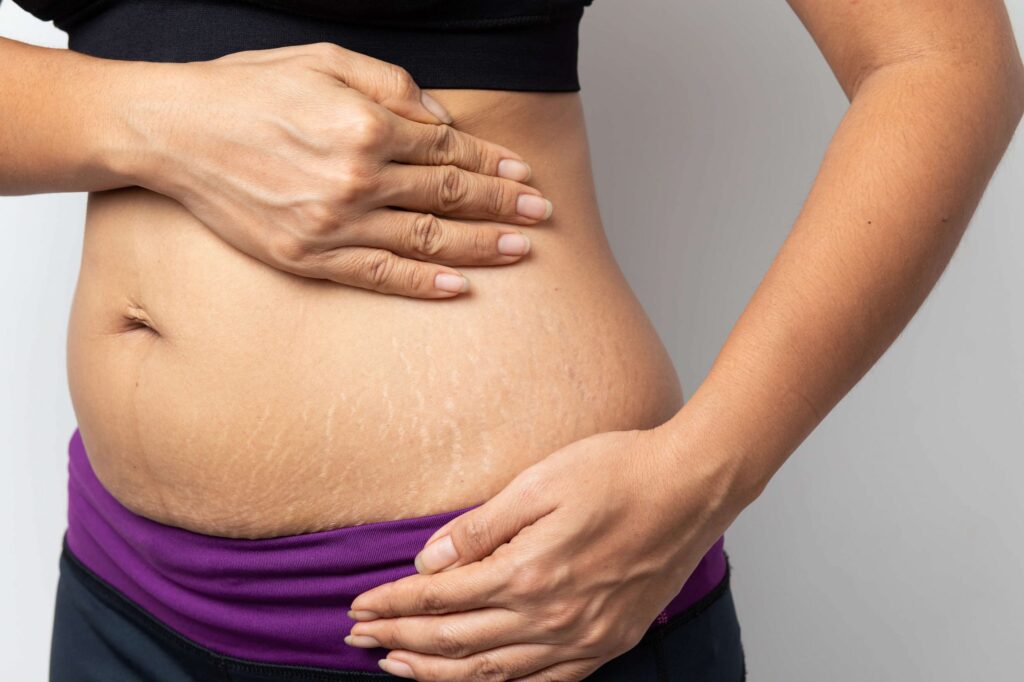
Stretch marks are scars. They form when the dermis, a layer of skin, tears, often addressed by cosmetic dermatologists in dermatology for surgical scars and epidermal protection. This happens during rapid growth or weight gain.
The tearing causes streaks on the skin. These streaks can be red, purple, or white. They often start as dark lines, like surgical scars or a skin condition, and fade over time with treatments such as laser stretch mark removal or blue light therapy.
Common Areas
Stretch marks can appear anywhere on the body. However, they are most common in certain areas:
- Stomach
- Chest
- Upper arms
- Legs
- Buttocks
- Hips
These areas are prone to stretching due to fat deposits and muscle growth, which may require skin resurfacing treatment and ablative laser treatment, though potential risks should be discussed with the patient.
Role of Genetics
Genetics play a significant role in stretch marks. If your parents had them, you might too. Your skin’s elasticity is often inherited.
e people have more elastic skin than others. More elastic skin can handle stretching better. Less elastic skin tears easily, causing stretch marks.
Hormonal Changes
Hormonal changes also contribute to stretch marks. These changes occur during puberty, pregnancy, and weight gain.
During puberty, both boys and girls experience rapid growth spurts, which can make them potential patients for laser stretch mark removal. This quick growth can lead to stretch marks.
Pregnancy is another time when hormonal changes cause stretching. The skin on the stomach stretches to accommodate the growing baby, patient, asds dermatologist.
Weight gain causes hormonal shifts too. Extra weight puts pressure on the skin, leading to tears in the dermis, asds dermatologist.
Skin Pigmentation
Skin pigmentation affects how visible stretch marks are. Darker skin tones may show darker streaks. Lighter skin tones may have lighter streaks.
Pigmentation can also affect treatment options. Some treatments, asds dermatologist, work better on certain skin tones than others.
Benefits of Laser Treatment
Skin Repair
Laser treatment uses light energy to repair skin cells. This energy is non-toxic and non-invasive. It targets damaged areas without harming healthy skin.
The actual laser energy application stimulates the skin’s natural healing process, asds dermatologist. This helps regenerate new skin cells. It can make stretch marks less visible.
Collagen Production
Laser treatments promote collagen production. Collagen is a protein that keeps skin firm and elastic. Increased collagen helps soften and flatten stretch marks.
Improved blood circulation from laser treatments by asds dermatologist also aids in this process. Better blood flow brings more nutrients to the skin. This supports overall skin health.
Reduced Inflammation
Laser stretch mark treatments reduce inflammation. Inflammation can make stretch marks look worse. By reducing it, the skin appears smoother.
Better lymphatic drainage is another benefit. The lymphatic system removes waste from the body. Improved drainage helps keep the skin clear and healthy.
Non-Invasive Option
Laser stretch mark removal is a non-invasive option. Traditional methods can be painful and require long recovery times, asds dermatologist. Laser treatments are less painful and have shorter recovery periods.
Patients can often return to normal activities quickly. This makes it a convenient choice for many people.
Long-Term Results
Laser stretch mark removal offers long-term results. The effects of increased collagen and improved blood flow last over time. Stretch marks continue to fade even after treatment ends.
Regular sessions may be needed for best results. However, many patients see significant improvement with just a few treatments.
Risks of Laser Therapy
Pain and Swelling
Laser therapy for stretch marks can cause pain. Patients often feel discomfort during the procedure. Swelling is another common side effect. This usually subsides within a few days.
Discoloration
Skin discoloration may occur after laser treatment. The treated area might become darker or lighter than the surrounding skin. This change is typically temporary, but in rare cases, it can be permanent.
Bleeding and Infection
Bleeding can happen during or after the procedure. It’s usually minor and stops quickly. There’s also a risk of infection if the treated area isn’t kept clean. Proper aftercare minimizes this risk.
Scarring and Crusting
Scarring is a rare but possible risk of laser therapy. Some patients may develop new scars where the treatment was applied. Crusting can also occur as the skin heals. Keeping the area moisturized helps prevent crusting.
Qualified Dermatologist
Choosing a qualified ASDS dermatologist is crucial. They have specialized training in laser treatments. A skilled dermatologist reduces the likelihood of complications. They also provide better aftercare instructions.
Manageable Risks
While these risks exist, they are generally manageable. Most side effects are temporary and resolve with proper care. Following post-treatment guidelines reduces the chances of adverse effects.
Why Choose Laser
Effective Results
Laser therapy is the most effective treatment for stretch marks. Other treatments do not offer comparable results. Laser technology targets the deeper layers of skin. This promotes collagen production and improves skin texture. Clinical studies show significant improvement in stretch mark appearance after laser sessions.
Different types of lasers are used for this purpose. For example, a dye laser can be effective for red stretch marks. The laser light penetrates the skin, stimulating healing processes. This leads to better outcomes compared to creams or ointments.
Permanent Results
Laser therapy offers permanent results. Most patients see long-lasting improvements. However, maintenance treatments may be needed. These follow-up sessions ensure the results remain optimal over time.
Other treatments often require ongoing use to see any benefits. With laser treatment, once the desired result is achieved, only occasional touch-ups are necessary. This makes it a cost-effective solution in the long run.
Minimal Pain
One significant advantage of laser treatment is minimal pain post-treatment. Most patients report only mild discomfort during the procedure. Pain medication is rarely needed afterward.
Compared to other procedures, this is a major benefit. Surgical options often involve longer recovery times and higher pain levels. With laser therapy, patients can resume normal activities quickly.
Advanced Technology
The advancement in laser technology has made these treatments more effective and safer. Modern lasers are precise and can target specific areas without damaging surrounding tissue.
Newer laser types have improved patient outcomes significantly. For instance, fractional lasers create micro-injuries that promote natural healing and rejuvenation. These advancements make laser treatments a preferred choice for many.
Emotional Benefits
Stretch marks can affect self-esteem and confidence. Effective treatment can have emotional benefits as well. Many patients feel more confident after seeing their stretch marks fade.
By choosing laser therapy, individuals can achieve both physical and emotional improvements. The positive impact on one’s mental health should not be underestimated.
Preparing for Laser Therapy
Consult Dermatologist
Consult an ASDS dermatologist before starting laser therapy. They will assess if you are a good candidate for the procedure. Discuss your expectations and any concerns you may have. This step is crucial to ensure effective treatment.
Medication and Supplements
Avoid certain medications and supplements before the laser session. Some can increase the risk of bleeding. Your dermatologist will provide a list of what to avoid. Common items include aspirin, ibuprofen, and vitamin E.
Skin Preparation
Prepare your skin as instructed by the dermatologist. This may involve moisturizing the affected skin regularly. Avoid sun exposure to prevent skin damage. Follow these steps to ensure optimal results from the laser therapy.
Laser Session Details
Each laser session targets stretch marks using focused light. The process usually lasts 30-60 minutes. Fractional laser therapy is commonly used for this purpose. It penetrates the skin to stimulate collagen production.
Recovery Time
After each laser procedure, expect some redness and swelling. These symptoms typically subside within a few days. Proper aftercare is essential for recovery. Follow all post-treatment instructions given by your dermatologist.
Aftercare Tips
Post-laser treatment aftercare is vital for healing. Keep the treated area clean and moisturized. Avoid direct sunlight and use sunscreen with high SPF. Refrain from strenuous activities that may irritate the skin.
During the Procedure
Infrared and Red Light
Laser treatment for stretch marks uses infrared and visible red light. These lights penetrate the skin to target the stretch marks. Infrared light reaches deeper layers of the skin. Visible red light focuses on the surface. Together, they stimulate collagen production.
Non-Invasive Sessions
The procedure is non-invasive. Each session lasts up to 20 minutes. Patients lie comfortably during the treatment. There is no need for anesthesia or numbing cream. The laser moves over the affected areas in a controlled manner.
Sensation and Discomfort
Patients might feel a sensation like a rubber band snapping against their skin. This feeling is brief and tolerable. Most patients report minimal discomfort. After the session, there is no downtime needed. Patients can return to their daily activities immediately.
After the Procedure
Initial Reactions
The treated area may appear pink or red. This is normal and usually resembles a mild sunburn. It can last for a few hours after the procedure. Some people might also feel a slight warmth on their skin.
Avoiding Products
For the first 24 hours, avoid applying makeup or lotion to the treated area. This helps prevent irritation and infection. Instead, apply a gentle moisturizer twice daily. Using the right products aids in faster healing.
Managing Swelling
Mild swelling is common after laser treatment. It should subside within several days. Following post-care instructions is crucial for optimal healing. Keeping the area clean and moisturized helps reduce swelling.
Post-Care Instructions
Following post-care instructions ensures better results. Here are some key points:
- Keep the treated area clean: Gently wash with mild soap and water.
- Avoid sun exposure: Use sunscreen if you must go outside.
- Stay hydrated: Drinking plenty of water aids skin recovery.
Potential Side Effects
e people might experience mild side effects such as itching or tightness. These usually go away on their own. If symptoms persist, contact your healthcare provider.
Long-Term Care
Long-term care involves regular moisturizing and protecting the skin from sun damage. Using products recommended by your doctor can help maintain the results of the cosmetic procedure.
Managing Expectations
Realistic Timeframe
Significant changes may not be visible immediately after the laser treatment. Patients often need to wait several weeks before seeing noticeable improvements. The skin needs time to heal and regenerate. Patience is important during this period.
Typical Improvement Range
The range of improvement varies among patients. On average, a 20 to 60 percent enhancement in the appearance of stretch marks is typical. Some may see more dramatic results, while others might notice subtler changes. Individual skin types and conditions play a role in these outcomes.
Permanent Results
Results from laser treatments are generally permanent. However, some patients might require follow-up maintenance treatments. These additional sessions help maintain the desired appearance of the skin. Regular check-ups with a dermatologist can ensure optimal results over time.
Follow-Up Treatments
Follow-up treatments are sometimes necessary. They help in sustaining the improvements achieved from the initial sessions. Dermatologists often recommend periodic evaluations to determine if further treatments are needed. Each patient’s needs vary, so personalized plans are essential.
Emotional Impact
Dealing with stretch marks can be emotionally challenging. Seeing gradual improvements can boost confidence and self-esteem. It’s important to remain patient and realistic about the results. Support from friends or family can be helpful during this period.
Closing Thoughts
Laser treatment for stretch marks offers a promising solution with its many benefits. It’s important to weigh the risks and manage your expectations. Proper preparation and aftercare are key to achieving the best results.
Ready to take the next step? Consult with a certified professional to explore if laser therapy is right for you. Embrace the journey to smoother skin and boost your confidence today!
Frequently Asked Questions
What are stretch marks?
Stretch marks are scars that form when the skin stretches or shrinks quickly. This sudden change causes the collagen and elastin to rupture.
How does laser treatment work for stretch marks?
Laser treatment uses focused light to stimulate skin regeneration. It boosts collagen production, improving skin texture and reducing the appearance of stretch marks.
What are the benefits of laser treatment for stretch marks?
Laser treatment is non-invasive, quick, and effective. It improves skin texture, reduces stretch mark visibility, and has minimal downtime.
Are there risks associated with laser therapy for stretch marks?
Yes, risks include redness, swelling, and temporary discomfort. In rare cases, it can cause pigmentation changes or scarring.
Why should I choose laser treatment over other methods?
Laser treatment is precise and offers faster results compared to creams or home remedies. It’s ideal for those seeking noticeable improvements with minimal downtime.
How should I prepare for laser therapy?
Avoid sun exposure and tanning products before treatment. Clean your skin thoroughly and follow any specific instructions from your dermatologist.
What can I expect during the laser procedure?
During the procedure, you’ll feel a mild stinging sensation as the laser targets your stretch marks. The session usually lasts 30-60 minutes.