Key Takeaways
- While BBLs in the Dominican Republic are cheaper, it’s a haven for overseas patients because lower cost typically means higher danger and less regulation.
- Some clinics’ aggressive marketing can minimize the risks of BBL surgeries to make uninformed decisions and potentially unsafe outcomes for patients.
- Statistical data shows higher complication and mortality rates for BBL procedures in the Dominican Republic compared to global benchmarks, emphasizing the need for caution.
- Regulatory loopholes and high surgical volumes may put patient safety at risk, underscoring the significance of selecting accredited clinics and experienced surgeons.
- BBL surgery complications can lead to a substantial financial and psychological cost for patients and increase pressure on healthcare infrastructure.
- Dr. Saluja advises patients to do their homework, be aware of the risks, and never sacrifice safety to save money before pursuing cosmetic surgery overseas.
BBL Dominican Republic danger statistics reveal rates of surgical risks and outcomes associated with cosmetic procedures in the country. Health agency and global surgery group reports assist in monitoring these figures.
Complications, infection and death rates provide an unvarnished glimpse of safety in Brazilian Butt Lift clinics. To provide the complete picture, the following sections analyze recent statistics, contrast patterns, and emphasize key hazards for Dominican Republic BBL patients.
The Dominican Appeal
The Dominican Appeal – The Dominican Republic’s Top Choice for Cosmetic Surgery in the US Cost is a huge factor, but cultural ideals and aggressive marketing go a long way as well. The medical tourism boom for BBLs here has been a blessing and a curse, so let’s examine why this destination is so alluring.
Affordability
BBL’s in the DR can be priced way under what they are in the US. They explained that, on average, a BBL in the Dominican Republic costs between $3,000 and $5,000 USD, whereas similar surgery in the US can cost between $8,000 and $15,000 USD. This giant price differential is alluring for many, particularly for those who are priced out of care in the US.
| Destination | Avg. BBL Cost (USD) | Reported Risk (Death/Complication) |
|---|---|---|
| Dominican Republic | $3,000–$5,000 | Higher (93 deaths from 2009–2022) |
| United States | $8,000 to $15,000 | Lower (More oversight, fewer fatalities)
The cheaper price tag encourages impulsive decisions. Some patients under-research or under-heed warning signs in the name of saving money. For a number of people, insurance in the US won’t cover cosmetic surgery, which makes them desperate for cost-saving options overseas.
This monetary gap looms so large it can eclipse the dangers and turn cost into the primary consideration.
Cultural Ideals
Dominican standards of beauty prize curvaceous bodies, with particular emphasis on full hips and shoulders. These values, today propagated by international social media, drive the market for beauty fixes. Instagram and TikTok influencers are flaunting surgical results, normalizing the look and making it seem effortless to obtain.
In certain communities, plastic surgery is just normal. This normalization can make people less careful about safety or potential complications. Women especially experience intense societal pressure to conform to these beauty standards, potentially pushing more individuals toward BBL surgeries, at times unaware of the dangers.
Aggressive Marketing
Clinics in the Dominican Republic rely on marketing approaches that often downplay the dangers linked to BBL procedures.
- Emphasizing quick results and minimal recovery time
- Leveraging before and after photos builds powerful visual appeal.
- Sharing patient testimonials that highlight positive experiences
- Offering packages including travel and accommodations
Most ads have no risk warnings, and regulators don’t really control how clinics advertise. Testimonials and photos are great, but they don’t always show the entire spectrum of results.
This style of marketing implies that some patients are making choices based on partial, inaccurate information with potentially serious health implications.
Unmasking The Statistics
Unveiling BBL Procedures Statistics in the Dominican Republic These figures represent not only the perils of the surgery, but fundamental flaws in patient selection, surgical safety, and aftercare. For prospective medical tourists, grasping these truths is crucial to making an educated choice.
1. Mortality Figures
Since 2009, there have been 93 reported U.S. Deaths from cosmetic surgery in the DR. Mortality rates spiked in recent years, with 12 deaths in 2019 and 17 in 2020 alone. This upward trend outstrips global averages.
The CDC has tracked these deaths, finding that most victims were women in their early forties, typically with a higher BMI. CDC data verifies that approximately 90% of these deaths were directly related to embolic phenomena, such as blood clots or fat emboli obstructing critical vessels.
This steep increase in fatalities has shifted the public and health professionals’ perspective of the safety of cosmetic procedures overseas. As the risks become publicized, confidence in global surgical tourism, particularly to the Dominican Republic, has waned.
The absence of transparent, standardized reporting by clinics and national health authorities makes it difficult for prospective patients to understand actual risk. Without obvious disclosure, most risks are concealed from surgery candidates.
2. Common Complications
Fat embolism is one of the most common and fatal complications, typically seen while fat enters the bloodstream during surgery. Venous thromboembolism is frequent, in addition to infections, flap failure, and necrosis.
These can result in life-long impacts such as chronic pain, respiratory problems, or even permanent disability. Too many of these dangers are associated with inadequate preoperative screening.
Ninety-two percent of decedents had risk-enhancing comorbidities but nonetheless had surgery. Patients aren’t necessarily aware of these quagmires, so education and comprehensive evaluation are key.
3. Revision Frequency
Revision surgery rates post-BBL in DR are sky-high. Many patients need additional procedures because of poor outcomes, surgical mishaps, or complications.
Updates add to healing and hazard. The risk of subsequent surgery means patients are in the hospital longer, miss more work, and spend more money. One of the best ways to reduce the risk of revisions is to select an expert, experienced surgeon.
4. Global Benchmarks
Relative to other countries such as the U.S. Brazil, the Dominican Republic experienced increased BBL complications and fatalities. Varied regulations, training standards and follow-up care have a big role.
There are international safety standards out there, but compliance is spotty. Accurate benchmarks require transparently reported data, a persistent struggle in numerous countries.
Contributing Risk Factors
There are a number of contributing risk factors to BBLs in the DR. Learning these factors can help shed light on why complication and mortality rates continue to be above global averages and what patients ought to think about when pursuing surgery overseas.
Regulatory Loopholes
Cosmetic surgery in Dominicana is functionally unregulated. Clinic accreditation standards, surgeon licensure, and facility inspection are not always clear or enforced. This void allows pop practitioners and ill-equipped clinics to thrive.
Public health authorities may not have the means or the legislation to perform regular controls in cosmetic surgery centers. Enforcement is patchy and some clinics continue to operate without minimum safety standards. Better regulatory oversight and public accountability could fill these voids. Until then, patients are left vulnerable, particularly in settings where surgeries are performed in large numbers and at a low price.
Surgical Volume
Daily surgical volume is a major risk factor. High-volume clinics where surgeons perform procedure after procedure love profit and sometimes ignore safe practice. When clinics schedule dozens of BBLs per day, surgeries can be rushed and post-op vigilance becomes an afterthought.
This pace can restrict a surgeon’s attention to individual patients. Research connects higher surgical volume with more complications, including fat embolism, which can kill foot soldiers within minutes. In these environments, the team’s training and experience can be quite different. Newbie employees hired on for busy times may not be up to speed, increasing the likelihood of an incident.
Patient Selection
Patient selection is another critical risk factor for BBL outcomes. Surgeons must screen for comorbid conditions like obesity, which was present in 92% of fatal BBL cases. High body mass index (BMI) and other health problems such as clotting disorders can dramatically raise the risk for perioperative embolism.
Careful preoperative evaluation helps flag these risks, but not all clinics perform thorough checks. Some clinics may skip detailed assessments to keep schedules full. Poor selection increases the likelihood of complications, especially when large-volume fat transfers are involved or multiple procedures are done at once. Strong screening protocols are essential, but gaps in practice persist.
The Aftermath
The repercussions of BBLs in DR extend well beyond the OR. For many patients, it’s not just physical risks; there are financial, psychological, and systemic ramifications, particularly if complications occur. To comprehend these repercussions, we need to examine the statistics and the realities of those impacted.
Financial Burden
The out-of-pocket costs can stack up quickly for patients who have complications. Some require additional surgeries, extended hospital stays, or specialized care for complications such as infections or embolic events. For instance, precisely 93 U.S. Citizens passed away in the Dominican Republic post-cosmetic surgery between 2009 and 2022, with deaths spiking from 4.1 to 13.0 annually after 2018.
Even those who survive life-threatening complications end up footing the bill for emergency flights, follow-up care, and unexpected hospital visits, even in their home country. Insurance seldom pays these expenses and these families are left with accumulating bills.
The monetary cost comes with a mental health toll as well. Stress about debt or lost wages from missed work can exacerbate recovery. This stress can take a toll on family stability and long-term financial planning. It’s a local economic effect when clinics associated with several deaths suffer damage to their reputation. Open price points and candid risk conversations can assist in managing expectations and avoiding surprises for patients traveling for surgery.
Psychological Toll
Failed or complicated courses of action can be heartbreaking. Other patients feel remorse, depression, or persistent anxiety, particularly if they require additional operations to address unforeseen complications. Displeasure with results or abandoning faith in the method can compound this weight.
Infections, peers, and deaths, like the 17 U.S. Citizens who died in 2020 alone, can be traumatic for the wider community of medical tourists. Anxiety and depression rates tend to increase post-operatively, particularly for those who anticipated transformative outcomes.
Patients can become isolated if they don’t have support from family or their doctor. Mental health assistance through counseling or peer groups can be vital for recovery, but it is often difficult for travelers to access. If patients know what to expect going in and are given honest information about risks, they are less likely to be disappointed and things tend to go better.
Systemic Strain
Complications from cosmetic surgeries overwhelm healthcare systems in the DR as well as patients’ home countries. Hospitals might encounter increased emergency admissions from infections or embolic events, which represent worst-case scenarios for obese or multi-procedural patients. Sometimes, like the nine clinics connected to several deaths, resources are overwhelmed.
Such patient overload can impact everyone’s care. Health workers might have less time for their patients and public health systems might have to shift resources from other priorities. Confronting this medical tourism trend is a combined effort of clinics, local health authorities, and international partners.
Education campaigns and improved screening for risk factors may help prevent future cases.
The Patient’s Role
Patients are a key factor in dictating their results when undergoing BBL surgery in the DR. Risks associated with these procedures are genuine and numerous mortalities or serious complications could be attributed to underlying health factors, procedural decisions, or misinformation. Knowing how to prepare, what to ask, and what to expect is protection.
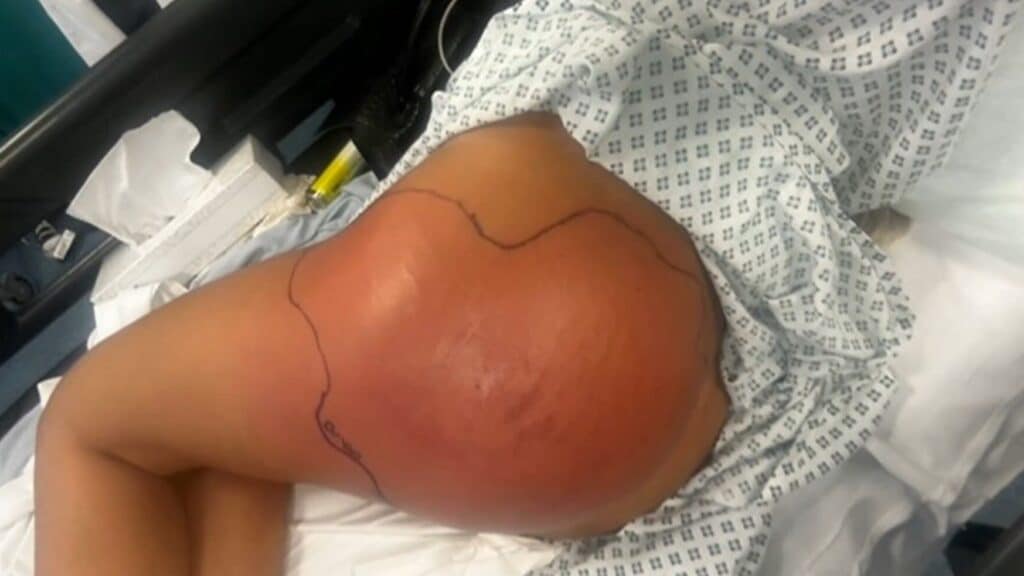
Complications like embolic events can strike quickly within 24 hours at times. Most of the patients who had bad outcomes had risk factors like a higher BMI, with a mean of 32 kg/m2, or something like venous thromboembolism. These realities underscore why patients’ decisions and behavior pre- and post-surgery are so important.
Pre-Operative Diligence
Locating the magic clinic and surgeon is a must. Verify that the surgeon is board certified and the clinic is reputable. Seek out the facility’s safety history. Patients should not be afraid to inquire into the surgeon’s experience with BBLs and complication rates.
Always ask detailed questions: What are the steps in the surgery? What are the biggest risks? How do you handle recovery? What’s their contingency plan if something goes wrong?
About your personal health factors. Heart or lung issues or a higher BMI mean people with these issues are more at risk. In one review, most of the patients who expired had either patient-related or process-related risk factors for embolism.
Preoperative checks by a cardiologist or pulmonologist, as occurred in 75% and 46% of the fatal cases, can detect hidden threats, but not all clinics mandate this. Patients should discuss their complete medical history and inquire whether their health makes them especially vulnerable, particularly if considering combining procedures into one operation.
That’s up to all of us to be proactive. Get second opinions from different surgeons or clinics. Don’t hurry the decision or allow any provider to push you into surgery.
Be a smart patient and insist on complete evaluations and all the facts before you consent to any procedure, particularly if you’re contemplating surgery overseas, where reporting of complications can be lax.
Post-Operative Care
- Follow all post-operative instructions closely. This includes wearing compression garments as directed, taking prescribed medications, and limiting physical activity for the recommended period.
- Attend all follow-up appointments. These visits aid the medical team in tracking your recuperation, spotting early trouble signs, and responding to questions.
- Learn about warning signs: swelling, shortness of breath, severe pain, or sudden changes should not be ignored. Patients should immediately report these symptoms to their care provider.
- Stay informed: education about post-surgical care is key. Those who know what to watch for are more likely to comply and less likely to complicate.
Great aftercare is a joint venture. Stick to the plan, ask questions if you’re not sure, and don’t hesitate to reach out if something feels amiss.
Making Safer Choices
Having a BBL in the DR, or anywhere else for that matter, comes with actual risks that should be carefully evaluated. Your safest path begins by selecting an accredited clinic and a surgeon with a track record. It’s not enough to trust price or internet marketing. Seek out clinics that are approved by reputable medical bodies and verify that the clinic maintains current safety standards. That can reduce the risk of going off course in surgery.
Reading reviews across sources—medical boards, former patients, and independent sites—provides a more complete picture of both the surgeon and the clinic. Don’t stop at one review or only the clinic’s website. A surgeon’s pedigree is very important. Safe BBL surgery requires hands-on talent, years of experience, and intimate knowledge of the body’s processes.
It’s optimal that the surgeon utilizes assistive tools such as ultrasound imaging during the procedure, because this can prevent muscle and blood vessel damage. Some clinics overseas skip this or use outdated approaches, which can increase the potential for severe complications.
Cost is a big motivator in why people go overseas for cosmetic surgery. Safety should always come first. Lower fees could imply less supervision, fewer safety precautions, and less opportunity to consult your surgeon prior to the procedure. Make sure you meet the surgeon in person beforehand.
It gives you an opportunity to inquire about critical details, such as how much fat is going to be removed, where it will be re-deposited, and how deep the injections will be. These specifics are important because incorrect form can actually injure underlying anatomy. For instance, if fat is injected into or beneath the muscle, it can get into blood vessels.
That is how potentially life-threatening issues like fat embolism or pulmonary venous thromboembolism occur. Research reveals fat embolism causes 55% of deaths in BBL patients and pulmonary venous thromboembolism approximately 35%. These figures underscore why precise method and experience are important.
Making smarter choices means taking the time to understand the risks, not just the rewards. Look into the clinic, the surgeon, and the procedure. Discuss with a doctor candidly about what could go wrong, particularly if you intend to undergo surgery beyond your homeland.
Public health campaigns can assist by educating about these risks and what to look for in a safe clinic. This kind of outreach can help people think beyond just the cost and more about safety and long-term health.
Conclusion
To separate fact from fright, actual statistics assist cutting through the confusion surrounding BBL risks in the Dominican Republic. Some clinics do adhere to stringent health protocols and talented surgeons preserve lives. Yet risks remain elevated when training and care are lacking. Lots of folks seek out low prices. That decision can lead to greater issues. Straight talk with physicians, pointed questions, and solid aftercare provide the best chance at safe outcomes. Trust is built on common data, not optimism. For anyone considering BBL overseas, measure twice and cut once. Your health is the most important. Pass this info along to friends or family who need it. Be careful and find real answers before you make big decisions.
Frequently Asked Questions
What is a BBL and why do people travel to the Dominican Republic for it?
BBL, which stands for Brazilian Butt Lift, is a cosmetic surgery that sculpts the buttocks through fat transfer. BBL Dominican Republic danger statistics.
How risky is getting a BBL in the Dominican Republic?
Read article here bbl dominican republic danger statistics. It has risks like infection, fat embolism, and even death. Verify clinic credentials.
What are the main dangers associated with BBL procedures in the Dominican Republic?
Typical risks are uncertified clinics, absence of post-op care, and language barriers. These can put you at a higher risk of having surgical and post-surgical complications.
Are there official statistics on BBL complications in the Dominican Republic?
There’s reporting and research, but national statistics are scarce. A few medical organizations and news outlets have observed heightened complications among foreign patients.
How can patients reduce their risk when considering a BBL abroad?
Patients need to do their homework, investigate clinics, check the credentials of surgeons, read reviews, and seek guidance from international health agencies. This is why seeking out accredited facilities is important in minimizing risk.
What should someone do if they experience complications after a BBL in the Dominican Republic?
Get immediate medical attention. Consult your home country embassy or local healthcare provider for advice. Prompt intervention can save you from serious illness.
Why is it important to understand BBL risk factors before surgery?
By knowing risk factors, patients can make informed decisions and recognize warning signs. Understanding can result in safer selections and improved results.