
Skin procedures for wrinkles have come a long way. From ancient remedies using oils and herbs to modern treatments like Botox, laser therapy, and topical medications for a rejuvenated complexion, people have always sought ways to maintain youthful skin, including options like regenerative medicine and eyelid rejuvenation. These advancements offer effective facial wrinkle treatments and dermal fillers to reduce the appearance of fine lines and sagging skin for a rejuvenated complexion.
Today, options abound, including chemical peels, fillers, and microneedling. Each procedure, including dermal fillers and topical medications, targets specific skin concerns, giving you the chance to choose what suits your needs best, whether it’s effective acne treatment or ablative laser. Understanding these options, including effective acne treatment, topical medications, regenerative medicine, and retin, can help you make informed decisions about your skincare journey. Embrace the opportunity to revitalize your skin with the latest techniques available in regenerative medicine, including topical medications like retin, to reduce wrinkles.
Key Takeaways
- Explore various non-invasive and invasive skin procedures, such as Botox or laser treatments, along with topical medications and regenerative medicine, to find the best option for your wrinkles, like wearing a hat.
- Understand the causes of wrinkles, including sun exposure and aging, to better prevent them through skincare, topical medications, lifestyle choices, and wearing a hat.
- Recognize early signs of aging skin, such as wrinkles, so you can address them promptly with appropriate treatments like topical medications and regenerative medicine, or even a hat.
- Prepare for your treatment by consulting with a qualified dermatologist to discuss your specific needs, treatment goals, and any skin changes, including topical medications, laser skin resurfacing, and counter skin care products.
- During your consultation, ask questions about the procedures, recovery time, skin color, expected results, regenerative medicine, and topical medications to make an informed decision.
- Follow post-treatment care instructions carefully, including the use of topical medications, to enhance results in regenerative medicine and minimize any potential side effects like wrinkle changes or skin color variations.
Understanding Wrinkles
Definition
Wrinkles are lines and creases that form on the skin, often treated with topical medications in the field of regenerative medicine. They develop due to aging, sun exposure, lifestyle choices, and wrinkle formation, with potential treatments including topical medications and regenerative medicine. As people age, their skin loses elasticity. This loss leads to deep wrinkles and fine lines.
Fine Lines vs. Deep Wrinkles
Fine lines are often the first signs of aging. They appear as small, shallow creases. These lines usually show up as wrinkles around the eyes and mouth, often treated with topical medications in regenerative medicine. Over time, fine lines can deepen into more noticeable wrinkles.
Deep wrinkles are more pronounced and can be harder to treat. They often occur in areas with frequent movement, like the forehead or around the mouth, creating a wrinkle. Dynamic wrinkles form from repeated facial expressions, such as frowning or smiling. Static wrinkles, however, remain visible even when the face is at rest.
Common Areas for Wrinkles
Wrinkles can appear in various places on the body. The face is the most common area affected. Forehead lines often develop due to expressions like raising eyebrows. Frown lines appear between the eyebrows from squinting or frowning.
The neck also shows signs of aging through wrinkles. The skin here is thinner and more delicate. Therefore, it may sag or wrinkle faster than other areas. Hands are another common spot for wrinkling. Sun exposure can lead to age spots and deep wrinkles on the hands.
Wrinkling Process
The wrinkling process begins with a decrease in collagen production. Collagen provides structure to the skin. As levels drop, skin becomes less firm and smooth. Environmental factors like UV rays can accelerate this process.
Lifestyle choices also play a role in how quickly wrinkles form. Smoking and poor diet contribute to premature aging. Hydration is crucial for maintaining skin elasticity. Drinking enough water helps keep skin plump and reduces the appearance of smoothing wrinkles.
Treatment Options
Various treatments exist for reducing the appearance of wrinkles. Wrinkle products, such as creams containing retinol, can help improve skin texture over time. These products promote cell turnover and stimulate collagen production.
Cosmetic procedures also offer options for those seeking immediate results. Fillers can add volume under the skin, smoothing out deeper lines. Chemical peels remove dead skin layers, revealing fresher skin underneath.
A neck lift is another procedure that targets sagging skin in that area. Each treatment has its pros and cons, so consulting a dermatologist is important before making decisions.
Causes of Wrinkles
Intrinsic Factors
Genetics play a significant role in wrinkle formation. Some people are genetically predisposed to develop fine wrinkles earlier than others. As we age, the skin naturally loses elasticity and firmness. This loss is due to a decrease in collagen production. Collagen is essential for maintaining skin structure. By the age of 30, collagen levels begin to drop. This decline contributes to the appearance of facial wrinkles.
Natural aging also affects how skin repairs itself. The body produces fewer new skin cells over time. This leads to thinner skin, making wrinkles more visible. Hormonal changes during menopause can accelerate this process. Women often notice increased severe wrinkles during this time.
Extrinsic Factors
Sun exposure is another major cause of wrinkles. Ultraviolet (UV) rays damage collagen and elastin fibers in the skin. Over time, this damage leads to premature aging and the development of face wrinkles. Regular use of sunscreen can help protect against these harmful effects.
Smoking is another significant factor that contributes to wrinkle formation. It reduces blood flow to the skin, leading to a dull complexion. The chemicals in cigarettes also break down collagen and elastin. Smokers often develop deeper lines around the mouth and eyes.
Repetitive facial expressions can create dynamic wrinkles. Actions like frowning or squinting lead to fine lines over time. These lines become permanent as the skin loses its ability to bounce back.
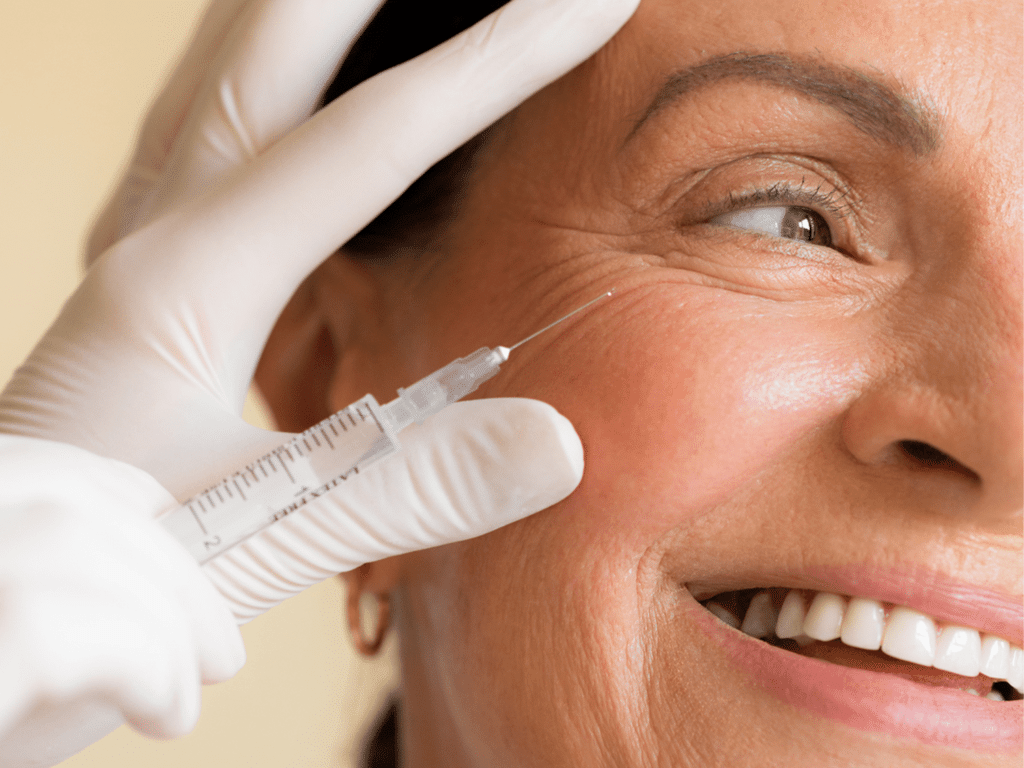
Environmental Impact
Environmental pollutants also affect skin health. Air pollution can lead to oxidative stress, damaging skin cells. This stress accelerates aging and worsens existing wrinkles. Studies show that people living in polluted areas may experience more severe wrinkle formation.
Lifestyle choices further influence wrinkle development. Poor diet lacking in essential nutrients can impact skin health. Foods rich in antioxidants can help combat oxidative stress. Staying hydrated is crucial as well; it helps maintain skin moisture and elasticity.
Stress plays a role too. Chronic stress can lead to hormonal changes that affect skin appearance. Techniques such as yoga or meditation can help manage stress levels.
Treatment Options
Various treatments exist for reducing wrinkles. Botox and dermal fillers like Juvederm provide immediate results by plumping up the skin. Retinoids, including tretinoin and strength retinoids, promote cell turnover and improve texture over time.
Serums containing retinol can also be effective for fine lines. They boost collagen production and enhance overall skin appearance.
Signs of Aging Skin
Sagging Skin
Sagging skin is a common sign of skin aging. As people get older, the skin loses its elasticity. This leads to loose skin, especially around the jawline and neck. Gravity plays a role in this process. Over time, the support structure beneath the skin weakens.
Thinning Skin
Thinning skin is another noticeable change. The epidermis, or outer layer of skin, becomes thinner with age. This can make the skin appear more fragile. Bruising may occur more easily due to this thinning. The risk of injury increases as the protective barrier weakens.
Loss of Firmness
Loss of firmness is linked to decreased collagen and elastin production. Collagen provides strength while elastin allows the skin to stretch. Both proteins decline as a person ages. This results in a less youthful appearance. Firm skin becomes harder to maintain without proper care.
Changes in Texture
Texture changes are also common. Skin may develop irregular depressions or rough patches as it ages. These texture issues can be bothersome for many individuals. Effective skin care products can help improve these concerns, but results vary.
Age Spots
Age spots often appear on sun-exposed areas of the skin. These spots are usually flat and brown or black in color. They result from prolonged sun exposure over the years. While they are harmless, many seek treatment for cosmetic reasons.
Sun Damage
Sun damage significantly contributes to complexion issues. UV rays break down collagen and elastin fibers in the skin. This accelerates the aging process and leads to wrinkles and sagging. Protecting the skin from sun exposure is essential for maintaining healthy skin.
Stretch Marks
Stretch marks can also develop due to rapid changes in body size or weight. These marks often appear as streaks on the skin surface. They can be red, purple, or white depending on their age and severity. Many people find them distressing and look for ways to minimize their appearance.
Scarring
Scarring from acne or injuries can affect how aging skin looks. Scars may become more pronounced as skin loses its elasticity. They can create an uneven texture that some find unappealing.
Skin Color Changes
Skin color changes are another aspect of aging. Melanin production may decrease, leading to lighter patches or a dull complexion. Black skin may show different signs such as hyperpigmentation or uneven tone over time.
Non-Invasive Procedures
Facial Rejuvenation
Facial rejuvenation procedures offer various methods to reduce wrinkles. Prescription creams and serums that contain retinoids are popular choices. Retinoids help increase cell turnover and boost collagen production. This can lead to smoother skin over time. Many dermatologists recommend starting with lower concentrations to avoid irritation.
Botox injections are another effective option. They work by relaxing facial muscles, which helps reduce the appearance of fine lines and wrinkles. Botox is often used around the forehead and eyes. Results typically last three to six months before needing a touch-up.
Laser Treatments
Laser treatments also play a significant role in non-invasive procedures. Ablative laser techniques remove the outer layer of skin, making way for new skin to form. This method is effective for deeper wrinkles but may require some downtime for recovery.
Fractional laser resurfacing is less aggressive than ablative lasers. It targets specific areas of the skin while leaving surrounding tissue intact. This method promotes faster healing and reduces the risk of complications. Patients usually see improvements after several sessions.
Laser resurfacing can treat various skin issues beyond wrinkles. It can improve skin texture, tone, and pigmentation. Many people choose this method for its versatility and effectiveness.
Chemical Peels
Chemical peels are another option for skin rejuvenation. These procedures involve applying a chemical solution to exfoliate the skin’s surface. The strength of the peel varies, allowing customization based on individual needs. Superficial peels target only the top layer, while deeper peels reach lower layers.
Results from chemical peels include improved skin clarity and reduced fine lines. Recovery time depends on the type of peel chosen. Superficial peels often require minimal downtime, while deeper peels may need a week or more for healing.
Deoxycholic Acid Injections
Deoxycholic acid injections are useful for contouring areas like the neck. This treatment breaks down fat cells under the skin, leading to a slimmer appearance. Though primarily used for fat reduction, it can enhance overall facial aesthetics as well.
Patients may need multiple sessions to achieve desired results. Each session involves small injections into targeted areas. The procedure is relatively quick and requires little recovery time.
Invasive Procedures
Surgical Options
Face-lifts and neck lifts provide dramatic results for those seeking to reduce wrinkles. These surgeries tighten the skin, removing excess fat and sagging areas. A face-lift typically lasts around 10 years, while a neck lift can enhance the jawline’s appearance. Both procedures involve incisions, which can lead to infection if not cared for properly.
Patients should expect swelling and bruising after surgery. Recovery usually takes several weeks. Surgeons recommend avoiding strenuous activities during this time. Results become noticeable as the swelling subsides.
Facial Fillers
Facial fillers are another popular option for treating wrinkles. These injections plump up the skin, smoothing out fine lines. Common fillers include hyaluronic acid and calcium hydroxylapatite. Each type varies in texture and longevity.
Injections can be done quickly, often in under an hour. Patients might experience slight discomfort during the procedure, but it is generally well-tolerated. Effects last from six months to two years, depending on the filler used. Many individuals choose to have repeat injections to maintain their results.
Deoxycholic Acid Injections
Deoxycholic acid injections specifically target fat under the chin. This treatment reduces submental fullness, commonly known as a double chin. The procedure involves multiple injections, which break down fat cells.
Results appear gradually over several weeks as the body metabolizes the fat. Patients may require multiple sessions for optimal outcomes. Side effects can include swelling, bruising, or temporary numbness in the area treated.
Preparing for Treatment
Research Options
Understanding available treatment options is crucial. Patients should start by researching various procedures. Popular methods include botox injections, fillers, and laser treatments. Each option has different effects on the skin.
Costs can vary significantly between treatments. It is wise to list questions about each method. Ask about the expected results, duration, and costs involved. This preparation helps in making informed decisions.
Dermatologist Consultation
Scheduling an appointment with a dermatologist is essential. Discussing expectations and potential side effects is important. A professional can provide insights into what to expect from each treatment.
Dermatologists often recommend a dedicated skincare regimen before starting any procedure. This might include using prescription creams or topical medications to prepare the skin. Understanding the risks associated with each treatment is also necessary.
Frequency of Treatments
Patients must know how often treatments are needed. Some procedures require multiple sessions for optimal results. For instance, botox injections may need to be repeated every three to six months.
Follow-up care is also important after treatment. Patients should ask about post-treatment care instructions to ensure proper healing. Common side effects like swelling and pain can occur but usually resolve quickly.
Managing Expectations
Setting realistic expectations is key to satisfaction. Treatments can improve the appearance of wrinkles but results vary per individual. Discussing these aspects during consultations will help manage expectations effectively.
Patients should inquire about possible outcomes based on their skin type and condition. Knowing what is achievable can prevent disappointment later on.
Pain Management
Pain management strategies can enhance comfort during procedures. Some treatments may cause discomfort, so discussing options with the practitioner is helpful. Local anesthesia or numbing creams can alleviate pain during invasive procedures.
Understanding potential side effects helps in preparing mentally and physically for treatment. Common side effects include redness, swelling, and bruising at the treatment area.
Aftercare Products
Post-treatment care products can aid recovery. Dermatologists often recommend specific products to soothe the skin after procedures. Using these products as directed can minimize irritation and support healing.
Patients should follow all aftercare instructions closely to achieve the best results from their procedures.
What to Expect During Consultation
Questions
Expect a variety of questions during your consultation. The doctor will likely ask about your current skincare routine. They want to know what products you use and how often you apply them.
Prepare to discuss your history with sun exposure. This includes how much time you spend in the sun and whether you use sunscreen. These details help the doctor assess your skin’s condition.
Lifestyle habits also come into play. Be ready to answer questions about smoking and tanning bed use. Both can affect skin elasticity and aging.
Side Effects
Discuss potential side effects of any recommended procedures. Common side effects may include redness, swelling, or bruising. Understanding these risks helps set realistic expectations for recovery.
The doctor will explain how long side effects may last. Some people experience symptoms for just a few hours, while others may take days to heal.
Experience
Your past experience with skincare treatments will be important. If you’ve had procedures before, share those details. This includes what worked well and what didn’t.
If you have concerns or fears about pain, mention them. Many procedures have options to minimize discomfort, such as numbing creams or sedation.
Results
The consultation will focus on expected results from the procedure. Doctors often show before-and-after photos of previous patients. These examples illustrate what you might achieve.
Realistic results depend on various factors, including skin type and age. Discuss your goals openly to ensure they align with what is possible.
Examples
You may hear specific examples of treatments that suit your needs. Options like Botox, fillers, or laser therapy might be discussed. Each has different benefits and outcomes.
The doctor will tailor recommendations based on your skin type and concerns. They will also consider your lifestyle choices when suggesting treatments.
Energy
e treatments utilize energy technology, like lasers or radiofrequency devices. These methods stimulate collagen production in the skin. They can improve wrinkles over time but often require multiple sessions.
Ask about the technology used in each procedure. Understanding how it works can ease concerns and enhance confidence in your treatment plan.
Post-Treatment Care
Recovery Importance
Following skin procedures for wrinkles, recovery is critical. Doctors provide specific instructions to ensure proper healing. Patients must follow these guidelines closely. Skipping steps can lead to complications or less effective results.
Rest is essential during the recovery period. Adequate sleep allows the body to heal more efficiently. It also reduces swelling and redness. Most procedures require a recovery time of several days to weeks, depending on the treatment type.
Recommended Products
Using recommended skincare products aids recovery. Doctors often suggest gentle cleansers and moisturizers. These products help maintain hydration and promote healing. Avoid harsh ingredients that could irritate sensitive skin.
Sunscreen is vital after any skin procedure. Sun exposure can damage healing skin and cause pigmentation issues. Choose a broad-spectrum sunscreen with at least SPF 30. Apply it daily, even when it’s cloudy.
Avoiding Sun Exposure
Avoiding sun exposure is crucial during recovery. Direct sunlight can hinder the healing process. It may also lead to unwanted side effects like hyperpigmentation. Wearing hats or using umbrellas can offer additional protection.
Patients should stay indoors during peak sun hours, typically from 10 AM to 4 PM. If going outside is necessary, always wear sunscreen. This practice helps protect the skin while it heals.
Activities to Avoid
Certain activities can affect healing after skin procedures for wrinkles. Strenuous exercise should be avoided in the first few days post-treatment. Sweating can irritate the skin and increase inflammation.
Swimming in pools or hot tubs is also discouraged. Chlorine can irritate sensitive skin, leading to complications. Patients should wait until their doctor gives clearance before resuming these activities.
Monitoring Recovery
Monitoring your recovery progress is important. Look for signs of infection such as increased redness or swelling. Contact your doctor immediately if you notice anything unusual.
Keeping track of how your skin feels can also help. Report any discomfort or changes in your condition during follow-up visits. Regular check-ups allow doctors to assess healing and make adjustments if needed.
Pensamientos Finales
Understanding skin procedures for wrinkles can empower you to make informed choices. You’ve learned about the causes of wrinkles, signs of aging, and various treatment options. Whether you opt for non-invasive or invasive procedures, preparation and aftercare are crucial for your results.
Embrace the journey to youthful skin with confidence. Consult a qualified professional to discuss your goals and find the best solution for you. Don’t wait—take action now to revitalize your appearance and boost your self-esteem. Your skin deserves the best care possible.
Frequently Asked Questions
What are the main causes of wrinkles?
Wrinkles are primarily caused by aging, sun exposure, smoking, and repetitive facial expressions. These factors break down collagen and elastin, leading to skin laxity and fine lines.
How can non-invasive procedures help with wrinkles?
Non-invasive procedures like Botox, fillers, and laser treatments stimulate collagen production, plump the skin, and reduce the appearance of wrinkles without surgery or significant downtime.
Are invasive procedures more effective for treating wrinkles?
Invasive procedures, such as facelifts or dermabrasion, offer more dramatic results for deeper wrinkles. They involve surgical techniques but require longer recovery times compared to non-invasive options.
How should I prepare for wrinkle treatment?
Before treatment, consult with a qualified dermatologist. Avoid blood thinners, alcohol, and certain medications. Follow pre-treatment instructions to ensure optimal results.
What can I expect during my consultation?
During your consultation, a professional will assess your skin, discuss your goals, and recommend suitable treatments. This is an opportunity to ask questions and understand the process.
Is post-treatment care important?
Yes, post-treatment care is crucial for healing and maximizing results. Follow your provider’s guidelines on skincare routines, sun protection, and any prescribed medications.
How long do the effects of wrinkle treatments last?
The duration of effects varies by treatment type. Non-invasive options may last 3-12 months, while invasive procedures can provide results for several years. Regular maintenance is recommended for longevity.